

Faux Tin Tiles & Peel and Stick Wall Tiles - Walmart









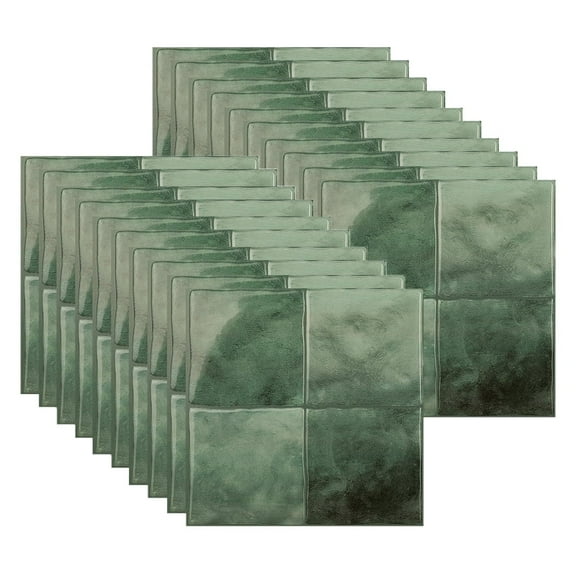


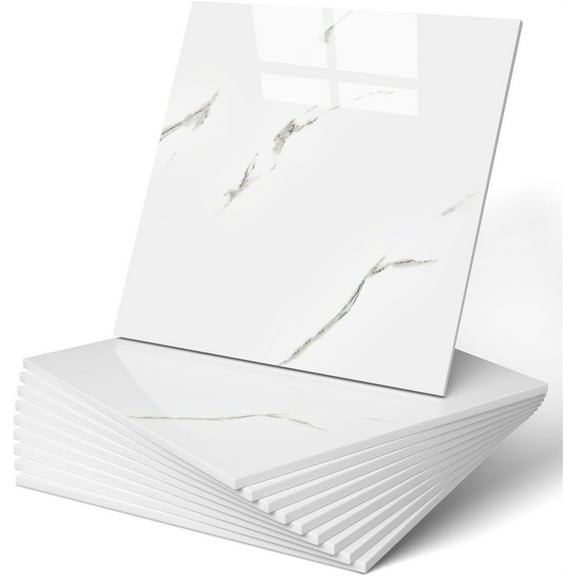


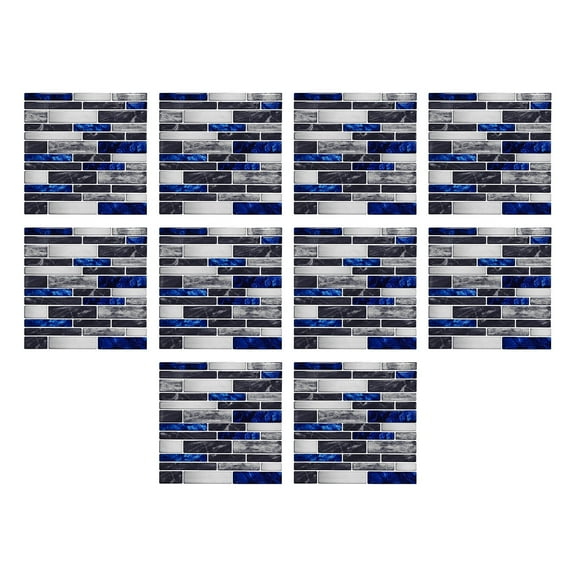

























About Faux Tin Tiles & Peel and Stick Wall Tiles - Walmart - Walmart.com
Wall tile helps you finish kitchens, bathrooms, and accent spaces with a clean surface and a polished look. You can compare materials, installation types, and shapes to match your project with the right fit.
If you're updating a backsplash or refreshing a shower wall, this category gives you practical choices. You can narrow your search by moisture needs, upkeep, and the layout style you want.
How to choose wall tile for your space
You should start with where your tile will go, because application changes what you need. You may want kitchen wall tile for splashes, bathroom wall tile for daily humidity, or shower wall tile for full wet areas.
When you compare spaces, you should check whether the tile suits light moisture or constant water exposure. You can also look at moisture resistance rating and PEI wear rating for added decision support.
You'll usually use backsplash tile behind sinks, ranges, and counters where cleanup matters every day. You may prefer a smooth surface there, because you can wipe cooking splatter and fingerprints more easily.
- You can choose kitchen wall tile that supports easy cleanup around cooking zones.
- You can choose bathroom wall tile that fits vanities, tub surrounds, and feature walls.
- You can choose shower wall tile designed for spaces that see steady moisture.
- You can compare dry accent wall options with wet-area tile requirements before you install.
Comparing ceramic wall tile, glass, porcelain, and stone
You should compare material first, because each surface changes maintenance, shine, and feel. You may notice ceramic wall tile gives you a classic look with straightforward upkeep.
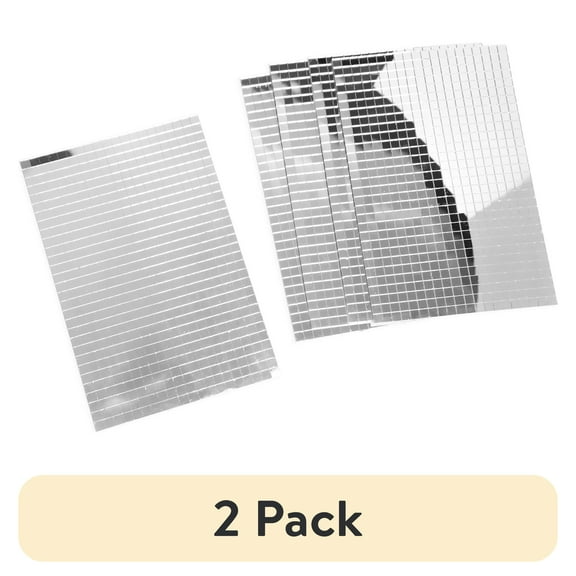
If you want reflective color and a brighter finish, you may lean toward glass wall tile. You'll often like glass in smaller spaces, because it can bounce light across the room.
You can consider porcelain when you want a dense surface and a wide range of looks. You may choose stone when your design calls for natural variation and a textured finish.
Before you decide, you should think about cleaning habits and sealing needs. You'll usually find stone asks for more routine care, while ceramic and glass feel simpler to maintain.
Choosing peel and stick wall tile or traditional grout
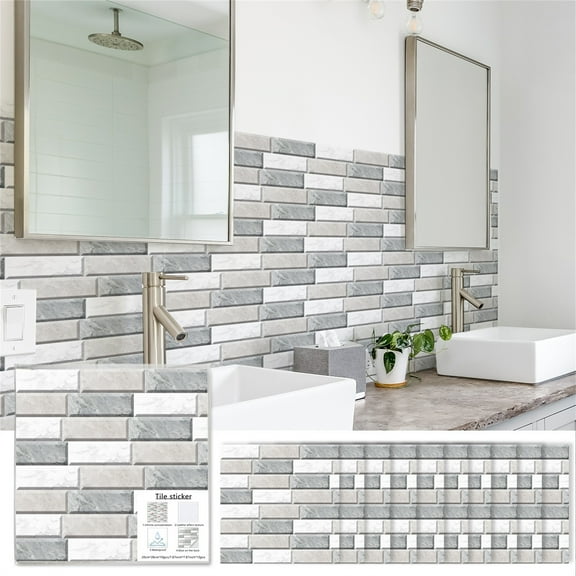
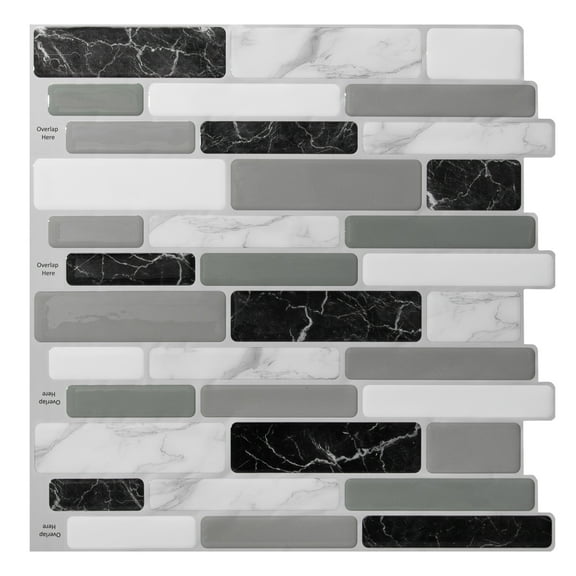
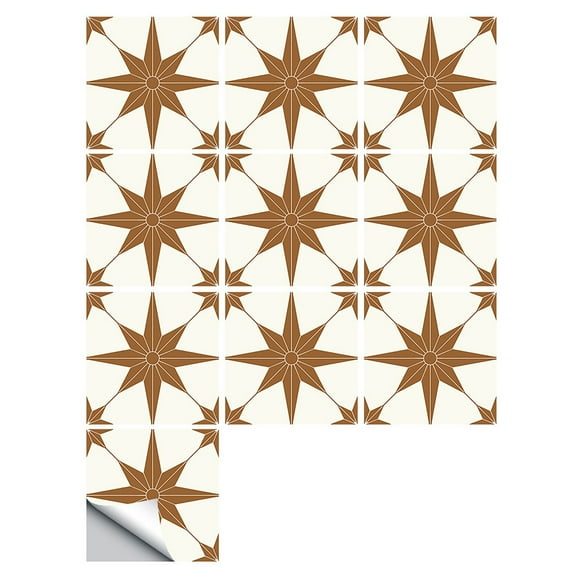
You should match your installation type to your timeline, tools, and comfort level. You may prefer peel and stick wall tile when you want a faster update with less setup.
If you choose self-adhesive options, you should check surface prep and wall smoothness first. You'll get cleaner results when your wall is even, dry, and ready for firm contact.
You can also compare traditional grout installation if you want a more permanent built-in look. You may need mortar, spacers, grout, and cutting tools for that route.
When you weigh both paths, you should consider how much measuring and trimming your layout needs. You'll find simple rectangular layouts are generally straightforward to install compared to tight corners or mixed-shape patterns.
Picking subway wall tile, mosaic, hexagon, and picket styles
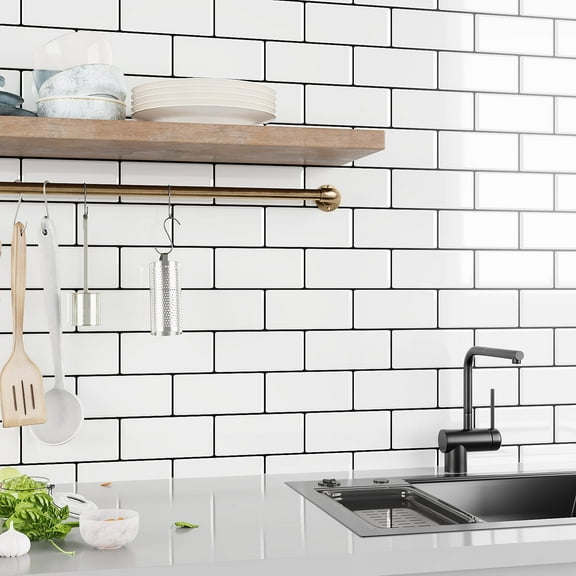
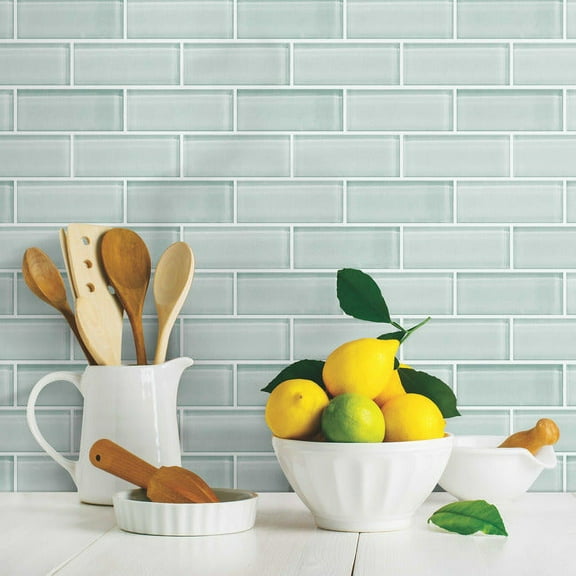
You should choose shape and pattern based on the visual effect you want in the room. You may use subway wall tile for a clean grid, stacked layout, or classic offset pattern.
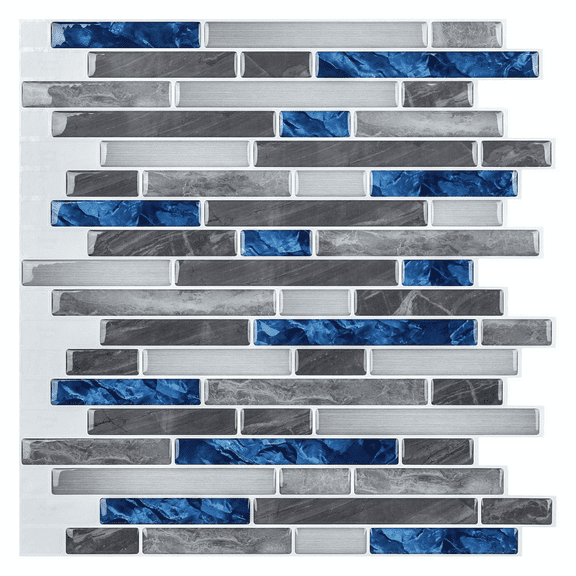
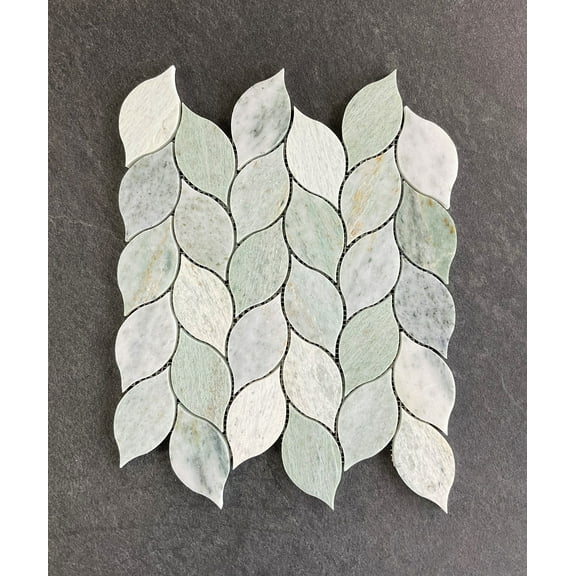
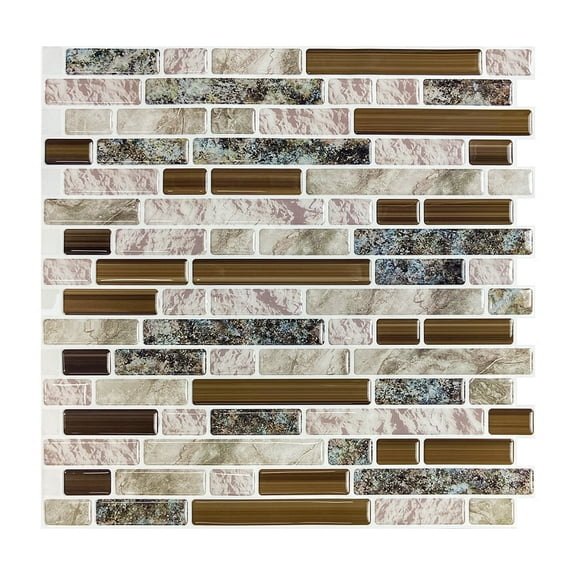
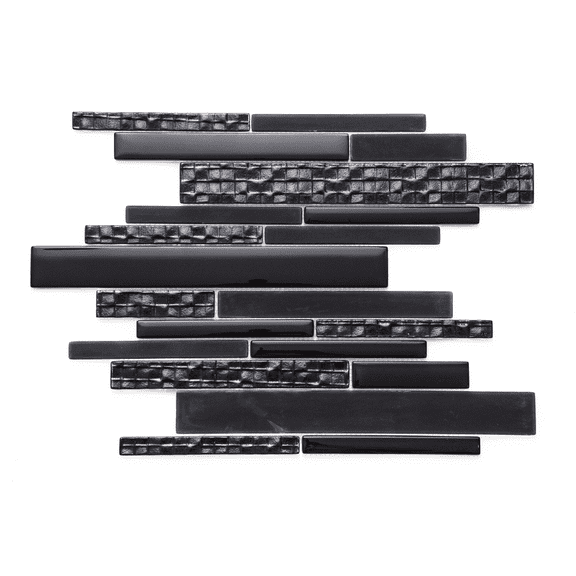
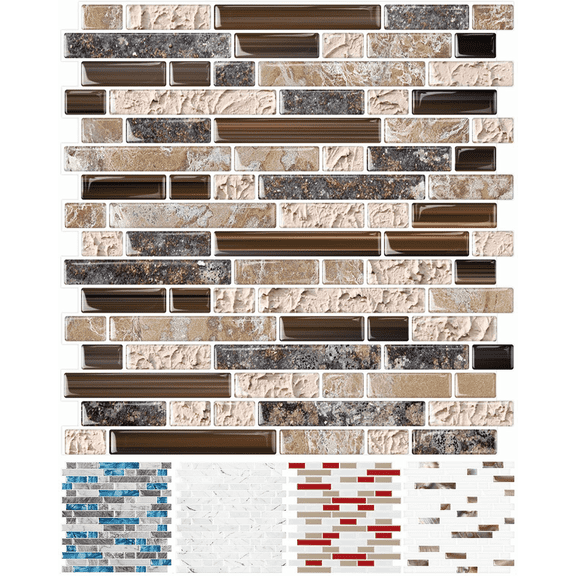
If you want more movement, you can compare mosaic sheets that help you cover small areas with detail. You'll often see mosaic styles used for backsplash tile, shower wall accents, and framed inserts.
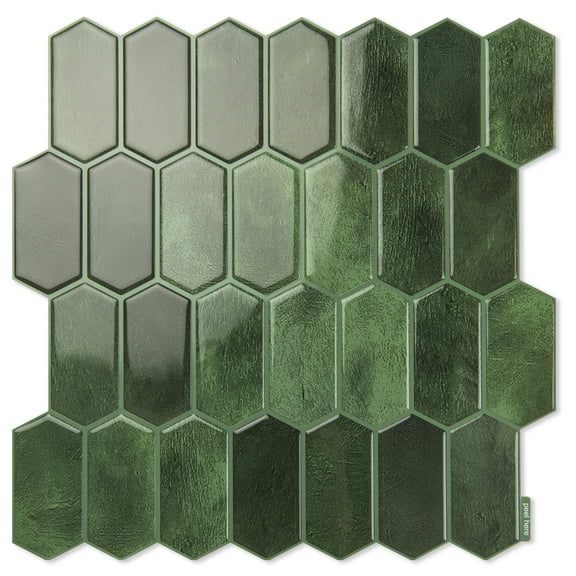
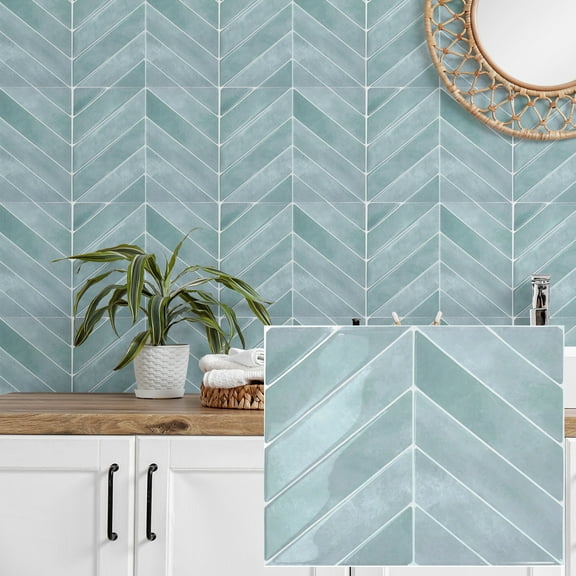
You can look at hexagon tile when you want a geometric look with softer edges. You may prefer picket shapes when your space needs a modern line that still feels decorative.
Before you commit, you should measure the wall and picture the grout lines in your room. You'll usually notice smaller shapes create more pattern, while larger pieces can feel calmer.
Using wall tile in kitchens, bathrooms, and showers
You can use kitchen wall tile to frame countertops, protect backsplash areas, and finish coffee bars. You'll appreciate surfaces there that clean up easily after steam, splatter, and everyday prep.
In bathrooms, you may use tile behind vanities, around tubs, or across a full feature wall. You should compare finish and color carefully, because light reflection changes the room's mood.
For shower wall tile, you should focus on wet-area suitability and the look you want after installation. You'll want materials and installation methods that align with steady moisture and regular cleaning.
You can also mix shapes or materials to create borders, niches, or accent strips. You'll get a more intentional result when your field tile and trim work together in color and scale.
When your project needs a versatile finish, wall tile gives you design range and practical coverage. You can choose a surface, shape, and installation style that supports the room you use every day.