

Electrical Receptacles & Wall Outlets
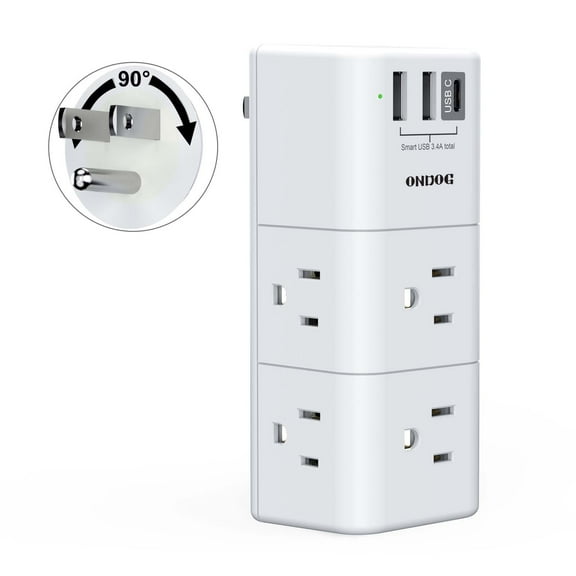

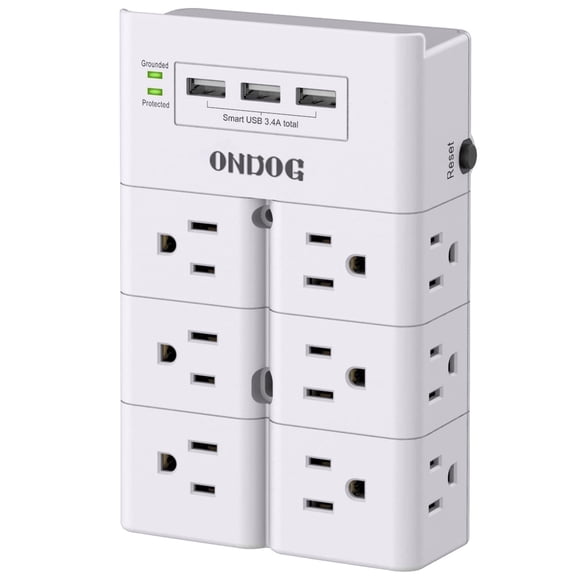
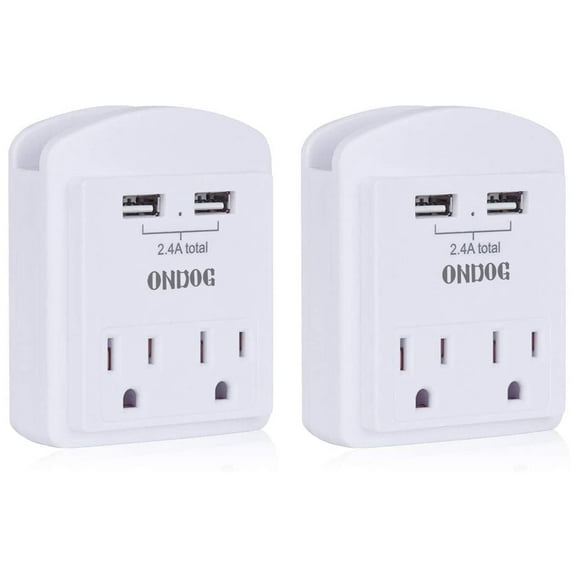
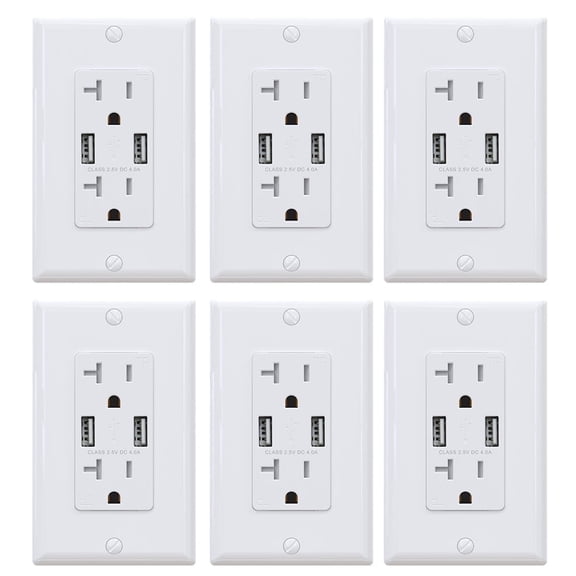



![Faith [10-Pack] Tamper-Resistant Outlets, 20A 125V Decorator Receptacles, UL-Listed, White](https://i5.walmartimages.com/seo/Faith-10-Pack-Tamper-Resistant-Outlets-20A-125V-Decorator-Receptacles-UL-Listed-White_de61e1aa-9966-4454-b67c-fc4c313fb52c.30e10a51110365d4ce8d0118486701f6.jpeg?odnHeight=576&odnWidth=576&odnBg=FFFFFF)

![Faith [10-Pack] Non-Tamper-Resistant Outlet, 15A 125V Decorator Receptacles, UL-Listed, White](https://i5.walmartimages.com/seo/Faith-10-Pack-Non-Tamper-Resistant-Outlet-15A-125V-Decorator-Receptacles-UL-Listed-White_91b046b5-2b18-498a-bbd4-c11ac823c748.45c633229fff73614eea464540cddc1b.jpeg?odnHeight=576&odnWidth=576&odnBg=FFFFFF)






















About Electrical Receptacles & Wall Outlets - Walmart.com
You can compare electrical receptacles by amperage, receptacle type, voltage, and finish, so your outlet replacement fits your space and your wiring plan. You can also find options for kitchens, bathrooms, workshops, and living areas where your outlet setup needs a specific configuration.
When you’re replacing a worn outlet or planning a new install, you need clear decision points that match real household use. You can use this guide to sort wall receptacles by safety features, plug style, and the look you want on your finished wall.
How to choose electrical receptacles
You should start with circuit compatibility, because your receptacle needs to match your breaker and intended use. You can usually compare 15 amp and 20 amp options first, then check 125V or 250V requirements.
If you’re updating a visible room, you may also compare white, light almond, ivory, and black finishes. You can match your outlet face to your wall plate and nearby switches for a consistent look.
Choosing amperage for wall receptacles
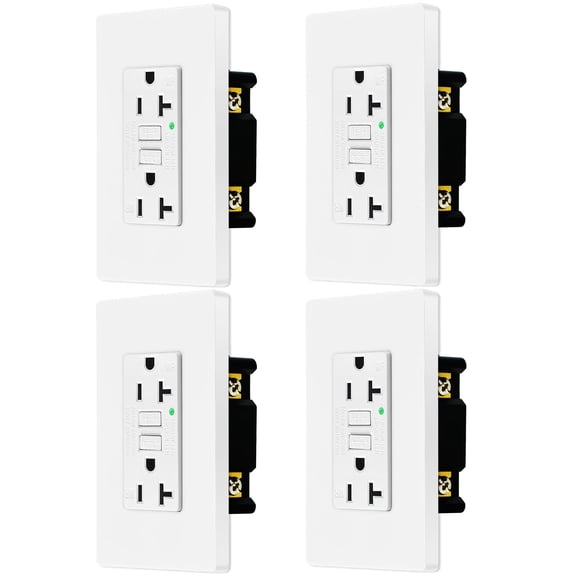
You may often see 15 amp and 20 amp wall receptacles, and that difference affects plug compatibility and circuit matching. You should check whether your branch circuit calls for a standard household outlet or a heavier-duty configuration.
A 15 amp receptacle usually suits many common indoor spaces where your everyday lamps, chargers, and small appliances plug in. A 20 amp receptacle can make sense when your circuit and connected equipment call for that added capacity.
- You can narrow choices quickly when you match amperage to your circuit setup.
- You may avoid fit issues when you check plug configuration before replacing an outlet.
- You can keep your project consistent when you replace multiple outlets with the same rating and finish.
- You can plan rooms directly when you separate standard living spaces from utility or workshop needs.
Comparing outlet receptacles by type
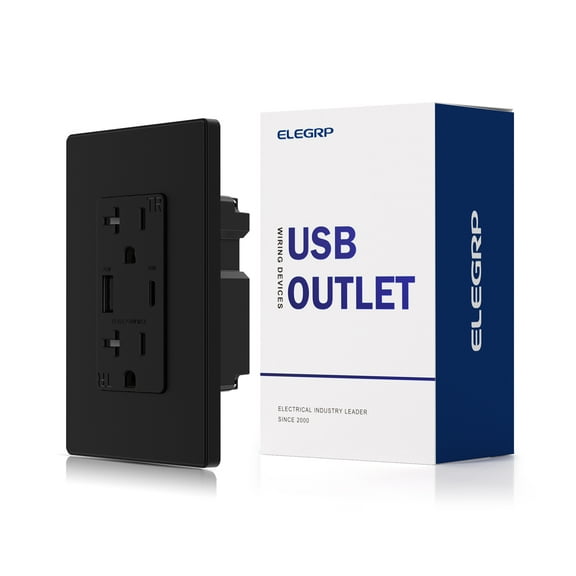
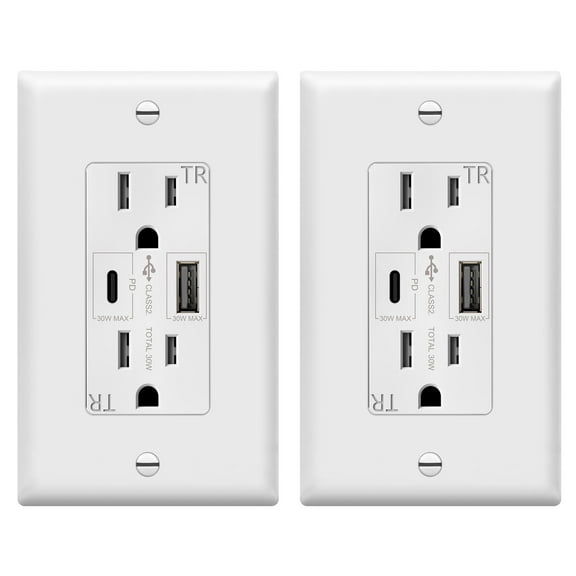
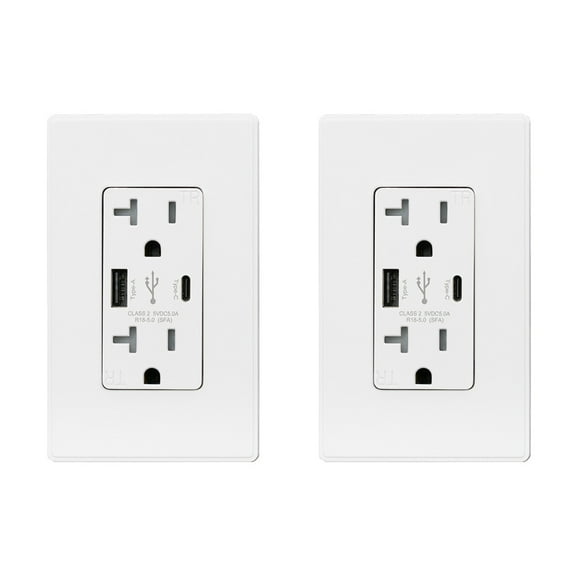
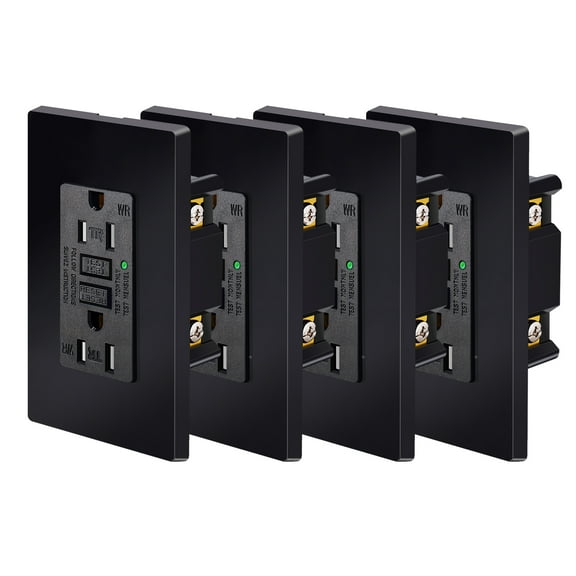
You should compare receptacle type next, because each design supports a different room setup and convenience level. You may commonly choose from standard duplex, GFCI, tamper-resistant, and USB outlet receptacles.
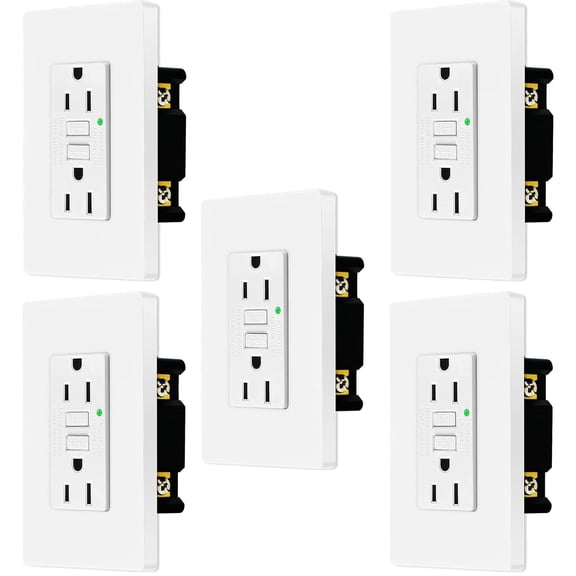
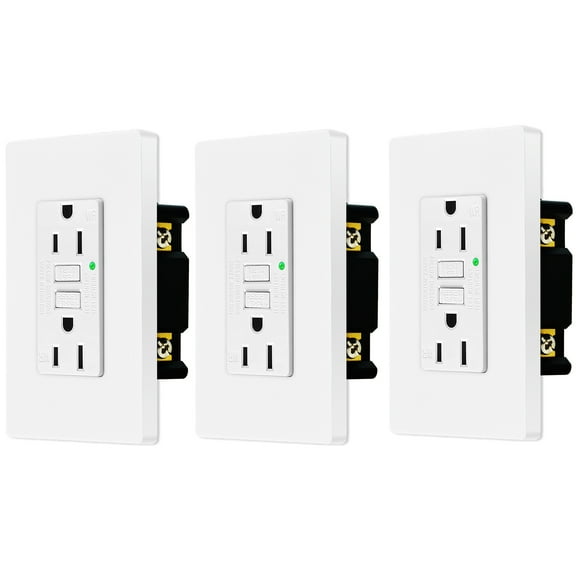
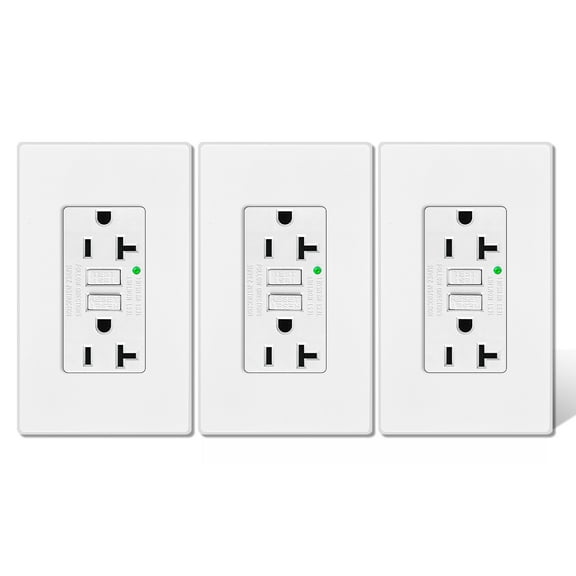
A standard duplex outlet gives you the familiar two-plug format used in many rooms throughout your home. A GFCI style adds reset and test buttons, which you may want in places with sinks, counters, or utility areas.
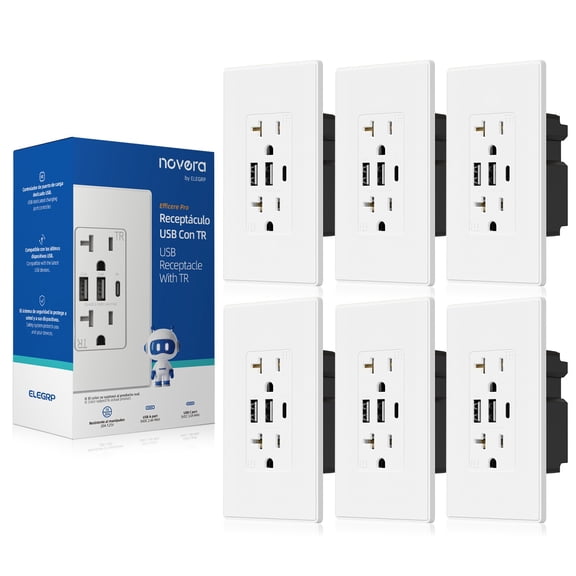
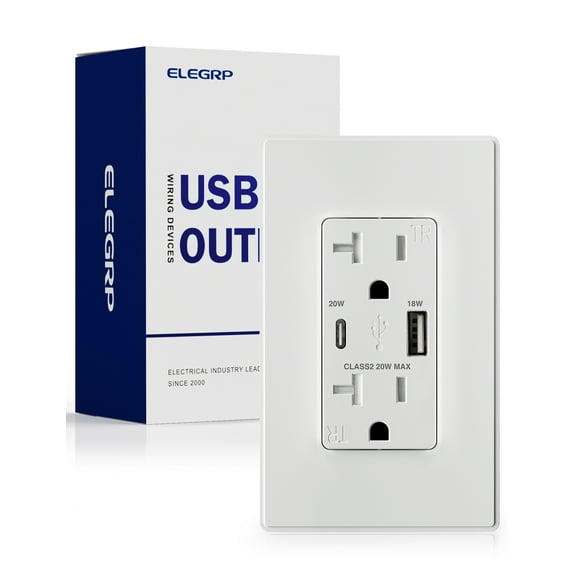
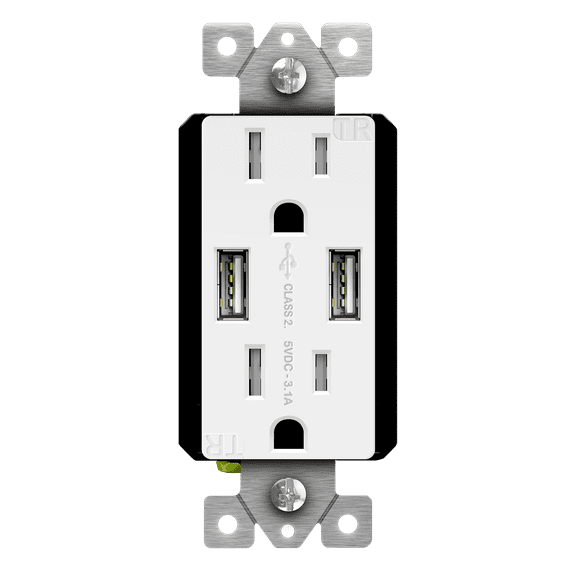
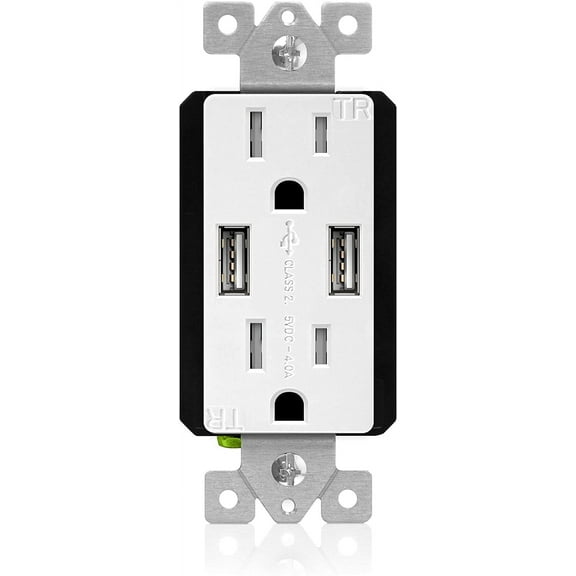
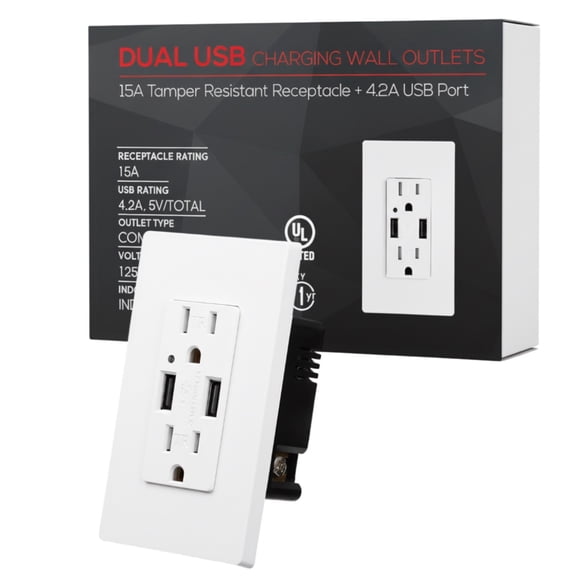
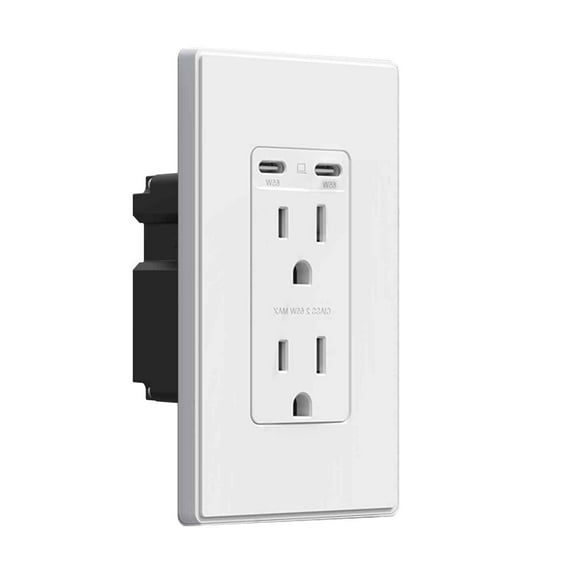
If your outlets are within reach of little hands, you may look for tamper-resistant designs with internal shutters. If you charge phones and tablets often, you may prefer USB options that reduce the need for bulky adapters.
What voltage means for your selection
You should also check voltage, because your project may call for 125V or 250V outlet configurations. You may usually see 125V in many standard household applications, while 250V can appear in specialized setups.
When you compare voltage, you’re checking whether your receptacle matches the equipment and circuit you plan to use. You can narrow your choices quickly when you confirm those requirements before ordering parts.
Matching color and finish to your room
You may want your new outlets to blend into existing walls, trim, and plates instead of standing out. You can usually choose white for a clean standard look, while light almond and ivory soften warmer room palettes.
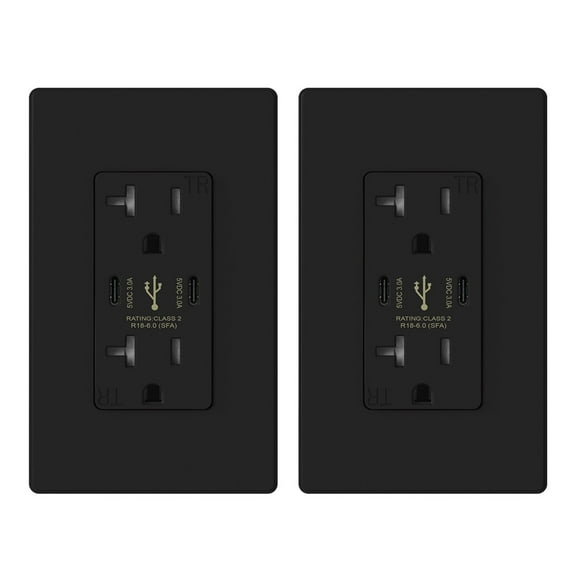
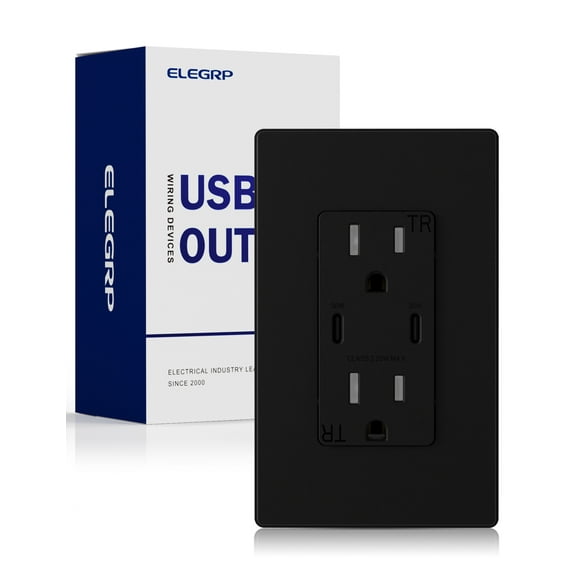
If your switches, plates, or hardware use darker accents, you may prefer black receptacles for a coordinated finish. You can get a clean final result when your outlet color aligns with nearby electrical accessories.
Use cases for electrical receptacles around your home
You might need standard duplex receptacles for bedrooms, halls, or living rooms where your everyday devices need familiar plug access. You can use finish matching here to keep your walls consistent across several rooms.
In kitchens, bathrooms, laundry spaces, or garages, you may look for GFCI outlet receptacles with the right amperage and voltage. You may want that category-specific design when your layout includes counters, utility zones, or water-adjacent tasks.
If you’re updating a child-accessible room, you may prefer tamper-resistant options that fit your household setup. If you’re building a charging station by a nightstand or desk, you may choose USB styles for direct device power.
For workshops, utility spaces, or dedicated equipment areas, you should compare 20 amp and 250V configurations carefully. You can make your parts list accurate when you confirm those specs before you start the replacement.
If you search for an everyday wall outlet in Spanish, you’re often looking for the same common replacement choices used throughout your home. You can compare those options here by receptacle type, amperage, voltage, and color.
What to look for before you finish your project
You should measure your project needs against nearby wall plates, electrical boxes, and connected devices before choosing a replacement. You can also coordinate related parts so your install looks consistent from the outlet face to the finished cover.
With the right electrical receptacles, you can match your circuit, room type, and finish with confidence. You can end up with outlet replacements that fit your space cleanly and support your daily plug-in needs.