

Wall Stickers Panels & Decorative Wall Panels | Walmart


































About Wall Stickers Panels & Decorative Wall Panels | Walmart - Walmart.com
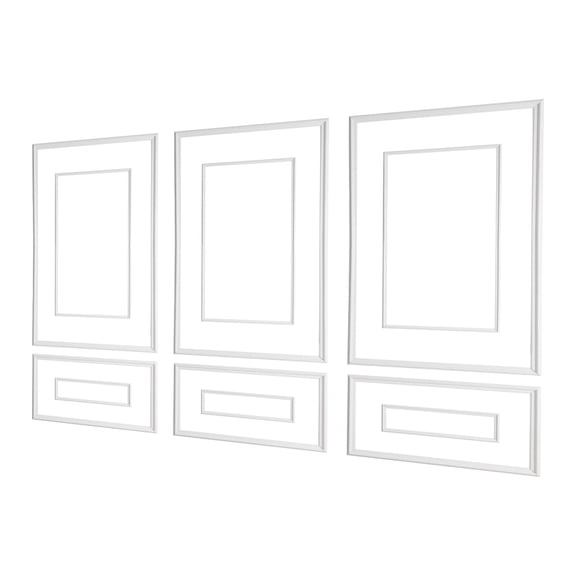
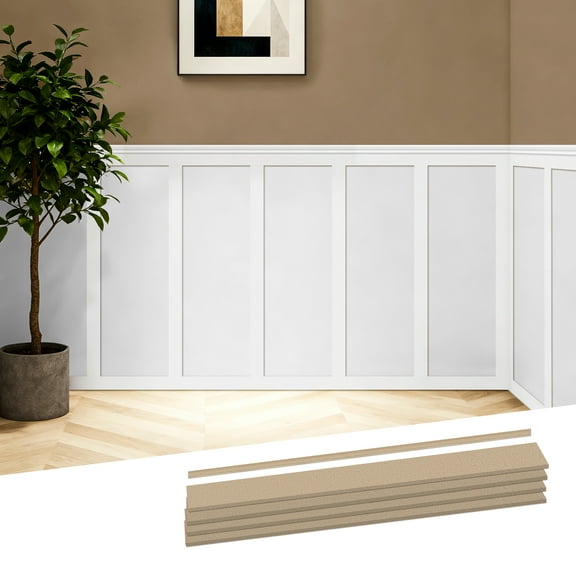
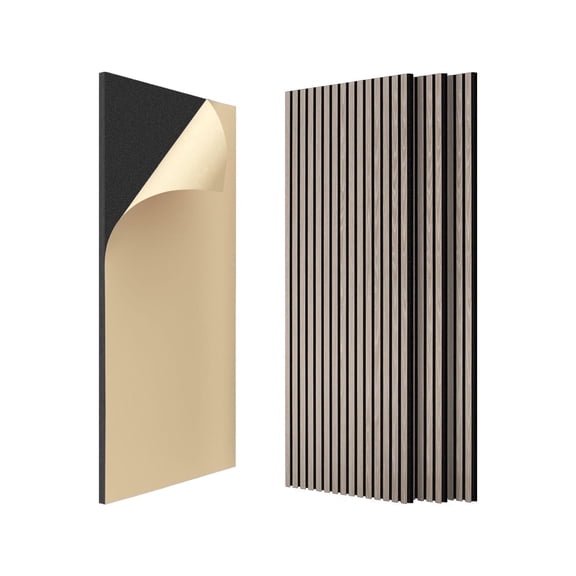
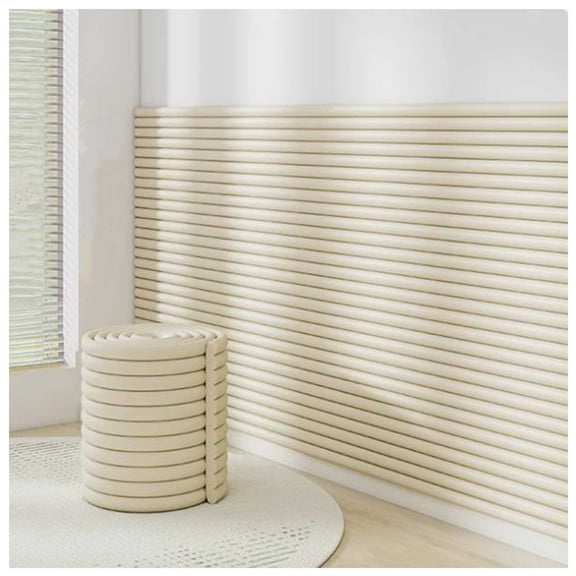
Wall panels help you change plain walls with texture, depth, and coverage that paint alone can't match. You can compare materials, installation types, and room use to choose a finish that fits your project.
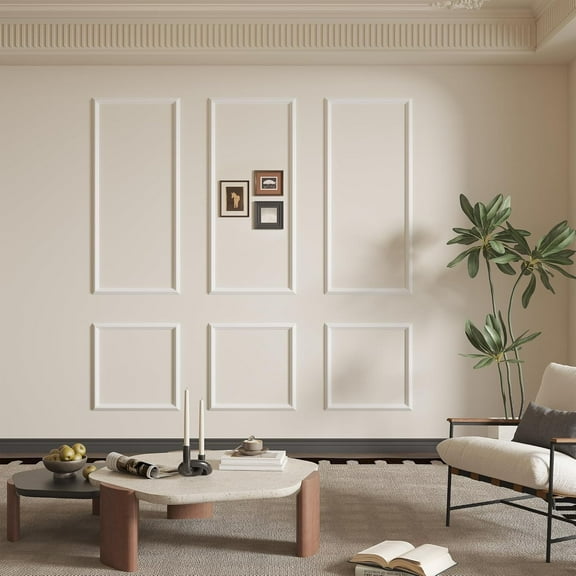
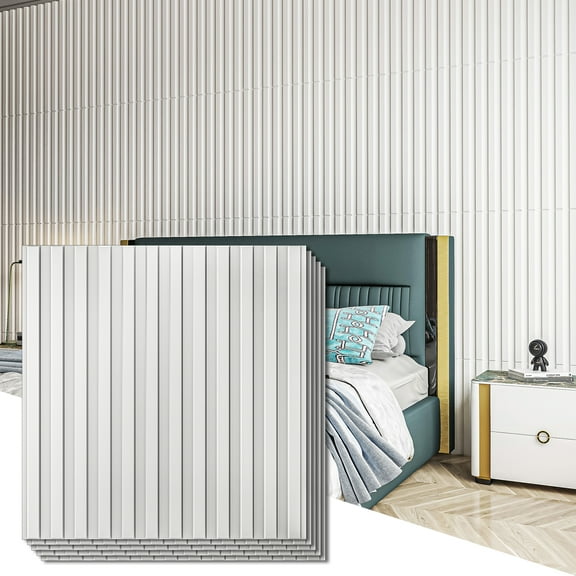
If you're updating a living room, kitchen backsplash, or bath wall, you need options built for that setting. You can find decorative wall panels in 3D textures, wood looks, slat styles, and peel and stick formats.
How to choose wall panels for your space
You should start with your wall surface because drywall, plaster, tile, and concrete can affect how panels attach. You can often use peel and stick wall panels on smooth surfaces, while rougher walls may need glue-on or nail-down styles.
Your room also guides the right panel choice because moisture, heat, and daily wear can vary by area. You may want water-resistant options for bathrooms and kitchen spaces, while decorative finishes may suit dry living areas.
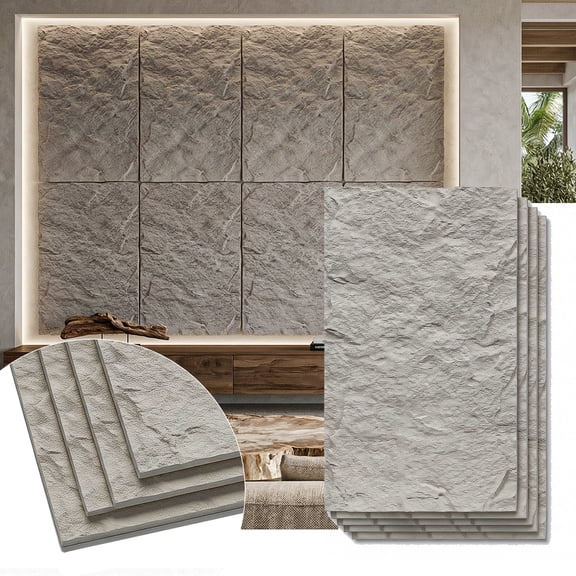
- You can add depth and shadow with 3D wall panels for a bold accent wall.
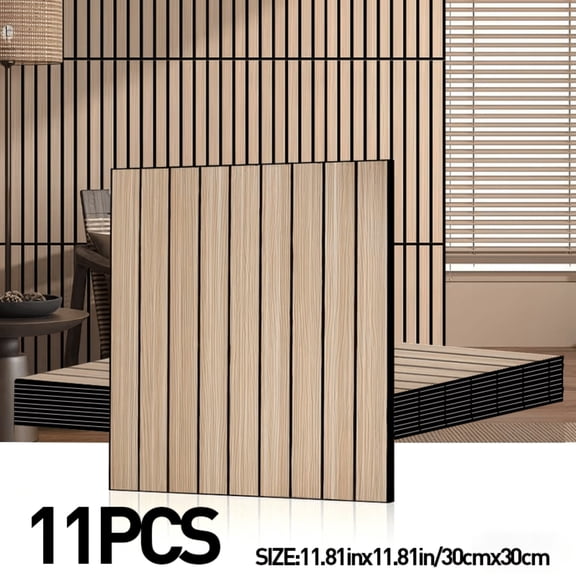
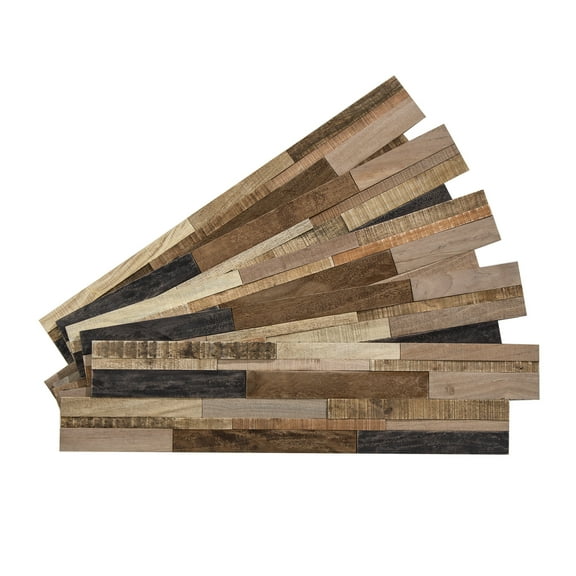
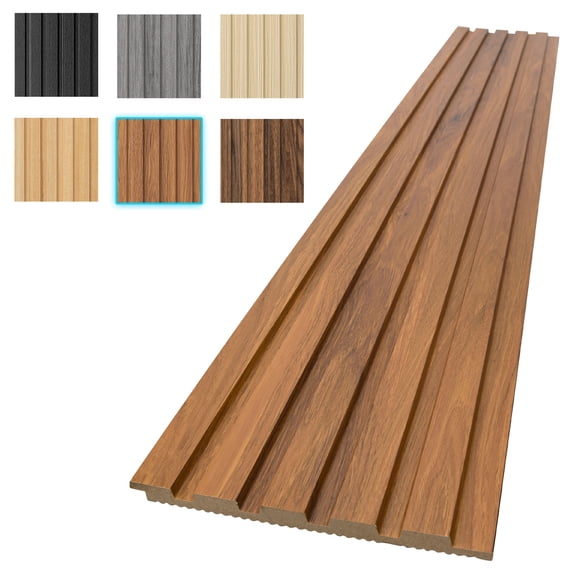
- You can bring warmth and a natural look with wood wall panels or bamboo styles.
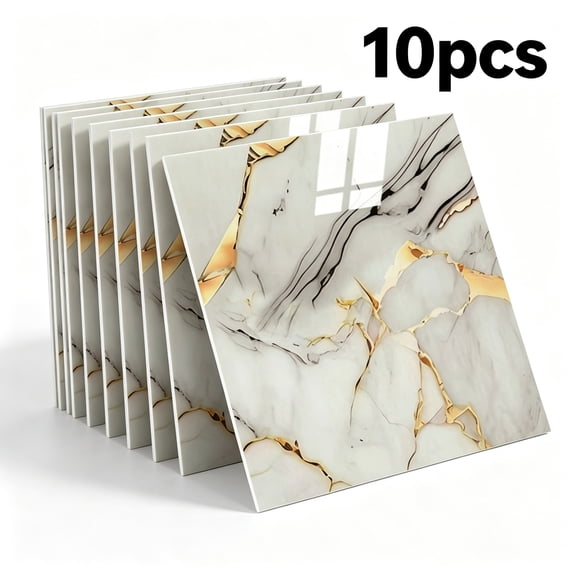
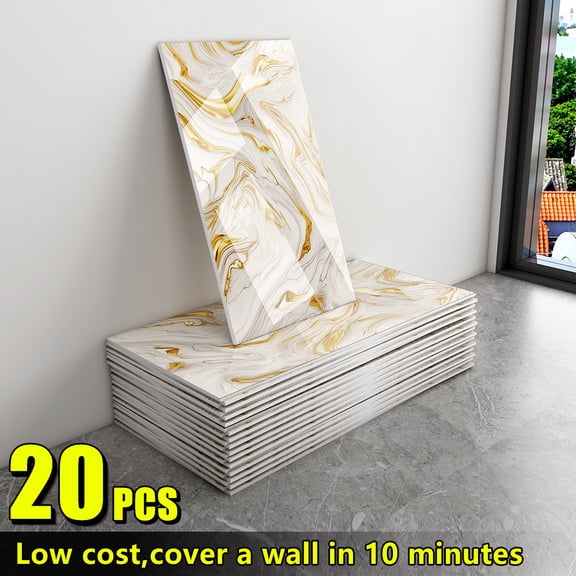
- You can simplify updates with peel and stick wall panels that need fewer tools.
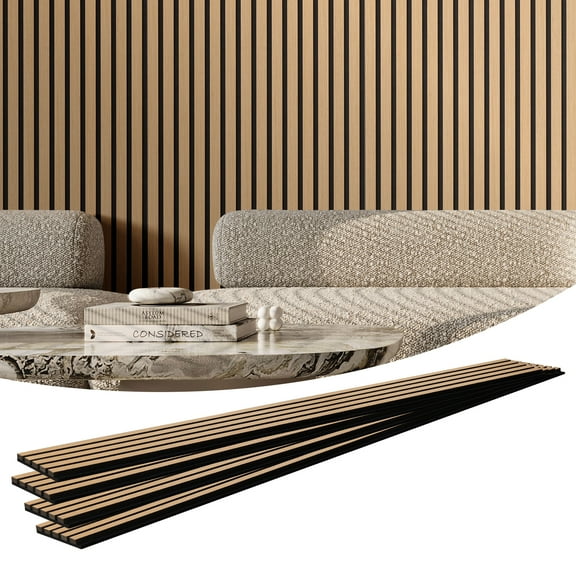
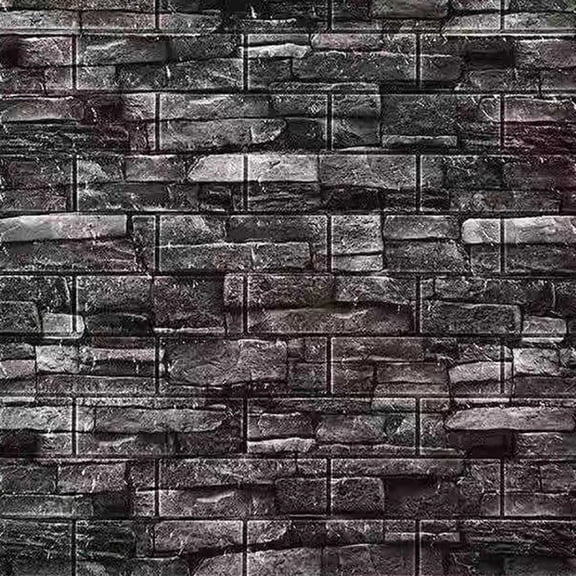
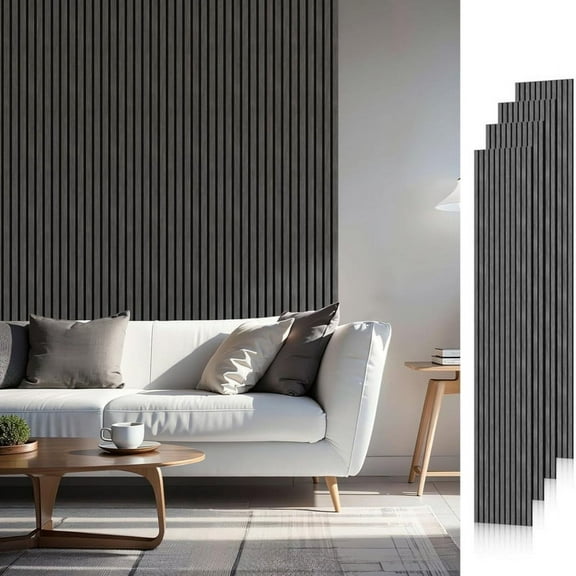
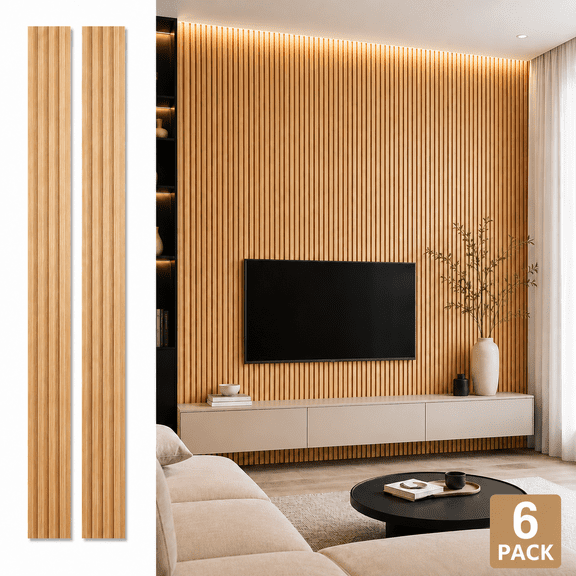
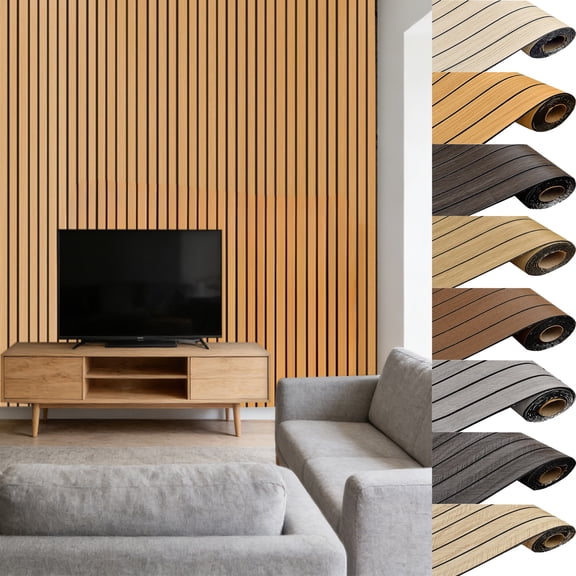
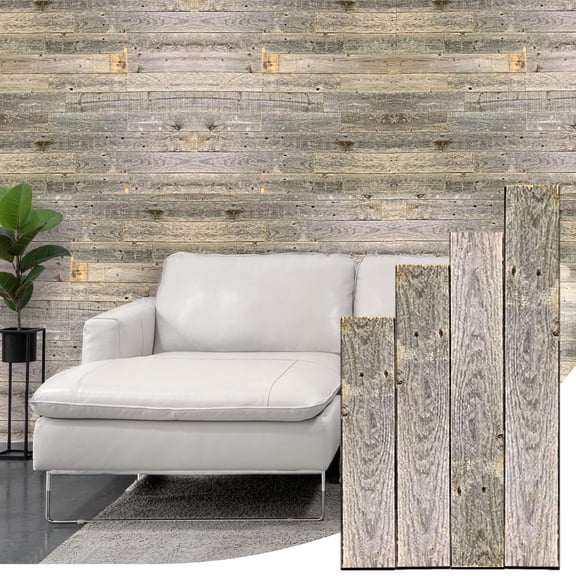
- You can match modern, rustic, or industrial rooms with slat wood, shiplap, or brick-look designs.
You also benefit from panels that cover uneven color or minor visual flaws across a wall. You can create a cleaner finished look without planning a full repaint.
Comparing materials and decorative wall panels
You should compare material first because it shapes the look, feel, and upkeep of your wall. You can choose wood for warmth, PVC for easy cleaning, foam for lighter handling, or bamboo for a natural texture.
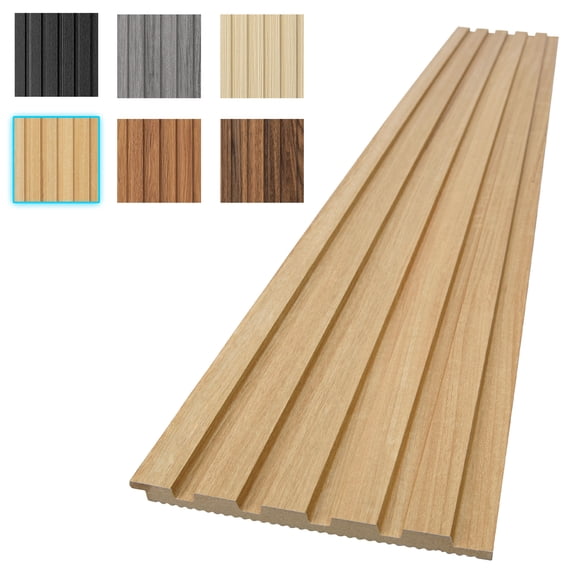
With wood wall panels, you get visible grain and a more architectural feel on feature walls. You may prefer them for slat wood layouts, shiplap patterns, or rooms where you want a more grounded finish.
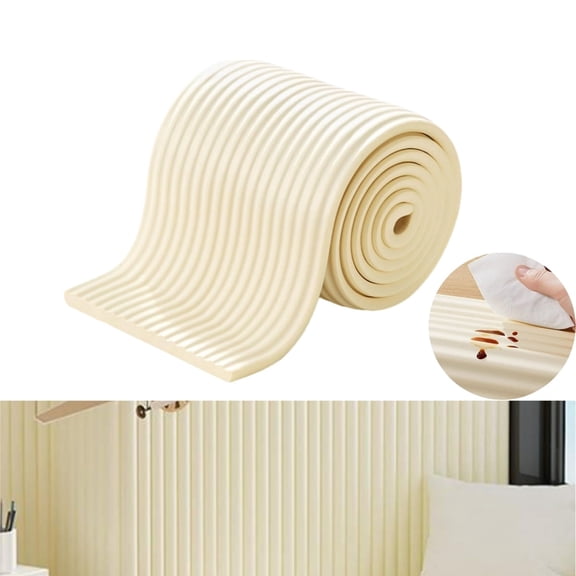
PVC and plastic wall panels can make sense when you want a wipeable surface in active spaces. You can use them in kitchens, baths, or utility areas where splashes and regular cleanup matter.
Foam styles can feel easier to move and position during a DIY project. You may like them for decorative wall panels with 3D texture, especially when you want dimension without heavier pieces.
Bamboo panels give you another natural-looking option when you want a layered wall treatment. You can pair them with simple furniture and neutral colors for a calm, textured backdrop.
Choosing installation type and surface compatibility
You should check whether your wall is smooth, sealed, and clean before choosing an installation type. You can often install peel and stick wall panels faster on finished drywall, painted walls, or smooth tile.
If your surface has texture, dust, or uneven patches, you may need glue-on panels for a steadier hold. You should also compare interlocking styles when you want cleaner seams across a larger wall.
Nail-down options can work for some wood applications where you want a more fixed installation. You may choose them for accent walls, framed sections, or projects with trim details.
You should measure corners, outlets, and edge transitions before you commit to a panel format. You can avoid awkward cuts by checking panel width, thickness, and repeat pattern early.
Your tool comfort matters too because some projects need only trimming and alignment, while others need adhesive and layout planning. You can pick the effort level that matches your timeline and experience.
What to look for in 3D wall panels and room performance
You should think about depth and pattern scale when you compare 3D wall panels. You can use bold geometric textures on a single accent wall or softer waves for a calmer visual effect.
For kitchens and bathrooms, you should check whether panels are waterproof or water-resistant before installation. You can use that difference to match splash-prone spaces with the right level of moisture handling.
You should also review heat placement if panels will sit near a stove or other warm area. You can look for manufacturer guidance on heat tolerance and fire ratings when placement matters.
If noise control is part of your project, you should separate acoustic goals from purely decorative ones. You can choose panels with sound-dampening qualities when you want a room to feel less echoey.
Some decorative wall panels focus mainly on appearance, while others add a softer surface effect. You can compare thickness and material to decide whether you want visual texture, sound control, or both.
Matching wall panels to real rooms
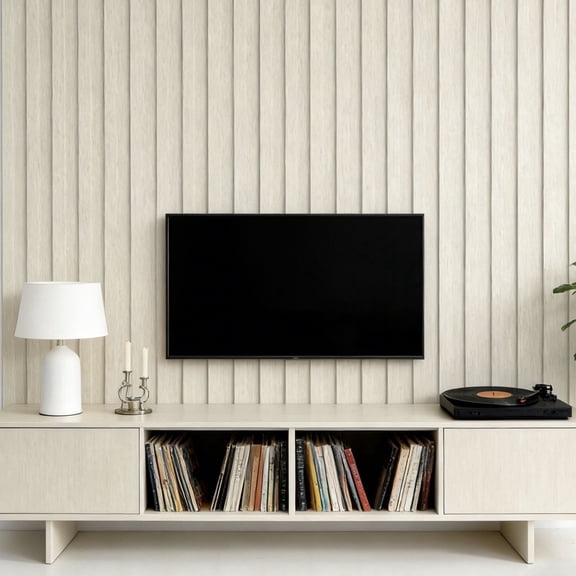
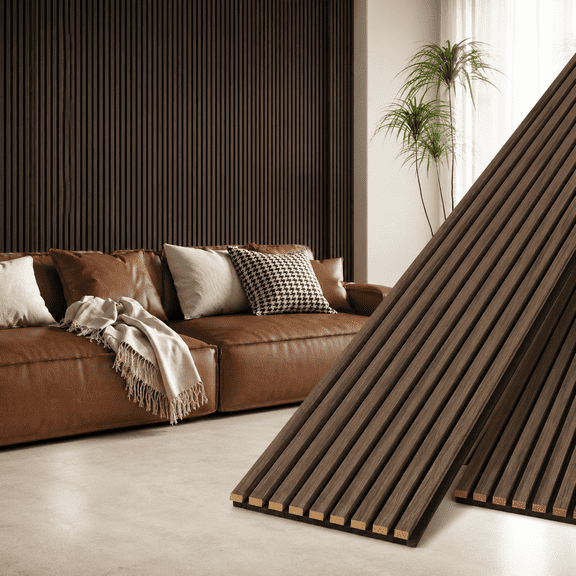
You can use slat wood or shiplap looks in a living room accent wall when you want a more finished focal point. You may place them behind a TV, sofa, or fireplace surround for stronger visual structure.
In a bathroom, you should focus on moisture-aware materials and easier-clean surfaces. You can narrow your options to PVC, plastic wall panels, or other water-friendly styles for that setting.
For a kitchen backsplash wall, you may want brick-look panels or 3D wall panels with wipeable surfaces. You should compare texture depth carefully so cleanup stays manageable around cooking areas.
If you're updating a covered outdoor space, you should confirm the panel's intended environment before installation. You can check whether the material and finish are designed for exterior exposure.
When you want a quick refresh in a rental or low-tool project, peel and stick wall panels may fit your plan. You can get a finished accent effect with less setup and fewer installation steps.
You can make a smarter choice when you match material, installation type, and room conditions before buying. Your finished wall can look cohesive, fit your surface, and deliver the texture your space was missing.