

Wall Heaters in Space Heaters






















About Wall Heaters in Space Heaters - Walmart.com
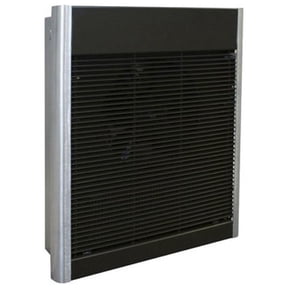
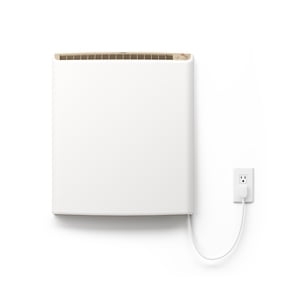
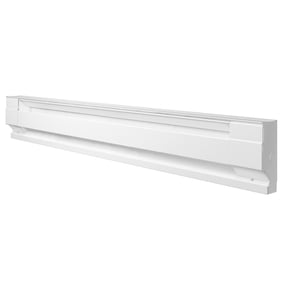
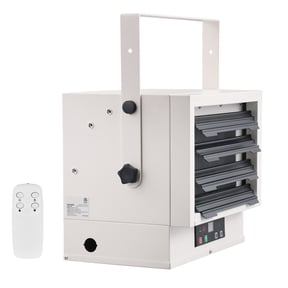
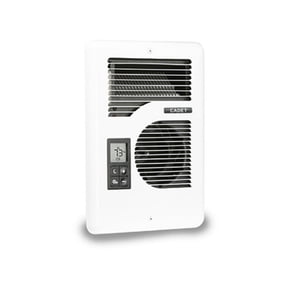
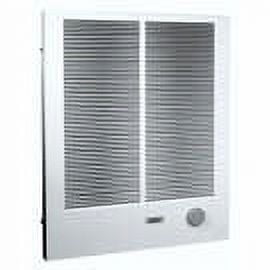
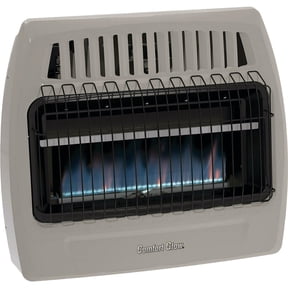
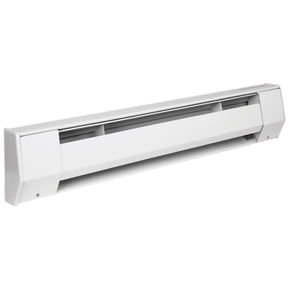
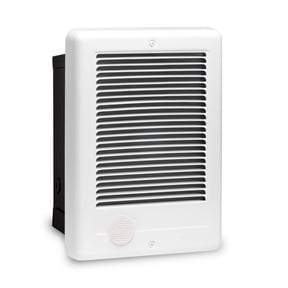
Wall heaters help you warm targeted rooms without giving up floor space. You can compare electric wall heaters, gas wall heaters, and recessed styles that fit your room and installation plans.
If you want steady heat in a bedroom, bathroom, hallway, or office, you can use this category as a practical buying guide. You can focus on power source, mounting type, heating technology, and controls before you choose.
How to choose wall heaters for your space
You should start with room size, because heating capacity shapes comfort and efficiency. You can compare wattage for electric models or BTU output for gas units to match your square footage.
If you need heat for a compact bathroom or entryway, you may prefer a lower-capacity unit with a slim profile. If you need broader coverage, you should look for higher output and a thermostat that keeps temperatures consistent.
You can also notice that wall-mounted designs free up walking space and reduce clutter around furniture. You can place heat where you need it most, which works well for zone heating in busy households.
- You can warm a specific room without using valuable floor space.
- You can compare electric, natural gas, and propane options for your setup.
- You can choose recessed or surface mount styles based on your wall depth.
- You can look for thermostat, manual, remote, or smart controls for easier temperature changes.
Choosing between electric wall heaters and gas wall heaters
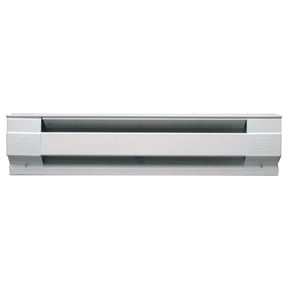
You should check your home’s power source first, because that decision narrows your options quickly. Electric wall heaters often suit spaces where you want straightforward operation and compact heating equipment.
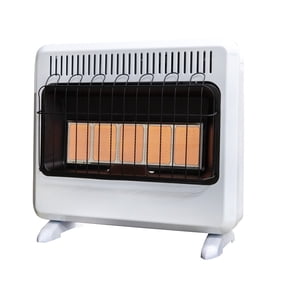
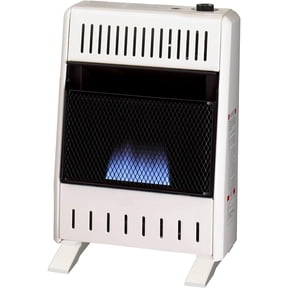
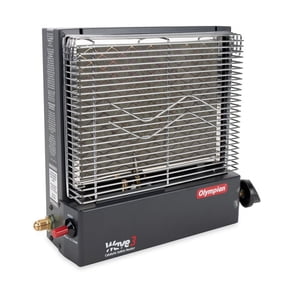
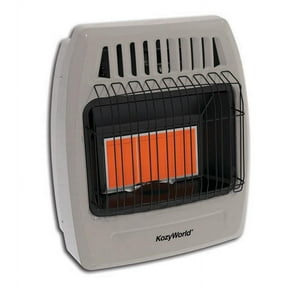
If your room already supports gas service, you may consider natural gas or propane models. Gas wall heaters can make sense when you want a fixed heating source with BTU-based output.
You may also want to compare installation requirements before you decide. Some units may be hardwired or recessed, while others may use a simpler surface-mount design.
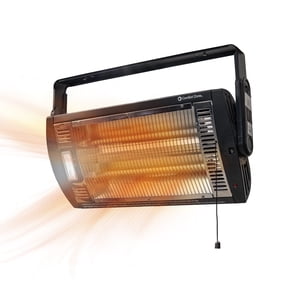
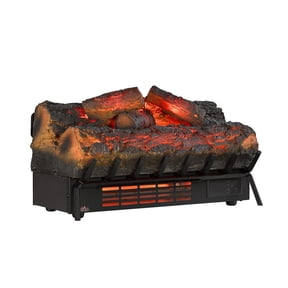
When you compare heating technology, you should think about how you want the room to feel. Fan-forced models can move warm air quickly, while radiant or infrared styles can focus warmth in a direct area.
Convection designs may suit rooms where you want more even air circulation over time. You can use these technology differences to narrow choices for bedrooms, home offices, and shared living spaces.
What to look for in mounting type, controls, and safety features
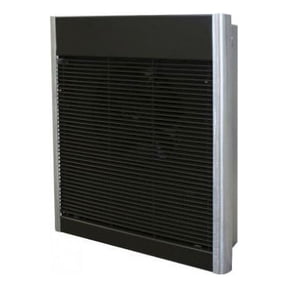
You should measure your wall area before you choose between wall mounted heaters, recessed wall heaters, and surface-mount models. Recessed styles can create a built-in look, while surface-mount units may work when wall depth is limited.
If you want a cleaner profile in a finished room, you may prefer recessed wall heaters. If you want easier placement, you may lean toward a surface-mount option that keeps installation planning simpler.
You can also compare control types based on how often you adjust heat. Manual controls keep operation direct, while thermostat controls help you hold a steadier room temperature.
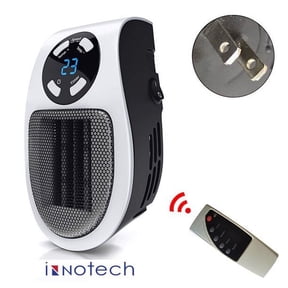
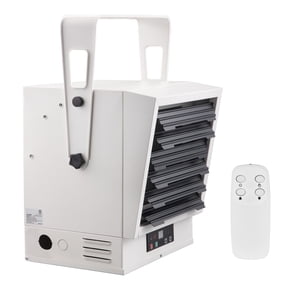
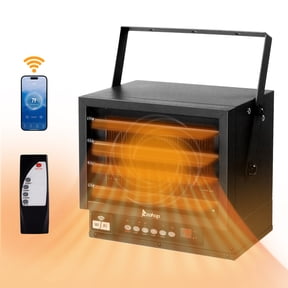
If you want added convenience, you can look for remote control access or smart features with Wi-Fi connectivity. Those options can help you change settings without walking to the unit each time.
You may also look for safety details that fit active households. Features like automatic shut-off and cool-touch exteriors can support everyday use in rooms where kids or pets spend time.
For installation, you should check whether your preferred model is plug-in, hardwired, or tied to a gas line. That detail helps you decide whether your project fits a DIY plan or calls for professional installation.
Matching wall heaters to real rooms and everyday needs
You can use bathroom wall heaters when you want focused warmth in smaller spaces that need a compact footprint. A slim wall unit can help you keep open floor area around vanities, doors, and storage.
In a bedroom or home office, you may prefer electric wall heaters with thermostat control for steady comfort. That setup can work well when you want quiet, fixed heating without moving a portable unit around.
If you’re updating a den, sunroom, or workshop, you should compare output carefully against room size. Higher wattage or BTU capacity can matter more in larger spaces or rooms with frequent door openings.
You can also match mounting style to your renovation plan. Recessed models may suit new wall work, while surface-mount units may fit replacement projects with less structural change.
For households that want connected controls, you can consider smart or Wi-Fi-enabled wall heaters. Those features can make it easier for you to adjust settings as your schedule changes through the day.
If you’re comparing wall heaters for home use across several rooms, you should keep your decision criteria consistent. You can measure square footage, confirm power compatibility, and compare controls to make a clearer choice.
With the right combination of output, mounting type, and controls, you can choose wall heaters that fit your room and installation goals. You can get targeted warmth, a cleaner layout, and a heating option designed around your space.