

Orthopedic Boots in Foot Support
















About Orthopedic Boots in Foot Support - Walmart.com
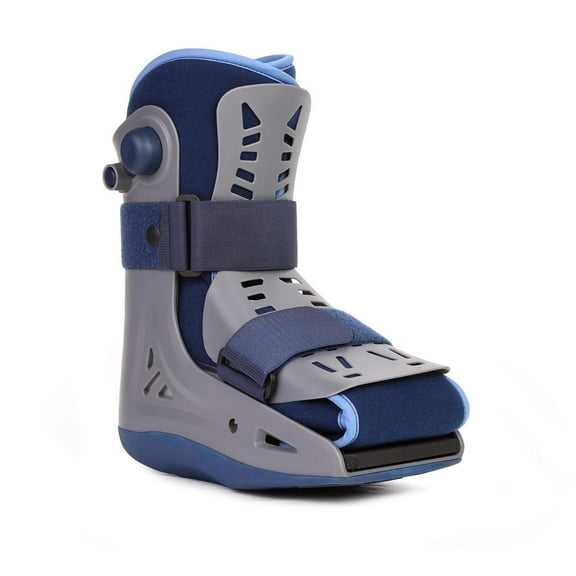
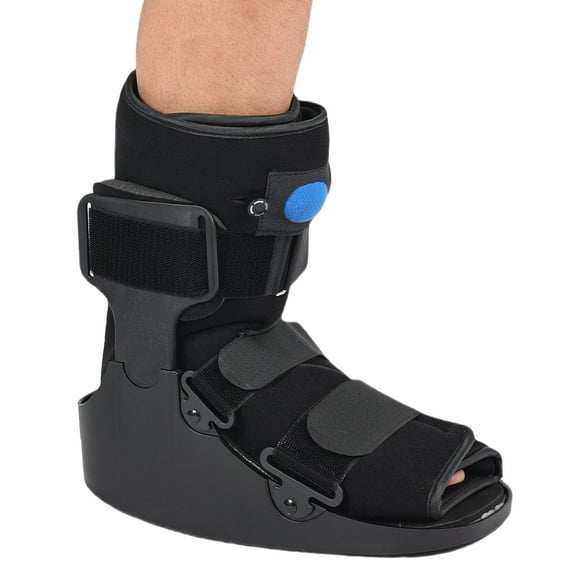
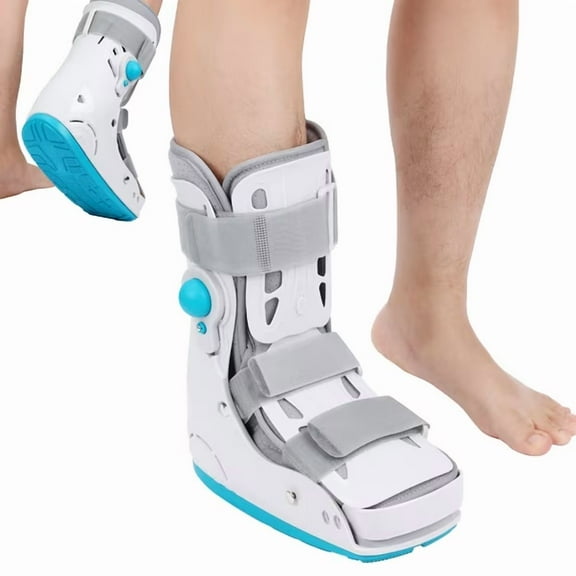
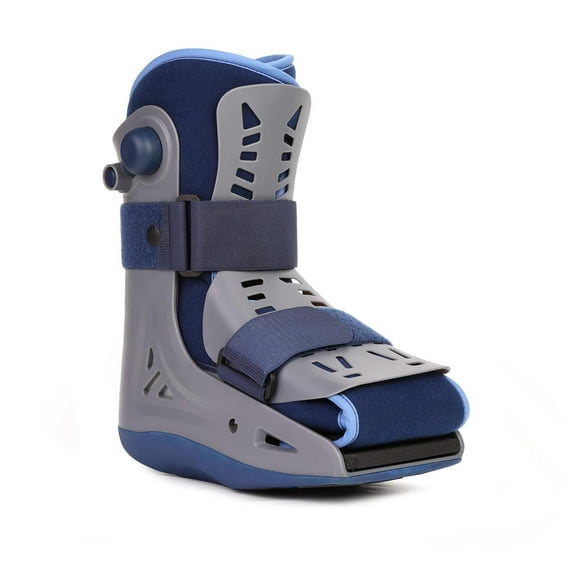
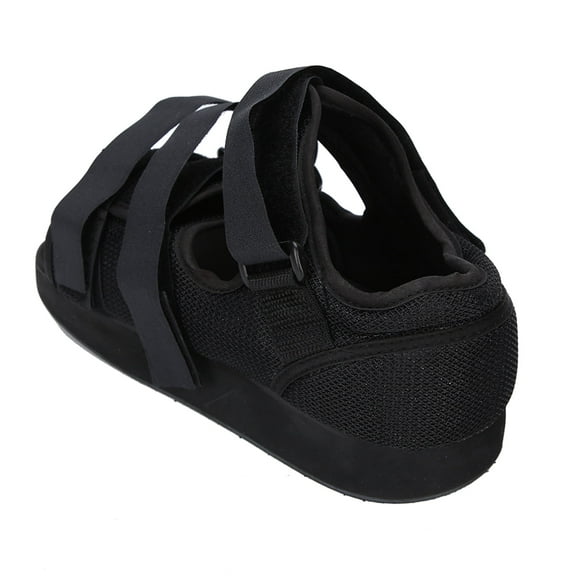
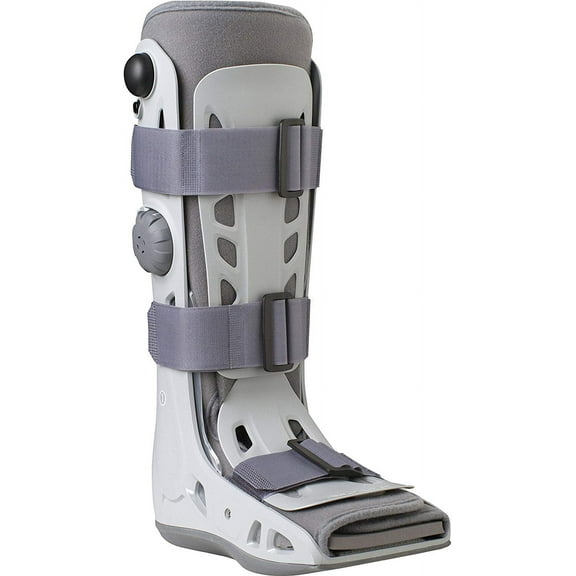
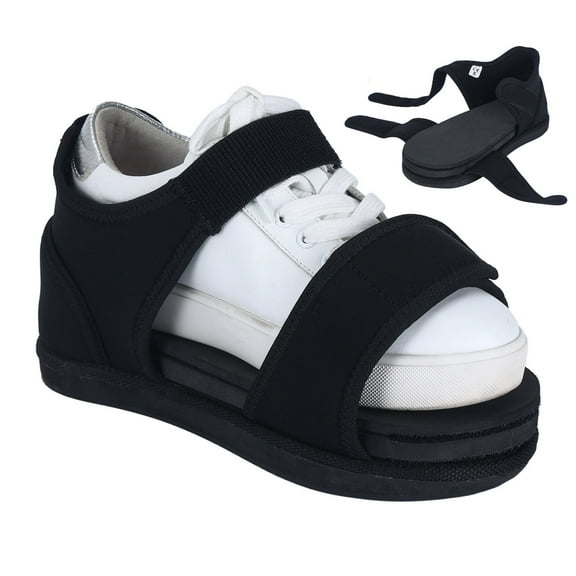
Walking surgical boots help you move with more stability during recovery from foot, ankle, and lower leg procedures. You can compare height, compression, fit, and sole design to choose support that matches your daily routine.
You may need a boot that fits over bandages, adjusts through the day, and feels steady on indoor floors. You'll also find options like a medical walking boot, cam walker boot, and air cast boot within this category.
How to choose walking surgical boots
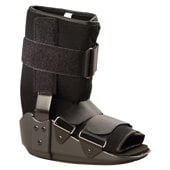
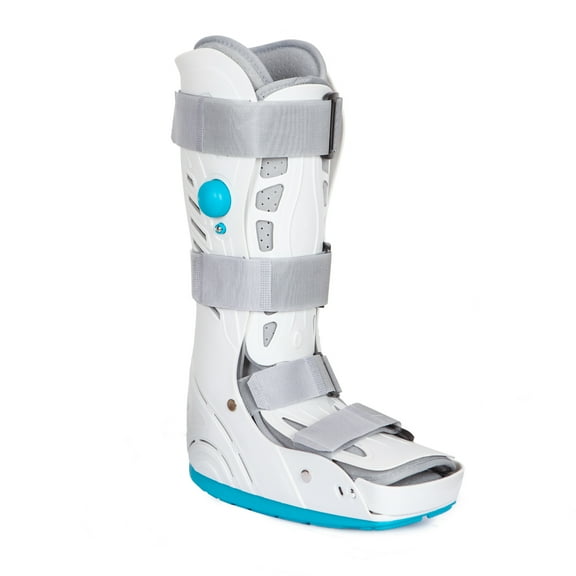
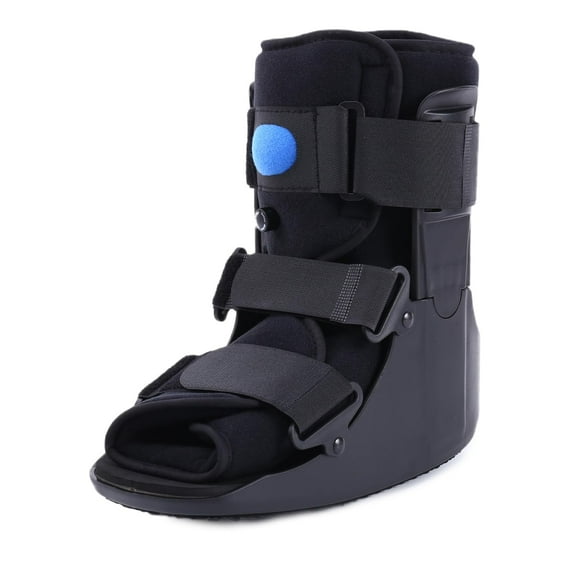
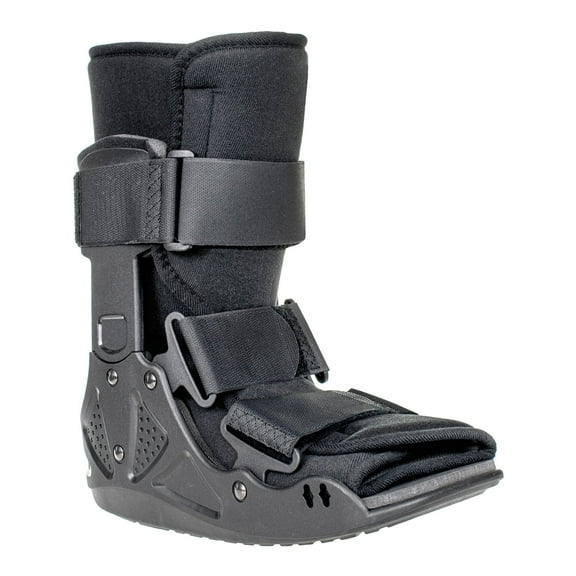
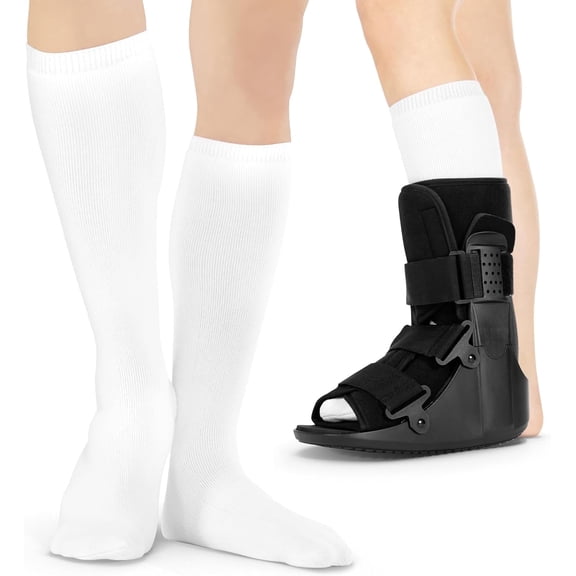
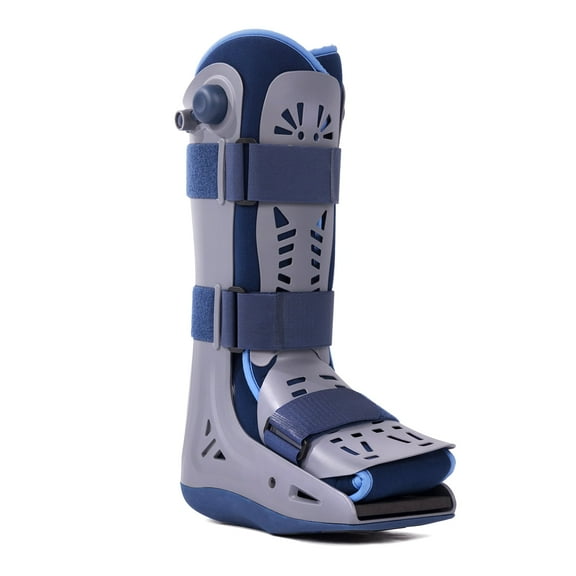
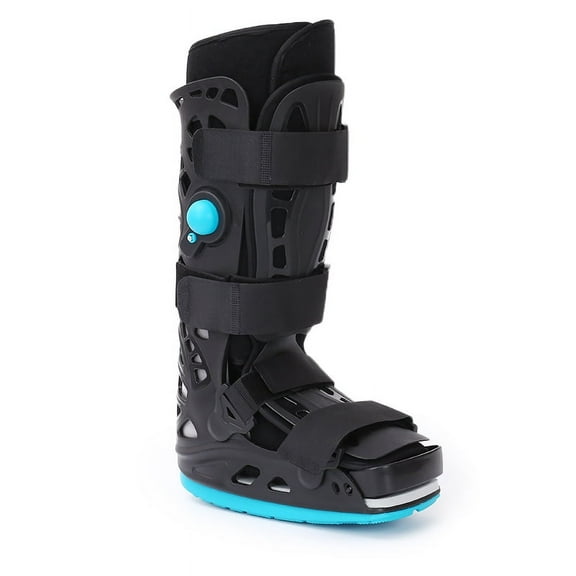
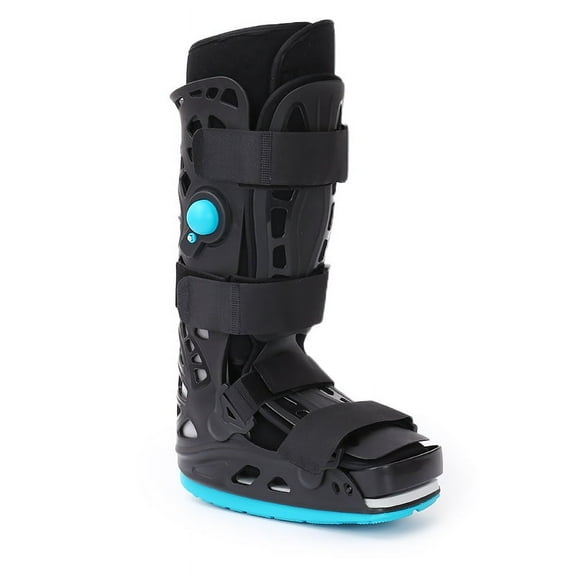
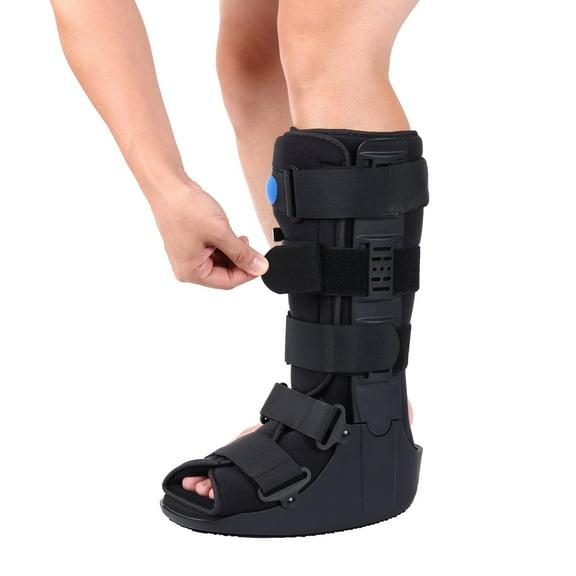
You should start with the injury area, because boot height changes how much of your leg stays supported. You can often choose a short walking boot for foot needs or a tall walking boot for ankle and lower leg coverage.
A mid-calf design gives you a middle option when you want more structure than a short profile. You can also compare rigid shell, semi-rigid, and soft post-op support levels before you narrow your choice.
You may notice that support level changes how locked-in your foot and ankle feel during daily movement. You can use that difference to match comfort, structure, and room for dressings.
- You can choose tall coverage when you want added lower leg support and a more secure feel.
- You can pick short coverage when you want a lighter profile around your calf and easier everyday wear.
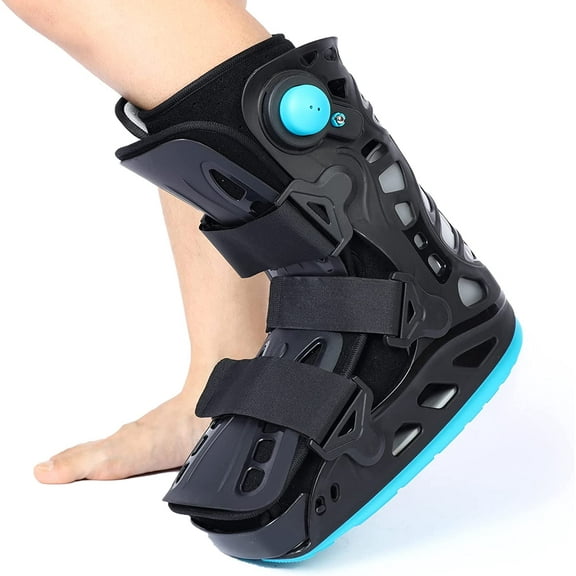
- You can compare pneumatic air pump and foam designs based on adjustability and cushioning needs.
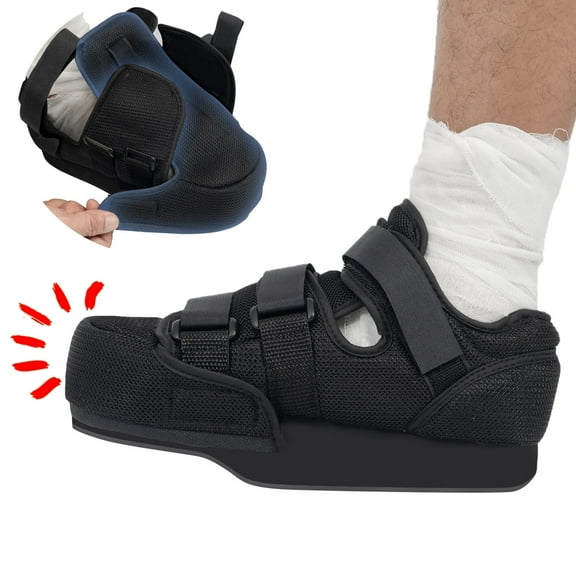
- You can select open toe or closed toe designs depending on bandage space and preferred coverage.
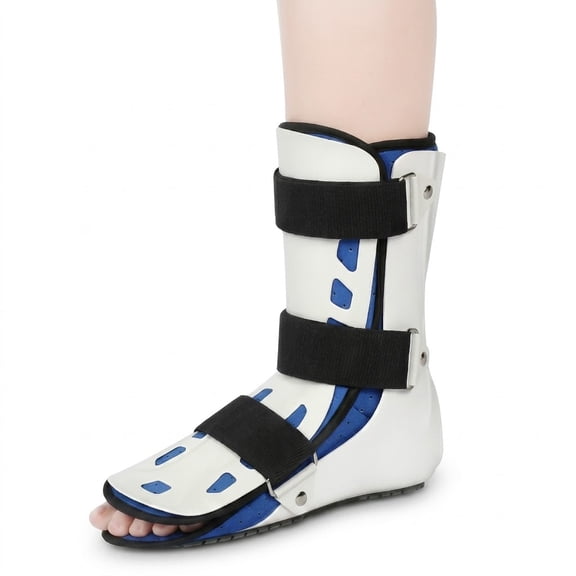
- You can check shell rigidity, closure straps, and sole shape for the walking experience you want.
Choosing boot height and support level
You should compare tall, short, and mid-calf profiles before focusing on smaller details. You can use height as a quick guide, because it affects coverage, balance, and how the boot feels through your stride.
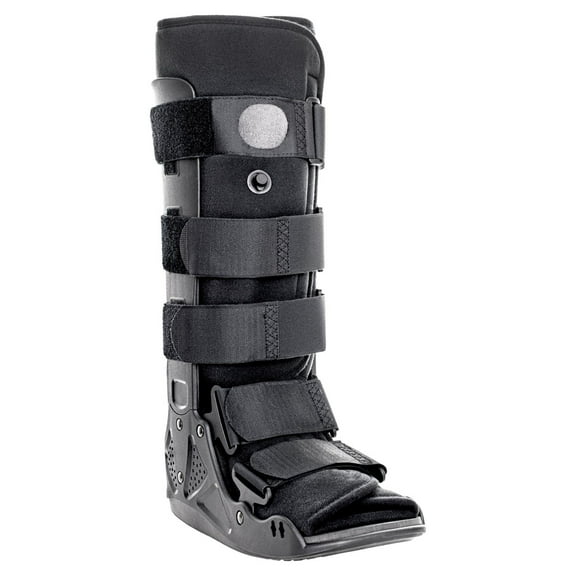
A tall walking boot usually extends higher on your calf, so you get more structure around your ankle and lower leg. A short walking boot keeps coverage lower, so you may find it easier with seated work and frequent shoe changes.
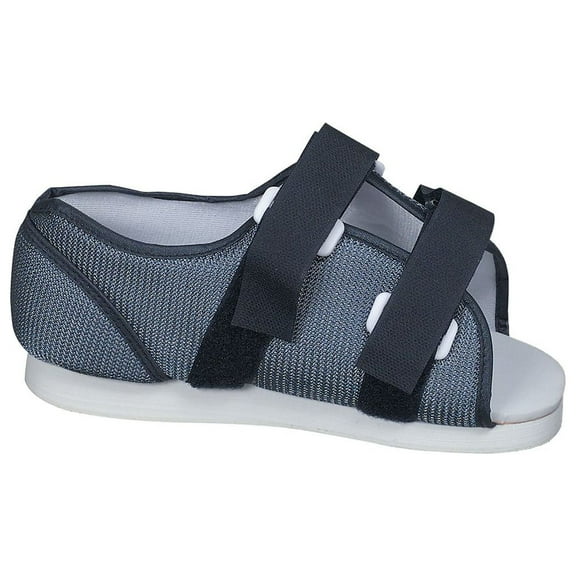
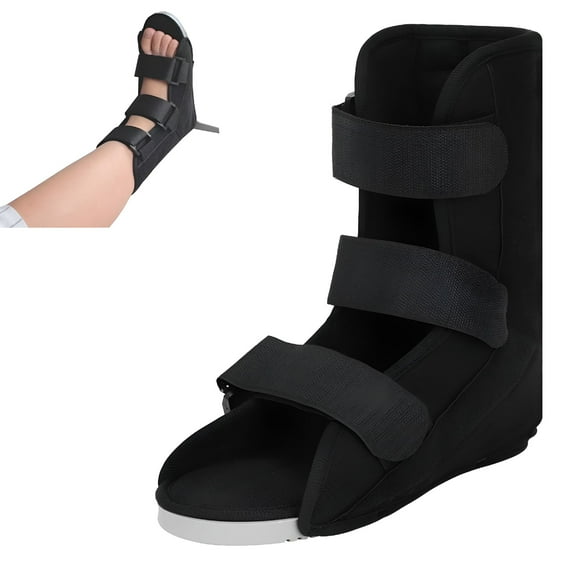
You can also compare rigid shell designs with semi-rigid and soft post-op styles. A rigid shell feels more structured, while a softer design may leave more room around wraps or swelling changes.
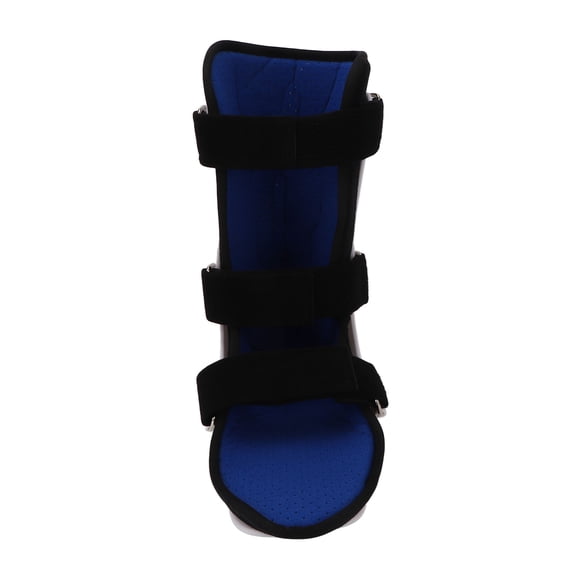
You should look at strap placement and interior padding when you compare support levels. You can get a steadier fit when closures hold your heel in place without crowding your toes.
Comparing pneumatic walking boot options
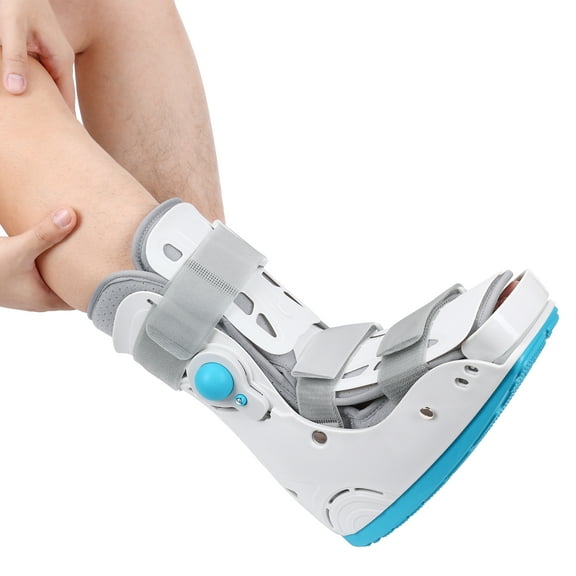
You may want a pneumatic walking boot if you prefer adjustable compression around your foot and ankle. You can add or release air with a pump system, which helps you fine-tune the feel during the day.
A non-pneumatic foam design gives you cushioning without an air bladder system. You can choose that style when you want a simpler setup with fewer adjustment steps.
You should compare the liner feel, pump placement, and shell shape before deciding. You can often tell which orthopedic walking boot feels easier to adjust while sitting, standing, or getting dressed.
You may also see the term air cast boot on some listings within this category. You can use that wording as another way to identify boots with air-supported padding and adjustable pressure.
What to look for in toe design, fit, and sizing
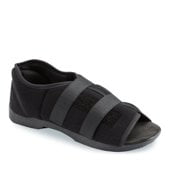
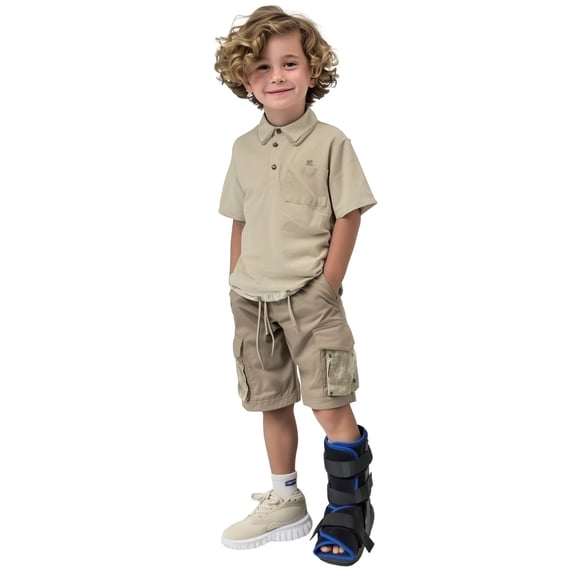
You should check toe design early, because open toe and closed toe boots feel different in everyday use. An open toe design can leave more room for dressings, while a closed toe design gives you fuller front coverage.
You can also narrow choices by measuring your foot and reviewing each size chart carefully. Shoe size conversion matters here, because each medical walking boot may fit differently across brands and shell shapes.
You should look for adjustable straps across the forefoot, ankle, and calf to improve fitment. You can often get a more secure feel when the heel stays back and the sole sits flat under your foot.
A surgical boot for broken foot support may also need enough interior room for wraps or socks. You can avoid guesswork when you compare sizing notes, width guidance, and left or right compatibility details.
Why rocker sole design matters
You may notice that many boots use a rocker sole instead of a flat bottom. You can think of that curved sole as a shape that helps your step roll forward more naturally.
That design matters when you want smoother movement from room to room or through longer hallways. You can compare sole width, tread pattern, and rocker shape to find the walking feel you prefer.
You should also check the outsole pattern if you'll wear your boot across tile, wood, or low-pile carpet. You can get a steadier experience when the sole feels planted and the boot doesn't feel bulky.
Matching use cases to the right boot
You may want a tall orthopedic walking boot with a rigid shell for added structure during longer stretches on your feet. You can pair that choice with a pneumatic liner when you want adjustability through changing daily comfort.
A short walking boot with foam cushioning may suit you when your focus stays lower on the foot. You can also prefer that profile when you want less bulk under pants or around your calf.
You might choose an open toe design when you need extra room at the front of the boot. You can choose a closed toe design when you want fuller coverage during everyday movement around the house.
A cam walker boot with a rocker sole can make repeated trips between rooms feel smoother. You can use sizing charts and support-level filters to narrow options that fit your routine, footwear habits, and recovery setup.
You can shop this category with more confidence when you understand height, compression, fit, and sole shape first. That approach helps you choose a boot that feels steadier, fits more accurately, and supports easier daily movement.