

Food Choppers in Kitchen Tools & Gadgets

















About Food Choppers in Kitchen Tools & Gadgets - Walmart.com
Food choppers help you handle everyday prep with less mess and more control. You can compare manual, pull-cord, and electric options to match your kitchen routine.
If you prep salsa, chopped onions, or quick weeknight vegetables, you’ll want a tool built for repeated, small-batch cutting. You can also use this page to compare cup sizes, blade materials, and cleaning needs.
Choosing food choppers by power source
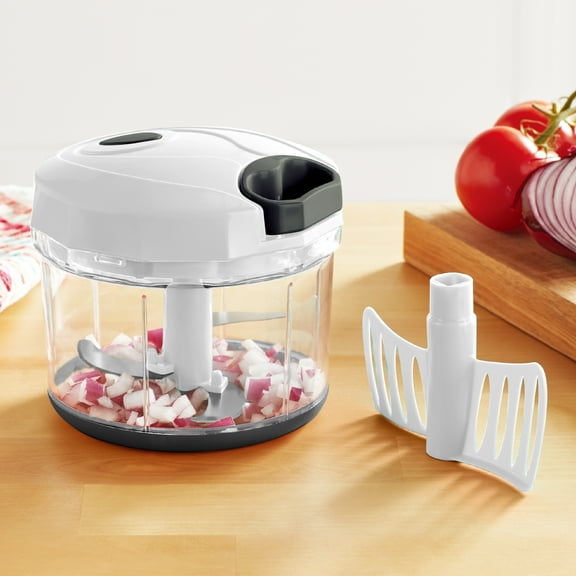
When you choose a manual food chopper, you get simple operation and easy portability. You can use it for quick herbs, garlic, and small vegetable batches without plugging in.
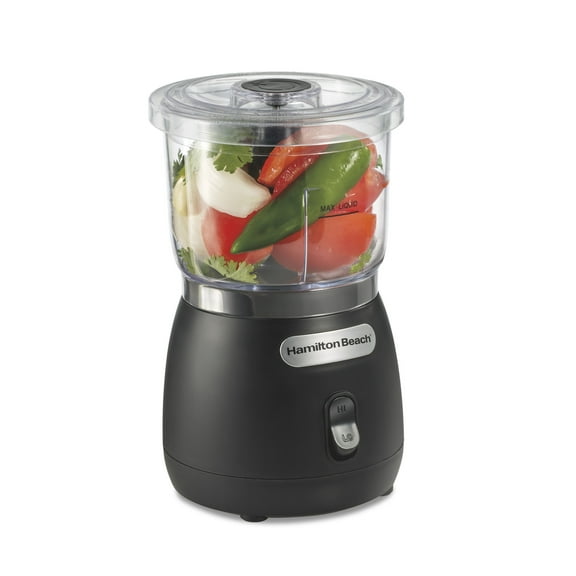
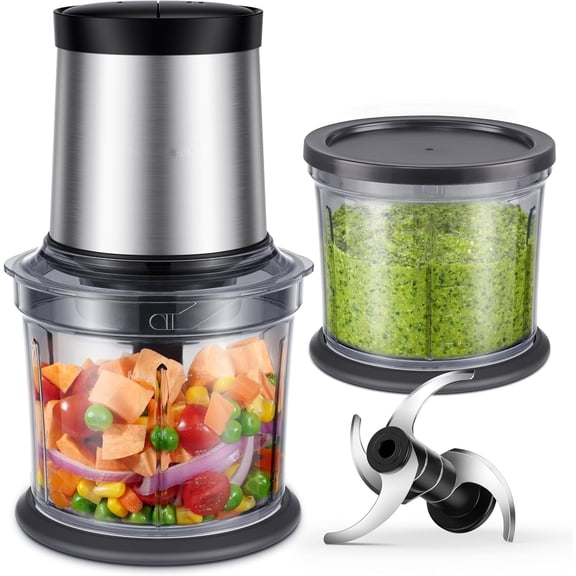
If you often prep larger amounts, an electric food chopper can keep your cutting consistent. You’ll notice it fits busy cooking sessions when you want repeated chopping with less hand effort.
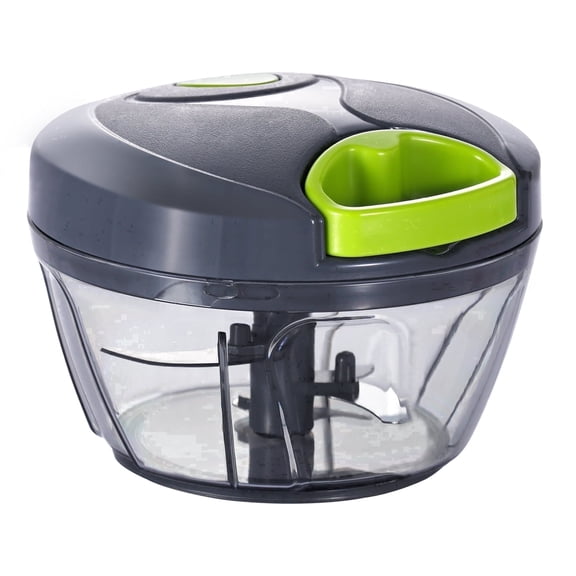
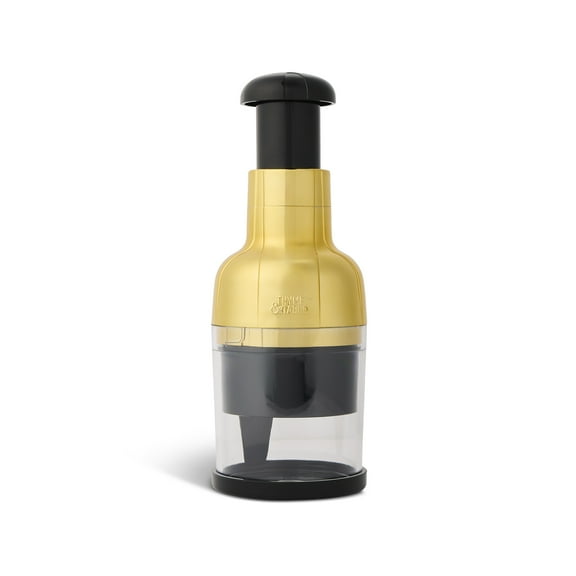
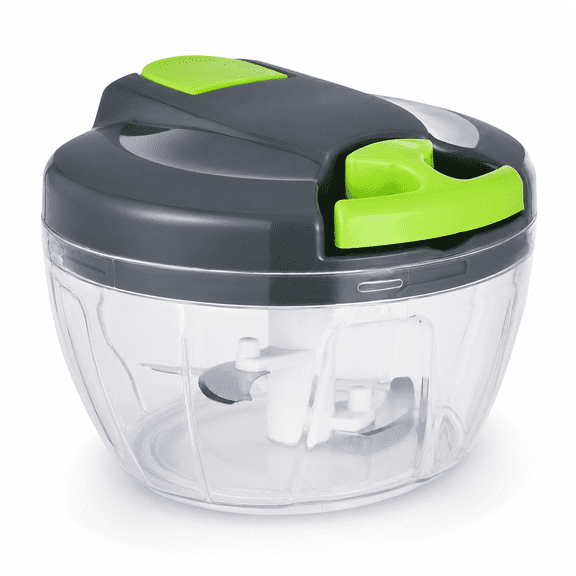
A pull-cord design gives you manual control with a quick chopping motion. You can adjust texture by adding more pulls for chunky pieces or fewer pulls for rough cuts.
- You can use a manual food chopper for quick jobs, travel kitchens, or small counters.
- You can choose an electric food chopper when your meal prep includes repeated batches.
- You can pick a pull-cord model if you want control without a plug or base.
- You can compare lid locks and non-slip bottoms for steadier countertop use.
Choosing the right capacity for your prep
Capacity shapes how much you can chop before emptying the bowl. You should match cup size to your usual recipes, not just the largest batch you make.
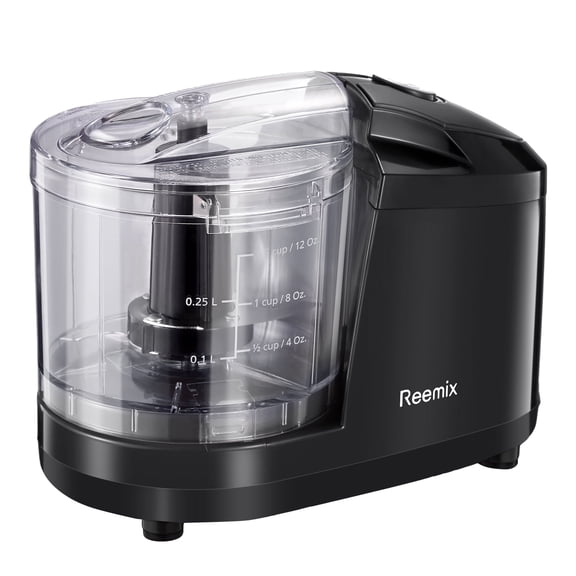
A one-cup or two-cup bowl works well when you prep garlic, herbs, nuts, or a quick onion chopper portion. You can keep these smaller sizes nearby for toppings, sauces, and simple garnish prep.
A three-cup or four-cup option suits family meals, chopped vegetables, and make-ahead ingredients. You’ll get more room for slaw mixes, salsa ingredients, or stuffing bases.
If you want extra versatility, a five-cup model may feel closer to a mini food processor. You can handle larger vegetable batches without stopping as often between steps.
What to look for in blades and cutting results
Blade material matters because it affects how cleanly your ingredients cut. You should look for stainless steel or rust-resistant steel when you want reliable daily prep.
Sharper blades help you get cleaner cuts instead of crushed pieces. You’ll see the difference when onions, peppers, and herbs look evenly chopped instead of torn.
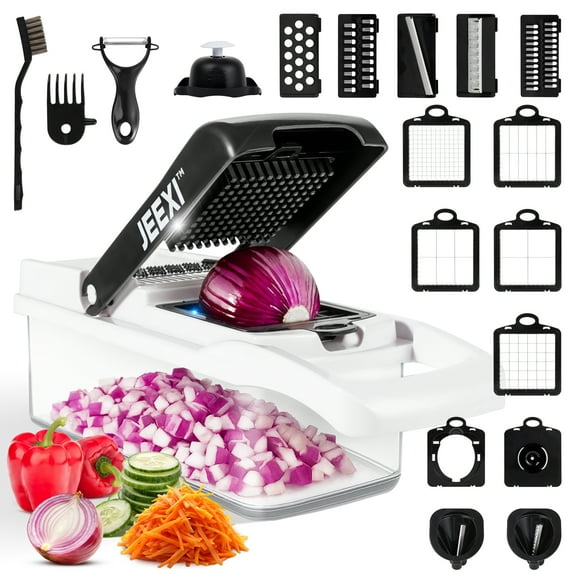
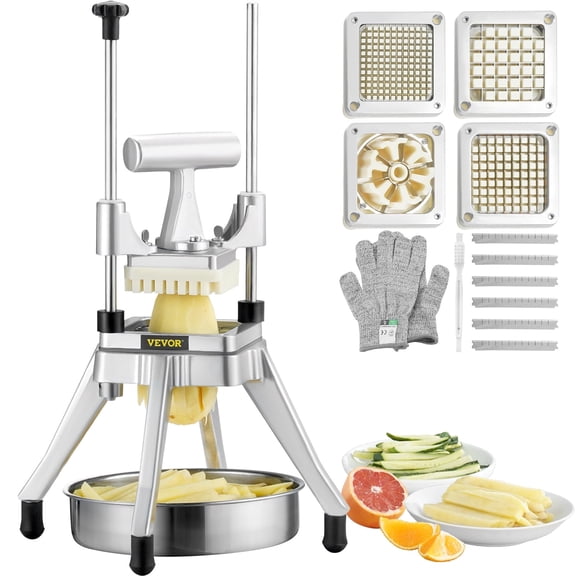
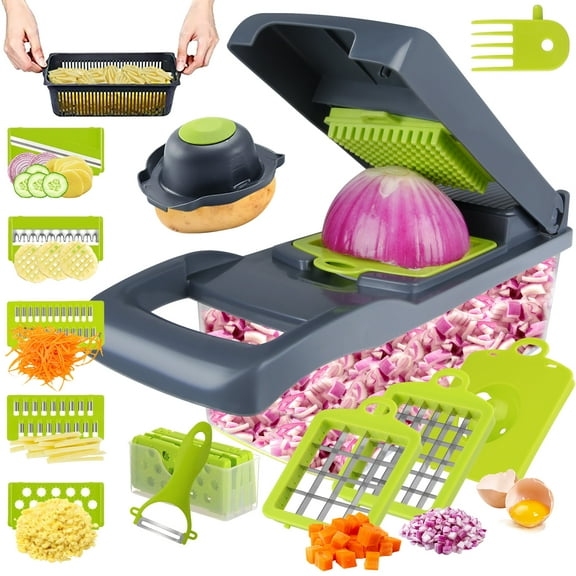
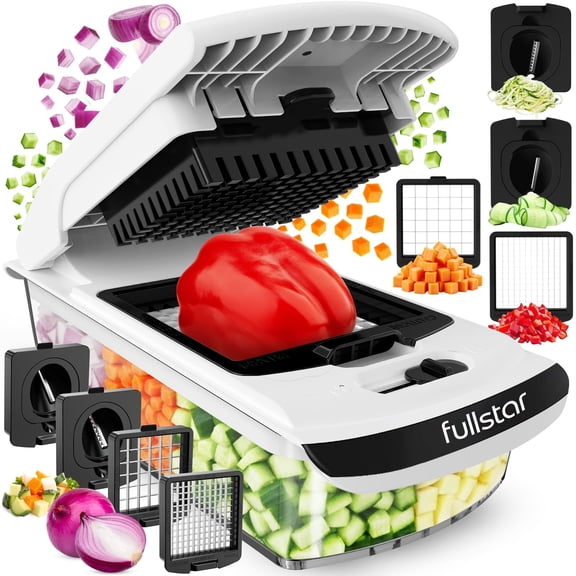
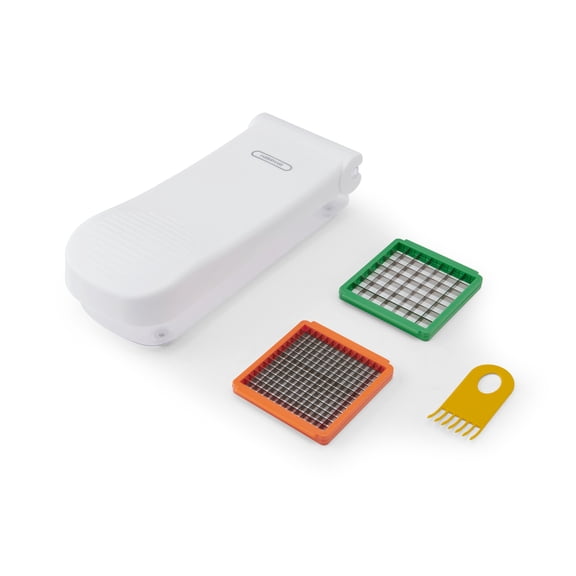
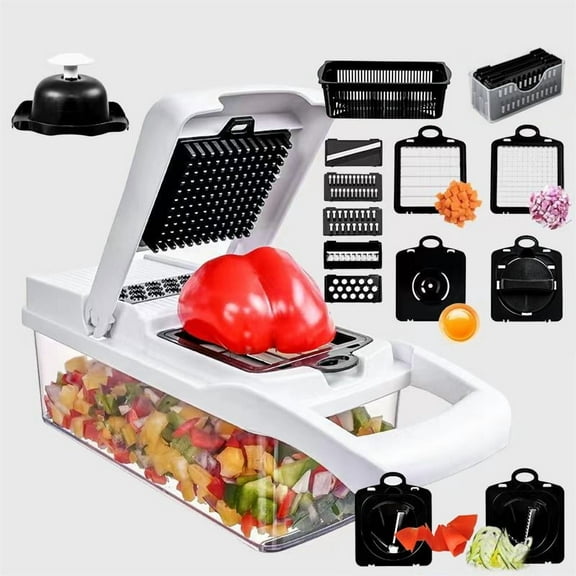
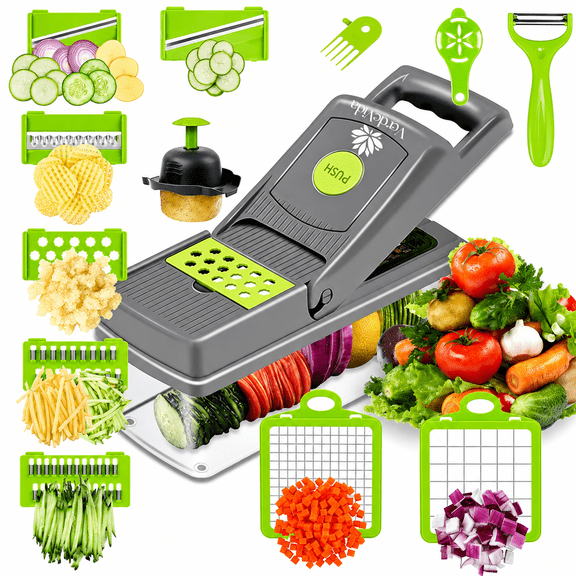
If you use a vegetable chopper for firm produce, strong blades can keep pieces more uniform. You can get consistent texture for salads, soups, and sheet pan meals.
Blade design also affects how you process nuts, garlic, and dense vegetables. You should compare multi-blade setups when you want smaller pieces in fewer motions.
How cleaning and everyday use affect your choice
Cleaning matters because food choppers often become daily tools, not occasional gadgets. You should check whether bowls, blades, and lids are dishwasher safe before you choose.
Simple parts can make cleanup quicker after onions, garlic, or sticky vegetables. You’ll appreciate fewer crevices when you rinse pieces right after dinner prep.
Non-slip bases and secure lids also shape how comfortable your prep feels. You can chop with more confidence when the bowl stays in place on your counter.
Compact shapes help you store your chopper in a cabinet, drawer, or pantry shelf. You can keep it within reach for everyday lunches, snacks, and holiday food prep gadgets season.
Matching food choppers to common kitchen tasks
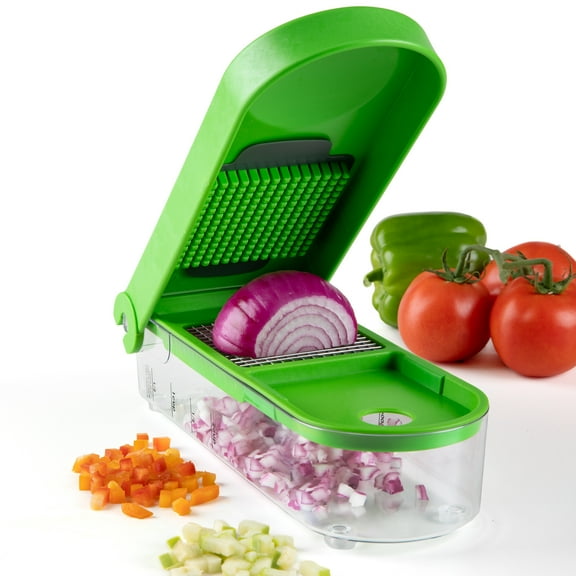
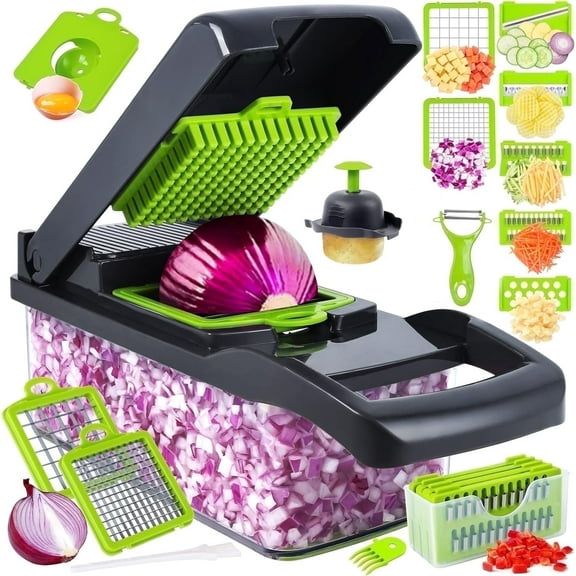
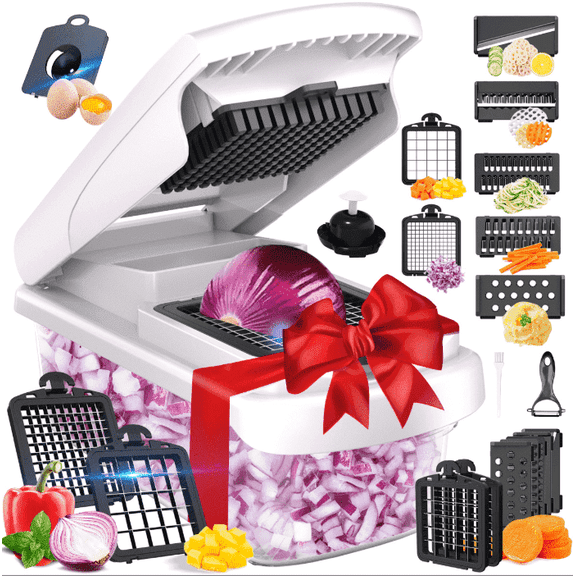
If your routine includes fajitas, soups, and stir-fry, you may want a vegetable chopper with a mid-size bowl. You can prep onions, peppers, and garlic for weeknight dinners with less cutting board clutter.
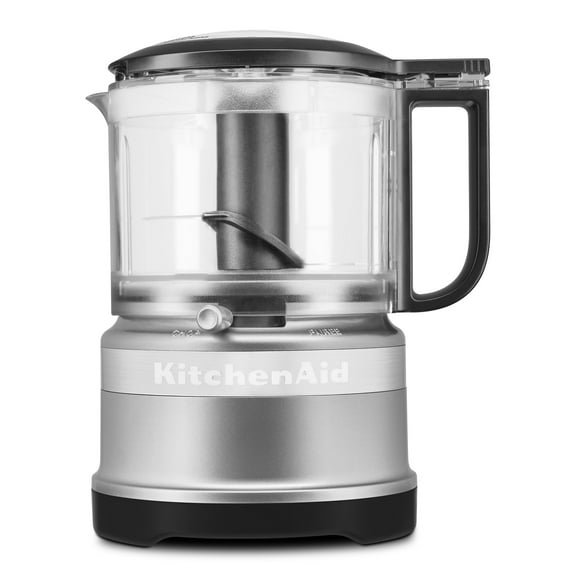
When you make dips, sauces, or chopped toppings, a smaller manual food chopper often feels practical. You can control texture closely for salsa, pesto, or nut toppings.
If you batch prep for gatherings, an electric food chopper can help with repeated loads. You’ll spend less time hand chopping onions, celery, and herbs for larger recipes.
During holiday cooking, you may want extra capacity and easy cleanup between dishes. You can move from stuffing vegetables to pie topping nuts without crowding your cutting board.
If you’re comparing this category with adjacent tools, cup size can guide you. You may prefer a mini food processor feel for sauces, or a compact chopper for quick dicing.
Frequently asked questions about food choppers
If you’re deciding between manual and electric models, consider how often you prep and how much volume you handle. You’ll usually want manual for quick tasks and electric for repeated batches.
If you’re unsure about size, think about your usual ingredient amount in one session. You can choose one to two cups for small prep, or three to five cups for family cooking.
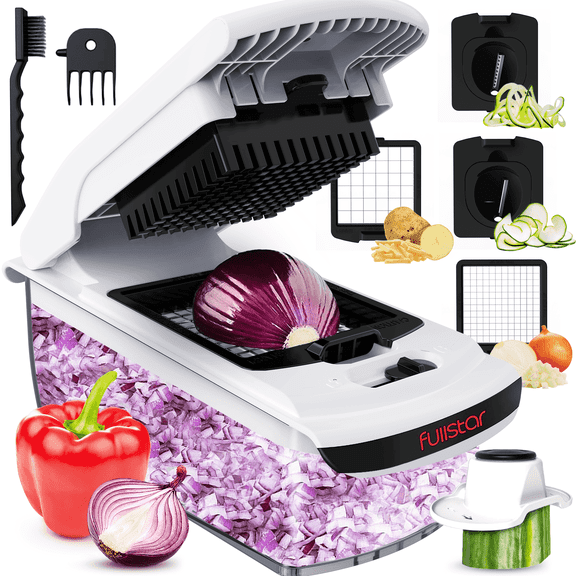
If you chop onions often, check blade material, lid fit, and bowl stability. You’ll want clean cuts, easy emptying, and simple cleanup after each use.
If dishwasher-safe parts matter in your kitchen, review the care details before choosing. You can narrow your options faster when daily cleanup is part of your decision.
With the right food choppers, you can turn repeated knife work into efficient, neat prep. You’ll get a tool that fits your batch size, cutting style, and cleanup routine.