

Veggie Chips & Grain Chips in Chips
















About Veggie Chips & Grain Chips in Chips - Walmart.com
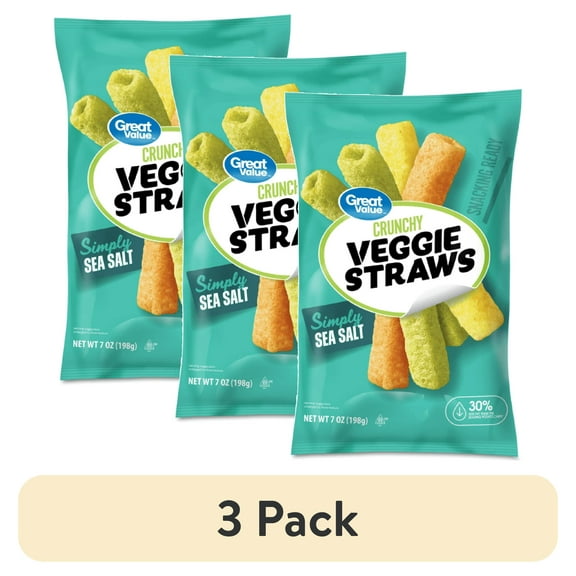
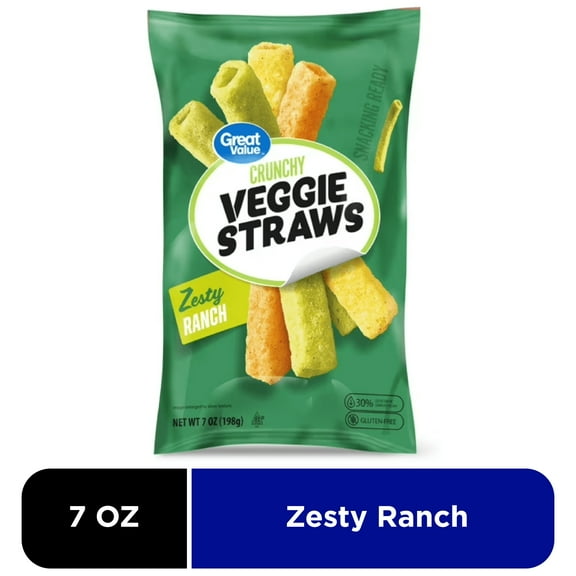
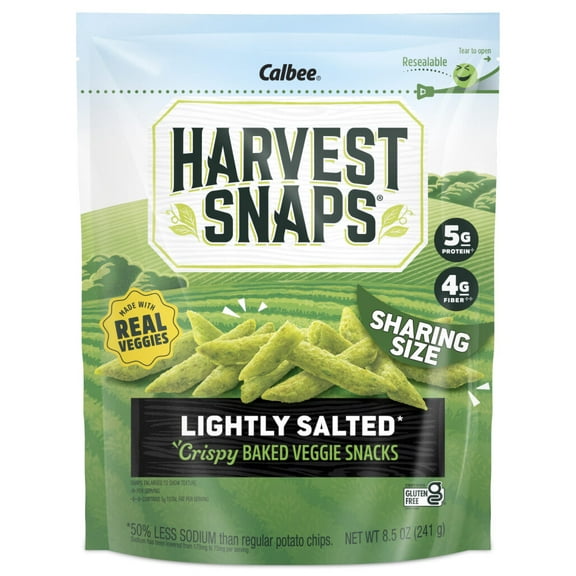
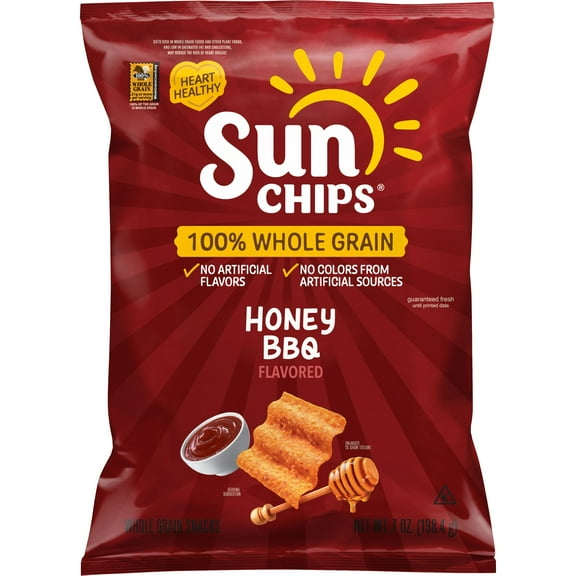
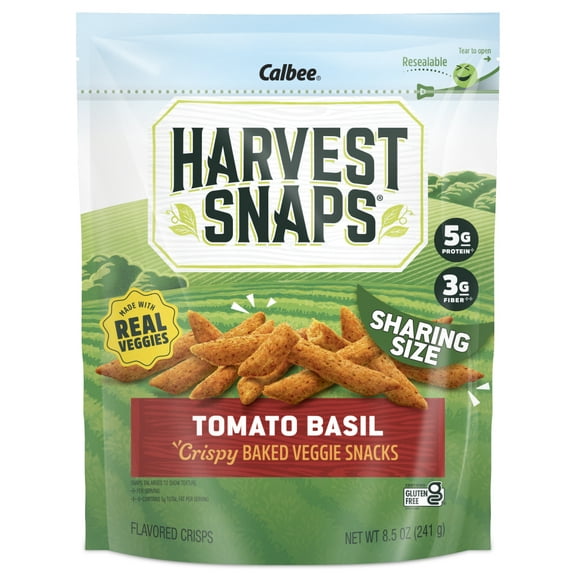
You can compare veggie & grain chips by ingredient base, texture, and seasoning, so your snack pick fits lunchboxes, parties, and pantry staples. You can also spot sweet potato slices, beetroot crisps, kale snacks, mixed vegetable straws, and grain-based bites in one category.
If you're narrowing choices for kids, guests, or your own afternoon snack, this page helps you focus on what each style offers. You can notice that veggie chips and grain snacks range from airy puffs to sturdy scoops, which changes how you enjoy them.
How to choose veggie & grain chips
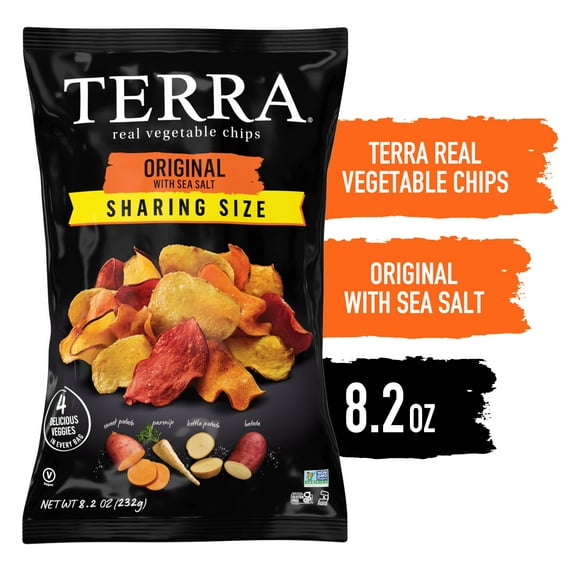
You can start with the ingredient base because it shapes flavor, color, and crunch. Your sweet potato chips often taste slightly sweet, while your beetroot and kale options bring earthier notes.
If you want a classic chip feel, you may prefer mixed vegetable slices or straws with a familiar crunch. If you want a different bite, your grain-based choices often use quinoa or brown rice for a lighter texture.
You should also compare shape because shape changes how you serve and snack. Your flat chips work well beside sandwiches, while your puffs and straws fit quick handfuls between meals.
- You can choose sweet potato chips when your snack table needs a subtly sweet, sturdy crunch.
- You may pick kale or beetroot options when your pantry mix needs bold color and a distinct flavor.
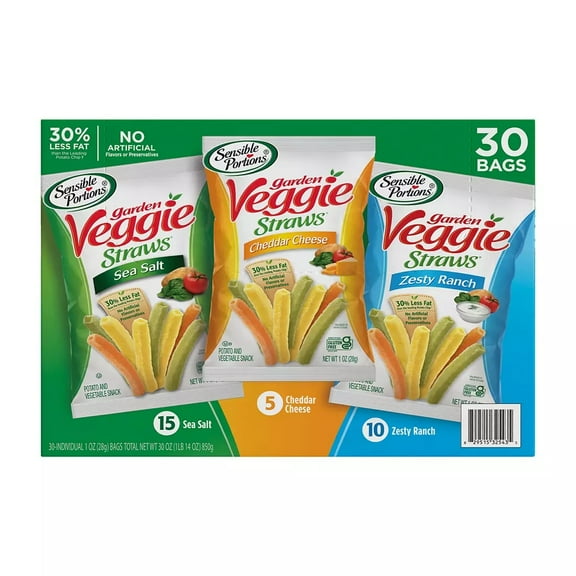
- You can try mixed vegetable straws when your lunch packing routine calls for easy, portion-friendly shapes.
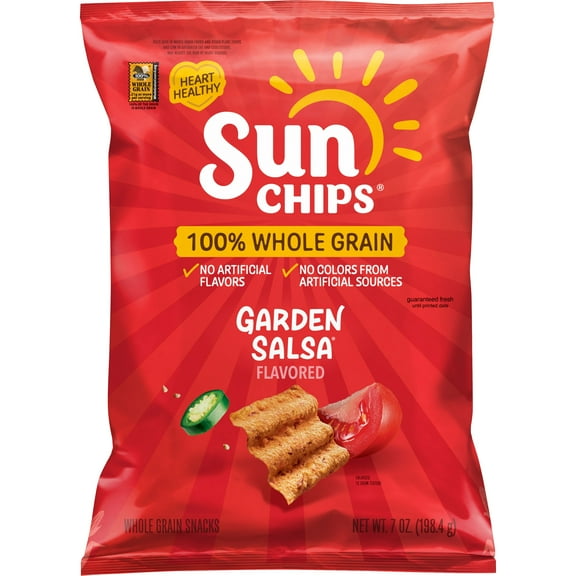
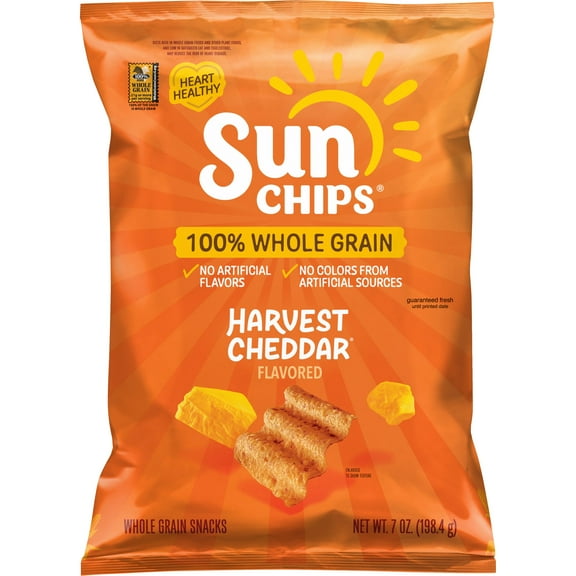
- You might select quinoa or brown rice snacks when your snack shelf needs a crisp grain-based option.
What to look for in veggie chips and grain snacks
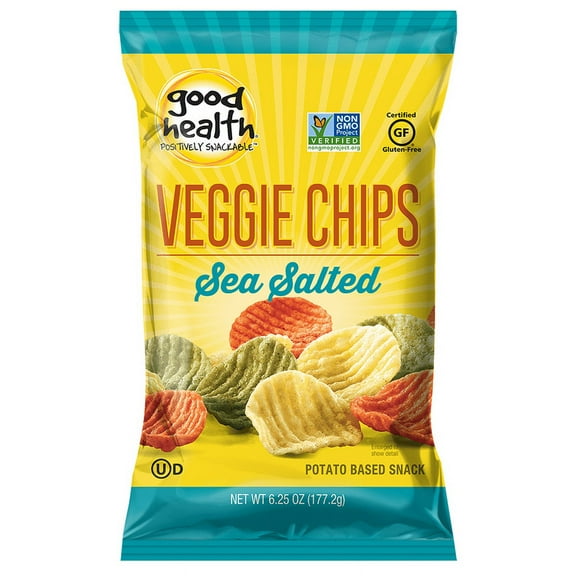
You should check the package details first if ingredients matter in your household. Your label review can help you compare gluten-free options, organic selections, and seasoning blends before you choose.
If you're shopping for ingredient transparency, you can compare vegetable-forward recipes with grain-based blends. Your decision may come down to whether you want a single vegetable taste or a mixed snack profile.
You can also compare thickness and crunch level because those details affect every bite. Your thicker slices usually feel heartier, while your thinner chips and airy puffs can feel lighter.
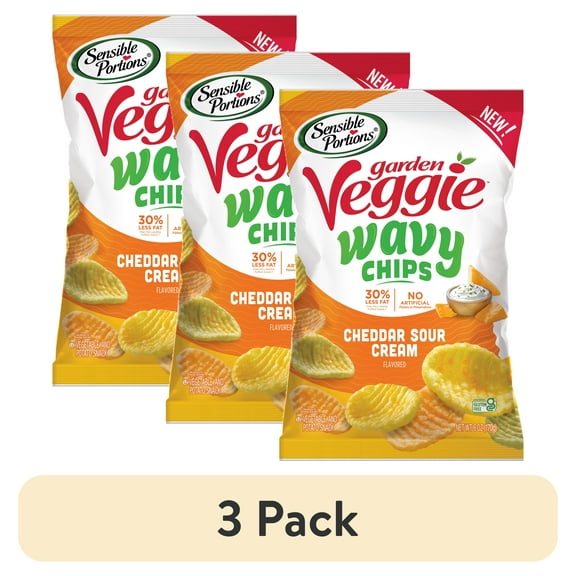
When flavor is a priority, you should look at seasoning style as closely as the base ingredient. Your options may include sea salt, cheese-inspired flavors, ranch-inspired blends, or spicy seasoning.
If you're packing snacks for school or work, you may want portion-friendly bags and easy-grab formats. Your smaller packs can simplify lunch prep, while larger bags fit movie nights and shared snack bowls.
You can also use filters to compare brand, package size, and dietary preferences in one place. Your search gets easier when you know whether you want vegetable chips for kids, party snacks, or grab-and-go portions.
Comparing veggie chips, vegetales chips, and chips de vegetales
You may search veggie chips when you want familiar vegetable-based snacks with a crisp bite. You may also see vegetales chips or chips de vegetales used for the same snack style across search results.
If you're comparing those terms, you can focus on ingredient base, shape, and seasoning instead of wording. Your snack choice stays easier to narrow when labels clearly show vegetables, grains, and serving size.
You can use that approach when you're choosing snacks for lunchboxes, party bowls, or pantry refills. Your comparison gets clearer when sweet potato, beetroot, kale, and mixed vegetable options appear side by side.
Matching ingredient bases to your snacking routine
You can match sweet potato chips to burgers, wraps, and deli lunches when you want a slightly sweet crunch. Your serving plan may also pair them with dips that need a sturdier chip.
If you want bright color on a snack board, you may reach for beetroot or mixed vegetable chips. Your guests can enjoy a visually appealing spread, and your table feels varied.
You might choose kale snacks when you want a lighter, crisp texture for quick breaks. Your desk drawer or pantry shelf can stay stocked with options that are easy to grab.
If you're building lunchboxes, you can use vegetable straws and smaller pieces for simple packing. Your routine may feel smoother when the shape fits smaller containers and quick portions.
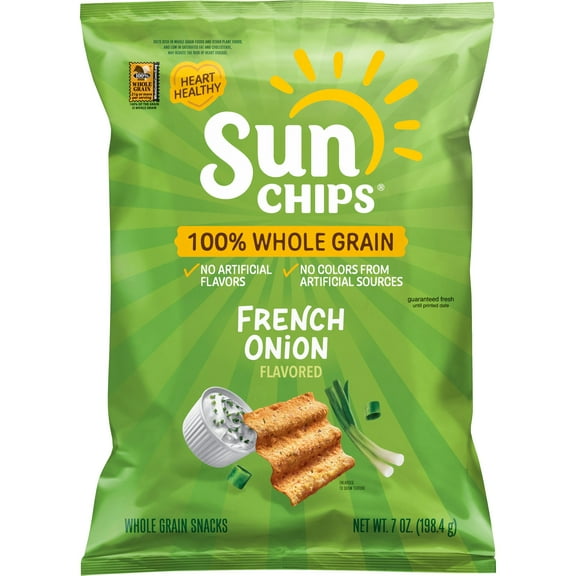
You can choose grain-based snacks made with quinoa or brown rice when you want a crisp alternative to standard chips. Your pantry then includes both vegetable-focused choices and grain-forward crunch.
When you're comparing veggie chips for family movie night, you may want larger bags and crowd-friendly flavors. If you're choosing everyday snacks, your single-serve packs can keep portions easy to manage.
Why this veggie & grain chips category helps you compare faster
You can sort through ingredient bases, dietary preferences, and package sizes without guessing what fits your snack routine. Your comparison becomes clearer when sweet potato, kale, beetroot, mixed vegetables, and grain-based options appear together.
If you want veggie & grain chips that match meals, lunchboxes, and shareable snack moments, this category gives you practical ways to narrow the field. Your final pick can feel confident because you're choosing by texture, flavor, and format.