

UTV Spray Booms in UTV Implements and Attachments














About UTV Spray Booms in UTV Implements and Attachments - Walmart.com
You can compare a weed sprayer boom by coverage, mounting style, and pump match, so your spraying stays even across trails, plots, and field edges. You'll also find options built for UTV, ATV, tractor, and mower setups, which helps your equipment fit the job more closely.
How to choose a weed sprayer boom
You'll want to start with your vehicle compatibility, because your mounting points and cargo space guide every other decision. You should check bracket dimensions, receiver hitch size, and tank placement before you choose a boom.
If your setup changes by season, you may prefer a design that works as a utv boom sprayer or adapts to atv spray booms. You'll get more useful coverage when your boom matches your machine width and turning space.
You can also narrow choices by where you spray most often. If your routes include gates, fence lines, and wooded trails, you'll appreciate boom arms that fold for transport and storage.
What to look for in a boom for sprayer tank mounting
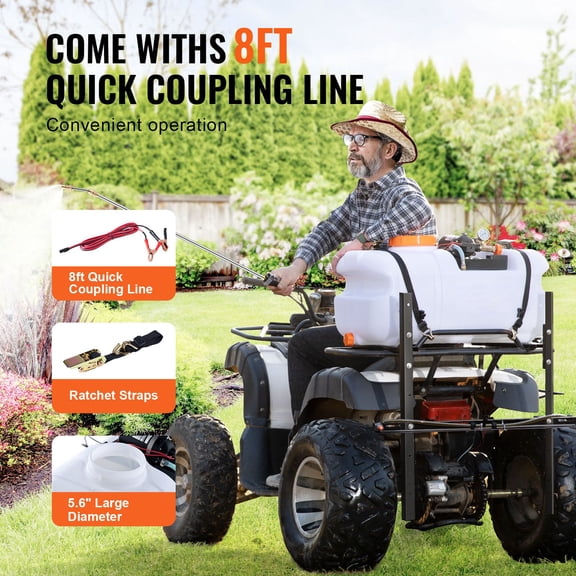
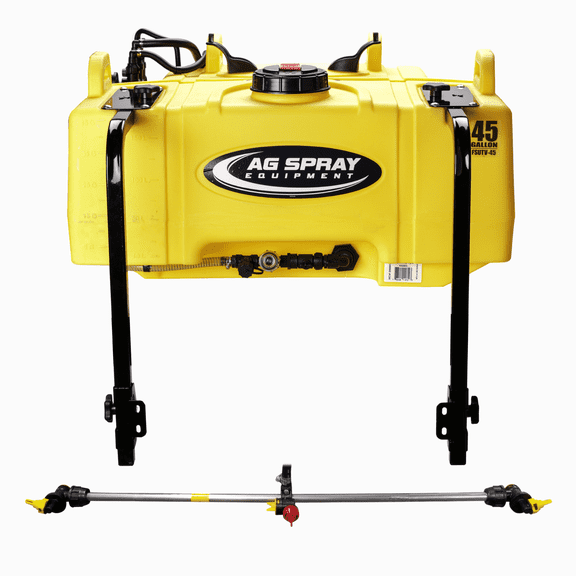
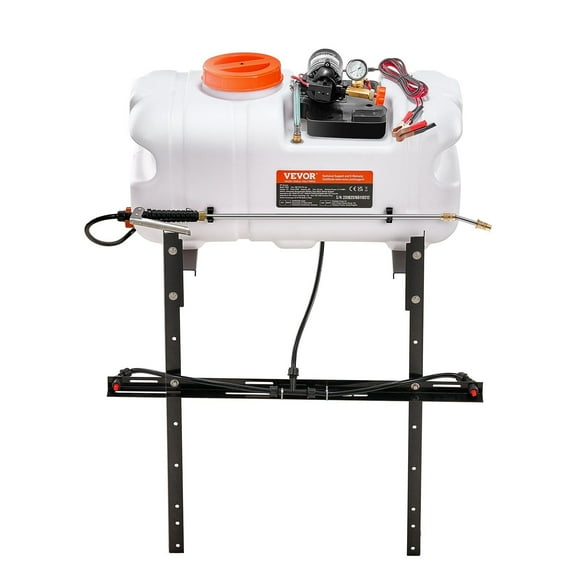
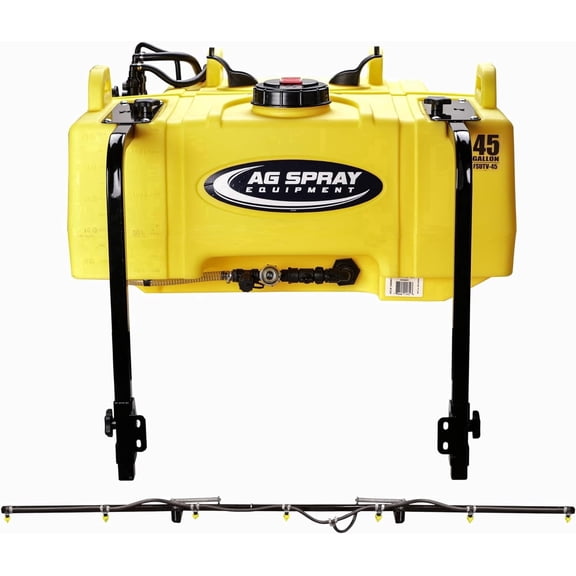
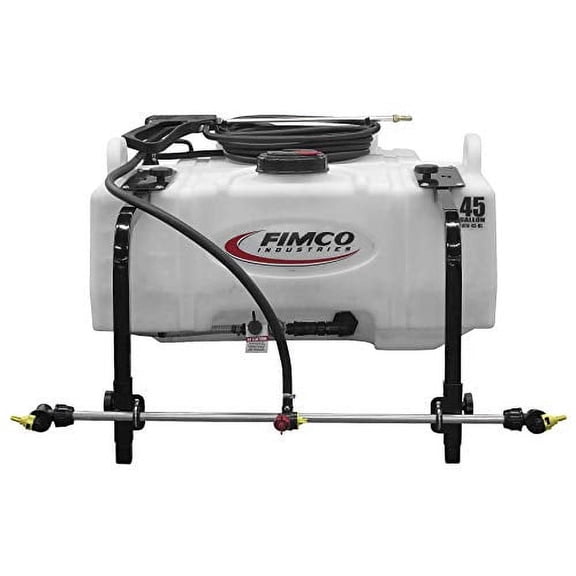
You should compare receiver hitch mount, cargo bed mount, and tank mount designs before you pick a boom for sprayer tank use. Your mounting style affects stability, hose routing, and how quickly you can attach or remove the assembly.
With a receiver hitch mount, you can keep your cargo bed open for tools, seed, or extra supplies. With a cargo bed mount, you can keep the boom close to the tank for shorter plumbing runs.
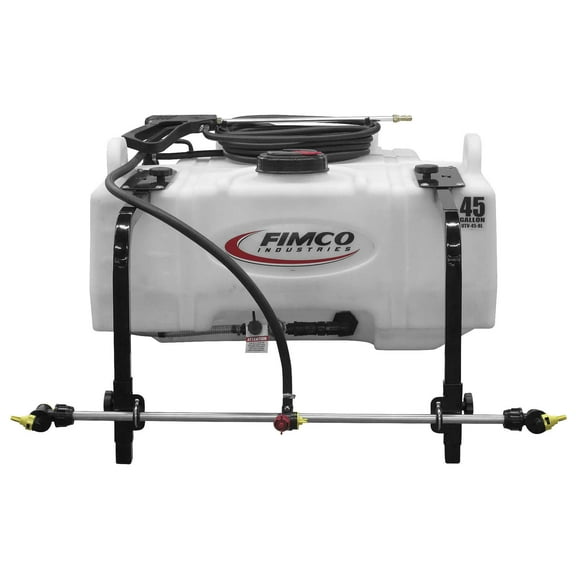
If your sprayer already has a fixed tank, you may prefer a tank mount that aligns directly with your existing frame. You'll want to measure clearance around tailgates, racks, and bed rails before you commit.
- You can use receiver hitch mounts when your machine has a compatible hitch and open rear clearance.
- You can choose cargo bed mounts when your tank sits in the bed and your hose path needs to stay short.
- You can pick tank mounts when your sprayer frame already supports a direct attachment point.
- You should measure bracket width, hitch size, and storage clearance before you select a mount.
Choosing spray width and nozzle configuration
You should match spray width to your acreage and travel path, because wider coverage isn't always the right fit. You'll often find seven-foot and 10-foot booms useful for narrower lanes, food plots, and property edges.
If you cover open ground, you may prefer 14-foot or 30-foot utv spray booms for fewer passes. You'll finish large sections more evenly when your coverage matches your turning radius and tank capacity.
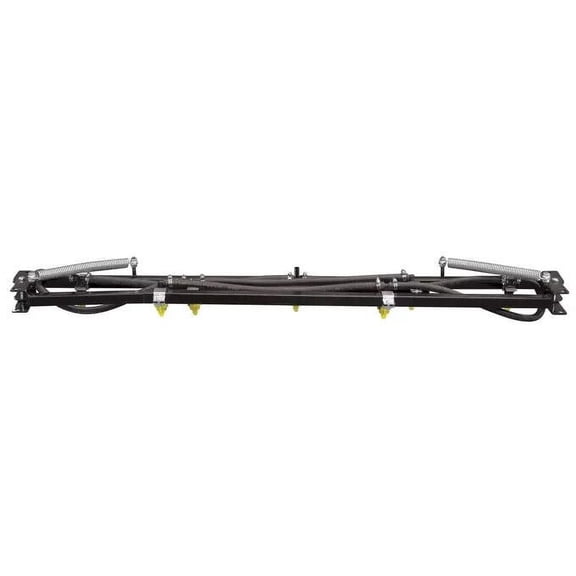
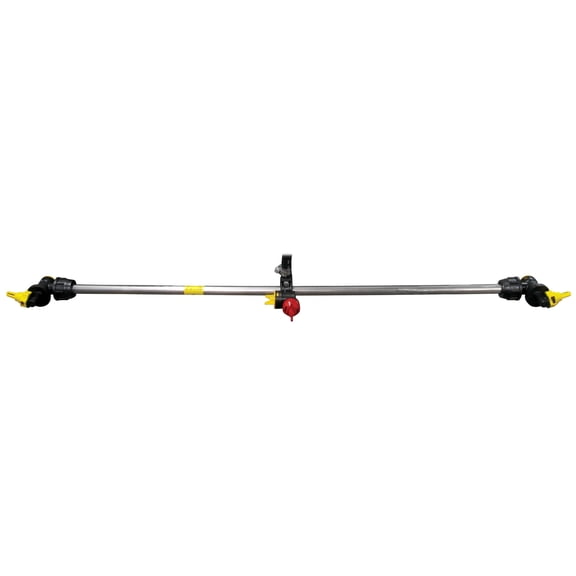
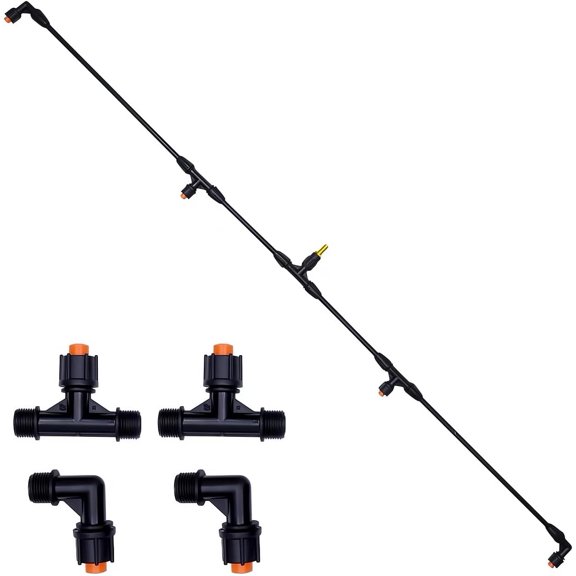
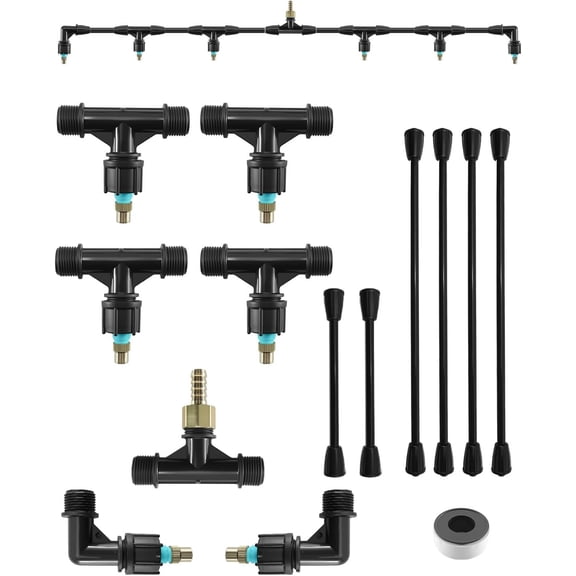
You also need to compare nozzle layouts, because a two-nozzle, five-nozzle, or seven-nozzle setup changes pattern density. If your route includes tight trails or mixed terrain, you may consider boomless designs for broader reach without wide arms.
When you compare nozzle counts, you should think about overlap and pattern consistency across your target width. You'll usually get more controlled coverage when your nozzle spacing matches your pressure and speed.
Checking pump flow rate and pressure fit
You should check your pump output before you choose a utv sprayer boom kit, because nozzle count and width depend on steady flow. Your pump's gallons per minute and PSI help determine whether the spray pattern stays even.
If your system runs around 1.8 GPM, you may lean toward narrower booms or lower-demand nozzle setups. If your setup reaches 2.2 GPM or 4.0 GPM, you can often support wider bars and more nozzles.
You don't need to overcomplicate the specs, but you should compare your pump rating with the boom requirements. You'll avoid weak edge coverage when your flow rate supports the full spray bar.
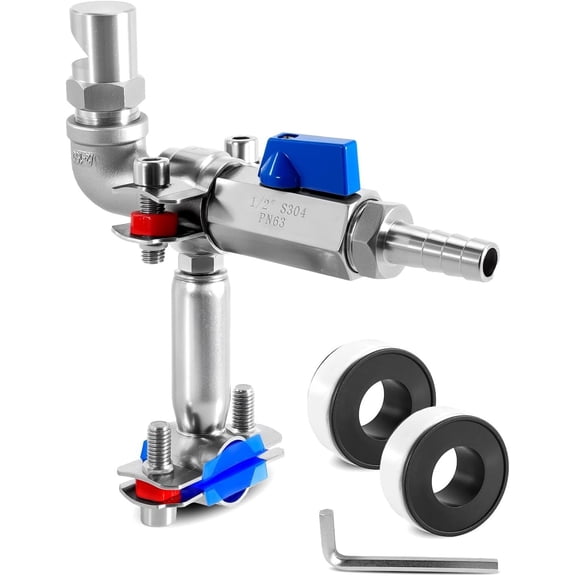
For a utv sprayer boom or spray bar for atv use, you should also consider hose length and connection points. You'll get a cleaner install when your pump, tank, and boom sit at practical distances.
Matching vehicle type to your spraying routine
You may use a UTV when your property includes rough trails, larger tanks, or frequent equipment hauling. You'll often like a wider stance and added cargo space when you mount a boom and carry extra spray volume.
If you use an ATV, you may prefer compact atv spray booms that stay manageable on narrow paths. You'll find shorter widths and lighter assemblies easier to handle around trees, gates, and uneven corners.
For larger properties, you might compare tractor-compatible booms when your routes include open rows and broad passes. If you maintain turf areas, you may also look at zero-turn mower compatibility for controlled coverage on large lawns.
You should think about where your machine travels between passes, not only where it sprays. You'll appreciate foldable arms when you need to move through gates, trailers, or storage sheds.
Using a utv boom sprayer for different jobs
You can use a utv boom sprayer for pasture edges, fence lines, food plots, and gravel drives. You'll benefit from steady, overlapping coverage when you want a more consistent pattern across long passes.
On smaller acreages, you may choose a compact weed sprayer boom for spot-focused routes with frequent turns. You'll keep your setup easier to maneuver when your spraying area includes trees, buildings, or narrow access points.
If your work shifts between broad sections and tight paths, you may compare foldable booms and boomless options together. You'll have more flexibility when your equipment can adapt to open ground and restricted spaces.
Before you choose, you should measure your machine, confirm your pump output, and compare nozzle count with your target width. You'll end up with a setup that fits your tank, your terrain, and your coverage goals.