


Sewing Thread in Notions & Sewing Accessories


























About Sewing Thread in Notions & Sewing Accessories - Walmart.com
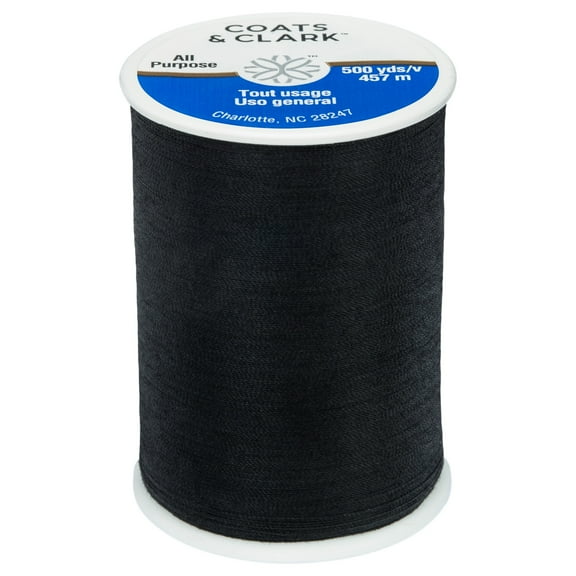
Sewing thread helps you finish seams, repairs, quilting, and crafts with cleaner stitches and smoother machine performance. You can compare material, thread weight, use case, and pack size to match your fabric and project.
When you choose the right spool, you can reduce skipped stitches, color mismatch, and thread breaks during long sessions. You can also keep your hand sewing and machine sewing results neat from the first pass.
How to choose sewing thread
You should start with your fabric because thread material affects how your seams look and move. You’ll usually want cotton with cotton fabrics and polyester with many synthetic blends.
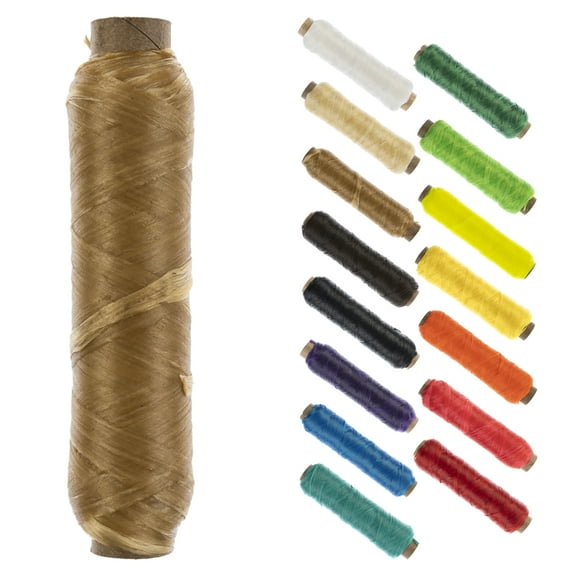
If your project needs stretch or extra strength, you may compare nylon and polyester options. If your project calls for a refined finish, you may consider silk for delicate sewing details.
You should also check how you plan to sew before you pick a spool. You may want machine-ready thread for steady tension, while hand sewing can call for easier control.
- You can match thread material to your fabric for a smoother, more natural finish.
- You can choose the right weight for stronger seams and steadier stitching.
- You can pick machine sewing or hand sewing options that fit your project pace.
- You can select single spools or assortment kits based on color variety and project size.
Choosing between polyester sewing thread and cotton sewing thread
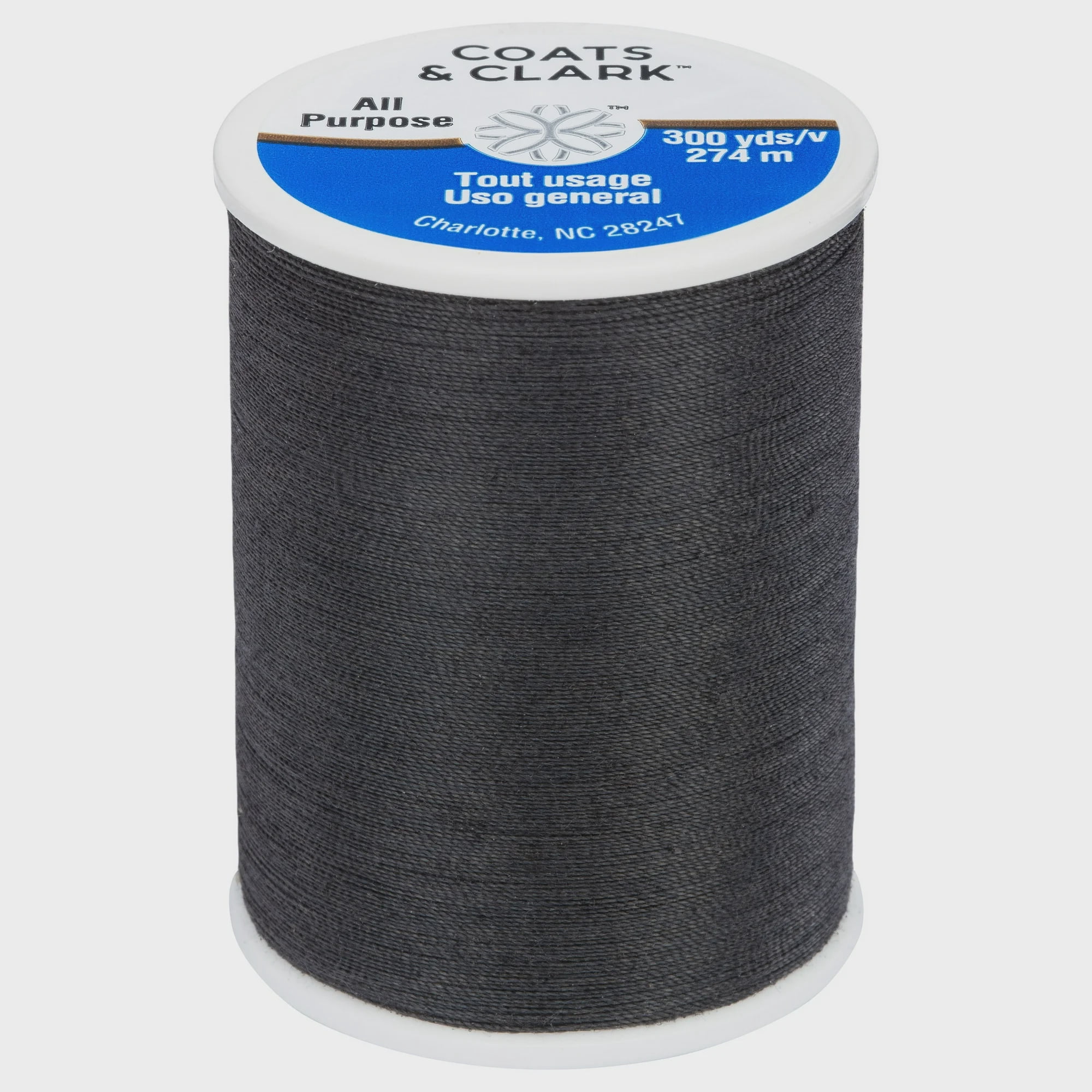
You’ll often reach for polyester sewing thread when you sew everyday garments, décor, or blended fabrics. You can expect it to handle frequent machine use and many general sewing tasks.
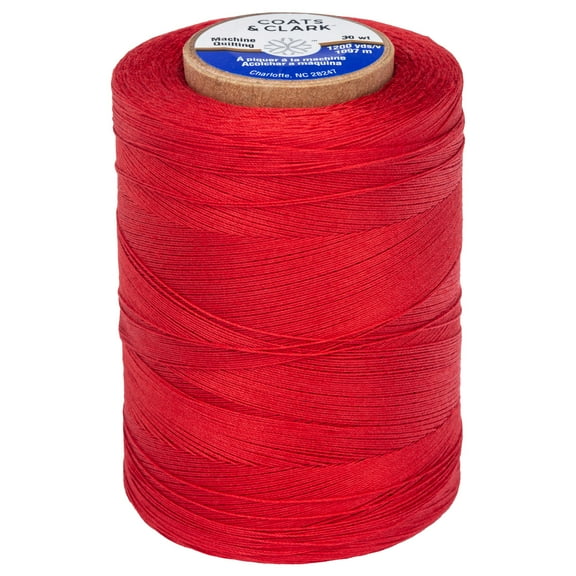
You may prefer cotton sewing thread when you quilt or sew natural fiber fabrics. You can get a finish that pairs well with cotton fabric texture and traditional piecing projects.
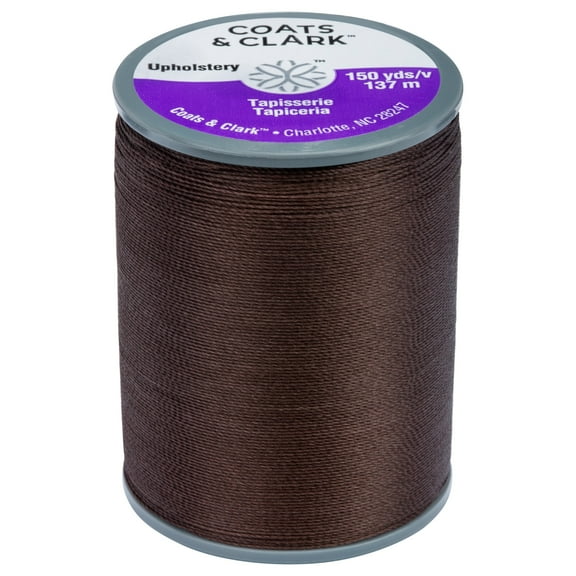
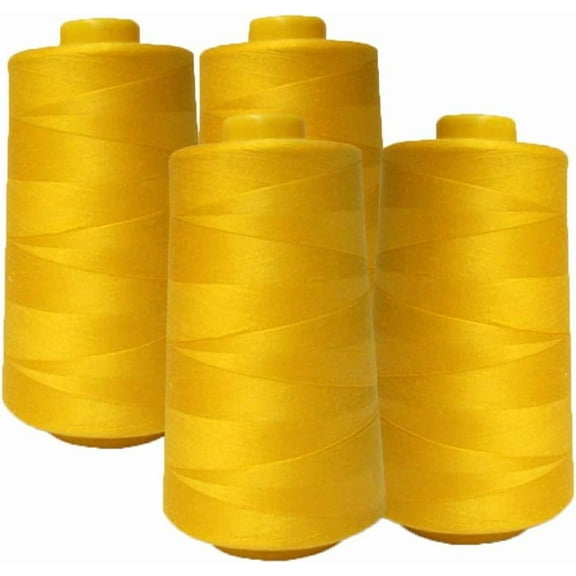
If you’re repairing uniforms, bags, or seat cushions, you may look for heavy duty sewing thread. You can use thicker options when your project needs stronger seams and less fraying.
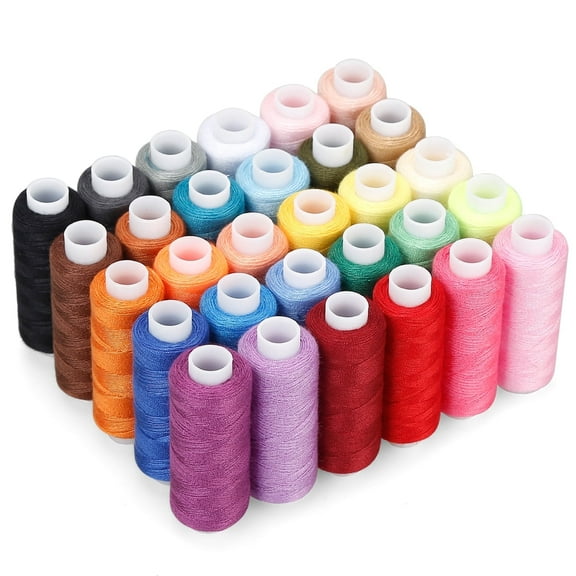
You should compare color range as carefully as material choice. You can find neutrals for basic repairs, bright shades for crafts, and holiday sewing thread colors for seasonal décor.
Understanding thread weight and needle pairing
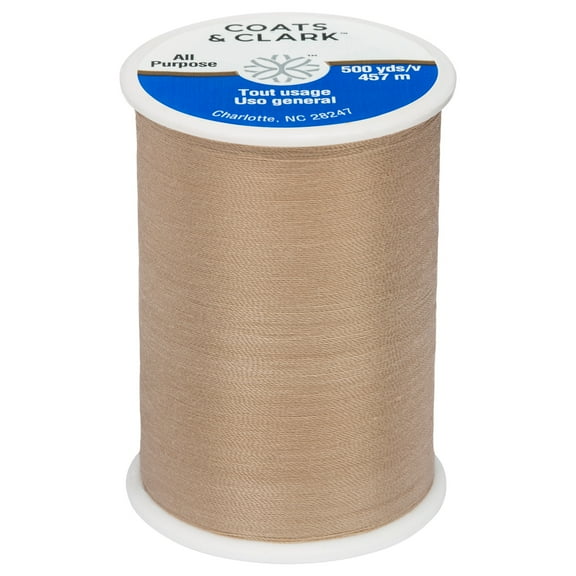
You should treat thread weight as a simple guide for thickness and intended use. You can use all purpose sewing thread for many common seams, hems, and quick household fixes.
If you choose a thicker thread, you should usually pair it with a larger needle. You can help the thread pass smoothly and reduce shredding during faster stitching.
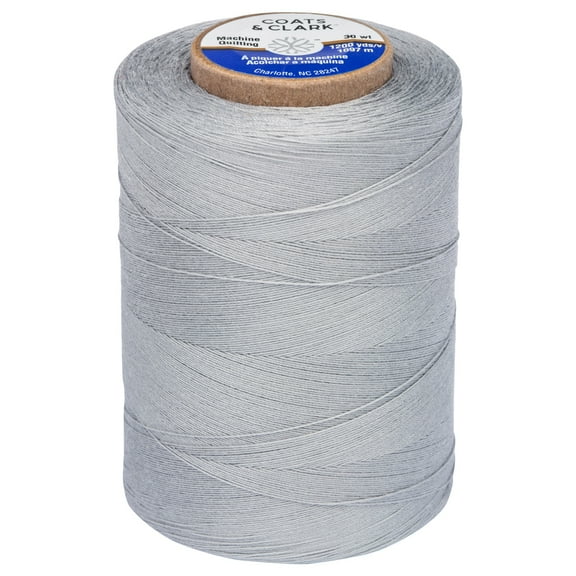
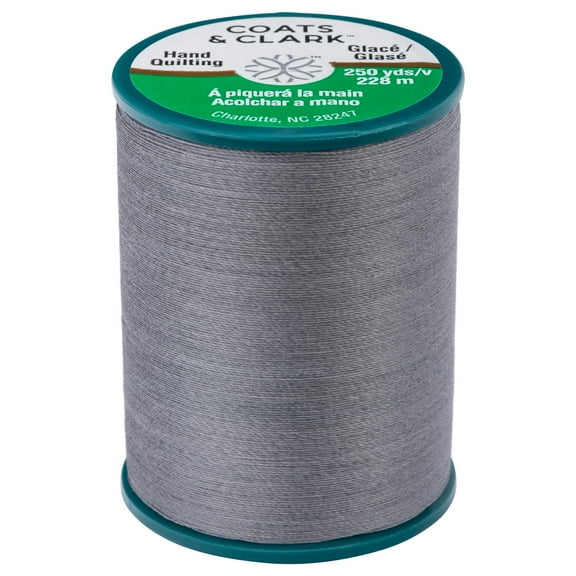
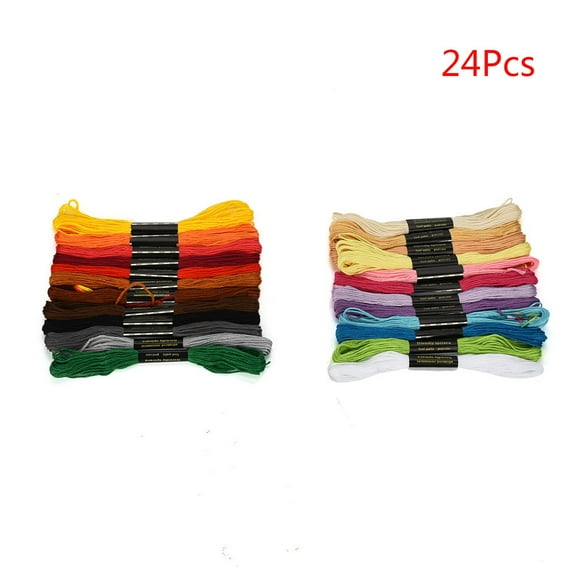
You may choose quilting thread when you want defined stitch lines across quilt blocks and binding. You can choose embroidery thread when your project focuses on decorative lettering or detailed motifs.
When you sew through denim, canvas, or layered materials, you may compare heavy duty sewing thread options. You can get a sturdier result when your thread and needle work together.
Picking thread for machine sewing, hand sewing, and serging
You should check whether your thread is intended for machine sewing before long runs. You can get more consistent tension when the spool is wound for steady high-speed stitching.
If you prefer hand sewing, you may want thread that gives you more control on small repairs. You can use it for buttons, hems, mending, and detail work on small sections.
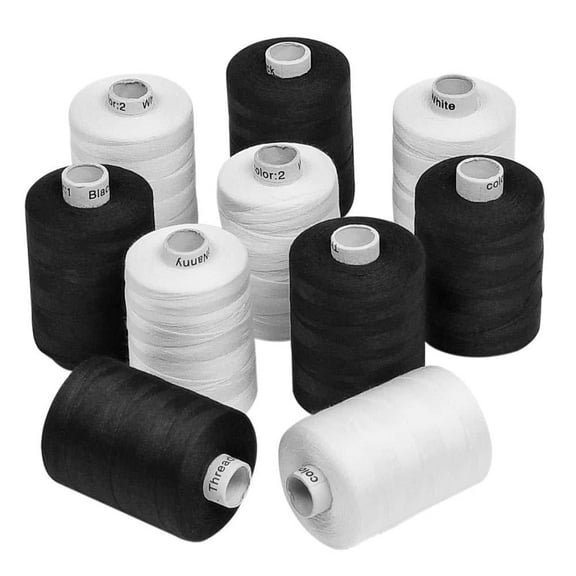
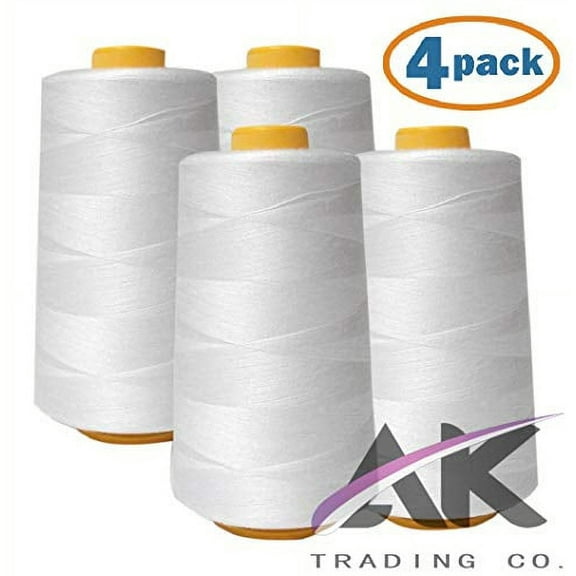
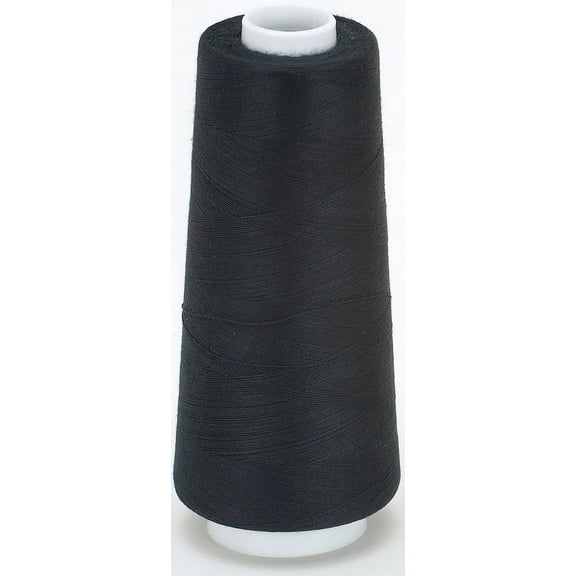
You may also compare thread for serging if you finish edges or build knit garments. You can look for spools and packs that support continuous stitching across several seams.
If you switch between projects, you may want all purpose sewing thread as a flexible starting point. You can keep one spool ready for quick fixes and another for planned sewing sessions.
Choosing pack size and color options for your projects
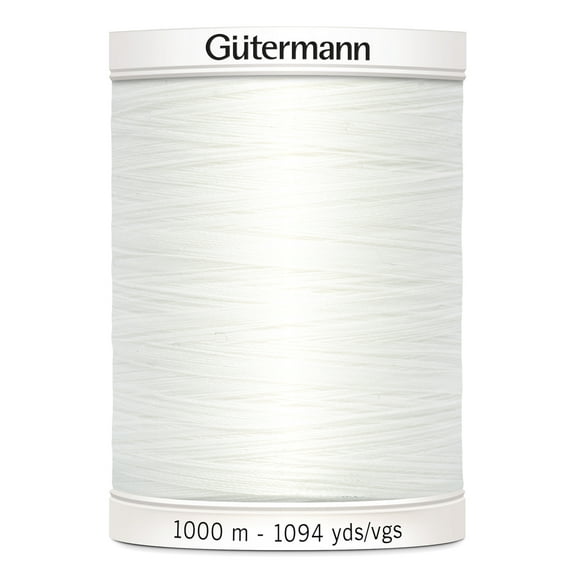
You should think about how often you sew before you choose pack size. You can pick a single spool for a one-time repair or a multi-color pack for frequent use.
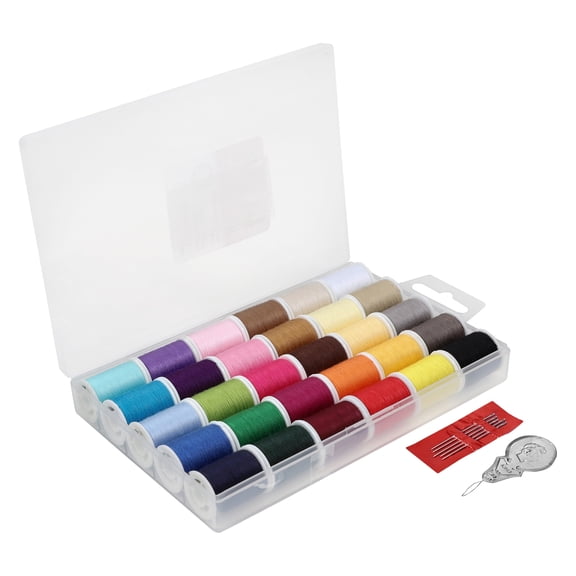
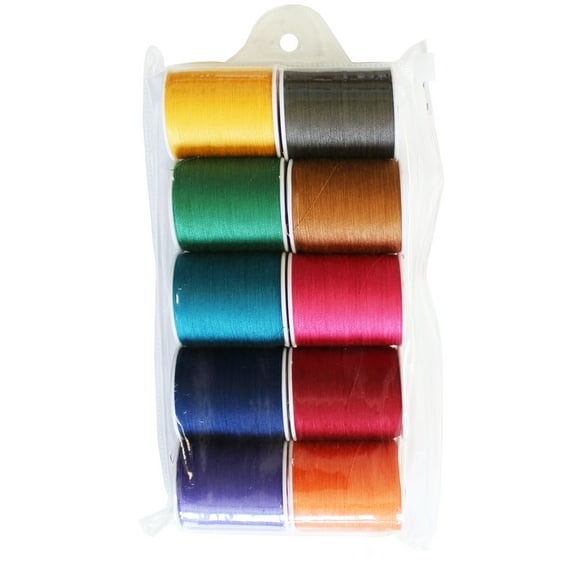
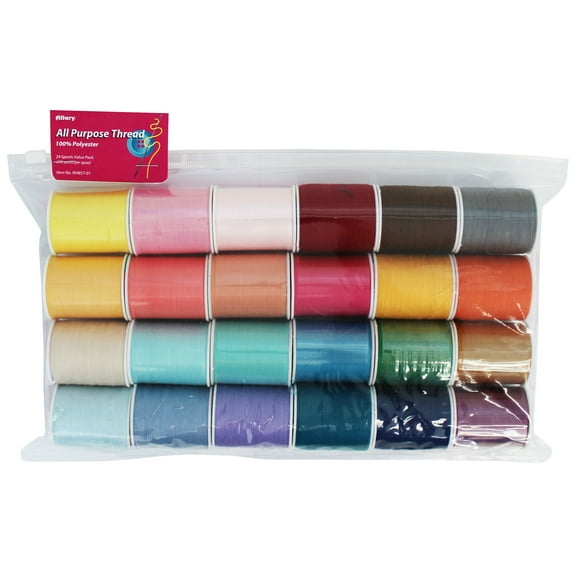
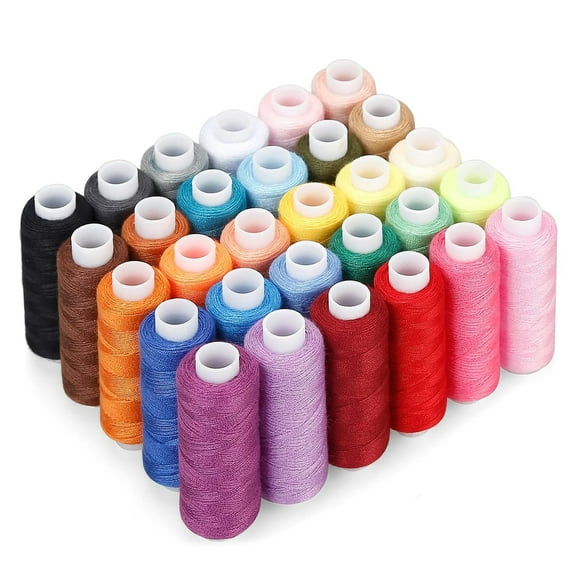
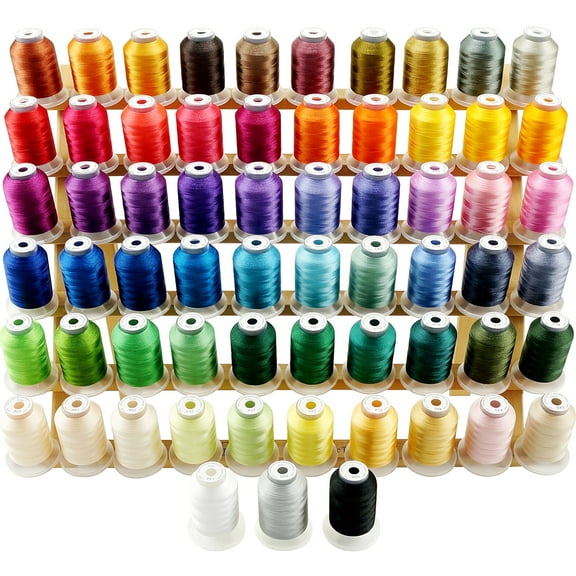
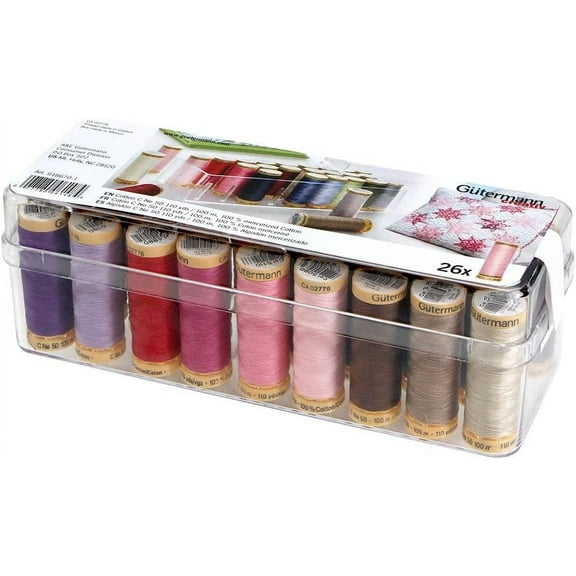
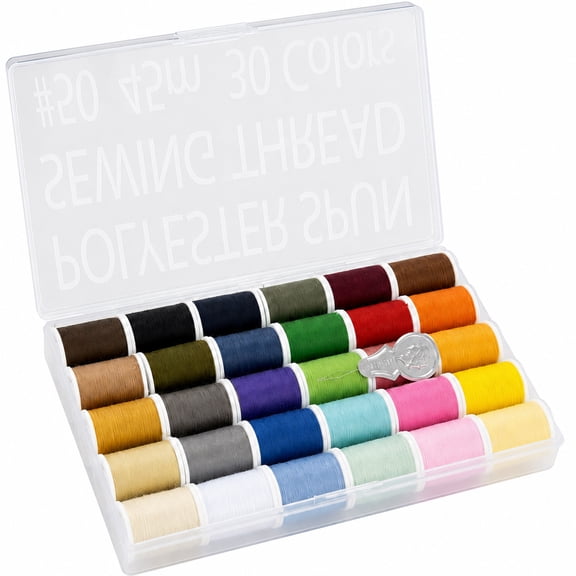
If you sew costumes, quilts, or holiday crafts, you may want an assortment kit. You can keep more shades on hand and match trim, fabric, and accents with less guesswork.
You may also want to group your choices by project type instead of color alone. You can keep neutrals for hemming, bold shades for décor, and specialty spools for quilting or embroidery.
With the right sewing thread, you can match fabric, stitch style, and project goals with more confidence. You can finish repairs, garments, and creative projects with cleaner results and fewer interruptions.