




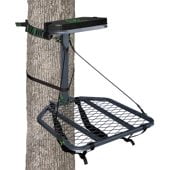
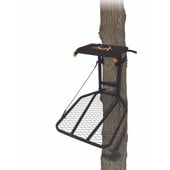


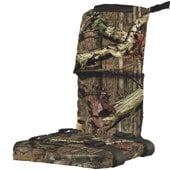
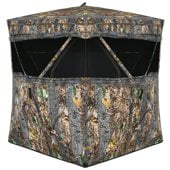

Climber Treestands in Treestands

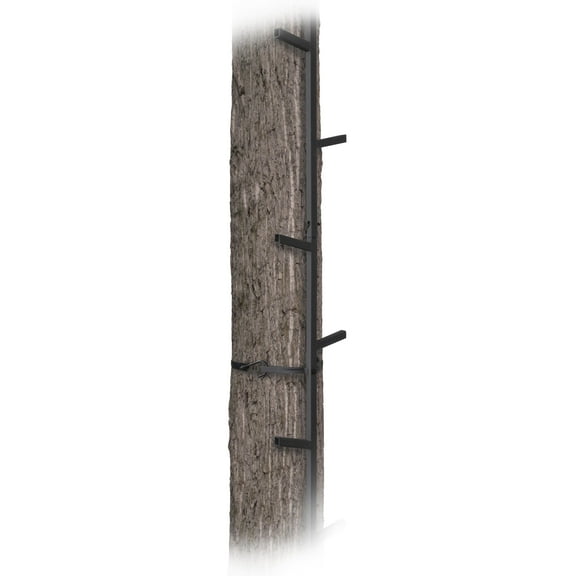

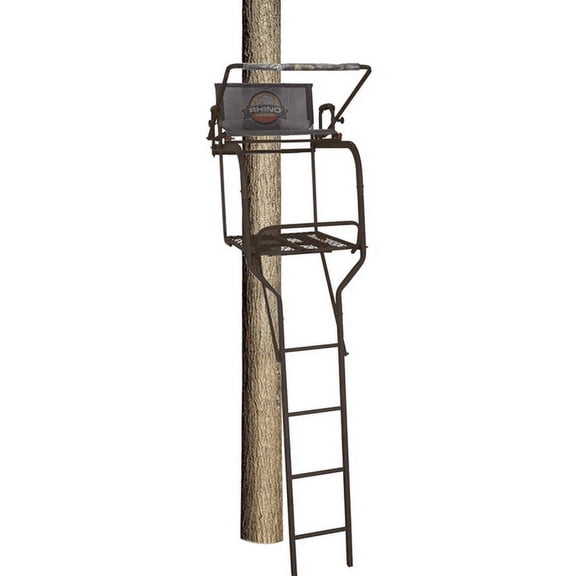
















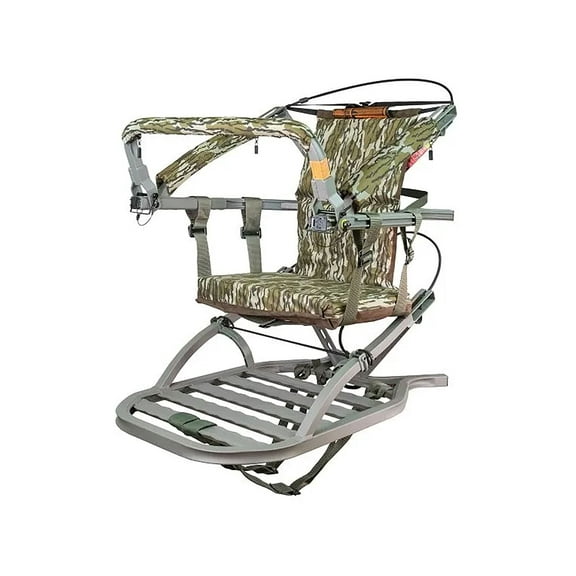
About Climber Treestands in Treestands - Walmart.com
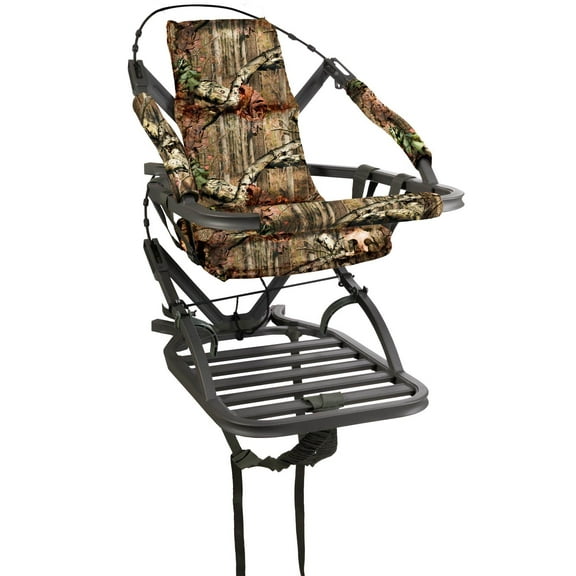
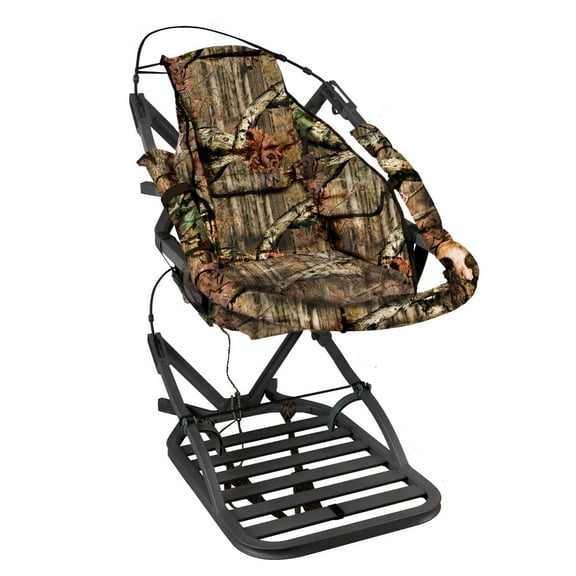
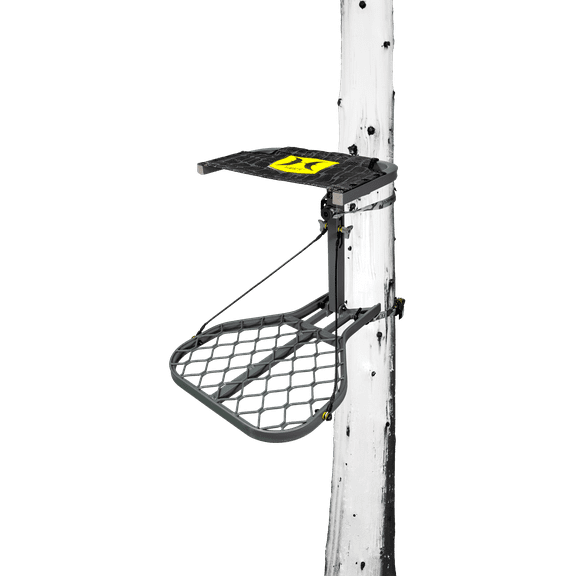
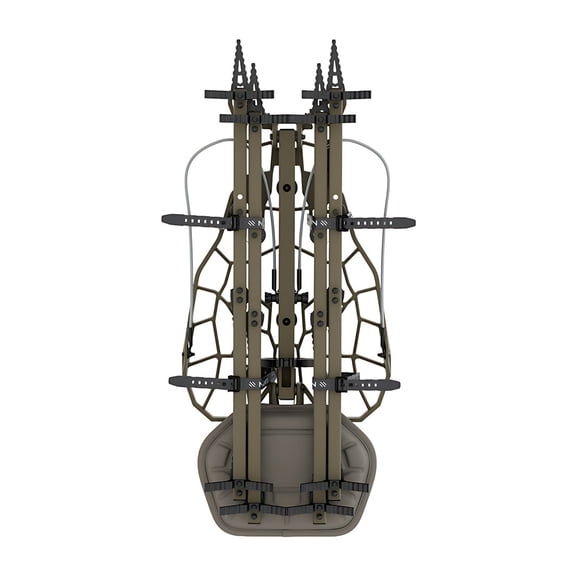
Climber treestands help you reach an elevated hunting position with a packable design you can carry deeper into wooded areas. You can compare frame material, climbing style, weight limit, and platform shape to match your routine.
If you hunt public land or move often, you may want a stand that climbs with you and packs out cleanly. You can use this guide to compare lightweight climber treestands, seat styles, and tree fit details before you choose.
How to choose climber treestands for your setup
You should start with how far you carry your gear and how often you change locations. Your answer usually points you toward aluminum, steel, wider platforms, or a more compact build.
When you compare climbing deer stands, you should also think about your tree type and preferred climbing motion. You can narrow choices faster when you check tree diameter range, platform size, and seat comfort together.
- You can carry lightweight climber treestands more easily on longer walks to remote spots.
- You can choose aluminum climbing tree stands when your pack weight matters most.
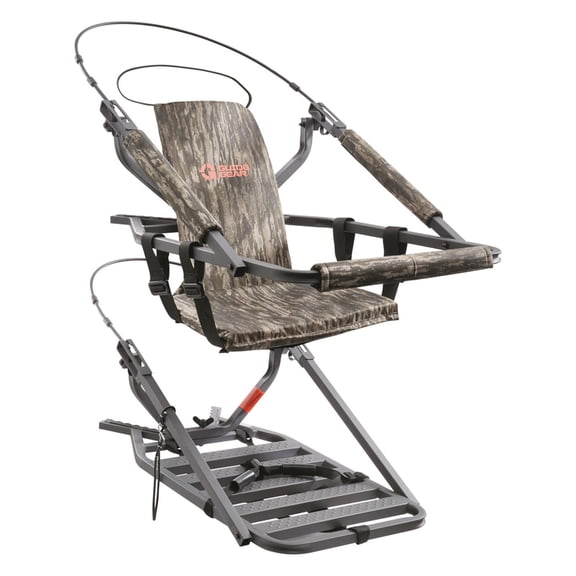
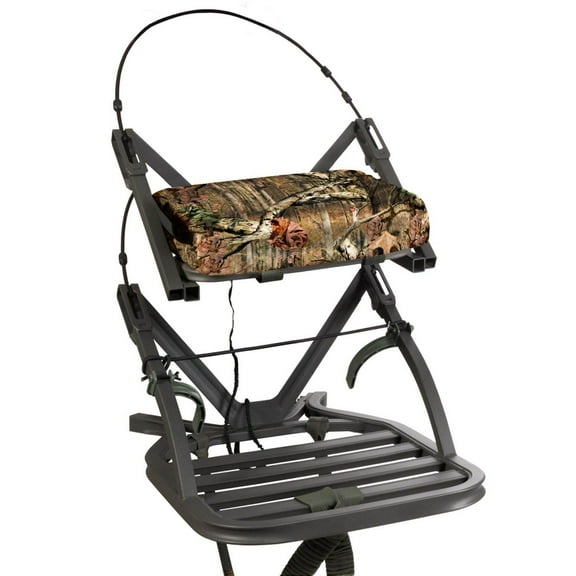
- You can compare sit-and-climb and hand climber styles by your pace and body movement.
- You can check the weight limit and harness compatibility for a more confident fit.
- You can match a standard, wide, or ultralight platform to your boots and stance.
Choosing between climbing tree stands by material and style
You’ll notice aluminum frames feel lighter during long hikes and repeated moves between trees. You may prefer steel when your setup favors a sturdier feel and added heft.
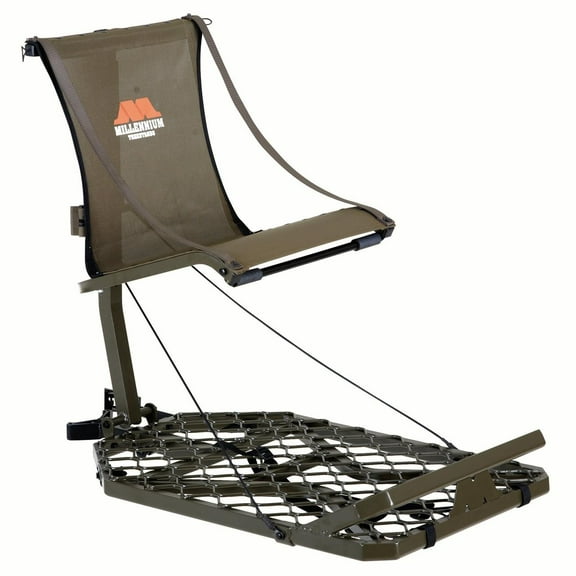
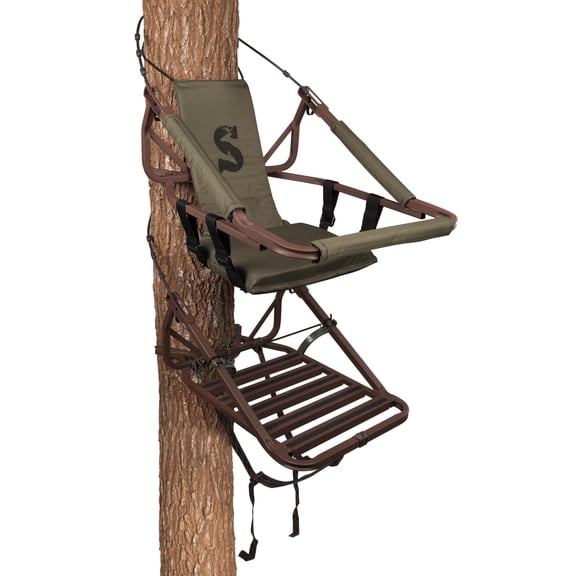
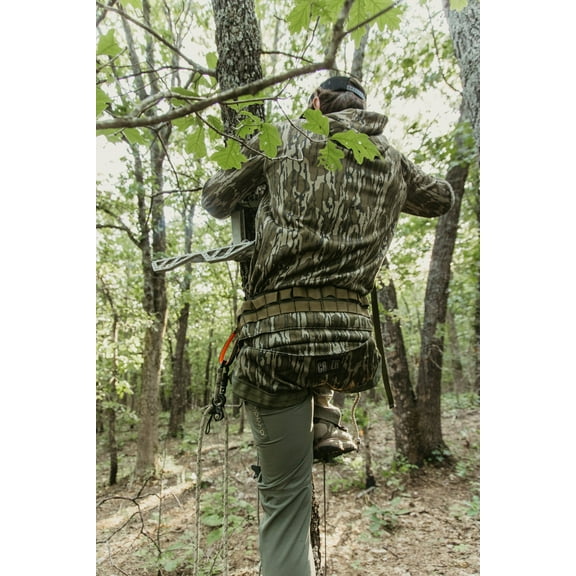
If you’re deciding between sit-and-climb and hand climber options, you should compare how each style moves up the trunk. You’ll usually raise both sections together with sit-and-climb designs, while hand climber setups separate upper and lower movement.
Your comfort with bending, lifting, and rhythm matters when you choose a climbing style. You can often move more efficiently when the motion matches your flexibility and hunting pace.
What to look for in hunting tree stands comfort and platform space
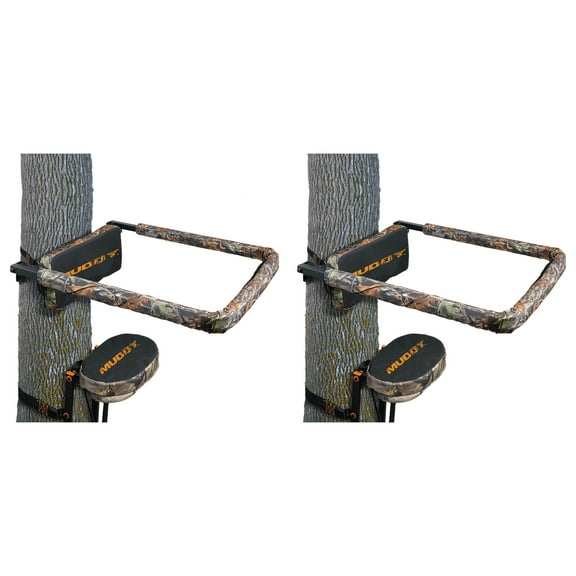
You should look closely at seat type because long sits can change how focused you stay. You may prefer a sling seat for lighter carry weight, a padded bench for cushioning, or a mesh seat for airflow.
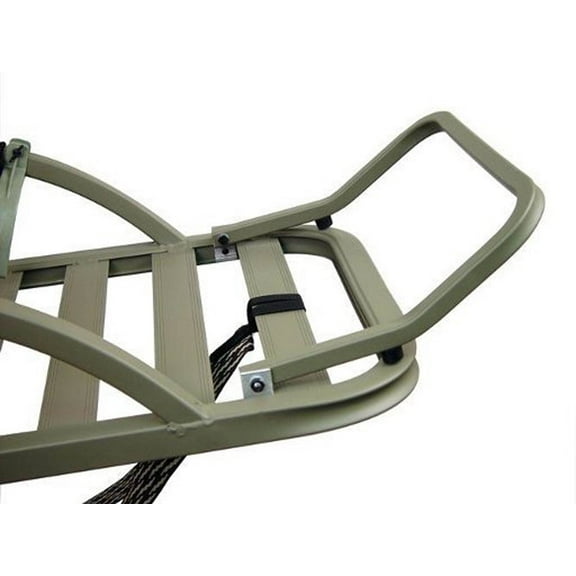
Platform size also changes how your stand feels once you’re settled at height. You can choose a standard platform for a balanced footprint, a wide platform for more boot room, or an ultralight platform for easier packing.
If you wear bulky outer layers late in the season, your seat and platform dimensions matter even more. You’ll want enough space to reposition quietly without feeling crowded by your gear.
Checking weight capacity and tree diameter fit
You should always compare the listed weight limit with your body weight and the gear you carry. You may see options rated for 250 lbs, 300 lbs, or 350 lbs, which helps you filter by fit.
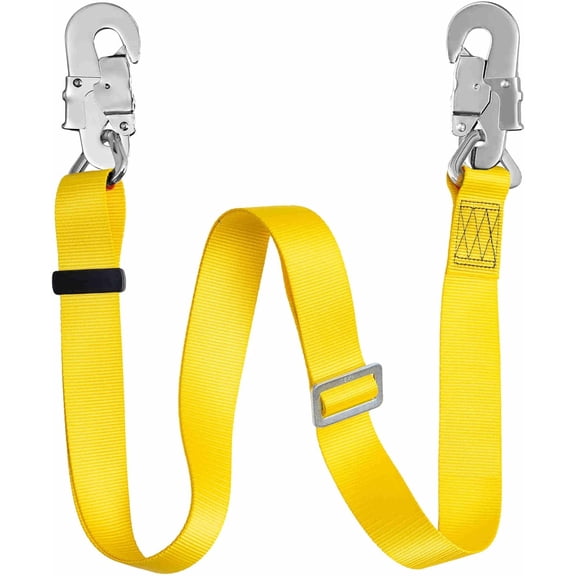
Your setup may also call for a compatible safety harness rating, since that detail supports proper pairing. You can review product details for the harness type, attachment points, and included straps.
Tree diameter range is another decision-critical detail that affects whether your stand fits the trees you hunt. You should check the minimum and maximum tree diameter before you head into hardwoods, pines, or mixed cover.
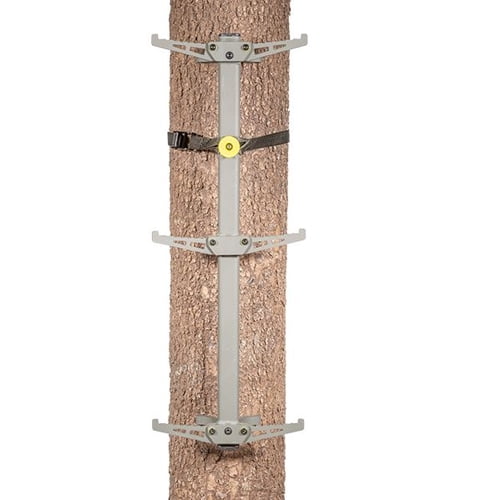
If your property has straighter trunks, you may have more flexibility across different stands. You’ll want to compare climbing bars, cables, and frame adjustment ranges when your trees vary in width.
Matching climber treestands to real hunting conditions
If you hike farther before daylight, you may lean toward lightweight climber treestands with aluminum frames and ultralight platforms. You can reduce bulk on your back while keeping an elevated option ready.
When you expect a longer sit during deer season, you may favor climbing deer stands with a wider platform and a supportive seat. You can stay more settled when your stance and seating feel balanced.
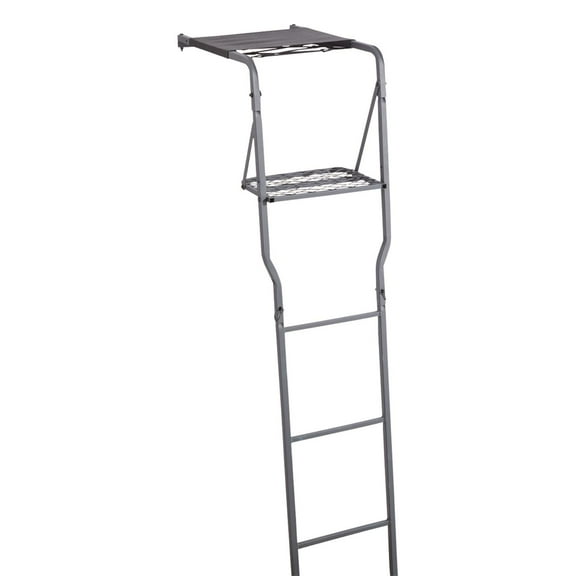
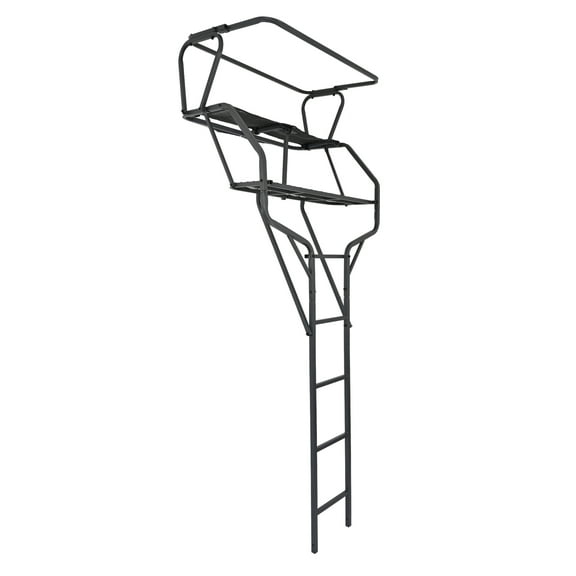
If you switch locations often, you may benefit from climbing tree stands that adjust quickly to different trunk sizes. You can move from one area to another without carrying a fixed ladder setup.
For hunters who want a roomier feel, a wide platform and higher weight limit can shape the shortlist. You should also compare seat height, backrest style, and foot platform adjustment for your preferred posture.
If your route includes thicker cover, a slimmer profile may matter during carry-in and carry-out. You can look for shapes that strap down neatly and ride closer to your back.
How to narrow your final choice in climber treestands
You can make a smarter choice when you compare frame material, climbing style, weight limit, tree diameter range, platform size, and seat type together. Your hunting pattern usually makes the right combination clear.
With the right climber treestands setup, you can carry in with less hassle, fit the trees you hunt, and settle into a steadier elevated position. You’ll feel more prepared when each spec matches the way you hunt.