


Gym Trap Bars & Shrug Bars | Hex Barbells - Walmart



















About Gym Trap Bars & Shrug Bars | Hex Barbells - Walmart - Walmart.com
A gym trap bar gives you a centered pull for deadlifts, shrugs, and carries while helping you compare frame shape, sleeve fit, and handle setup. You can use this category guide to sort through hex bar options that match your plates, your space, and your training style.
When you compare this category, you’re choosing more than a bar shape. You’re deciding how your hands sit, how your plates load, and how your lifts start from the floor.
How a gym trap bar supports your training
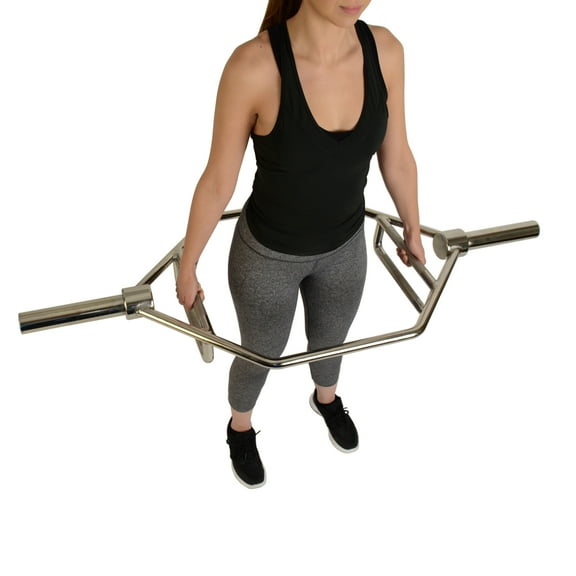
You’ll notice a trap bar changes your setup by placing weight around your body instead of in front of it. You can keep a more centered position for deadlifts, farmer’s carries, shrugs, and loaded holds.
That design also gives you exercise variety that a straight bar doesn’t match in the same way. You can use raised handles for higher starts, or you can flip some bars for a lower pull.
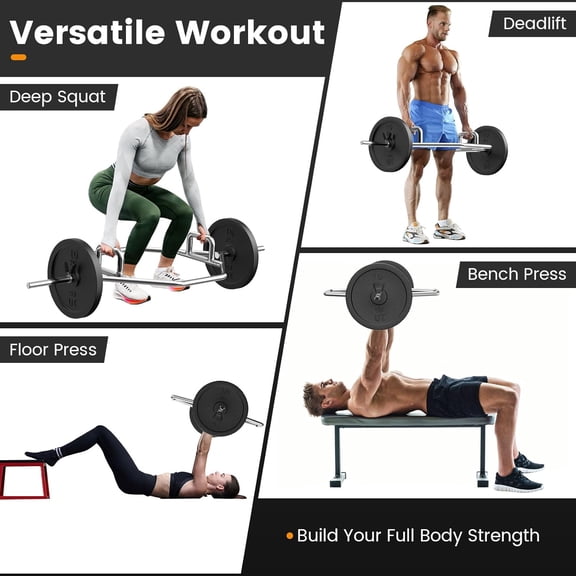
- You can train deadlifts with a neutral grip that feels natural in your hands.
- You can use one bar for shrugs, carries, and some shoulder press barbell alternatives.
- You can compare open-back and closed hex frames based on movement style.
- You can match sleeve diameter to your current plate collection before you buy.
If you’re building a home setup, you’ll also appreciate simpler decision points than with many specialty bars. You can focus on trap bar weight, handle style, and plate compatibility first.
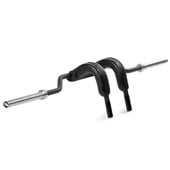
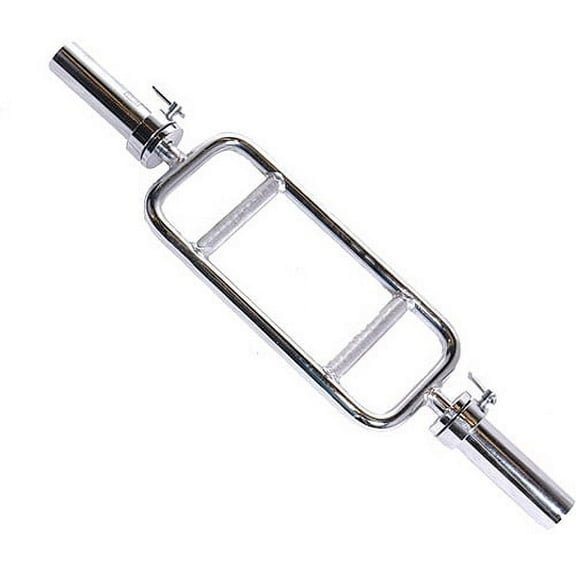
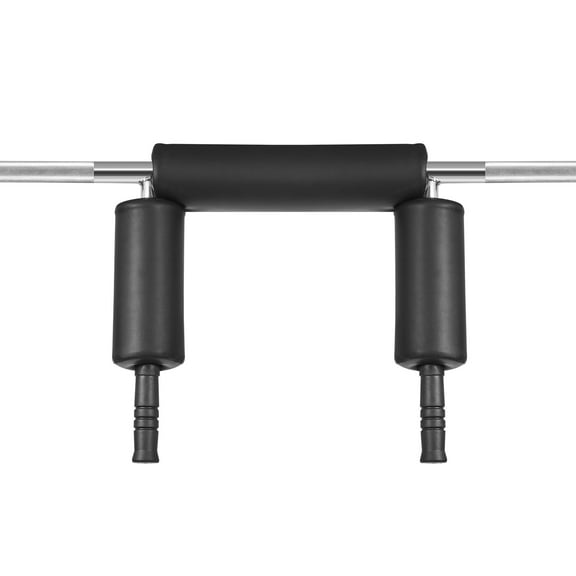
For many shoppers, a shrug bar works well when they want a dedicated pulling tool without adding several bars. You can cover heavy shrugs, loaded walks, and hinge work with one footprint.
Choosing frame design and trap bar weight
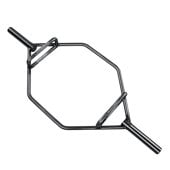
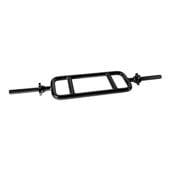
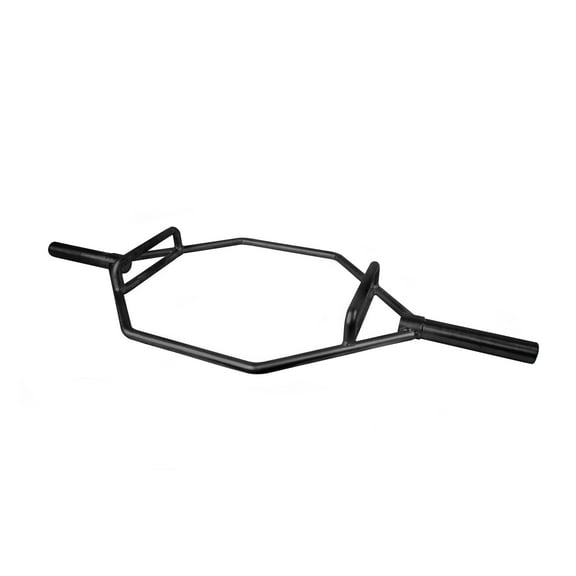
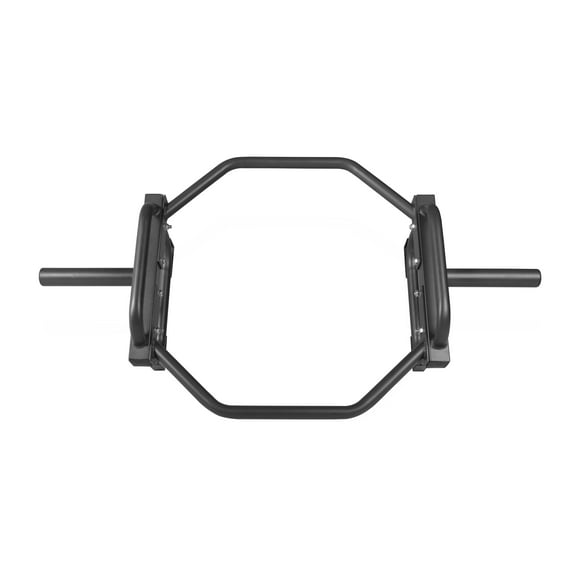
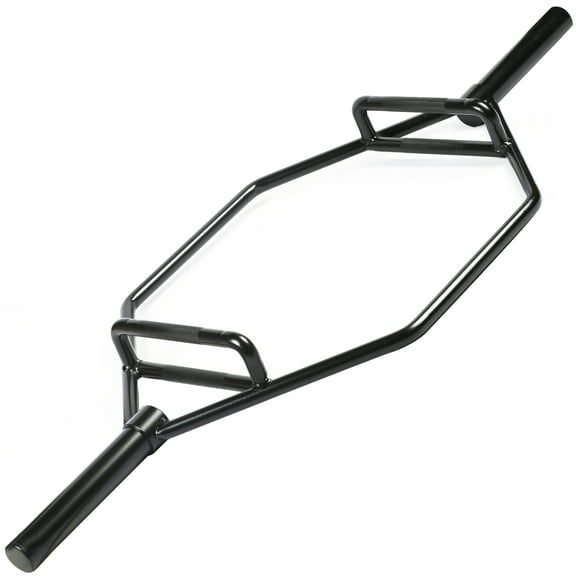
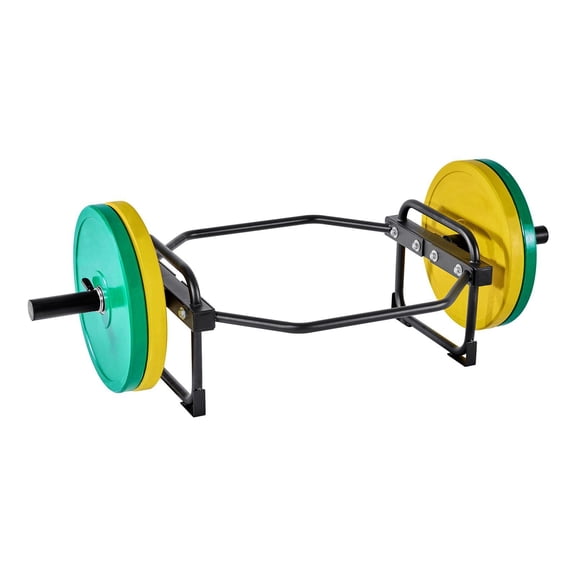
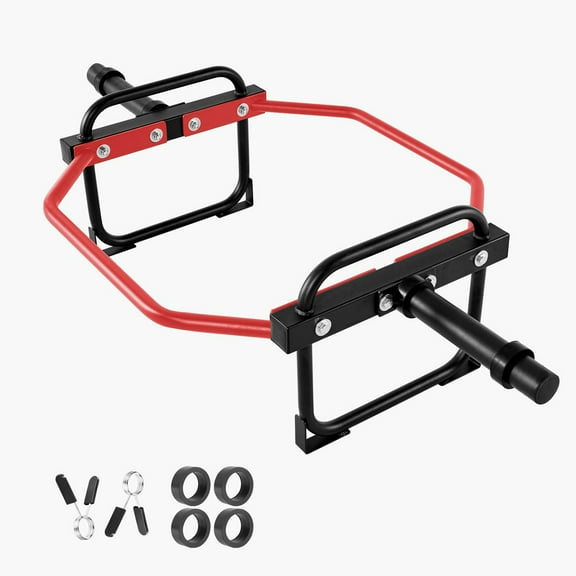
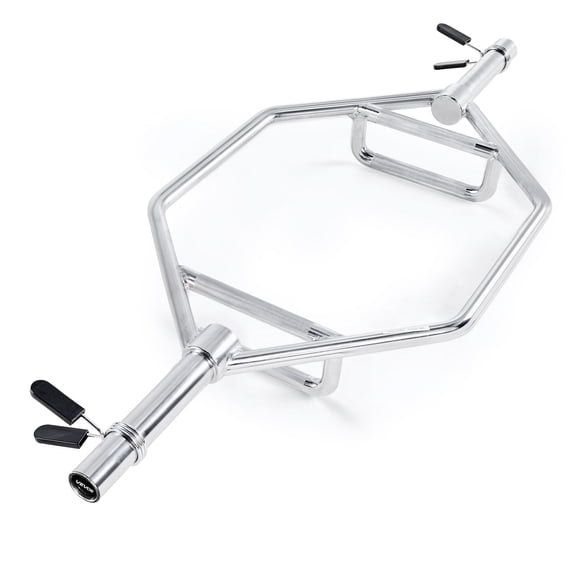
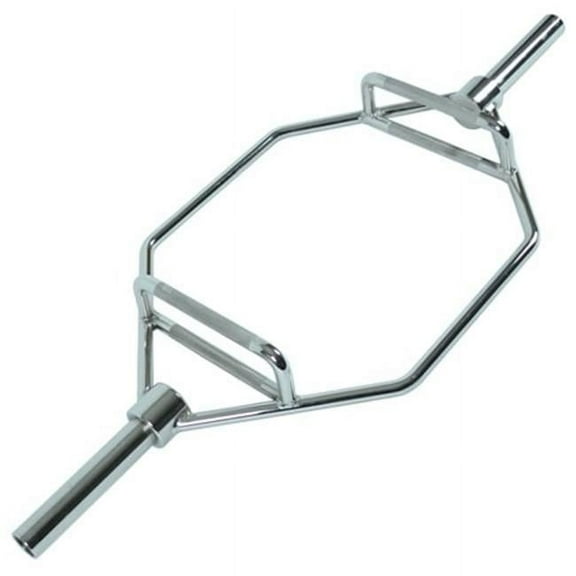
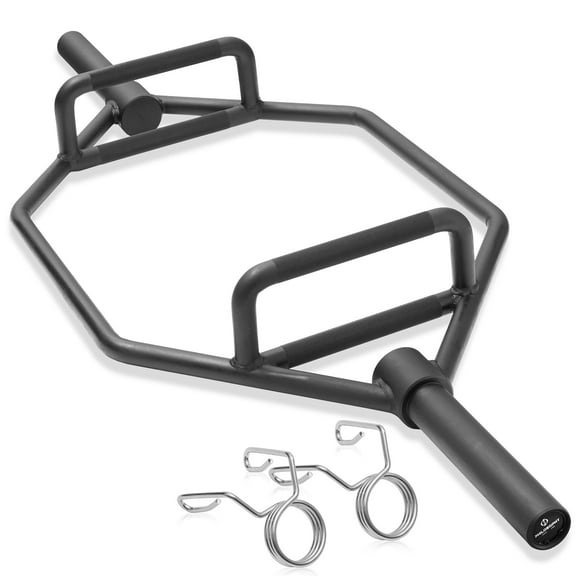
You’ll usually choose between a closed hex frame and an open-back frame first. You can use a closed hex shape for classic deadlifts, while open-back designs support lunges, carries, and step-in movement.
Closed hex bars give you a familiar enclosed position around your body. You can step inside, set your grip, and keep your lift pattern focused on traditional pulls and shrugs.
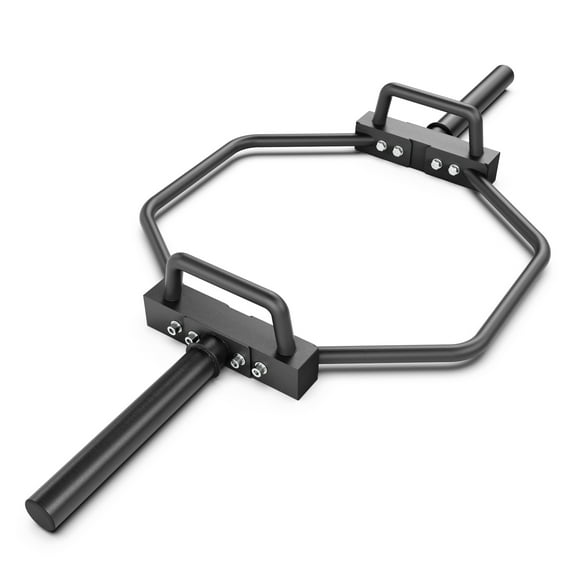
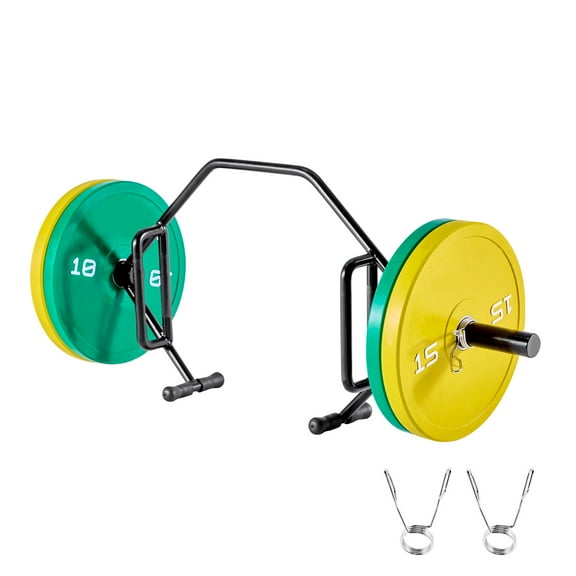
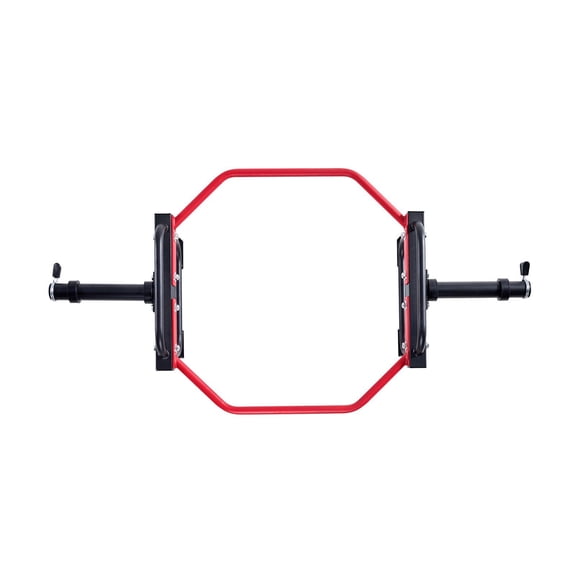
Open-back designs remove the rear section of the frame for easier entry and exit. You can move into carries, split-stance work, and walk-based drills with less interruption.
Trap bar weight matters because it changes your starting load before plates go on. You can compare 45 lbs, 55 lbs, and 75 lbs models based on your current strength and progression plan.
A lighter bar can make smaller load jumps easier when you’re just starting out. A heavier bar can suit advanced lifters who want a sturdier feel during loaded pulls.
If you’re comparing a rackable trap bar, you should also check overall width and sleeve length. You can confirm whether it fits your rack setup and gives your plates enough loading room.
Comparing sleeve diameter, handles, and grip details
You should check sleeve diameter before anything else if you already own plates. You’ll usually see Olympic 2-inch sleeves or Standard 1-inch sleeves, and that choice controls plate compatibility.
Olympic 2-inch sleeves fit common Olympic weight plates used in many home and commercial gyms. Standard 1-inch sleeves fit smaller plates, so you should match the bar to what you already use.
Sleeve length matters too because it affects how many plates you can load. You can compare shorter sleeves for compact storage or longer sleeves for heavier training sessions.
Handle style changes how your lift starts and how your hands feel under load. You can choose dual high and low handles, knurled handles, or rotating handles based on training preference.
Dual high and low handles give you two setup heights in one bar. You can start higher for easier pulls, then switch lower as your range and confidence improve.
Knurled handles use a textured grip pattern that helps your hands stay planted. You can look for knurling depth that feels secure without feeling overly sharp during repeated sets.
Rotating handles change hand position as you move through a rep. You can consider them if you want a different grip feel for carries, shrugs, or mixed training sessions.
You may also want to compare weight capacity notes when you read product details. You can look for static weight rating and drop test rating information to understand intended loading conditions.
Matching your shrug bar to real workout setups
If you train in a garage or spare room, you may want a gym trap bar that works with Olympic 2-inch plates. You can pair that setup with collars, weight benches, and plate storage more easily.
If you want a simple deadlift station, you can choose a closed hex frame with dual handles. You’ll get a straightforward setup for shrugs, deadlifts, and loaded holds in one bar.
If your workouts include carries, lunges, and step-through movements, you can consider an open-back frame. You’ll have more freedom to move forward without the rear frame section behind you.
If you already search trap bar near me, you’re likely trying to confirm quick access and compatibility. You can narrow choices online by checking sleeve diameter, bar weight, and rackable dimensions first.
For shared home gyms, you can use a lighter starting bar to support wider training flexibility. You can also choose raised handles when different users want an easier pull from the floor.
If you’re expanding beyond a straight bar, you may also compare this category with a shoulder press barbell setup. You can use a trap-focused bar for pulls and carries while keeping pressing on a separate bar.
When you review trap bar price, you should compare design details instead of looking only at the number. You can judge long-term fit by plate type, handle texture, and frame style.
You’ll make a smarter choice when you match the bar to your movement goals and existing equipment. You can finish with a setup that loads smoothly, grips securely, and supports steady strength work.