

Transfer Boards, Belts & Slides in Bedroom Safety & Aids

























About Transfer Boards, Belts & Slides in Bedroom Safety & Aids - Walmart.com
You can compare transfer boards and belts by mobility level, material, and weight capacity, so your transfers feel more controlled and better matched. You'll also find slide sheets and transfer discs that support different caregiver routines and room setups.
When you choose this category carefully, you can match the aid to wheelchair transfers, bed moves, or assisted standing. You can also compare rigid boards, flexible belts, and low-friction sheets without guessing what each design means.
How to choose transfer boards and belts
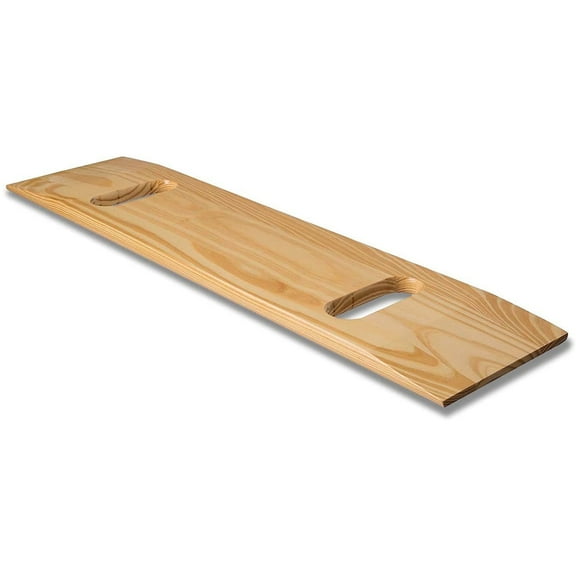
You should start with the device type, because each option supports a different movement pattern. If your user needs seated sliding, you may prefer a patient transfer board or a medical transfer slide board.
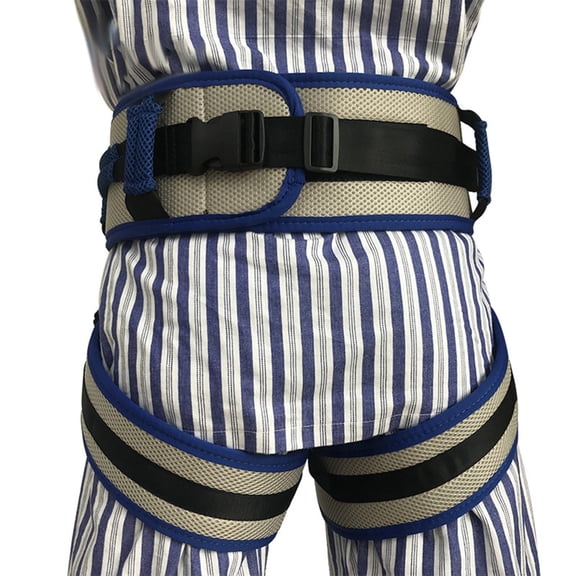
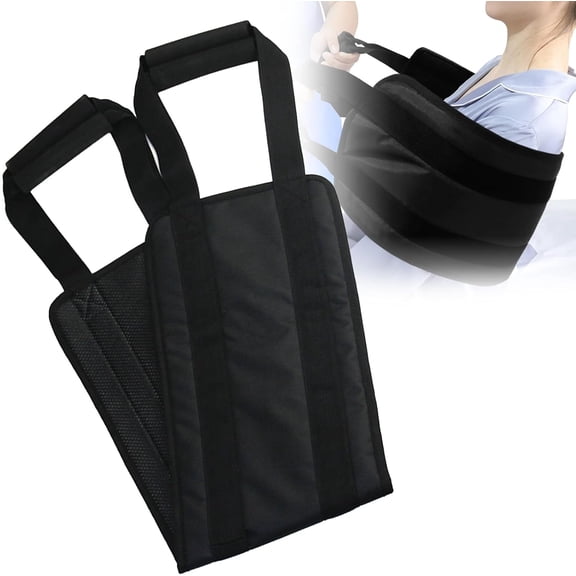
If your user can stand with help, you may compare a transfer belt with handles or transfer discs. If your caregiver needs less pulling effort, you may choose slide sheets for patients to reduce drag.
You can narrow your options faster when you match the device to the transfer itself. You should compare bed-to-chair moves, wheelchair repositioning, and pivot turns as separate needs.
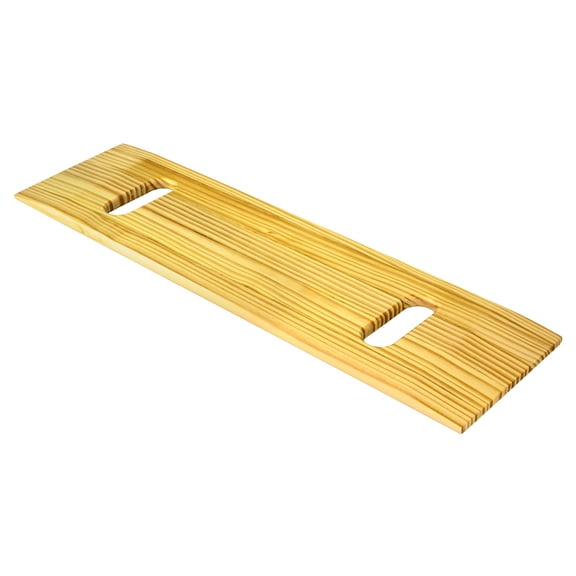
- You can use transfer boards for seated moves across small gaps.
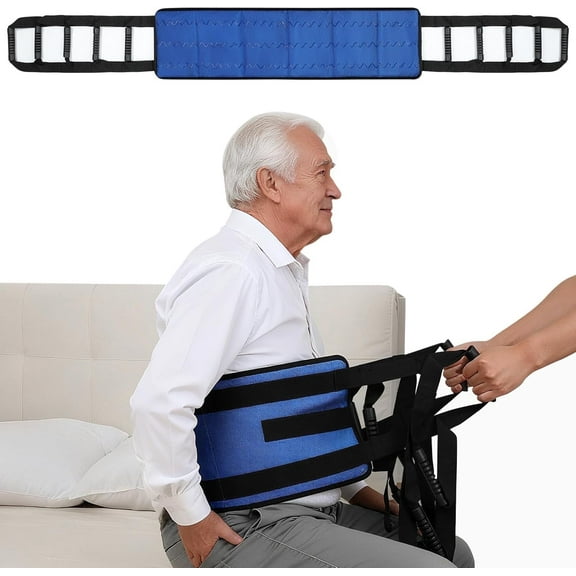
- You can use gait belts for seniors during assisted standing and walking support.
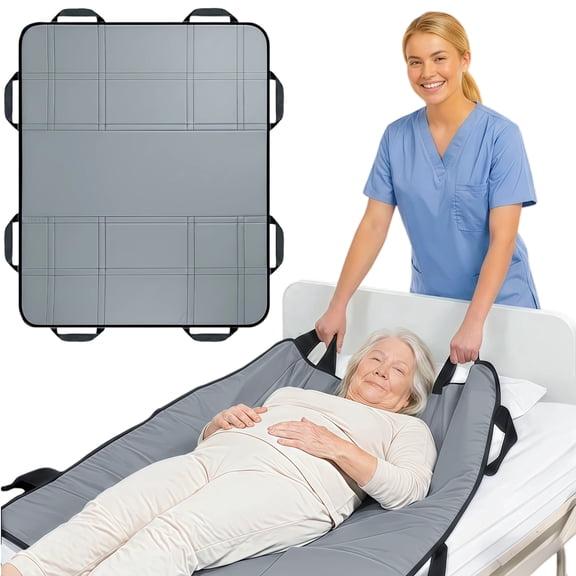
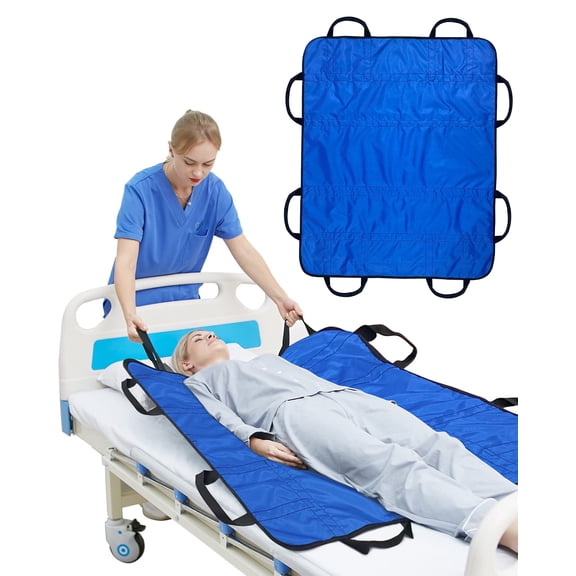
- You can use slide sheets for patients when bed repositioning needs lower surface friction.
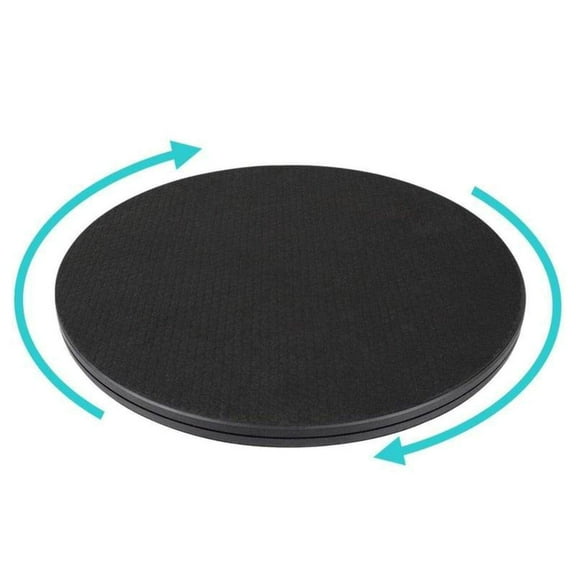
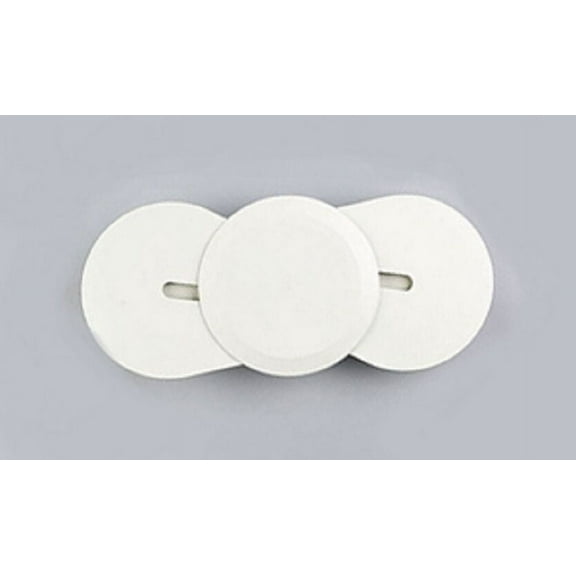
- You can use transfer discs when you need a controlled pivot under supervision.
Choosing the right patient transfer board
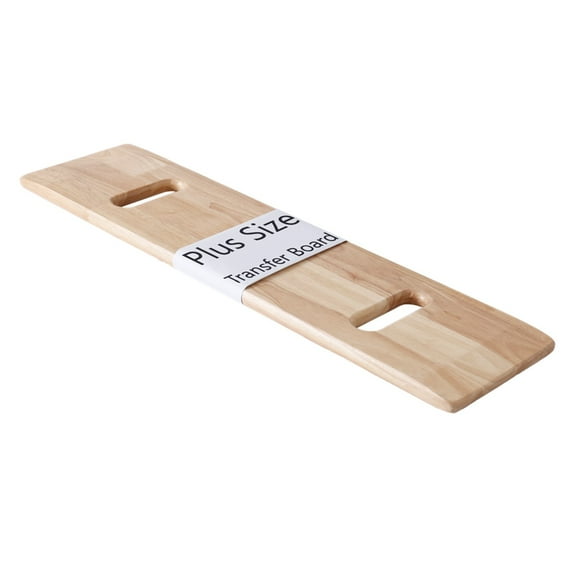
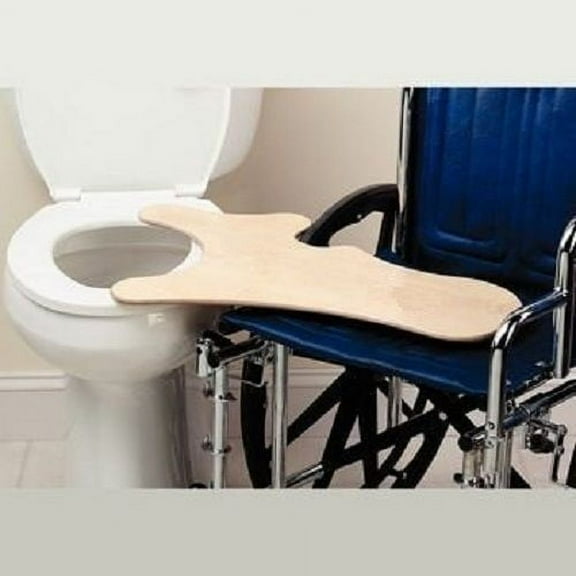
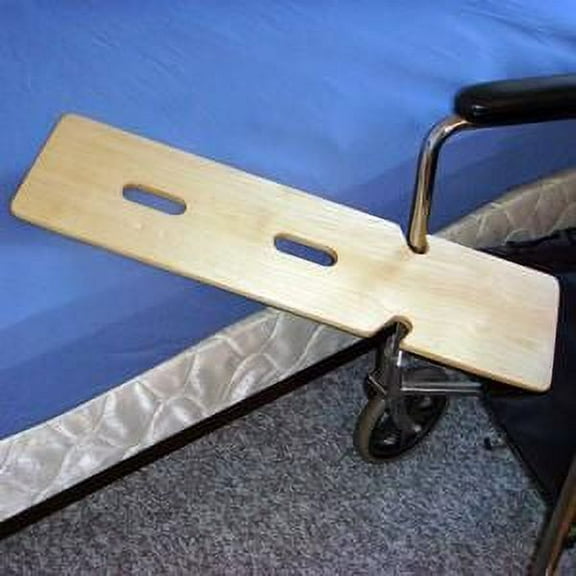
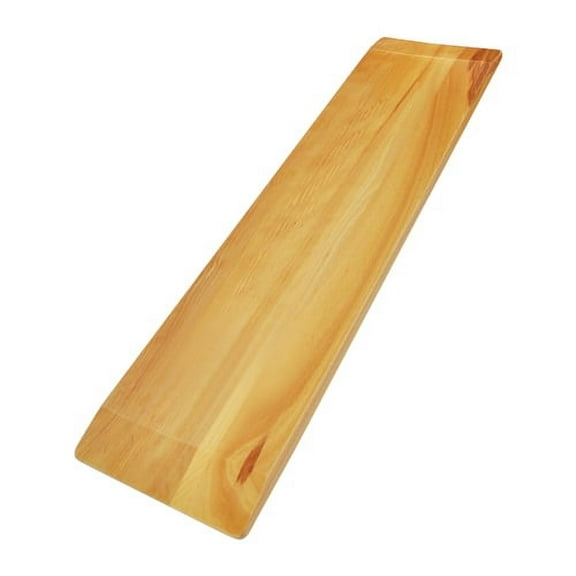
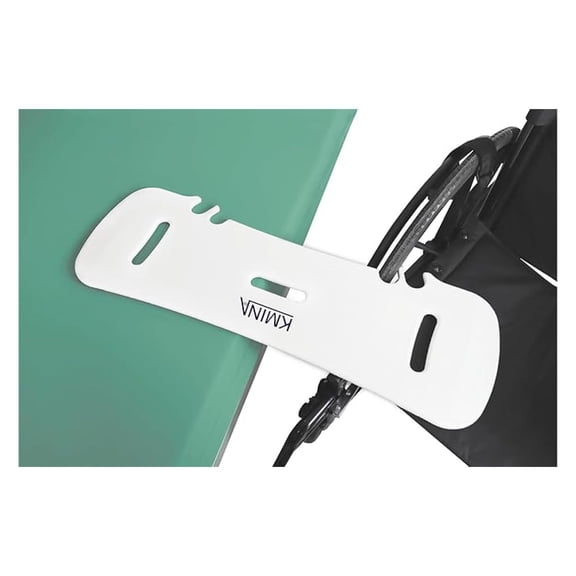
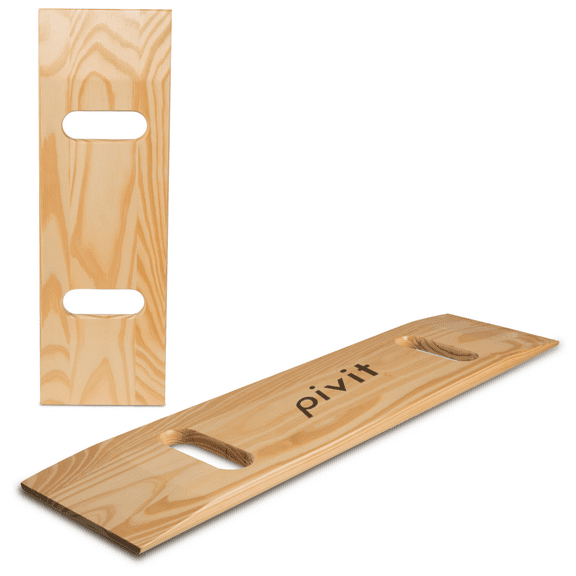
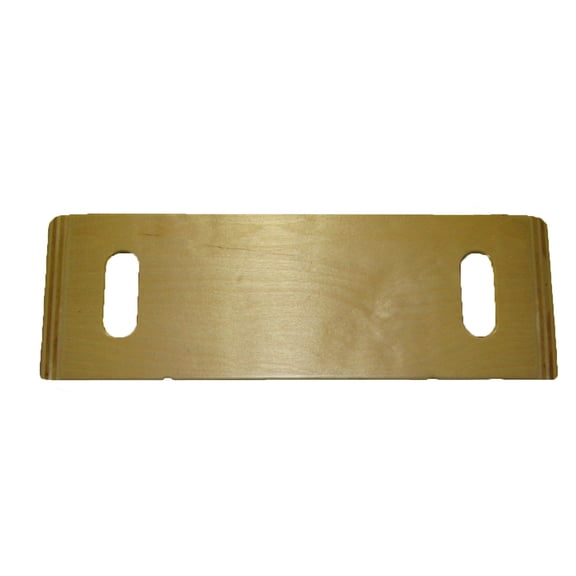
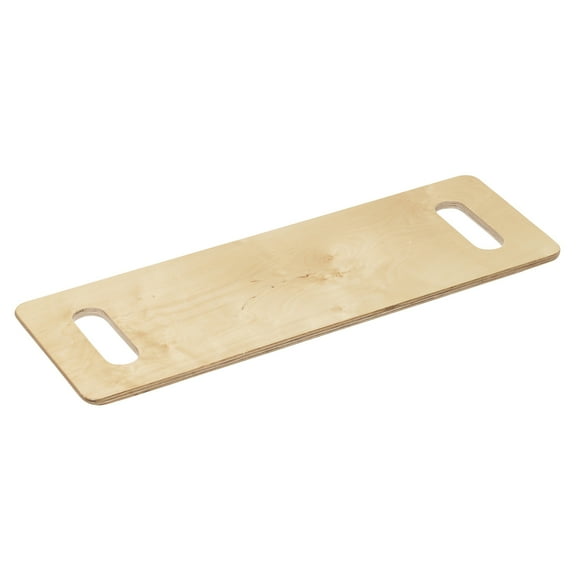
You should compare board shape, board length, and surface finish before you choose a patient transfer board. A wheelchair transfer board usually helps you bridge a gap between surfaces without a full lift.
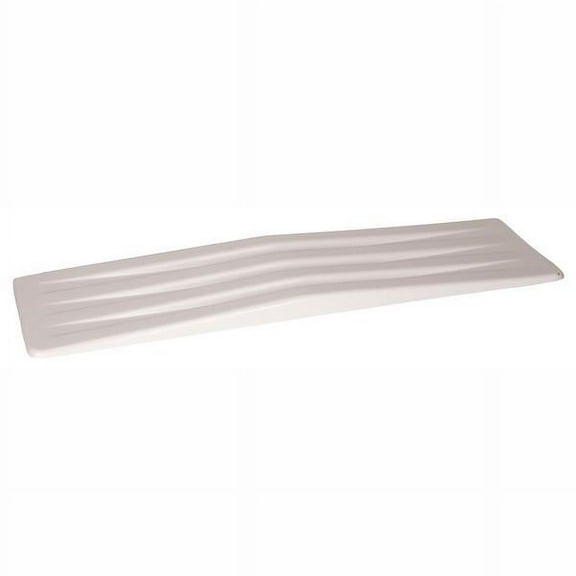
You may see wood or plastic designs, and each material changes how the board feels in daily use. Wood can feel solid for repeated transfers, while plastic can feel smoother and easier to wipe down.
You should also check the board edges, because tapered ends can help you position the board with less shifting. If your space is tight, a shorter medical transfer slide board may fit better beside wheelchairs.
Weight capacity matters, so you should confirm the listed limit in pounds before you decide. If your needs are higher, you may compare bariatric options built for heavier daily use.
Comparing materials and weight capacity
You can use material details as a quick guide to durability, friction, and cleanup. Heavy-duty webbing often matters for belts, while low-friction nylon matters for slide sheets and anti-shear movement.
If you want a transfer belt with handles, you should check handle placement and webbing strength. Those details can help you maintain a steadier grip during assisted standing or short guided steps.
You should compare standard and bariatric capacities with your user, caregiver, and transfer style in mind. A higher listed limit can support repeated use, thicker materials, or wider designs.
Skin contact can also guide your decision, especially during bed movement or repositioning. If you need smoother motion, you may look for low-friction nylon that helps fabric glide across sheets.
Choosing gait belts for seniors and assisted mobility
You can choose gait belts for seniors when the user has some standing ability and needs guided support. These belts can help you manage balance cues during sit-to-stand practice or short assisted walking.
You should compare buckle style, belt width, and handle count before you choose. If you need more hand positions, you may prefer a transfer belt with handles for better caregiver control.
You can also consider caregiver strength when comparing belts with boards or sheets. If you want more guidance during upright movement, a belt may suit your routine better than a rigid board.
For daily home use, you should check whether the belt adjusts quickly over clothing. If several caregivers help, clear sizing and easy fastening can support more consistent transfers.
Using slide sheets for patients and bed transfers
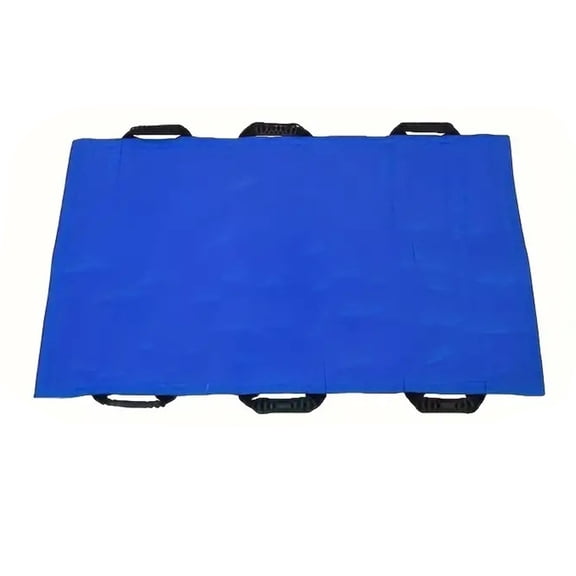
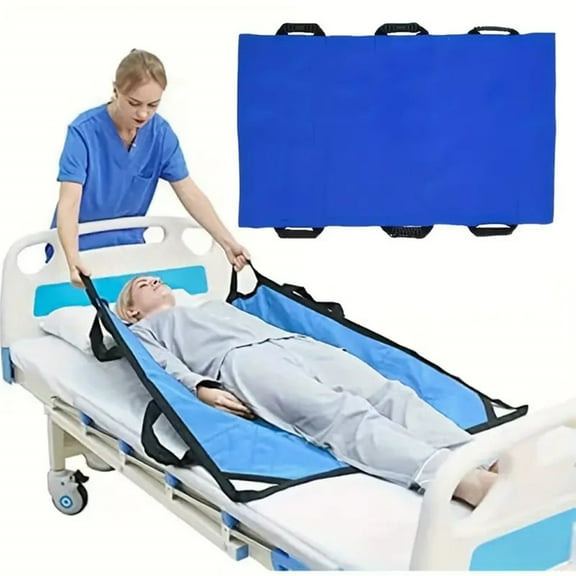
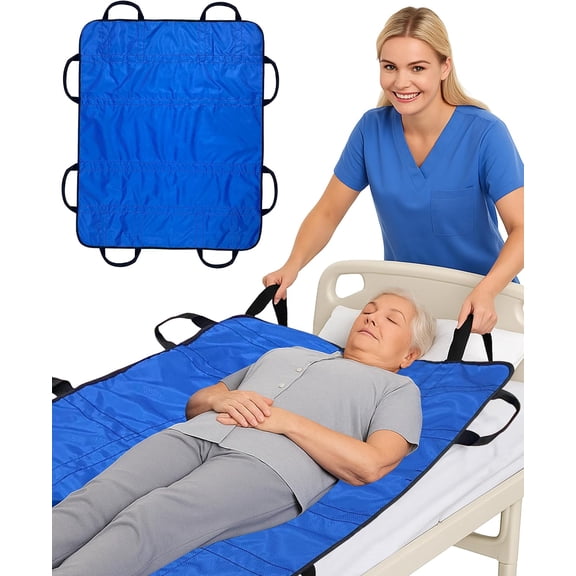
You may prefer slide sheets for patients when repositioning happens mostly in bed or on a flat surface. These sheets can help you move with less surface resistance during boosts, turns, or side-to-side shifts.
You should compare single-patient style needs, fabric feel, and low-friction nylon construction. If skin sensitivity matters, smoother anti-shear materials can support gentler movement across bedding.
You can also match sheet size to the transfer area and caregiver technique. A larger sheet can give you more coverage, while a compact sheet can feel easier in smaller rooms.
If your routine includes frequent bed care, you may value materials that wipe clean and dry quickly. Those details can support easier repeat use throughout your schedule.
Matching device type to real transfer scenarios
You can simplify your choice when you match device type to the user's mobility level. If the user remains seated, a wheelchair transfer board can support chair-to-bed or chair-to-car movement.
If the user can bear some weight, you may compare gait belts for seniors with transfer discs. That combination can support supervised pivots from bed to commode or chair to standing surface.
If the user needs passive repositioning, slide sheets for patients may fit your setup better. They can support turning and boosting on bedding when lifting isn't the main goal.
You should also think about who performs the transfer each day. If one caregiver handles most moves, lower-friction materials and secure handles can make the process feel more manageable.
You can feel more confident when your transfer aid matches movement type, material needs, and weight capacity. That approach helps you choose equipment that supports smoother positioning and steadier caregiver control.