


Find auto parts that fit
Let’s search for parts that fit your vehicle.Trailer Straps & Tie-Downs for Cargo Securing | Walmart

















About Trailer Straps & Tie-Downs for Cargo Securing | Walmart - Walmart.com
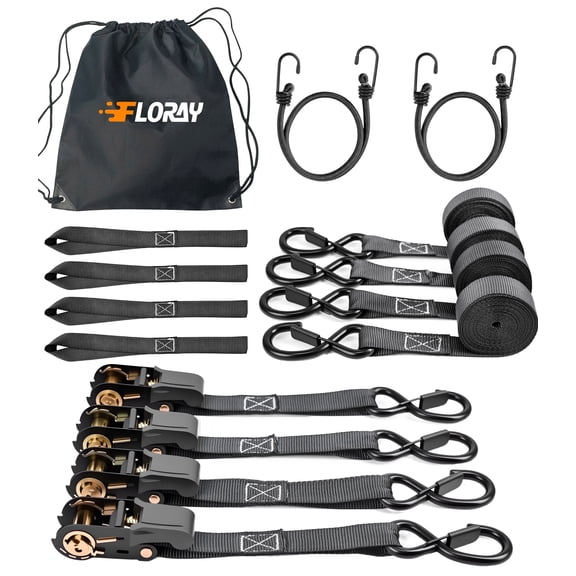
Trailer straps help you secure equipment, boats, and cargo with controlled tension and trailer-ready hardware. You can compare strap type, load capacity, hook style, and webbing material to match your trailer setup.
How to choose trailer straps for your load
When you compare trailer straps, you should start with your cargo weight and trailer anchor points. You can get a more accurate fit when you match the strap system to your hauling routine.
Load capacity matters because you need enough holding strength without guessing from the package. You should check both working load limit and break strength before you choose heavy duty trailer straps.
Working load limit tells you the load a strap is designed to handle during regular use. Break strength tells you the force at which the strap may fail under extreme pull.
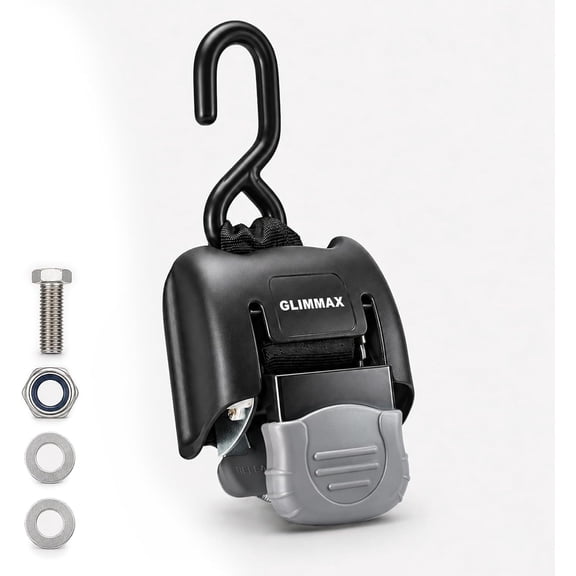
Hook shape matters just as much because your trailer rails and tie points vary by design. You should compare S-hook, flat hook, J-hook, and snap hook styles before you commit.
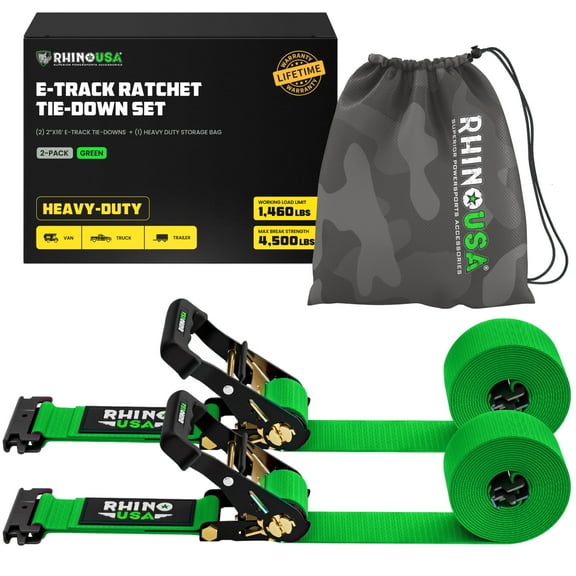
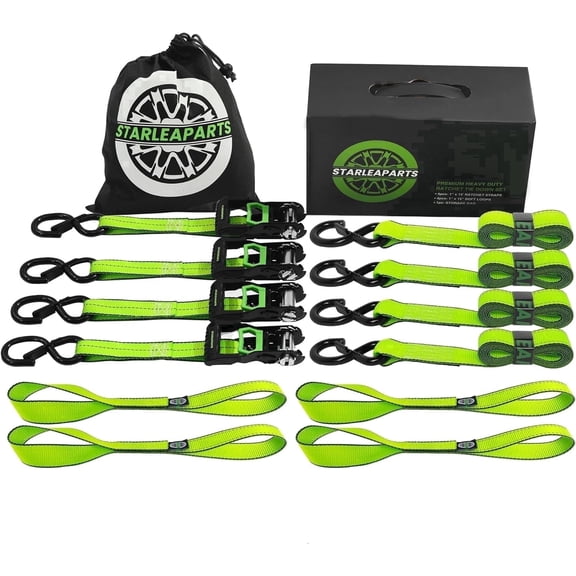
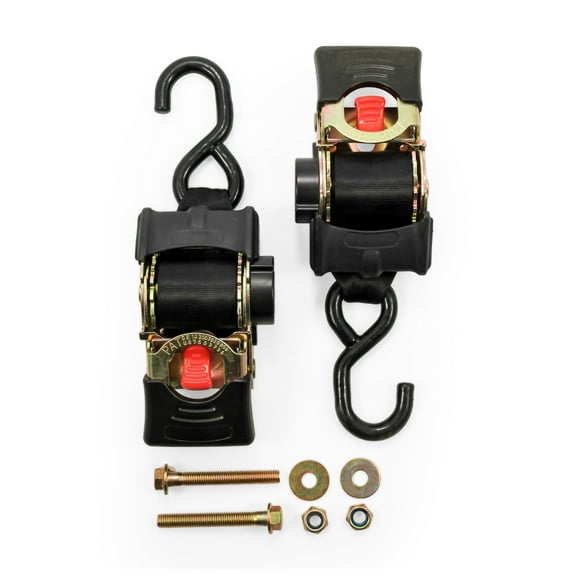
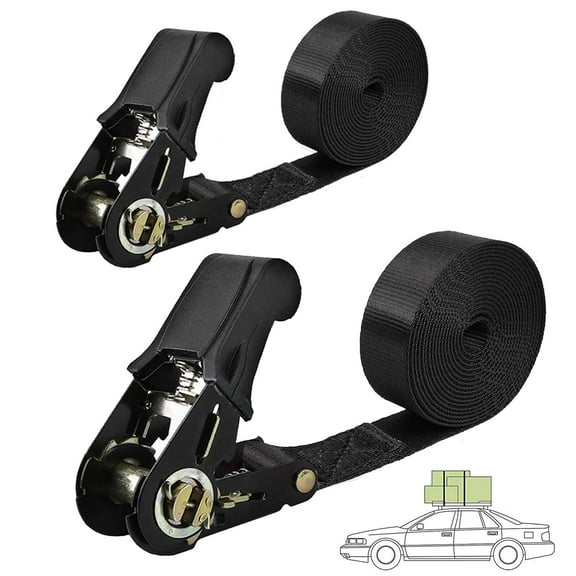
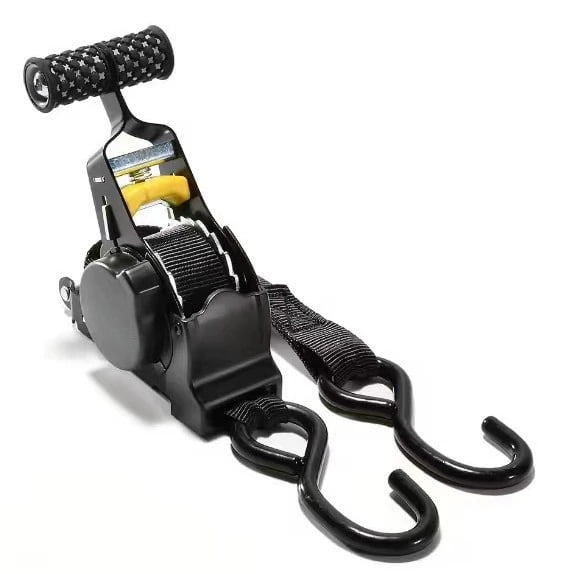
- You can use ratchet styles when your load needs firmer, more controlled tension.
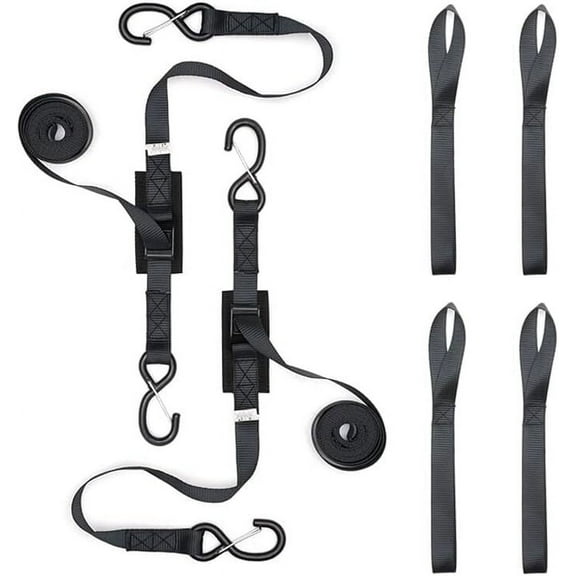
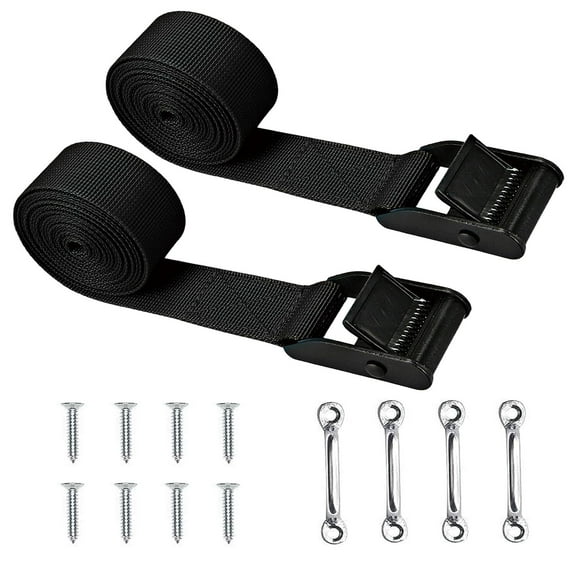
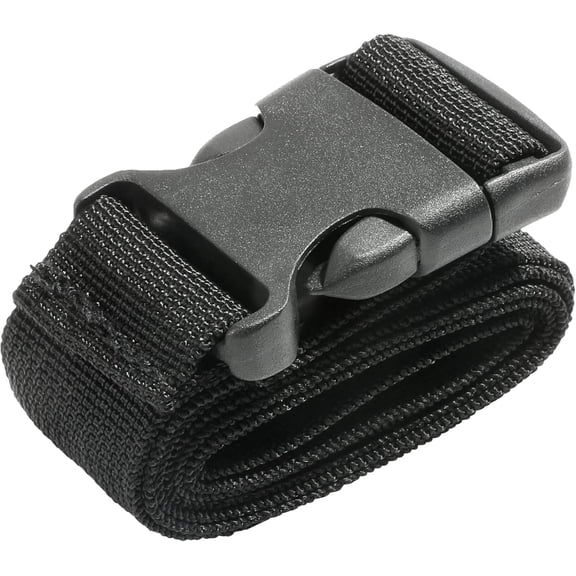
- You can choose cam buckle styles when you want quicker adjustments on lighter cargo.
- You should match hook type to your trailer anchor points for a steadier connection.
- You can compare polyester webbing and nylon based on stretch, weather exposure, and abrasion.
Choosing heavy duty trailer straps by load capacity
If you haul equipment, lumber, or larger cargo, you should compare capacity labels first. You may see options like 1,500 lbs, 3,333 lbs, or 10,000 lbs listed on packaging.
You should use working load limit as your main decision point for everyday securing tasks. You can use break strength as a backup reference when you compare heavy duty trailer straps.
Higher capacity can suit larger trailers, denser cargo, and longer hauls with repeated tension checks. You should still match the strap to your actual load instead of choosing by size alone.
Polyester webbing is a common choice when you want less stretch during transport. Nylon can feel more flexible, so you should compare how each material fits your hauling conditions.
Outdoor use also affects your decision because sun, moisture, and road grit wear webbing over time. You should look for material and stitching details that fit regular towing conditions.
Comparing ratchet straps for trailers and cam buckle options
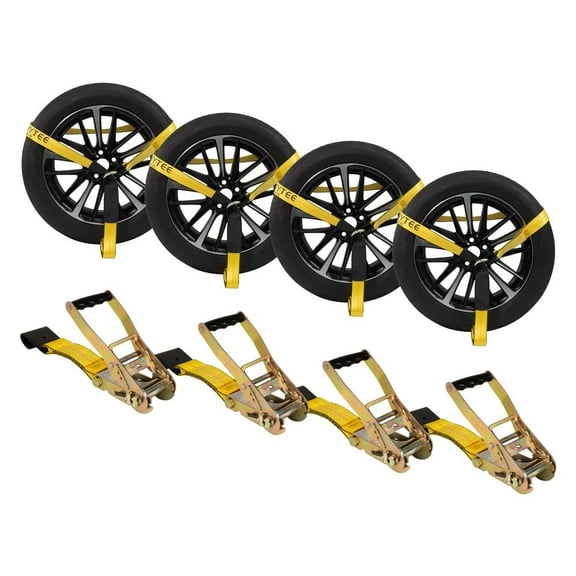
Ratchet straps for trailers give you tighter, incremental tension with a handle-driven mechanism. You can use that control when your cargo needs a firmer hold across rough roads.
Cam buckle straps tighten faster because you pull the webbing by hand and lock it in place. You may prefer that setup when you secure lighter loads and want quicker loading.
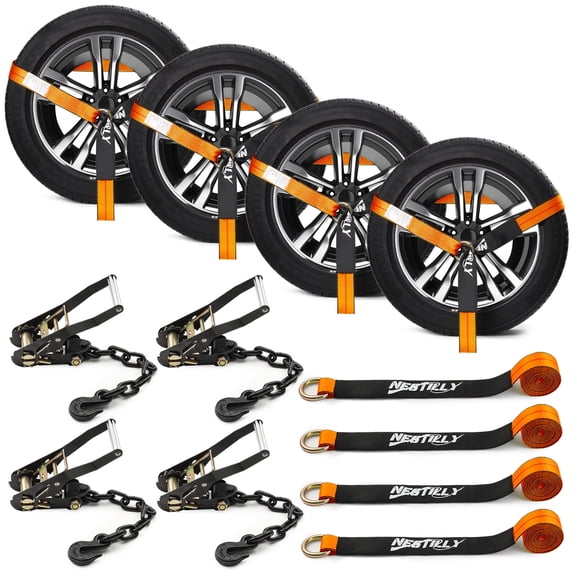
Tow and axle strap styles serve different hauling setups, so you should compare their intended use carefully. You can use axle styles when you need a wrap point around vehicle axles or frames.
Trailer tie down straps with ratchet hardware can help you fine-tune tension after you position your load. You should check handle size, release access, and strap width for easier roadside adjustments.
If you move powersports gear or compact equipment, you may want a balance of control and faster setup. You can compare cam buckle and ratchet designs based on how often you load and unload.
Matching trailer tie down straps to hook types
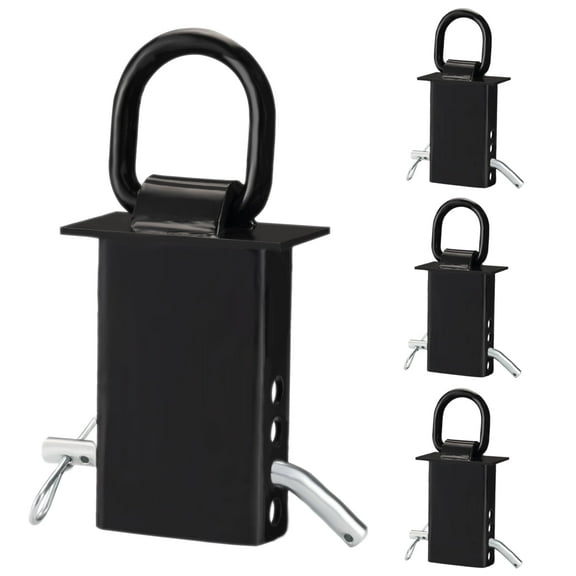
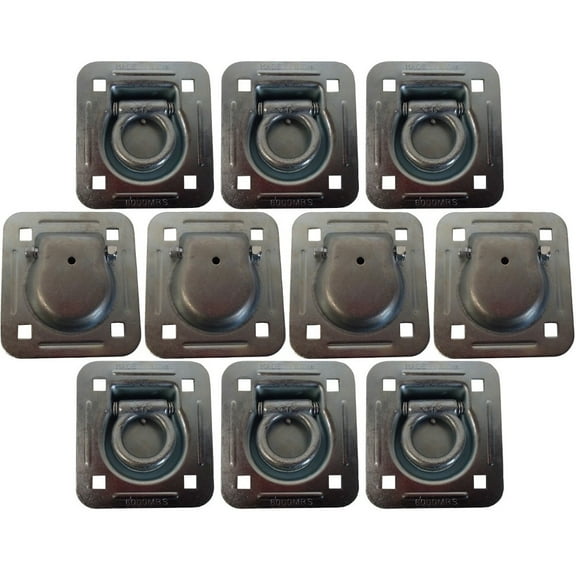
Your hook choice affects how securely the strap connects to rails, stake pockets, or anchor rings. You should compare opening shape and depth before you choose trailer tie down straps.
S-hooks can work well when your trailer has round anchor points or simpler tie locations. Flat hooks can sit more evenly against wider rails, which can help you spread contact.
J-hooks can fit some recessed or narrow connection points where a deeper bend helps. Snap hooks can add a more contained connection when your trailer uses fixed rings.
You should measure your anchor space if your trailer has thicker rails or coated hardware. You can avoid fit issues when you compare hook dimensions before ordering.
Boat trailer straps also need hardware that matches wet, exposed towing environments and shifting loads. You should compare webbing material and hook finish when your trailer sees regular ramp use.
Using trailer straps for boats, equipment, and utility hauling
If you haul a small boat, you may want boat trailer straps that hold steady during braking and cornering. You can pair the right hook style and tension system with your trailer’s rear and side anchors.
For utility trailers, you might secure mowers, furniture, tool chests, or building materials across short or long trips. You should choose strap widths and capacities that match the shape and weight of each load.
If you transport ATVs or compact tractors, axle or tow styles may suit your tie-down plan. You can route straps around frame-friendly points and tighten them with more control.
Weather matters during storage and transport because straps spend time in sun, rain, and road spray. You should compare polyester webbing and nylon when your setup stays outdoors between trips.
When you understand capacity labels, hook compatibility, and tensioning style, you can choose with more confidence. You can secure cargo with trailer straps that fit your trailer and hauling routine.