

Trailer Jacks in Car Jacks




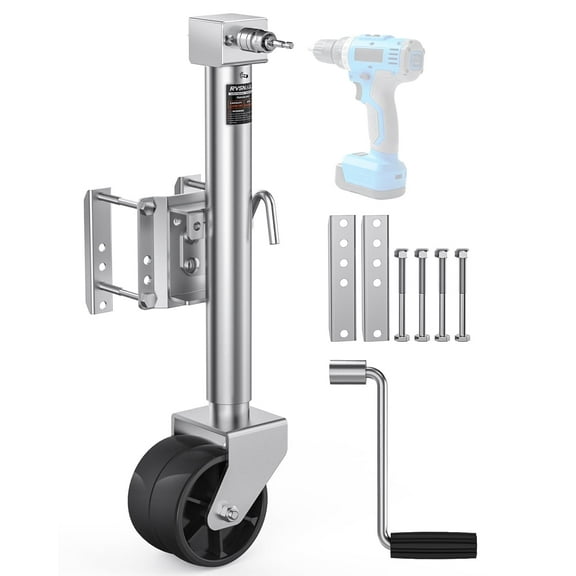


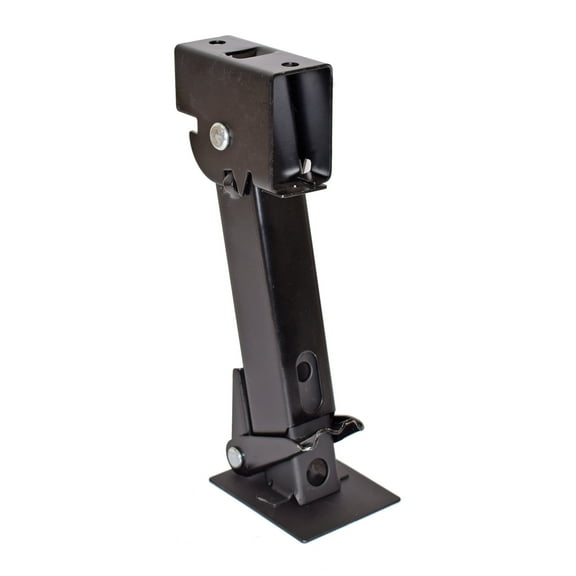


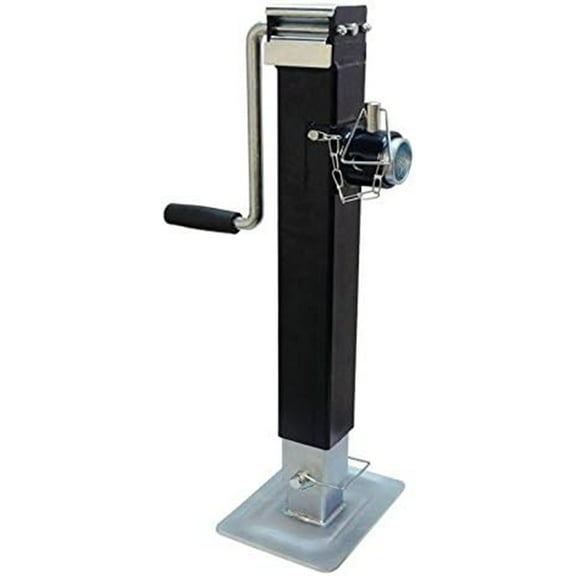

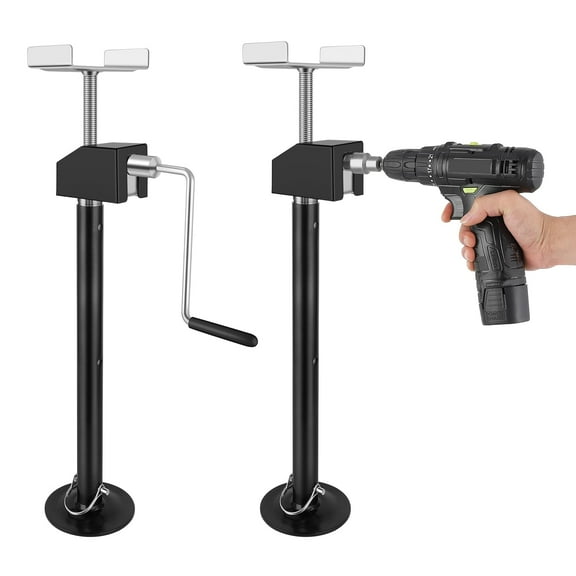







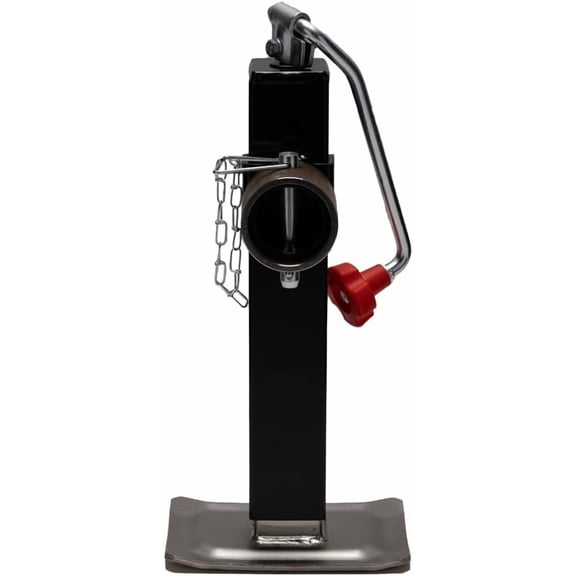
About Trailer Jacks in Car Jacks - Walmart.com
Trailer jacks help you lift, level, and couple your trailer with more control. You can compare capacity, power source, and mounting style to match your towing setup.
When you choose the right jack, you get smoother hitching and steadier support at the coupler. You can also narrow options by boat, utility, RV, or cargo use.
How to choose trailer jacks for your setup
You should start with tongue weight, not total trailer weight, because your jack supports the front of the trailer. You’ll want capacity that fits your loaded tongue weight with practical overhead for real towing conditions.
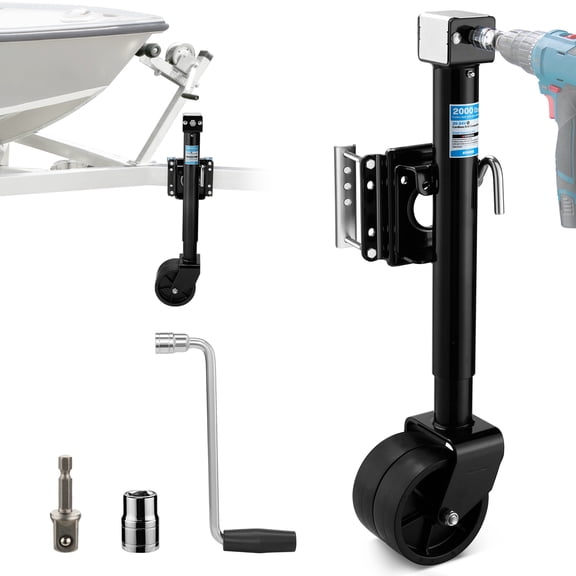
If you’re comparing heavy duty trailer jacks, you’ll often see 5,000 lbs or 10,000 lbs options. You may also find 1,000 lbs or 2,000 lbs choices for lighter utility or small boat setups.
- You can match lift capacity to your loaded tongue weight and intended trailer use.
- You can compare manual, electric, and hydraulic operation for convenience and control.
- You can check A-frame, swivel, pipe mount, and drop leg compatibility before installation.
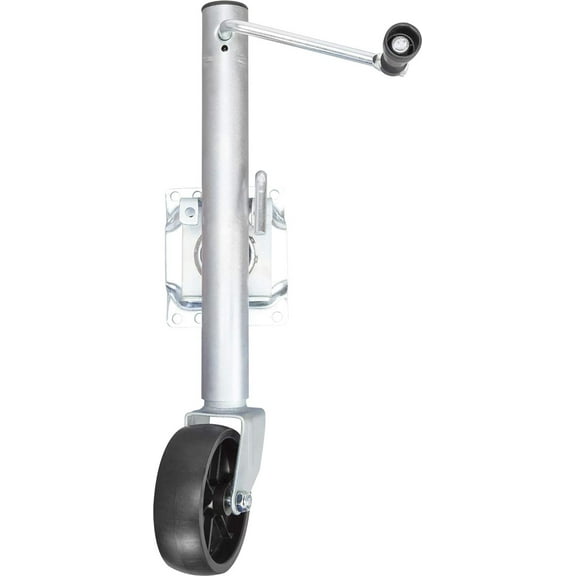
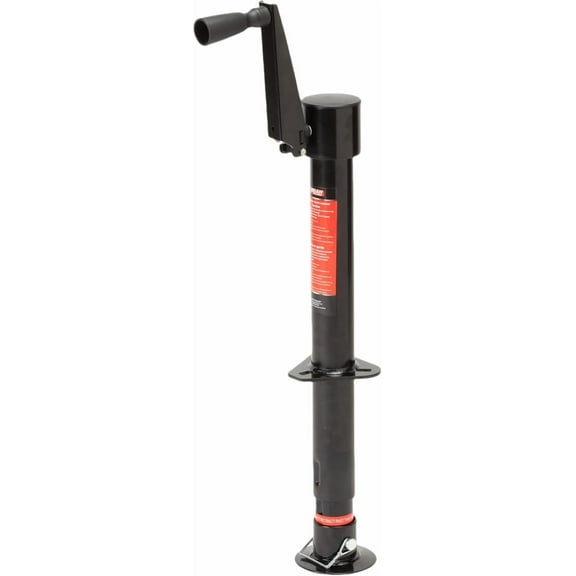
- You can choose sidewind or topwind handles based on clearance around your trailer frame.
Capacity affects daily use in a big way because the wrong rating can limit lift performance. You’ll usually get a steadier feel when your jack matches your trailer’s real front-end load.
Choosing between electric trailer jacks and manual options
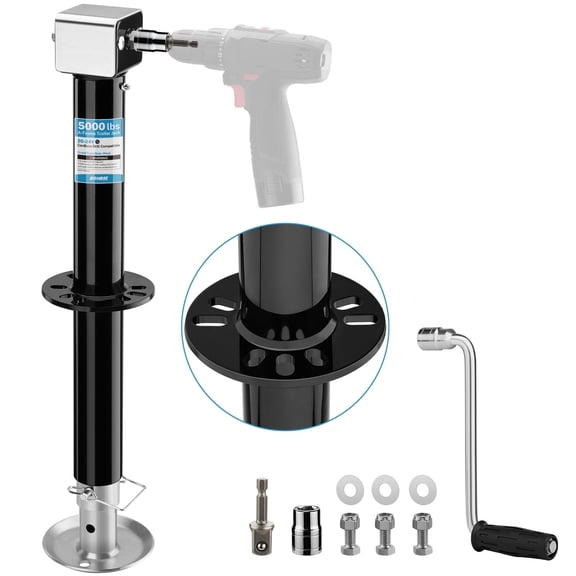
You can choose manual jacks if you want simple hand-crank operation and straightforward installation. You may prefer electric trailer jacks if you hitch often and want push-button lifting at the coupler.
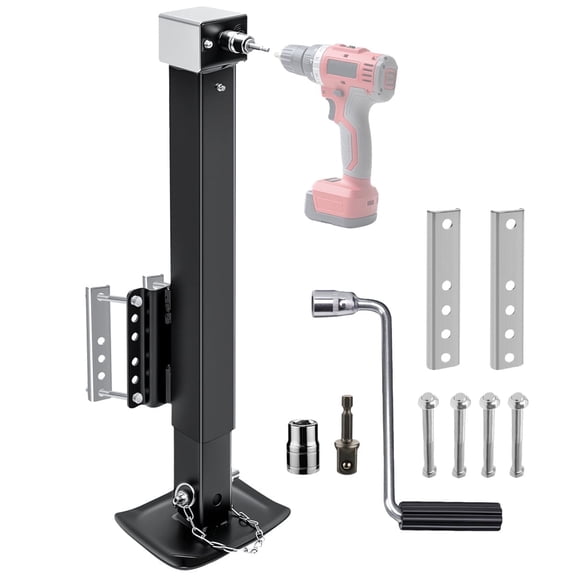
Hydraulic styles can also appear in this category when you need powered lifting support. You should compare how often you tow, how much height you need, and how much effort you want during hookup.
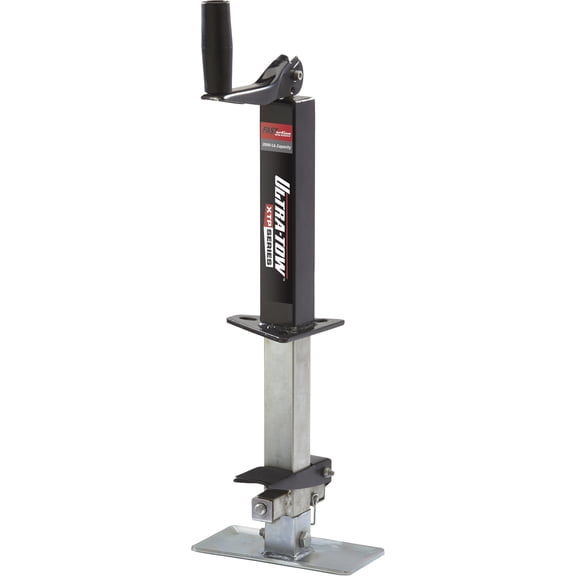
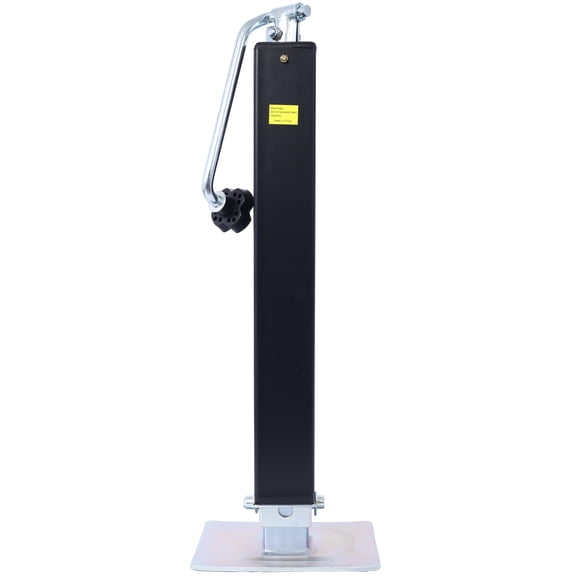
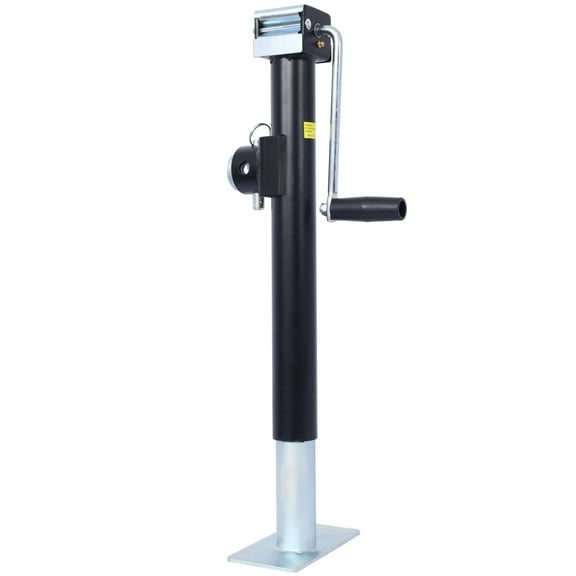
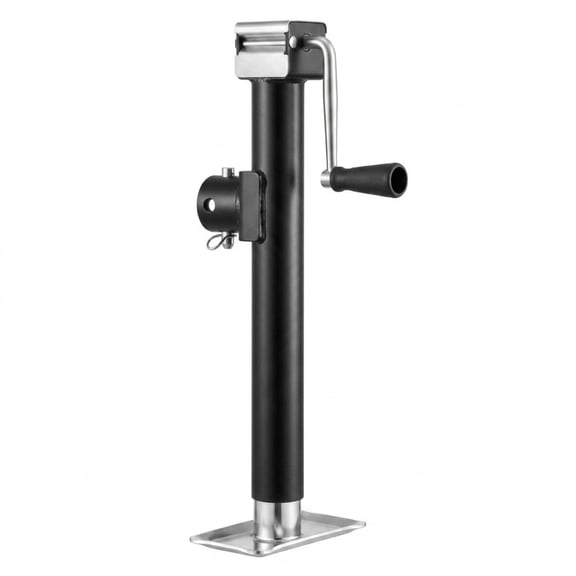
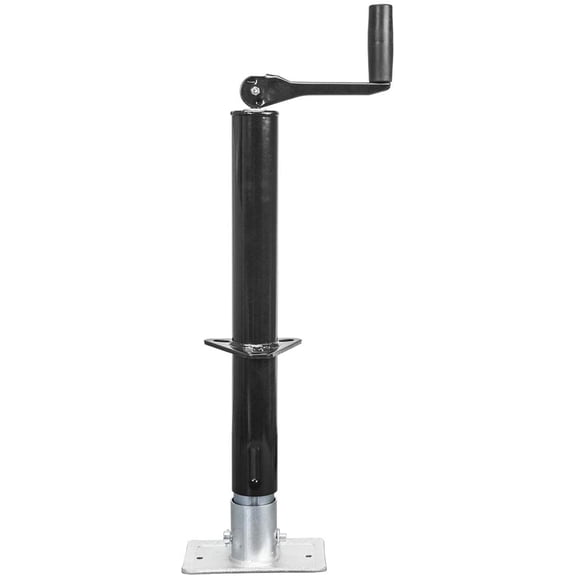
Manual sidewind trailer jacks can help you crank in tighter spaces beside the frame. Topwind styles can work well when you have open vertical clearance above the jack head.
Electric models are useful when you raise and lower taller trailers more often. You’ll appreciate that convenience when your tow vehicle and trailer sit at different coupling heights.
Checking fit: A-frame, swivel, pipe mount, and drop leg
You need a jack that fits your trailer frame style before you think about power or handle type. You should check whether your trailer uses an A-frame coupler, side mount, or pipe mount bracket.
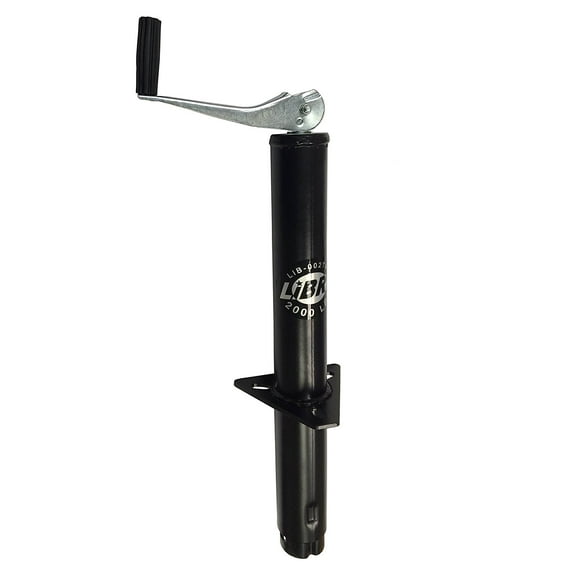
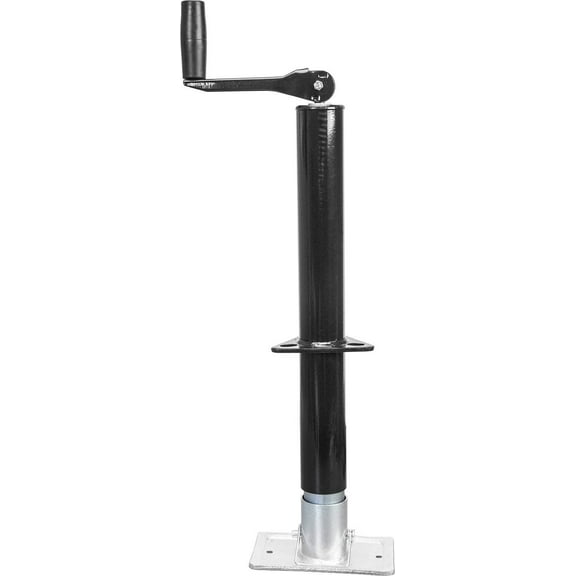
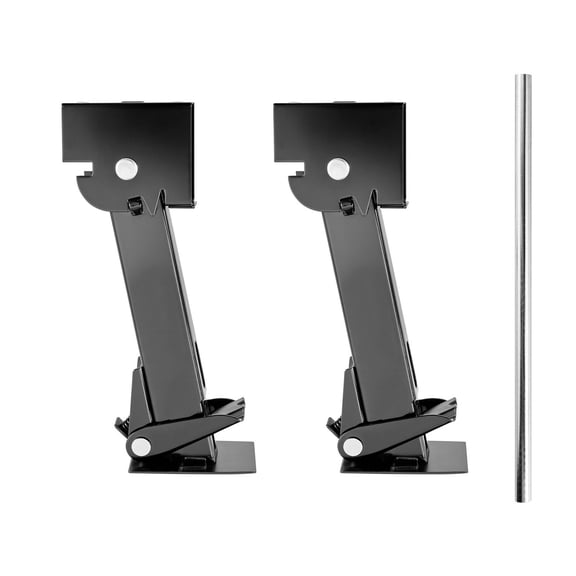
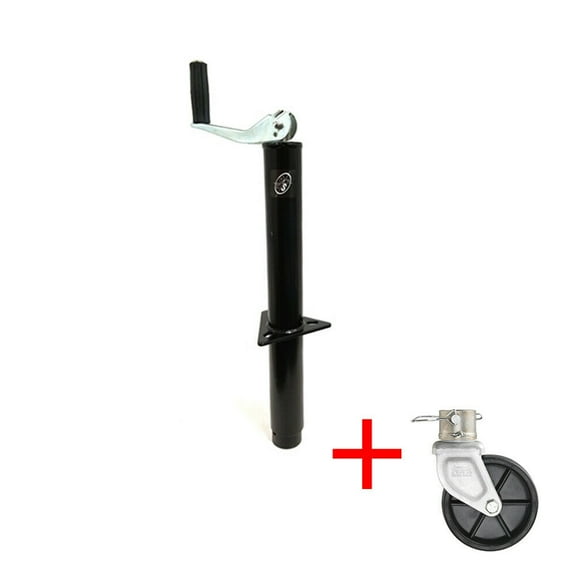
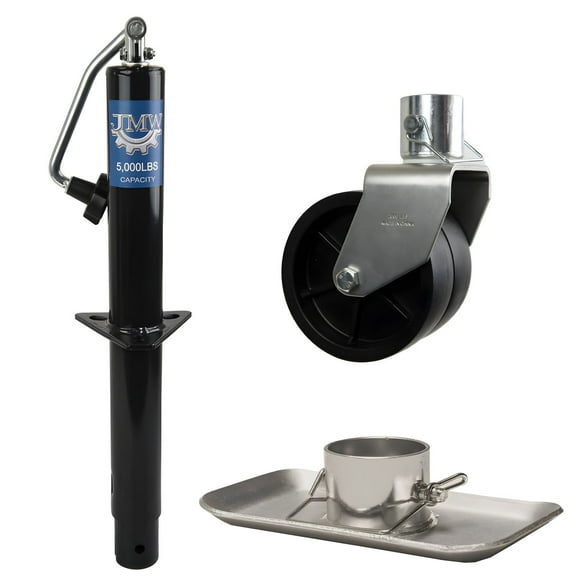
A-frame trailer jacks fit through the center opening on many travel, cargo, and utility trailers. You’ll want to measure the coupler opening and review bolt-on or weld-on mounting requirements.
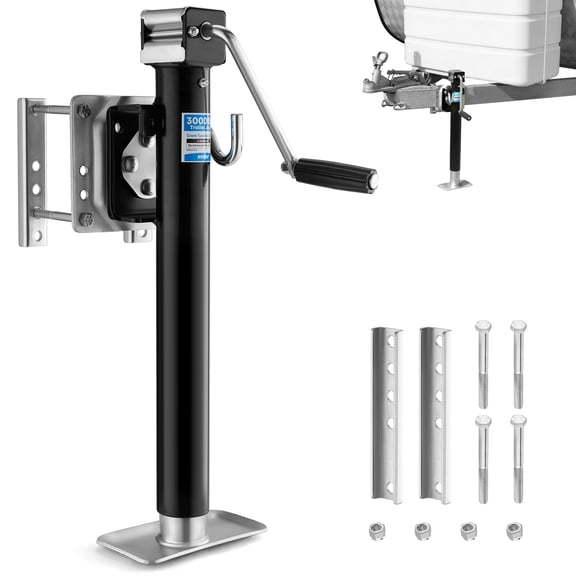
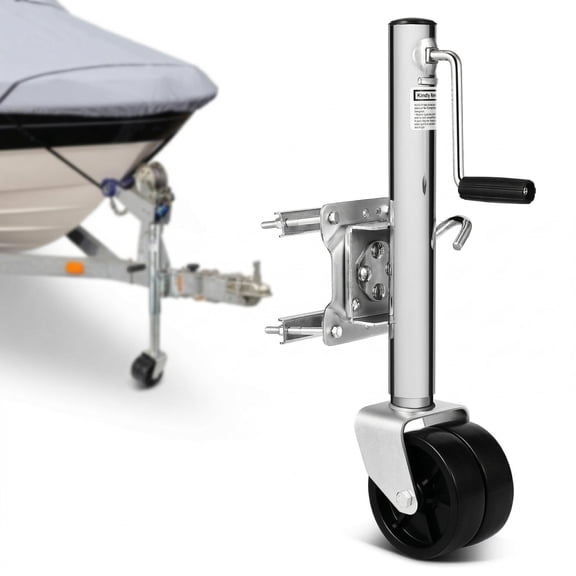
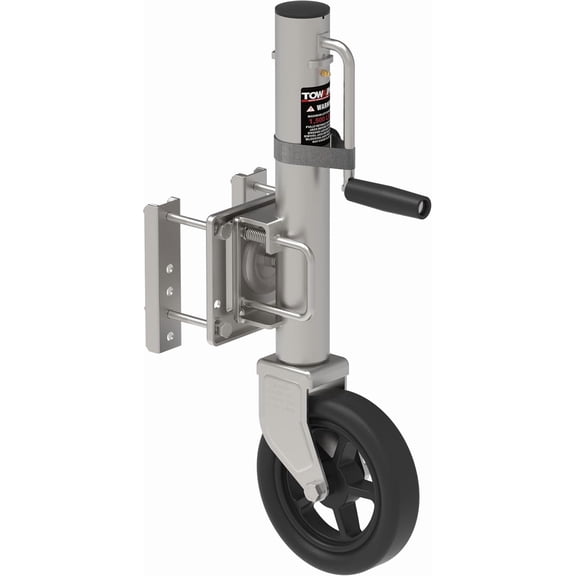
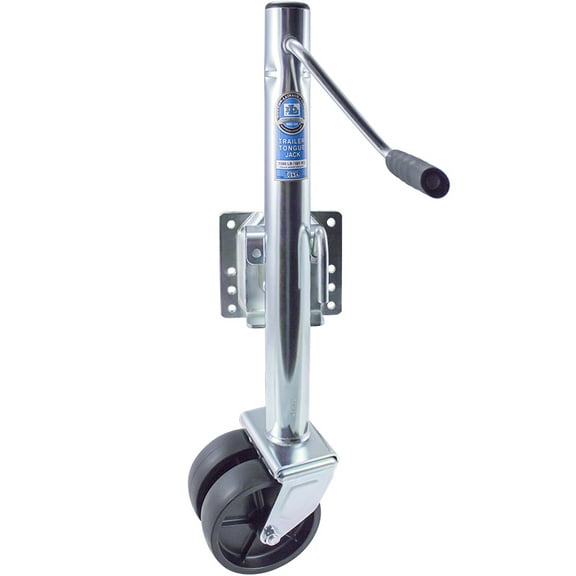
Swivel trailer jacks mount to the side and pivot up when you need road clearance. You may like that design for boat or utility trailers that need extra turning and storage flexibility.
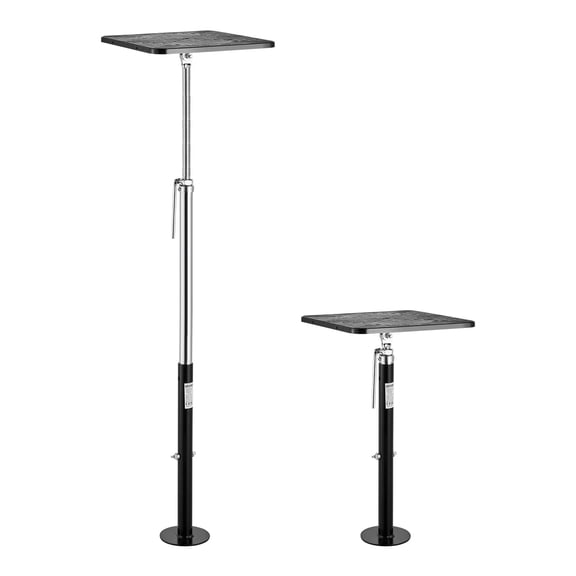
Drop leg jacks give you faster height adjustment because you can pin the inner leg closer to the ground. You can reduce cranking distance when your trailer sits high off the pavement.
Lift travel matters just as much as fit because your hitch height can vary by tow vehicle. You should compare extended height, retracted height, and total travel before you install anything.
Matching trailer jacks to boat, utility, RV, and cargo use
Boat trailer jacks often need smooth rolling support, corrosion-minded construction, and enough travel for ramp angles. You should check clearance, mount style, and lifting range before heading to the water.
Utility trailer jacks usually call for practical capacity and easy operation for frequent loading stops. You may prefer swivel or side-mount designs when you need open tailgate and driveway clearance.
RV and travel trailer setups often use A-frame styles with higher capacities and longer lift travel. You can benefit from electric operation when you hitch, level, and unhitch more often.
Cargo trailers can need sturdy front support when you load tools, equipment, or supplies. You should compare jack type, crank direction, and bracket style to avoid interference with boxes or rails.
Heavy duty trailer jacks can make sense when your trailer has a higher tongue load or taller front end. You’ll want enough capacity and travel to raise the coupler without extra strain.
What to look for in utility trailer jacks and boat trailer jacks
You should compare finish, wheel or foot options, and handle placement for day-to-day use. You can also look for mounting hardware details that match your frame and installation plan.
For utility trailer jacks, you may want a compact design that stores cleanly and cranks easily. For boat trailer jacks, you may focus more on mount clearance and movement around ramps and storage areas.
If your trailer sits unevenly or your tow vehicle rides higher, extra lift travel becomes important fast. You’ll get a smoother coupling process when your jack reaches the hitch height you actually use.
With the right trailer jacks, you can match capacity, mount style, and lift travel to your trailer. You’ll end up with easier hookup, steadier front support, and less guesswork every time you tow.