

Trailer Reverse Lights in Reverse Lights
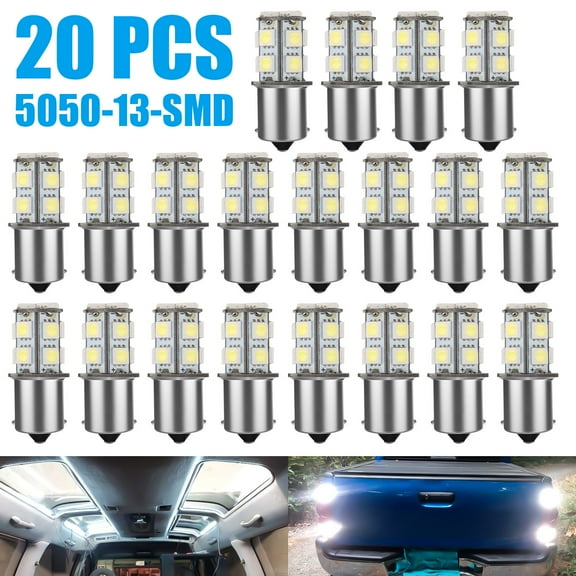


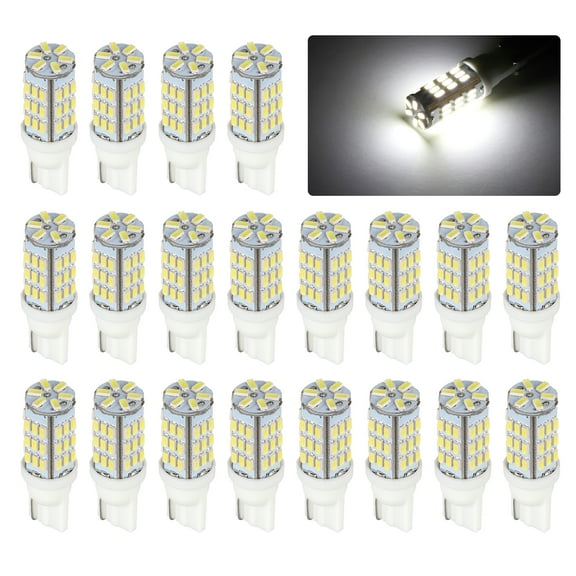

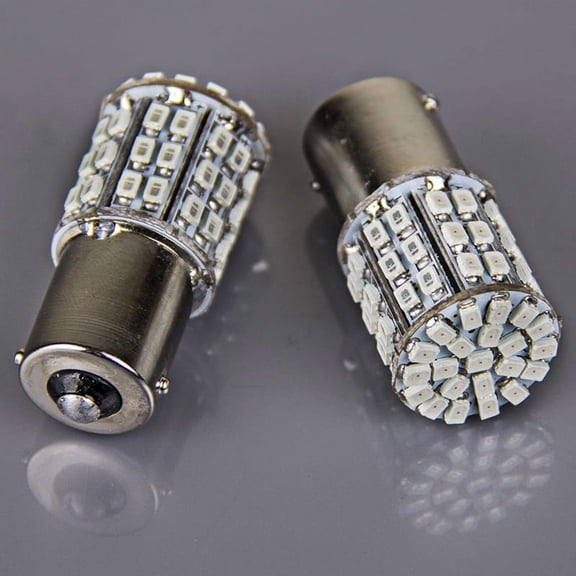


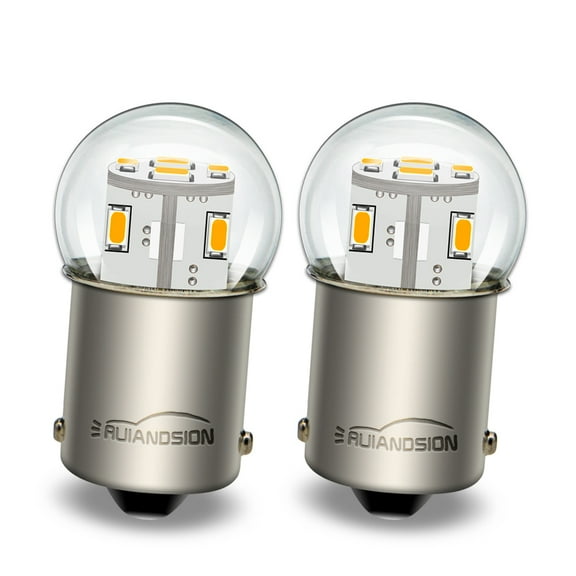


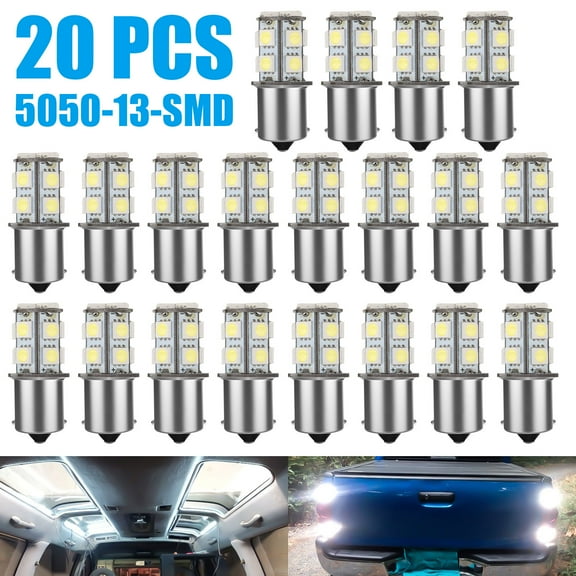

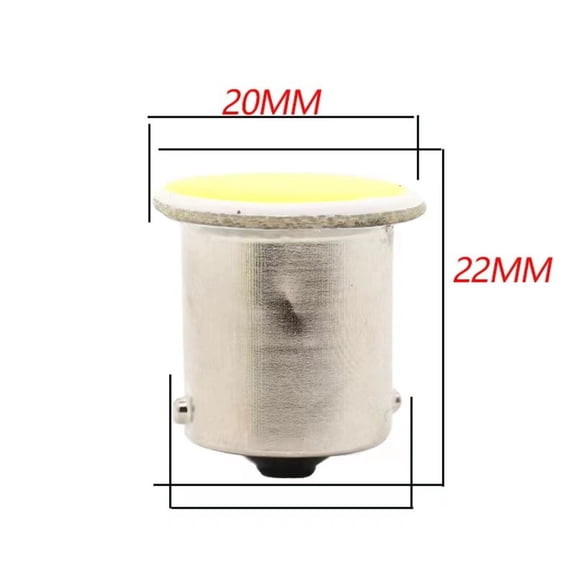


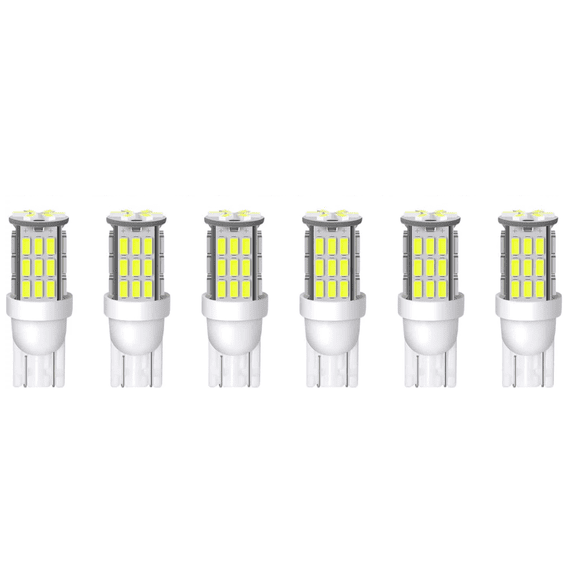
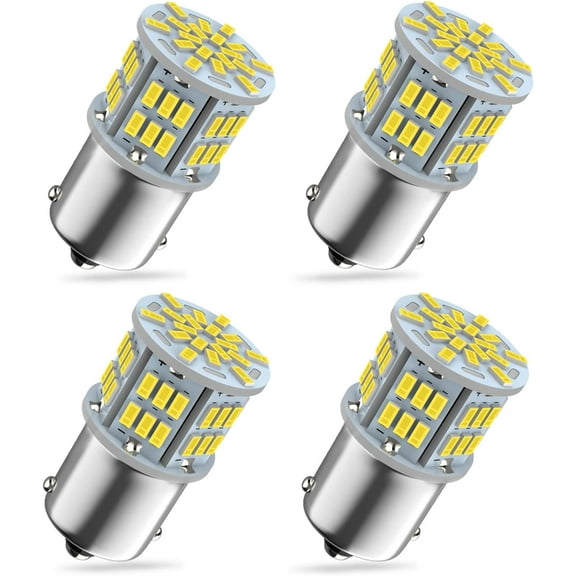
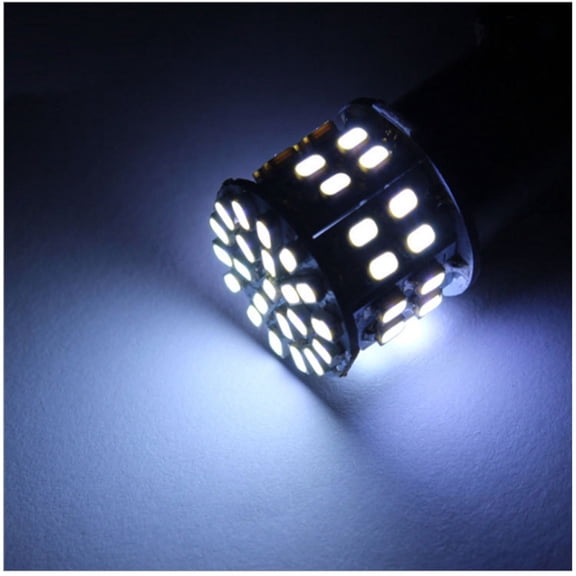
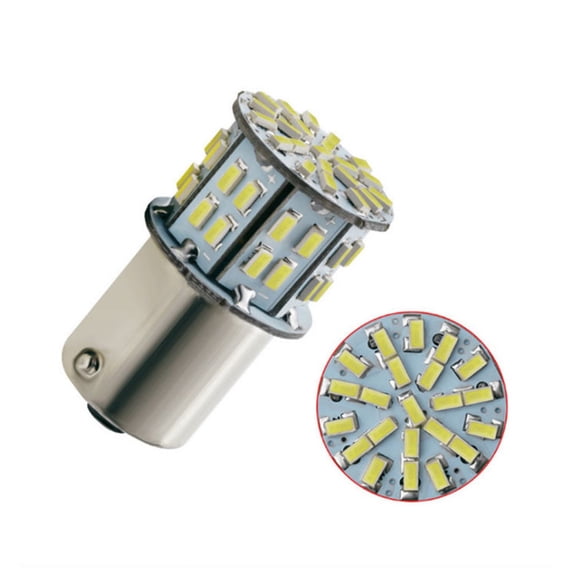
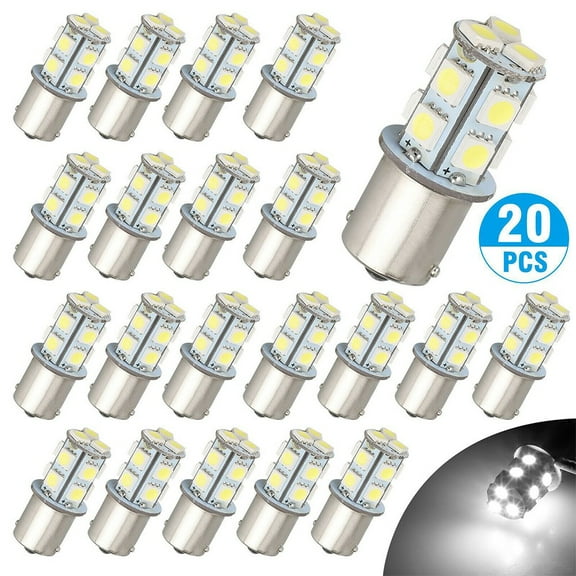

About Trailer Reverse Lights in Reverse Lights - Walmart.com
Trailer reverse lights help you back up with clearer visibility behind your trailer. You can compare LED output, waterproof sealing, voltage, and mounting style to match your trailer setup.
If you tow a utility trailer, boat trailer, or equipment hauler, you need lighting that fits and wires in cleanly. You can use this guide to narrow options that suit your frame, harness, and typical towing conditions.
How to choose trailer reverse lights
Start with the decisions that affect fit and function on your trailer. You should check mounting holes, housing shape, wiring style, and voltage before you choose a light.
Because trailers face spray, road grime, and repeated hookups, you need reverse lights built for outdoor use. You’ll also want a beam pattern that helps you see loading areas, ramps, and tight parking spaces.
- You can use LED designs for crisp light output and lower power draw.
- You can choose waterproof trailer backup lights for boat trailers and wet road conditions.
- You can match flush mount trailer reverse lights to cutouts for a cleaner installed look.
- You can confirm 12V trailer backup lights for many common towing setups.
Comparing led trailer reverse lights and incandescent options
When you compare light sources, you should think about how often you tow and where you reverse. LED trailer reverse lights usually give you instant illumination and consistent brightness in dark areas.
If you use your trailer often, you may prefer LED units for lower draw on your electrical system. If you’re replacing an older setup, you may also see incandescent options that match existing housings.
You should check lens shape and output style, not just the bulb type. A focused beam can help you light up a ramp, while a wider spread can help you see across the rear corners.
For frequent night launches or early morning loading, you’ll appreciate light that comes on quickly and looks even. For occasional use, you may focus first on fit, wiring compatibility, and housing depth.
Choosing the right voltage and wiring connection
Before you install trailer reverse lights, you should confirm whether your trailer uses 12V or 24V power. Many small and midsize trailers use 12V trailer backup lights, while some heavy-duty setups use 24V systems.
You should also compare how the light connects to your existing harness. A pigtail harness can simplify replacement when you want a direct connection that matches your current wiring layout.
Some setups use two-wire connections, while others use three-wire connections for added functions or grounding style. You should match the connection type to your trailer wiring so installation stays straightforward.
Hole spacing and overall dimensions matter just as much as voltage. You should measure your cutout, check housing depth, and compare mounting points before you choose a replacement.
Understanding waterproof trailer backup lights
If your trailer sees rain, washdowns, or boat launches, you should pay close attention to waterproof ratings. Waterproof trailer backup lights with IP67 or IP68 ratings are designed for wet environments and repeated exposure.
You can think of IP ratings as a quick guide to sealing around the lens and housing. Submersible designs make sense when you back a boat trailer into the water or tow through heavy spray.
You should also look at lens seals, corrosion-resistant hardware, and protected wire exits. Those details matter when you want lighting that holds up on ramps, gravel roads, and highway trips.
For marine use, you may prefer sealed housings that resist moisture entry during launch and retrieval. For cargo or utility use, you may still want strong sealing for mud, slush, and routine cleaning.
Picking the right mounting type for your trailer
Mounting style affects both appearance and fit, so you should compare it carefully. Flush mount trailer reverse lights sit neatly in a cutout, while bracket mount and grommet mount styles suit different frame designs.
If your trailer already has a recessed opening, you should measure that opening before choosing a flush mount light. If you need a simpler add-on option, a bracket mount may work with less modification.
Grommet mount lights can help you fit round or oval housings into compatible rubber mounts. You should check diameter, shape, and depth so the light sits securely in the opening.
When you compare mounting types, you should also think about where you reverse frequently. A low-mounted light can help with trailer edges, while a centered position can help with straight backing.
Matching trailer reverse lights to how you tow
If you tow a boat trailer, you should focus on submersible construction, sealed housings, and wiring that handles repeated exposure to water. Those features help you choose lights suited to launch ramps and shoreline parking.
If you tow an enclosed trailer, you may want brighter rear illumination for loading docks and dark storage lots. LED options can help you see door areas, curbs, and obstacles when space feels tight.
For flatbeds and utility trailers, you should prioritize mounting compatibility and durable housings. You may need lights that fit existing cutouts and connect quickly to a standard harness.
If you’re updating an older trailer, you should compare light source, voltage, and connector style together. That approach helps you avoid ordering a housing that fits poorly or wires differently than your current setup.
With the right trailer reverse lights, you can back up with clearer visibility and a cleaner fit. You’ll feel more confident when your mounting, wiring, and waterproofing match the way you tow.