

Tractor Disc Blades in Tractor Attachment Parts
















About Tractor Disc Blades in Tractor Attachment Parts - Walmart.com
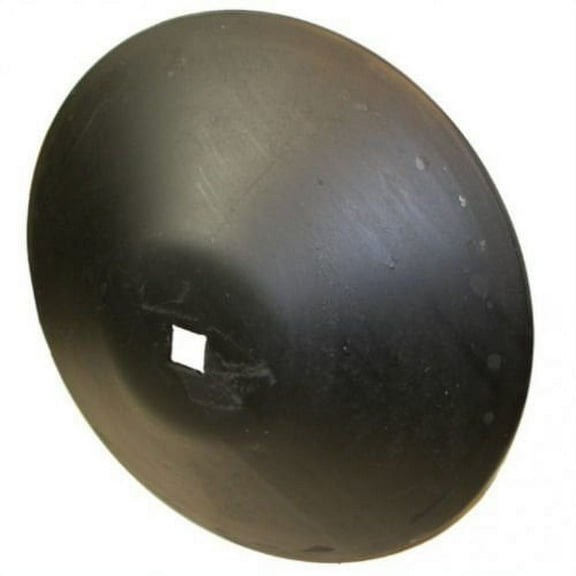
Tractor disc blades help you restore tillage performance when your implement needs the right cut, fit, and field finish. You can compare diameter, thickness, center hole shape, and edge style here before replacing worn parts.
How to choose tractor disc blades
You’ll get a cleaner fit when you start with your current blade measurements and axle opening. You should check diameter in inches and thickness in millimeters before you compare any other detail.
Your blade diameter affects how deeply your disc can work and how it handles residue across the field. You may choose 16 inch or 18 inch sizes for lighter setups, while 20 inch, 22 inch, and 24 inch sizes suit larger implements.
Your blade thickness affects wear life and the way your implement holds shape through repeated passes. You can compare 3mm, 4mm, 5mm, and 6mm options based on your soil conditions and equipment demands.
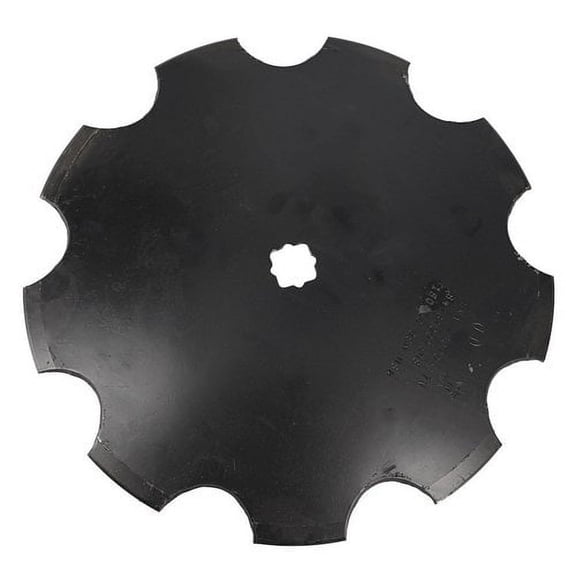
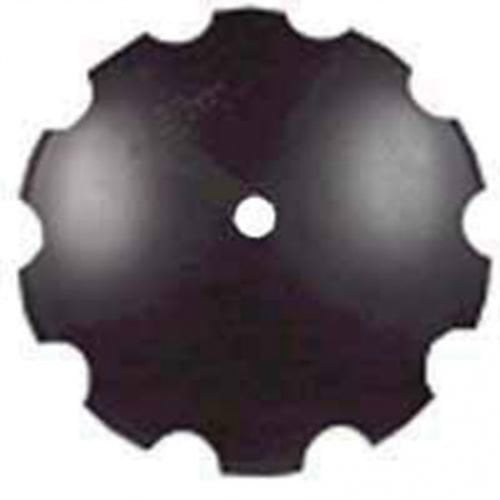
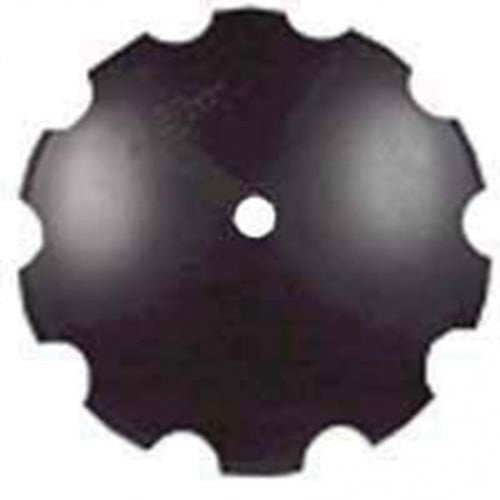
- You can use notched edges when your fields have stalks, residue, or packed ground.
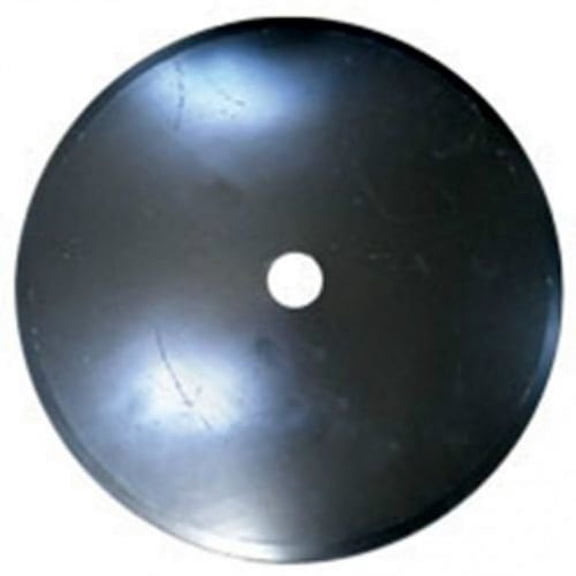
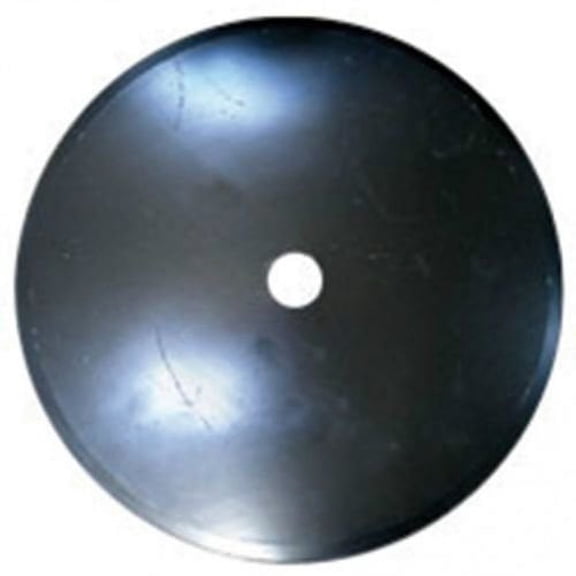
- You can choose smooth edges when you want a cleaner slice and even soil movement.
- You can consider scalloped styles when you want another cutting pattern for mixed field conditions.
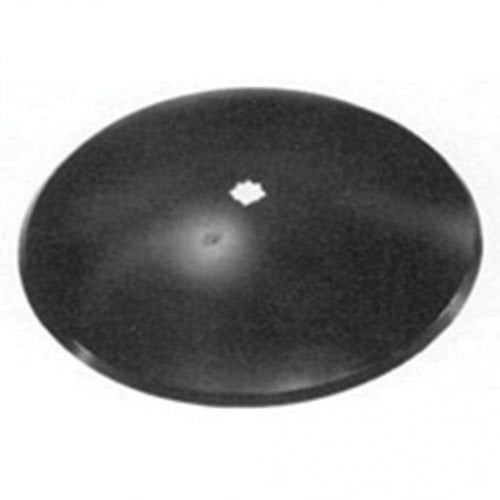
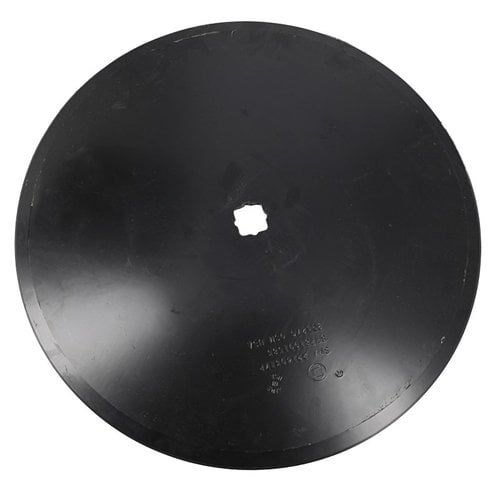
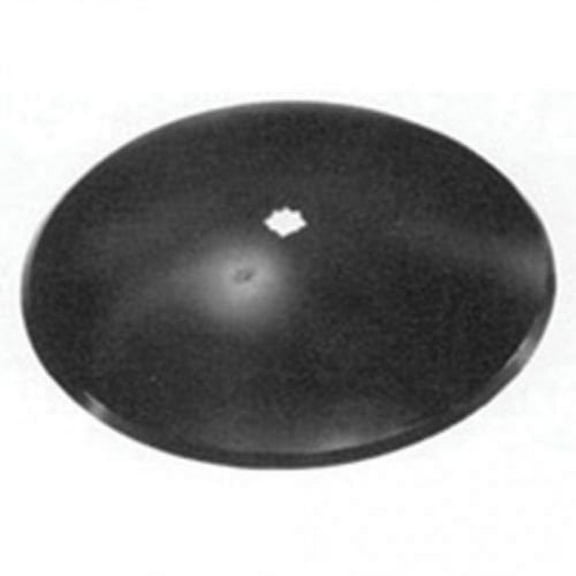
- You should match round, square, or square-round hybrid center holes to your axle fitment.
- You can compare boron steel and carbon steel when you want the right balance of wear resistance and service life.
Choosing plow disc blades by edge style
You should look at edge style early because it changes how the blade enters soil and crop residue. You’ll often notice notched plow disc blades bite into heavier material with less skipping.
You may prefer smooth plow disc blades when your fields are already broken up and you want a more even cut. You can use them for general tillage where cleaner soil flow matters.
You can also compare scalloped patterns when your ground conditions change from pass to pass. You’ll want to check your implement manual so your replacement disc blades match the original setup.
What to look for in diameter and thickness
You should measure from edge to edge across the center to confirm the correct blade diameter. You’ll want an exact match because a different size can change gang angle performance and working depth.
Your thickness choice also affects how the blade stands up to repeated contact with soil and residue. You can use thicker tractor disc harrow blades when your application calls for added rigidity and longer wear.
You should compare both dimensions together instead of choosing one in isolation. You’ll get a more consistent field finish when diameter and thickness align with your implement design.
Checking center hole shape and fitment
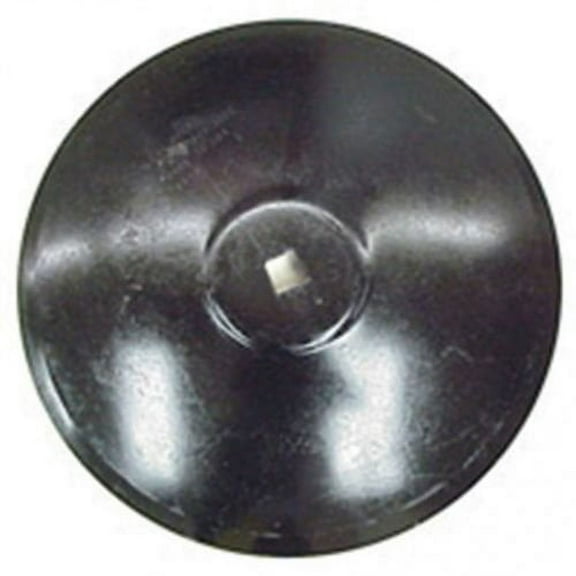
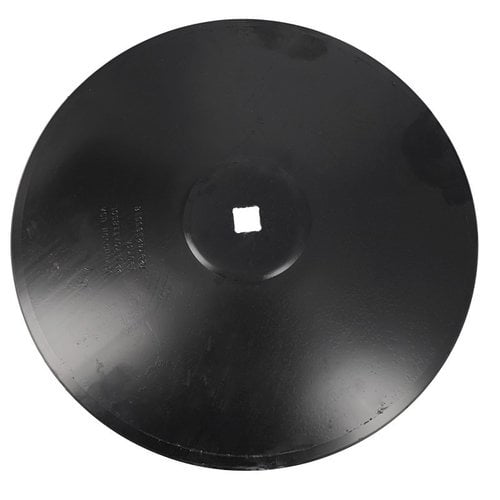
You should confirm the center hole shape before anything else because fitment determines whether the blade mounts correctly. You may need a round hole, a square hole, or a square-round hybrid opening.
Your replacement should match the axle shape and the original mounting pattern as closely as possible. You can avoid downtime and extra returns when you verify fitment details before purchase.
You should also check center hole size along with shape because both measurements matter on working equipment. You’ll want those specs from your current part, manual, or implement label when comparing options.
Comparing material for replacement disc blades
You can compare boron steel and carbon steel when you’re balancing wear life with your working conditions. You’ll often choose material based on how frequently your implement runs and how abrasive your soil feels.
Your boron steel option usually appeals when you want a hard-working blade for repeated field use. You may look to carbon steel when you want a familiar material for routine replacement needs.
You should treat steel type as one part of the decision, not the only spec that matters. You’ll get the right replacement disc blades by pairing material choice with thickness, diameter, and center hole fit.
Matching tractor disc blades to your field work
You might be replacing a single worn blade or refreshing several positions across a disc harrow. You can narrow choices faster when you know whether your work involves residue cutting, seedbed prep, or general tillage.
Your heavy-residue fields often call for edges that grab and cut through leftover stalk material. You may lean toward notched styles when you want stronger bite during the first pass.
Your smoother ground or follow-up passes may call for a cleaner cutting profile and steady soil movement. You can choose smooth blades when your priority is an even finish across prepared rows.
You should also think about implement age, axle style, and the original blade pattern on your machine. You’ll make a smarter replacement choice when every measurement matches the part you’re removing.
Your tractor disc blades purchase goes more smoothly when you compare exact fitment details before replacing worn tillage parts. You’ll be ready for cleaner installation, steadier field performance, and a blade choice that matches your equipment.