


Find auto parts that fit
Let’s search for parts that fit your vehicle.Tractor Batteries & 12V Farm Tractor Batteries - Walmart
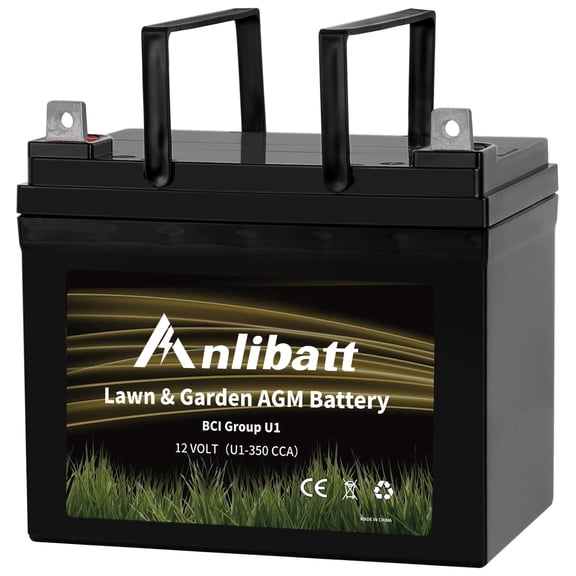


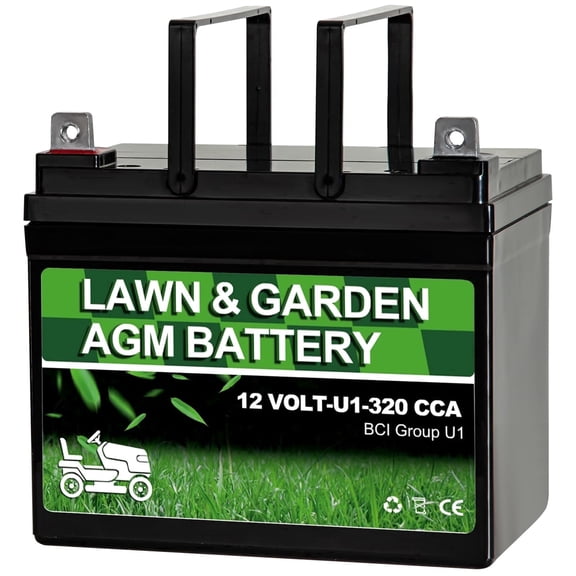
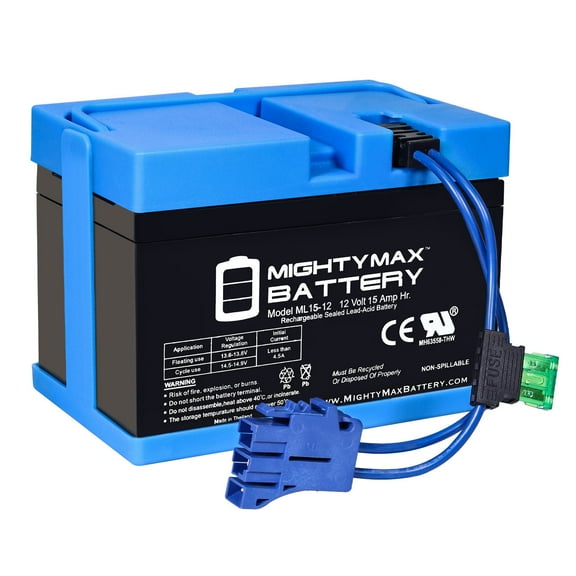
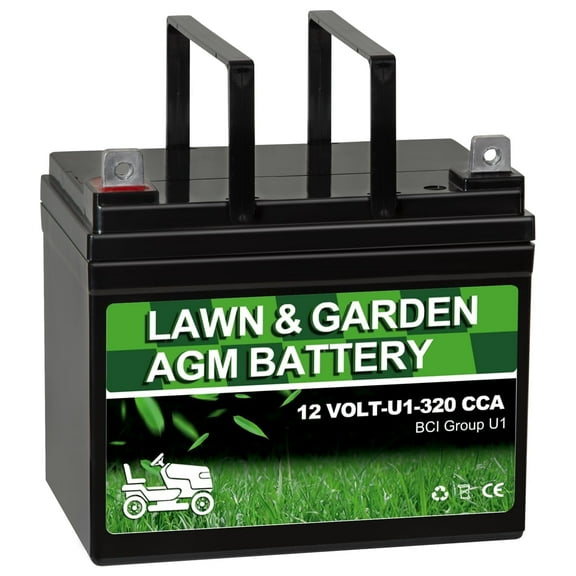


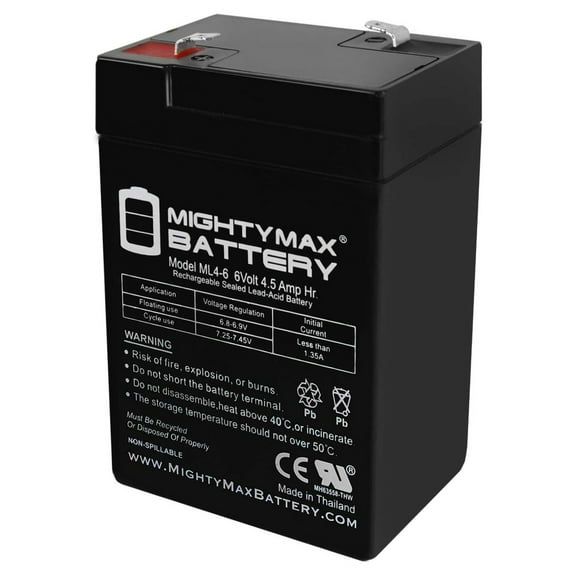
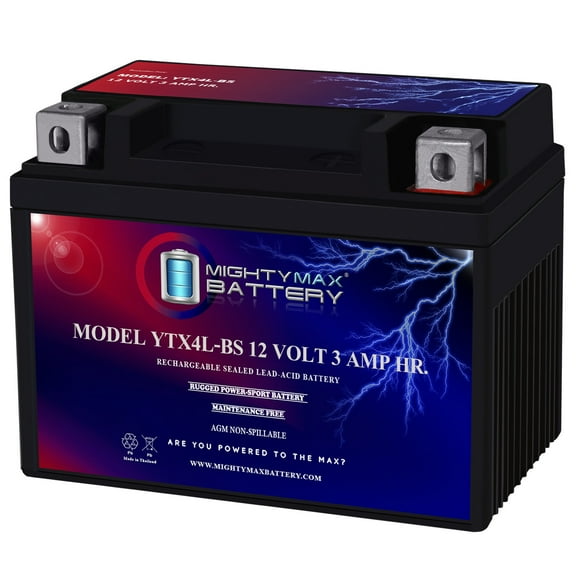
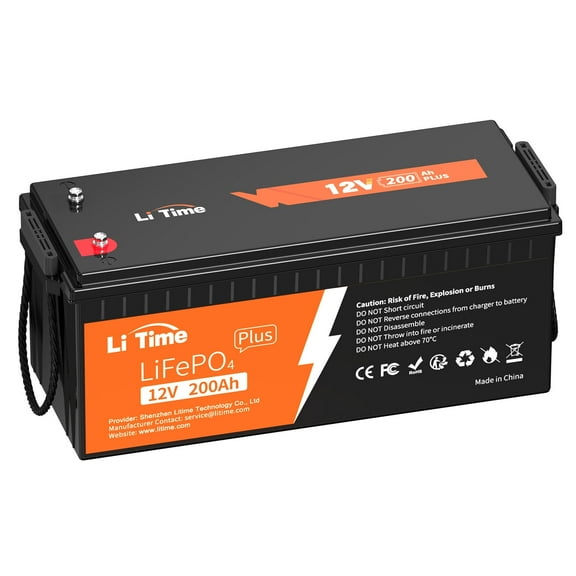

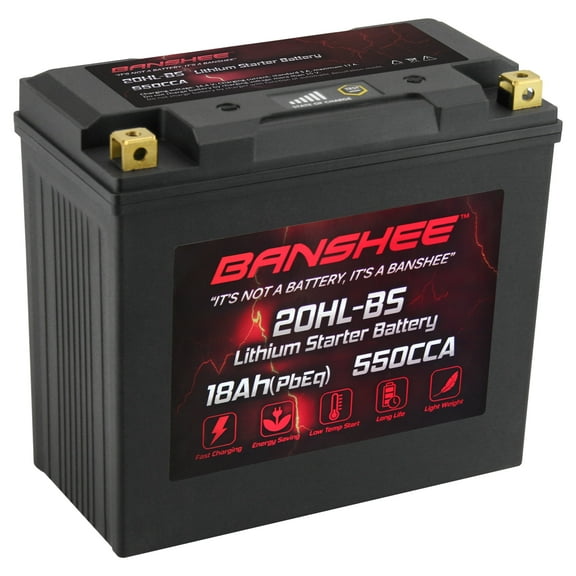
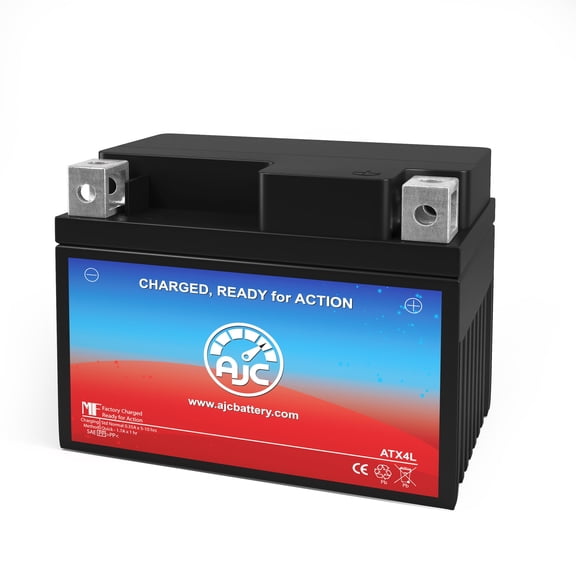
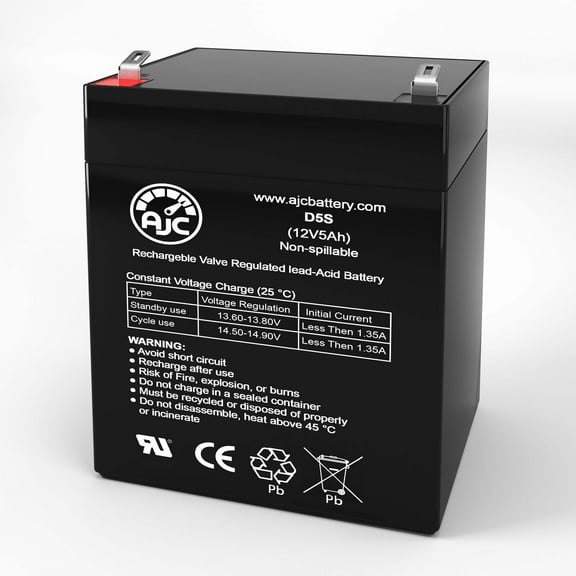


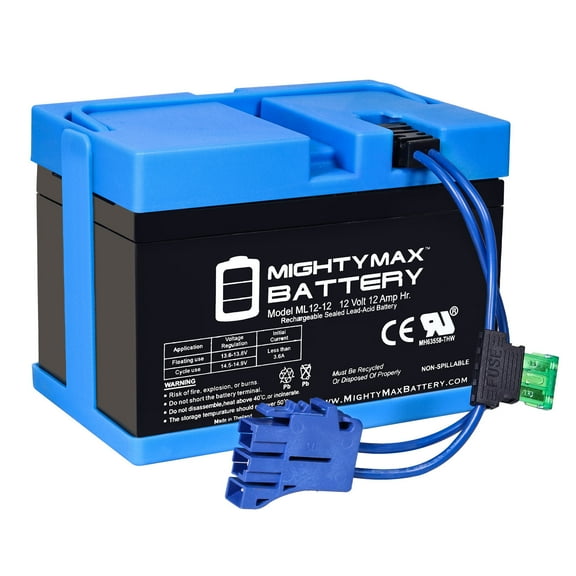
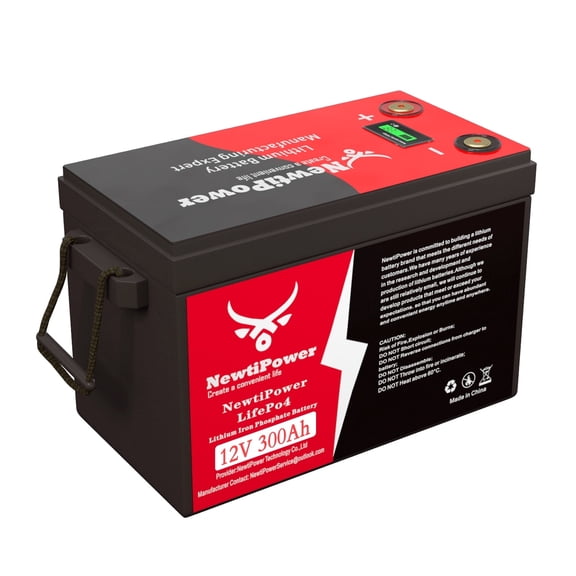


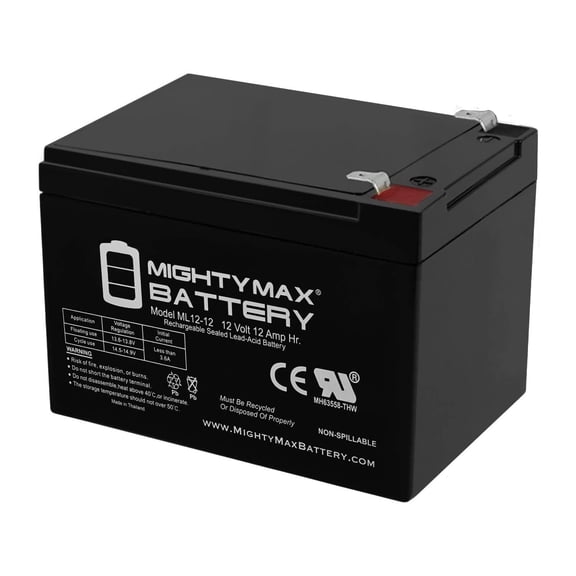

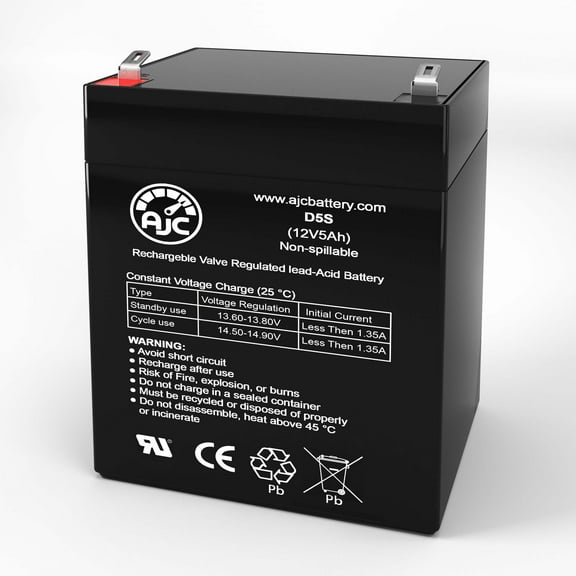
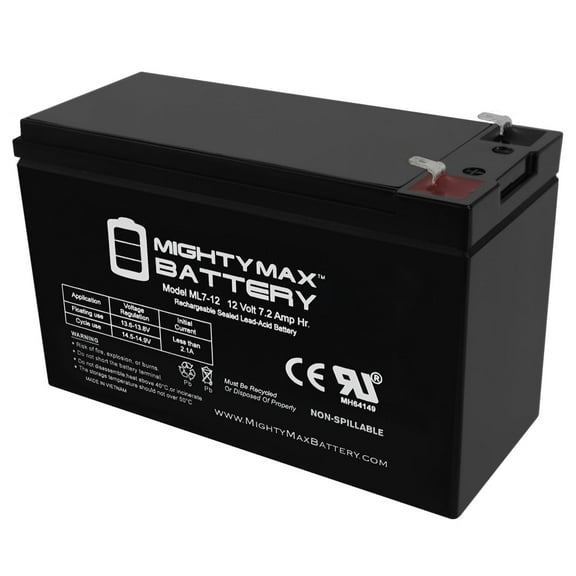


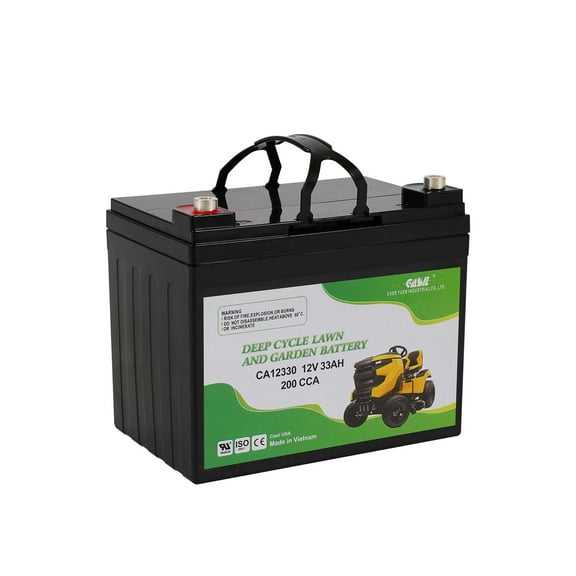

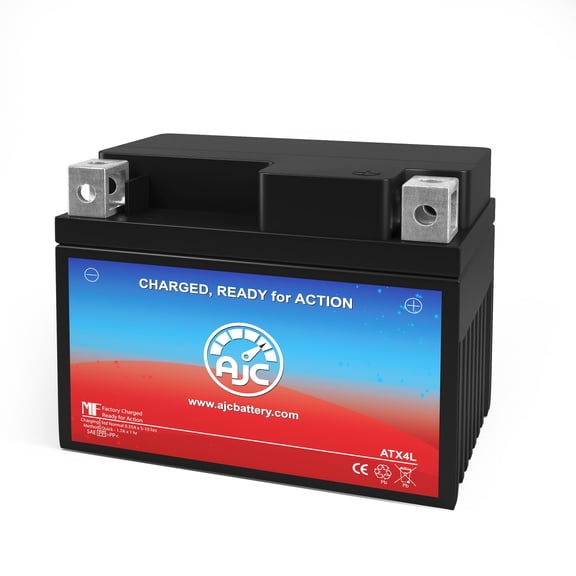
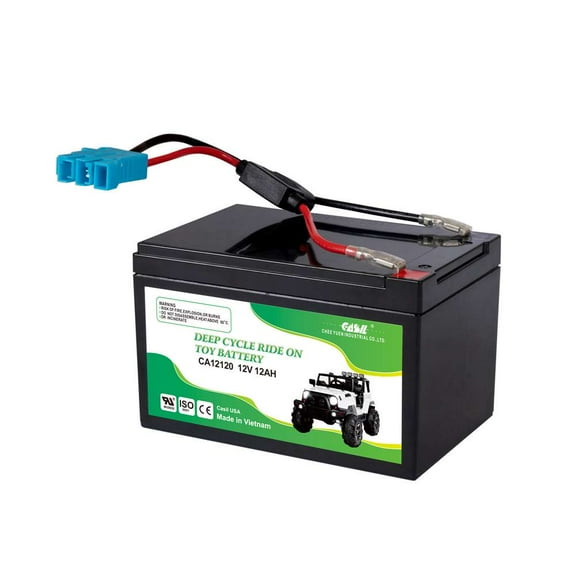
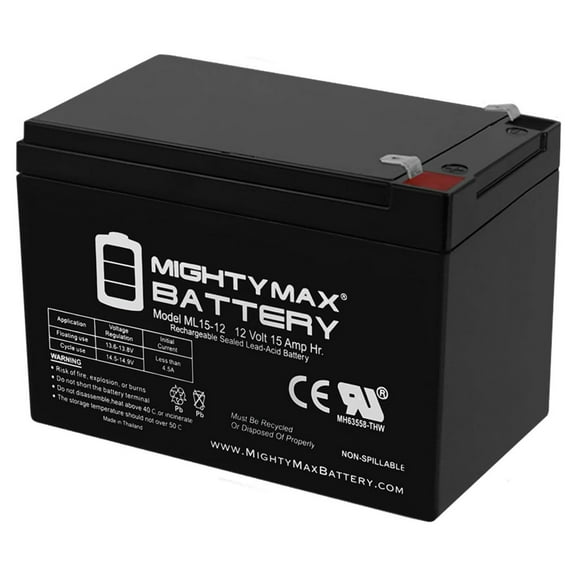

About Tractor Batteries & 12V Farm Tractor Batteries - Walmart - Walmart.com
You can choose the right tractor battery faster when you compare voltage, group size, and CCA before you replace a worn unit. You also need a battery built for rough fields, repeated starts, and long stretches between maintenance checks.
If you run a compact mower, utility vehicle, or full-size farm machine, you should match your battery to your equipment's electrical setup. You’ll get a cleaner fit and steadier starting when your replacement lines up with the original specifications.
How to choose a tractor battery
You should start with voltage because your tractor’s charging system is designed around either 12 Volt or 6 Volt power. You can avoid fitment issues by checking your manual, label, or existing battery before you choose a replacement.
Next, you should compare battery group size because Group 31, Group 24, and Group 27 batteries differ in length, width, and height. You’ll also want to check terminal layout so your cables reach cleanly without stretching or crossing.
When you compare tractor batteries, you should also think about how your machine starts and where it works. You may need a battery for tractor use that handles diesel ignition, frequent restarts, or long idle periods.
Choosing the right 12 volt farm tractor battery
You’ll often see a 12 volt farm tractor battery on modern equipment because it supports common starting and charging systems. You should confirm that voltage first, since the wrong match can leave your equipment incompatible with its electrical components.
If you run diesel equipment, you may also look for a 12 volt diesel tractor battery with enough reserve and starting output. You’ll notice that higher-demand engines usually call for stronger cranking performance, especially on cold mornings.
- You can narrow choices faster when you match voltage to your tractor’s original system.
- You can improve fit by checking Group 31, Group 24, or Group 27 dimensions before installation.
- You can support cold starts by choosing the right CCA range for your climate and engine type.
- You can reduce upkeep by comparing lead-acid, AGM, and gel cell chemistry options.
You should also consider your application type because a farm tractor, lawn and garden unit, and utility vehicle can place different demands on a battery. You’ll usually need different size, power, and durability levels depending on engine size and daily workload.
What to look for in tractor batteries
You should compare CCA, or Cold Cranking Amps, because that rating shows how much starting power your battery can deliver in colder conditions. You’ll usually want under 500 CCA for lighter equipment, 500 to 800 CCA for many standard machines, and over 800 CCA for larger demands.
Battery chemistry matters too, because you may prefer different maintenance routines and construction styles. You can choose lead-acid when you want a familiar format, AGM when you want strong vibration resistance, or gel cell when your equipment calls for that design.
If your tractor runs across uneven ground, you should pay attention to case construction and internal support. You’ll want a battery that handles repeated movement, seasonal storage, and steady starts during planting, hauling, or property work.
You should also check reserve capacity and terminal position when you compare specs. You can make installation easier when your cables reach naturally and your hold-down area matches the battery footprint.
Matching a battery for tractor use to your workload
You should match battery specs to your routine instead of choosing by appearance alone. You may need one setup for daily loader work, another for seasonal mowing, and another for a utility vehicle used around barns or trails.
If you start equipment in cold weather, you should focus on CCA and diesel compatibility first. You’ll appreciate stronger starting output when frost, longer crank times, and outdoor storage make ignition more demanding.
For warmer climates or lighter machines, you may focus more on fitment and maintenance style. You can often choose a compact option when your application uses lower starting demand and a smaller battery tray.
You should also think about related maintenance items when you replace your battery. You can pair your setup with tractor battery chargers, jumper cables, and battery terminals to keep your electrical system ready between uses.
Key differences between voltage, group size, and chemistry
You should treat voltage as your first compatibility check, because it determines whether your battery matches your tractor’s electrical system. You should treat group size as your fit check, because it affects tray space, cable reach, and hold-down alignment.
You should treat chemistry as your usage decision, because it affects upkeep and performance in rough conditions. You’ll find these three checks help narrow options before you compare CCA, reserve capacity, and application type.
When you choose a tractor battery with the right specifications, you help your equipment start with less guesswork and fit with fewer installation surprises. You’ll feel more confident when your replacement matches your tractor’s power needs, tray size, and working environment.