


Torch Lights & LED Flashlights | Walmart

























About Torch Lights & LED Flashlights | Walmart - Walmart.com
You can compare torch light options quickly when you know how brightness, power, and durability shape daily use. You’ll find this category covers handheld beams for outages, camping kits, glove boxes, and work benches.
How to choose a torch light for your routine
Start with the job you need your light to handle most often. You’ll want different output and runtime for a night walk, a storm kit, or a garage drawer.
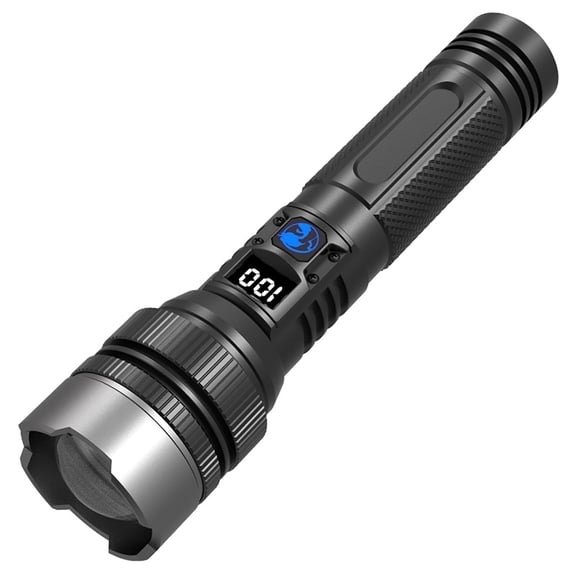
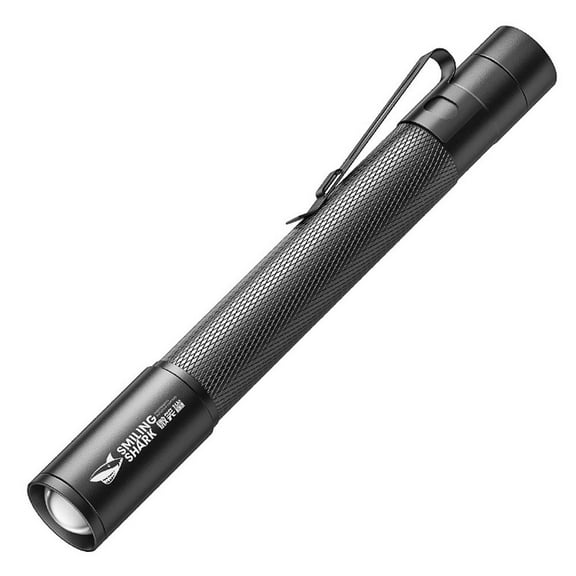
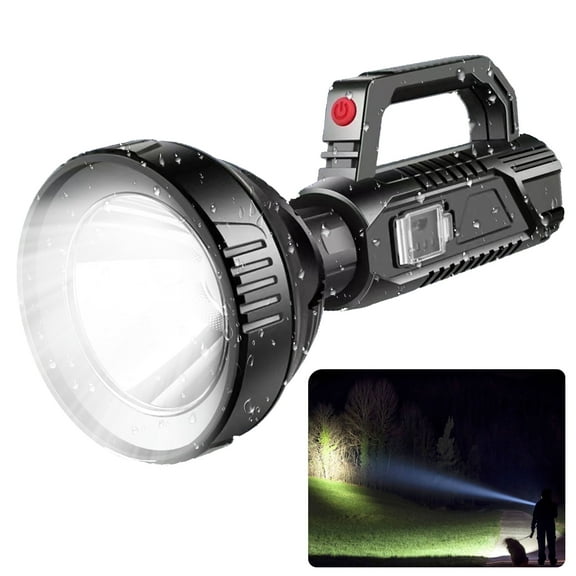
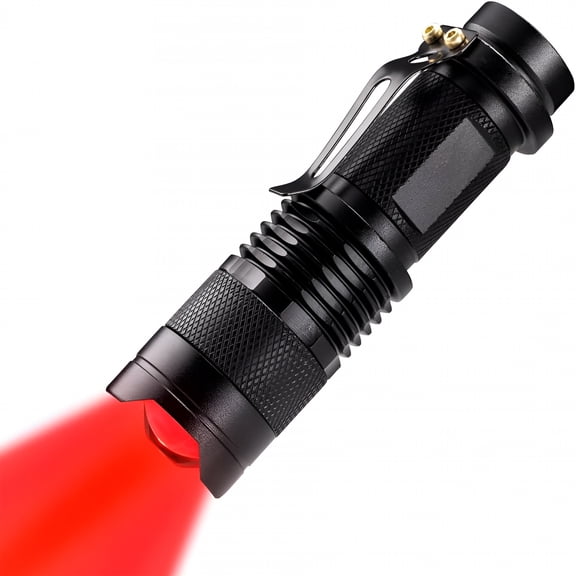
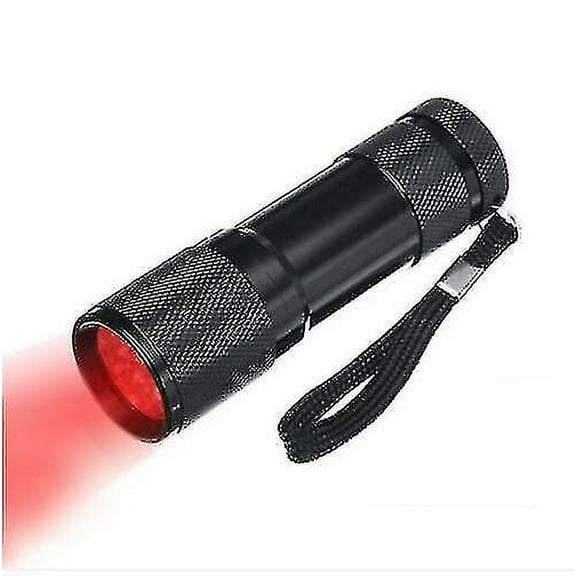
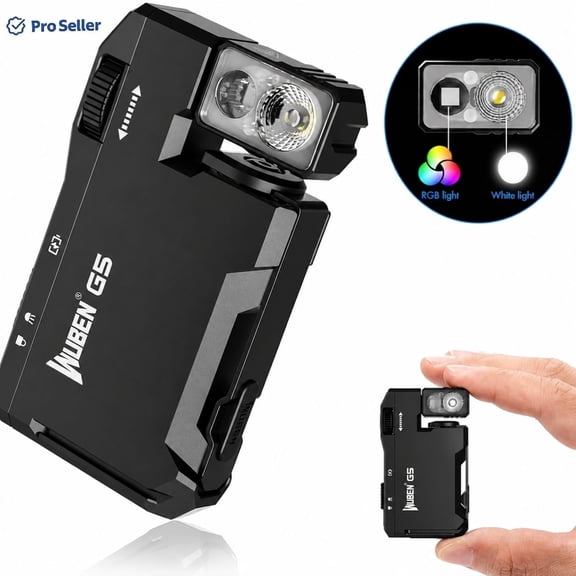
Form factor also changes how your light feels in your hand or pocket. You may prefer a hand torch light for longer grip time, while pocket-sized designs travel lighter.
Light source matters because it affects output, efficiency, and beam style. You’ll often see LED, COB, and incandescent options across this category.
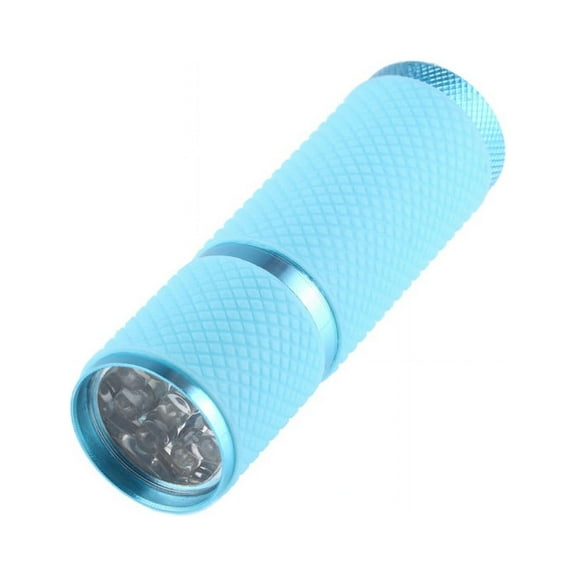
- You can use LED torch light models for focused brightness and longer battery efficiency.
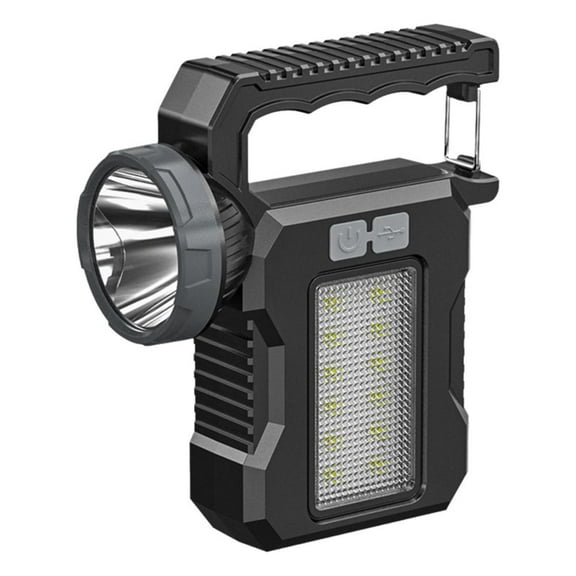
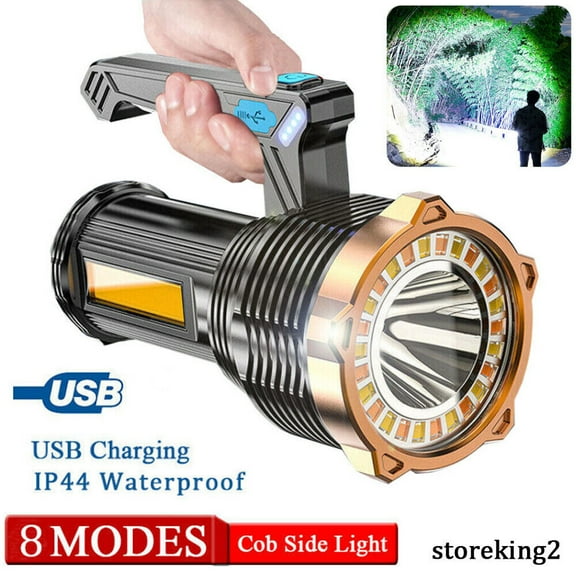
- You can choose COB styles when you want broader flood light for close tasks.
- You can pick incandescent options when you want a familiar beam style and simple operation.
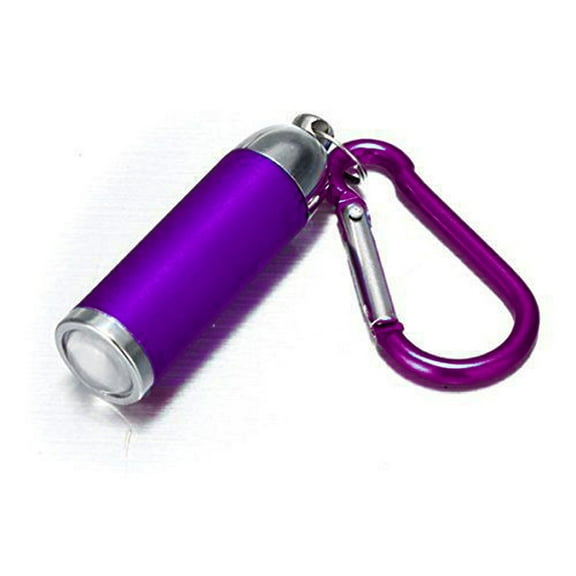
- You can compare handheld, pocket-sized, and heavy-duty builds by grip, storage, and run time.
Choosing brightness and beam distance in led torch light options
You can measure brightness in lumens, and you’ll want that number to match your space. Under 500 lumens often suits drawers, closets, and short-range tasks.
If you need a wider reach outdoors, you can compare 500 to 1000 lumens first. You’ll usually get a stronger beam for campsites, yards, and roadside use.
For large outdoor areas, you may look at 1000+ lumen models. You’ll notice these options fit trail scanning, open campsites, and heavy-duty work lighting.
Beam distance helps you judge how far the light projects, not just how bright it looks nearby. You should compare lumens and beam distance together before choosing an led flashlight torch.
Settings also matter because you may not need full output every time. You can switch between high and low modes to balance brightness with longer runtime.
Runtime tells you how long your light stays on before recharging or changing batteries. You’ll want to check hours on high and low modes, since they can differ a lot.
Comparing power sources before you choose a torch to buy
Power source shapes convenience more than many shoppers expect. You can choose rechargeable USB, AA or AAA battery, or solar options based on where you’ll use them.
Rechargeable lights work well when you want a cable-ready option at home, in the car, or at a desk. You’ll avoid hunting for spare cells during frequent use.
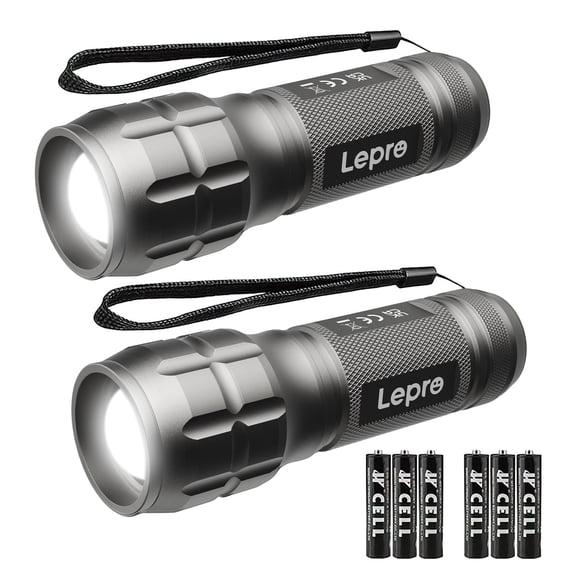
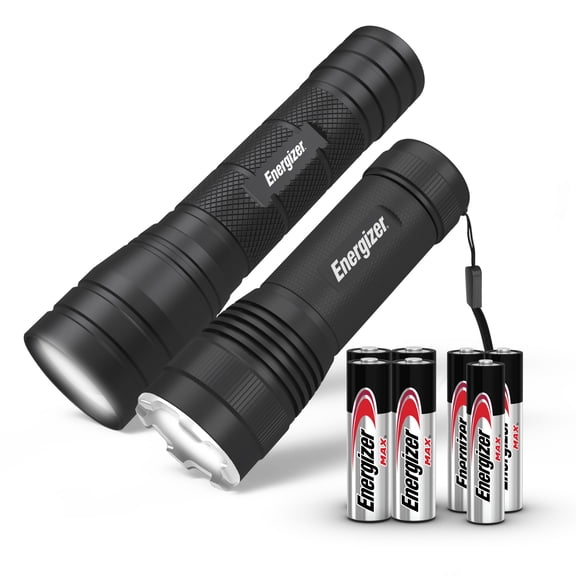
AA and AAA battery models fit emergency kits because replacement batteries are widely available. You can also keep extras in a drawer, backpack, or camping bin.
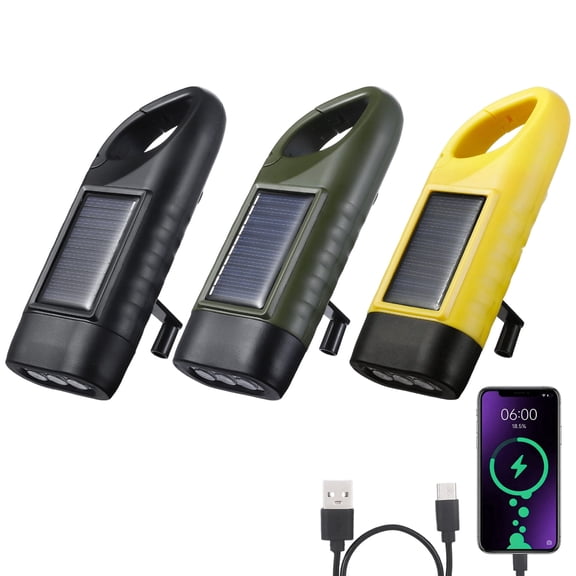
Solar designs can help when you want backup charging for outdoor setups. You should still compare charging style and output if your light will be a primary tool.
A longer low-mode runtime can make sense for overnight outages or tent lighting. A stronger high mode may suit quick checks, trails, or distant spotting.
What to look for in hand torch light durability
Durability becomes a deciding factor when your flashlight rides in a truck, toolbox, or camp tote. You should compare weather resistance, waterproof ratings, and body material together.
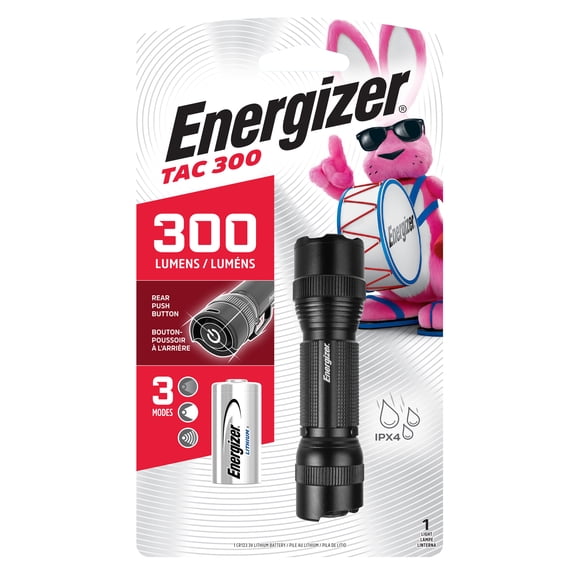
IPX4 weather-resistant designs can handle splashes and light rain during outdoor use. You may choose this level for porch checks, walks, or general backup lighting.
IPX8 waterproof options fit wetter conditions and more demanding trips. You’ll want that rating when your gear may face heavy rain, stream edges, or extended exposure.
Shockproof aluminum bodies add confidence when your light gets dropped on concrete or packed with tools. You can also expect a firmer grip and a more solid feel.
A torchlight flashlight with textured housing can stay easier to hold with gloves. You should also check tail switches, side buttons, and bezel shape for one-handed use.
Matching torch light styles to real use cases
For home backup, you can keep a compact model in kitchen drawers, nightstands, and utility closets. You’ll likely want moderate lumens, simple controls, and battery storage flexibility.
For camping, you may want rechargeable or solar power with longer low-mode runtime. You can pair broader flood light with weather resistance for tents, trails, and gear setup.
For vehicles, you should look for a hand torch light with sturdy housing and quick access. You’ll appreciate a beam that reaches under seats, hoods, and roadside shoulders.
For workspaces, you can compare COB flood beams with focused LED beams by task. You’ll want flood light for close repairs and a tighter beam for distance checks.
For emergency preparedness, you may prefer multiple brightness settings and common battery compatibility. You can also keep extra batteries nearby or rotate a rechargeable model regularly.
When you compare by light source, form factor, power, lumens, and IPX rating, you narrow your choices quickly. You’ll end up with a flashlight that fits your routine instead of collecting dust.
You can shop this category with clearer decision points once you know what beam reach, runtime, and durability mean in daily use. You’ll choose a flashlight that fits your drawer, pack, vehicle, or campsite with less guesswork.