

Tool Bags & Tool Storage Bags




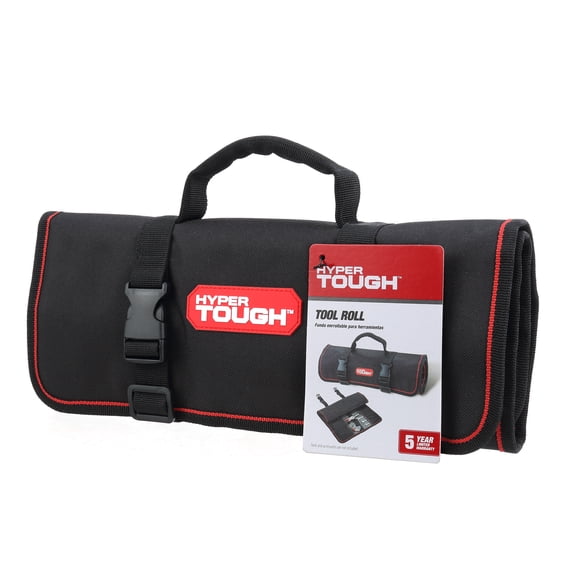










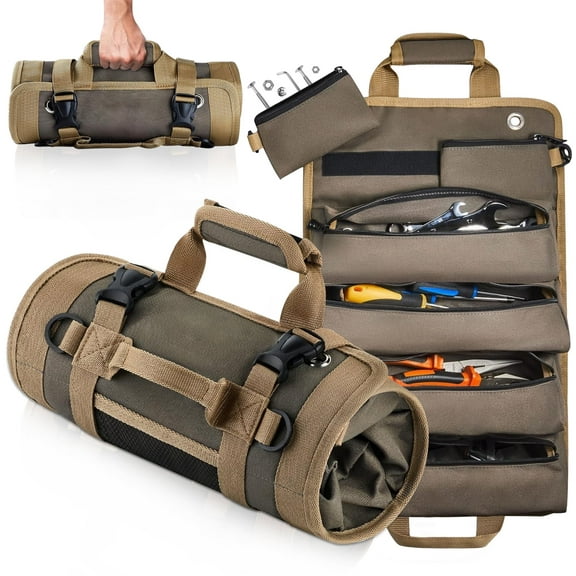
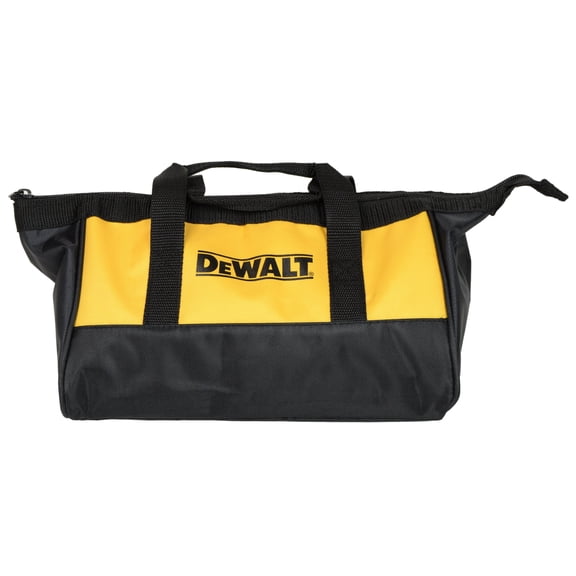
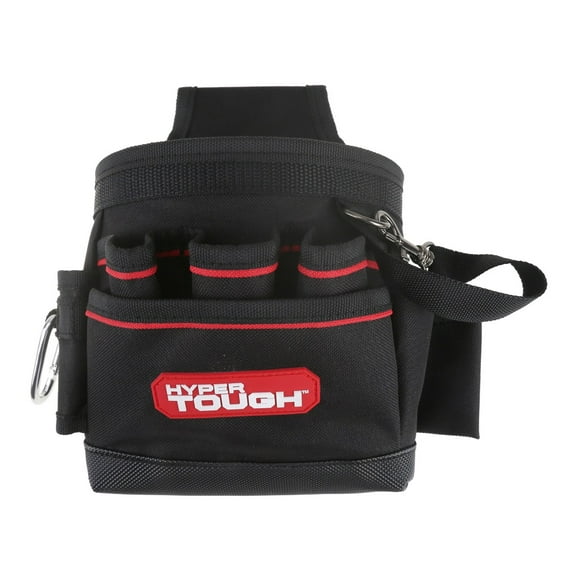
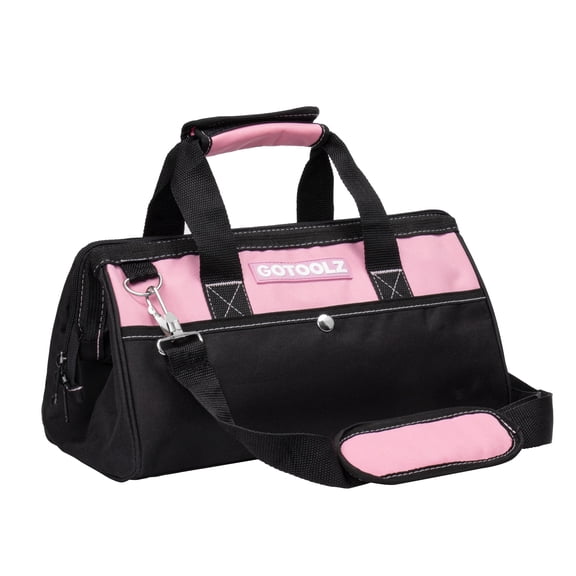







About Tool Bags & Tool Storage Bags - Walmart.com
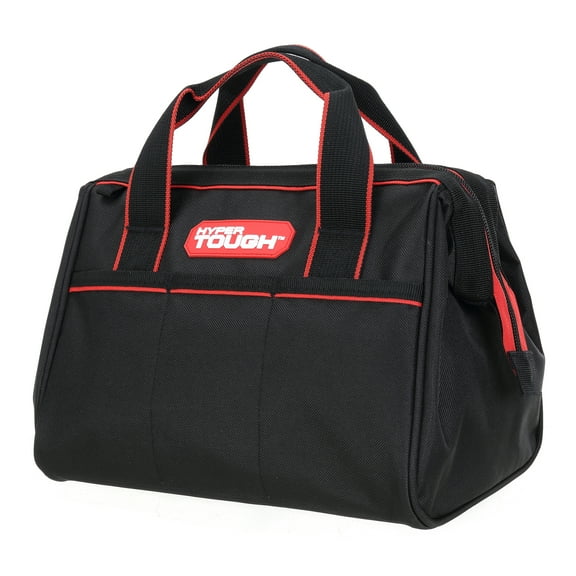
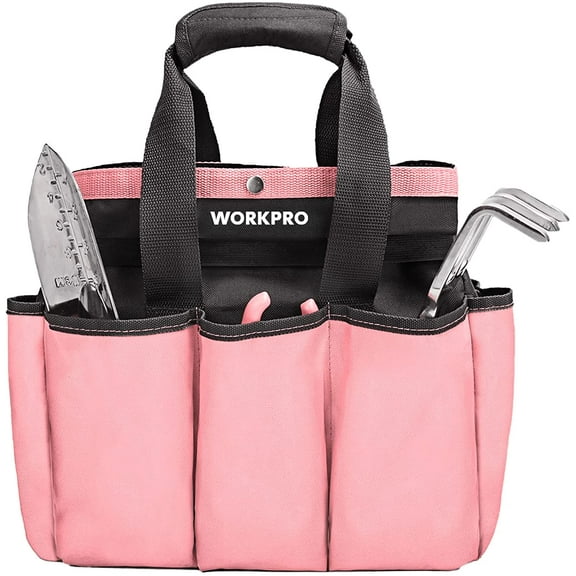
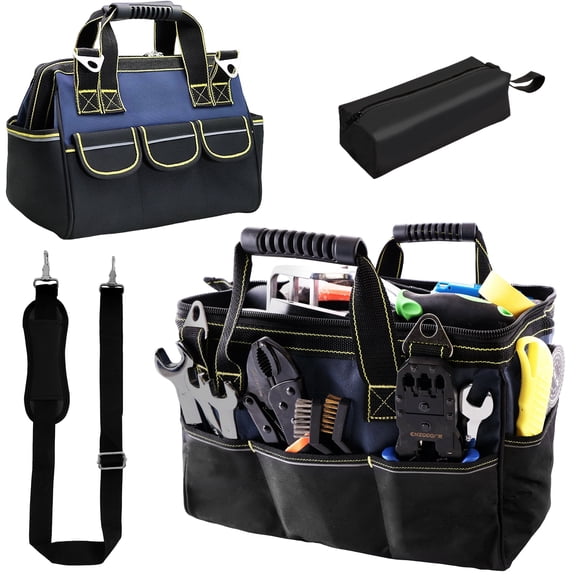
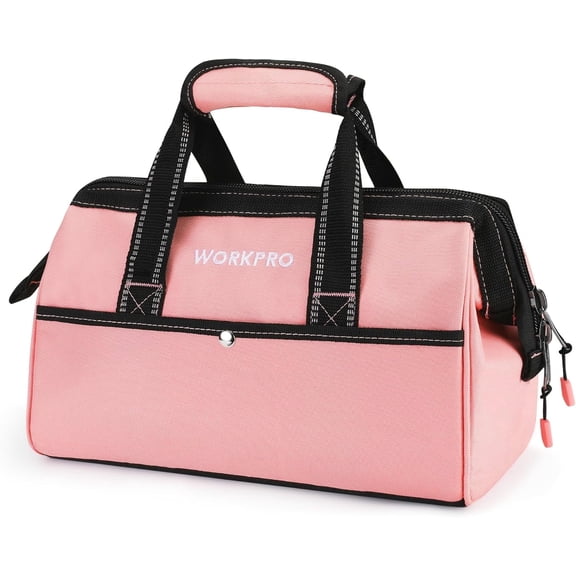
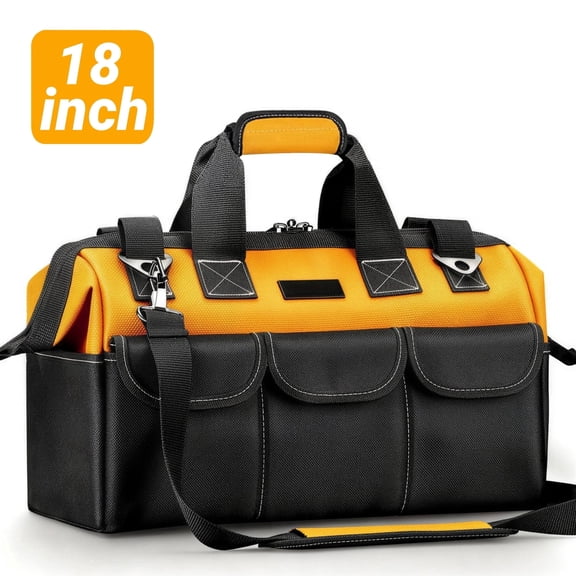
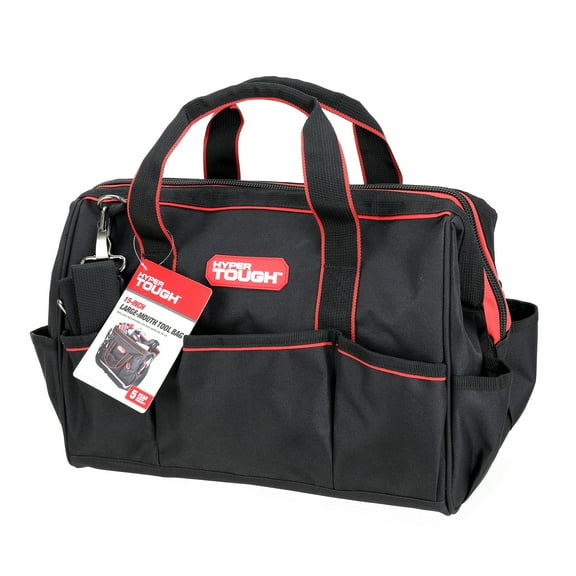
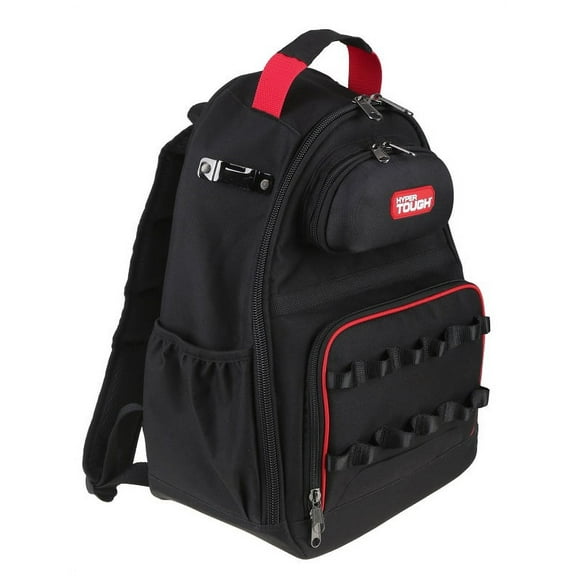
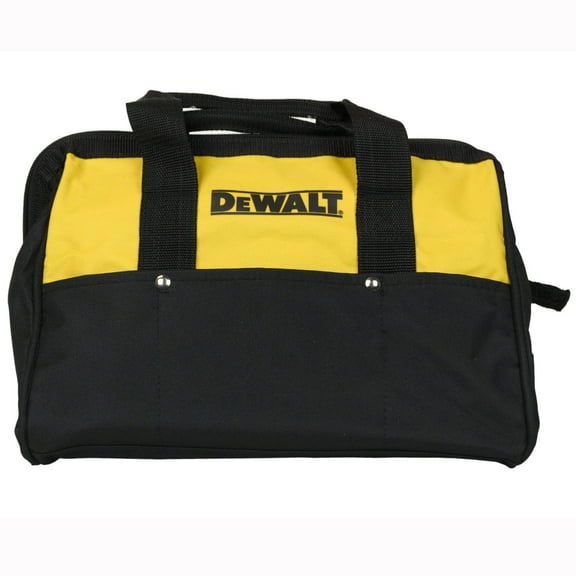
Tool bags help you keep hand tools, fasteners, and test gear together while you move from room to room. You can compare material, form factor, base design, and mobility features to match your daily workload.
How to choose tool bags for your work style
If you carry a mixed kit, you should start with pocket layout and total capacity. You can keep drivers, pliers, tape measures, and bits easier to reach with divided storage.
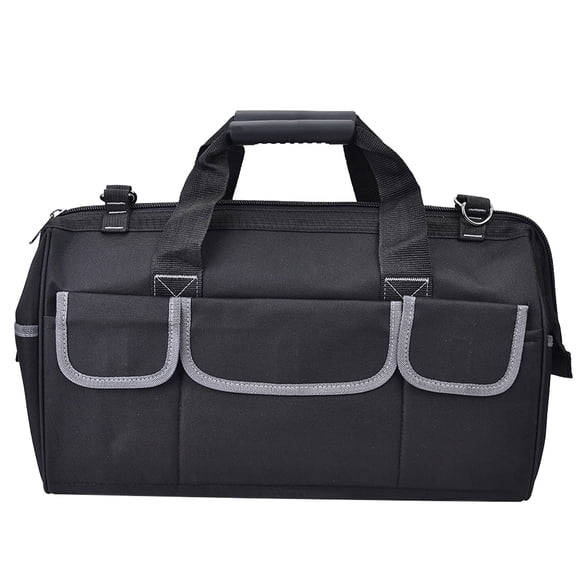
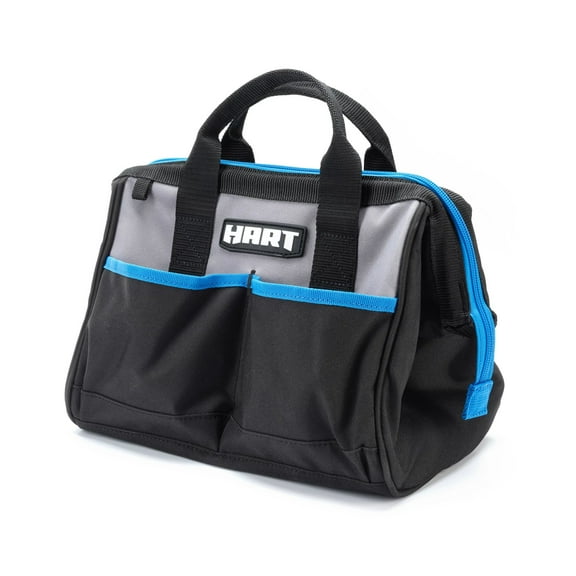
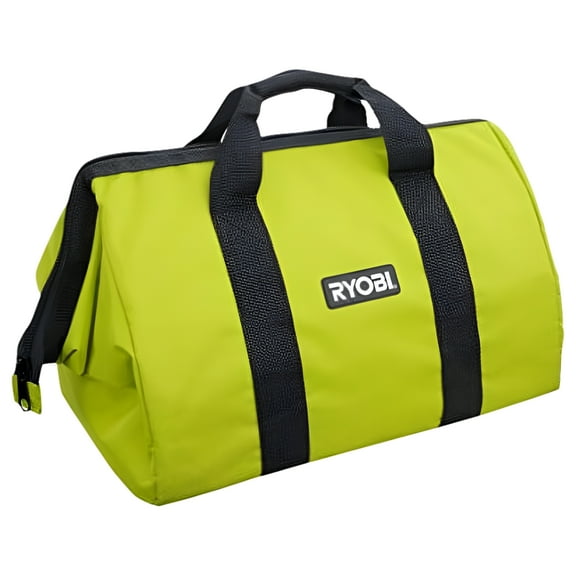
When you compare open totes and zip-top styles, you should think about how often you grab tools during a task. You may prefer wide-mouth openings for quick access or closed tops for contained storage.
You can also check exterior loops, small parts pockets, and interior dividers before you choose. Your setup stays more organized when each tool has a consistent place.
Choosing material and build for heavy duty tool bags
When you compare fabrics, you should look at denier ratings because they help you judge wear resistance. You’ll usually find 600D fabric lighter to carry, while 1200D fabric often feels tougher for rough jobs.
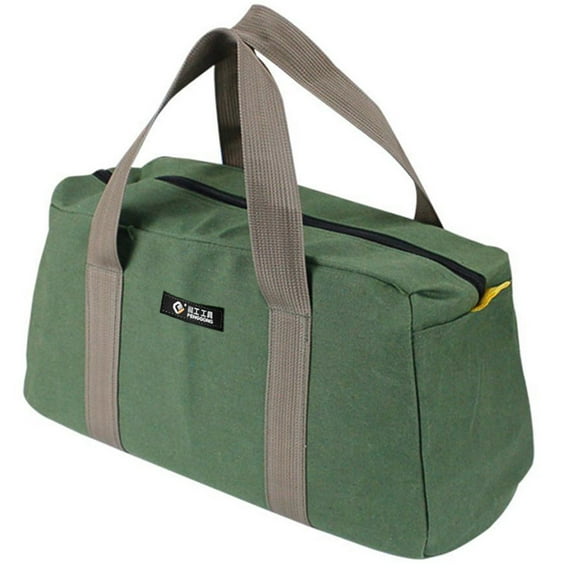
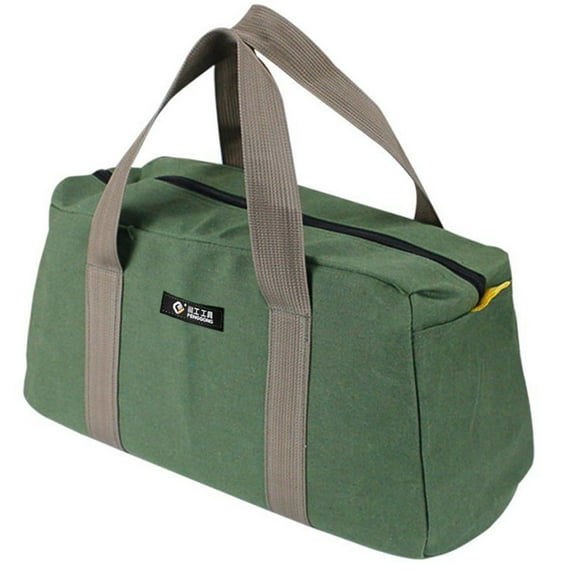
If you want canvas tool bags, you can expect a structured feel and familiar jobsite style. You may prefer ballistic nylon or polyester when your routine calls for lighter carry and easier wipe-downs.
You should also compare stitching, handle attachment points, and zipper size before you decide. Your bag often lasts longer when stress points feel reinforced and closures move smoothly.
- You can use higher denier fabric for heavier tool loads and frequent transport.
- You can choose canvas when you want a sturdy shape and classic utility look.
- You can pick leather accents or trims when your carry points need a firm grip.
- You can compare wide seams and reinforced panels for repeated opening and closing.
What to look for in base type and weather-ready details
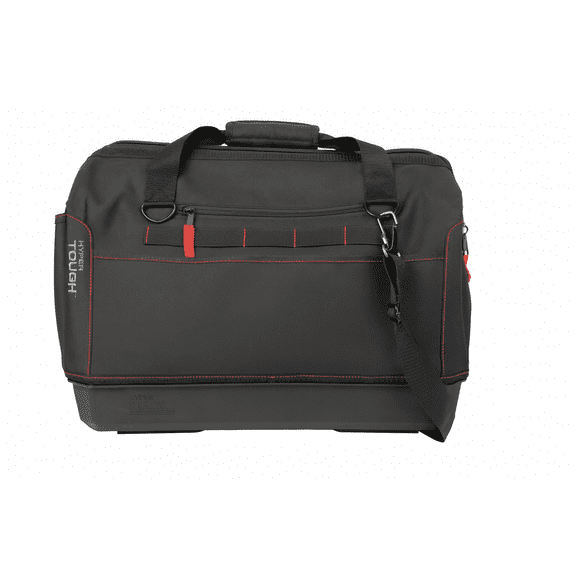
You should pay close attention to the bottom panel because it affects stability and cleanup. Your tools stay more protected from damp floors when you choose a molded plastic base.
If you set your bag down on concrete often, you may want rubber feet or a reinforced fabric bottom. You can reduce floor contact and keep the main body standing more evenly.
You should also compare puncture resistance and shape retention at the base. Your bag holds its form better when the bottom resists sagging under metal tools.
Comparing form factor: tool backpack, tote, rolling, and pouch
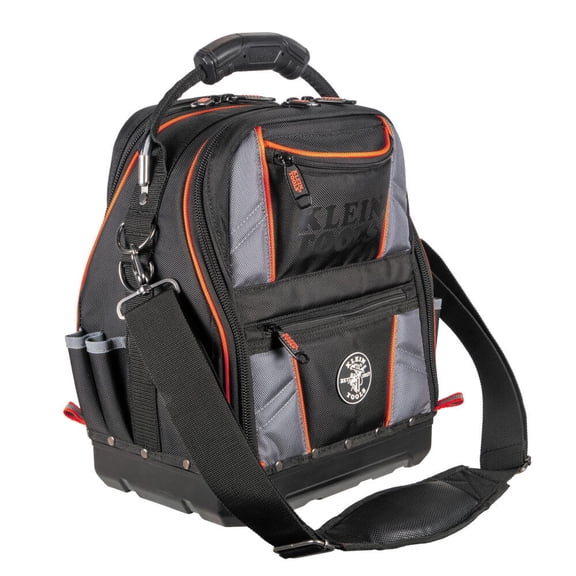
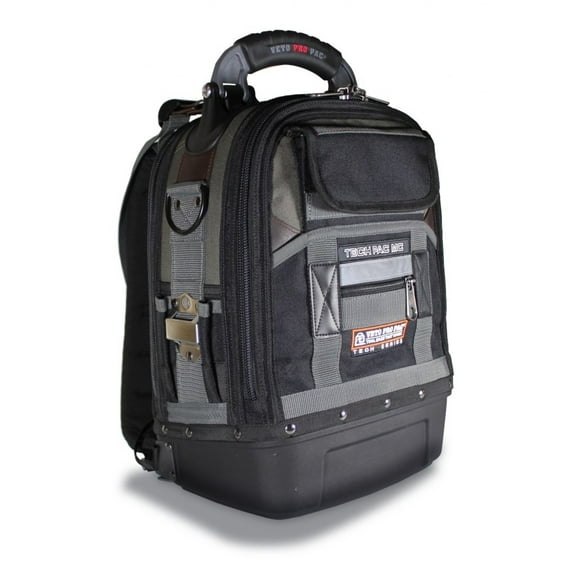
If you climb stairs or move through tight spaces, a tool backpack can keep your hands freer. You can spread weight across both shoulders and carry testers, drills, and accessories with less shifting.
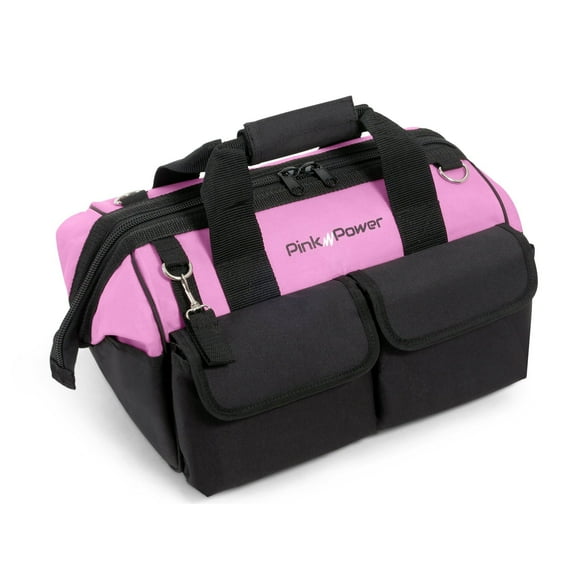
When you work from a central station, you may prefer a tote or shoulder bag. You can reach larger compartments quickly and see your tools without opening multiple sections.
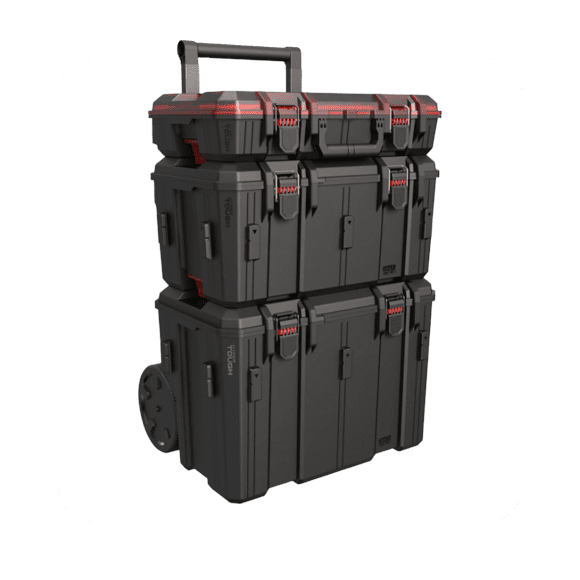
If you carry heavier loads across long hallways, a rolling tool bag can reduce repeated lifting. You can pull bulky gear, spare batteries, and hardware instead of carrying all that weight.
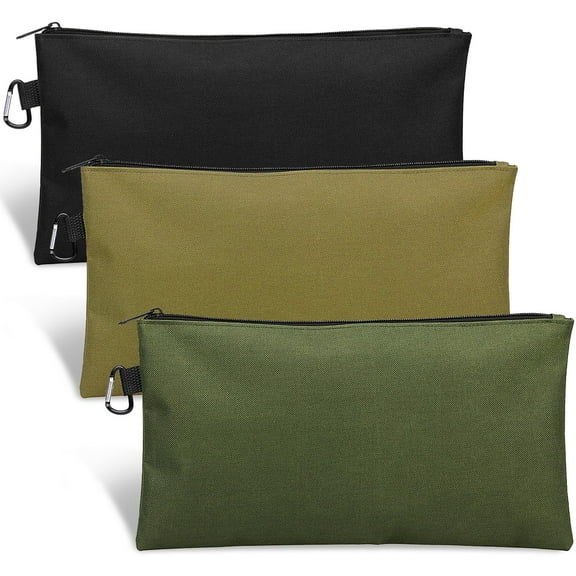
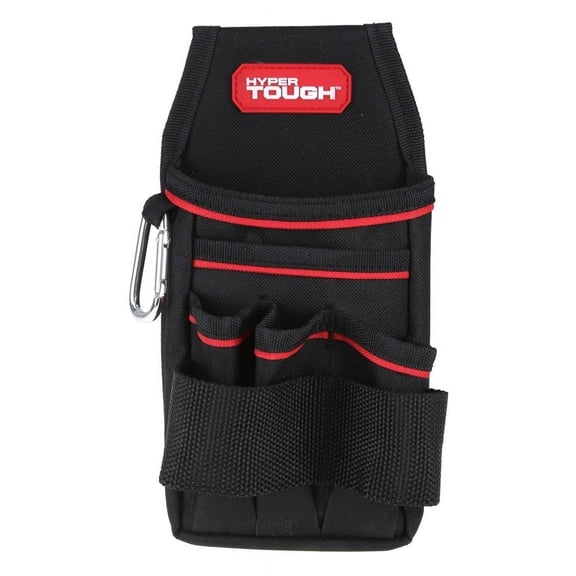
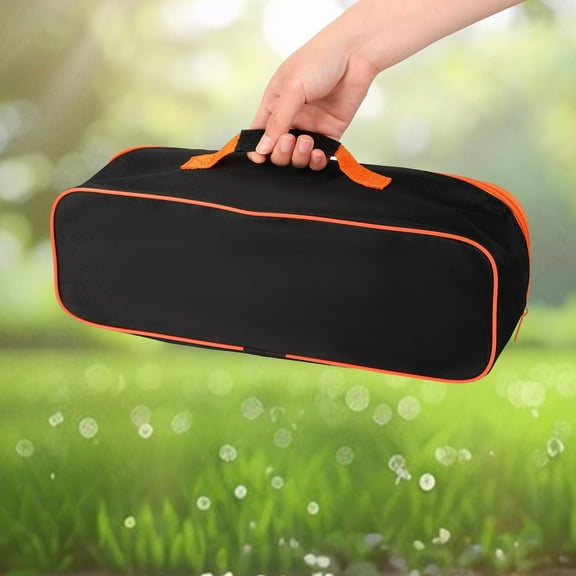
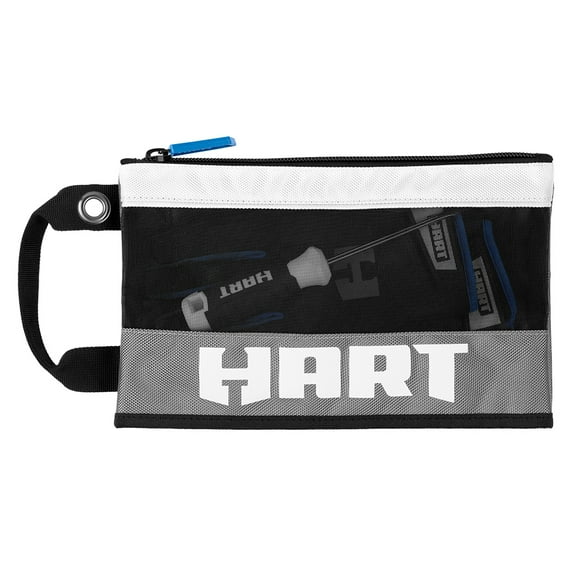
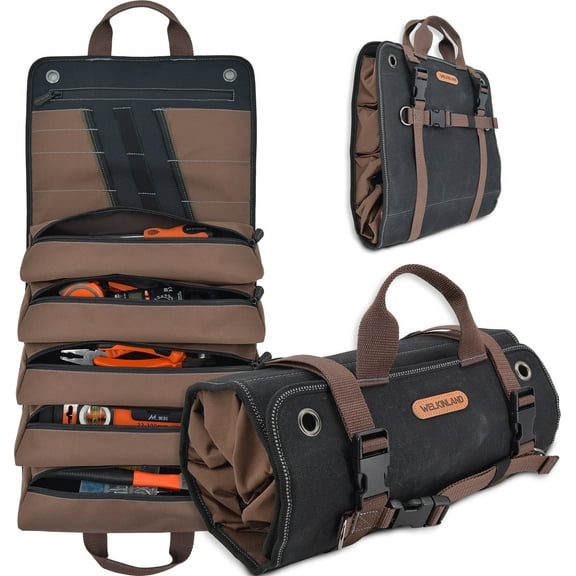
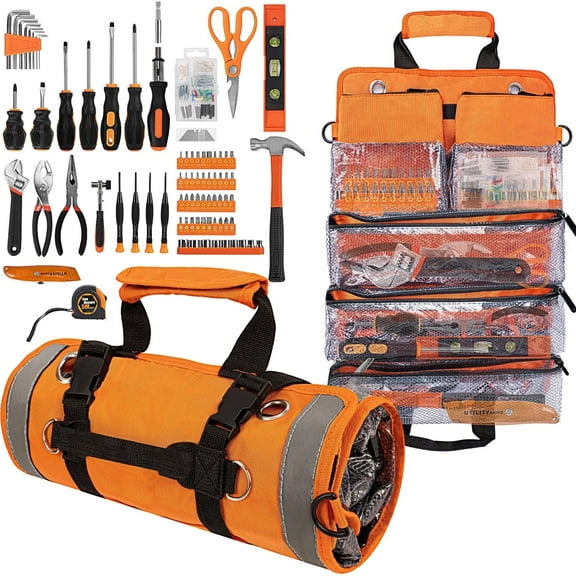
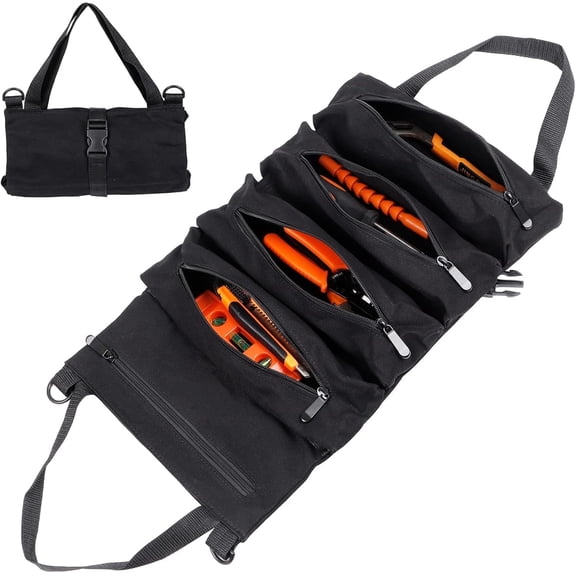
You may also want pouches for small task kits or specialty tools. Your setup stays simpler when you separate fasteners, electrical items, or measuring tools by job type.
Checking mobility features and carrying comfort
You should compare padded shoulder straps, dual carry handles, and telescoping handles before you choose. Your comfort changes quickly when a loaded bag pulls unevenly during a long walk.
If you travel between service calls, you may prefer wheels and a telescoping handle for smoother movement. You can roll heavier kits through parking lots, hallways, and larger job sites.
When you need fast ladder access or frequent kneeling, backpack straps or short handles may work better. You can keep your load closer and avoid a trailing bag in narrow spaces.
Using pocket configuration to organize tools faster
You should count both large and small pockets, not just total volume. Your day moves faster when drill bits, markers, blades, and meters stay separated instead of stacked together.
If you carry long tools, you may want vertical pockets that hold screwdrivers and pry bars upright. You can spot missing items faster when the layout keeps shapes visible.
You should also look for tape clips, zip pouches, and covered compartments for loose parts. Your hardware stays easier to sort when small items don’t slide into the main cavity.
Matching tool bags to common projects
If you handle punch-list work, you may want a compact tote or shoulder bag with quick-access pockets. You can carry the core tools you use often without hauling a full-size setup.
For electrical, HVAC, or maintenance calls, you may prefer a tool backpack with layered compartments. You can separate meters, hand tools, wire accessories, and chargers in a more controlled layout.
If you move heavier gear across large properties, a rolling tool bag may fit your routine. You can transport bulkier kits with less carrying and keep spare parts close by.
When your work happens outdoors or on unfinished surfaces, you should prioritize a molded base and durable fabric. Your bag stays steadier on rough ground and cleans up with less effort.
You can choose tool bags with the right fabric, form, base, and mobility for the way you actually work. Your tools stay easier to carry, easier to find, and easier to keep organized from task to task.