










Standard Strollers



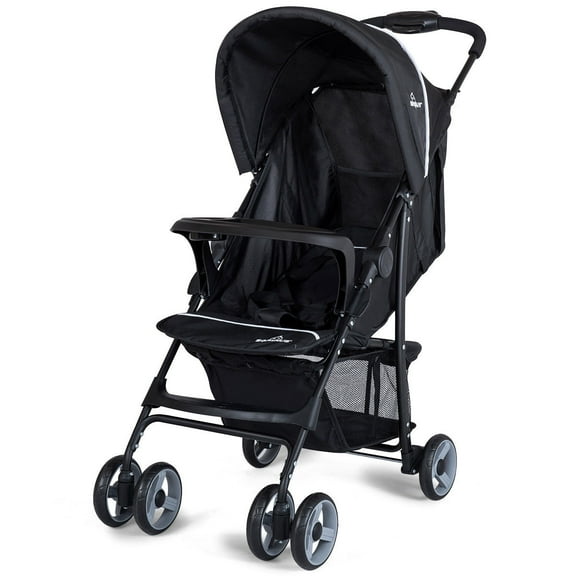


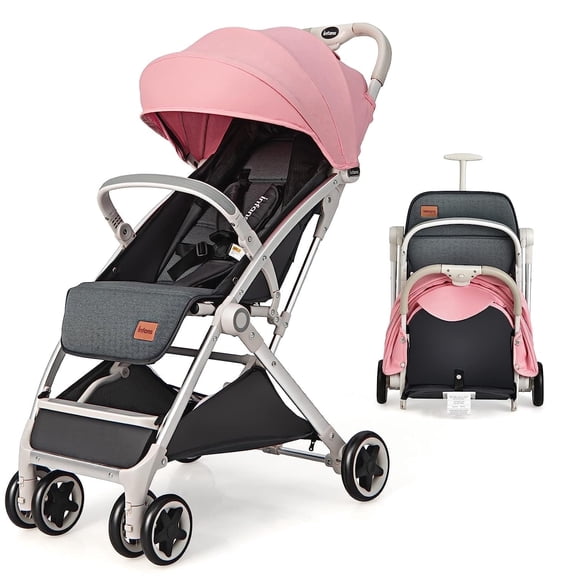
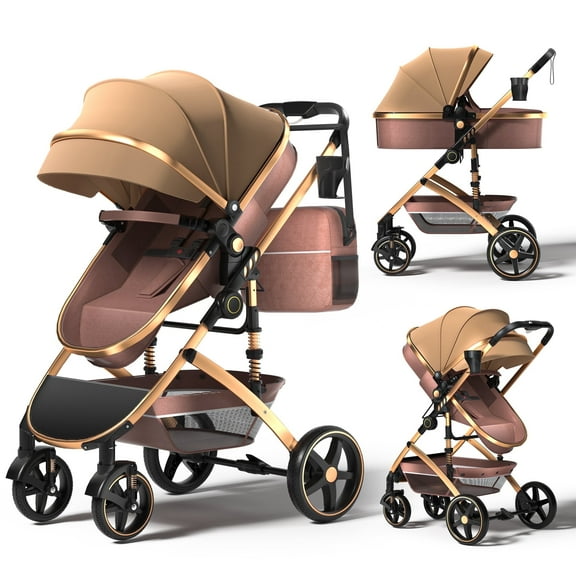
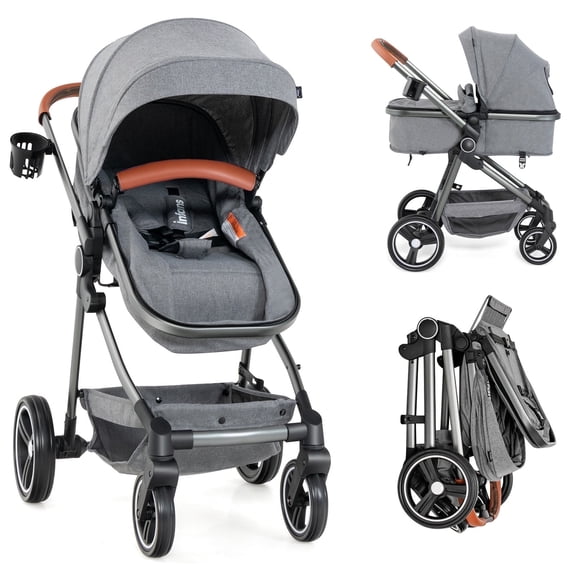










































About Standard Strollers - Walmart.com
Your nursery furniture choices shape how smoothly each day starts and ends. You can compare cribs, dressers, gliders, and storage pieces that fit your room and routine.
How to choose nursery furniture for your space
You should start with the pieces you use frequently each day. You may begin with baby cribs, a dresser, and a changing table that keep essentials close.
If you’re furnishing a smaller room, you should measure wall space, door clearance, and walking paths first. You can avoid crowded layouts when you compare dimensions before choosing each piece.
You can also think about how long you want each item to work for your family. You may prefer convertible cribs or dressers that continue fitting your room as needs change.
Choosing baby nursery furniture by furniture type
Baby nursery furniture usually starts with the sleep area, the changing area, and a comfortable seat. You can often compare cribs, dressers, changing tables, gliders, and bookcases as your core setup.
When you choose baby cribs, you should look at mattress support positions and convertible designs. You can get a clearer sense of how a crib may fit your routine over time.
A dresser can help you organize clothes, blankets, and daily supplies in one place. You may like a changing table topper if you want one surface to handle two tasks.
A nursery glider can support feeding, reading, and quiet bedtime moments in the same corner. You should check seat depth, arm height, and overall width before placing it beside a crib.
Bookcases and nursery storage pieces can keep baskets, books, and folded items within easy reach. This helps create a calmer room when you match storage height to the space you actually have.
- You can use convertible cribs when you want longer-term flexibility.
- You can choose dressers with multiple drawers when you need everyday organization.
- You can add a nursery glider when you want a dedicated seat for feeding and reading.
- You can use bookcases and nursery storage when you need open access to books and bins.
What to look for in materials and safety details
You should compare material types because they affect weight, finish, and overall look. You may see solid wood, engineered wood, metal, and painted surfaces across nursery furniture collections.
Solid wood can give you a substantial feel and a classic look in many rooms. Engineered wood can help you compare more finishes and silhouettes for different layouts.
If you’re reviewing painted pieces, you should check whether the manufacturer describes the finish as non-toxic paint. You can also compare smooth surfaces that are easier to wipe during busy routines.
Safety details matter when you’re narrowing options for a nursery setup. You should look for labels such as JPMA certified, Greenguard Gold, or ASTM compliant on qualifying items.
Those certifications can help you compare testing standards and product information with more confidence. You may also want to review assembly steps, included hardware, and care instructions before deciding.
Choosing style and nursery decor that fits your room
You can build a coordinated room when you match furniture lines with your nursery decor plan. You may prefer modern, traditional, boho, rustic, or minimalist looks based on your home.
A modern setup often uses clean lines, simple hardware, and lighter visual weight. A traditional look may include curved details, deeper finishes, and more classic drawer fronts.
If you like boho or rustic rooms, you might look for warm wood tones and textured accents. If you prefer minimalist spaces, you may choose quieter finishes and streamlined shapes.
You should also consider how each finish works with rugs, wall art, and lighting. This can help you get a more pulled-together space when furniture and nursery decor share similar tones.
How to compare dimensions, storage, and assembly
You should measure carefully before choosing larger pieces for a nursery. You can compare width, depth, and height to make sure drawers, gliders, and doors move comfortably.
If you need more function from fewer pieces, you may focus on dressers with deeper drawers or bookcases with baskets. This helps keep everyday items organized without crowding the floor.
Assembly can also affect which pieces fit your timeline and comfort level. You should check whether tools are included, how many steps the assembly takes, and how much room assembly needs.
When you compare these details early, you can narrow choices with fewer surprises later. This can help you feel more prepared when delivery, setup space, and room measurements already align.
Using nursery furniture for daily routines
Your nursery furniture should support the moments you repeat every day. You can create a sleep zone, a changing station, and a reading corner that feel easy to use.
For smaller rooms, you may pair a crib with a dresser that doubles as a changing surface. You can add vertical nursery storage when floor space feels limited.
For longer use, you might choose a convertible crib, a roomy dresser, and a bookcase. You can have a setup that adapts as clothing, books, and daily essentials change.
If comfort matters during feedings and stories, you may center the room around a nursery glider. You can place it near soft lighting and storage so essentials stay close by.
When you compare safety labels, dimensions, materials, and style, nursery furniture becomes easier to choose. This helps you end up with a room that supports comfort, organization, and everyday routines.