

Tile Adhesive in Adhesives & Glues


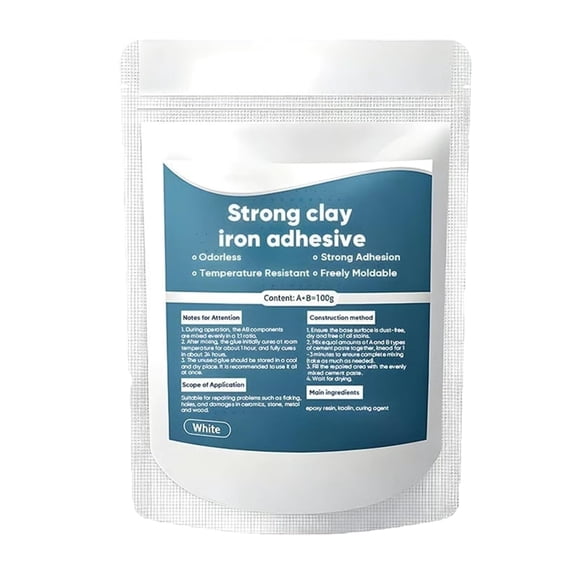
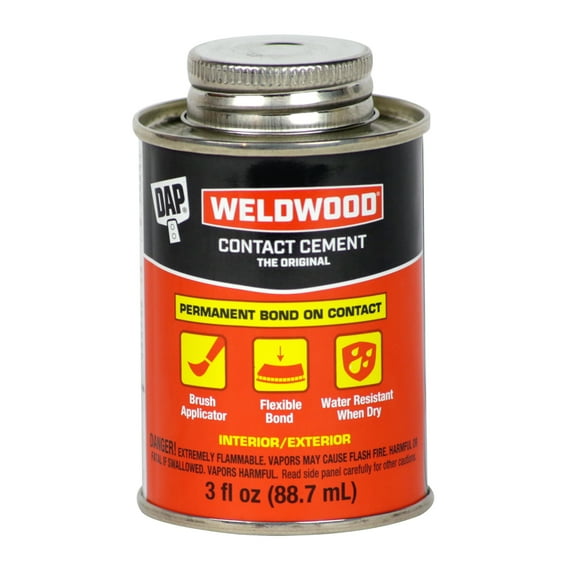

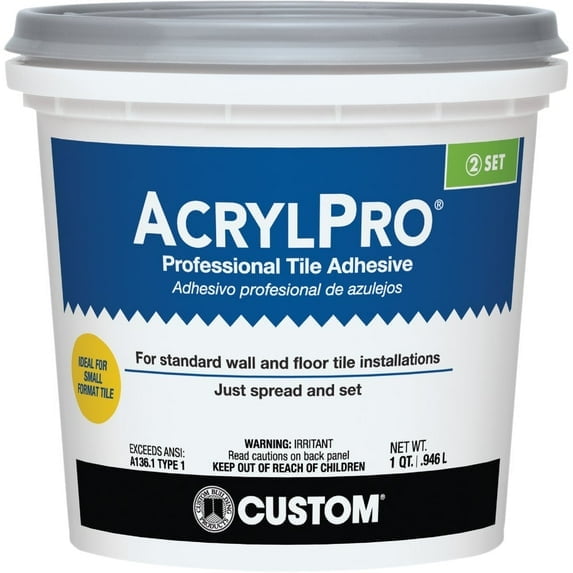
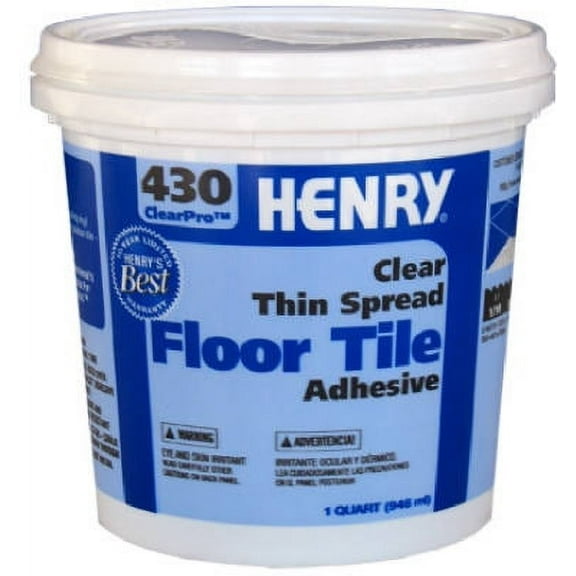

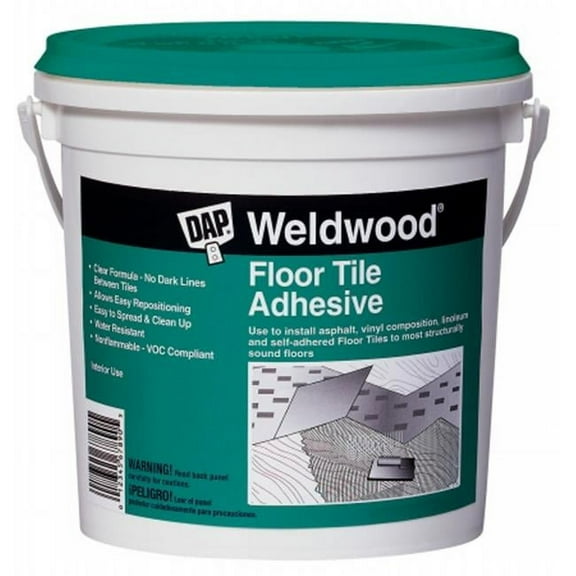

















About Tile Adhesive in Adhesives & Glues - Walmart.com
Tile adhesive helps you set wall and floor tile with the right hold for your project. You can compare mastic, thinset mortar, and epoxy options by tile type, room, and moisture exposure.
If you're updating a shower, backsplash, or entry floor, you need the right formula from the start. You can use this guide to compare adhesive types, water resistance, and tile compatibility with less guesswork.
How to choose tile adhesive
When you compare tile adhesive, you should start with adhesive type and where you'll use it. You should also check tile material, tile weight, and how much adjustment time you want.
Pre-mixed mastic can work well when you want a ready-to-use wall tile adhesive for dry or lightly damp spaces. Thinset mortar usually suits floors and heavier tile because you mix it before use.
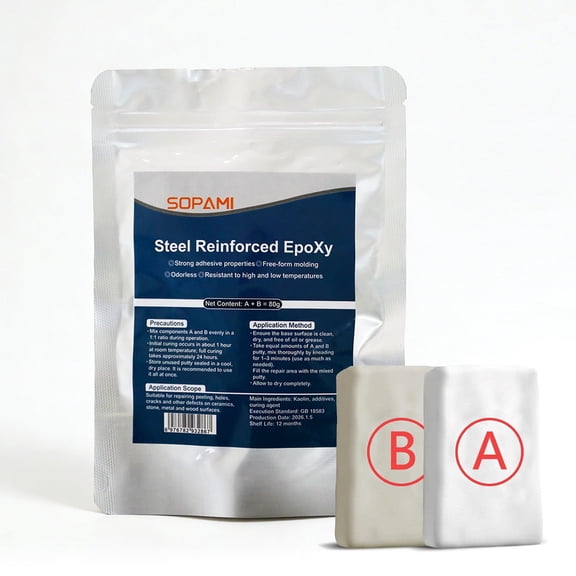
Epoxy adhesive can make sense when you need strong bonding and added moisture resistance in demanding spaces. You should compare cure time and cleanup steps because epoxy can feel less forgiving during installation.
- You can choose pre-mixed mastic when you want fast setup and easier application for backsplashes and many wall projects.
- You can choose thinset mortar when your project includes floors, porcelain tile, or heavier materials that need a stronger bed.
- You can choose epoxy adhesive when your space needs added water resistance and a firm bond in high-moisture conditions.
- You should check open time so you know how long you can shift each tile before the adhesive begins to set.
Comparing tile glue for walls, floors, and showers
Application area should guide your choice because wet and dry spaces place different demands on tile glue. You should match the formula to the room so your installation feels more predictable.
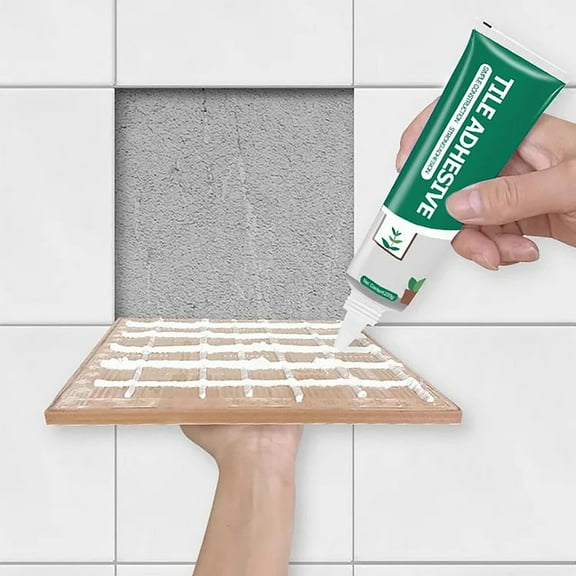
For a kitchen backsplash, you may want tile glue that spreads easily and helps tiles stay in place on vertical surfaces. You can often compare wall tile adhesive options that support lighter tile and cleaner layout lines.
For floors, you should look for stronger bonding support and a formula made for foot traffic and heavier loads. Thinset often fits this need because you get a dense setting bed under porcelain or stone.
For a shower tile adhesive, you should focus on moisture exposure and product labeling for wet areas. You can also compare waterproof tile adhesive and water-resistant options based on how often the surface gets soaked.
Bathrooms outside the shower may call for different performance than a fully enclosed shower wall. You should check whether your adhesive is intended for direct splash zones or general bathroom surfaces.
Choosing ceramic tile adhesive and compatibility
Tile material matters because ceramic, porcelain, glass, and natural stone can place different demands on the setting material. You should compare weight, porosity, and tile size before you decide.
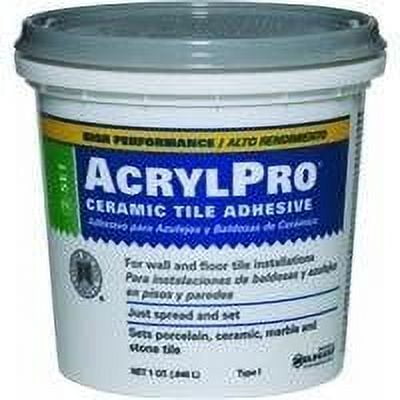
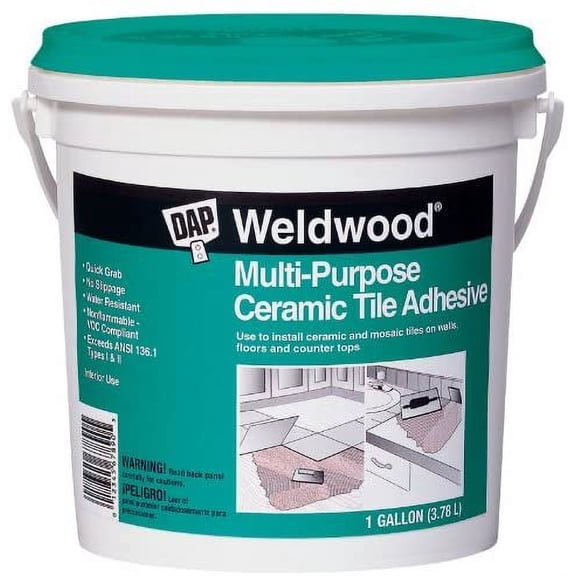
Ceramic tile adhesive options often suit common wall and floor projects where you want dependable coverage and straightforward installation. You can usually work with lighter ceramic tile using either mastic or mortar, depending on location.
Porcelain tile often needs a stronger bond because the material is dense and less absorbent. You should look at porcelain tile mortar choices when you need secure support on floors or larger formats.
Glass tile can require a smooth setting bed and careful adhesive selection for a clean finished look. You should check product guidance so your adhesive matches transparent or mosaic tile needs.
Natural stone may need added support because each piece can weigh more than standard ceramic tile. You should compare mortar formulas that help carry that weight across floors, walls, or feature sections.
What to look for in waterproof tile adhesive and set time
Water resistance is another key decision, especially when your project includes showers, tub surrounds, or other splash-prone spaces. You should compare standard, water-resistant, and waterproof tile adhesive options by room conditions.
Standard formulas may work for dry interior areas where your tile won't face routine soaking. Water-resistant choices can fit spaces with light moisture, while waterproof tile adhesive may suit repeated water exposure.
You should also compare open time and curing time before you begin. Open time tells you how long you can adjust tile placement, while curing time tells you when the bond has set.
If you're laying a detailed backsplash pattern, a longer open time can help you fine-tune spacing and alignment. If you're working on a straightforward repair, you may prefer a faster-setting option.
Polymer-modified thinset can give you added flexibility and bonding support for many tile jobs. Organic mastic can feel simpler for some wall projects because you can use it right from the container.
Matching tile adhesive to real projects
If you're installing subway tile in a kitchen, you may want pre-mixed mastic for easier wall application and steady tile placement. You should still confirm the tile size and room conditions before you start.
If you're setting porcelain on a laundry room or entry floor, thinset mortar may fit your project more closely. You can get the stronger support many floor jobs need, especially with heavier tile.
If you're planning a shower surround, you should focus on shower tile adhesive that matches constant moisture exposure. You can compare waterproof tile adhesive options and product instructions for wet-area use.
If you're updating a fireplace surround or accent wall with glass mosaic, you should check compatibility and open time. You can benefit from extra adjustment time when you need clean spacing and pattern alignment.
When your project includes natural stone, you should compare formulas that help support extra weight and varied tile thickness. You can narrow your choice by surface type, room, and tile material first.
With the right tile adhesive, you can approach ceramic walls, porcelain floors, and shower installs with clearer direction. You can choose a formula that matches your room, tile, and working time for a smoother finish.