

Thin Rigid Plastic Sheet(1)
Uxcell UHMW Sheet Ultra High Molecular Weight Polyethylene Sheet Hard Plastic Sheet Board 6.1''x 6.1'' x 0.12'' 2pcs From $9.99
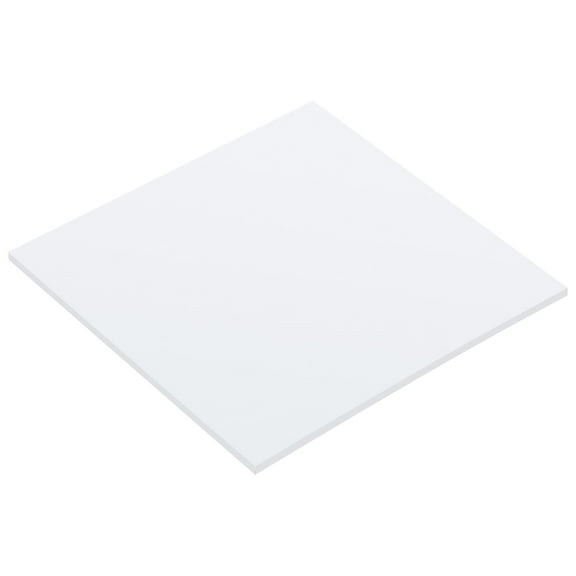


Uxcell UHMW Sheet Ultra High Molecular Weight Polyethylene Sheet Hard Plastic Sheet Board 6.1''x 6.1'' x 0.12'' 2pcs
FAQ
What do you call a thin plastic sheet?
Most folks call it a plastic sheet or sheet stock. When it’s very thin and flexible, it’s often called plastic film. Naming usually depends on thickness and rigidity:
- Film: Very thin, flexible material commonly used for covers or wrapping.
- Sheet: Thicker, more rigid panels used for projects, guards, crafts, or shims.
- Rigid sheet: A stiffer sheet that holds its shape for structural or wear applications.
Many projects look for thin, rigid plastic sheets to get durability without bulk. When browsing, check the thickness (inches or mm), size, and finish in the product details to match your project’s needs.
Which plastics are used for rigid sheets?
Rigid plastic sheets come in several common materials, each with different strengths. You’ll often see:
- Acrylic: Clear and glossy; used for displays and guards.
- PVC: Good dimensional stability; popular for signage and panels.
- Polycarbonate: High impact resistance; used where toughness matters.
- UHMW polyethylene: Slick, wear-resistant; great for slides, shims, and jigs.
- Polystyrene: Lightweight; suitable for craft and model projects.
- PETG: Clear and formable; handy for DIY enclosures or covers.
To choose, consider rigidity, impact resistance, clarity, and machinability. Product pages typically list thickness, color, and finish so you can compare options and select what fits your project.
What is hard plastic sheeting called?
It’s commonly called rigid plastic sheet or simply plastic sheet. The exact name often includes the material (for example, “acrylic sheet,” “PVC sheet,” or “UHMW sheet”), plus thickness and size. When you’re searching or comparing, it can help to specify:
- Material: Acrylic, PVC, polycarbonate, UHMW polyethylene, etc.
- Thickness: The stiffness and weight you’re aiming for.
- Size and color: Pre-cut panels or sheets you can trim to fit.
- Finish: Matte, gloss, textured, or protective film.
Checking these details on the product page can make it easier to match the sheet to your project’s durability, appearance, and cutting needs.
What’s a budget alternative to plexiglass sheets?
If you’re looking for a wallet-friendly alternative, consider what you need most:
- Clear displays or guards: Polystyrene or PETG can be more budget-conscious options, though they may scratch more easily than acrylic.
- Signs or panels (not clear): PVC sheets offer good rigidity for an economical price point.
- Wear surfaces or shims (not clear): UHMW polyethylene is durable and slick for sliding or protective applications.
Prices vary by thickness, size, and finish, so it’s helpful to compare product specs. For easy ordering, choose the sheet that balances clarity, toughness, and workability for your project.
How do I cut thin rigid plastic sheets?
Cutting methods depend on thickness and the tools you have. These tips can help:
- Score and snap: For thinner sheets, lightly score along a straightedge several times, then bend to snap.
- Fine-tooth saw: Use a fine-tooth blade (hand saw or power saw) and support the sheet to reduce chatter.
- Go slow: Moderate feed rates can reduce chipping or melting.
- Protective film: Leave any protective film on during cutting to help prevent scratches.
- Safety first: Wear eye protection and follow your tool’s instructions.
Test on a scrap piece when possible. Edge sanding with a fine grit can help clean up cuts, depending on the material.
Popular in Thin Rigid Plastic Sheets for Toys
Related Products
Fadeless Paper Roll, Bulletin Board Art Paper, 4-Feet by 50-Feet Case of 9 Assorted Colors
 Fadeless Paper Roll, Bulletin Board Art Paper, 4-Feet by 50-Feet Case of 9 Assorted Colors$195.00current price $195.00
Pacon Fadeless Bulletin Board Art Paper Roll 48" x 12' Brown Pack of 4 (PAC57028)
 Pacon Fadeless Bulletin Board Art Paper Roll 48" x 12' Brown Pack of 4 (PAC57028)$38.61current price $38.61
Fadeless Paper Roll, 50lb, 48" X 50ft, Flame | Bundle of 5 Rolls
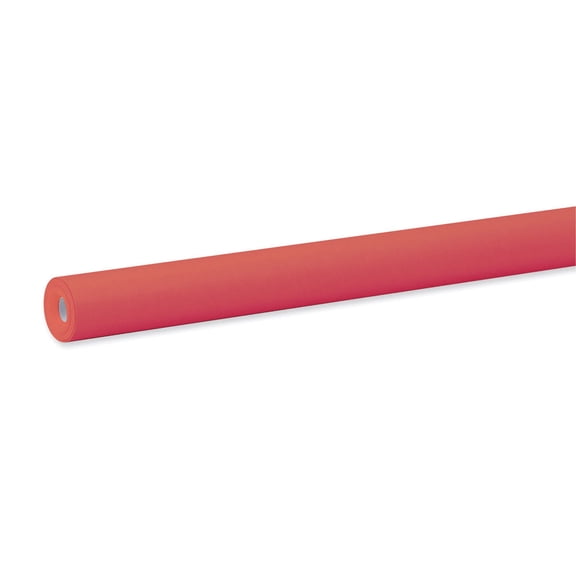 Fadeless Paper Roll, 50lb, 48" X 50ft, Flame | Bundle of 5 Rolls$134.88current price $134.88
Fadeless Paper Roll, 50lb, 48" X 50ft, Nile Green | Bundle of 2 Rolls
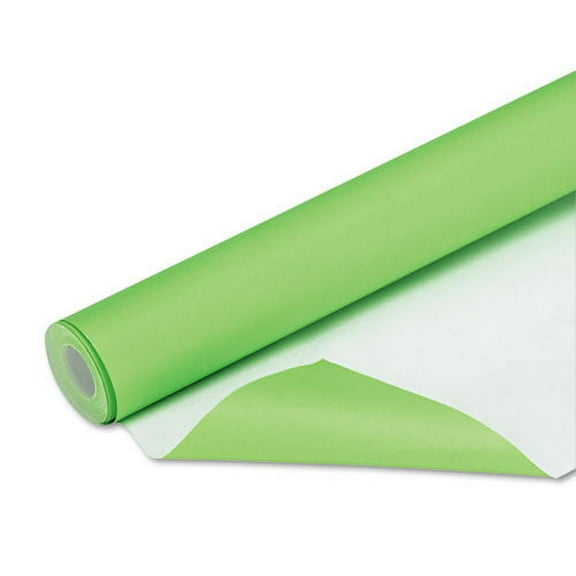 Fadeless Paper Roll, 50lb, 48" X 50ft, Nile Green | Bundle of 2 Rolls$63.50current price $63.50
Prang Multicultural Construction Paper - Art, Craft - 12"Width x 9"Length - 50 / Pack - Assorted | Bundle of 2 Packs
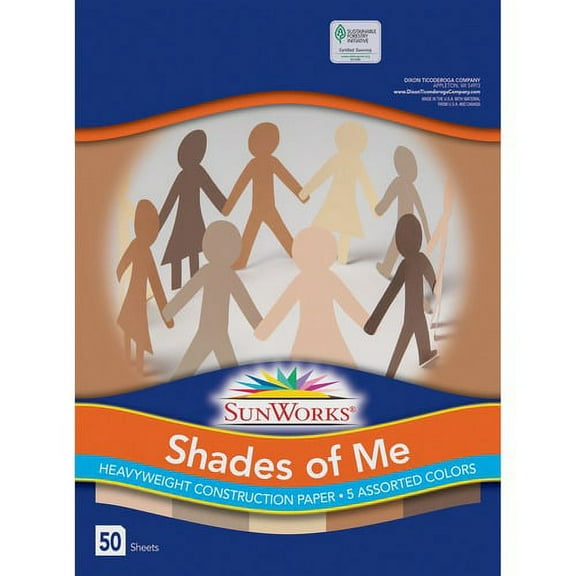 Prang Multicultural Construction Paper - Art, Craft - 12"Width x 9"Length - 50 / Pack - Assorted | Bundle of 2 Packs$20.42current price $20.42
Pacon Fadeless Art Paper Roll, 48 in x 12 in, Azure
 Pacon Fadeless Art Paper Roll, 48 in x 12 in, Azure$19.99current price $19.99
Fadeless Paper Roll, 50lb, 48" X 50ft, Brown | Bundle of 2 Rolls
 Fadeless Paper Roll, 50lb, 48" X 50ft, Brown | Bundle of 2 Rolls$62.05current price $62.05
Paclord 18" x 1200" (100 ft) Black Construction Paper Roll, 45 lbs Thickness – Made in USA Construction Kraft Paper Roll for School Projects – Drawing Paper for Kids Arts & Crafts, Decorations
Paclord 18" x 1200" (100 ft) Black Construction Paper Roll, 45 lbs Thickness – Made in USA Construction Kraft Paper Roll for School Projects – Drawing Paper for Kids Arts & Crafts, Decorations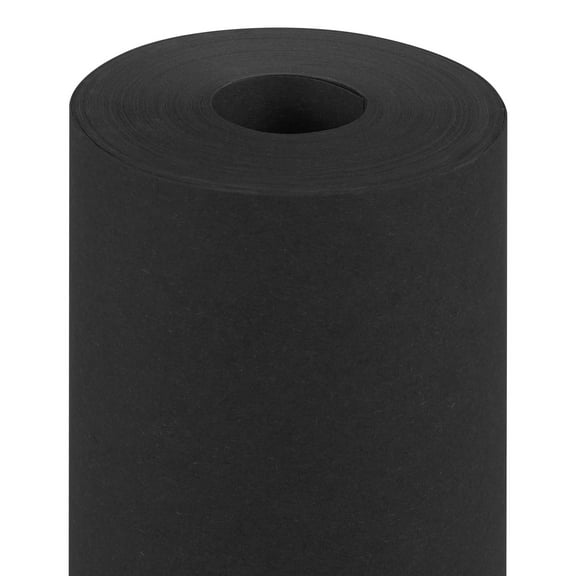
Paclord 24" x 1200" (100 ft) Green Construction Paper Roll, 45 lbs Thickness – Made in USA Construction Kraft Paper Roll for School Projects – Colored Paper for Arts & Crafts, Decorations
Paclord 24" x 1200" (100 ft) Green Construction Paper Roll, 45 lbs Thickness – Made in USA Construction Kraft Paper Roll for School Projects – Colored Paper for Arts & Crafts, Decorations
Pacon Fadeless Art Paper Roll, 48 in x 12 in, Black
 Pacon Fadeless Art Paper Roll, 48 in x 12 in, Black$16.00current price $16.00
SunWorks Construction Paper Art Classes - 0.40" x 18"12" - 50 / Pack - Dark Brown
 SunWorks Construction Paper Art Classes - 0.40" x 18"12" - 50 / Pack - Dark Brown$4.95current price $4.95
Fadeless Paper Roll, 50 lb Bond Weight, 48" x 50 ft, Black | Bundle of 10 Rolls
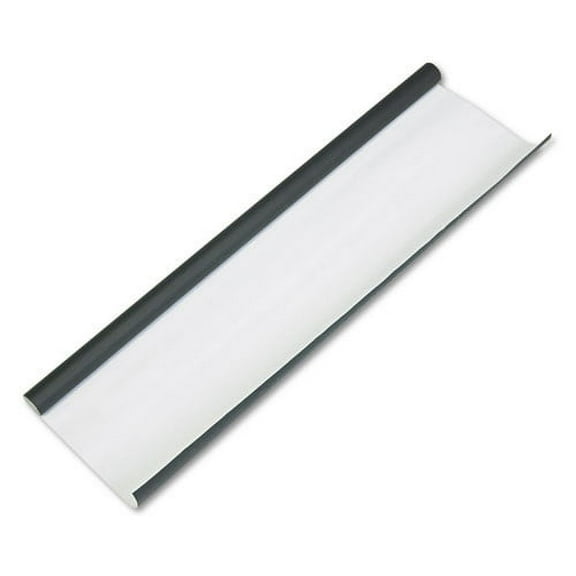 Fadeless Paper Roll, 50 lb Bond Weight, 48" x 50 ft, Black | Bundle of 10 Rolls$277.00current price $277.00