



Folding Wagons in Camping Furniture






















About Folding Wagons in Camping Furniture - Walmart.com
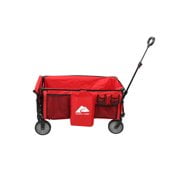
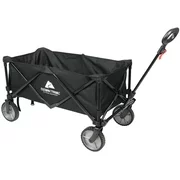
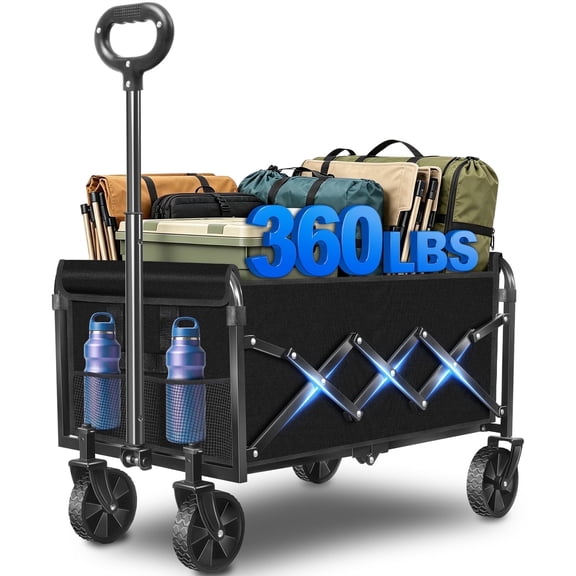
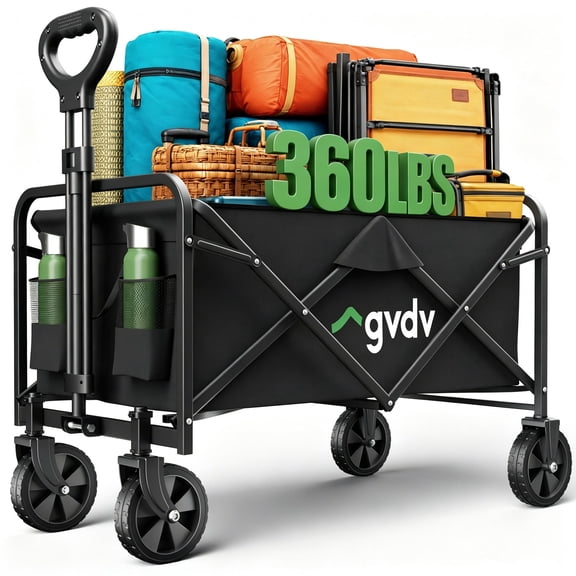
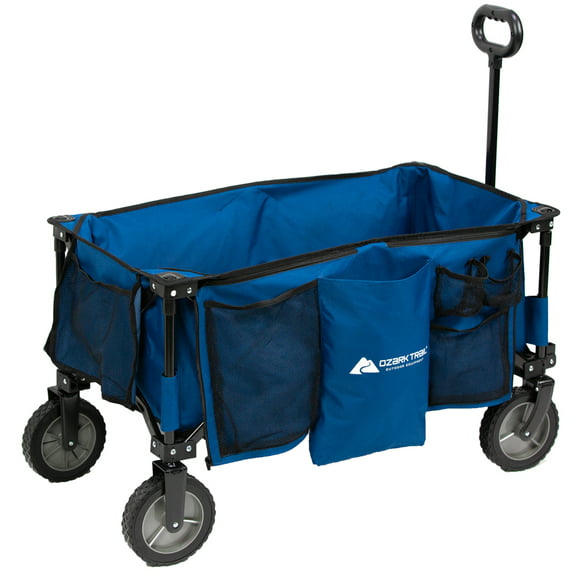
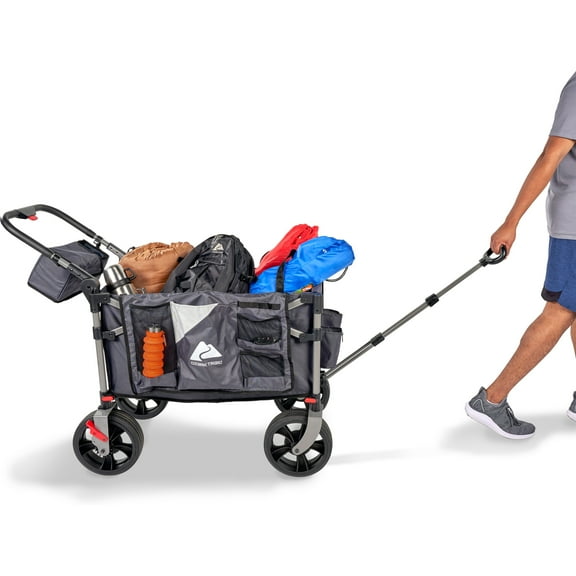
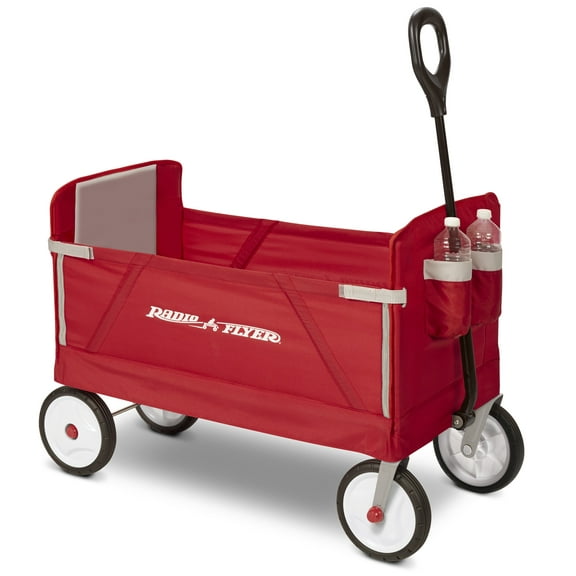
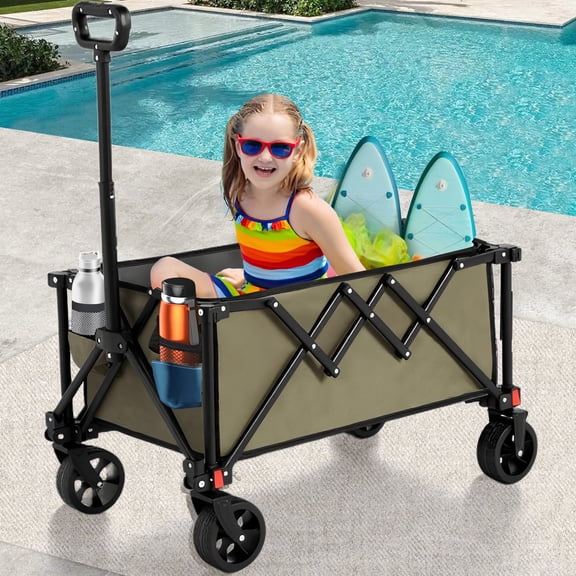
Folding wagons help you move camping gear, beach essentials, and picnic supplies with less lifting and fewer trips. You can compare wheel types, frame materials, canopy options, and fold-flat designs to match how you pack.
If you need a cart that stores easily after your outing, folding wagons fit that routine well. You’ll also find options built for sandy paths, paved lots, campsites, and sidelines.
How to choose folding wagons for your plans
Start with weight capacity, because you’ll want your wagon to match what you actually carry. If you pack chairs, coolers, and tents, you may need more support than a light picnic setup.
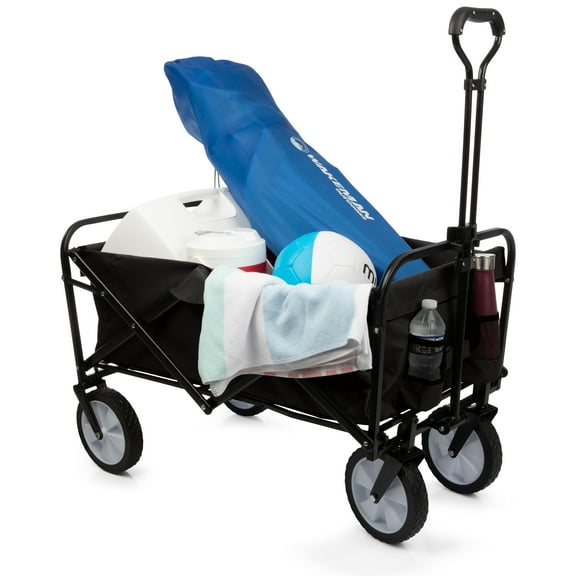
You can use 150 lbs models for lighter loads like towels, snacks, and small bags. You may prefer 220 lbs or 300 lbs heavy duty options for bulkier gear and longer event days.
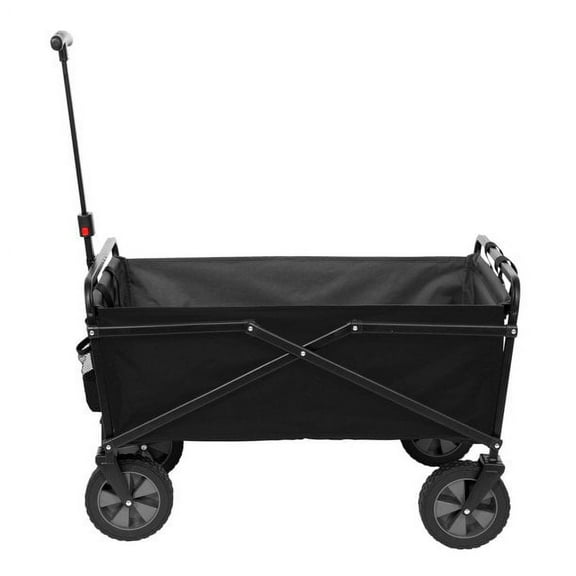
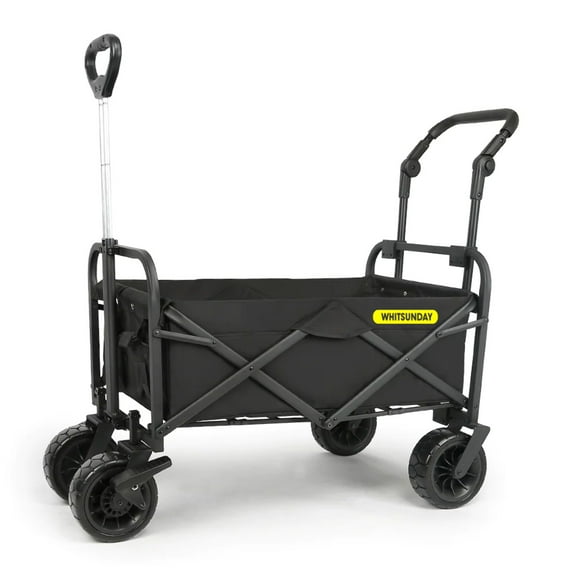
Frame material also changes how your wagon feels in use. You’ll often see steel frames when you want a sturdier heavy duty folding wagon, while aluminum frames can feel easier to lift.
Storage size matters when you load your trunk, closet, or garage shelf. You should compare folded dimensions and handle placement if you want a folding cart that tucks away neatly.
- You can choose lighter capacities for quick park trips and light household hauling.
- You can choose heavier capacities when your cooler, canopy, and camp gear add extra bulk.
- You can compare steel and aluminum frames based on carrying strength and lift feel.
- You can check folded size if your trunk space or apartment storage is tight.
Choosing a collapsible wagon by wheel type
Wheel design can change how easily you roll across your usual surfaces. You should compare standard plastic wheels, all-terrain wheels, and sand wheels before you decide.
Standard plastic wheels can work well when you mostly roll over pavement, sidewalks, and smooth parking lots. You may like them when you want simple transport for sports practice or neighborhood events.
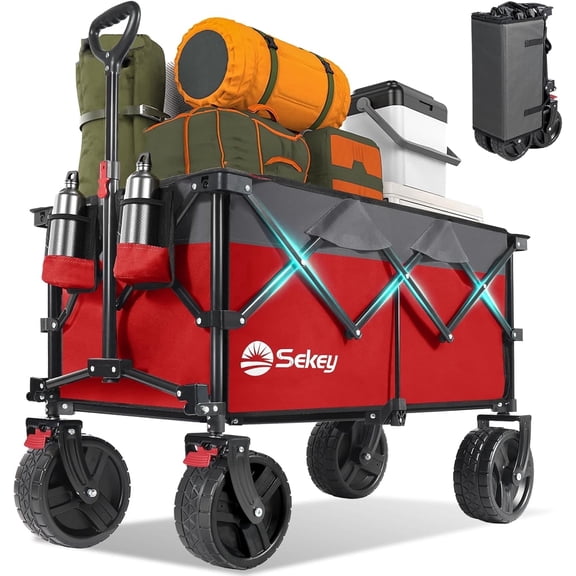
All-terrain wheels help you handle rougher ground like grass, gravel, and uneven campsite paths. You should look at tread width because wider contact can feel steadier over loose surfaces.
If you want a folding wagon for beach outings, sand wheels deserve close attention. You’ll usually want wider wheels that spread weight more evenly and sink less in soft sand.
Bearing type is also worth comparing when you move heavier loads often. You may notice smoother rolling and easier pulling when wheel construction supports frequent use on mixed terrain.
What to look for in a heavy duty folding wagon
A heavy duty folding wagon makes sense when you carry larger coolers, multiple chairs, or bulky camping supplies. You should match the rated capacity to your real load, not just your occasional load.
Steel frames often appeal when you want a more robust utility wagon for repeated hauling. Aluminum frames can still support everyday use while helping you lift the folded wagon more comfortably.
You should also compare handle shape and pull control for longer walks. If you cross parking lots or campgrounds, a comfortable grip can make loaded trips feel easier.
Fabric walls, reinforced bases, and deeper wagon beds also affect how you pack. You may want extra depth when you carry odd-shaped gear that shifts during movement.
When you compare a collapsible wagon, check how the frame folds and locks. You’ll want a mechanism that feels straightforward when your hands are full and your setup time is short.
Deciding on a folding wagon with canopy
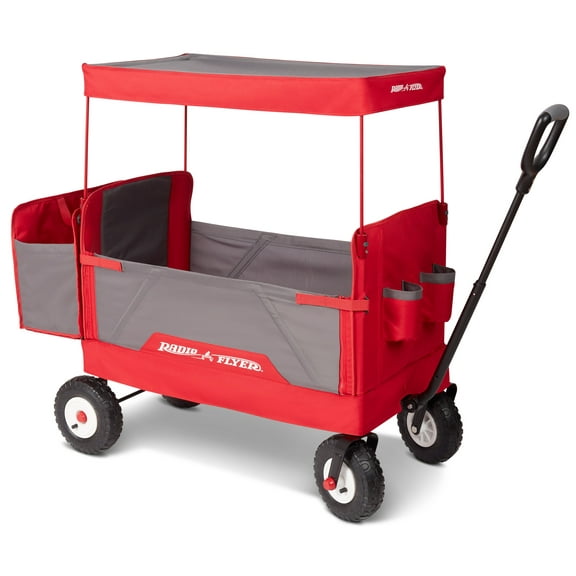
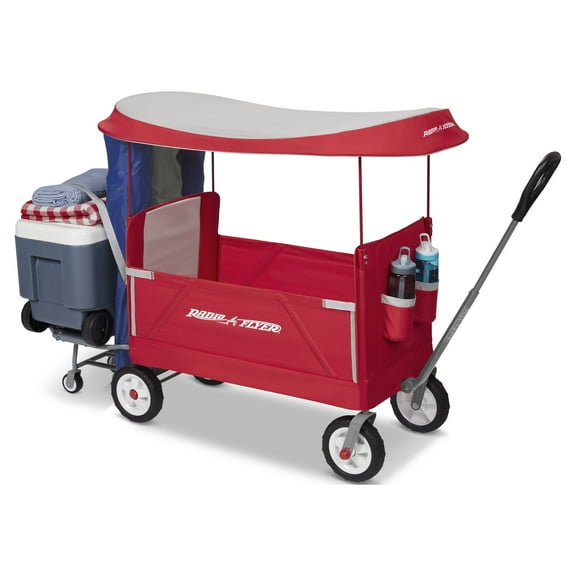
A folding wagon with canopy can make sense when you spend long hours outdoors. You may want that added coverage for beach days, sidelines, festivals, or campground afternoons.
Removable canopy designs give you more flexibility across changing weather and different loads. You can attach coverage when you want it, then remove it when you need open access.
No-canopy options may work better when you stack taller gear or prefer a lighter setup. You should think about whether your usual trips involve open sun, light drizzle, or quick loading.
You’ll also want to consider how a canopy affects storage and packing. Some covered models may need extra room when folded, so you should measure your trunk before choosing.
Using folding wagons for camping, beach days, and everyday hauling
You can use a camping wagon to move sleeping bags, lanterns, cookware, and folding chairs from car to site. If your path includes dirt or gravel, all-terrain wheels may make that trip smoother.
For beach use, you should focus on wider sand wheels and easy-clean fabric surfaces. You may also want a folding wagon with canopy when your outing includes long hours by the water.
You can rely on a utility wagon for farmers market runs, sports sidelines, and outdoor concerts. If you carry drinks, blankets, and bags together, deeper beds can help you stay organized.
At home, you might use a folding cart for gardening tools, party supplies, or holiday gear. You’ll appreciate a fold-flat design when you need quick storage between uses.
When you compare combinations, match higher capacity with rough-terrain wheels for larger camp loads. You can pair lighter frames and standard wheels when your route stays mostly smooth and paved.
That practical approach helps you narrow choices without guessing. You’ll end up with folding wagons that fit your terrain, storage space, and packing habits more closely.
You can shop this category confidently when you compare capacity, wheels, canopy options, and frame material together. That approach helps you choose a wagon that rolls where you go and folds away cleanly.