



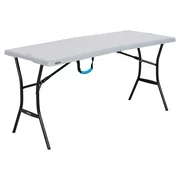
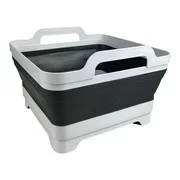
Camping Tables in Camping Furniture


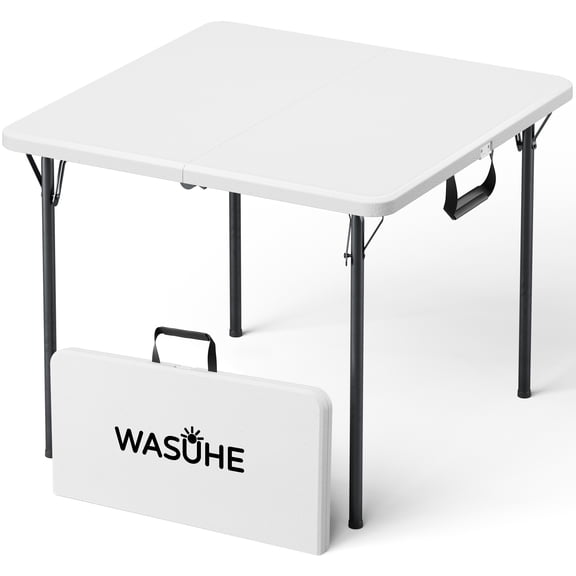
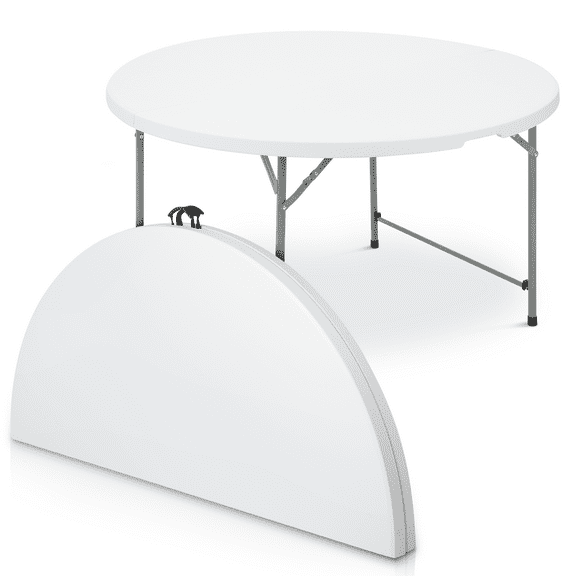
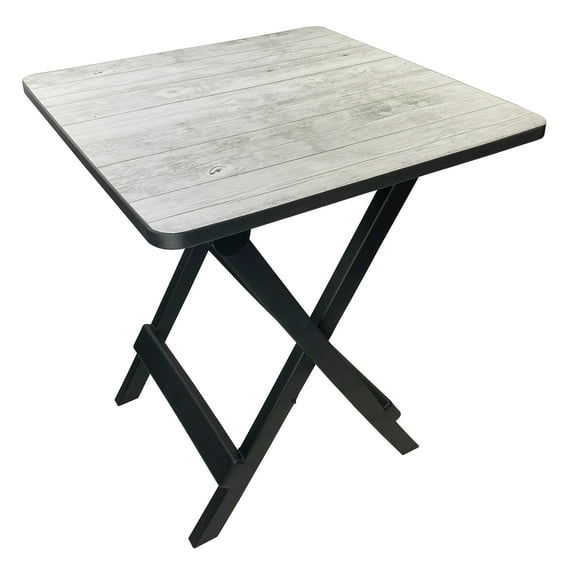







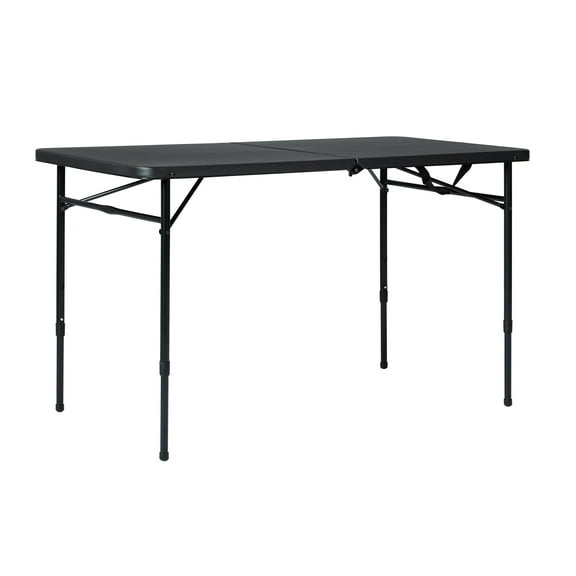


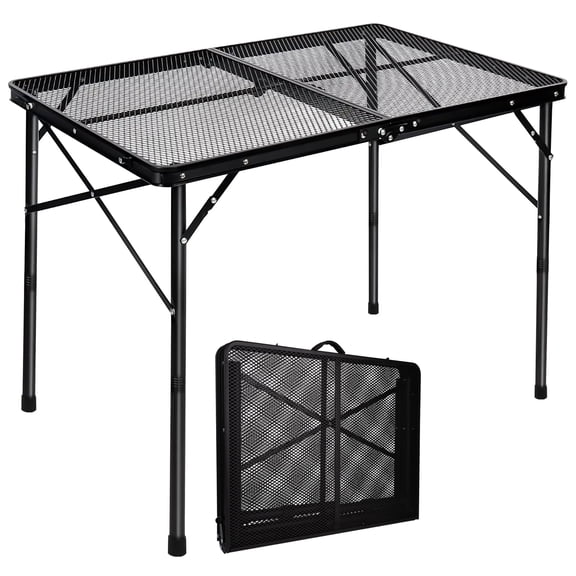
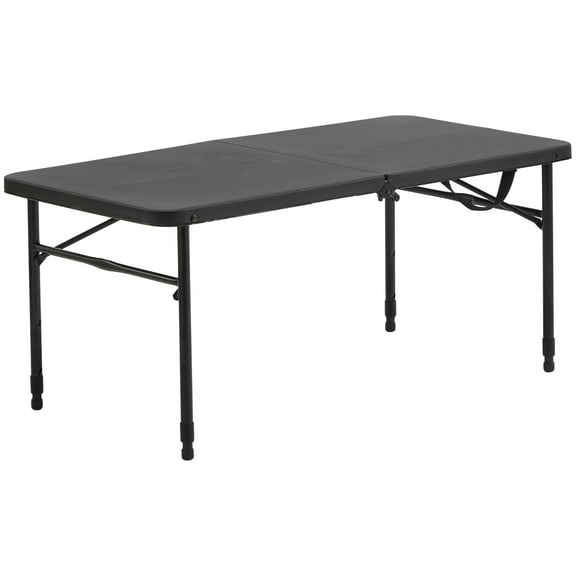


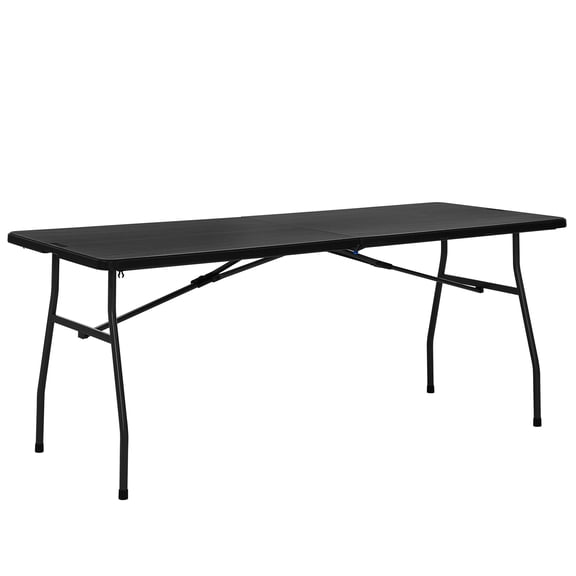




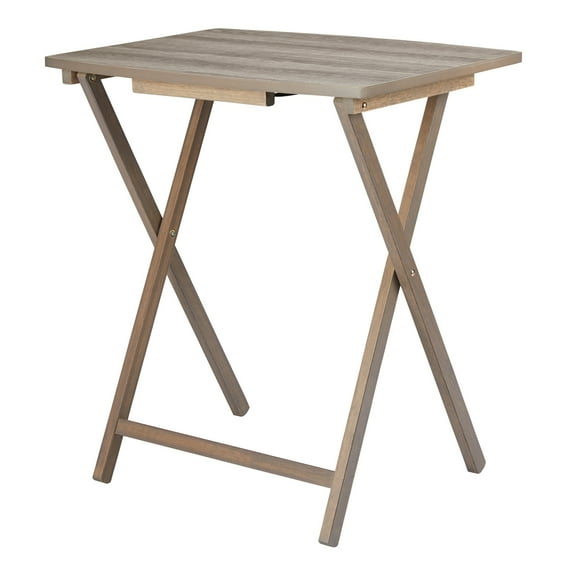


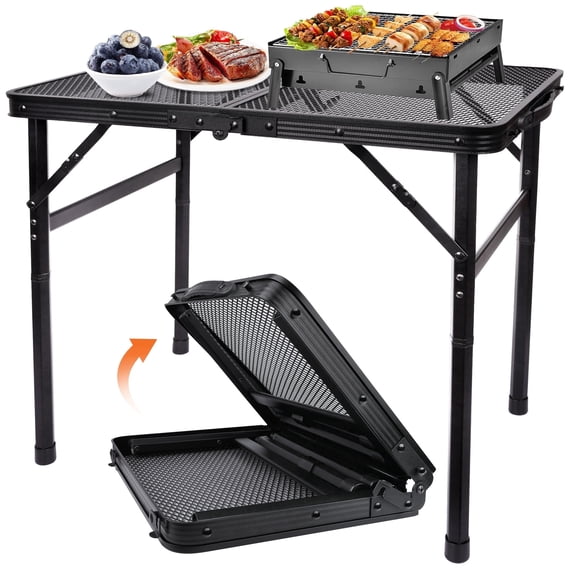
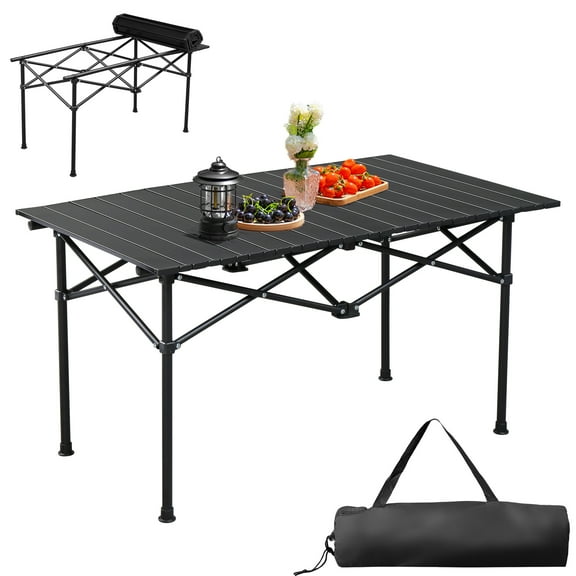
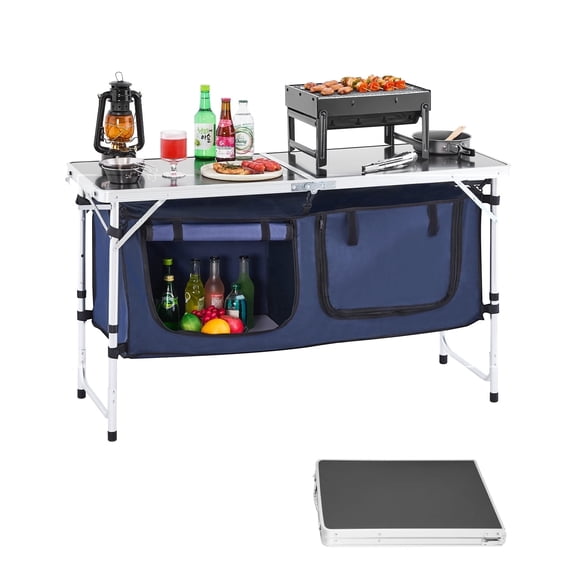













About Camping Tables in Camping Furniture - Walmart.com
Camping tables help you create a stable spot for meals, prep, and gear at camp. You can compare folding designs, roll-up tops, and packable frames that fit your trip style.
How to choose camping tables for your setup
When you shop camping tables, you should start with how you travel and how much room you have. You may want a portable camping table for quick weekend trips or a larger surface for family campsites.
If you drive to camp, you can consider wider tops and higher weight limits for stoves, bins, and serving pieces. If you hike farther in, you may prefer a small camping table with compact folded dimensions.
You can narrow your options faster when you compare the main benefits side by side. You should look for the mix of carrying ease, setup speed, and surface space that fits your plans.
- You get a raised surface for cooking tools, plates, lanterns, and card games.
- You can keep camp items organized instead of spreading them across coolers or the ground.
- You may notice folding and roll-up designs pack down neatly in your vehicle or gear closet.
- You can choose heights and sizes that fit dining, food prep, or side-table use.
Choosing the right portable camping table
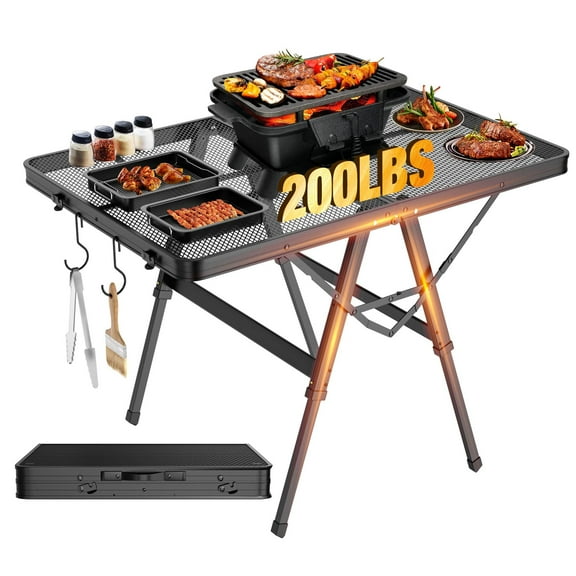
You should compare portability with weight capacity before anything else. You may want a folding camping table that carries easily, but still holds cookware, drinks, or a camp stove.
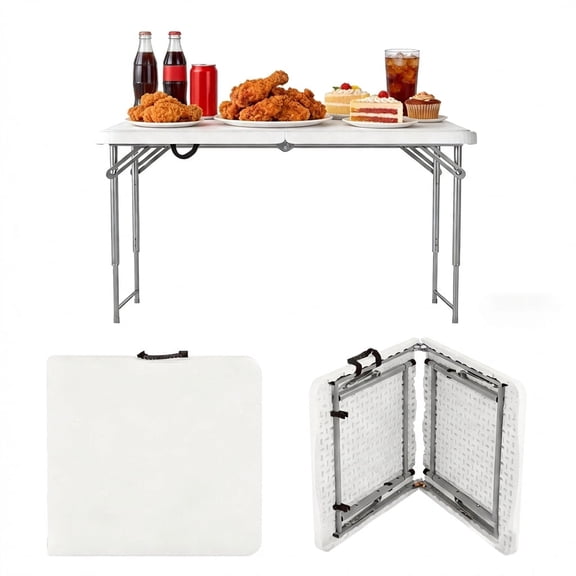
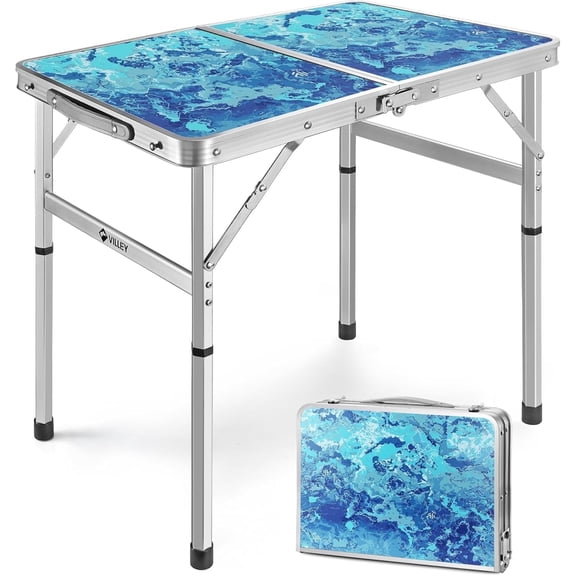
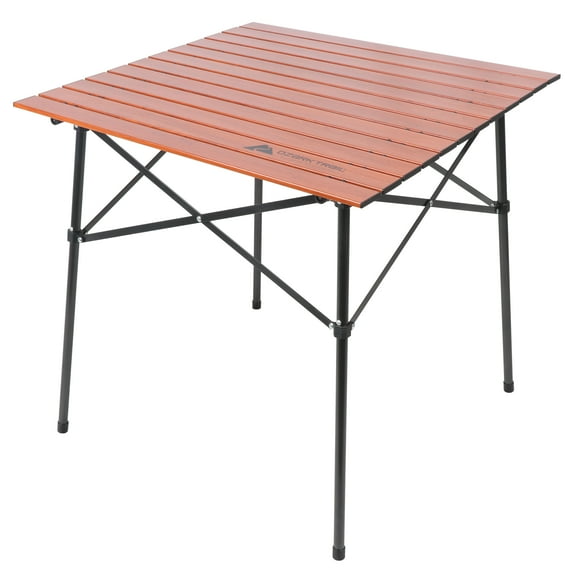
Folded dimensions matter when you pack a full trunk or shared cargo area. You can often fit a suitcase-style table flat in your vehicle, while a roll up camping table may slide beside longer gear.
Weight limits in pounds help you match the table to your actual use. You should check whether you need a light surface for snacks or a sturdier top for cooking equipment.
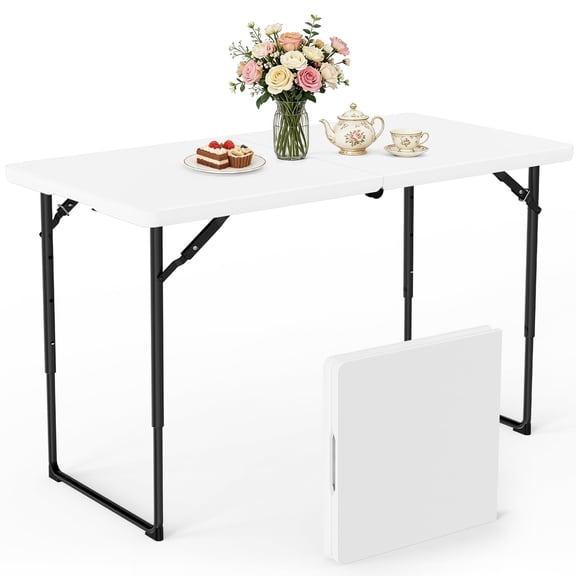
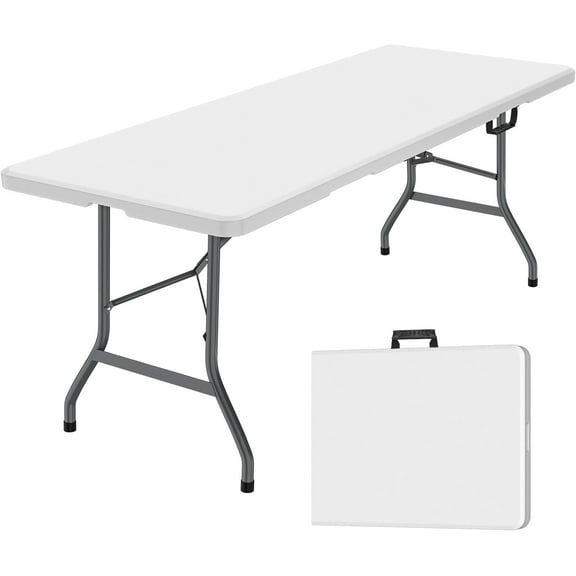
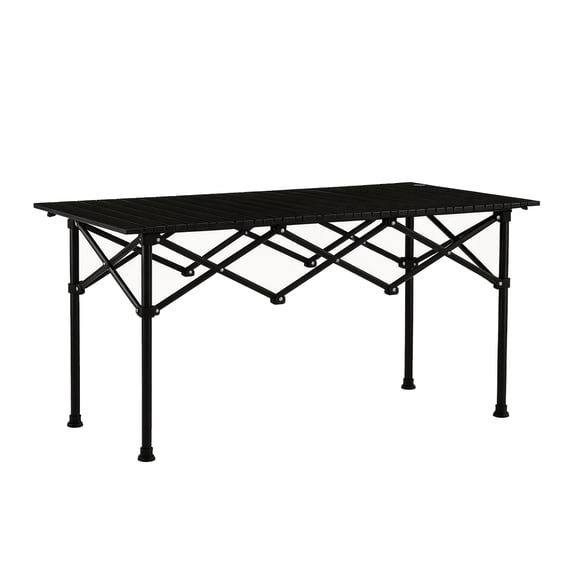
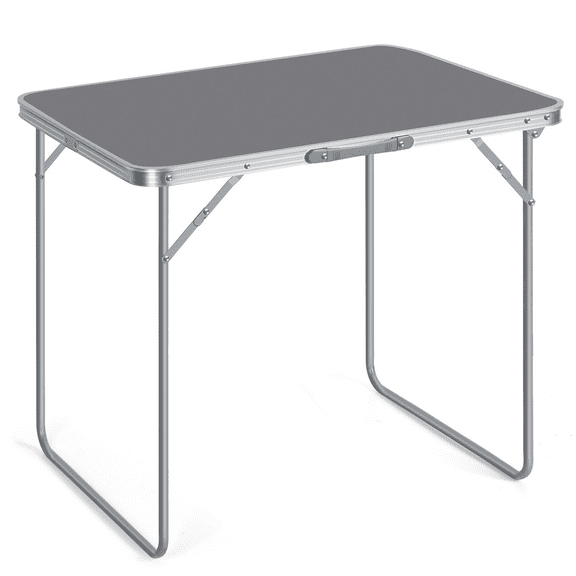
Setup style also changes how your campsite works. You may prefer a top that folds in half for quick unloading, or slat-style pieces that roll out for compact storage.
Comparing materials in camping tables
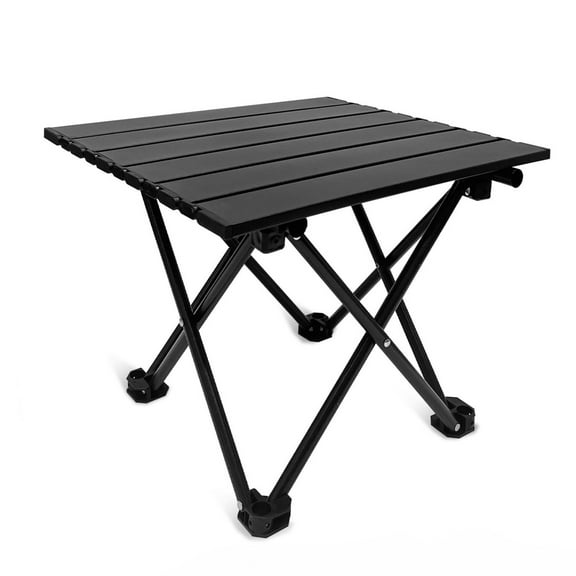
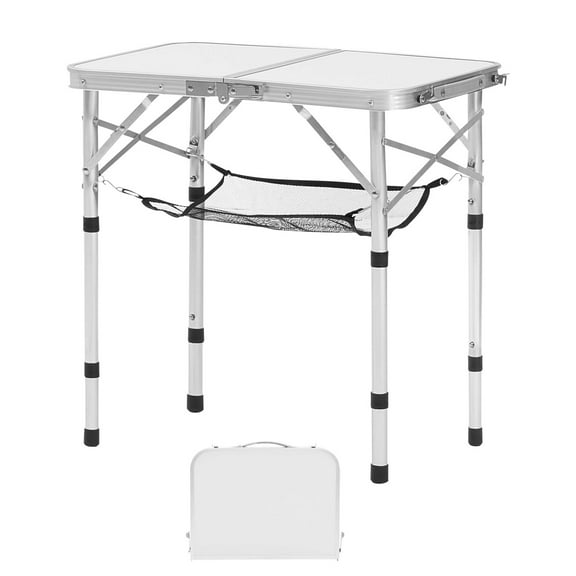
You should look at material first if you camp often in changing weather. An aluminum camping table usually feels lighter to carry, and you may find it easier to wipe clean after meals.
Aluminum also makes sense when you want a frame that handles damp conditions with less fuss. You can use it around morning dew or light rain exposure with practical everyday convenience.
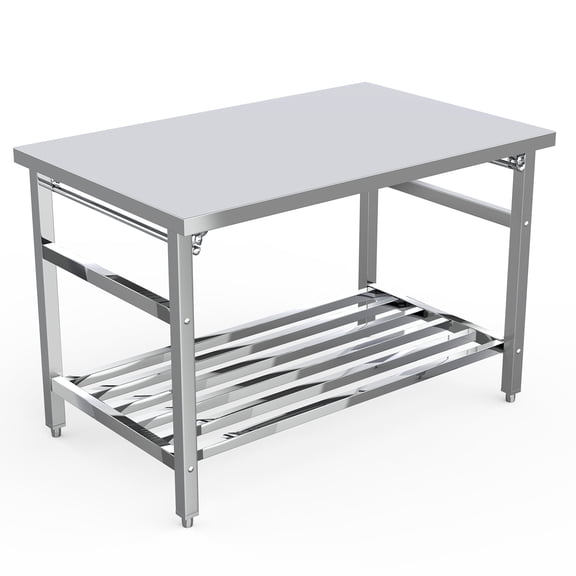
Steel frames can give you extra steadiness when you place heavier items on top. You may like steel when your campsite setup stays close to your vehicle and packed weight matters less.
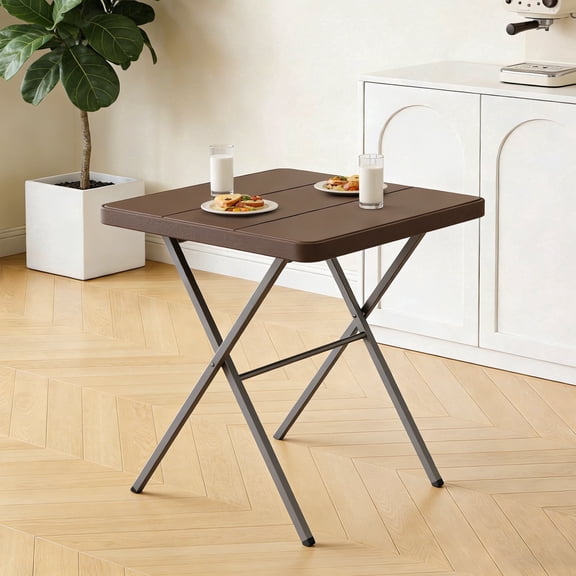
Plastic tops can work well when you want an easy-clean surface for family meals and crafts. Wood styles can give your campsite a warmer look, especially when you want dining gear that feels less utilitarian.
Choosing size, shape, and height
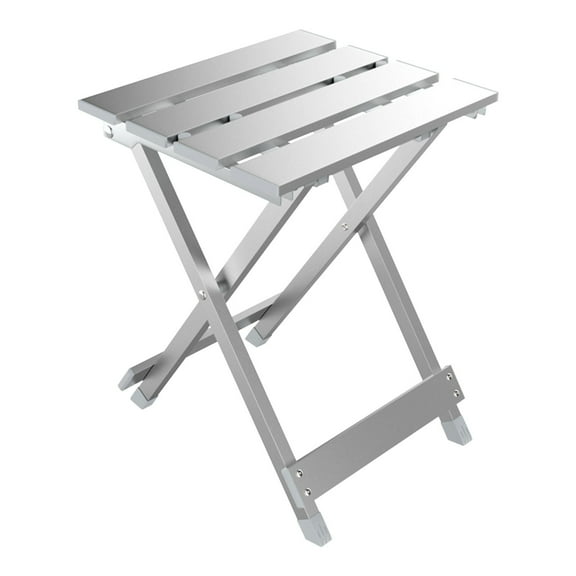
You should match the table size to the number of people who’ll use it. A small camping table works well for two chairs, simple meals, or a lamp beside your seating area.
If you host group meals, you may need a four-person or six-person surface. You can compare rectangular, square, and round shapes based on how you arrange your tent site or picnic area.
Rectangular tops usually give you more usable edge space for plates and prep items. Square and round tables can help you fit tighter corners or create a more social layout.
Height matters just as much as width. You should check whether you want standard dining height for chairs, or a lower table height for lounging, drinks, and relaxed seating.
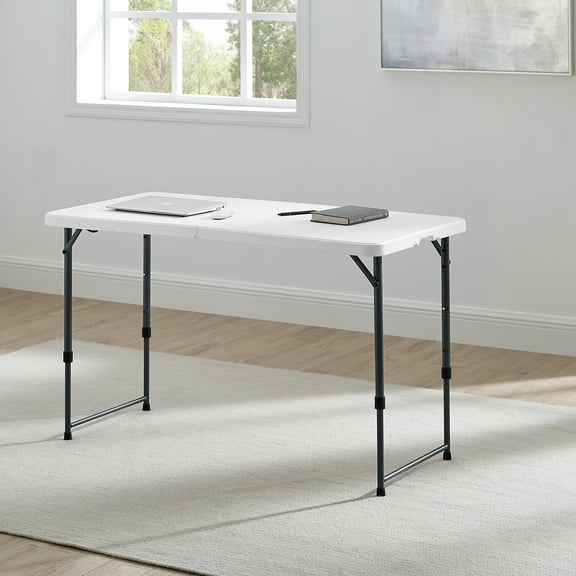
Adjustable height gives you more flexibility across different trips. You can raise the surface for meals, then lower it when you want a coffee-table feel at the campsite.
Matching camping tables to real outdoor use
You should think about your main use case before you choose a frame and top style. A car camping setup often works well with an outdoor folding table that offers more surface area.
For backpacking, you may want a lighter design with a compact carry bag and narrow folded profile. You can keep your load easier to manage when every pound and inch matters.
If you tailgate often, you may prefer a portable camping table with fast setup and easy cleanup. You can use it for serving food, holding small appliances, or keeping drinks and paper goods organized.
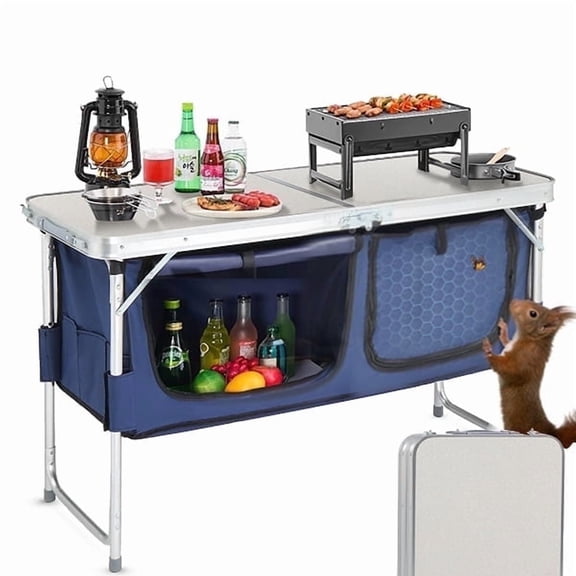
A camp kitchen table makes sense when you want separate space for prep tools and cookware. You can keep utensils, burners, and ingredients off the ground and easier to reach during meals.
Dining-focused setups call for enough legroom, a stable top, and chair-friendly height. You should measure your seating plan so everyone has room for plates, cups, and shared dishes.
When you compare camping tables by portability, material, size, and use, you can choose with more confidence. You can find a table that fits your gear, supports your setup, and keeps camp tasks simpler.