


Find bulbs that fit
Let’s search for bulbs that fit your vehicle.Tail Light Bulbs for Cars & Trucks
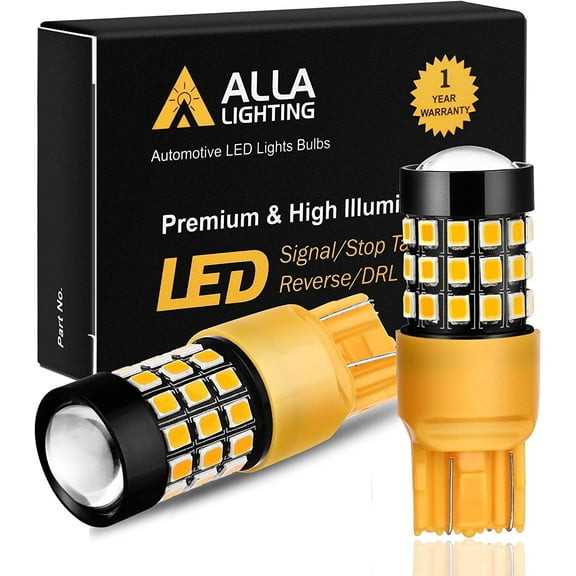

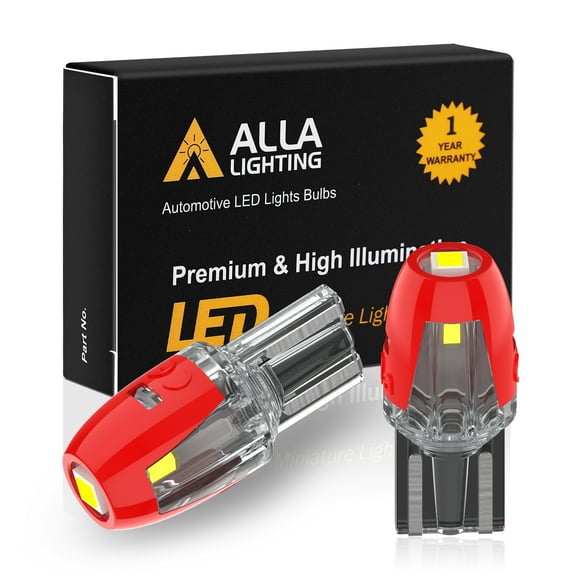


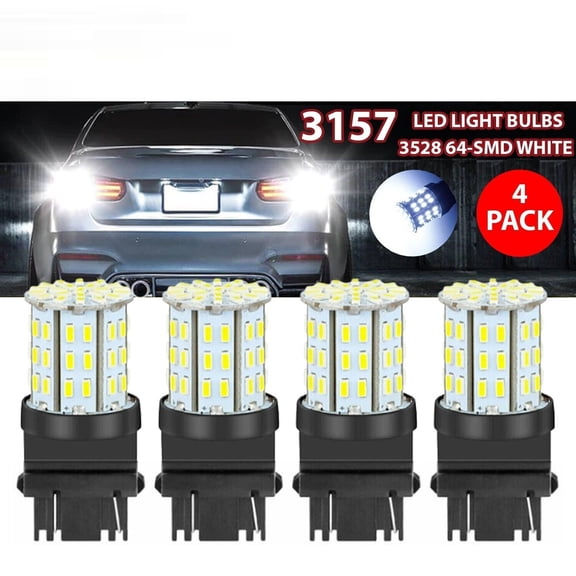
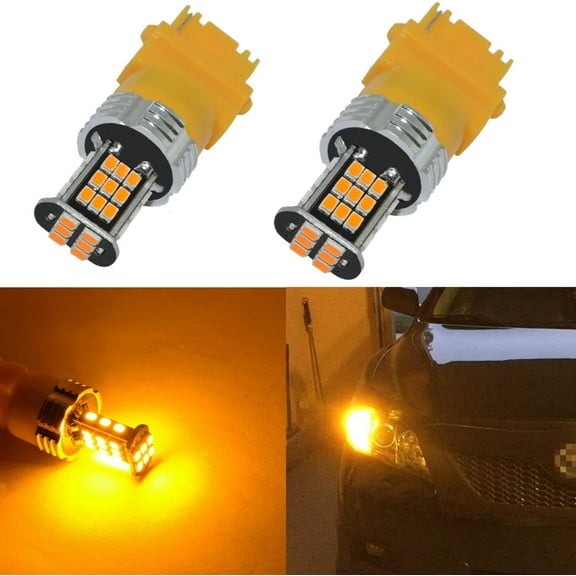
















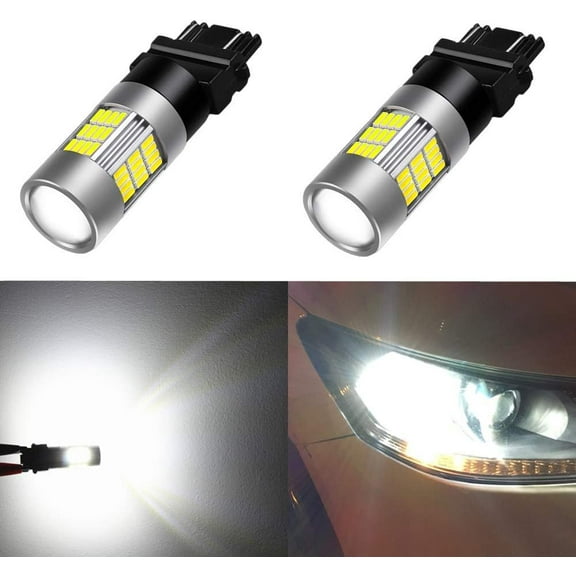


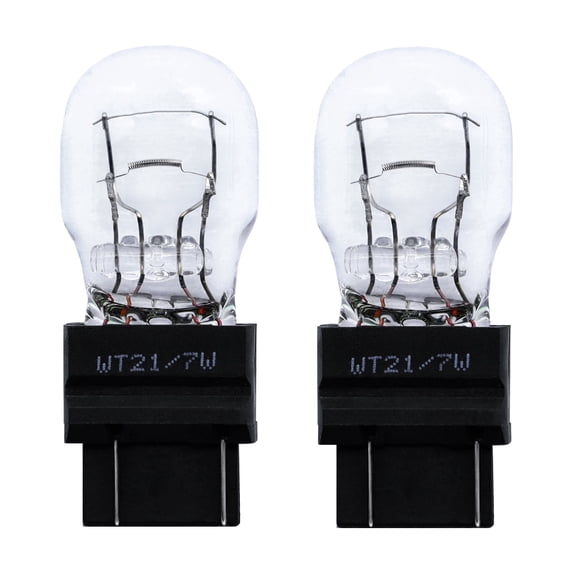
About Tail Light Bulbs for Cars & Trucks - Walmart.com
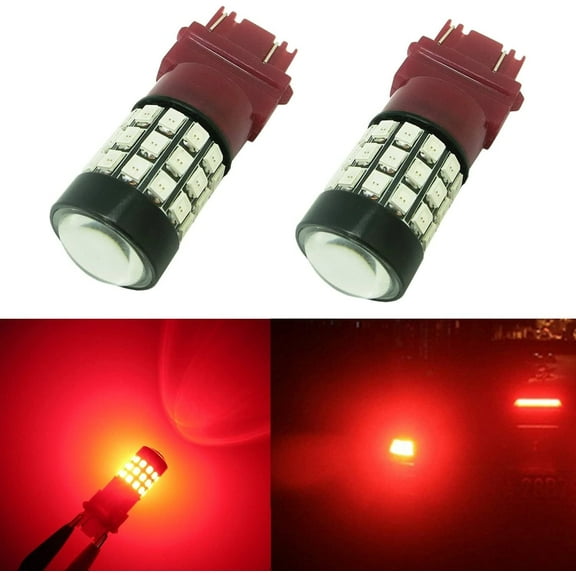
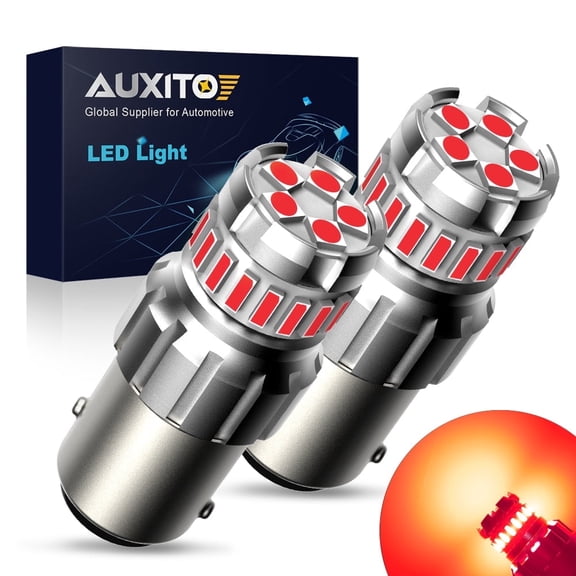
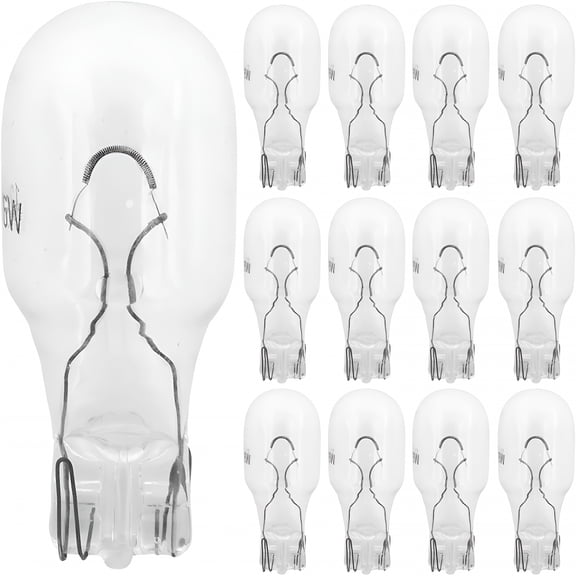
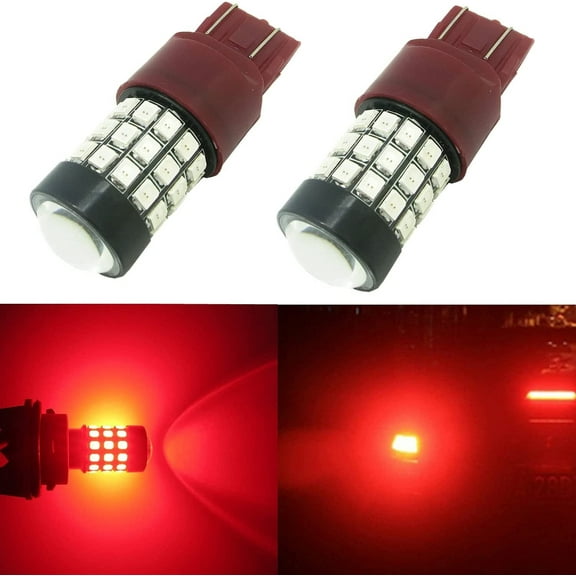
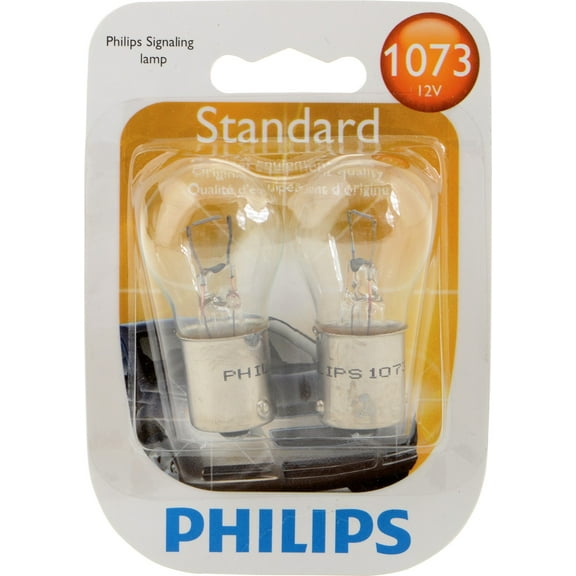
Tail light bulbs help you restore clear rear lighting fast, and you can narrow your choice by size, technology, filament type, and lens color. You’ll find automotive tail light bulbs for routine replacement, LED upgrades, and common fitment needs like 3157 and 1157 sockets.
If you’re replacing a burned-out bulb, you’ll want details that match your vehicle’s housing and wiring. You can compare vehicle specific options, universal replacements, and brake light bulbs without sorting through unrelated parts.
Choosing the right replacement tail light bulbs
When you compare replacement tail light bulbs, you should start with bulb size and fitment. You’ll usually need the exact part number listed in your owner’s manual or existing bulb base.
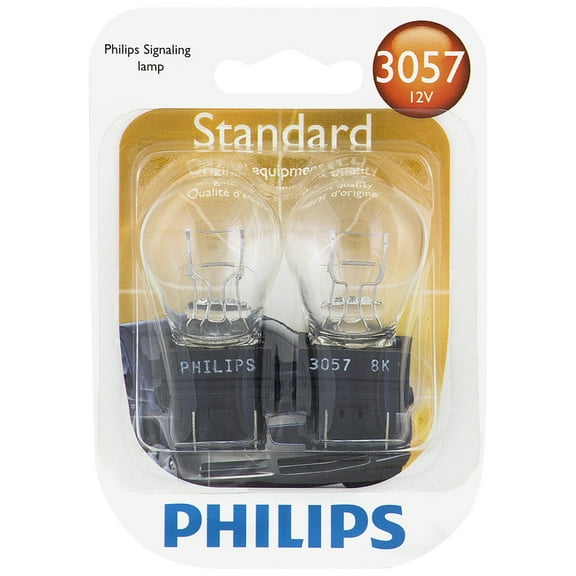
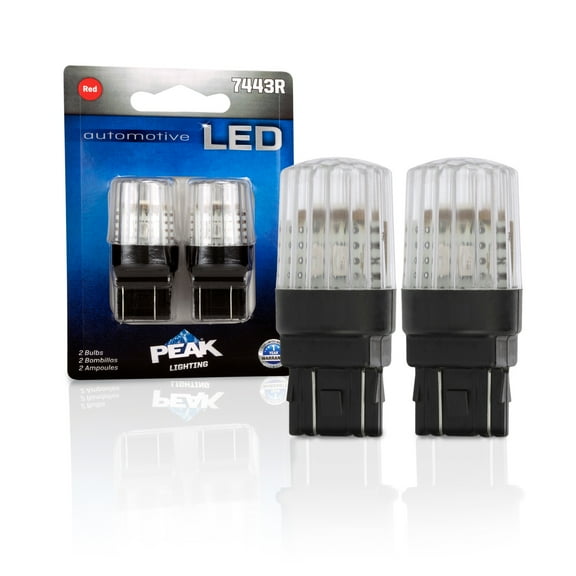
Common choices include the 3157 tail light bulb, 1157 tail light bulb, 7443, and 1156 formats. You’ll notice each number points to a different base, contact layout, and lighting function.
Vehicle compatibility matters because you need a bulb that fits the socket securely and lights correctly. You can choose vehicle specific options when you want a closer match for factory-style rear lighting.
- You can match part numbers like 3157, 1157, 7443, and 1156 to your socket design.
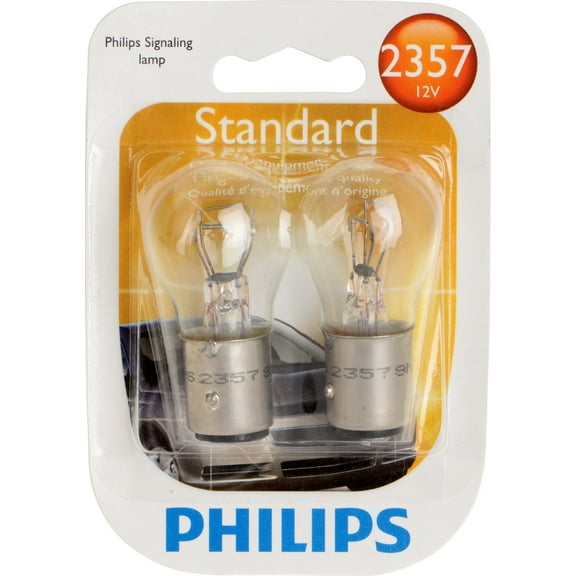
- You can compare dual filament and single filament bulbs based on your tail and brake light setup.
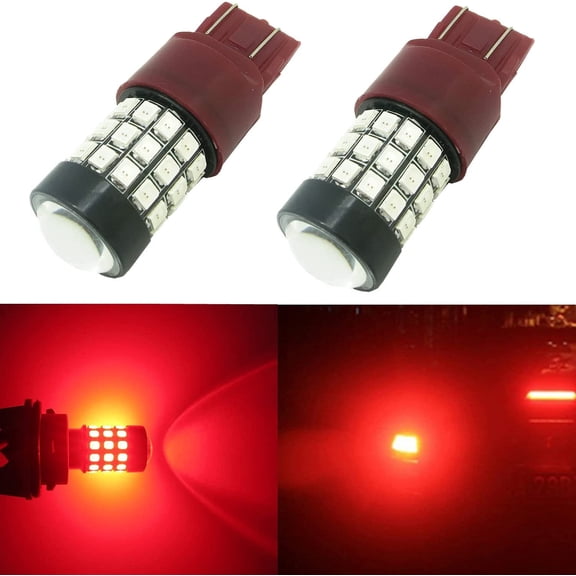
- You can check red, amber, or white output based on your lens housing and application.
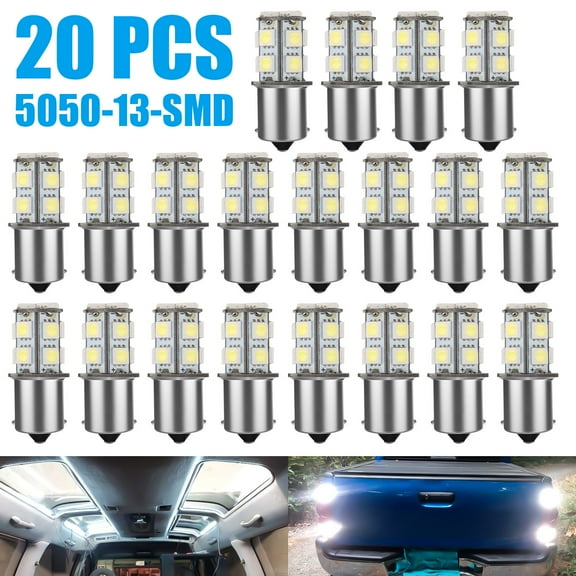
- You can choose LED, halogen, or incandescent technology based on the look and performance you prefer.
That buying process helps you avoid loose connections, dim output, or a bulb that won’t seat properly. You’ll save time when you confirm fitment before you replace both rear bulbs.
Comparing LED tail light bulbs and standard bulb technology
If you’re choosing between technologies, you should compare how each bulb type fits your driving needs. You’ll often see LED tail light bulbs, halogen bulbs, and incandescent bulbs across this category.
LED options can give you a crisp appearance and steady illumination in compatible housings. You’ll also notice they often draw less power than older bulb styles.
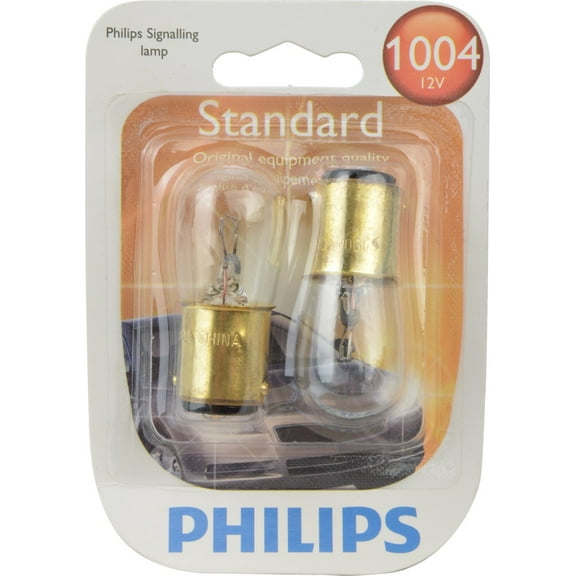
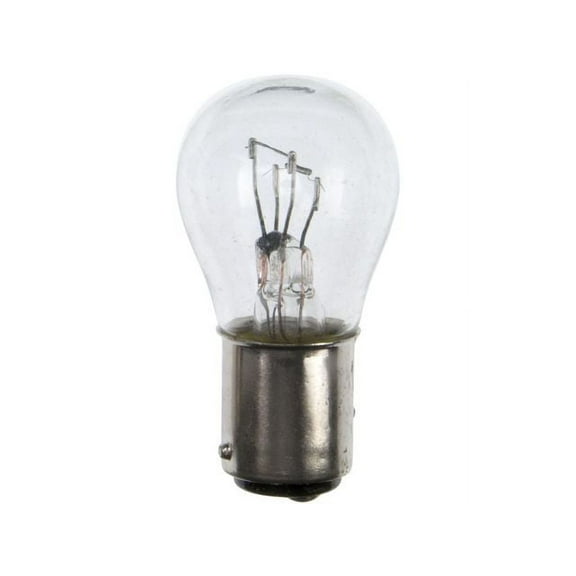
Halogen and incandescent choices can make sense when you want a straightforward replacement for a factory socket. You can often keep the original look of your rear lamps with these familiar formats.
Technology also affects how your bulbs pair with your vehicle’s electrical setup. You should check whether your application needs a simple plug-in replacement or a more specific LED-compatible option.
For many shoppers, the real decision comes down to upgrade versus like-for-like replacement. You can choose standard bulbs for factory-style function, or you can choose LED styles for a modern lighting update.
Understanding bulb size, filament type, and color
Bulb size is the first technical detail you should verify because the wrong base won’t fit your socket. You’ll commonly shop by 3157 tail light bulb or 1157 tail light bulb when replacing rear combination lamps.
Filament type is just as important because it controls how many lighting functions one bulb can handle. You’ll need a dual filament tail light bulb when one bulb serves both tail and brake light duties.
A single filament bulb usually supports one lighting function in a specific socket. You should compare your current bulb contacts and your vehicle guide before you choose.
Light color should match your housing design so your rear lamps display the intended color. You can use red tail light bulbs behind red lenses, while amber or white options may suit other rear applications.
If your vehicle uses a clear lens, you should pay close attention to bulb color output. You’ll get a cleaner match when your bulb color aligns with the lens and socket purpose.
How to match tail light bulbs to real driving needs
If you handle a quick driveway repair, you may want a direct replacement that matches your current part number. You can swap in the same 1156, 1157, 3157, or 7443 style with less guesswork.
When your rear lamp combines running light and brake light functions, you should look for a dual filament design. You’ll get the correct two-level illumination for that shared housing setup.
If you’re updating an older vehicle, you may compare halogen or incandescent bulbs with LED upgrades. You can keep a factory-style appearance or move toward a cleaner, more modern rear light look.
For trucks, cars, and SUVs with color-specific housings, you should compare red, amber, and white options carefully. You’ll avoid mismatched output when you pair bulb color with the lens design.
If you’re replacing both sides at once, you can create a more even rear lighting appearance. You’ll also make it easier to keep brightness and color output consistent across the vehicle.
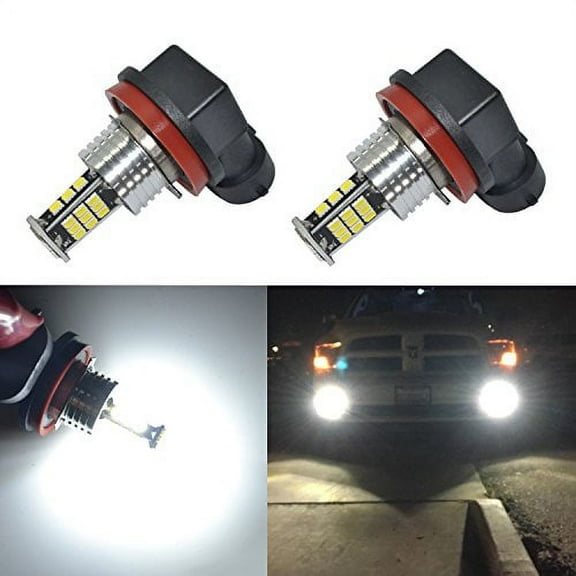
You may also shop tail light bulbs alongside headlight bulbs, turn signal bulbs, and car fuses during routine maintenance. You can cover several common lighting needs in one parts search.
What to look for before you finish your selection
Before you choose, you should confirm your bulb technology, part number, filament type, and color requirement. You’ll make a cleaner replacement when those four details match your vehicle’s rear lamp design.
With tail light bulbs, you’re not just replacing a small part. You’re restoring the exact fit, function, and rear light appearance your vehicle needs for everyday driving.