

Flashing Brake Lights in Brake Lights

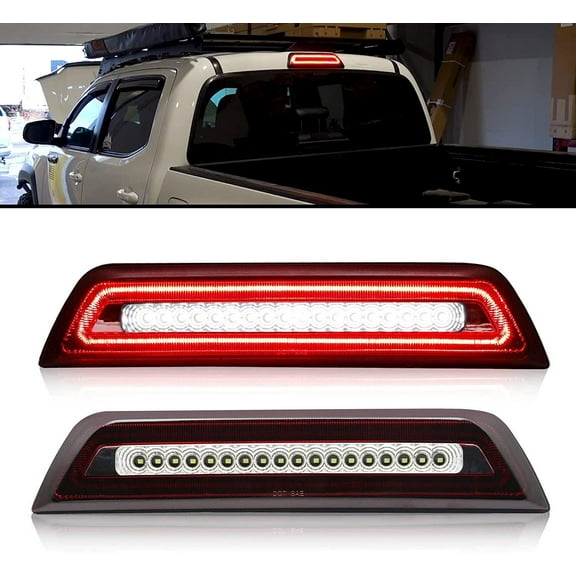
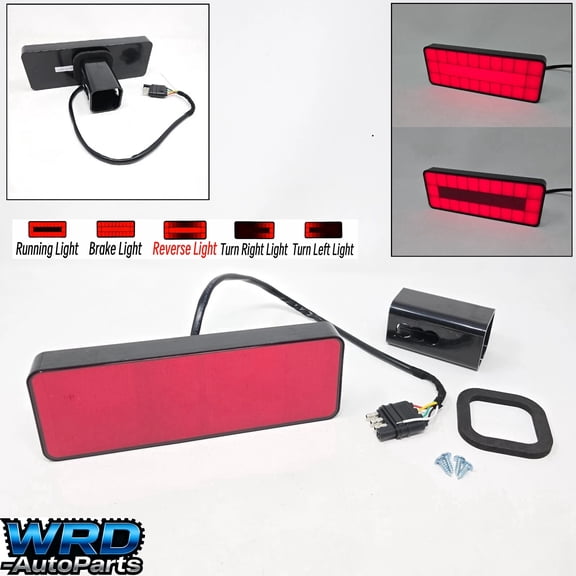
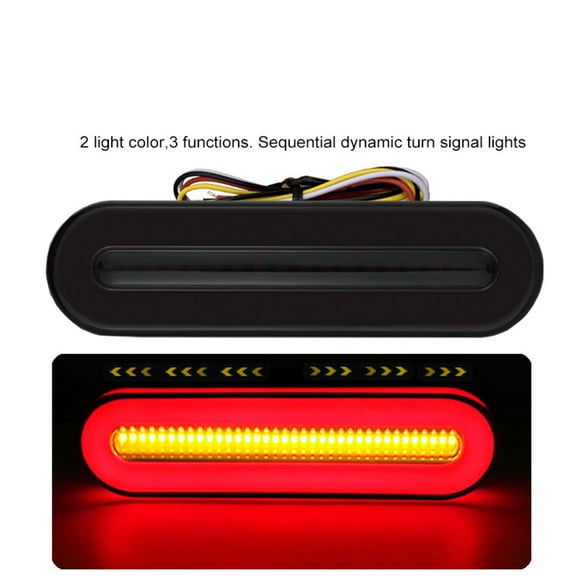
![Harley LED Brake Tail Light [F1-Style Flashing Blinker] [Sequential Turn Signals] [DOT] [Plug&Play] - License Running Tail Brake Light for Harley Davidson Sportster Dyna Fatboy Softail Road King Glide](https://i5.walmartimages.com/seo/Harley-LED-Brake-Tail-Light-F1-Style-Flashing-Blinker-Sequential-Turn-Signals-DOT-Plug-Play-License-Running-Tail-Brake-Light-Harley-Davidson-Sportste_704fe4eb-af19-43b1-a3fd-e50e33906bad.365f81f7c612f2449887b79dd5f0afe9.jpeg?odnHeight=576&odnWidth=576&odnBg=FFFFFF)








About Flashing Brake Lights in Brake Lights - Walmart.com
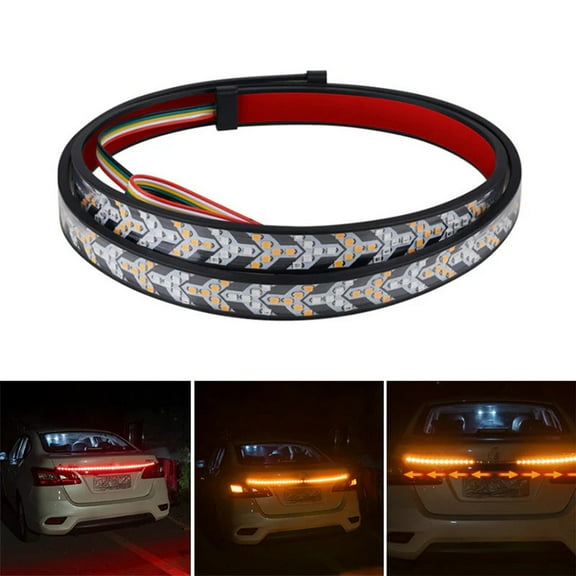
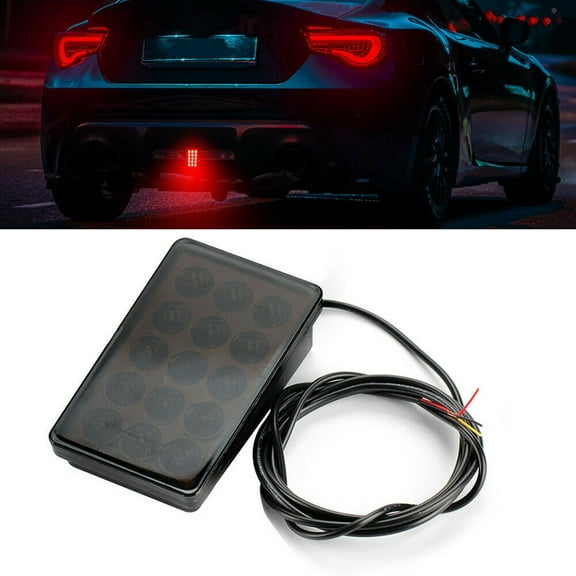
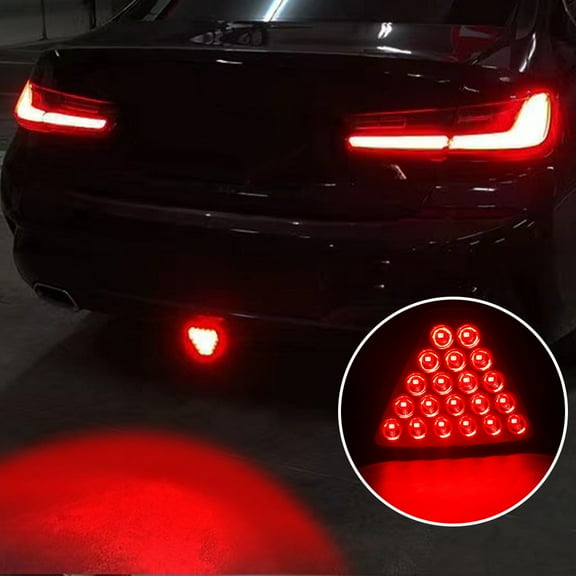
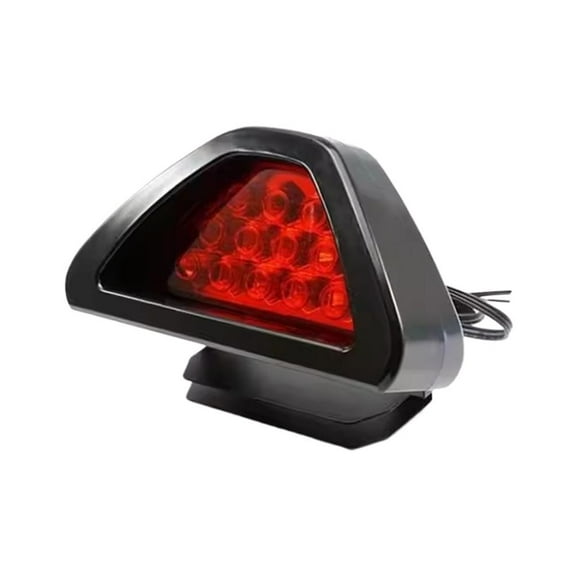
Flashing brake lights help you increase rear visibility during stops, and you can compare bulb types, fitment, and flash patterns before you choose. You’ll also find options for plug-and-play upgrades or controller modules that match your vehicle setup.
If you’re replacing a factory bulb or adding a signal controller, you’ll want details that fit automotive lighting, not generic accessories. You can use this guide to compare LED, halogen, and incandescent options, plus universal and vehicle-specific designs.
How to choose flashing brake lights
When you compare flashing brake lights, you should start with your vehicle’s socket size and housing style. You’ll often see fitment numbers like 1157, 3157, or 7443, and those numbers help you narrow compatible choices.
You should also compare how the light flashes when you press the brake pedal. You may prefer a brief pulse, a strobe sequence, or a multi-pattern design that changes the signal style.
- You can improve noticeability with a pulse or strobe pattern during braking.
- You can simplify setup by choosing plug-and-play bulbs or modules.
- You can match your vehicle with universal or vehicle-specific compatibility.
- You can select LED, halogen, or incandescent formats based on your housing.
For many drivers, LED flashing brake lights offer quick illumination and a crisp on-off pattern. If your vehicle uses traditional bulbs, you may also compare halogen or incandescent replacements that keep a familiar setup.
Choosing the right flashing brake light bulb
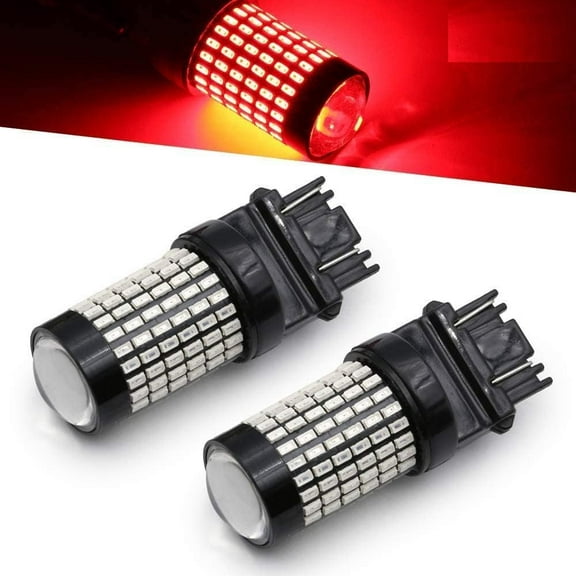
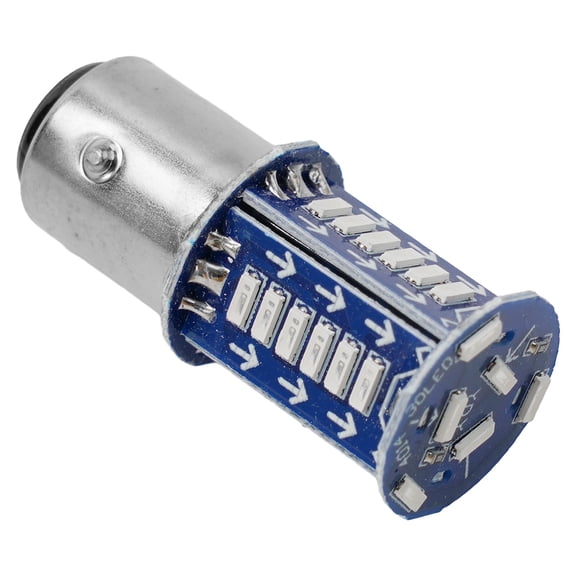
When you shop for a flashing brake light bulb, you should confirm socket size before anything else. You can check your owner’s manual or existing bulb markings for codes like 1157, 3157, and 7443.
LED bulbs usually appeal to you if you want a modern look and a distinct flash response. Halogen and incandescent choices may suit you if your housing was designed around a standard filament-style bulb.
You should also compare universal and vehicle-specific compatibility. A universal option may fit many setups, while a vehicle-specific part can help you match connectors and housing dimensions.
Color matters too, and you should choose a bulb or module that matches your rear light application. Red is common for brake use, while amber or white may appear in specialty setups or auxiliary lighting.
If you want an easy install flashing brake light, you should look for plug-and-play wording in the product details. You can usually install those options with less guesswork than parts that require splicing.
Comparing strobe brake light module options
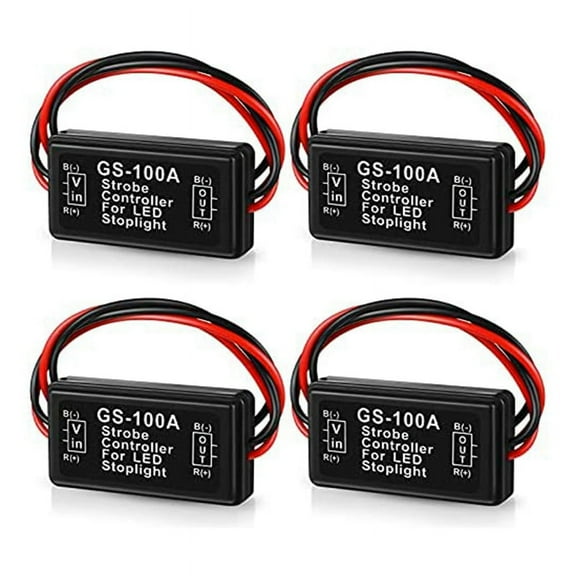
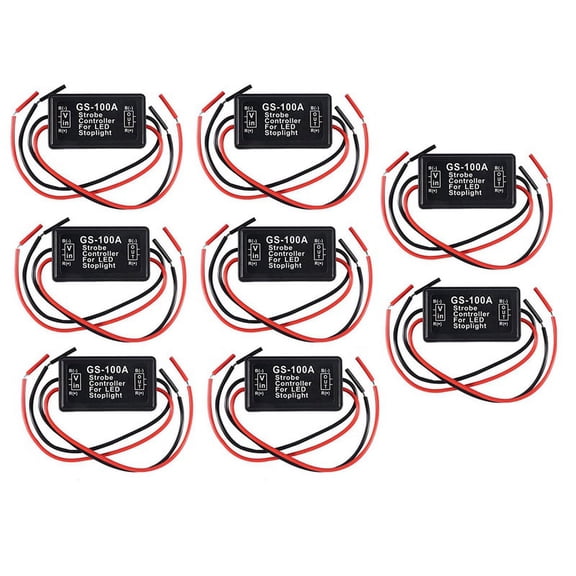
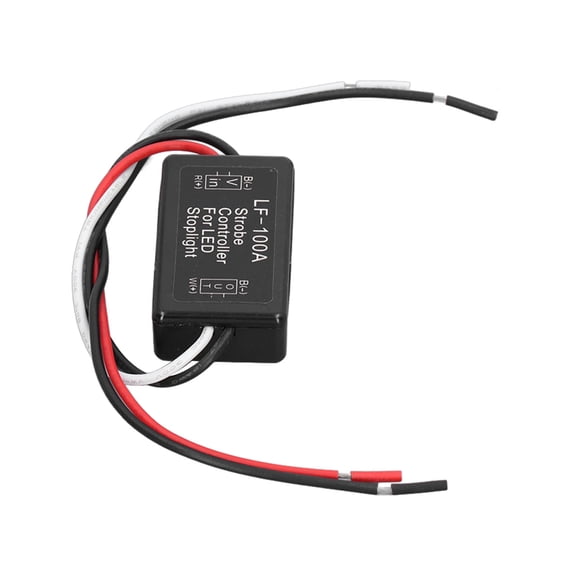
A strobe brake light module lets you add a flash sequence while keeping your existing brake light housing. You can place more focus on pattern control when you want to modify signal behavior without changing every bulb.
You should compare strobe, pulse, steady, and multi-pattern modes based on how you want the brake signal to appear. A pulse pattern can feel simple, while a multi-pattern module gives you more setup flexibility.
Installation style matters, and you should check whether the module is truly plug-and-play or requires wiring changes. If you prefer a faster project, you may want connectors that match factory-style plugs.
Some vehicles give you enough space for an inline module, while others may need a more compact design. You should measure available room near the tail light area before you choose a controller.
You should also review local regulations before you install any flashing pattern. Since lighting rules vary by area, you’ll want to confirm whether a strobe brake light module fits your intended road use.
Matching flashing brake lights to real driving needs
If you drive in heavy traffic, you may want a short pulse pattern that catches attention during frequent braking. You can pair that pattern with LED bulbs if your vehicle supports that format.
For an older vehicle with common sockets, you might prefer an incandescent or halogen replacement that keeps installation familiar. You can often focus on matching the existing bulb base and lens housing.
If you’re upgrading a truck, SUV, or project car, you may like a universal module with selectable flash modes. You can test whether a steady, strobe, or multi-pattern setting fits your driving setup.
Drivers who want less installation complexity often start with vehicle-specific parts. You can reduce fitment guesswork when connectors, sockets, and dimensions align with your application.
If you’re comparing options for custom lighting, you should think about color, pattern, and compatibility together. You’ll get a clearer path when your bulb type, flash mode, and wiring style all match.
With the right fitment, flash pattern, and installation style, you can choose flashing brake lights that suit your vehicle and setup. You’ll feel more confident when your bulb size, module type, and compatibility details line up clearly.