



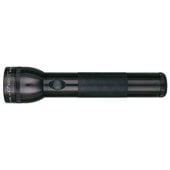
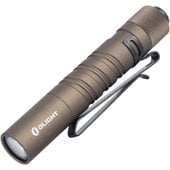
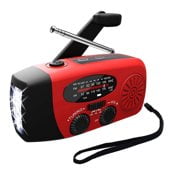
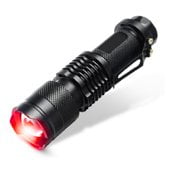
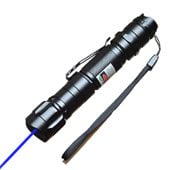
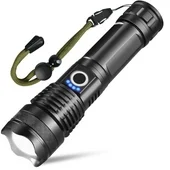
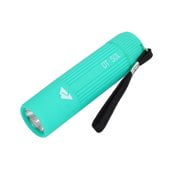
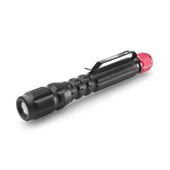
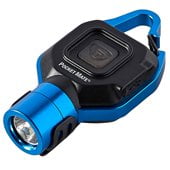
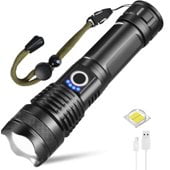
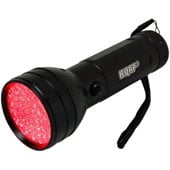
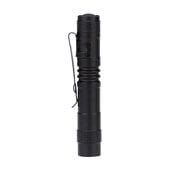
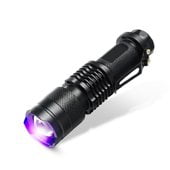
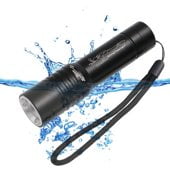
Tactical Flashlights in Flashlights

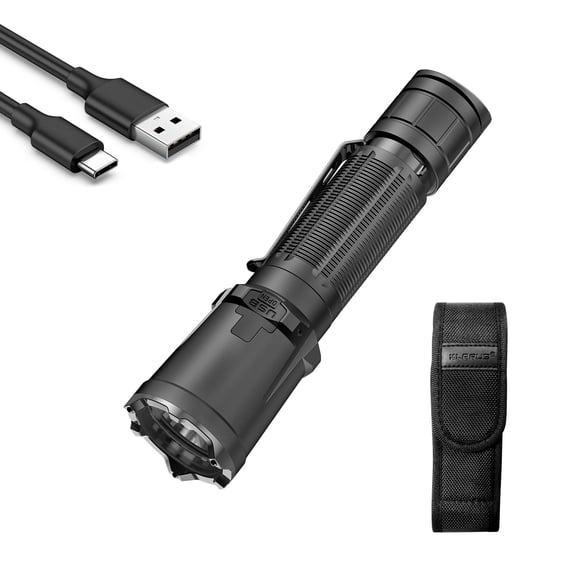
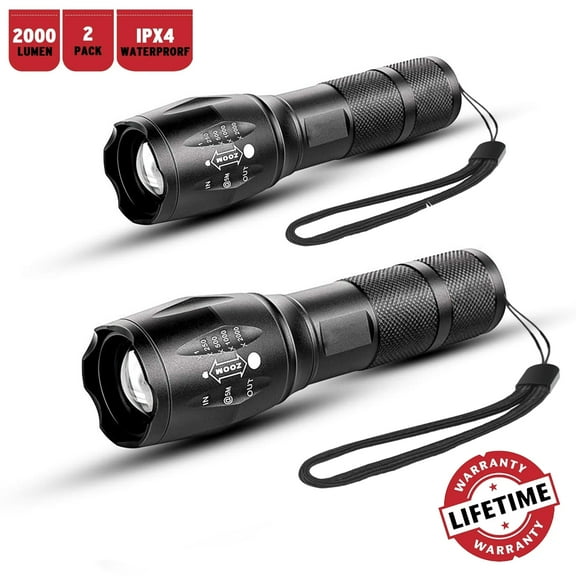
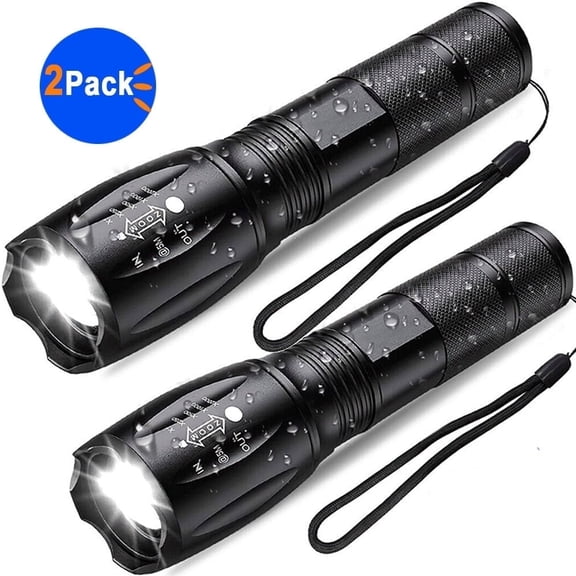
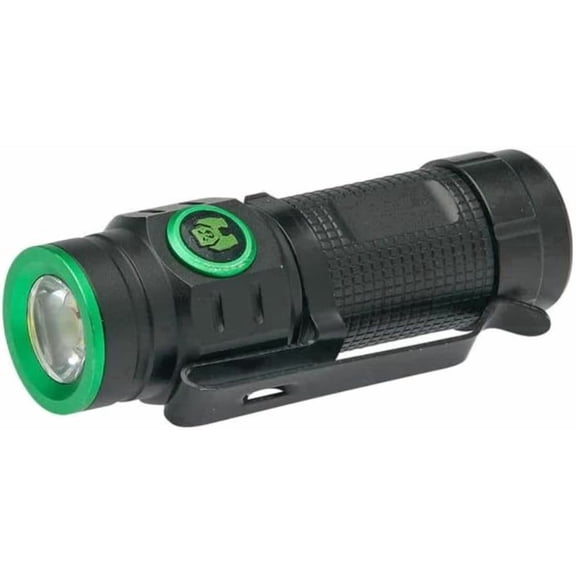





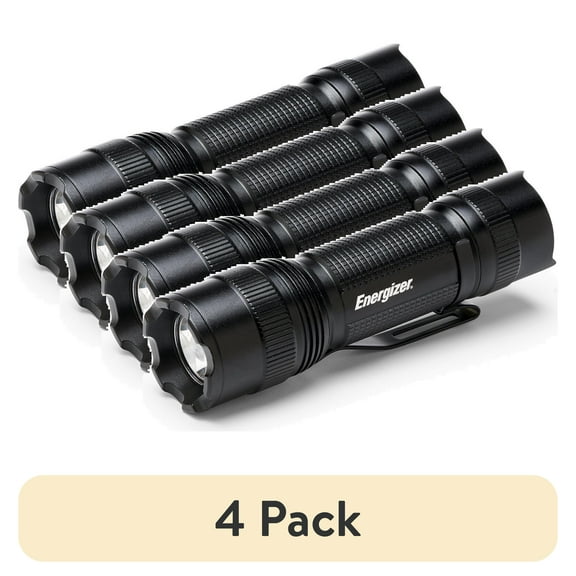

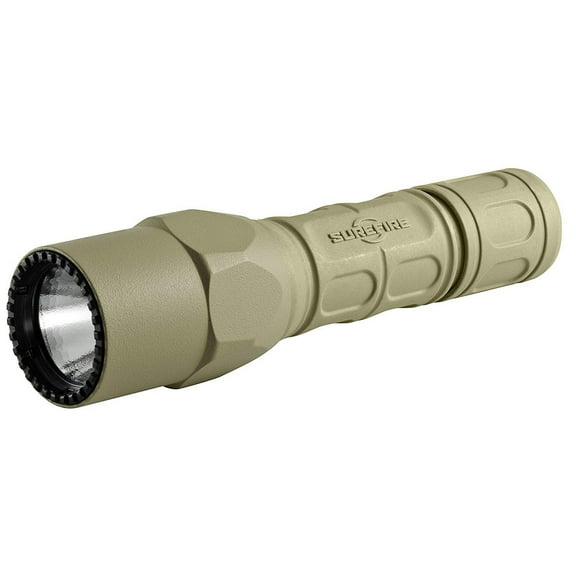


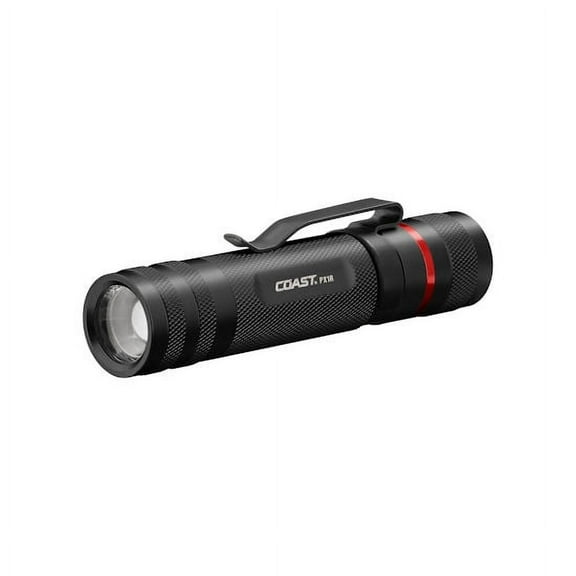


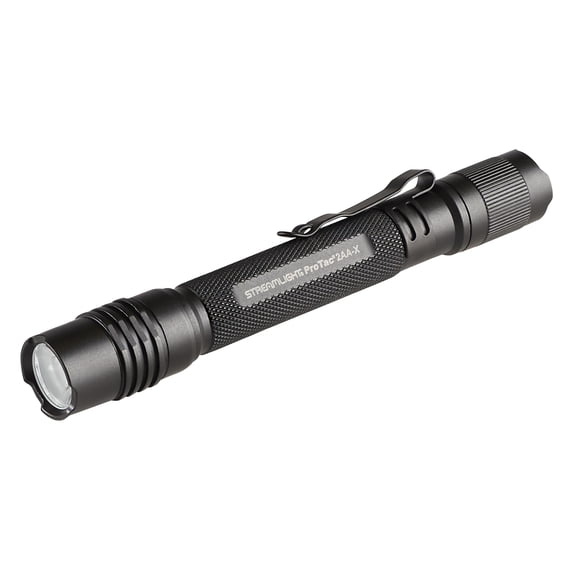




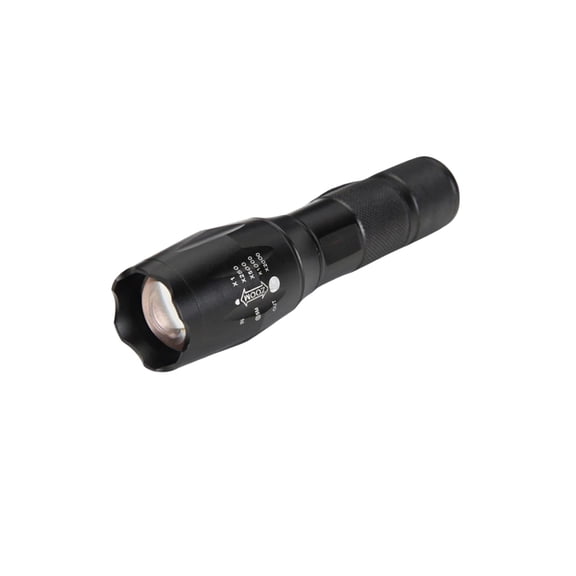


About Tactical Flashlights in Flashlights - Walmart.com
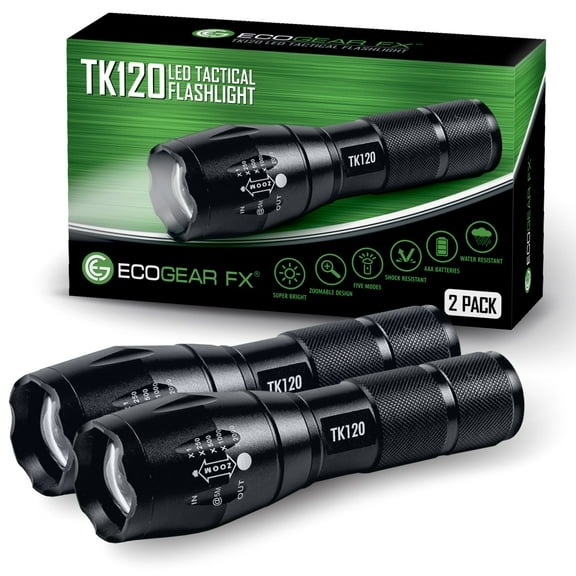
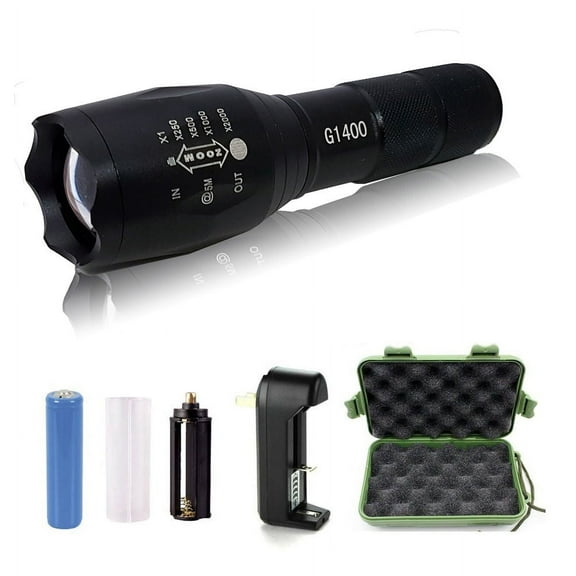
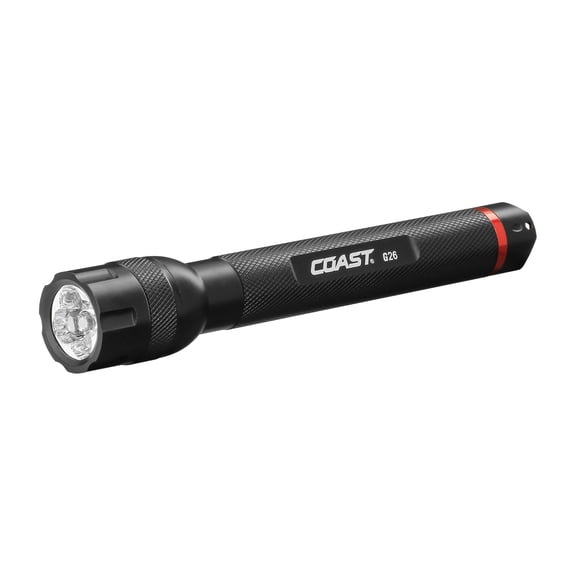
Tactical flashlights help you compare power, size, beam control, and runtime for demanding use. You’ll find options for everyday carry, trail use, vehicle kits, and gear bags.
When you’re choosing this category, you usually want more than simple brightness. You may need a grippy body, focused beam control, and charging options that fit your routine.
How to choose tactical flashlights
You can narrow tactical flashlights quickly when you compare the decisions that affect daily use. Your choice often comes down to power source, carry size, beam type, brightness range, and durability details.
Unlike basic household lights, you’ll often want a strong grip texture, tail switch access, or a crenelated-style head shape. You may also look for clip placement, holster compatibility, and glove-friendly controls.
Why your flashlight choice matters
You’ll notice the right light supports quick checks in dark spaces, clear trail visibility, and organized gear after sunset. Your experience also improves when the body fits your hand and your storage setup.
- You can choose a rechargeable tactical flashlight when your routine includes frequent use and regular charging access.
- You can pick a small tactical flashlight when your carry space is limited.
- You can compare zoomable and adjustable focus beams when you need both wide coverage and distance.
- You can look for LED output and adjustable brightness when you want consistent illumination options.
- You can check IPX ratings and impact resistance when your light may face rain or rough handling.
For many shoppers, beam control changes the whole experience. You’ll get a different result from a floodlight beam than you do from a spotlight pattern.
Runtime matters too, especially when you keep a light in your truck, pack, or duty belt. You’ll want charging and battery options that match how often you actually use it.
Choosing power source and runtime
You should start with power source because it affects convenience, charging habits, and backup planning. A rechargeable tactical flashlight can suit frequent use when you have easy access to USB charging.
When you compare USB-C with proprietary chargers, you’ll usually get broad cable compatibility from USB-C. You should also check mAh ratings, because higher capacity often means longer runtime between charges.
If you prefer battery-powered options, you can keep spare cells in a bag, drawer, or glove box. Your setup may feel simple when you want quick swaps instead of waiting for a charge.
Choosing size and carry style
You should match size to how you carry your light every day. A small tactical flashlight works well when your pocket space is tight or your pouch is already full.
Compact and pocket-sized designs can feel easy to clip inside jeans, jackets, or small organizers. Full-size lights may suit duty belt carry, large hands, or longer runtime needs.
Weight also affects comfort during repeated use. You’ll want to check body length, diameter, and clip style before you commit to a carry method.
Choosing beam type and focus
You can compare beam patterns based on whether you need broad coverage or a concentrated center beam. A tactical zoom flashlight lets you shift between wide illumination and tight distance focus.
Floodlight beams can help you scan campsites, work areas, or vehicle interiors with less repositioning. Spotlight beams can help you direct light far down a trail or across a property line.
Adjustable focus designs give you more control when your tasks change often. You should check whether the zoom mechanism feels easy to use with one hand.
Understanding brightness and light source
You should look at lumens, candela, and beam distance together instead of relying on one number. Lumens tell you overall output, while candela helps you understand beam intensity.
If you need distance, you’ll usually care more about candela and beam distance in meters. If you need area coverage, you may prefer broad output with adjustable brightness levels.
LED lights are common because you get strong output and practical runtime in a compact format. You may also see COB options for wide spill light and incandescent styles in select assortments.
Some lights include high-lumen settings, lower modes, and strobe mode for signaling or visibility needs. You should compare mode spacing, because your light feels easy to use when settings make sense.
Checking durability and weather readiness
You should review build details when your light may ride in a pack, vehicle, or work setup. IPX ratings can help you understand how the housing handles wet conditions.
Impact resistance in meters gives you another useful comparison point. You’ll want that detail when your flashlight may drop from a table, tailgate, or belt height.
Body material, lens protection, and grip texture also shape daily handling. You may prefer knurled aluminum bodies, sealed switches, and lanyard options for steady use.
Matching tactical flashlights to real use
You can keep a rechargeable model in your vehicle when you want regular readiness without loose spare batteries. Your setup may benefit from USB charging if you already charge devices in the car.
For everyday carry, you may want a small tactical flashlight with a pocket clip and simple mode sequence. You’ll likely appreciate light weight and quick one-handed access.
If you spend time outdoors, you may prefer a zoomable or spotlight-focused option for trail checks and campsite tasks. Your choice can feel versatile when it also offers a wide flood setting.
When you build a gear kit, you can pair your flashlight search with tactical gear, outdoor lighting, or camping flashlights. You’ll create a coordinated setup for storage, access, and power planning.
You can shop this category with more confidence when you compare mAh, lumens, candela, beam distance, and IPX ratings together. Your final choice can feel more useful when it fits your carry style and lighting routine.