

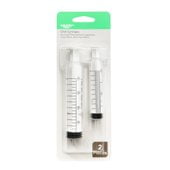
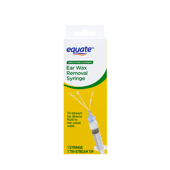

Syringes in Glassware and Plasticware


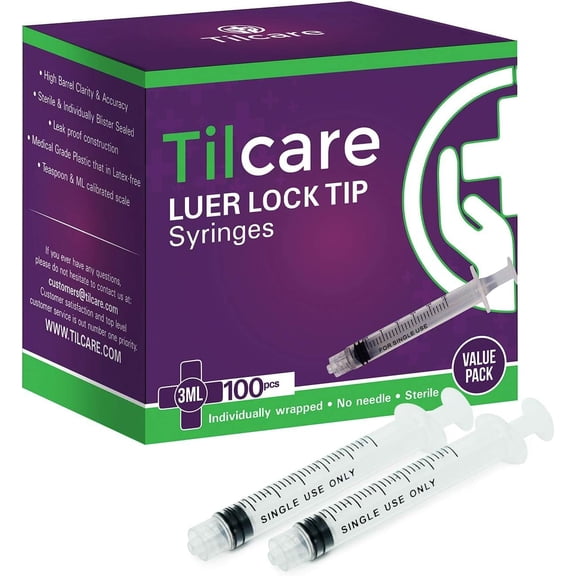
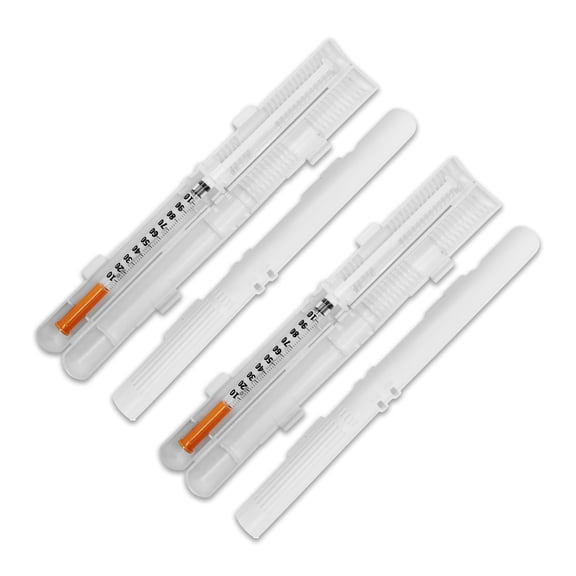



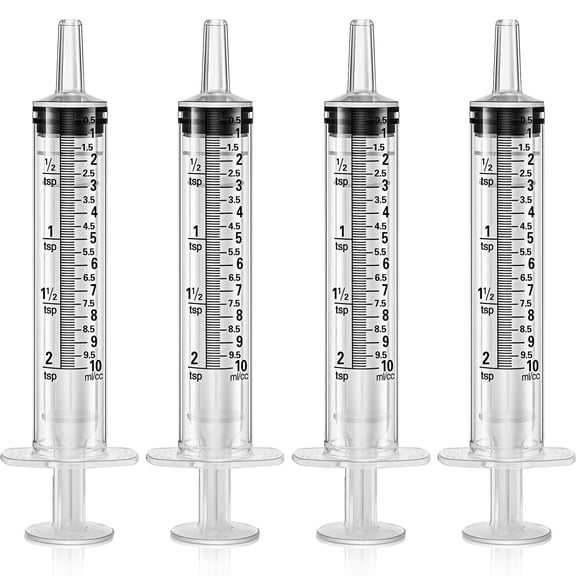

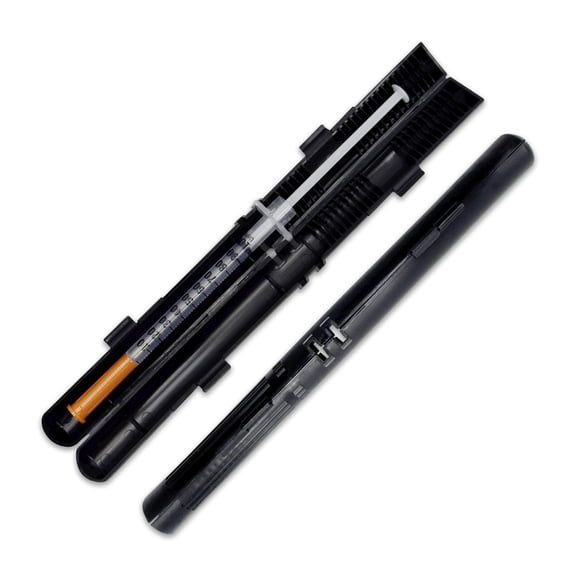
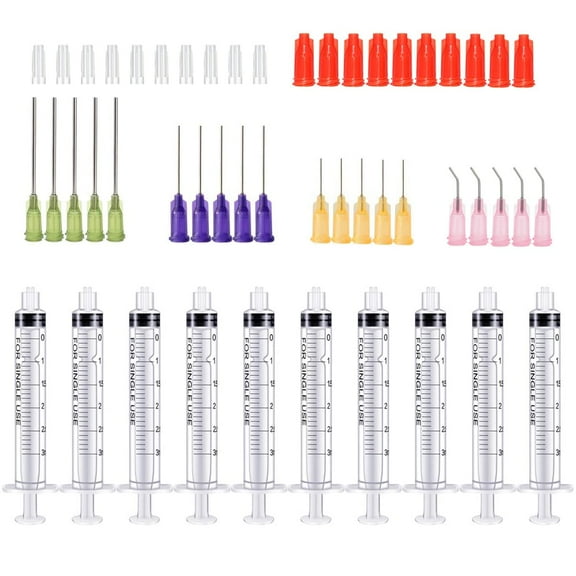
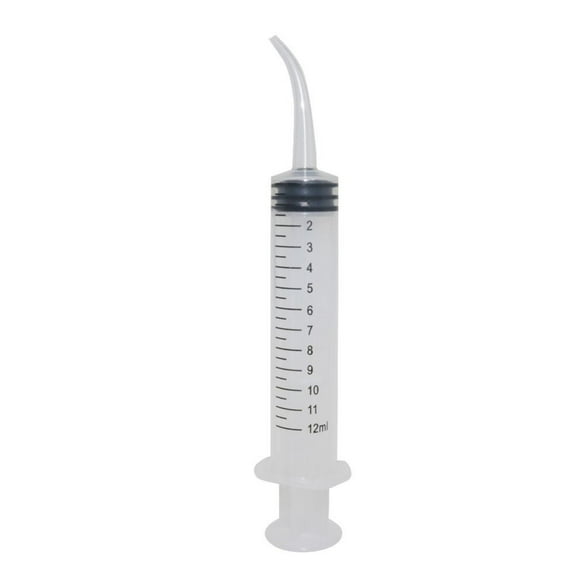














About Syringes in Glassware and Plasticware - Walmart.com
Syringes help you measure, transfer, and dispense liquids with control across medical, oral, veterinary, and craft tasks. You can compare volume markings, tip styles, and needle inclusion to match your job.
When you shop this category, you’ll notice options built for precise milliliter dosing, secure tip connections, and single-use convenience. You can also find formats that fit oral delivery, lab prep, hobby filling, and routine supply needs.
How to choose syringes by type
You should start with type because your task changes the format you need. You can compare with needle, without needle, oral, and insulin styles before narrowing size.
If you need filling or transfer flexibility, syringes without needles can support oral, craft, lab, and feeding tasks. You may prefer oral formats when your liquid needs clear markings and easy, controlled dispensing.
For routine single-use needs, disposable syringes can simplify setup and restocking. You may also choose insulin styles when your application calls for smaller capacities and fine measurement increments.
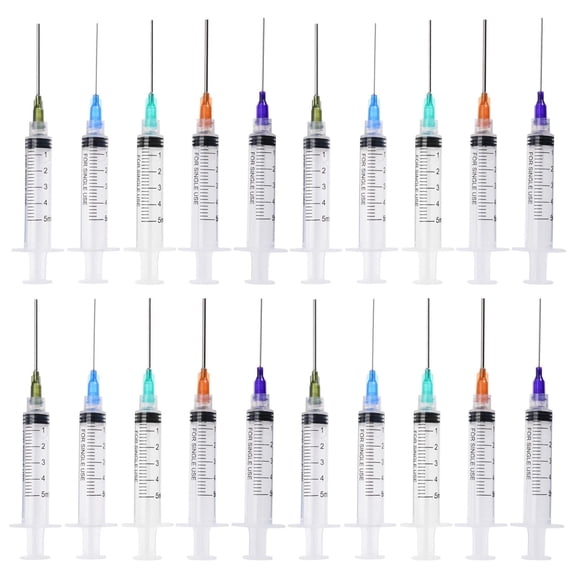
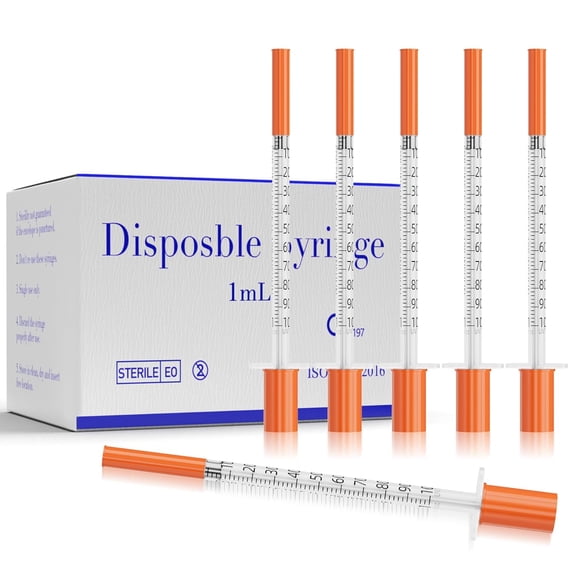
- You can choose with needle styles for tasks that require an attached point and ready-to-use setup.
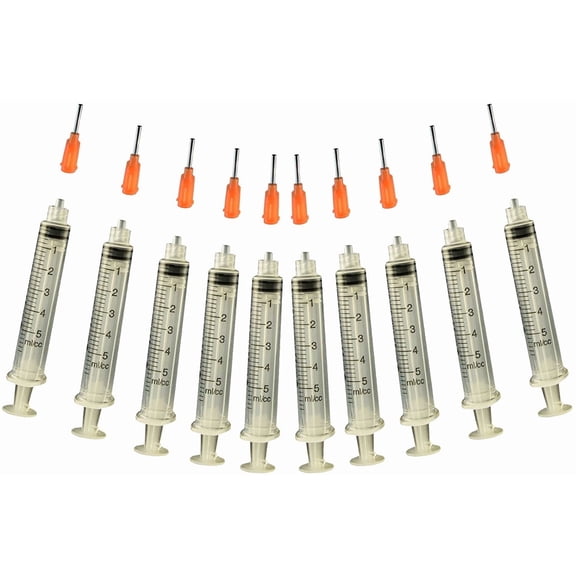
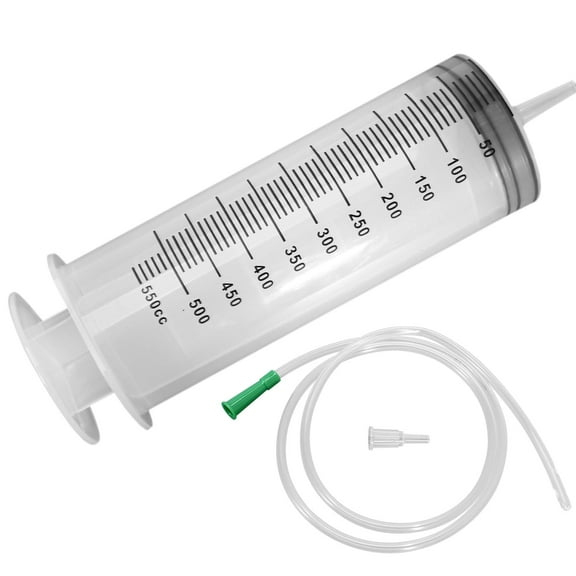
- You can choose syringes without needles for transfer, measuring, refilling, feeding, and hobby applications.
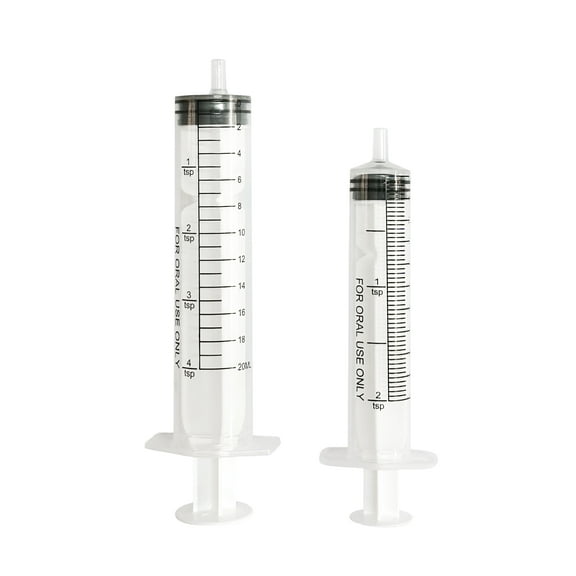
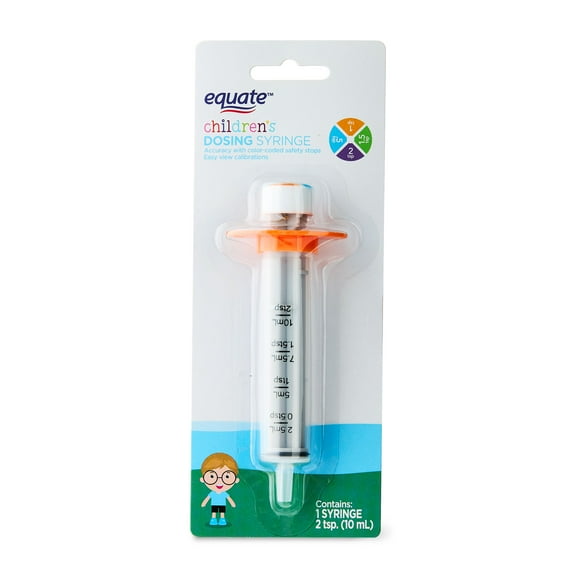
- You can choose oral syringes when your task calls for liquid dosing with clear milliliter markings.
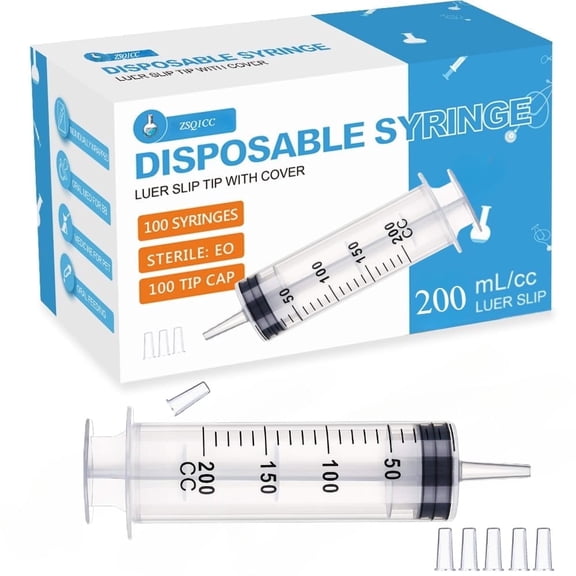
- You can choose disposable syringes when you want a fresh unit for each use.
Comparing plastic syringes and glass options
You should compare material next because feel, visibility, and handling can vary. Plastic syringes usually give you light handling and broad everyday utility across many tasks.
When you want a light option for frequent handling, you may lean toward plastic designs. If your process requires a different feel or specific compatibility, you can review glass options carefully.
You’ll also want to check barrel clarity and printed graduations before choosing. Clear walls help you read liquid levels quickly, and crisp markings help you measure with confidence.
Choosing tip design and connection style
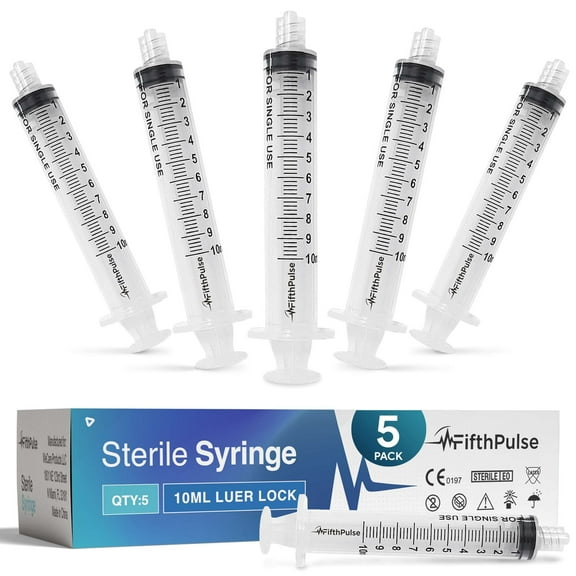
You should review tip design closely because connection style affects how your syringe pairs with accessories. Luer lock syringes use a twisting connection that helps you keep attachments secure.
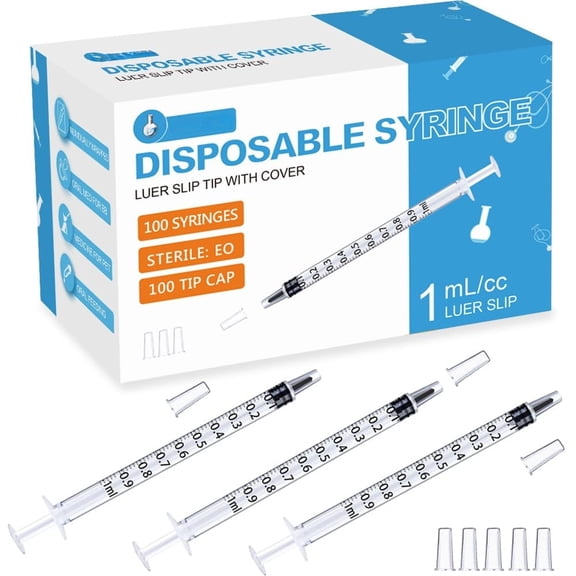
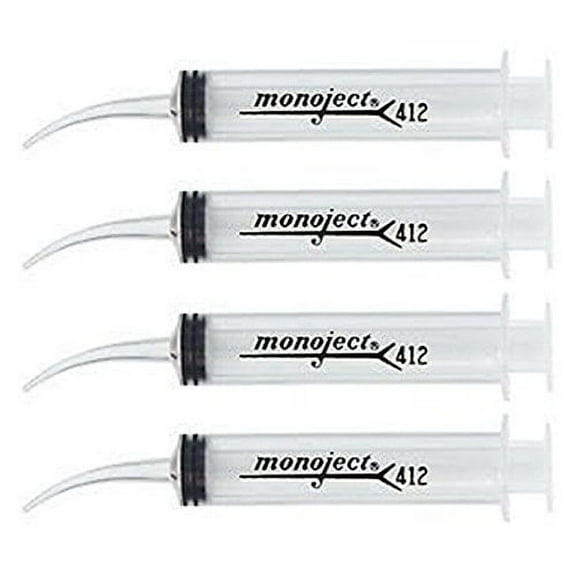
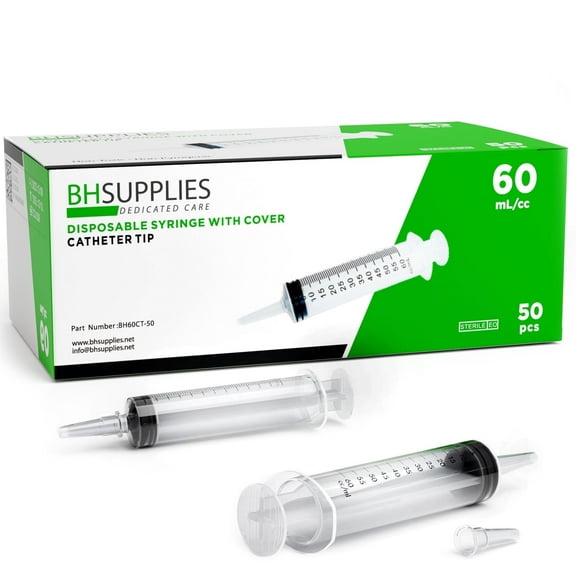
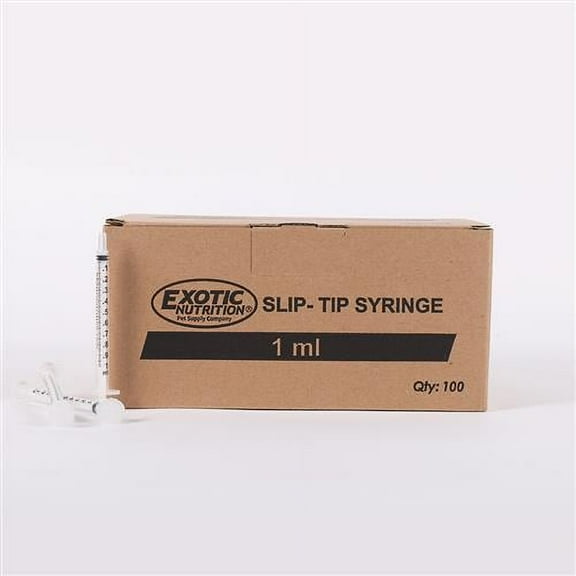
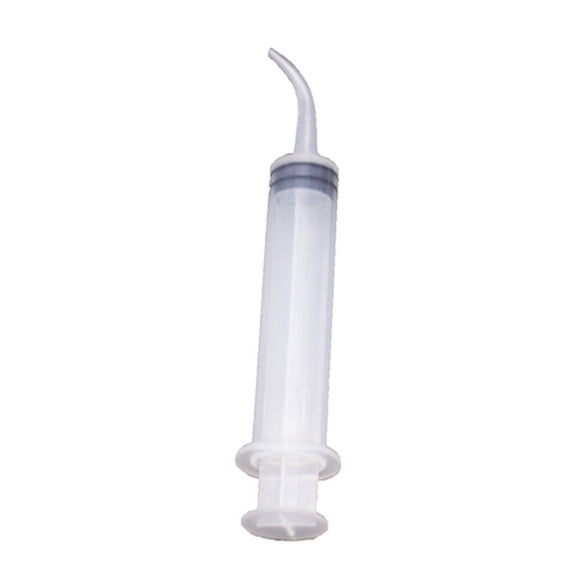
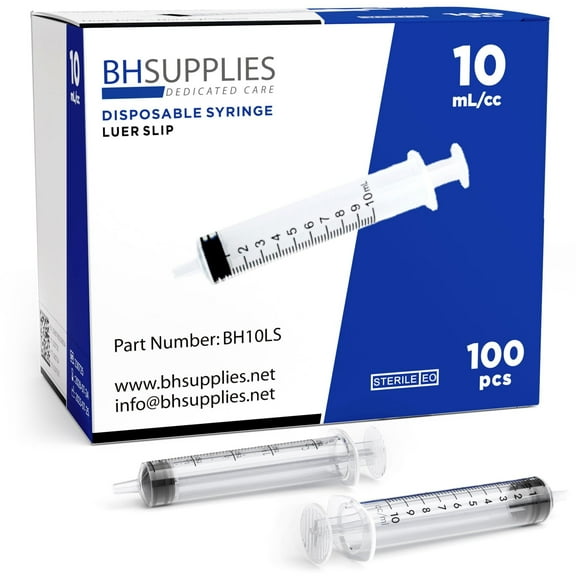
If you want quick attachment changes, you may prefer luer slip styles for simple push-on connections. When you need a wider opening for thicker liquids, you can consider catheter tip options.
You can get a highly usable setup when your tip matches your liquid and your accessories. That’s why you should compare luer lock, luer slip, and catheter tip designs before ordering.
Understanding size, markings, and volume capacity
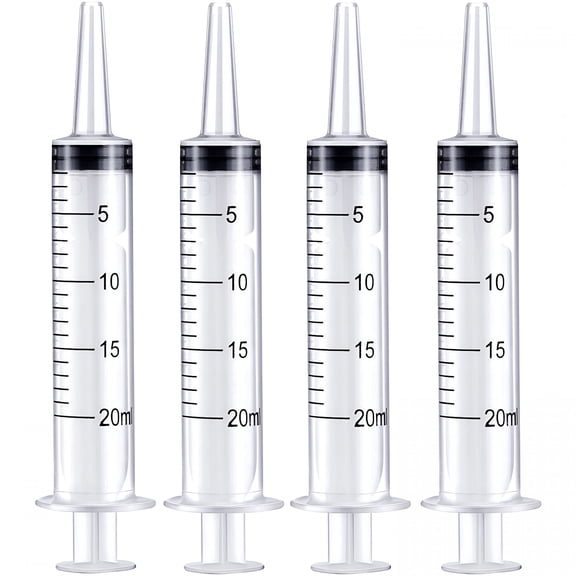
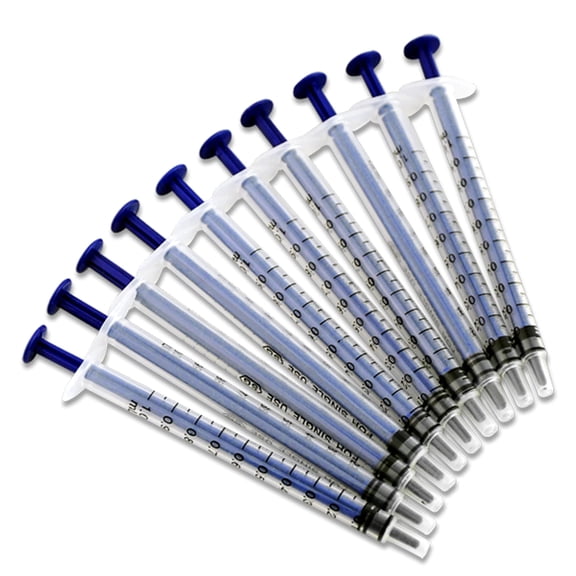
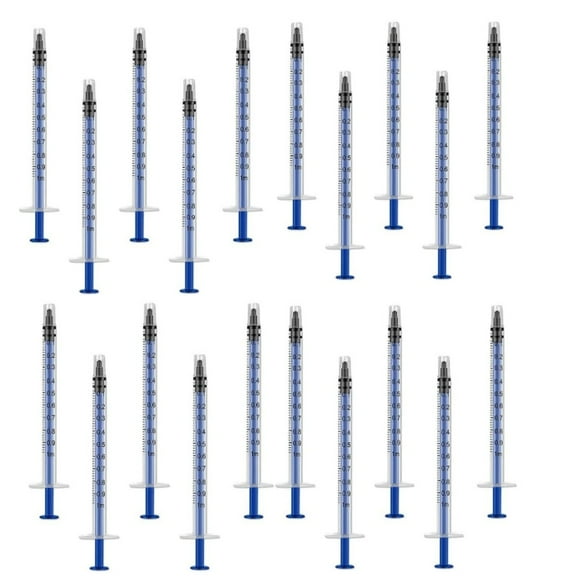
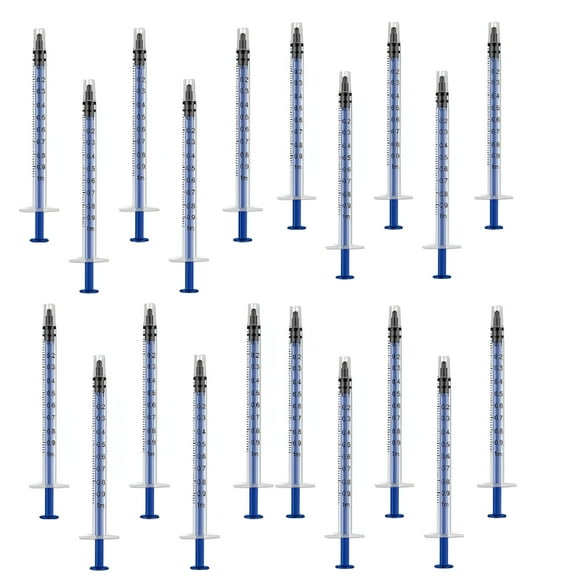
You should match capacity to the amount you need to measure or dispense. Smaller sizes like 1ml and 3ml can help you handle fine increments with close control.
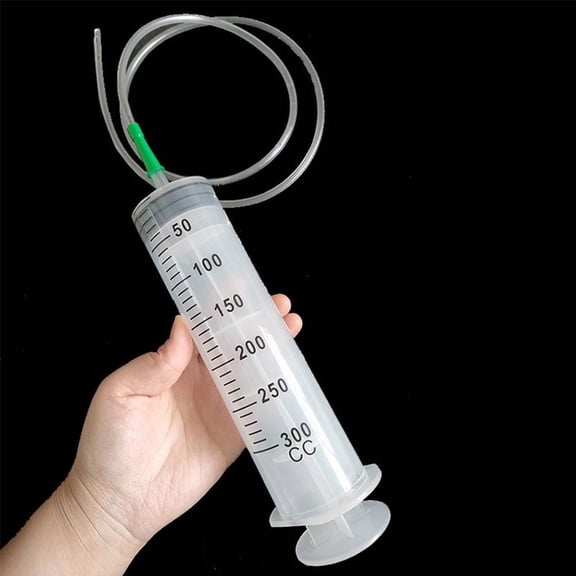
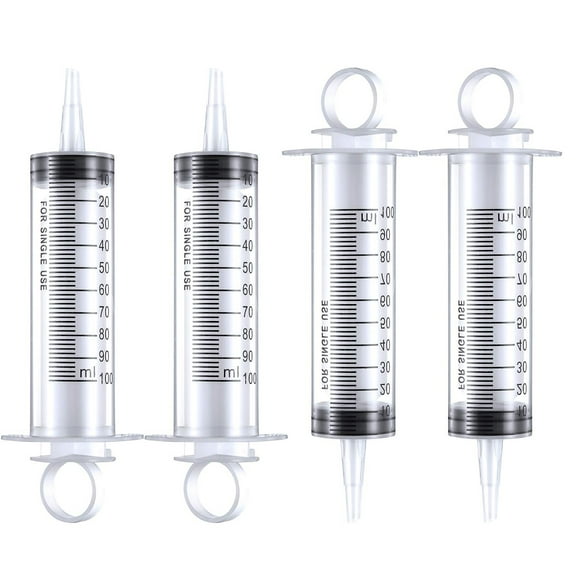
Mid-range options like 5ml and 10ml can work well for everyday measuring and transfer tasks. Larger 60ml oral syringes can help you handle large volumes with minimal refills.
You may also see capacity listed in milliliters or cc, and you can treat those terms similarly in many shopping situations. Clear graduation lines help you track exact amounts and reduce guesswork during use.
Matching syringes to your use case
You should think about where and how you’ll use your syringe before choosing type and size. Oral syringes can suit liquid dosing, while transfer applications may call for syringes without needles.
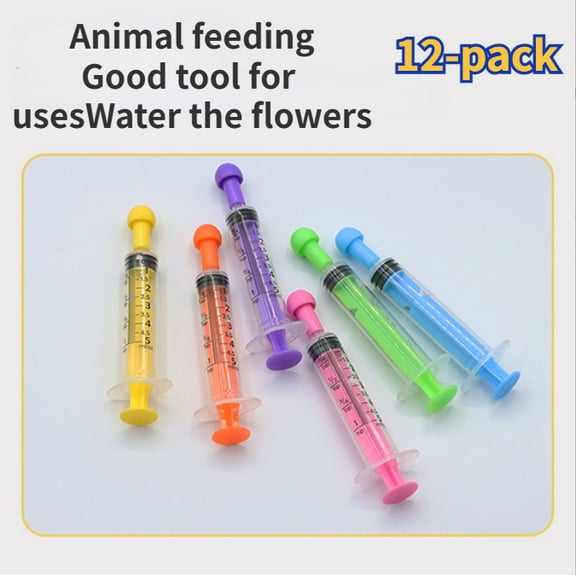
If you’re managing veterinary supplies, you may want readable markings and a capacity that matches feeding or dosing routines. For industrial or craft use, you might focus on controlled dispensing, barrel clarity, and tip compatibility.
You can also build a practical supply plan by choosing several capacities for different tasks. That approach helps you keep small measurements accurate and large fills efficient in the same workspace.
What to look for before you decide
You should check packaging details, measurement readability, and compatibility notes before making your final choice. You’ll want a syringe that matches your liquid volume, attachment style, and intended application.
With the right syringes, you can measure clearly, dispense precisely, and keep your routine organized. You’ll feel more confident when your size, tip, and type line up with the task.