

Swivel Bar Stools in Bar Stools & Counter Stools

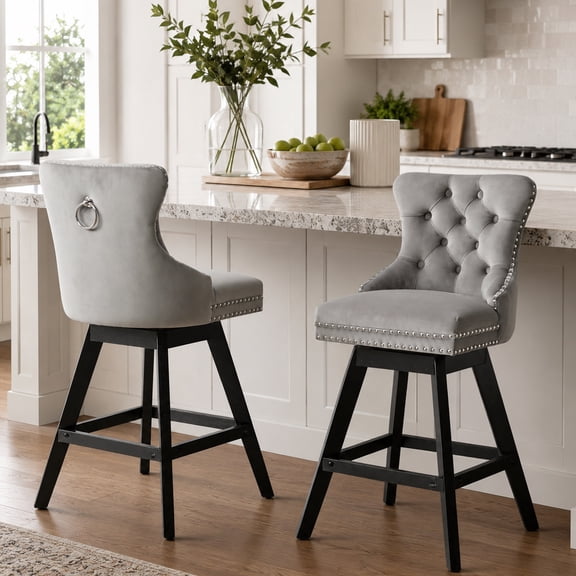

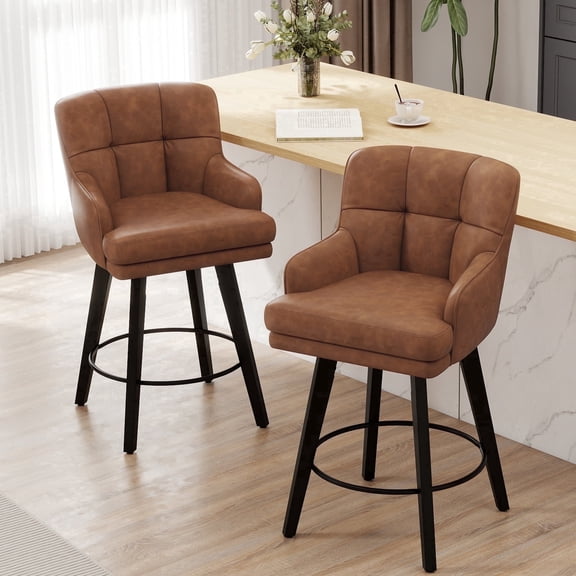
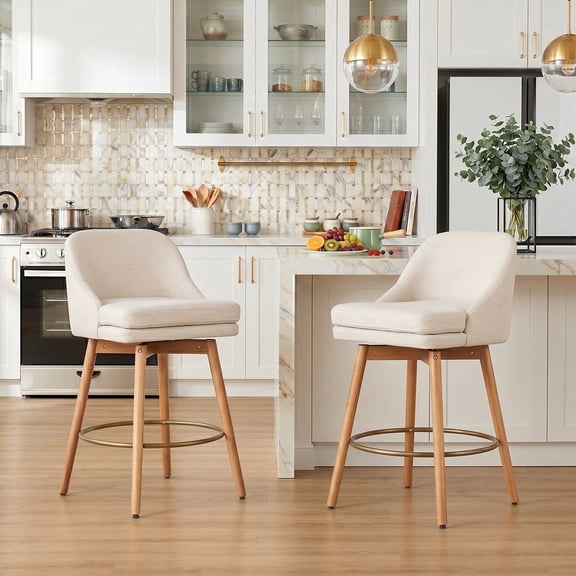


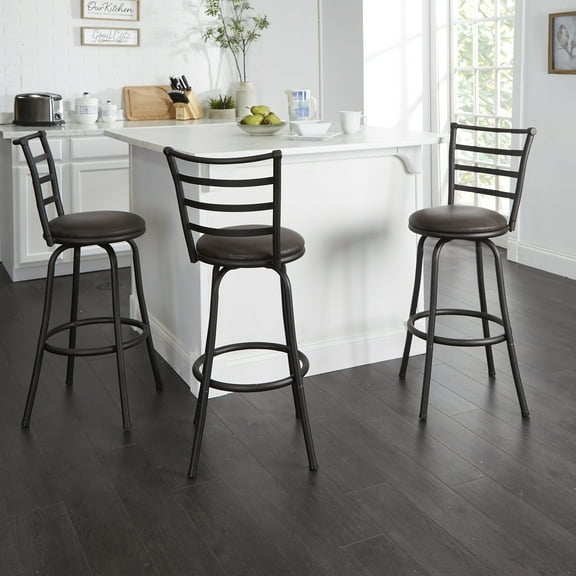


























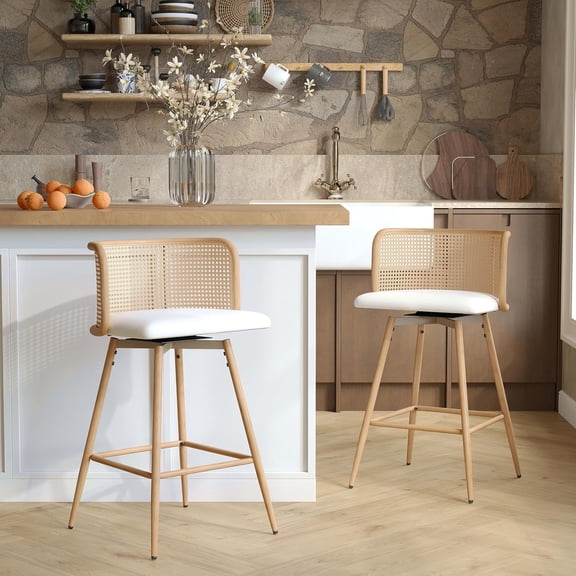


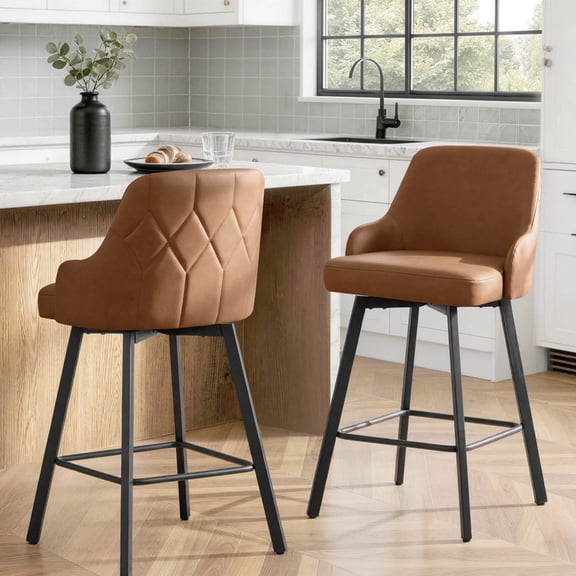


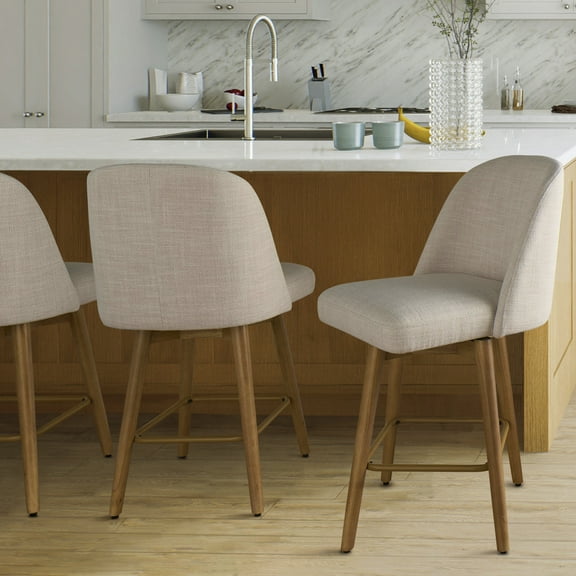


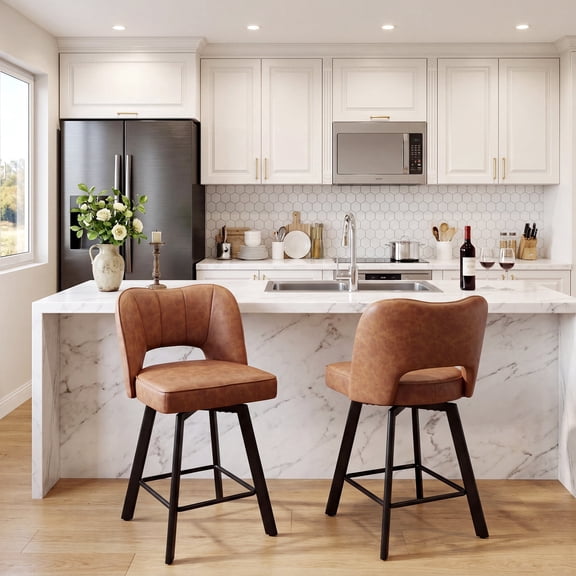










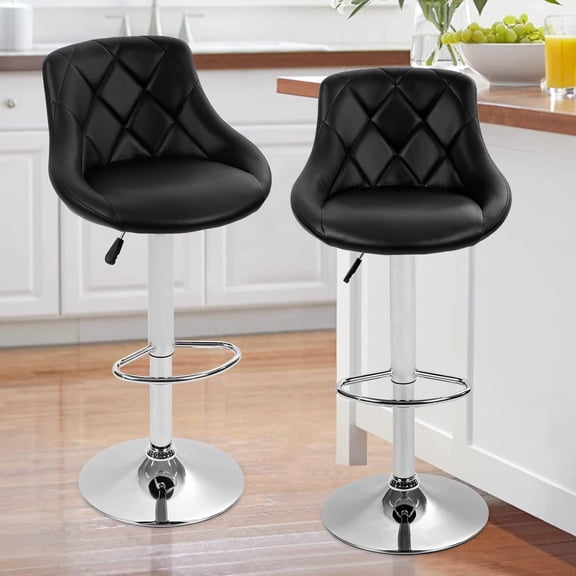


About Swivel Bar Stools in Bar Stools & Counter Stools - Walmart.com
Swivel bar stools help you seat guests comfortably while keeping movement easy around islands, counters, and home bars. This category centers on rotating seats, height choices, and back styles that fit everyday dining spaces. Shoppers often compare counter height, bar height, and adjustable options first. They also look at back support, set size, and materials that match existing furniture.
How to choose swivel bar stools for your space
Start with the measurement from floor to counter or tabletop. Counter height stools usually pair with 36-inch surfaces, while bar height stools suit taller bars. Adjustable designs give added flexibility for mixed-use rooms and changing layouts.
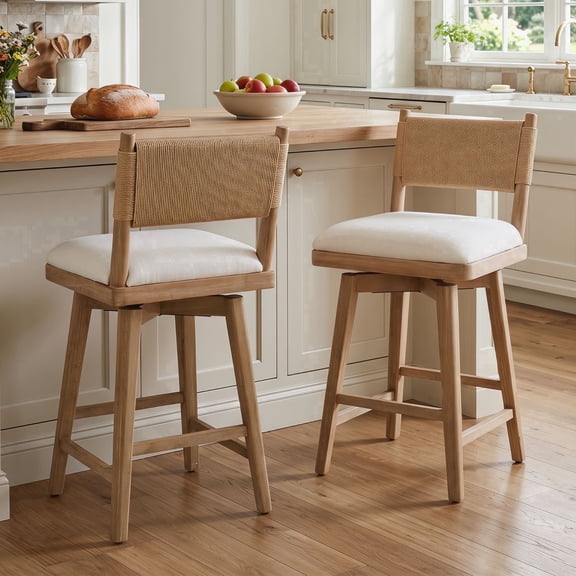
Next, compare how much support you want during longer meals or conversations. With-backs styles add structure, while backless seats slide neatly under many islands. Low-back and full-back designs change the visual weight of the room.
- Swivel seats make it easier to turn between the counter and the room.
- Height options help create a cleaner fit at kitchen islands and bar areas.
- Back style affects comfort, storage clearance, and the overall look.
- Set sizes support anything from a single corner seat to four island spots.
Consider traffic flow before choosing a wider silhouette. A compact stool can keep walkways open in tighter kitchens. A fuller frame can anchor larger dining zones with a furniture-like feel.
Choosing between rotating bar stools and adjustable styles
Motion is a key decision because it changes how the seat functions each day. Rotating bar stools let people turn without dragging legs across the floor. That detail matters around islands where people cook, serve, and talk in one shared area.
Some shoppers search for bar stool rotating features because they want easier entry and exit. A smooth swivel mechanism supports that goal without shifting the whole stool. This feature also works well when stools sit close together.
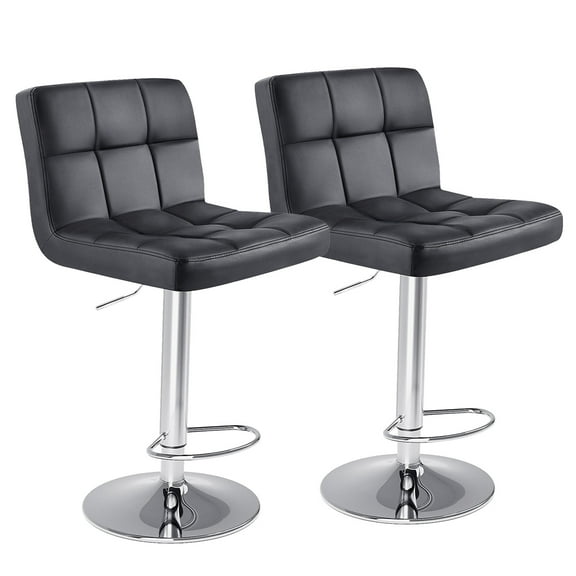
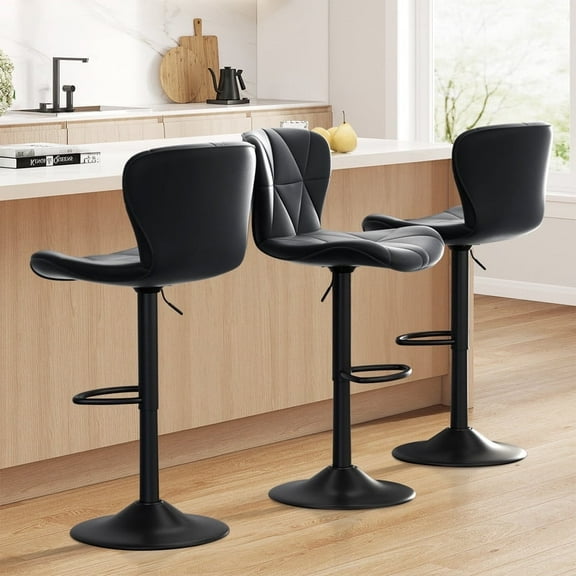
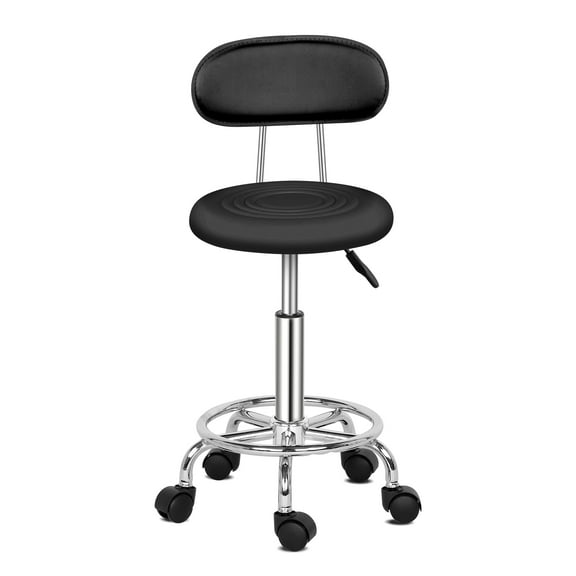
Adjustable height adds another layer of flexibility. It can suit counters that vary slightly in height or spaces used by different household members. Adjustable swivel bar stools with backs combine movement with a more structured seat profile.
Check the footrest placement as you compare designs. A well-placed footrest supports a more natural seated posture. It also helps define whether a stool feels casual, supportive, or more dining focused.
What to look for in back style, set size, and room use
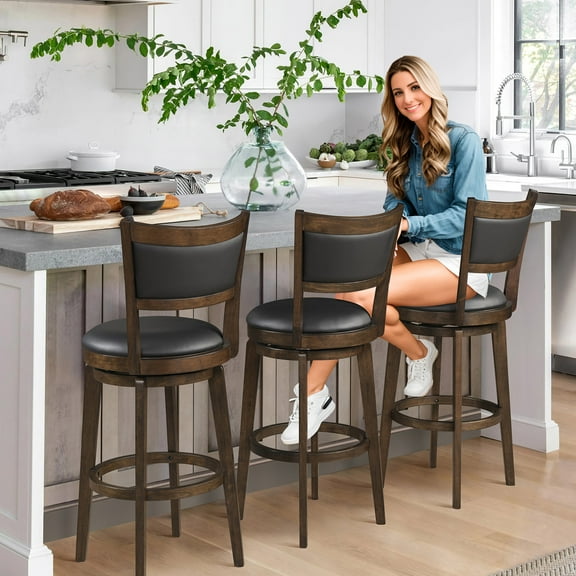
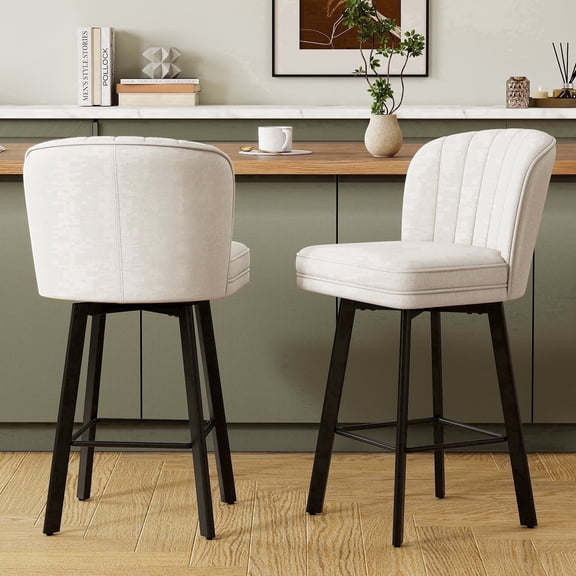
Back style changes both appearance and function. Kitchen swivel bar stools with backs often suit longer sitting periods, such as meals, homework, or casual work sessions. Backless stools keep sightlines open and can make smaller islands feel less crowded.
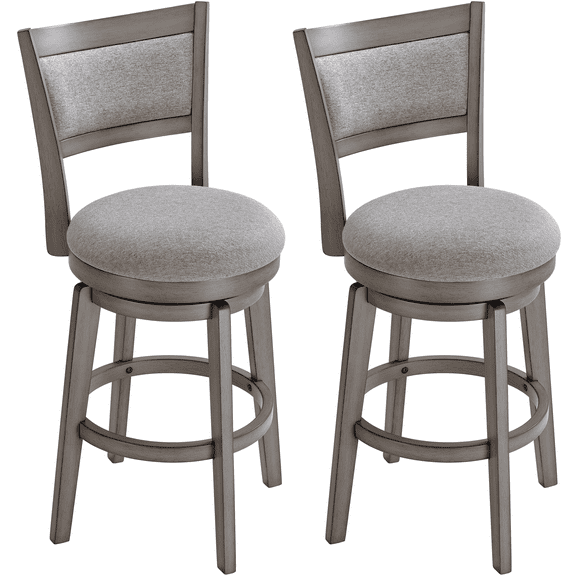
Set size should match the width of your counter and the spacing between seats. A single stool works for a compact nook or side counter. A set of two fits many apartment islands, while a set of four supports larger family layouts.
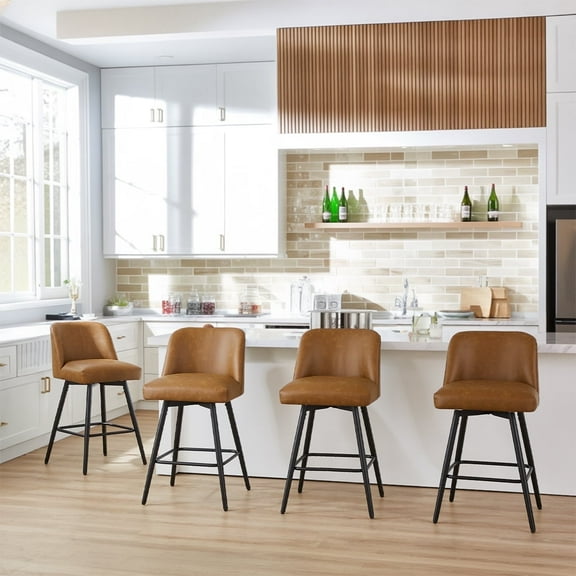
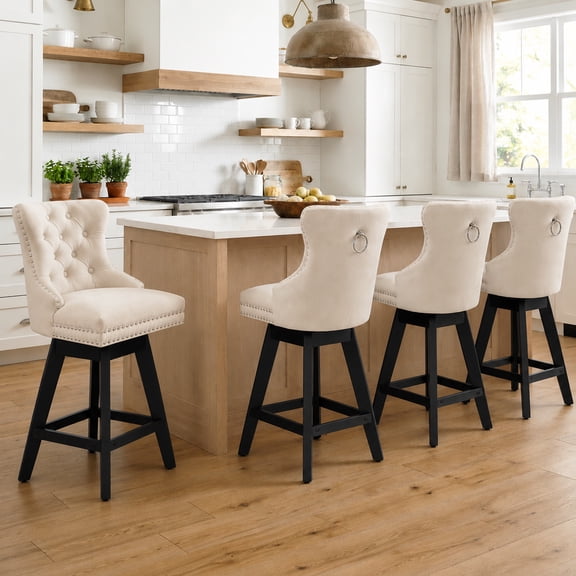
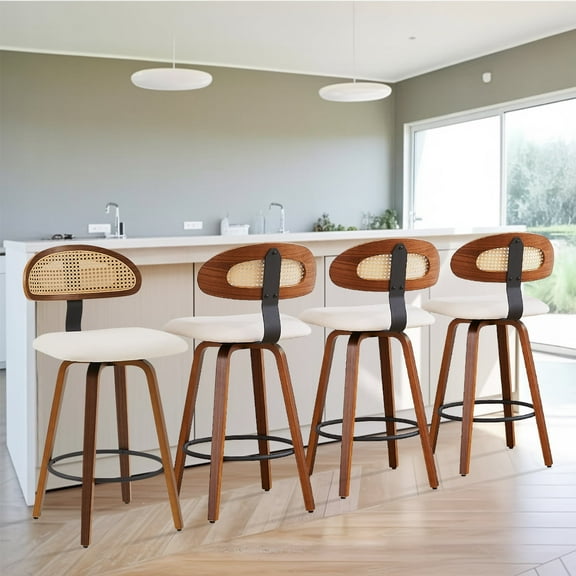
Bar stools set of 4 swivel options make sense when you need a consistent look across a wide island. Matching seats can create cleaner lines in open-concept rooms. Mixed quantities can help when one side of the counter has less clearance.
Room use also guides the right choice. Swivel kitchen counter stools often prioritize everyday comfort and easy cleanup. Stools for a home bar may lean toward taller proportions, richer finishes, or more dramatic frames.
Measure the overhang depth before choosing a fuller seat or a stool with arms. Check whether the base tucks in easily. Compare seat width if you need several stools along one side.
How materials and finishes affect daily use
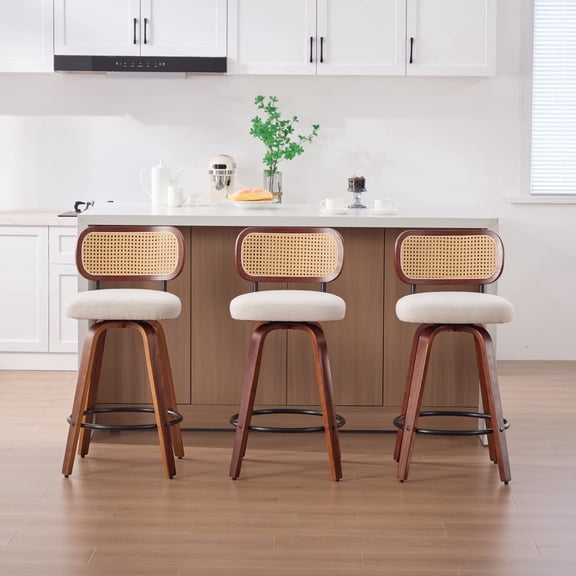
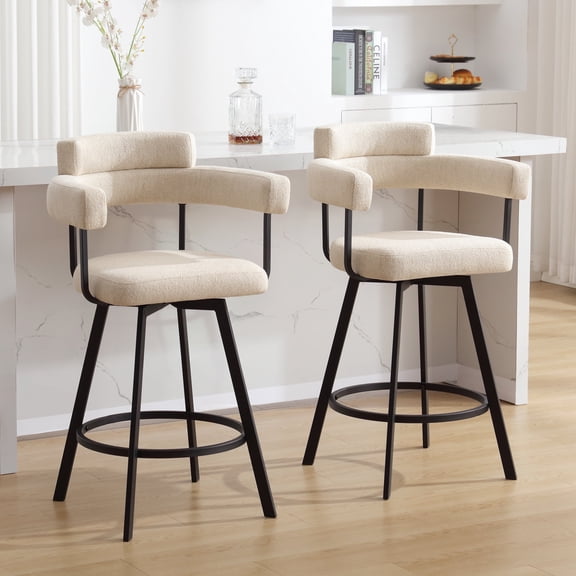
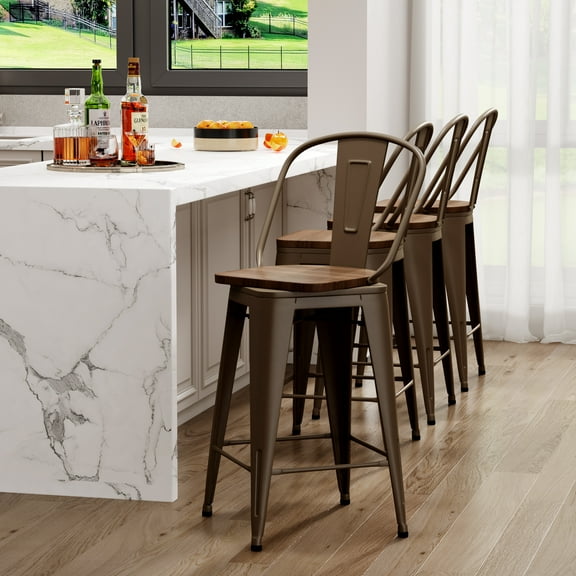
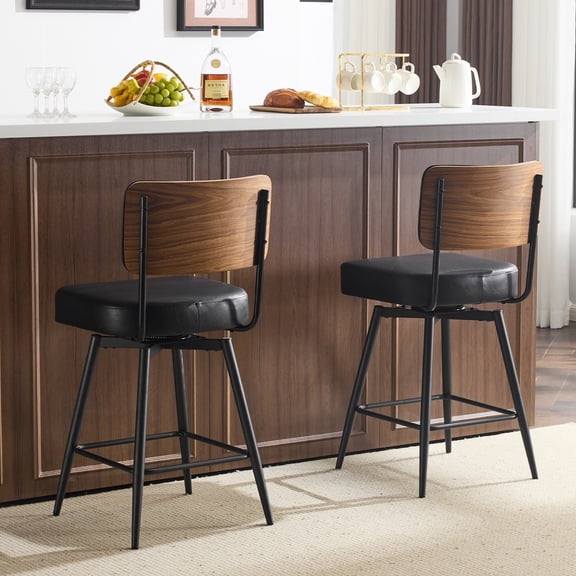
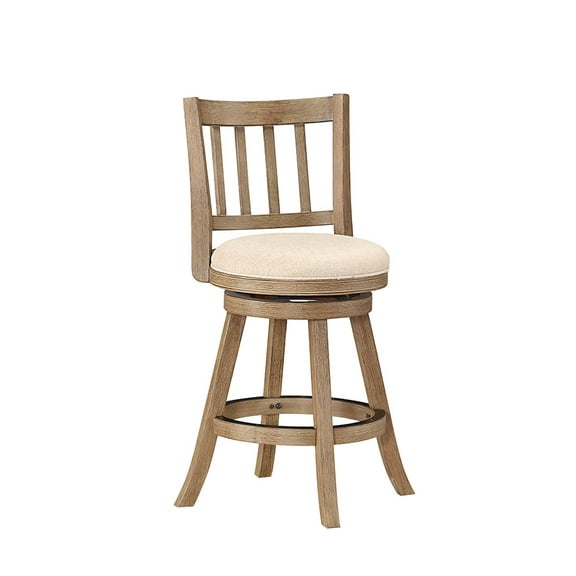
Materials influence the look, feel, and maintenance routine of a stool. Wood frames bring warmth and can suit farmhouse, classic, or transitional spaces. Metal frames often create a sharper profile for industrial or modern rooms.
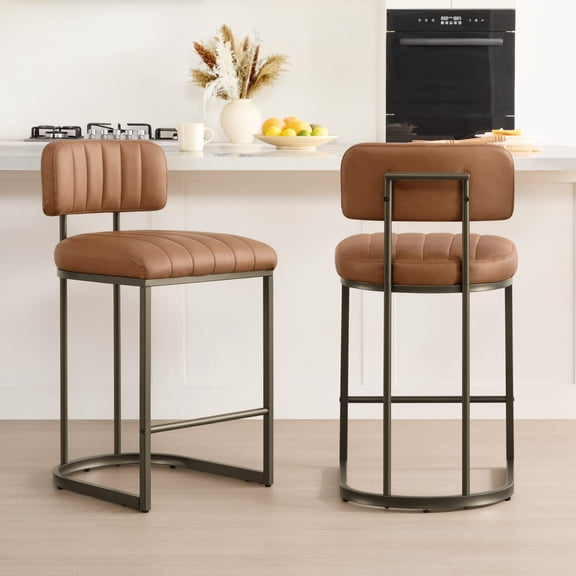
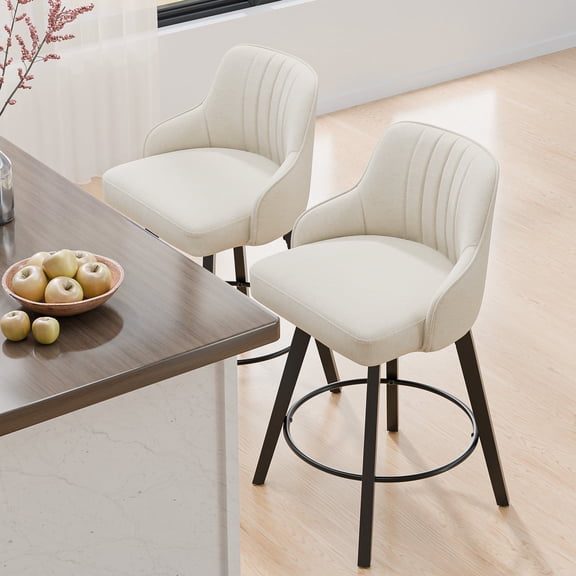
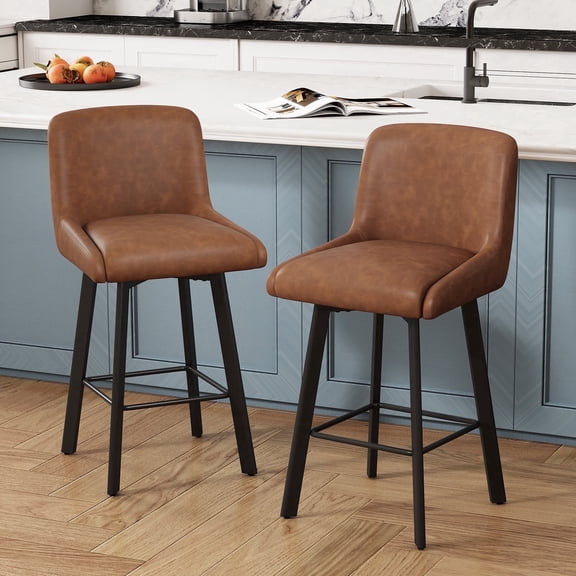
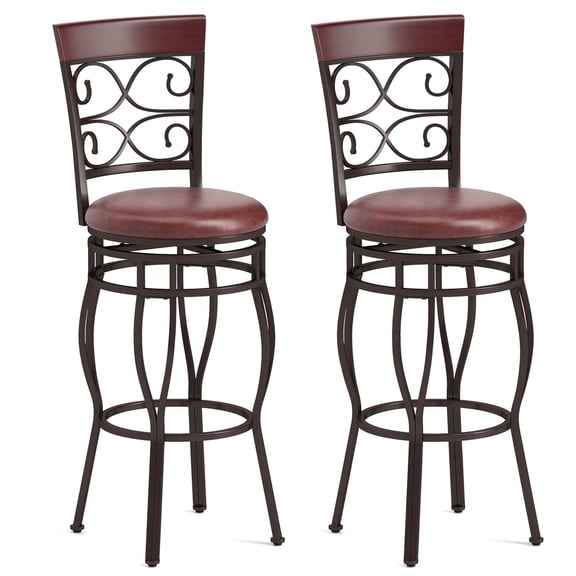
Upholstered seats can add a softer visual finish around hard kitchen surfaces. Faux leather offers a smooth appearance that pairs well with mixed material tables and islands. Mixed material designs combine texture, such as wood seats with metal legs.
Finish choice matters because stools sit at eye level in open rooms. Dark frames can ground a light island, while lighter wood tones can brighten heavier cabinetry. Textured upholstery can soften a room with stone counters and sleek appliances.
Look closely at seat shape and edge detail. A rounded seat can feel more casual in a breakfast area. A squared silhouette often aligns with cleaner, more architectural kitchen lines.
Using swivel counter stools in real homes
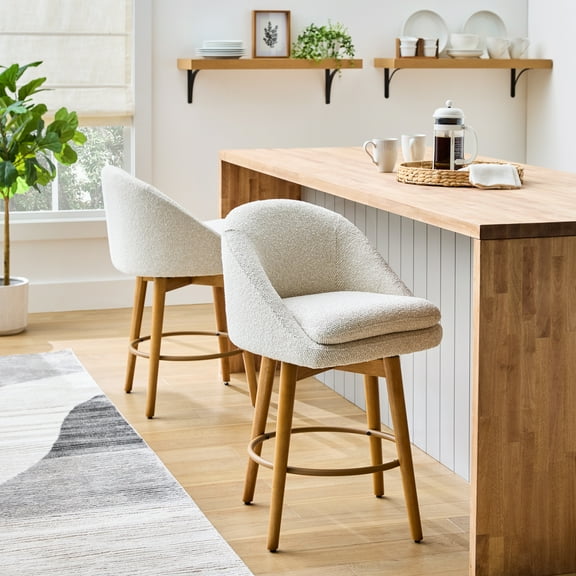
In busy kitchens, swivel counter stools help people move between conversation and meal prep without scooting the stool repeatedly. That makes them useful for islands with active traffic. They also work well when seating faces both the cooktop and the living area.
For dining spaces that double as work zones, with-back stools can support longer seated periods. Adjustable models suit homes where one counter handles breakfast, homework, and laptop time. Rotating bar chairs also help guests turn toward different parts of the room.
In smaller apartments, backless or low-back silhouettes can reduce visual clutter. They tuck in more neatly under many counters. That keeps the footprint streamlined when every inch matters.
Larger homes often use multiple stools to define an island as a social hub. In that setting, coordinated finishes and consistent seat heights create a more intentional layout. A swivel feature keeps the arrangement functional during meals and gatherings.
When you compare these options carefully, the right stool feels integrated with the counter height, room layout, and seating habits. That fit leads to a cleaner look and more comfortable everyday use.