

Surface Box Electrical & Surface Mount Outlet Boxes








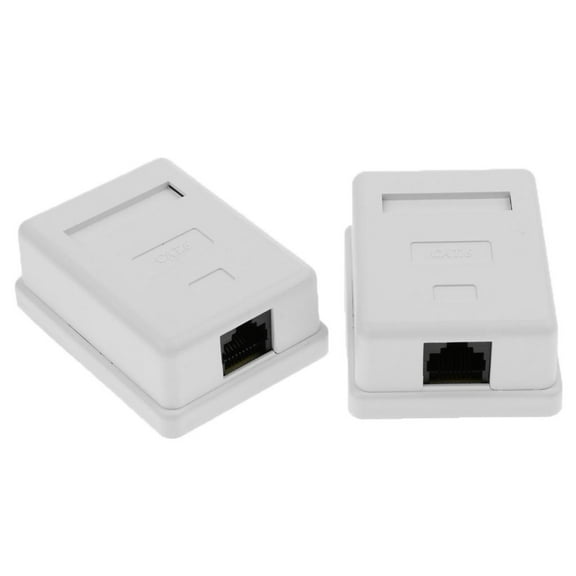

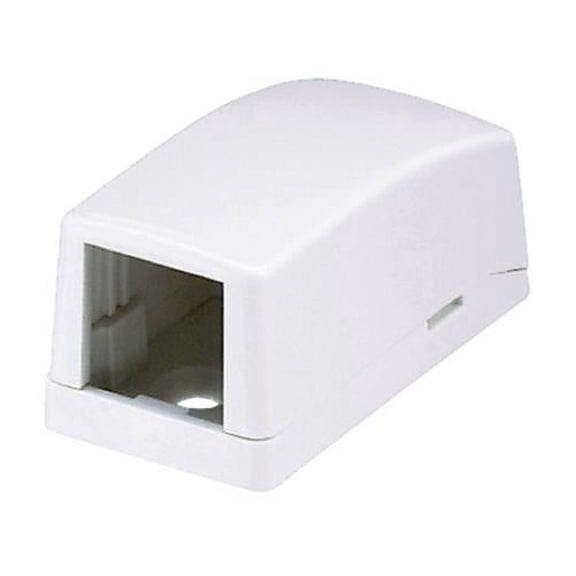


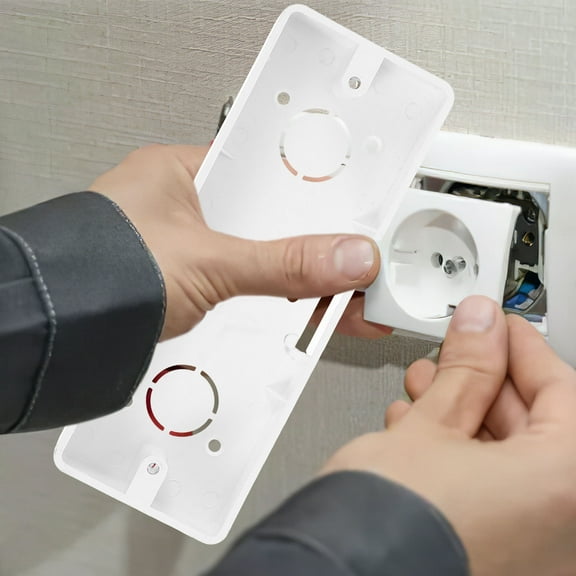
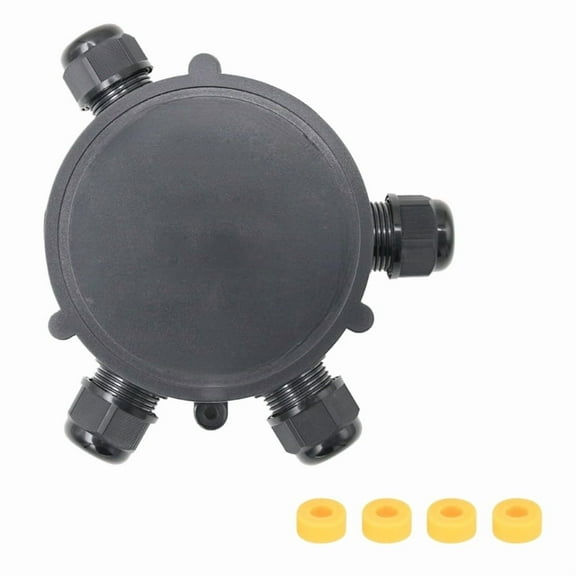



About Surface Box Electrical & Surface Mount Outlet Boxes - Walmart.com
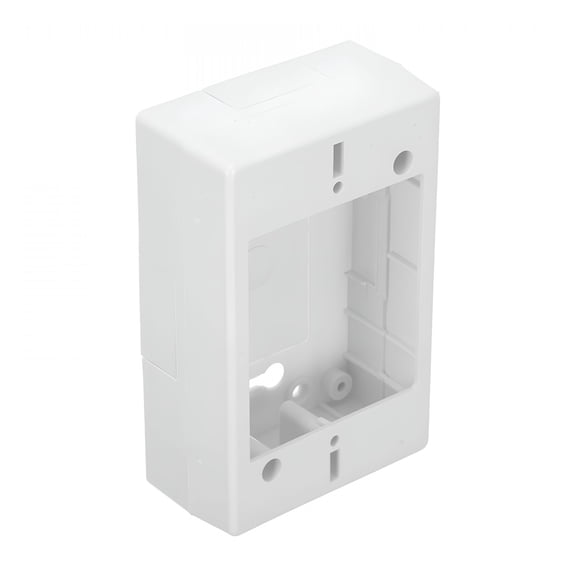
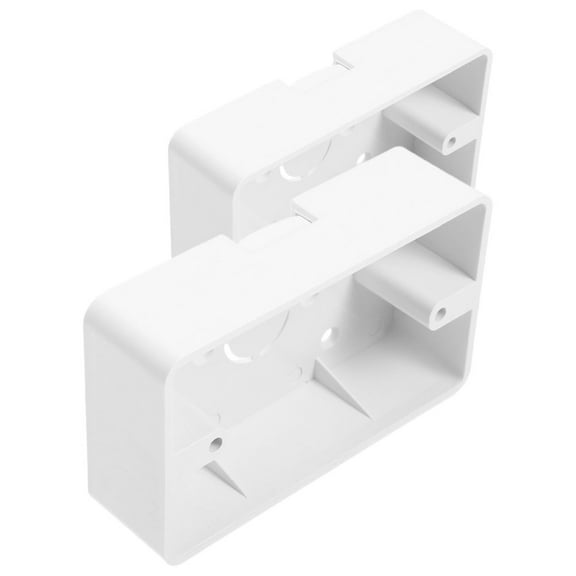
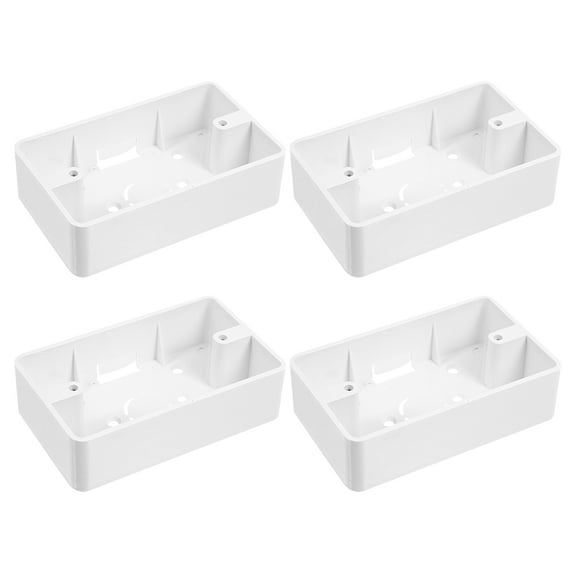
You can compare surface box electrical options faster when you focus on material, environment rating, box type, and gang capacity. You’ll find these boxes work well when you need wiring access without opening finished walls.
If you’re updating a workshop, garage, basement, or utility space, surface-mounted designs can simplify planning. You can route conduit on the wall surface and keep outlets, switches, or wire connections easy to reach.
How to choose surface box electrical options
You’ll want to start with the job location and the device you need to mount. You can narrow choices quickly when you match the box to indoor use, outdoor exposure, and the number of devices.
When you compare a surface mount electric box, you should also check conduit entry points and trade sizes. You’ll avoid guesswork when your box matches 1/2-inch or 3/4-inch conduit runs.
- You can choose plastic, PVC, steel, or metal based on durability and installation style.
- You can check outdoor ratings like NEMA or IP markings for exposed locations.
- You can match junction, outlet, switch, or pull box styles to your wiring layout.
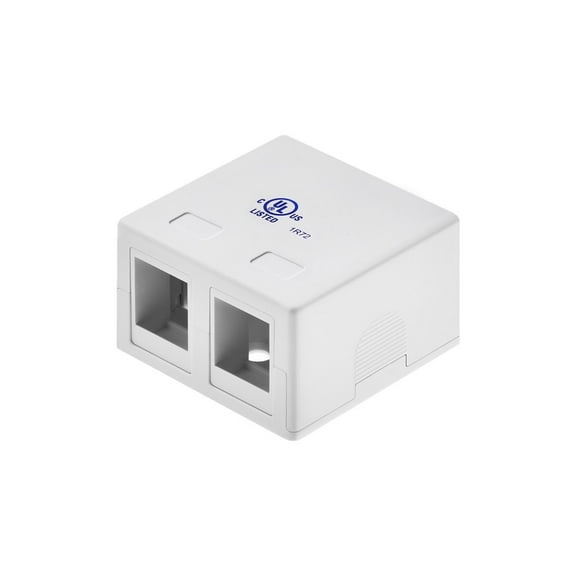
- You can select 1-gang, 2-gang, or multi-gang capacity for your devices.
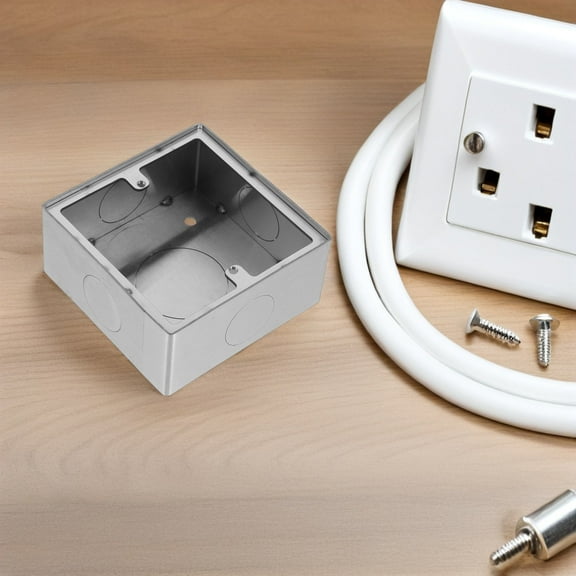
You’ll also notice that a surface mounted box can help keep additions organized in finished spaces. You can add power or switch access without cutting large openings behind drywall.
Choosing material and environment ratings
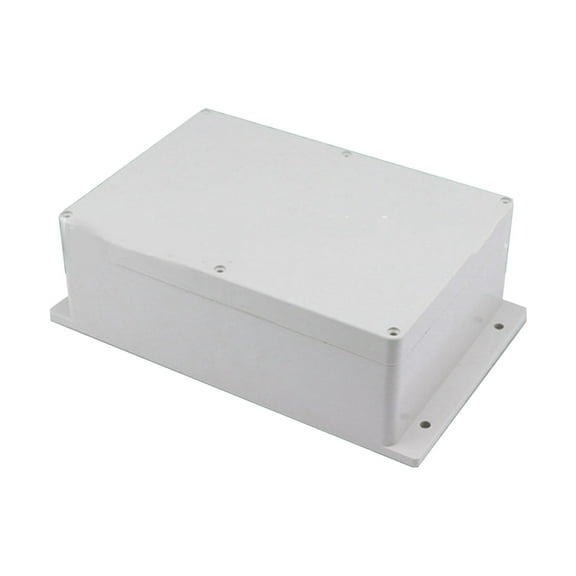
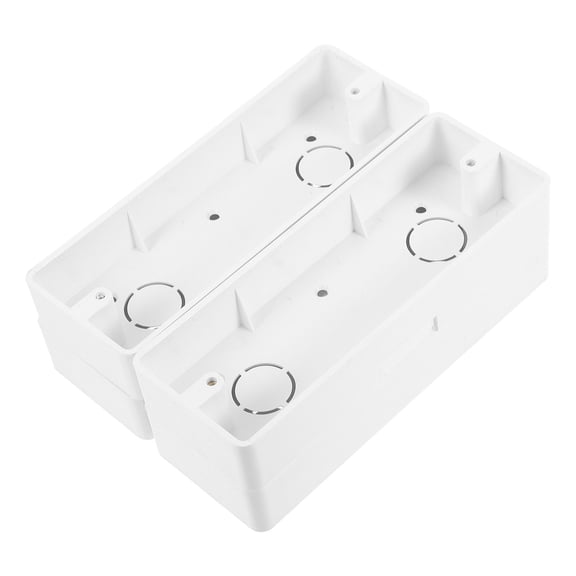
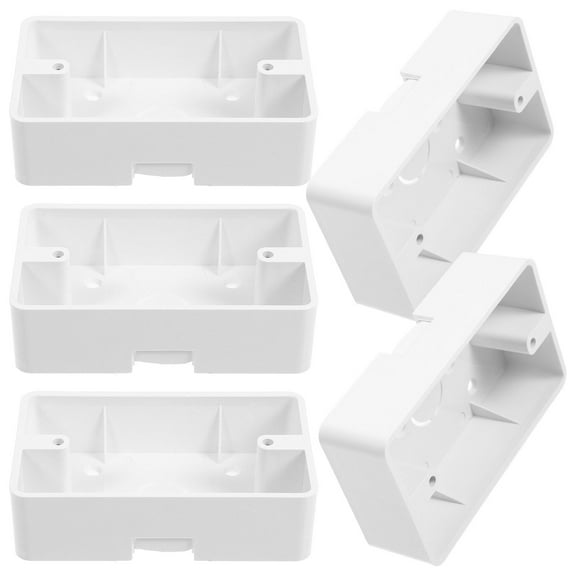
You can often use a plastic surface mount electrical box when you want a lightweight option for common indoor runs. You’ll appreciate easier handling when you’re aligning boxes with conduit along a wall.
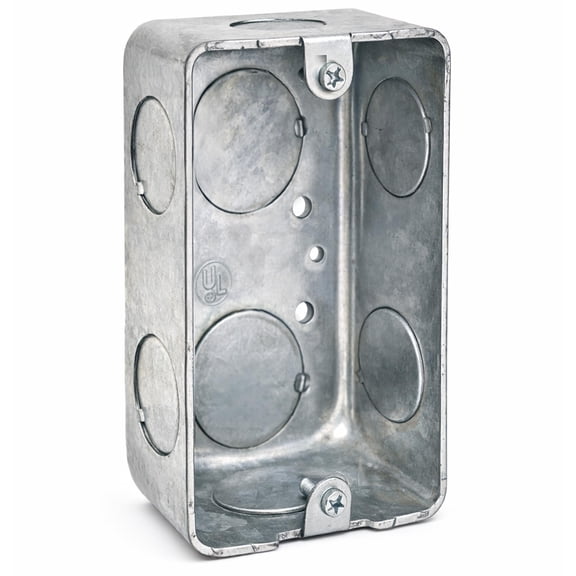
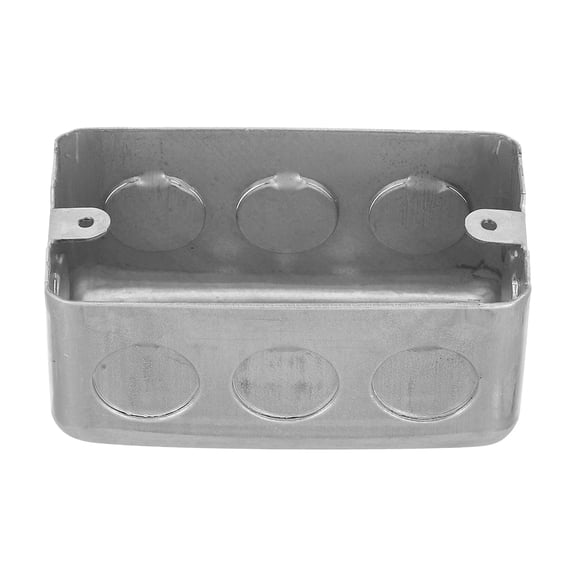
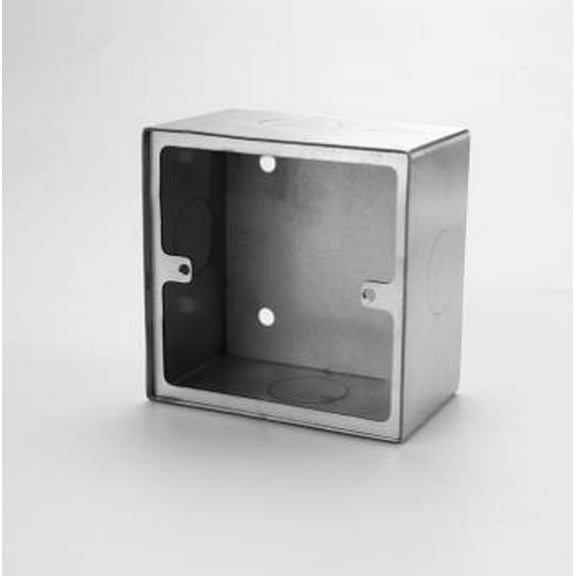
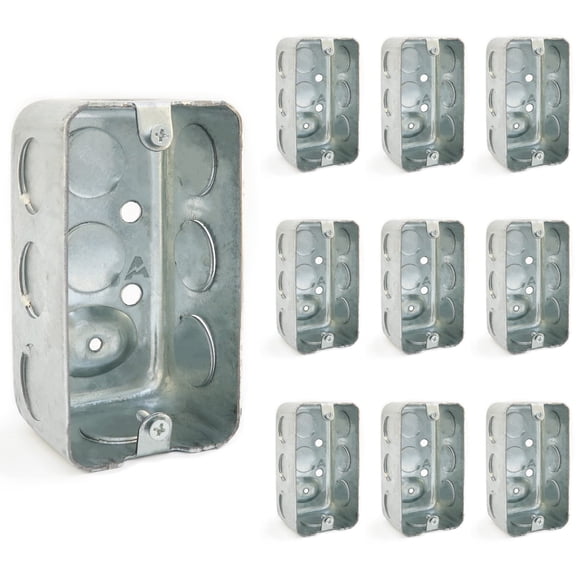
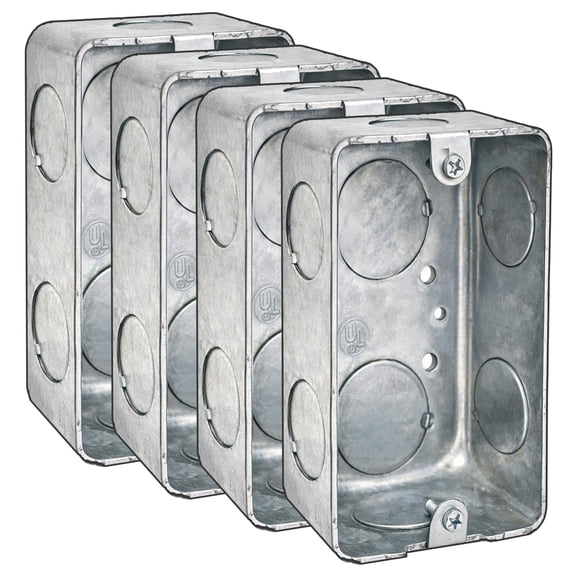
If you expect tougher conditions, you may prefer metal or steel for added rigidity. You can use these options where you want threaded entries, sturdy covers, or stronger mounting support.
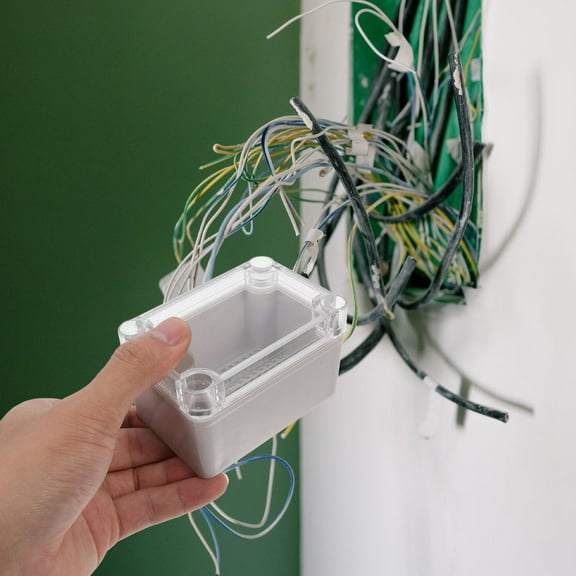
For outdoor projects, you should check whether your box is marked for weather exposure. You’ll want a surface mount outdoor electrical box with a rating that fits rain, dust, or splash-prone areas.
When you compare outdoor options, you should look for NEMA ratings or IP65 and IP66 markings. You can use those labels to judge enclosure protection in plain, practical terms.
You’ll usually read NEMA and IP ratings as guidance for where the box belongs. You can treat them as a quick filter for patio outlets, exterior walls, detached garages, or utility areas.
Choosing box type and gang capacity
You can choose a surface-mount junction box when your main goal is enclosing wire connections. You’ll find this style useful when conduit lines meet and splices need a dedicated enclosure.
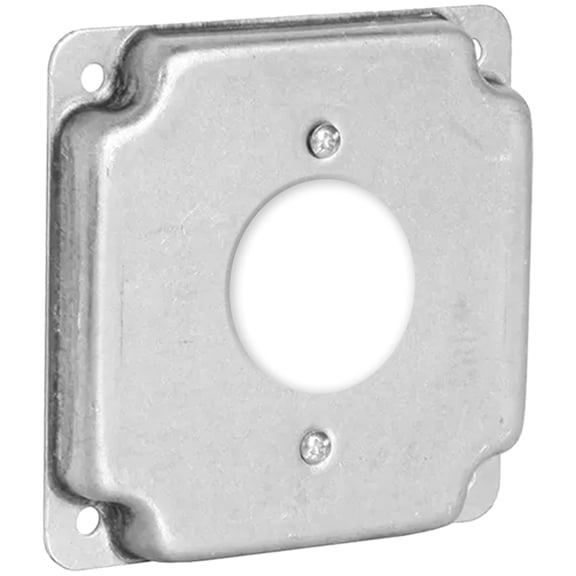
If you need a receptacle location, you can look for a surface mount outlet box. You’ll have an easier time matching cover styles when you know whether you’re mounting an outlet or a switch.
You may prefer a switch box when you’re adding lighting control on a finished wall. You can consider a pull box when you need extra access for wire routing and changes in direction.
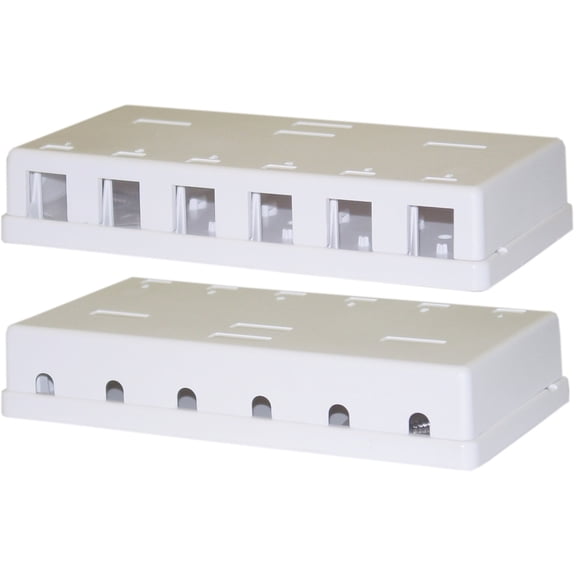
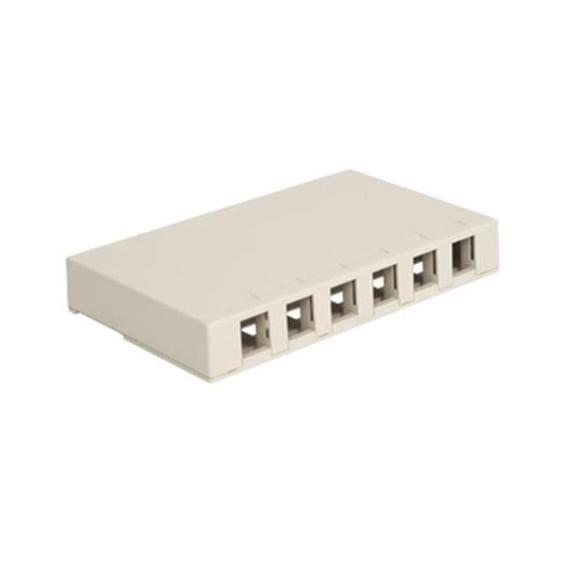
Gang capacity matters because you need enough room for your planned devices. You can choose a surface mount plug box in 1-gang, 2-gang, or multi-gang sizes based on your layout.
If you’re adding one receptacle or one switch, a 1-gang box may fit your project. You’ll want 2-gang or multi-gang options when you’re grouping controls or outlets together.
What to look for in conduit entries and mounting
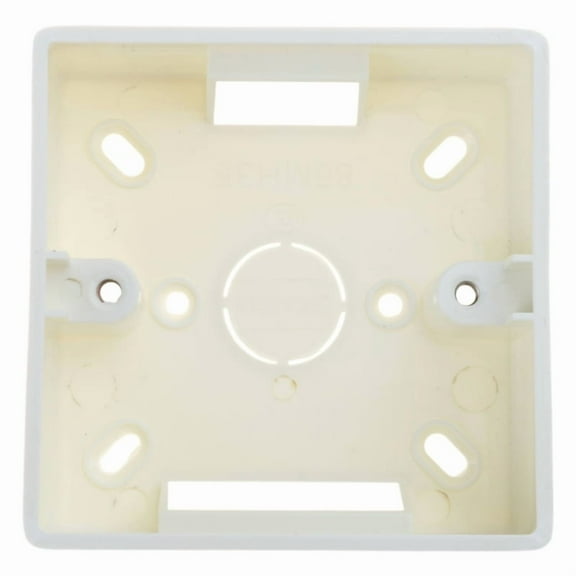
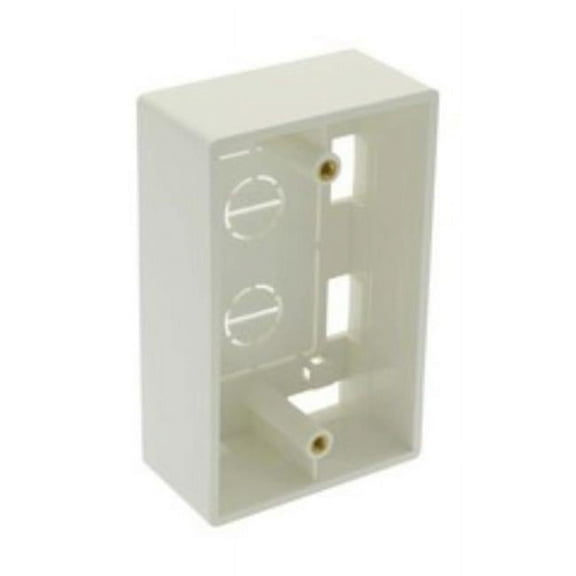
You should check the knockout pattern before you choose any surface mount electric box. You can avoid return trips when entry points line up with your conduit path.
Many shoppers compare 1/2-inch and 3/4-inch trade sizes because those dimensions affect compatibility. You’ll want enough entry flexibility if your run changes direction at corners or equipment points.
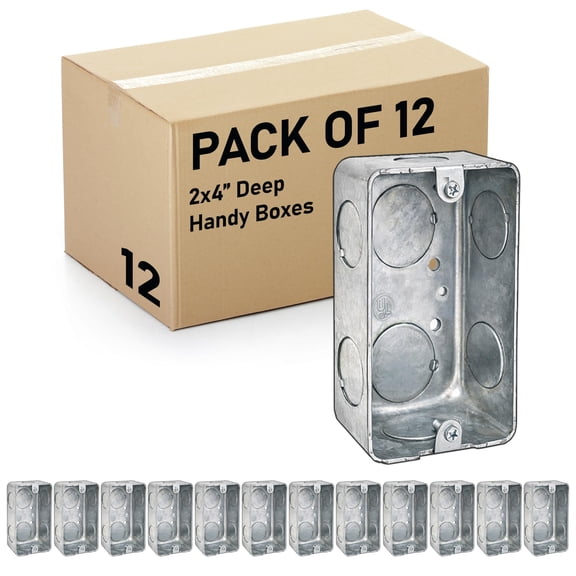
You can also compare depth when you need room for wire connections and device fit. You’ll notice deeper boxes can make some setups easier when several conductors enter one enclosure.
Mounting style can also shape your install plan in a visible location. You can look for boxes that fit flat against masonry, drywall, wood, or workshop panel surfaces.
If you’re working in garages or utility rooms, you may want clearly placed knockouts and simple cover access. You can make future additions easier when your box leaves room for routing changes.
Matching common projects to the right box
You can use indoor plastic or PVC boxes for basement outlets, workshop switches, or laundry area additions. You’ll often like these choices when moisture exposure stays limited and easy handling matters.
For exterior walls, patios, sheds, or service areas, you should focus on outdoor-rated enclosures first. You can then match the right box type for an outlet, switch, or wire splice point.
If you’re extending conduit across a garage wall, a surface mount outlet box can keep devices accessible. You’ll also keep the run looking more intentional when the box, conduit size, and cover align.
When several conductors meet above a bench or near equipment, you may need a surface-mount junction box. You can keep connections contained in one spot and simplify future access.
You might choose a metal multi-gang box for grouped switches in a workshop or utility area. You can choose a single-gang plastic box when your project only needs one outlet location.
You’ll feel more confident when your box matches your conduit size, environment, and device count. You can finish your wiring layout with a cleaner fit and easier access for later changes.