

Compasses & Protractors in Rulers, Compasses & Protractors






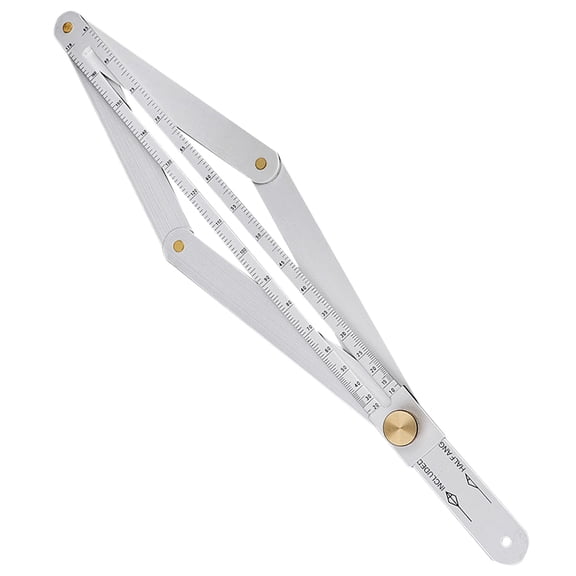
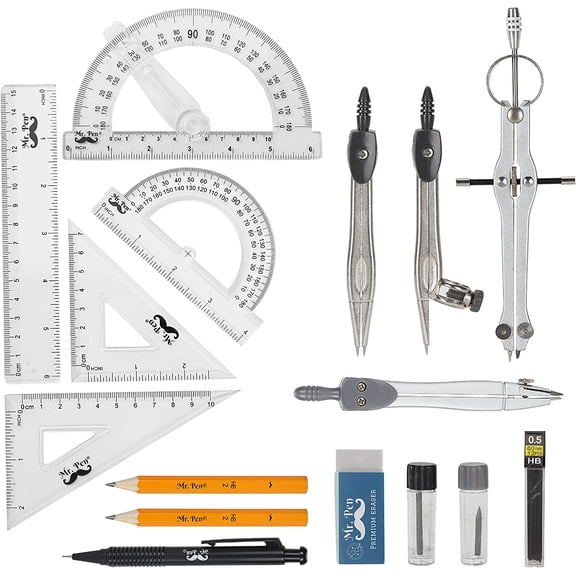
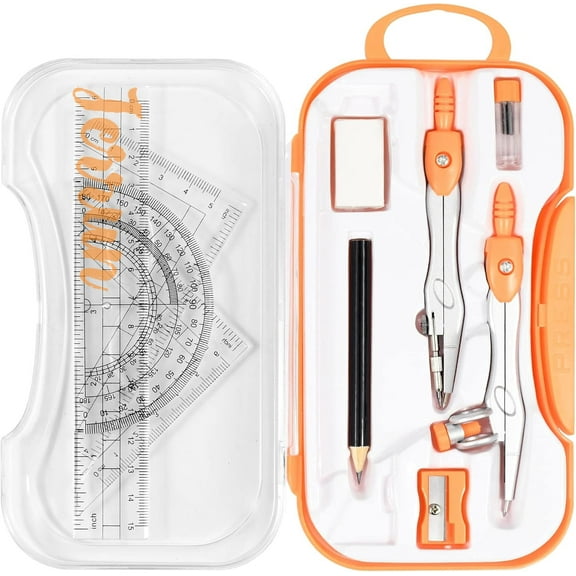


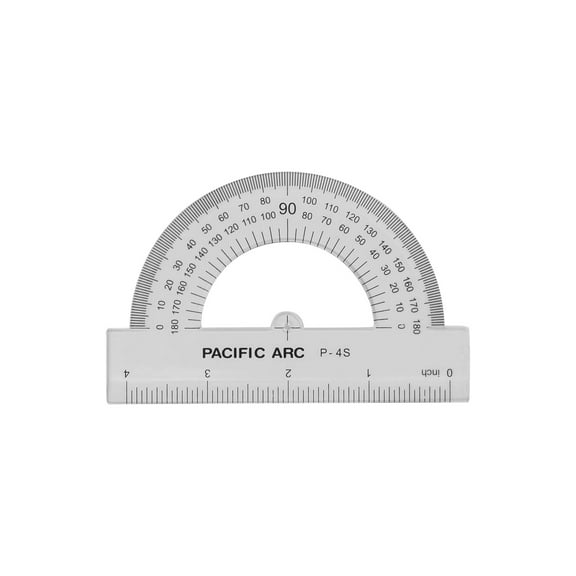
![BAZIC Metal Ball Bearing Compass w/ #2 Wood Pencil [2805]](https://i5.walmartimages.com/seo/BAZIC-Geometry-Math-Compass-Set-Scale-Arm-Nickel-Plated-Drafting-Tool-2-Pack_912967d0-3aca-4b9e-82fc-75f27be267c8.2f16a749fdb373a413d2c53afb86d416.jpeg?odnHeight=576&odnWidth=576&odnBg=FFFFFF)











About Compasses & Protractors in Rulers, Compasses & Protractors - Walmart.com
Compasses and protractors help you measure angles, draw clean circles, and complete geometry work with less guesswork. You can compare school-ready basics, drafting-friendly tools, and complete sets that match classwork, teaching, or technical drawing.
How to choose compasses and protractors
When you choose compasses and protractors, you should start with material, tool type, user type, and measurement system. You can narrow options faster when you know whether you need classroom safety, repeated daily use, or drafting precision.
If you're buying for school, you may want simple tools that feel easy to grip and easy to read. If you're buying for drafting, you may prefer steadier construction and adjustable parts for cleaner lines.
Choosing material for a plastic protractor or metal drawing compass
You should compare plastic, metal, and shatter-resistant designs based on how often you'll carry and use them. You may like lighter tools for pencil cases, while you may prefer metal pieces for a firmer feel.
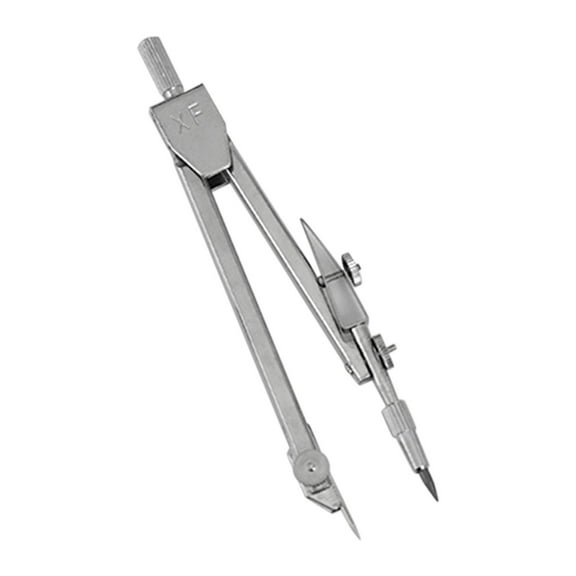
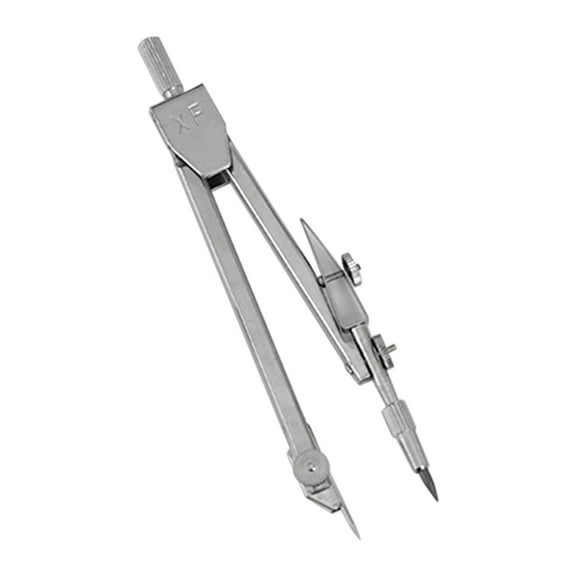
A plastic protractor often gives you clear markings and lighter weight for everyday school math tools. A metal drawing compass usually gives you a stable pivot and consistent circles when you need repeated accuracy.
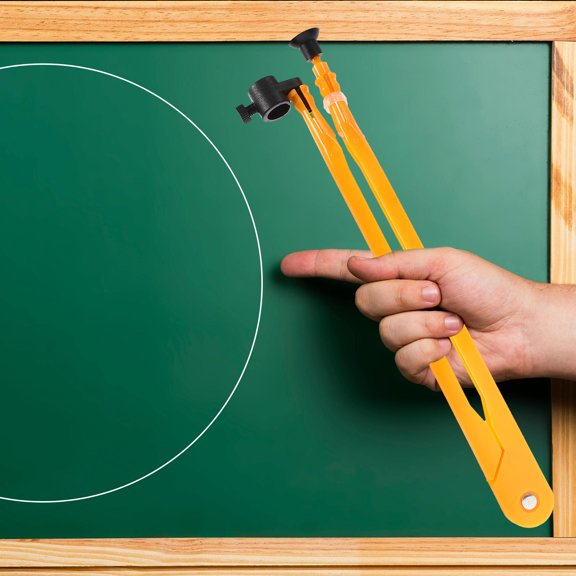
If you shop for younger students, you may look for safety-minded points and smoother edges. If you need long-term classroom use, you may check shatter-resistant construction for busy backpacks and desks.
- You can choose plastic tools when you want lighter weight and easy visibility.
- You can choose metal tools when you want a steadier hand feel for drafting tasks.
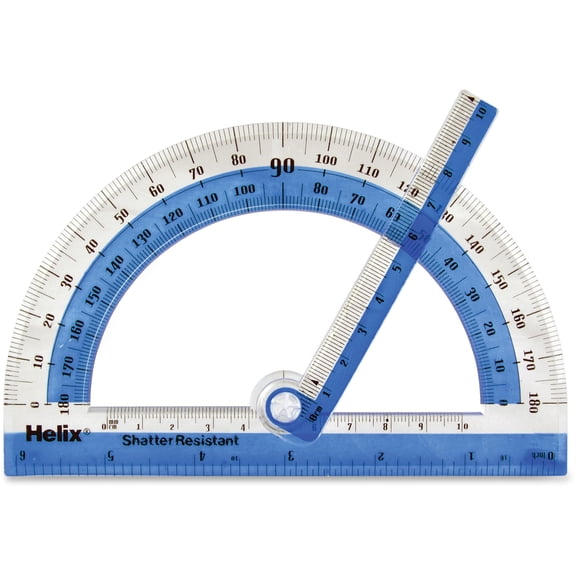
- You can choose shatter-resistant pieces when you want school supplies built for frequent carrying.
- You can compare safety-point designs when your student is learning basic geometry skills.
Comparing tool types in a compass and protractor set
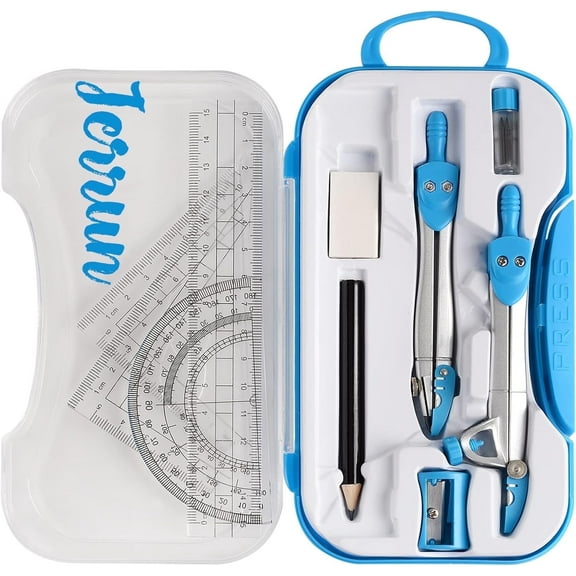
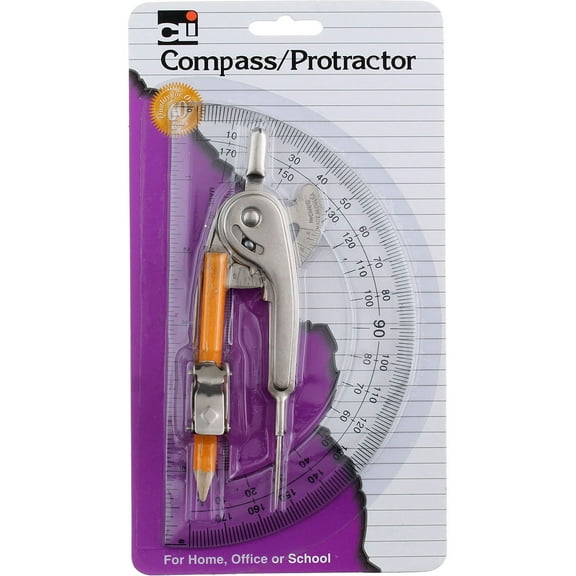
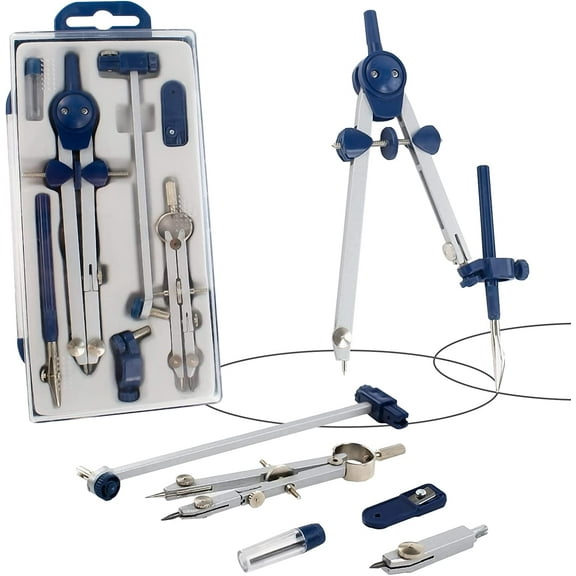
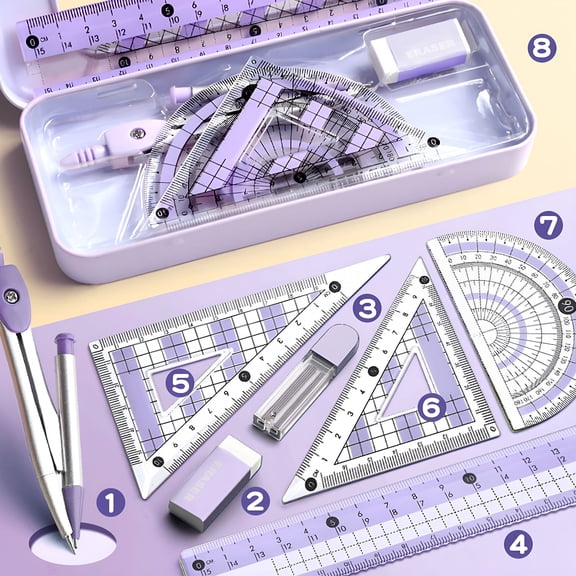
You should decide whether you need one tool or a compass and protractor set. You can pick individual pieces for replacements, or you can choose multi-piece kits for a full geometry setup.
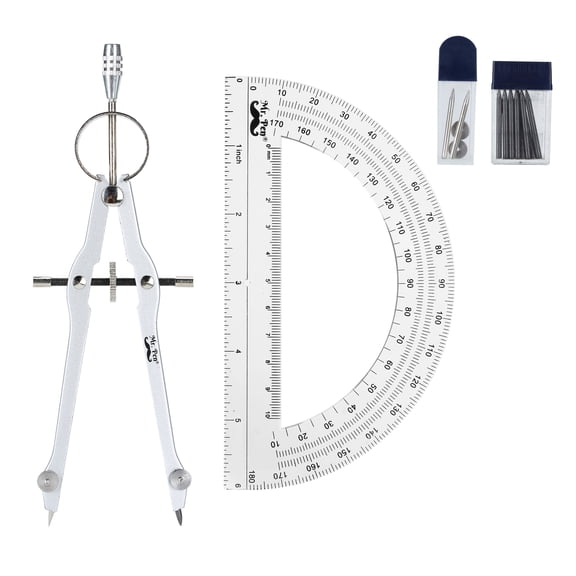
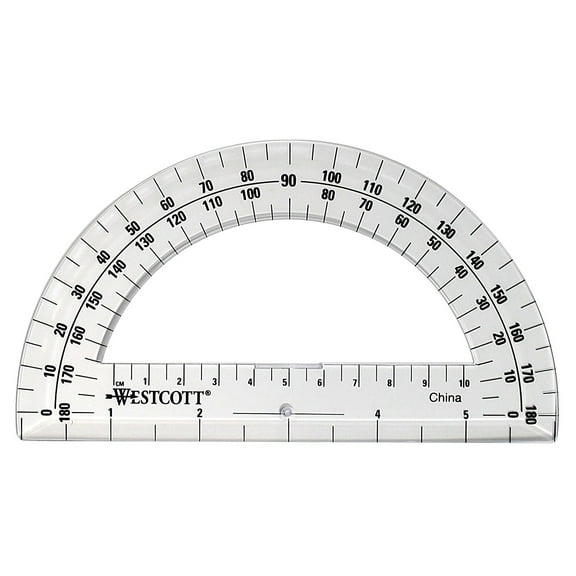
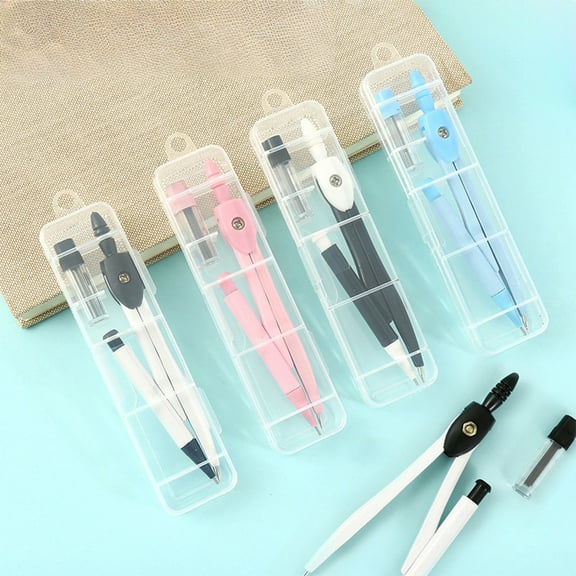
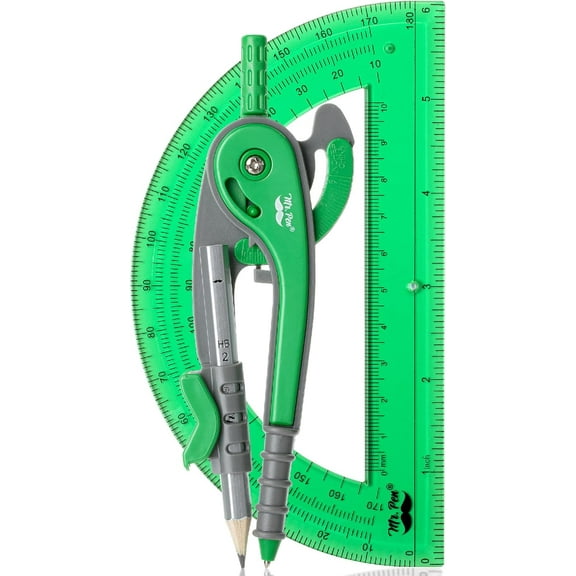
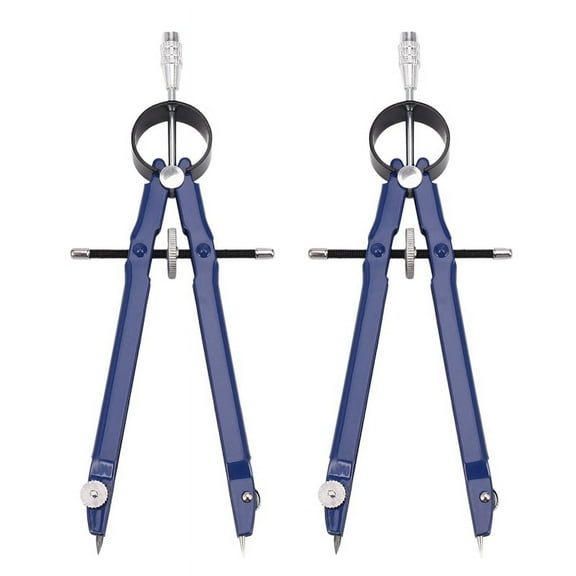
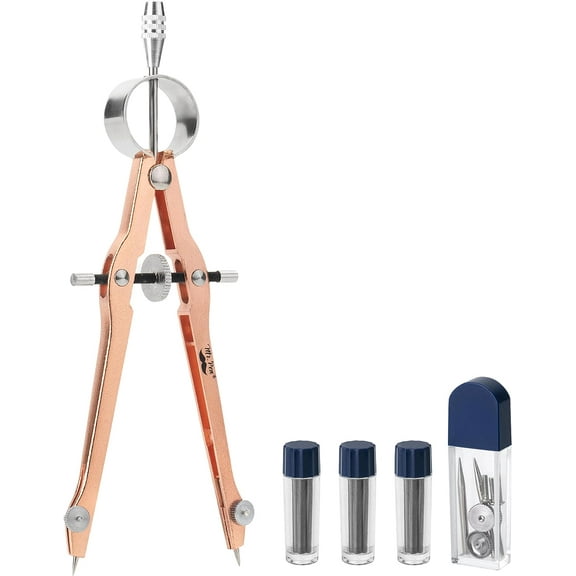
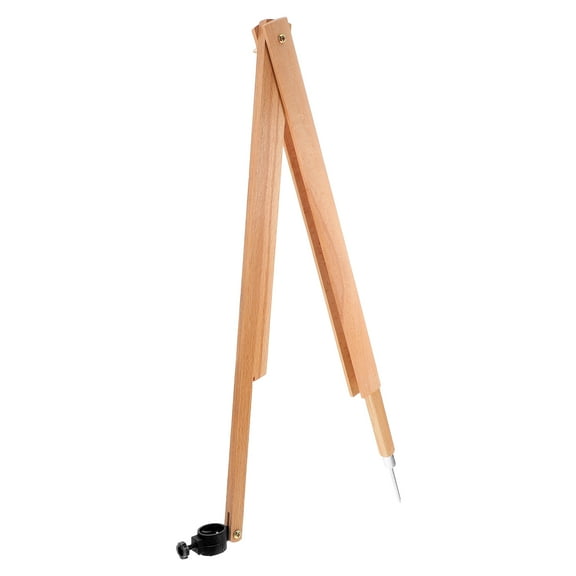
A geometry compass helps you draw arcs and circles with controlled spacing between the point and pencil. A math protractor helps you read angles, check turns, and mark degree lines for assignments.
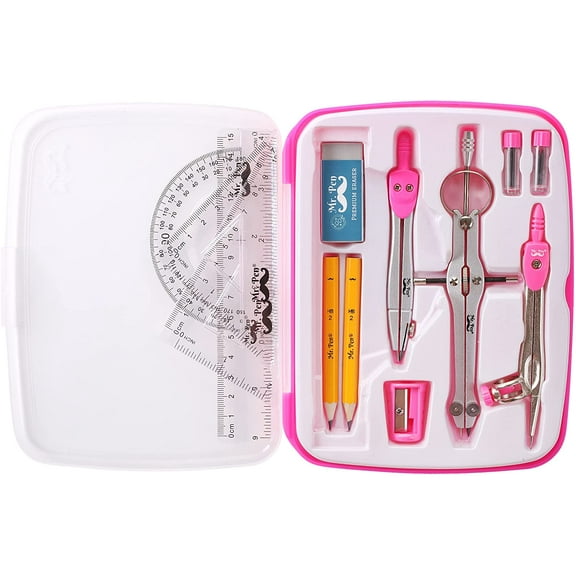
You may also want a ruler included if you need straight lines, quick measurement checks, or a compact classroom kit. If you're stocking up for class, a geometry set for school can keep matching tools together.
Understanding measurement systems and angle formats
You should check whether your math protractor uses metric, imperial, or dual scale markings. You can move through classwork faster when your measurement labels match your worksheets and teacher instructions.
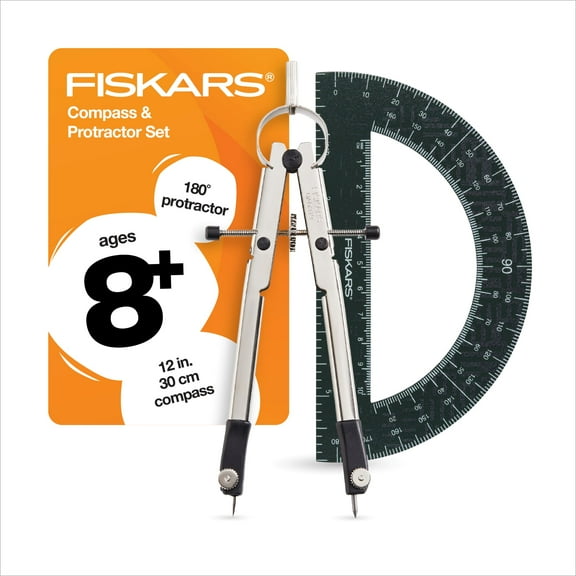
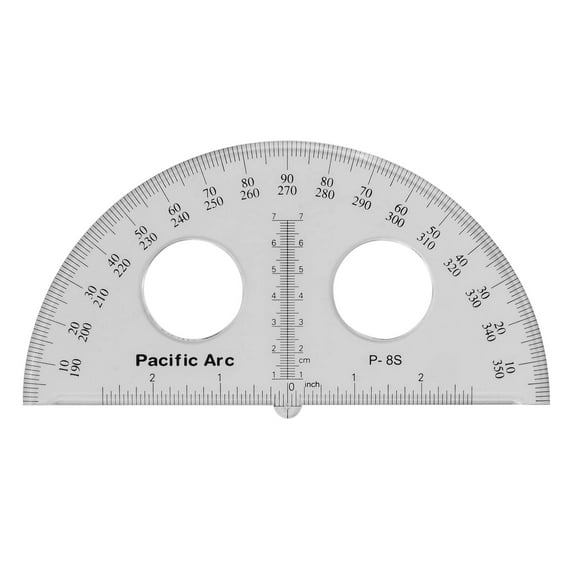
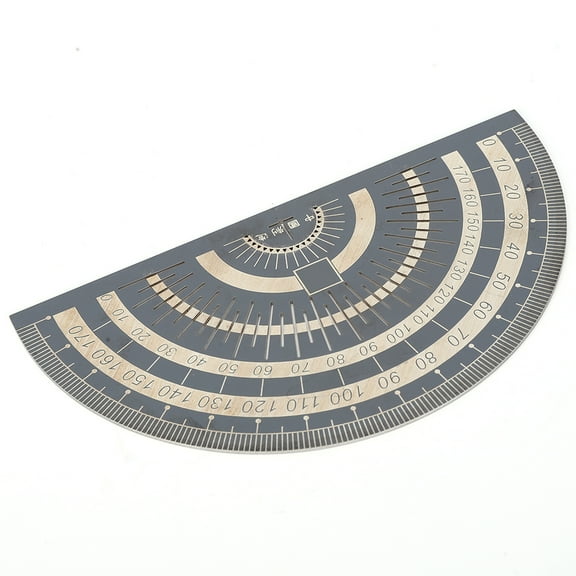
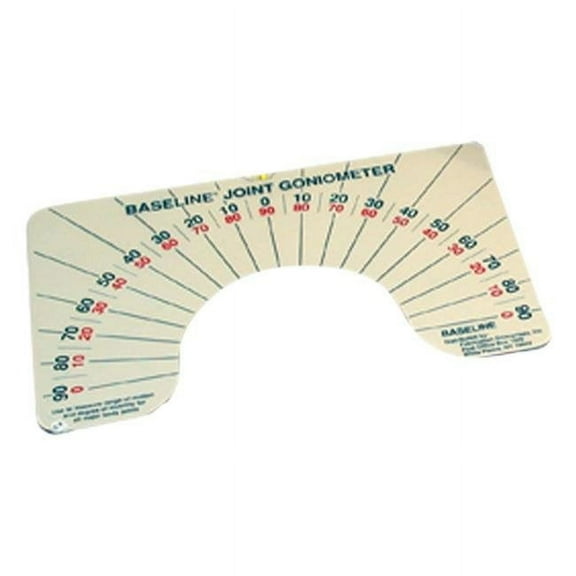
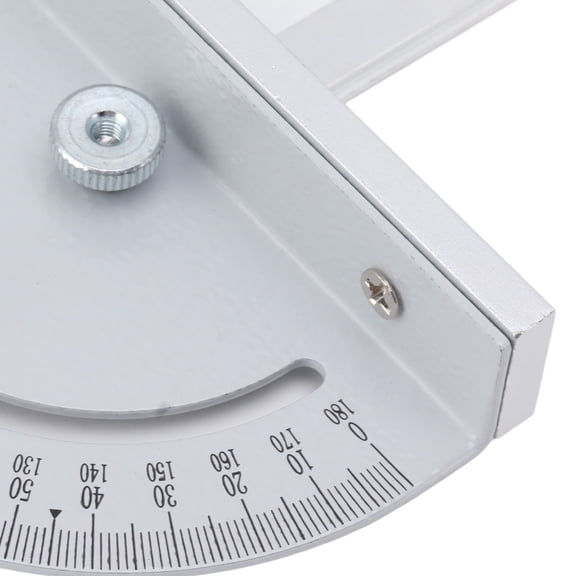
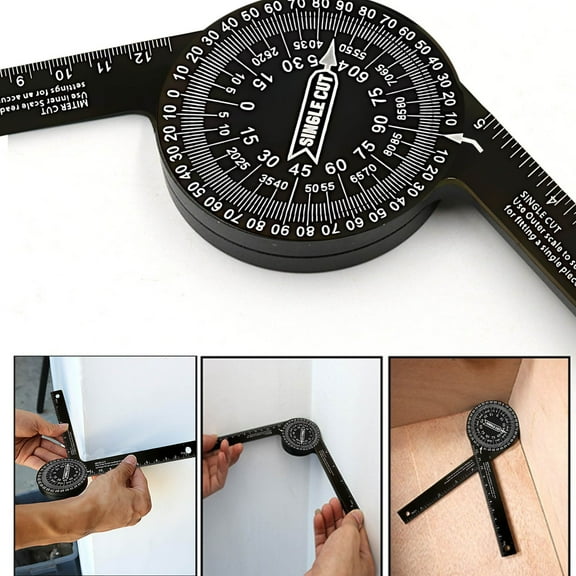
A 180-degree protractor works well when you need to measure common classroom angles along a flat baseline. A 360-degree protractor can help when you need full-circle reading for design, technical drawing, or advanced geometry tasks.
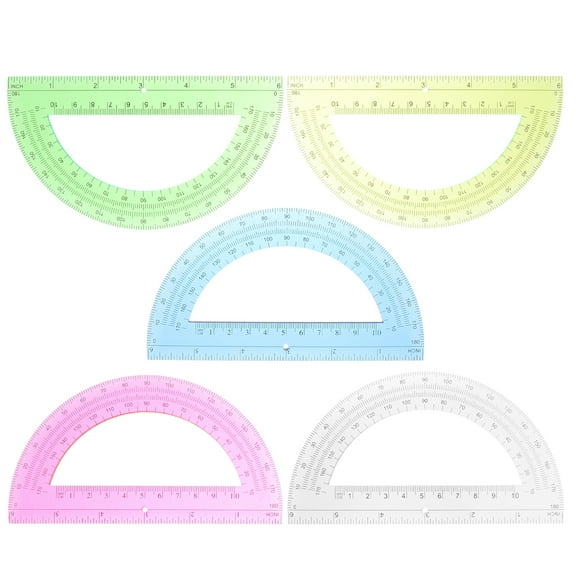
You may also compare clear protractor styles if you want to see page lines underneath the tool. You can align baselines and angle marks more easily when the center point stays visible on the paper.
Matching user type to the right school math tools
You should think about who will use the tools before you choose size, material, and set contents. You can often simplify the decision by separating student, teacher, and professional needs.
If you're buying for a student, you may want readable numbers, lighter pieces, and a case-friendly shape. If you're buying for a teacher, you may want extras for demonstrations, replacements, or shared classroom bins.
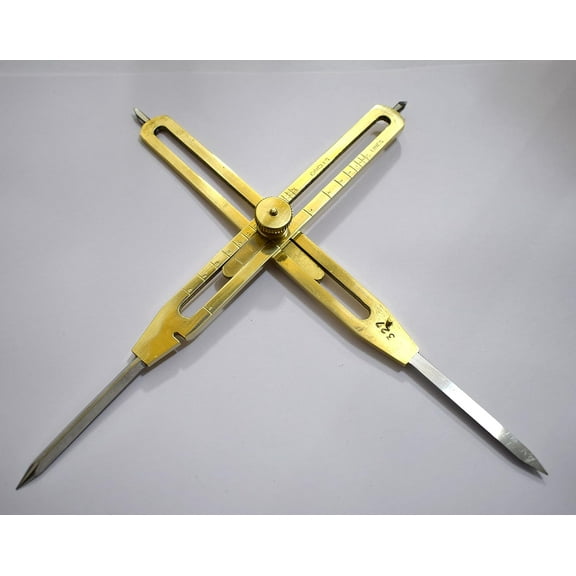
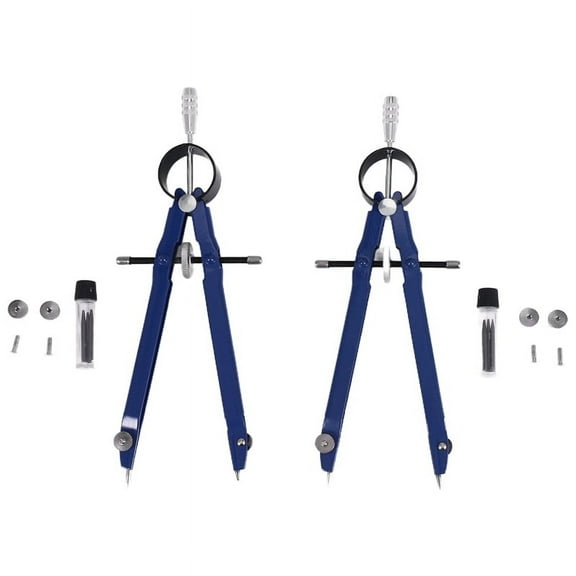
If you're buying for professional work, you may look for a drawing compass with firmer adjustment and durable metal parts. You can support more exact layout work when your tools stay steady during repeated use.
Using compasses and protractors for real tasks
You can use these tools for daily homework, classroom instruction, drafting practice, and organized supply lists. You may also keep a compass and protractor set ready for quizzes, projects, and take-home assignments.
For elementary and middle school learners, you may prefer safety-focused pieces with simple markings and straightforward shapes. You can help younger students follow angle lessons more easily with clear degree labels and manageable tool sizes.
For high school geometry, you may want dual scale options, a reliable geometry compass, and matching rulers in one case. You can handle circle construction, bisectors, and angle measurement without piecing together separate supplies.
For art, design, or drafting practice, you may want a metal drawing compass and a clear protractor for precise layout. You can mark arcs, check degree placement, and keep lines cleaner across repeated projects.
If you're preparing classroom kits, you may compare individual replacements against full sets with rulers and storage cases. You can keep lessons moving when students have the right tools grouped together from the start.
What to look for before you choose
You should check point style, leg adjustment, printed markings, and included tools before you decide. You can avoid mismatches when you compare age needs, assignment type, and whether a case fits your routine.
With the right compasses and protractors, you can measure angles clearly, draw circles neatly, and keep geometry work organized. You get a more dependable setup when your materials, scales, and tool count match your actual coursework.