

Hearing Impaired Doorbells in Doorbells
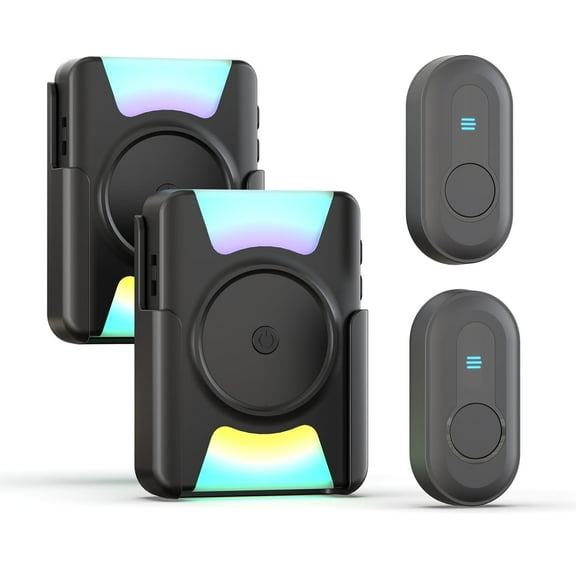

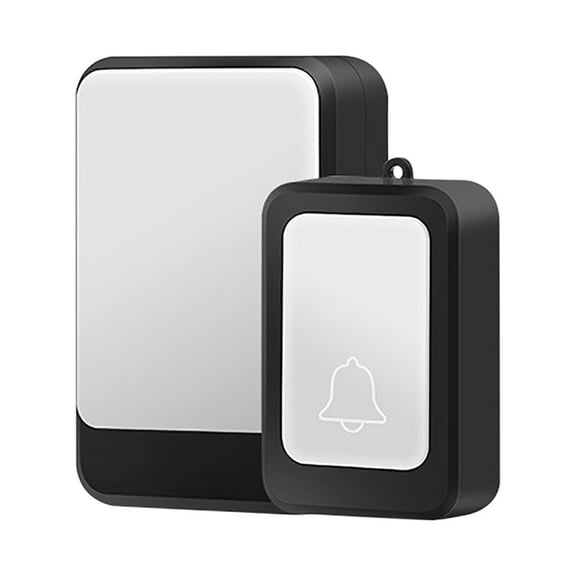


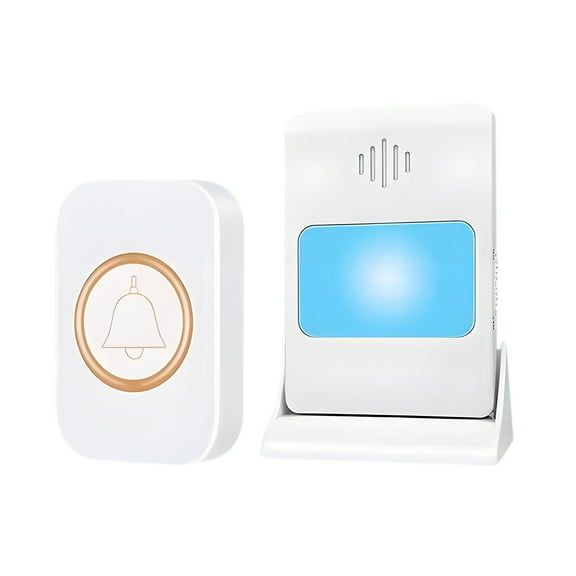


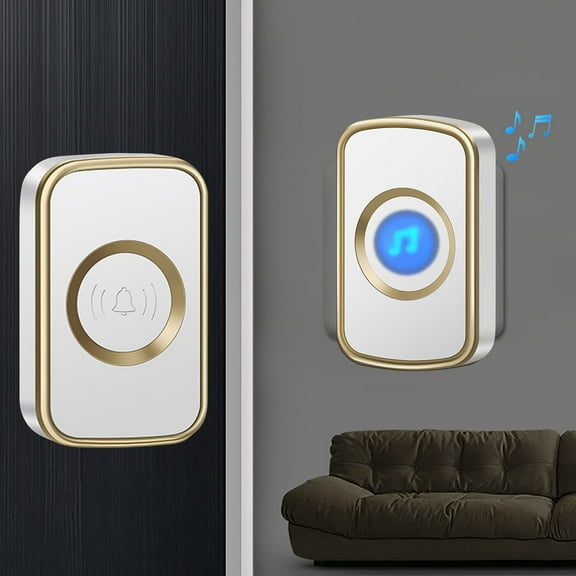










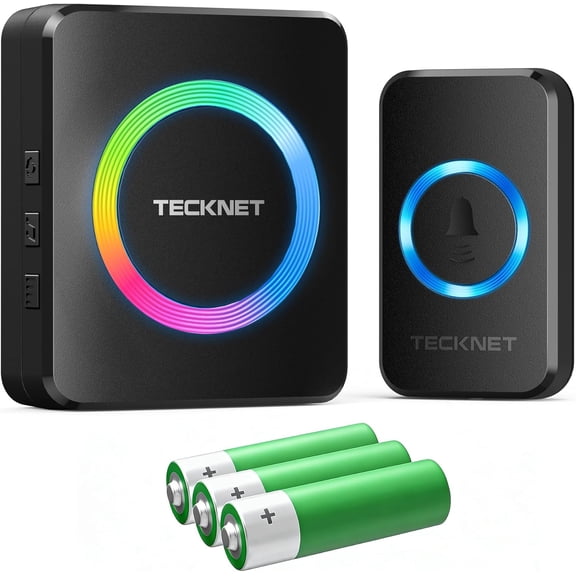
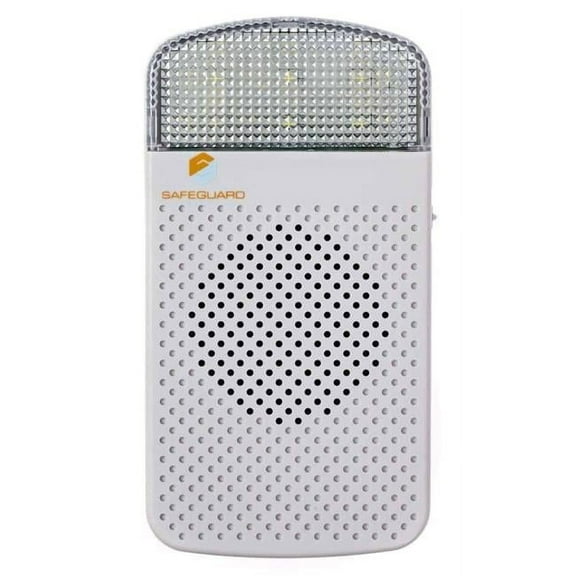
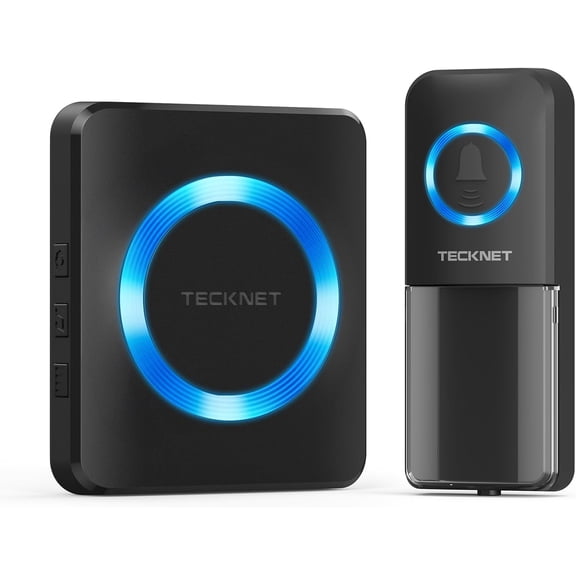
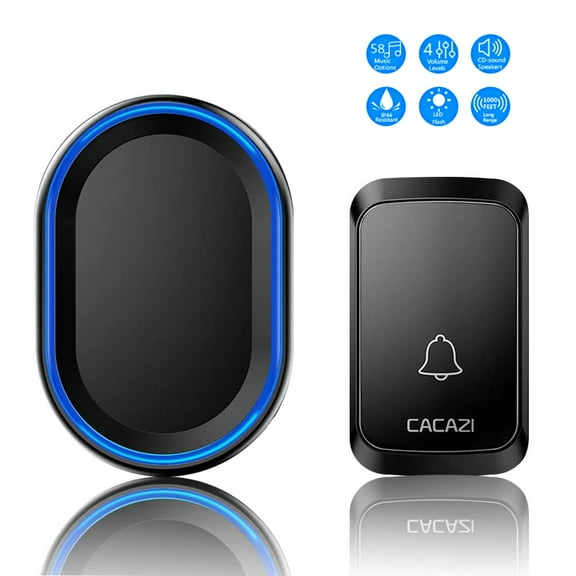






About Hearing Impaired Doorbells in Doorbells
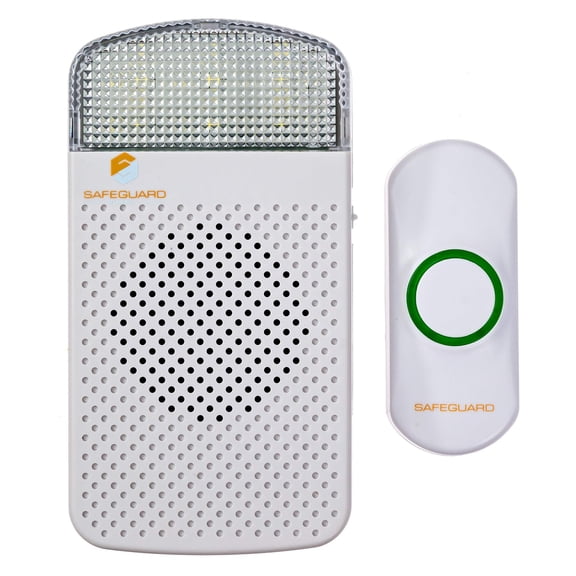
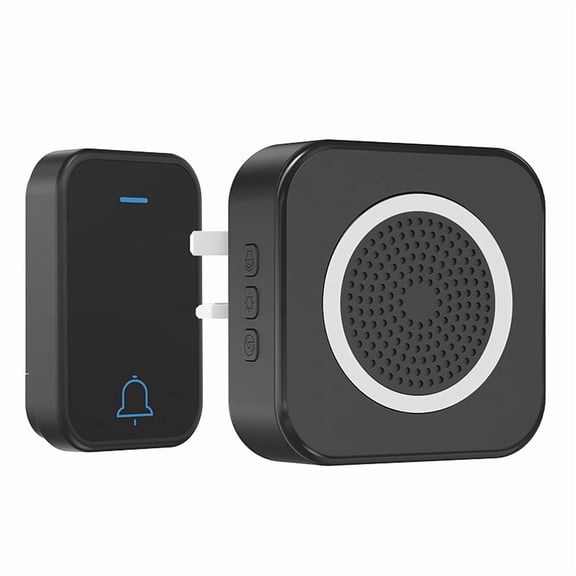
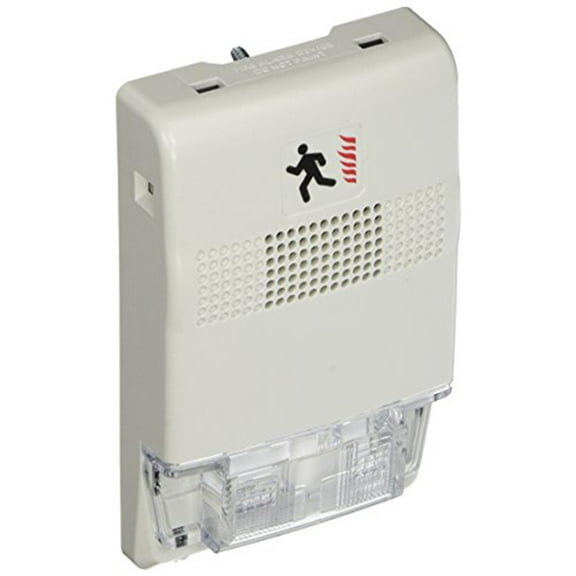
You can choose a flashing light doorbell for hearing impaired use that fits your home layout and your preferred alert style. You can compare bright visual signals, extra loud chimes, and flexible wireless placement for everyday entry alerts.
If you want clear notice when someone arrives, you should compare alert type, volume, power source, and operating range first. You can make an informed choice when you understand how strobe lights, vibration receivers, and high-decibel chimes work in real rooms.
How to choose door bells for hearing impaired use
You should start with the alert style that matches how you notice visitors at home. You may prefer a doorbell with flashing light, an extra loud chime, a vibrating receiver, or a combination setup.
When you compare alert types, you can see that flashing light signals stand out across rooms without relying on sound alone. If you share your space, you can add loud sound or vibration so your alerts reach different people.
- You can use flashing or strobe alerts for visual notice across open spaces.
- You can choose adjustable volume when your chime needs to fit daytime or evening routines.
- You can add vibration receivers when your alerts need to move with you around your home.
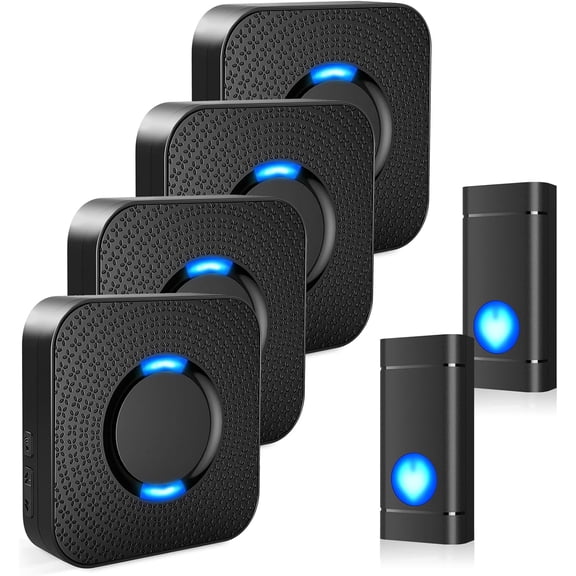
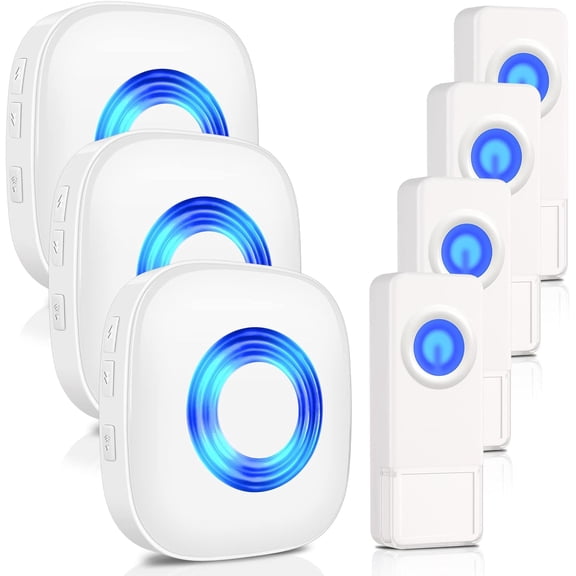
- You can pair multiple receivers when your home needs coverage in bedrooms, offices, or lower levels.
You should also think about where your receiver stays during the day. If you move between rooms often, you can benefit from a setup that supports more than one alert point.
Because doorbells for hard of hearing shoppers often serve different room layouts, you should check whether the kit supports expansion. You can get flexibility when one transmitter pairs with several receivers or lights.
Comparing a flashing light doorbell for hearing impaired homes
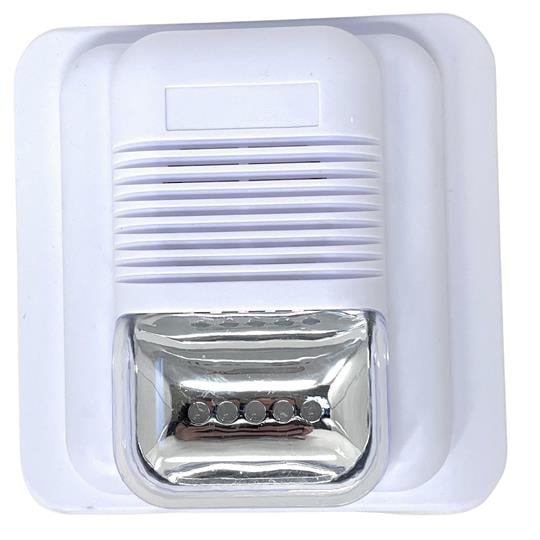
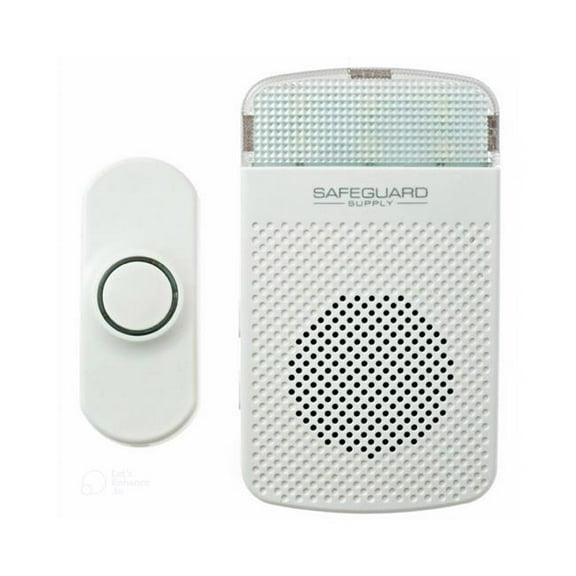
You should compare flashing light and strobe light alerts by brightness and visibility in your usual spaces. If your hallway turns or room dividers block sightlines, you may want several receivers instead of one.
An extra loud doorbell for hearing impaired homes often lists adjustable volume levels or output around 95dB, 100dB, or 110dB. You can use those numbers to judge how noticeable the chime may seem in larger rooms.
If you want more control, you should look for adjustable volume instead of one fixed setting. You can raise the chime for busy daytime hours and lower it when your routine changes.
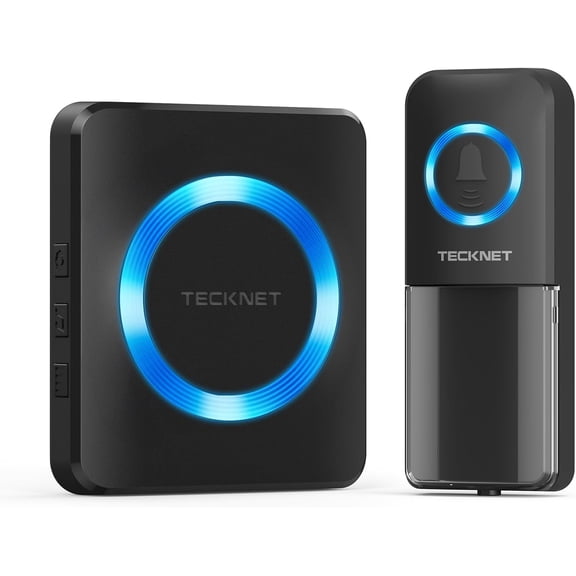
Power source matters because you need it to match installation with your home. You can choose plug-in receivers for simple setup, battery operated pieces for flexible placement, or wireless receiver systems for quick changes.
When you compare wireless options, you should check the listed operating range and your wall layout. A 300-foot model may suit a smaller space, while 500-foot or 1000-foot coverage can help in wider homes.
You should also think about wall penetration in plain terms. If your signal travels through brick, metal, or several floors, you may need more range than the box number suggests.
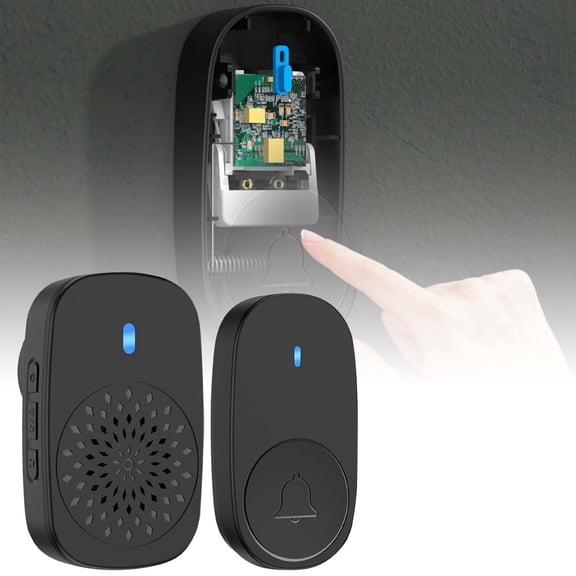
A doorbell for hearing impaired shoppers can feel easier to use when setup stays simple. You can place a receiver near your kitchen, office, or bedroom without planning a complicated wired install.
Matching use cases to your home and routine
You can use a flashing light doorbell for hearing impaired households when visual notice is highly important during cooking, cleaning, or working. You can notice the alert easily when appliance noise or distance makes a standard chime less useful.
If your home has several levels, you should consider a receiver in each busy area. You can cover upstairs bedrooms, basement spaces, and back rooms without depending on one central chime.
You may want a doorbell for the hard of hearing in a home office where headphones limit sound awareness. A bright receiver or strobe unit can help you notice visitors without interrupting your setup.
For shared households, you can combine visual and sound alerts so each person notices arrivals differently. You can create a practical system when one person follows the light and another hears the chime.
If you care for an older adult, you may prefer a doorbell for the hearing impaired with plug-in receivers and clear controls. You can make daily use simple when buttons, lights, and volume settings feel easy to understand.
You can also compare a doorbell for deaf light setup with vibration-based receivers for more mobility around the house. If you spend time away from fixed rooms, you may like an alert option that moves with you.
When you’re choosing a light doorbell for deaf users in a larger home, you should match the system to entry points. You can pair front door coverage with extra receivers when your household needs alerts in more places.
A doorbell for the hearing impaired works well when you measure your layout before you buy. You can narrow your options quickly when you know your preferred alert type, your needed range, and your installation style.
What to look for before you decide
You should check whether your kit includes the transmitter, receiver, and any light modules you want to use right away. You can avoid setup surprises when you confirm how many pieces come in the box.
If you want a doorbell with flashing light that grows with your household, you should look for pairing support. You can appreciate that flexibility when you add another receiver later for a bedroom or workspace.
You can feel more confident when your choice fits your routine instead of forcing a workaround. Your doorbell for hearing impaired needs can stay clear, visible, and easy to notice throughout your home.