


Find auto parts that fit
Let’s search for parts that fit your vehicle.Motorcycle Stators in Motorcycle Ignition Parts

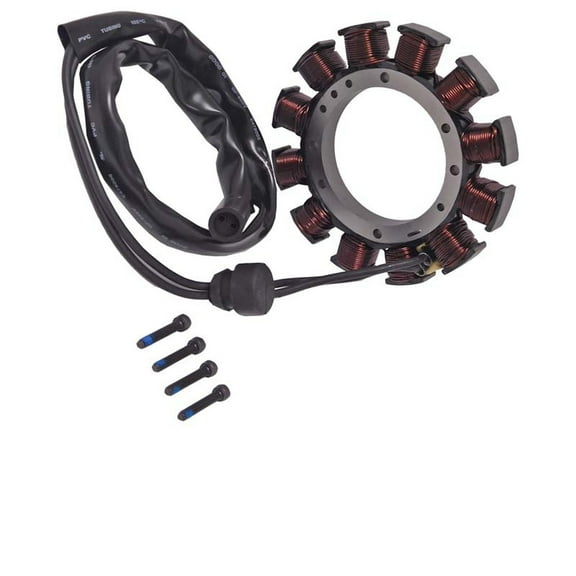
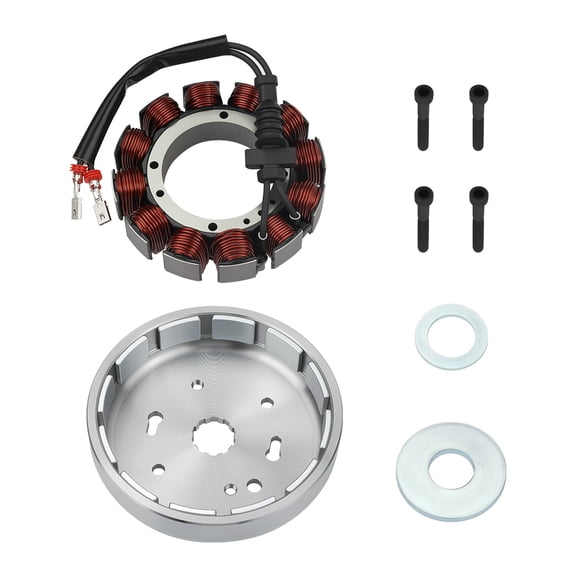

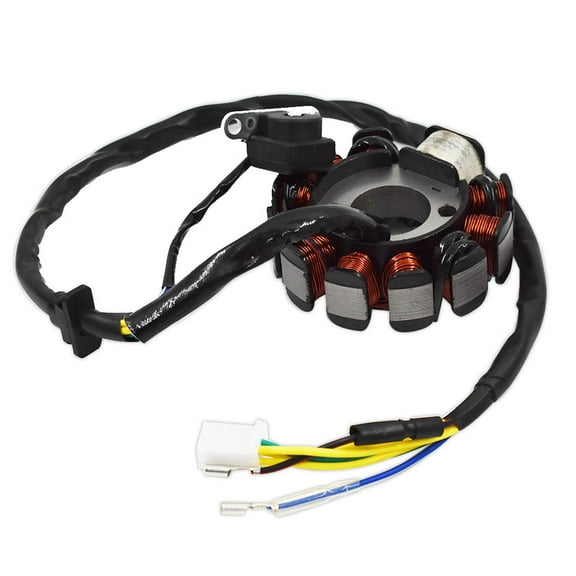

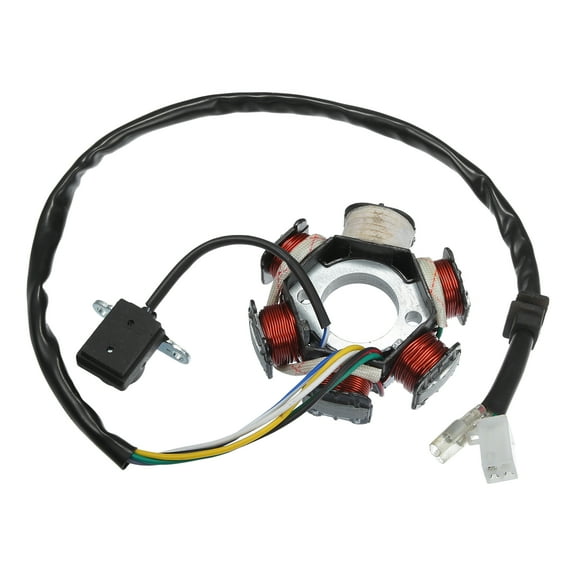

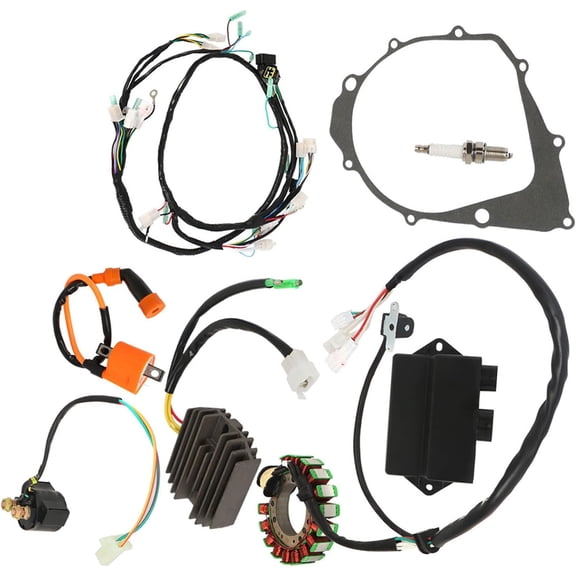

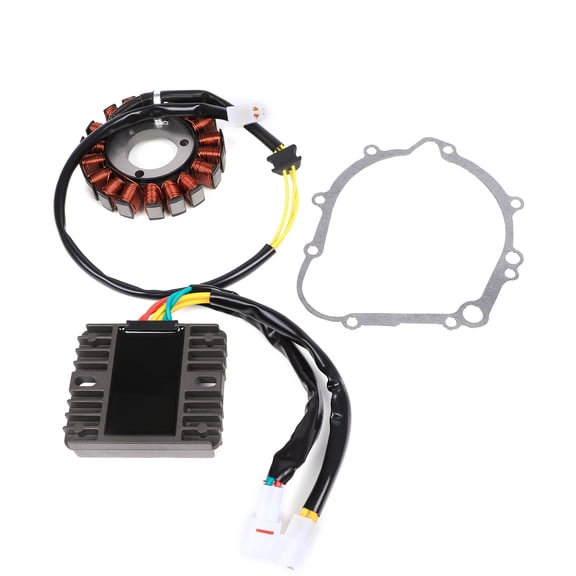


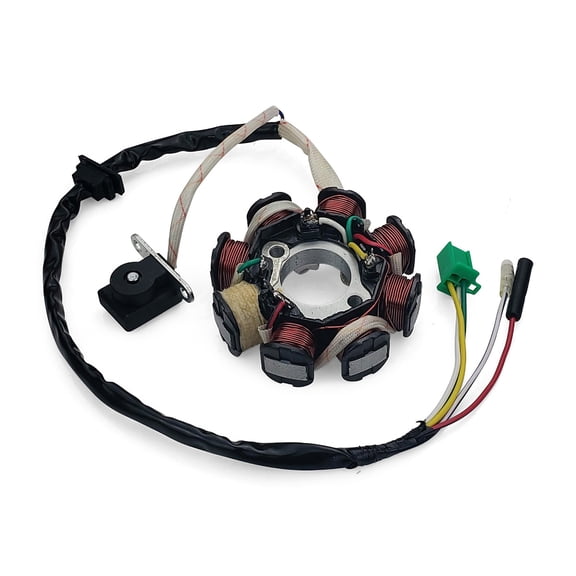
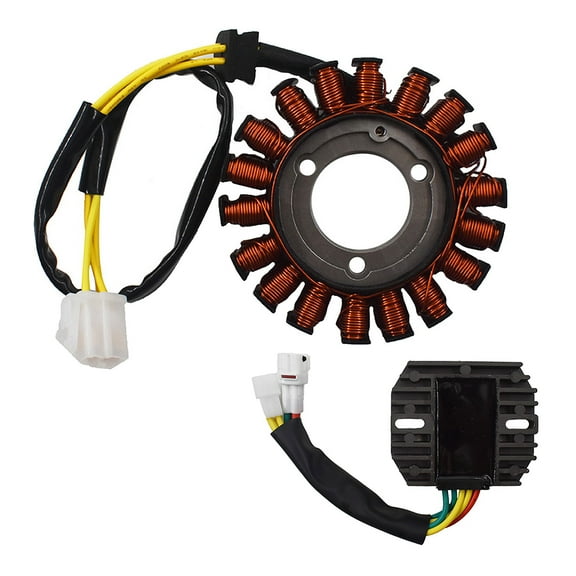


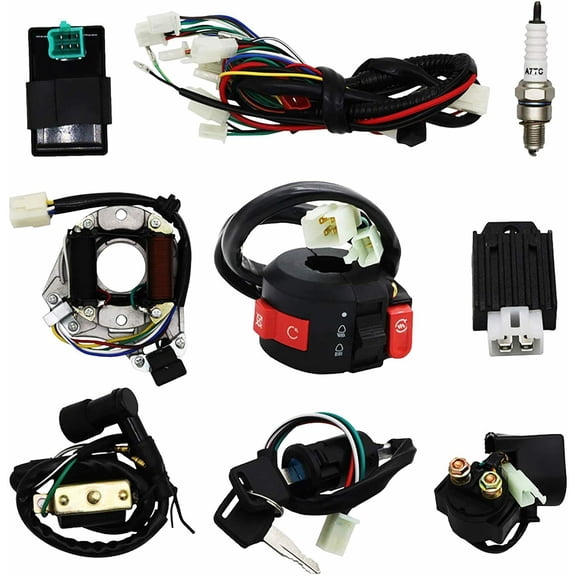
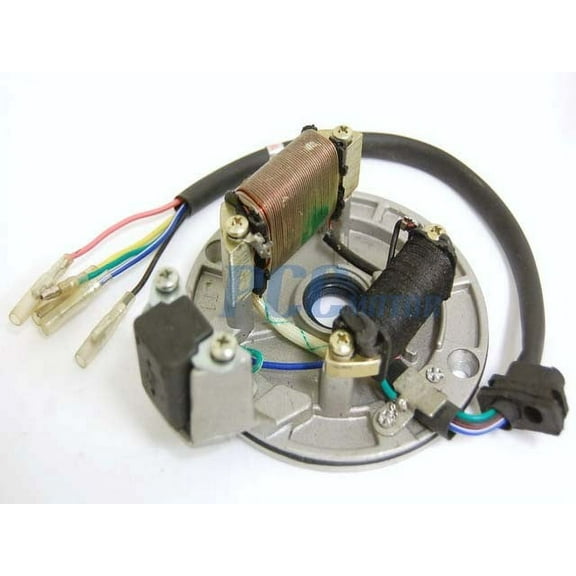
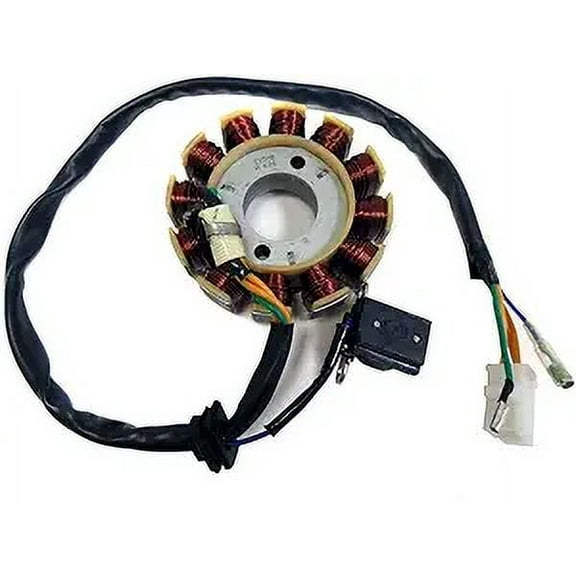







About Motorcycle Stators in Motorcycle Ignition Parts - Walmart.com
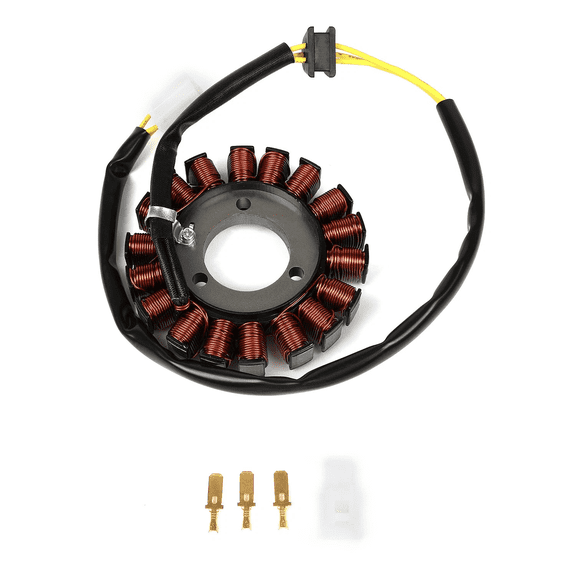
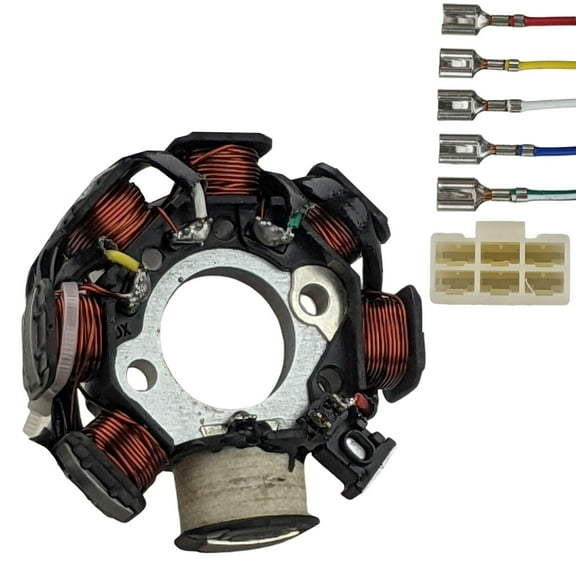
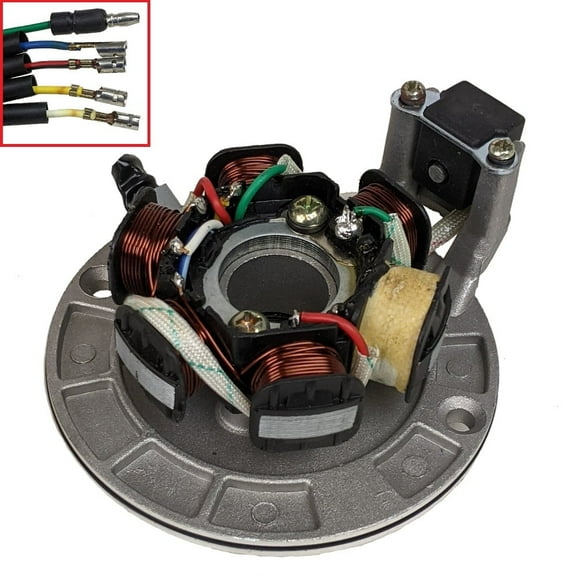
Motorcycle stators help you restore dependable charging performance when your bike, ATV, or scooter needs the right fitment and output. You can use this guide to compare vehicle type, pole count, voltage, and connector details before you choose a replacement.
How to choose motorcycle stators
You should start with vehicle compatibility because exact fitment is highly critical for electrical parts. You can check your OEM part number, engine displacement, and connector plug style before you compare listings.
Your street motorcycle, dirt bike stator, ATV stator, or scooter setup may use a different housing shape or wire lead layout. This helps you avoid mismatch issues when you compare the mounting pattern and plug configuration with your current unit.
You can narrow your options quickly when you focus on a few decision points first. Your checklist should include vehicle type, component type, voltage output, pole count, and any included pieces.
- Match your OEM part number for cleaner fitment checks.
- Compare 6V and 12V output with your motorcycle electrical system.
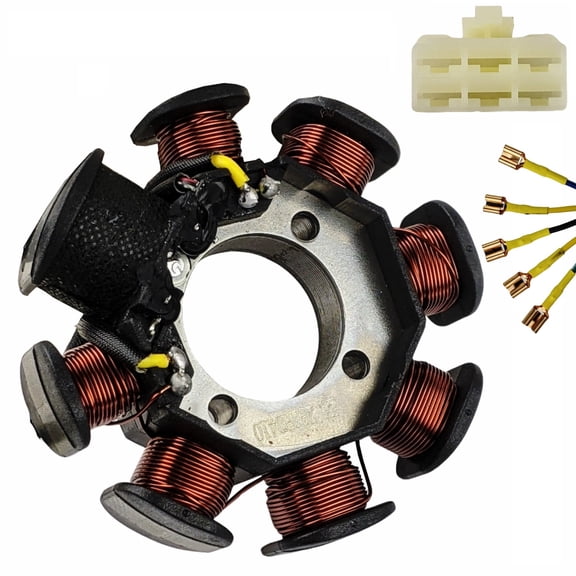
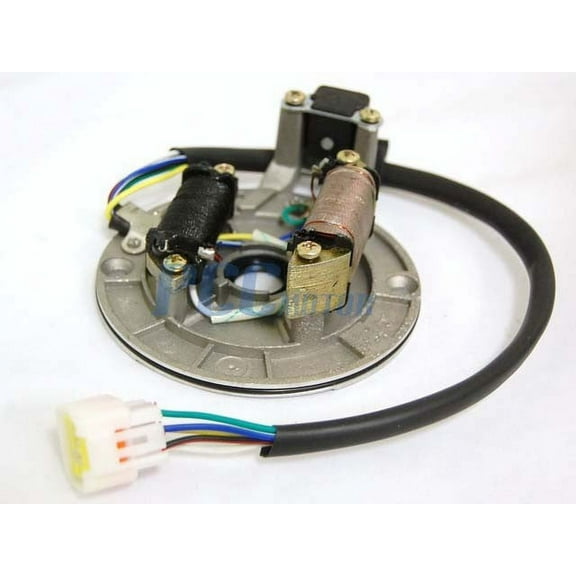
- Check 8-pole, 11-pole, or 18-pole designs for proper replacement.
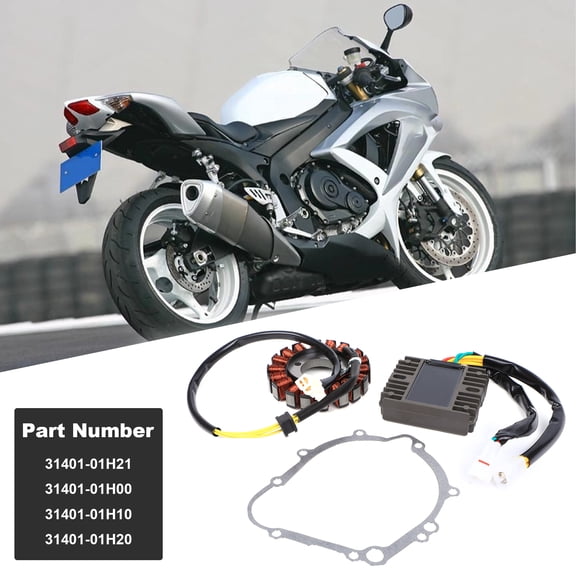
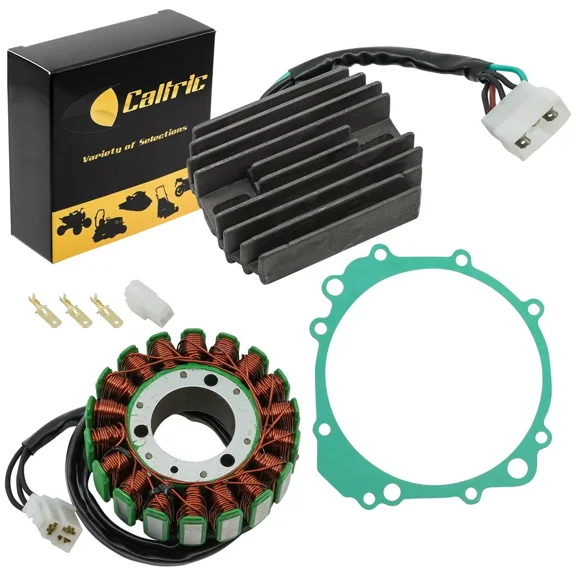
- Confirm whether your part includes a gasket, pickup coil, or only the stator coil.
- Review connector style to see whether your install is plug-and-play or needs wire splicing.
Choosing fitment by vehicle type and brand
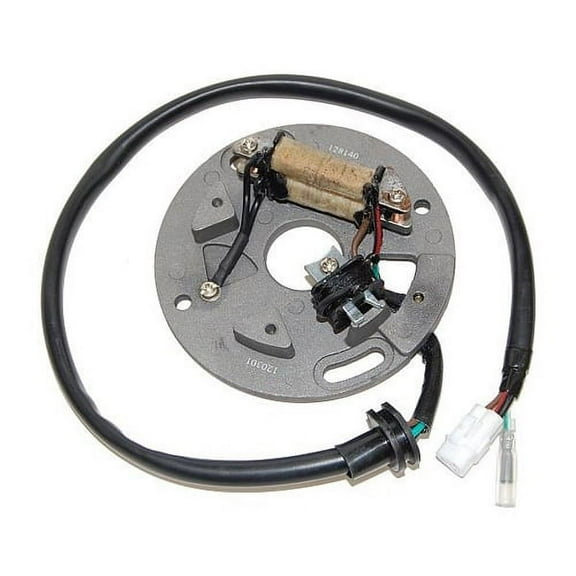
You should match the stator to your machine's physical build and intended usage. Your street motorcycle may prioritize steady charging, while your dirt bike stator choice may focus on compact fitment and trail-ready compatibility.
An ATV stator often needs careful checks around engine size, connector leads, and mounting points. Your scooter application may use smaller housings, so you should measure and compare listing details closely.
You can also use compatible brand details as a starting filter, especially for Honda, Yamaha, Suzuki, Kawasaki, and Polaris models. Your final choice should still match the exact OEM number because one brand can use several stator layouts.
Understanding component type and output
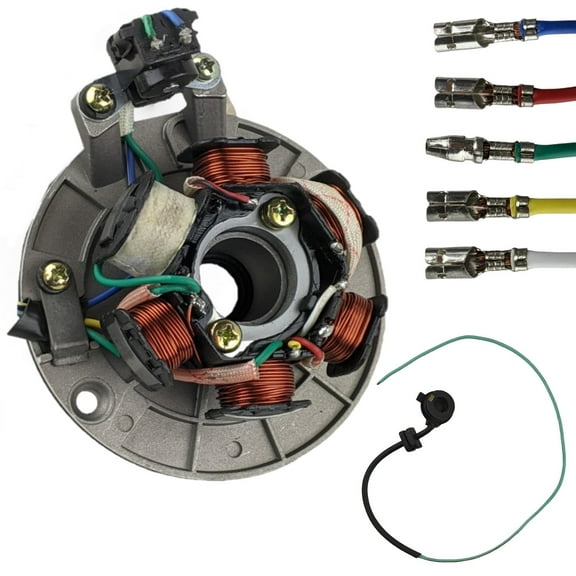
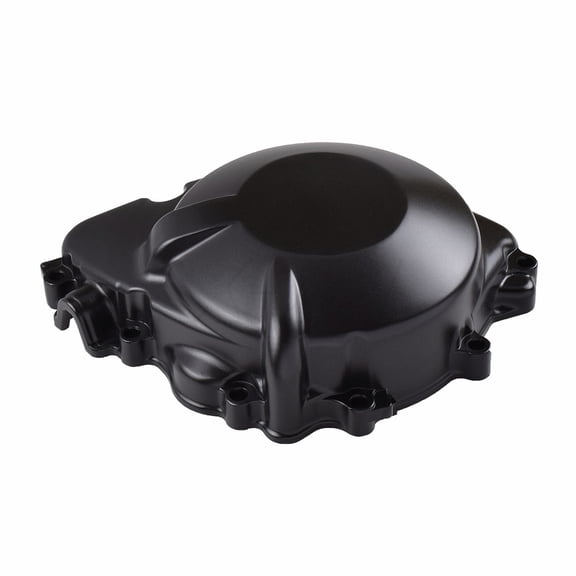
You may see several component types in this category, and each one supports a different repair path. Your search may include a stator assembly, magneto stator coil, stator core, or flywheel depending on what you’re replacing.
A full stator assembly can simplify your repair because you’re replacing the main charging component in one step. A magneto stator coil may suit your project when your flywheel and related hardware still match your current setup.
You should also compare voltage output because 6V and 12V systems are not interchangeable for many applications. Your motorcycle electrical system depends on the correct output to support ignition, lighting, and battery charging.
Wattage and output matter when your machine runs extra accessories like added lights or powered gear connections. You can look for output details that support your setup without overcomplicating your replacement choice.
Comparing pole count and installation details for motorcycle stator replacement
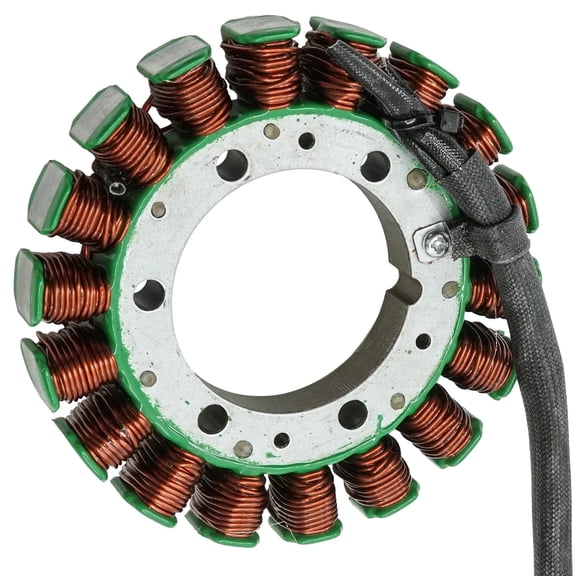
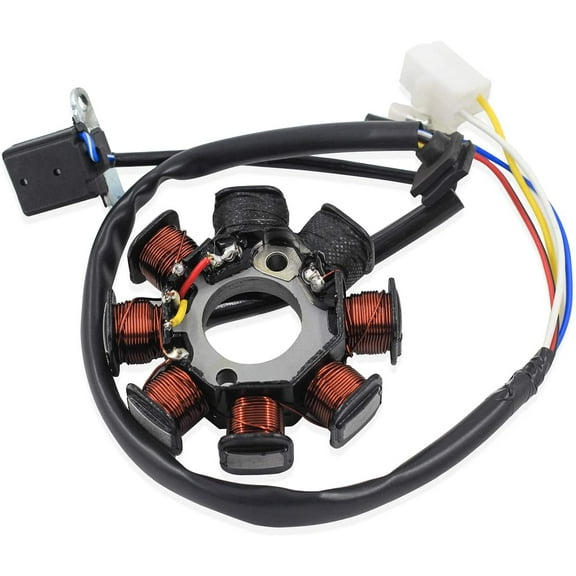
You may notice pole count listed as 8-pole, 11-pole, or 18-pole, and that number affects compatibility. Your motorcycle stator replacement should match the design your engine and charging system require.
You can think of pole count as part of the unit’s electrical layout and physical design. Your replacement process gets easier when the new stator mirrors your original mounting points, connectors, and winding arrangement.
Installation details also deserve a close look before you order. You should check whether your replacement is direct plug-and-play or whether your setup requires wire splicing and connector changes.
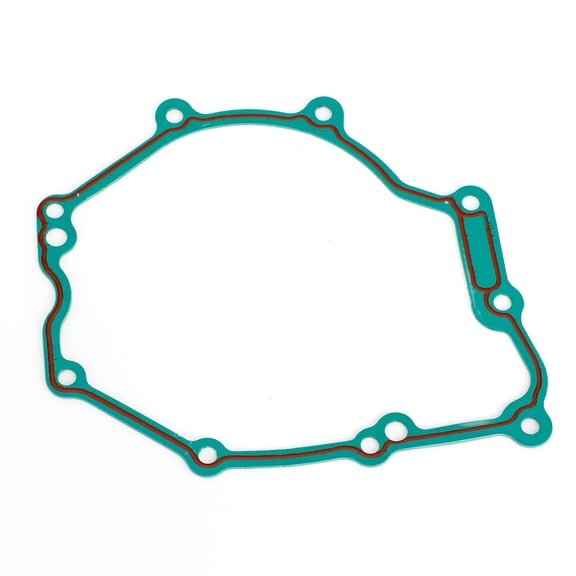
Included components can shape your repair time and parts list. It is helpful to see whether your order includes the gasket and pickup coil, or whether you’re only getting the stator coil.
Using motorcycle stators for common riding setups
You can shop more confidently when you match category attributes to how you ride. Your commuter street motorcycle may need consistent charging for lights, gauges, and daily starts across frequent trips.
Your off-road machine may need a dirt bike stator that matches a compact engine case and exact connector layout. You can also look for a magneto stator coil when you’re replacing a focused component instead of the full assembly.
An ATV stator can make sense for utility riding, trail use, or seasonal maintenance on four-wheel models. Your checklist should include engine displacement, plug style, pole count, and whether the listing covers your model year.
You might also compare flywheel and stator core options when your repair involves more than one charging component. Your project remains straightforward when every related part aligns with the same fitment details and output type.
You can build a smarter shortlist by combining vehicle type, component type, voltage, and compatible brand filters. Your final match should support a smoother install, cleaner electrical connections, and dependable charging performance.