

Square Ottomans in Ottomans
















































About Square Ottomans in Ottomans - Walmart.com
Square ottomans help you add seating, storage, and table space in one compact shape. You can use their clean lines to anchor sectionals, balance accent chairs, and keep walkways feeling organized.
How to choose square ottomans for your room
When you compare square ottomans, you should start with how you plan to use the top surface daily. You may want a footrest at night, extra seating for guests, or a tray-ready center spot.
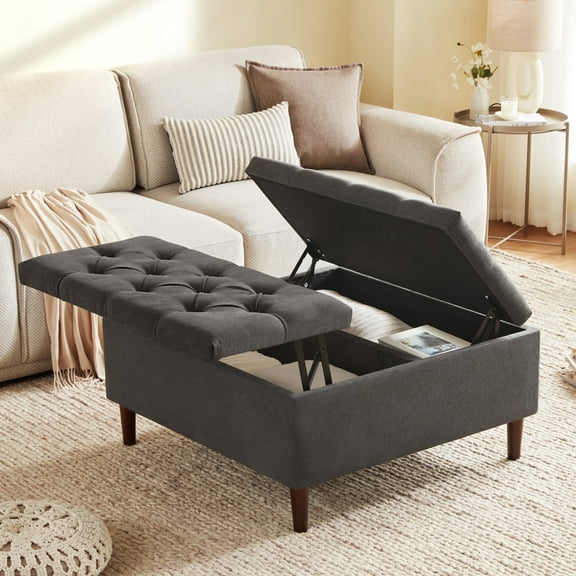
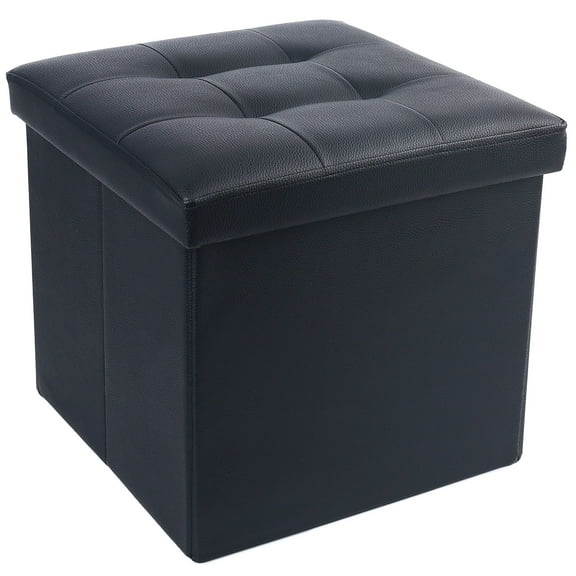
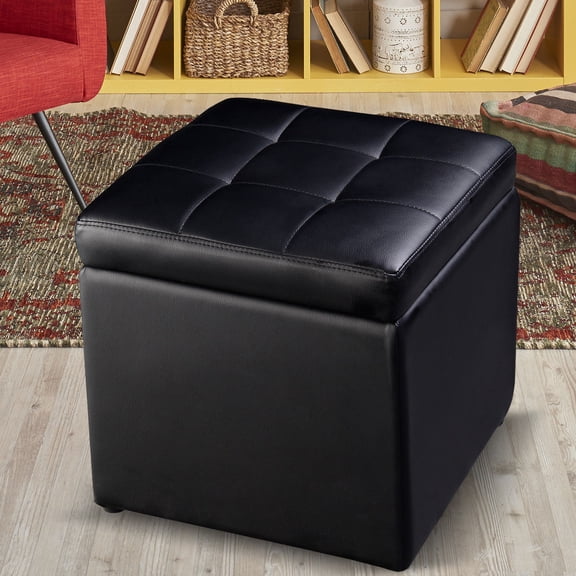
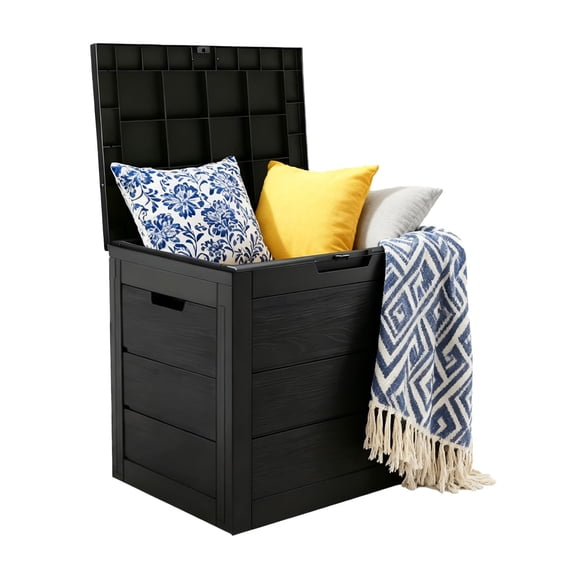
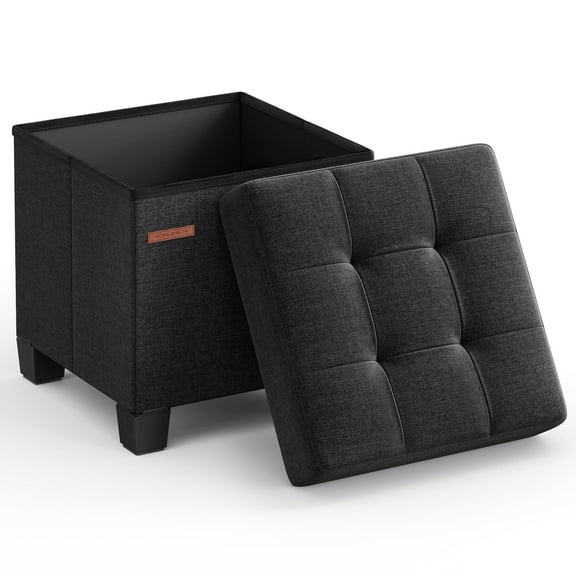
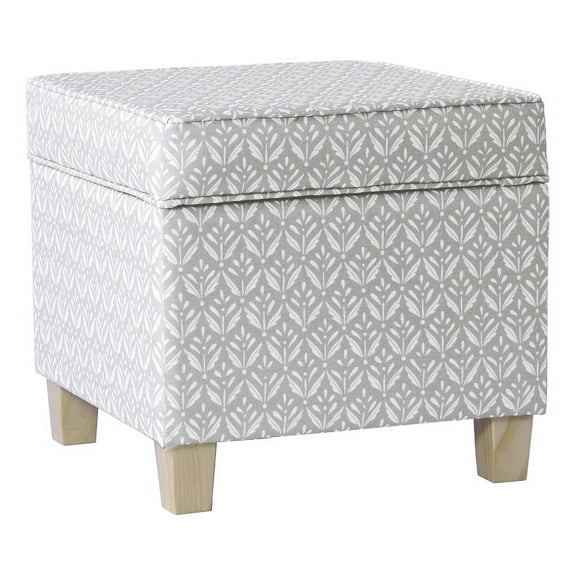
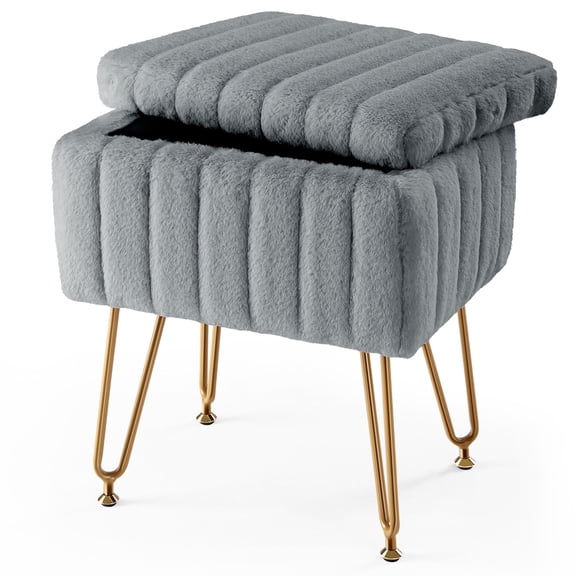
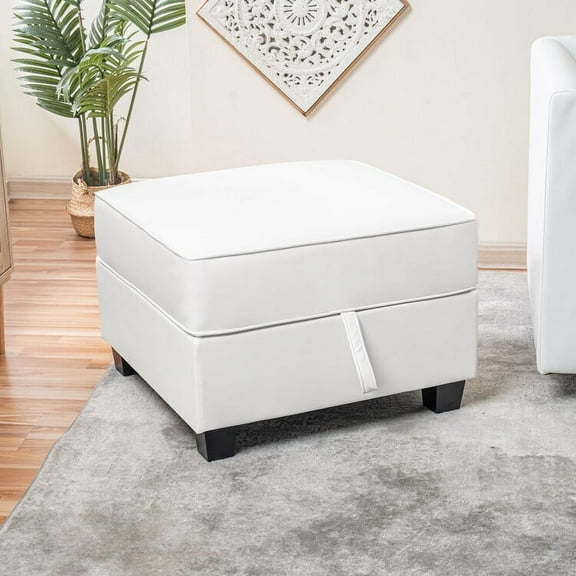
If you want hidden storage, you should check whether a square storage ottoman fits your clutter needs. You can tuck away throws, remotes, games, or seasonal pillows without adding another cabinet.
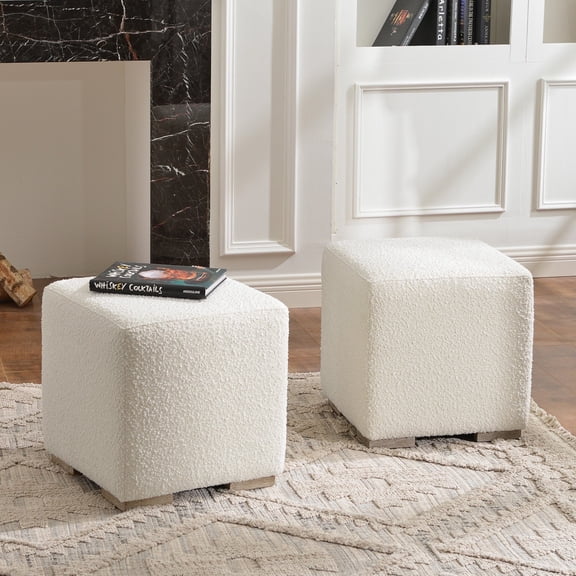
For a more streamlined look, you may prefer a non-storage design with a firmer lid or solid top. You’ll often get a cleaner profile that works well beside sofas and living room chairs.
Key benefits you should expect
You can get several living room functions from one piece when you choose the right shape and height. The square form gives you even edges that fit neatly in centered layouts.
- You can use one as a footrest that lines up well with sofas and sectionals.
- You can add flexible seating when guests stop by for movies, games, or casual gatherings.
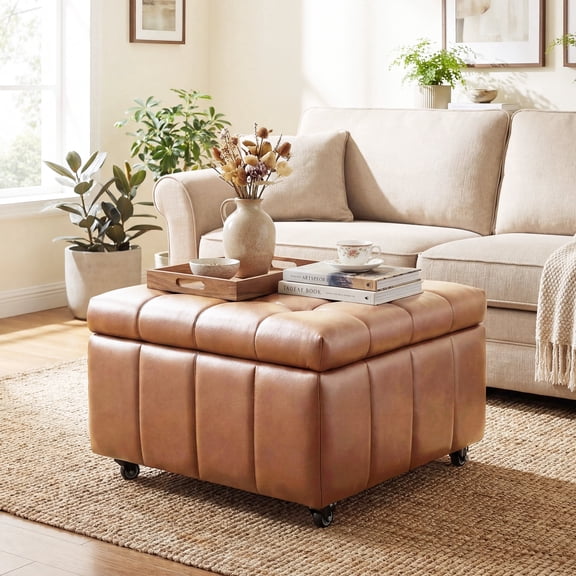
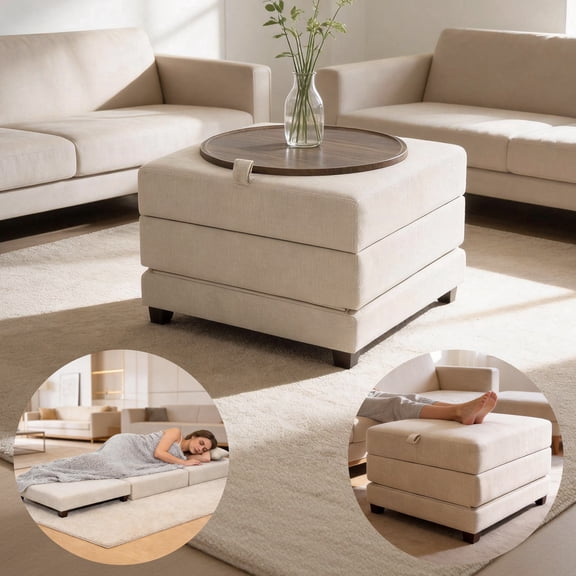
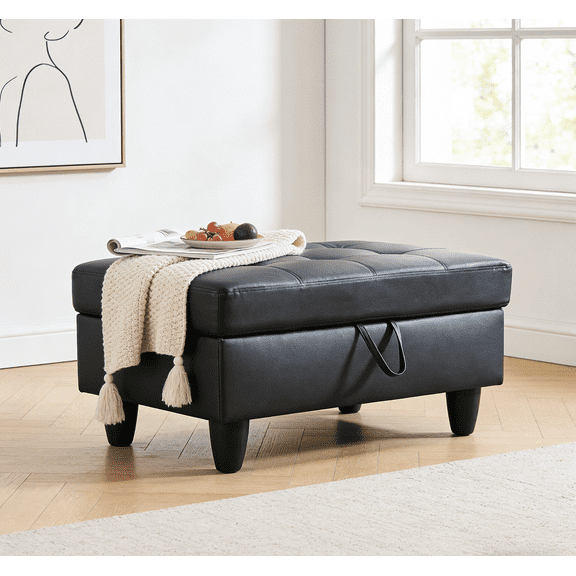
- You can place a tray on a firmer top when you want a coffee table alternative.
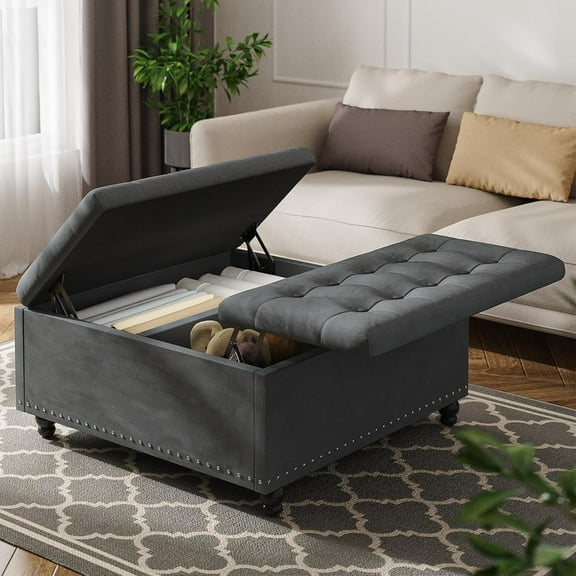
- You can reduce visible clutter with a square storage ottoman that keeps essentials close.
You’ll also notice that square silhouettes work especially well in balanced room plans. You can center one between four seats or pair one with an L-shaped sectional.
During cooler months, you may like a cozy square ottoman for blankets and layered textures. You can create a warmer look with soft upholstery and a tray for candles or books.
Choosing storage capability
When you compare with storage and non-storage styles, you should think about what usually collects in your living room. You may need space for throws, controllers, puzzles, or kids’ books.
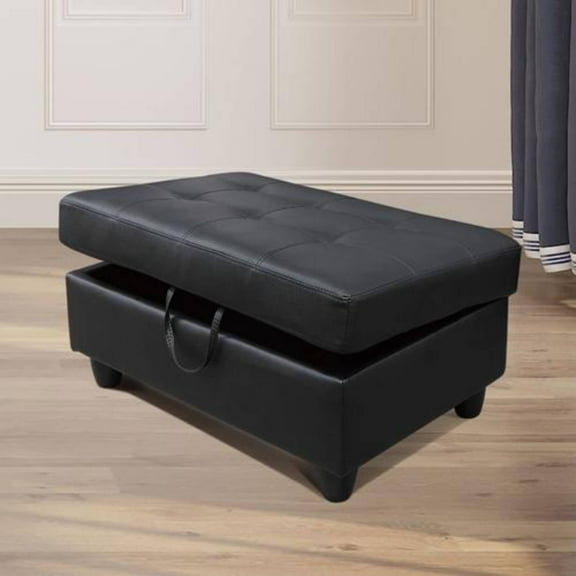
A square storage ottoman can help you clear surfaces without changing your room’s layout. You should look for enough interior room to match what you actually plan to store.
If you prefer a simple accent, a non-storage style may suit your setup more naturally. You can get easier lift-free access to the top and a lighter visual feel.
Choosing material: leather square ottoman or fabric
Material changes how your ottoman looks, feels, and cleans up during everyday use. You should compare leather, faux leather, fabric, velvet, and linen based on your routine.
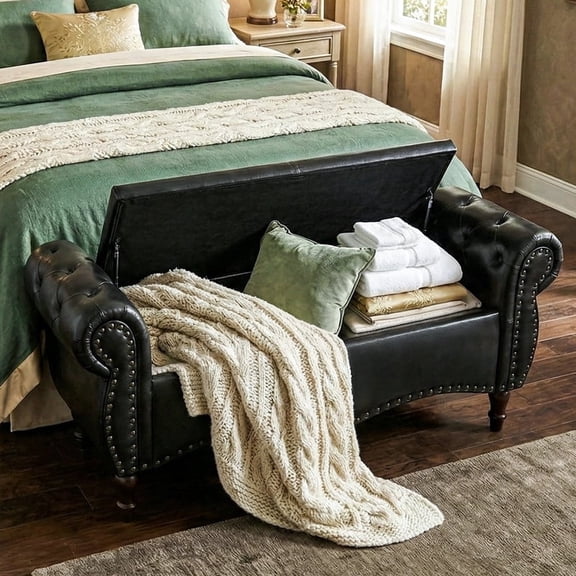
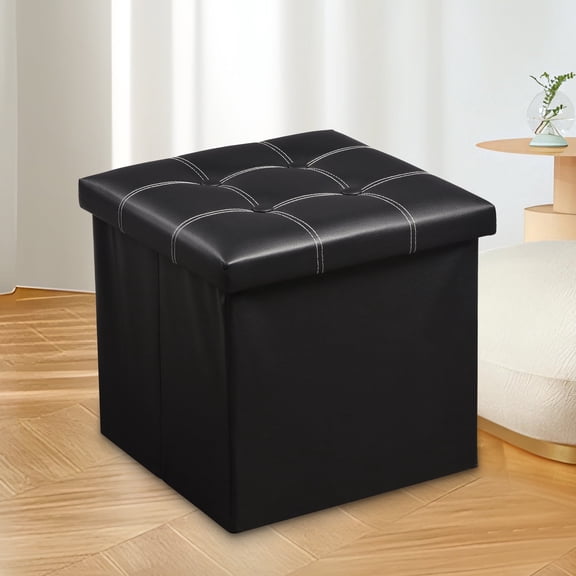
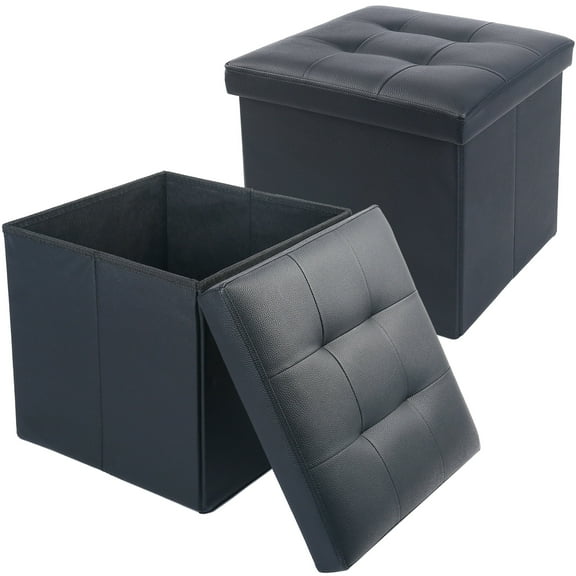
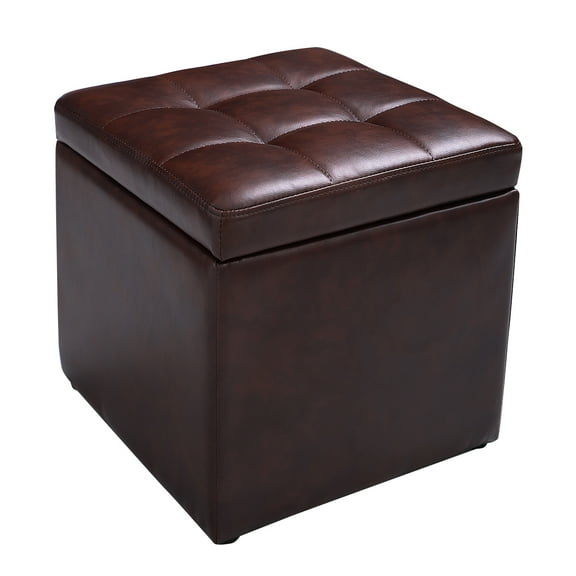
If you’re considering a leather square ottoman, you should check the grain and finish first. You’ll usually get a smoother surface that wipes clean quickly and supports a tailored look.
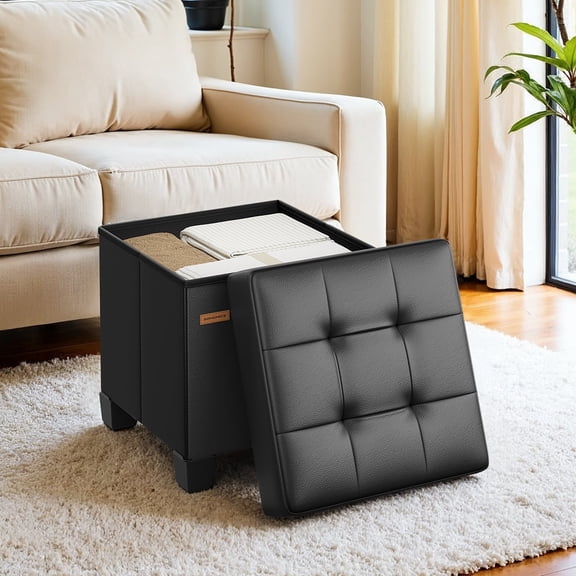
When you compare faux leather, you can get a similar polished appearance with easier casual styling. You should look at the surface texture if you want a softer or more matte finish.
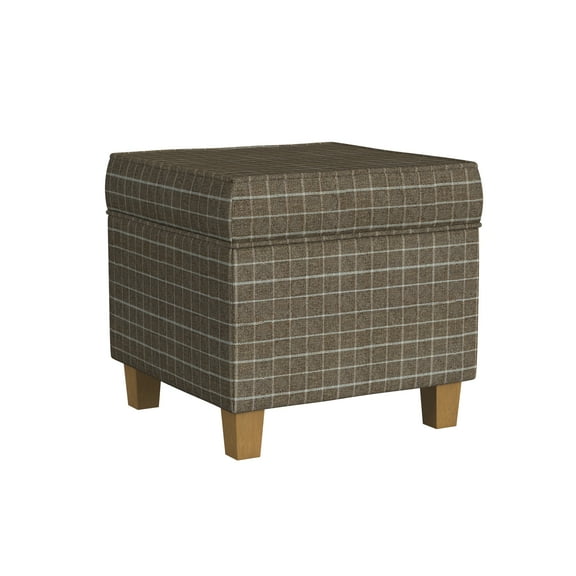
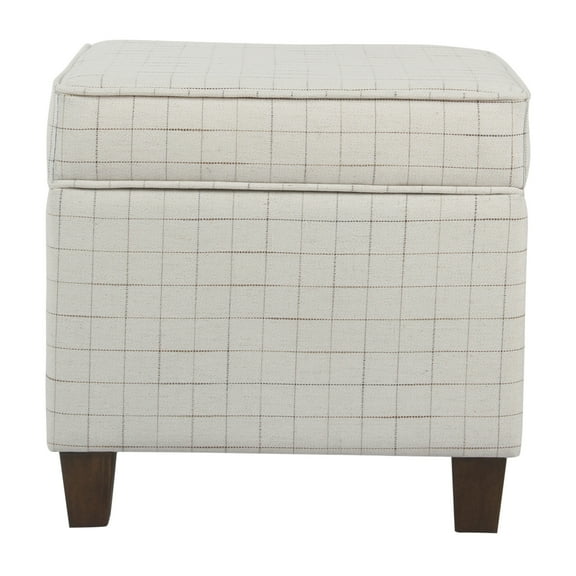
If you’re choosing a fabric square ottoman, you should check rub count and stain resistance details. You’ll want durable upholstery if your space handles frequent lounging, pets, or active households.
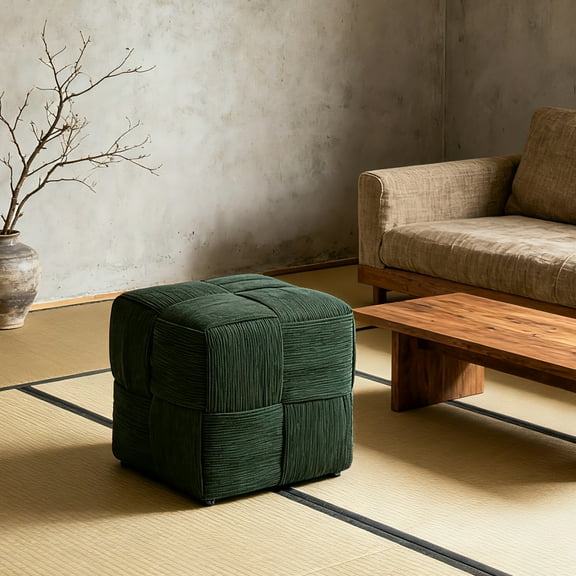
Velvet can give your room richer texture and a dressier feel under soft lighting. Linen can create a lighter, relaxed look that works well in airy or traditional spaces.
Choosing the right size and height
Size affects how easily you move around the room and how comfortable the ottoman feels with your seating. You should measure the open floor area before you choose a small or large piece.
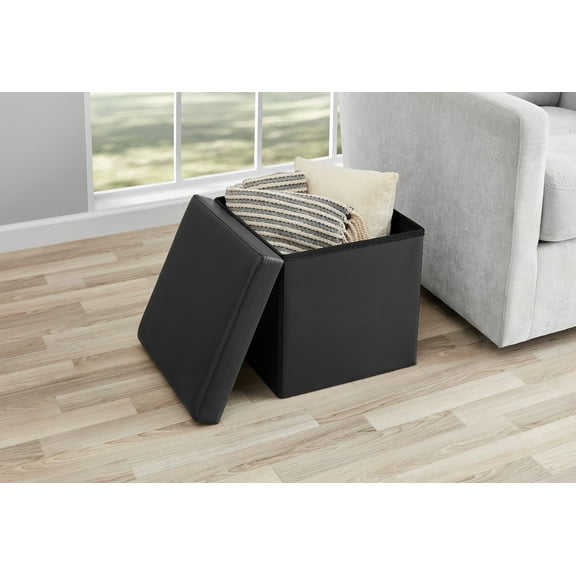
A small square ottoman can fit tighter apartments, reading corners, or bedroom seating areas. You can move it more easily when you need flexible floor space.
A large square ottoman works well when you need a central anchor for a sectional or conversation area. You should leave enough clearance so you can walk around it comfortably.
You should also compare the ottoman height with your sofa seat height before deciding. You’ll usually want a close match so your feet rest naturally and trays sit more steadily.
If you need broader surface space, an oversized shape may handle trays, books, and extra seating more smoothly. You can make a large room feel grounded with that wider footprint.
Choosing design style and top firmness
Design details shape how your ottoman blends with modern, traditional, or mid-century furniture. You should match the stitching, legs, and upholstery texture to the room around it.
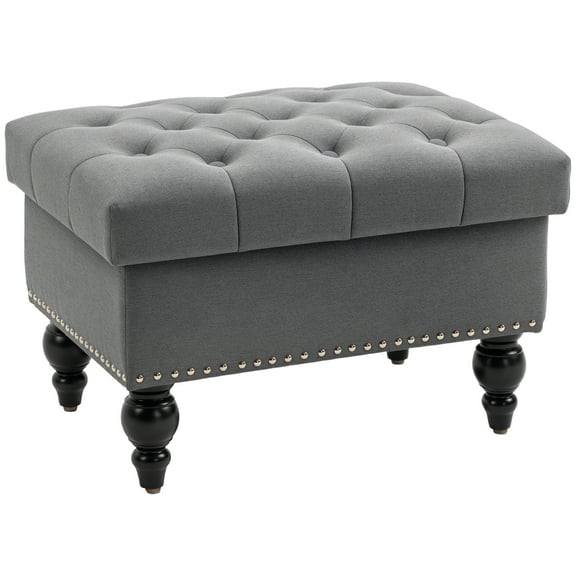
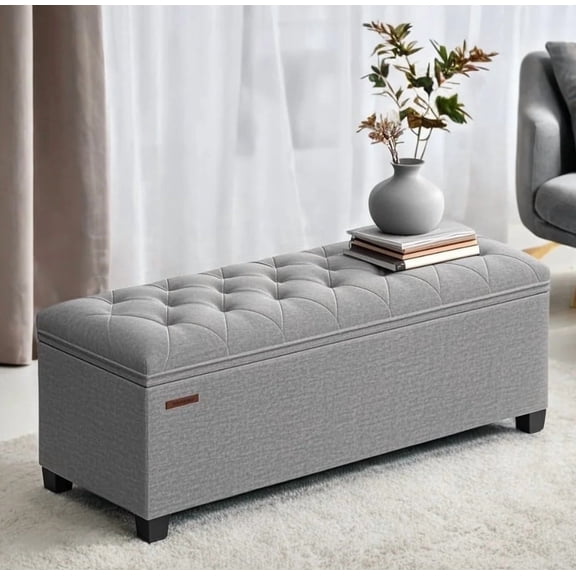
If you like texture, a square tufted ottoman can bring depth and a more tailored appearance. You should remember that deeper tufting may create a less even tray surface.
For dual use as a coffee table, you should check whether the top feels firm and stable. You’ll get steadier tray placement when the cushion has less sink and a flatter surface.
Modern styles can give you cleaner edges and simpler lines that suit streamlined rooms. Traditional shapes can add turned legs, tufting, or warmer upholstery for a layered look.
How you might use square ottomans every day
You can place one in front of a sofa when you want a central surface without a hard-edged table. You may prefer that softer profile in family rooms that shift between lounging and hosting.
In a sectional setup, you can use a large square ottoman to fill the center and balance the seating shape. You should check surrounding clearance so the room still feels easy to move through.
In smaller spaces, you can use a compact style as a movable seat or footrest. You may also place one beside a chair when you want a flexible accent that doesn’t crowd the room.
If you need hidden organization, you can use a square storage ottoman for blankets, magazines, and game-night extras. You’ll keep everyday items close without leaving them out on shelves or tables.
For polished entertaining, you can top a firmer ottoman with a tray for drinks, coasters, or snack bowls. You should choose the tray size carefully so the edges stay stable.
When you match storage, material, size, and top firmness to your space, square ottomans become easy to live with. You’ll end up with a piece that supports seating, storage, and everyday room flow.