

Sponge Filter for Fish Tank in Fish Tank Filters and Pumps

















About Sponge Filter for Fish Tank in Fish Tank Filters and Pumps - Walmart.com
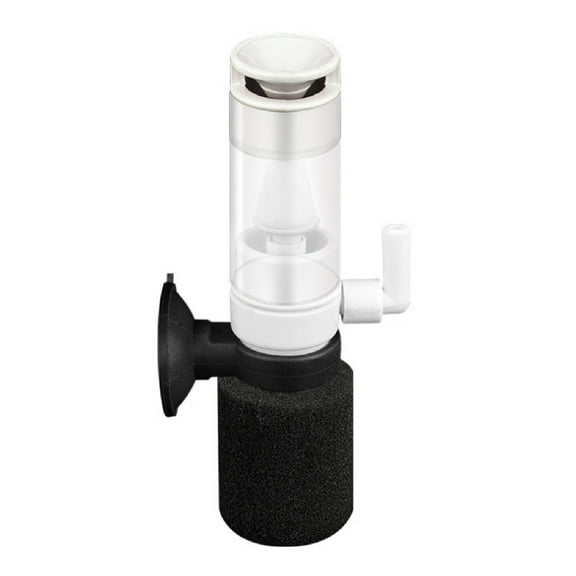
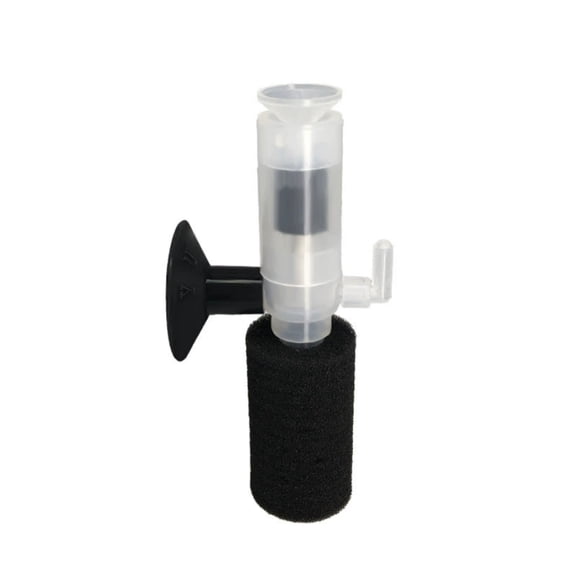
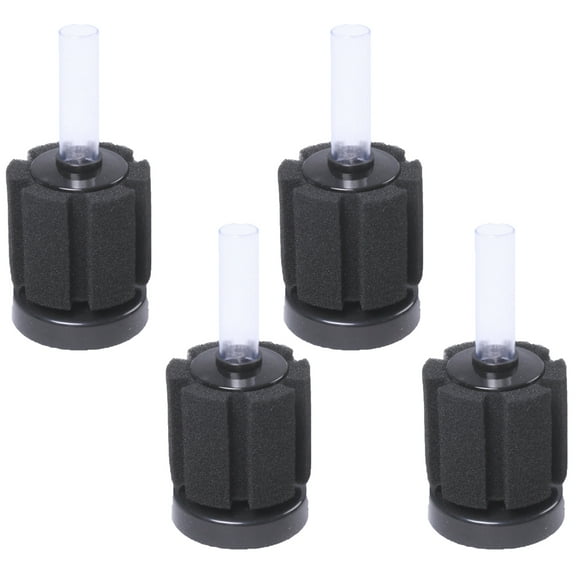
A sponge filter for fish tank setups delivers steady biological filtration with gentle flow for many community aquariums. It’s air-powered and adds aeration, so water movement stays consistent. Many hobbyists choose this style for shrimp tanks and fry grow-out tanks.
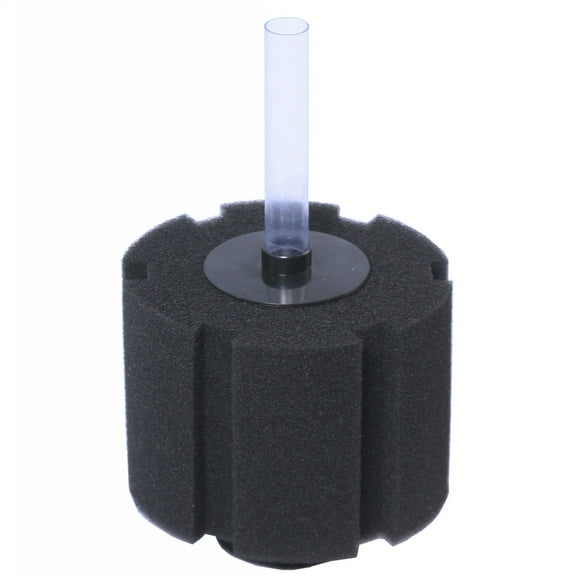
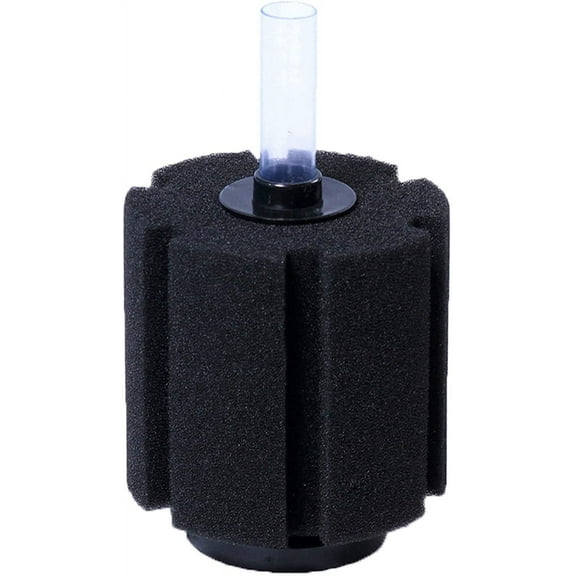
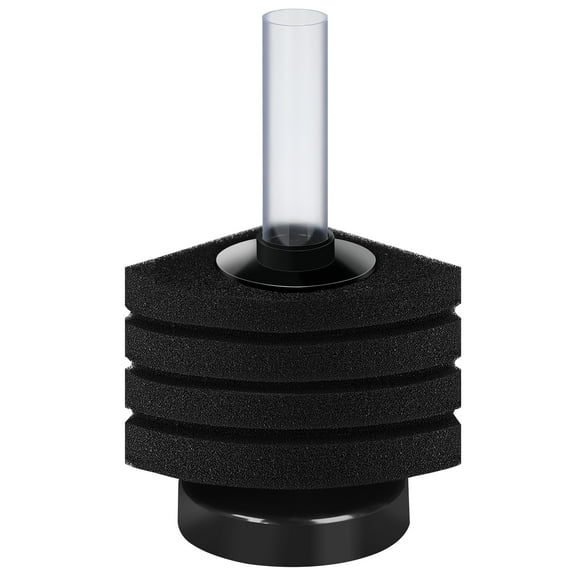
Unlike motor-driven cartridges, a fish tank filter sponge uses porous foam to hold beneficial bacteria. That bacteria colonizes the sponge surface as water passes through. This design keeps filtration working with a simple air pump setup.
Benefits of a sponge filter for fish tank setups
An aquarium sponge filter keeps water movement calm for species that dislike strong currents. The sponge surface offers lots of area for biofilm and beneficial bacteria. That’s helpful in tanks where stability matters, including breeding and planted nano aquariums.
Maintenance stays straightforward because there are few moving parts. The lift tube and sponge do most of the work. An internal sponge filter also keeps equipment compact inside the aquarium.
Airflow makes placement flexible. You can position the sponge where circulation is needed, then tune bubbles at the pump. That helps adjust surface agitation without a strong jet.
- Gentle intake helps protect shrimp, fry, and small fish from being pulled in.
- Biological filtration capacity grows as the sponge matures in your aquarium.
- Air-driven operation adds aeration while filtering for steady circulation.
- Quick rinsing keeps the sponge usable without frequent cartridge swaps.
- Compact footprints fit quarantine tanks, breeder tanks, and nano setups.
Features to compare before choosing
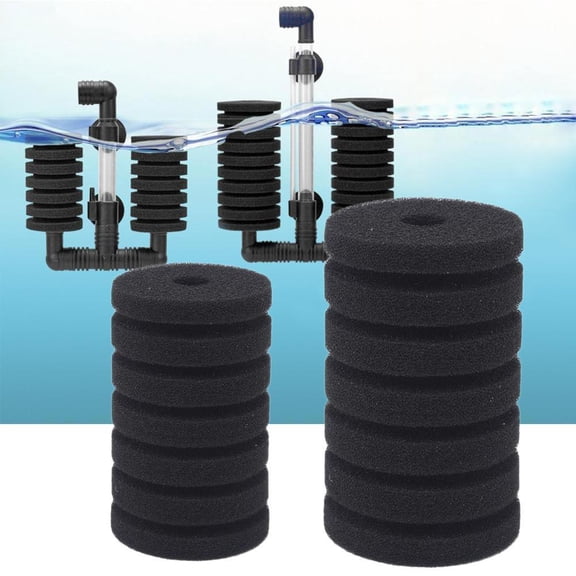
Start by matching filter size to tank volume. Some listings reference gallons, while others focus on sponge dimensions. A larger sponge usually adds more surface area for beneficial bacteria.
Consider sponge density and pore size. Coarser foam passes water easily and traps larger debris. Finer foam captures smaller particles but can need more frequent rinsing.
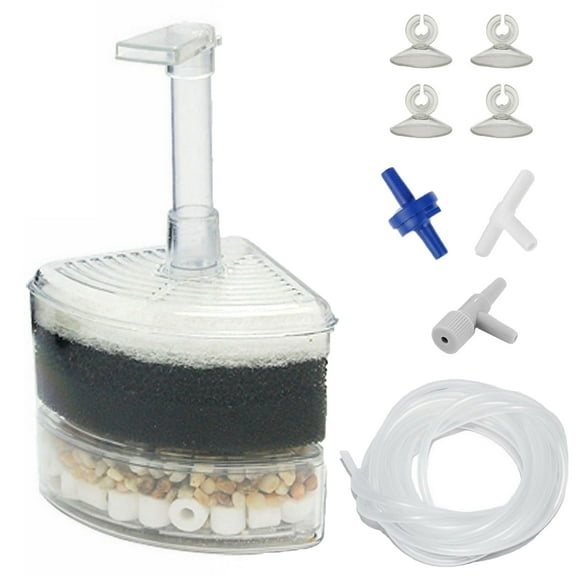
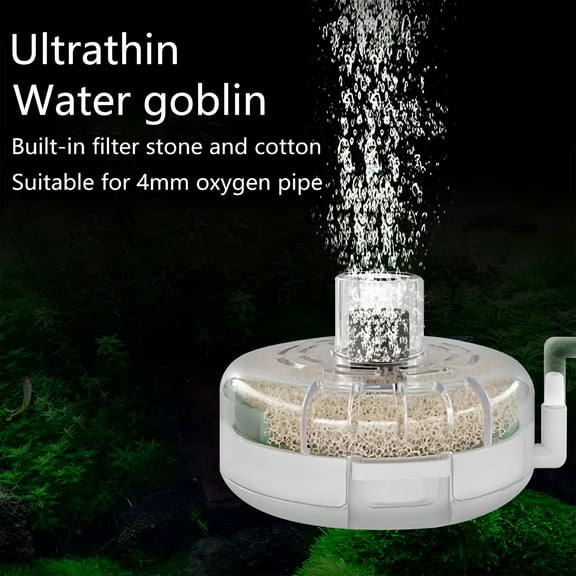
Many designs include a lift tube, an air stone, or both. An air stone can create finer bubbles and smoother lift. Some hobbyists choose a plain tube for simpler cleaning.
If you want more filtration in one spot, consider a dual sponge filter. Two sponges can increase biological capacity and extend time between rinses. Dual units can also help seed a spare sponge for a new tank.
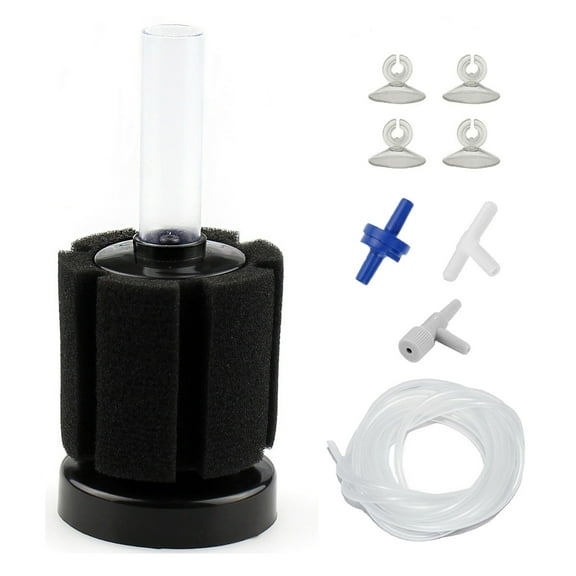
Check connection details for airline tubing and valves. Most setups use standard airline tubing plus a check valve and an adjustable air valve. Multi-outlet air pumps can run sponges in separate aquariums.
Choosing the right size for your aquarium
Tank volume and stocking level affect how hard the filter needs to work. Lightly stocked shrimp tanks often run well with smaller sponges and gentle airflow. Heavier stocking can benefit from a larger sponge body and stronger air output.
Water depth matters because air lift performance changes with height. Taller tanks may need a longer lift tube to move water upward. Adjustable tubes can be trimmed or extended for a better fit.
Placement inside the tank also affects circulation. Corner placement keeps equipment discreet and can move water along the glass. Center placement can improve movement around hardscape and plants.
Common ways people use an aquarium sponge filter
Breeder and fry tanks are a classic match for sponge filtration. Gentle intake supports tiny swimmers, while biofiltration stays steady. Many setups keep an extra sponge running to seed a future tank.
Shrimp keepers often pick sponge filtration for intake safety and grazing space. The sponge can develop a thin biofilm layer that shrimp explore. Air-driven bubbles add movement without a strong stream.
Quarantine tanks often rely on simple, removable equipment. A sponge filter aquarium setup is quick to move between tanks. It also works well in bare-bottom setups where debris is easy to spot.
Planted nano tanks can benefit from low-current circulation. The sponge provides filtration while avoiding strong surface disruption. That can keep floating plants and delicate stems from drifting.
Some hobbyists use a fish tank filter sponge as a pre-filter on an intake. This can reduce debris reaching other media and protect small livestock. It’s useful with hang-on-back and canister intakes.
Maintenance and setup tips for long-term performance
Rinsing technique affects how the sponge performs over time. Many aquarists swish the sponge in removed tank water during water changes. That clears trapped debris while keeping the established biofilm on the foam.
Airflow tuning helps balance filtration and comfort for your fish. Use an adjustable valve to reduce bubbles if the current feels strong. If agitation looks low, increase airflow or reposition the sponge.
For smoother setup, pair your filter with compatible accessories. Airline tubing connects the air pump to the lift tube or air stone. A check valve supports consistent airflow when the pump is off.
On Walmart.com, it’s easy to add key setup pieces in one trip. Match your sponge with air pumps and airline tubing for a complete system. Aquarium water conditioners also fit many new-tank and water-change routines.
Choosing the right sponge filter for fish tank habitats can make maintenance feel simpler and water movement calmer. With the right size and airflow, your aquarium gets steady biofiltration and consistent aeration. That combination supports a stable environment for shrimp, fry, and community fish.