










Finger Splints in Hand and Wrist Support

















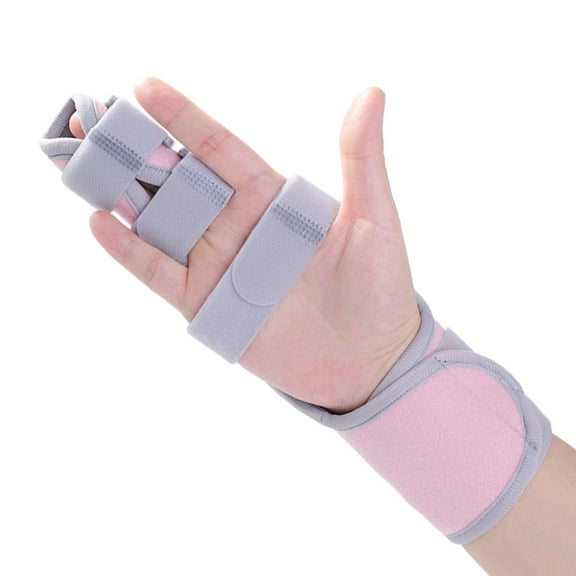

About Finger Splints in Hand and Wrist Support - Walmart.com
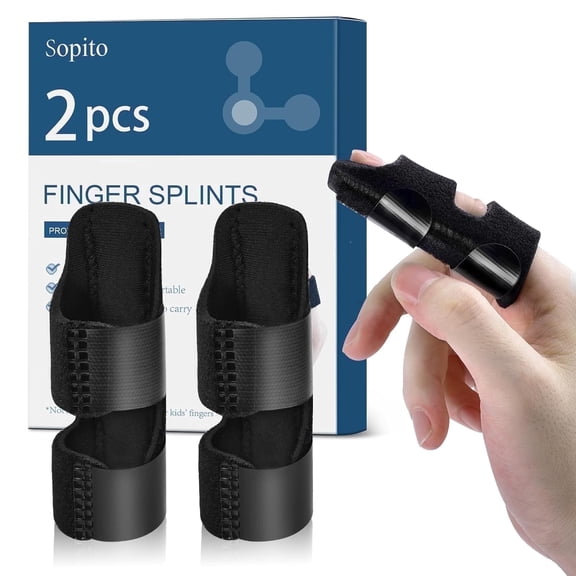
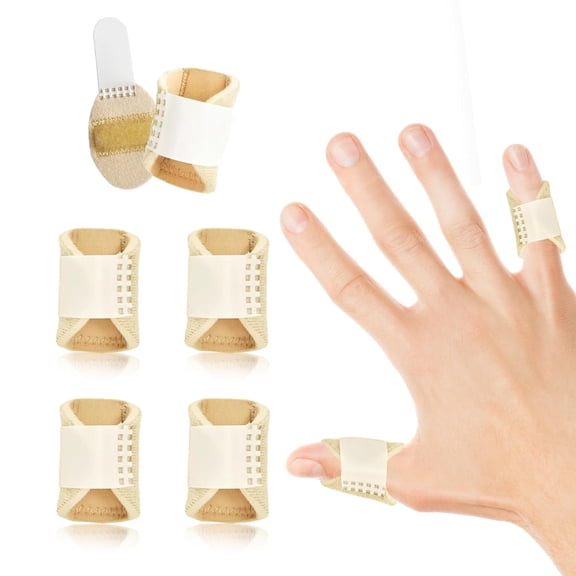
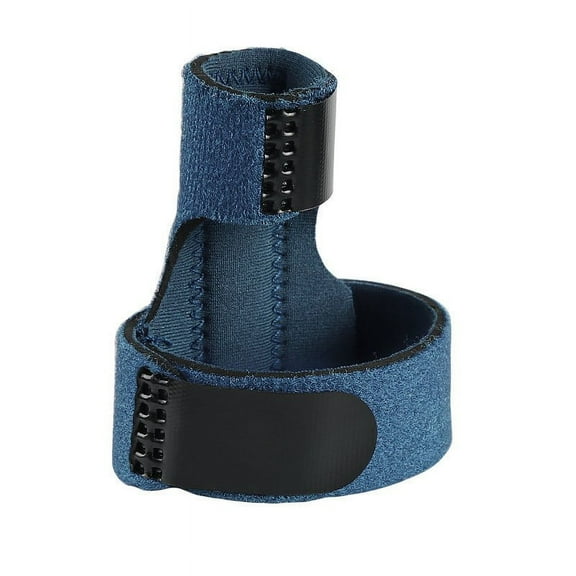
Finger splints help you stabilize specific joints, support daily movement, and compare designs by condition, fit, and finger location. You can use this guide to choose options for trigger finger, mallet finger, arthritis, sprains, and fractures.
When you shop this category, you’ll notice important differences in shape, padding, closure style, and stiffness. You can narrow your choice faster when you compare support level, material feel, and where the splint sits.
Choosing the right finger splints for your condition
You should start with condition compatibility because each design supports your hand in a different way. You’ll usually compare a trigger finger splint, a mallet finger splint, and finger splints for arthritis first.
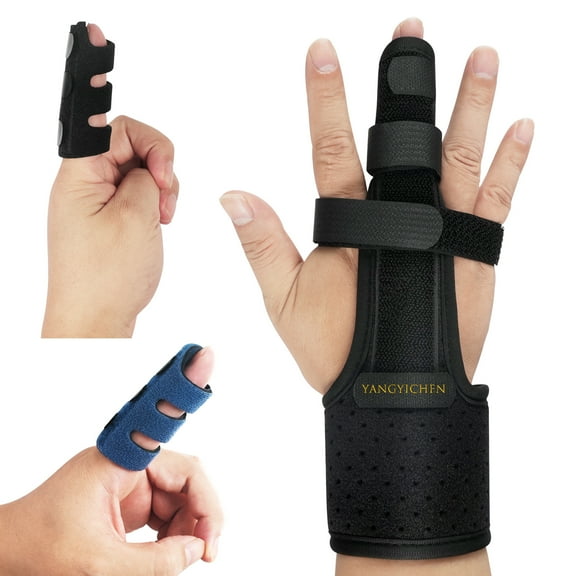
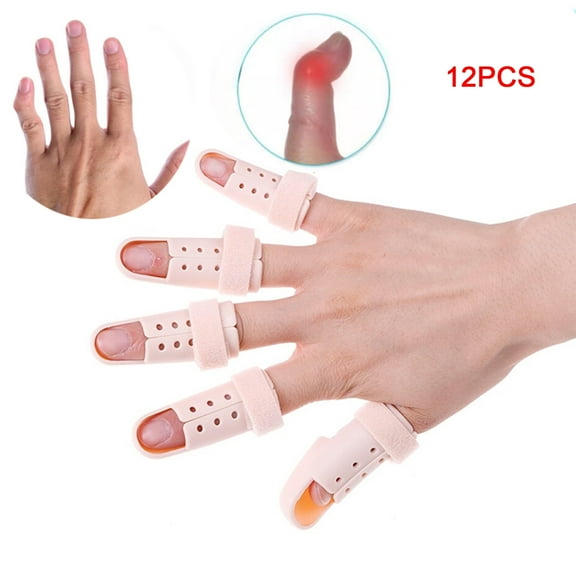
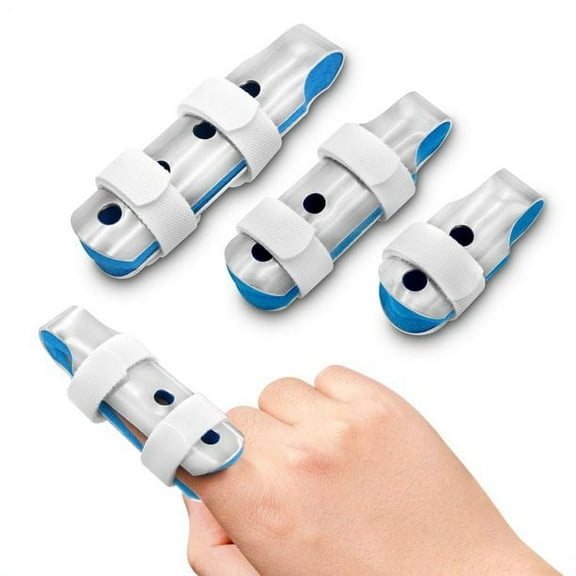
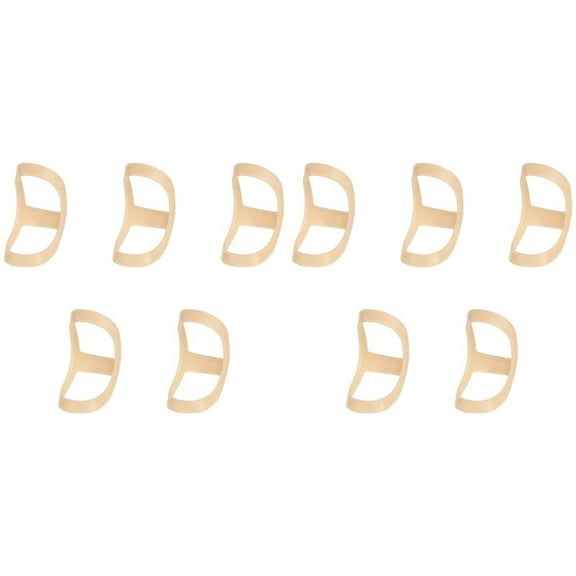
For trigger finger, you may look for a style that limits bending at one joint during repeated tasks. For mallet finger, you may compare stack splint and oval-8 designs that hold the fingertip straighter.
If you want everyday finger support for arthritis, you may prefer a design that feels steadier without feeling bulky. If you need help with sprains or fractures, you may compare more rigid options that reduce extra motion.
- You can match the splint design to the joint you want to steady.
- You can choose lighter padding when you want a lower-profile fit inside gloves.
- You can compare rigid and flexible support based on your daily routine.
- You can look for closures that feel easier to adjust during the day.
How to compare splint design and support level
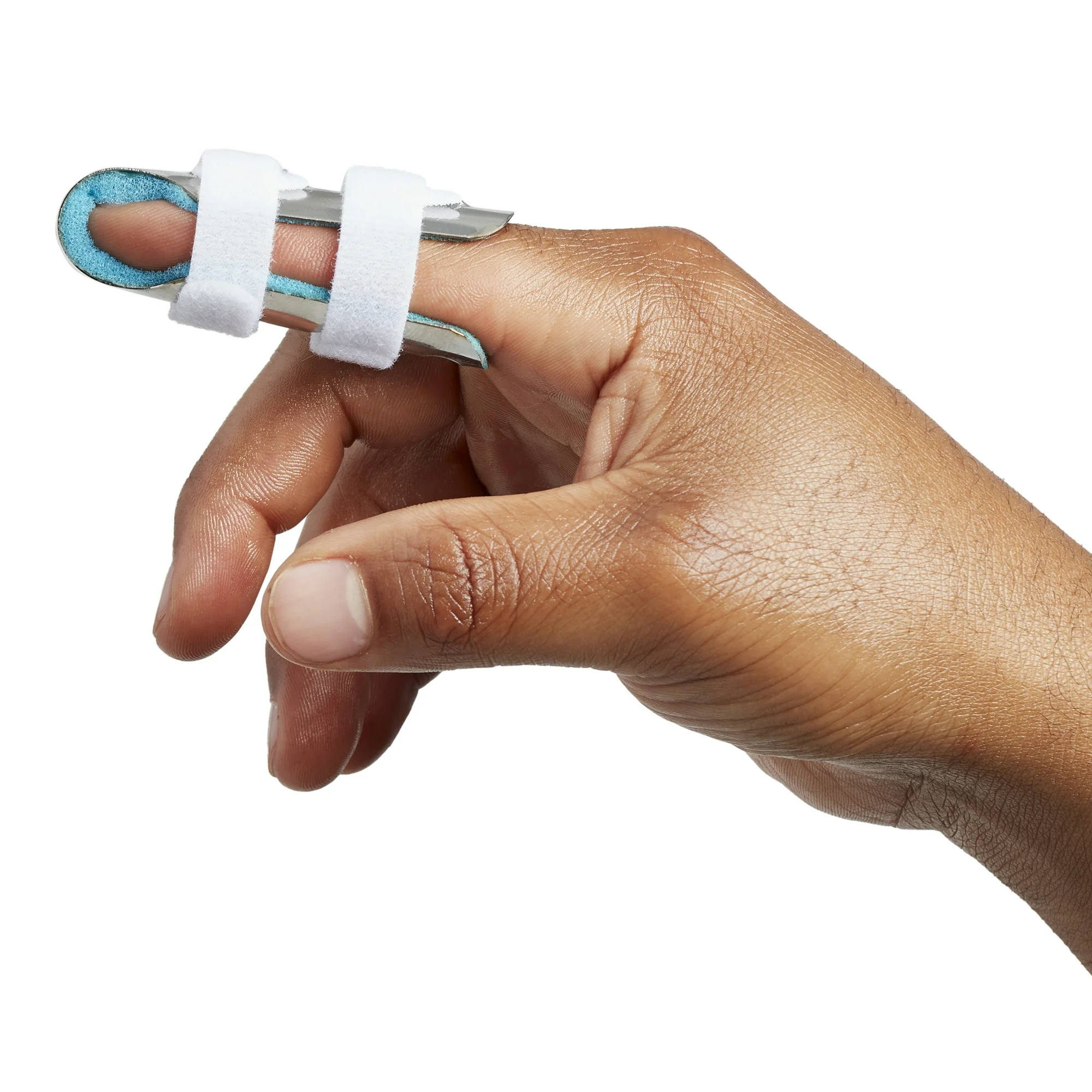
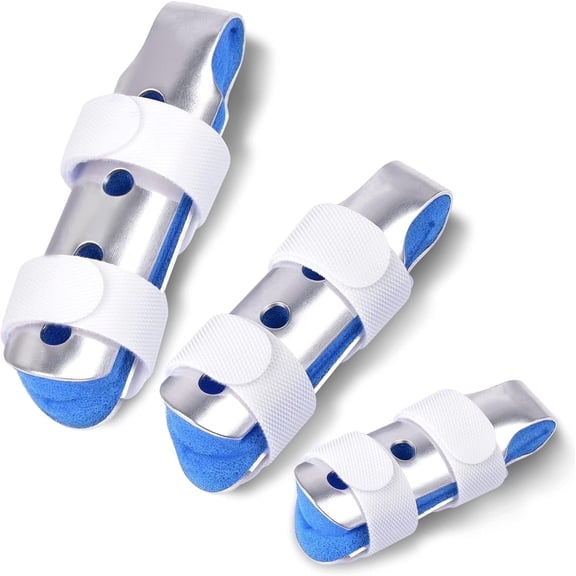
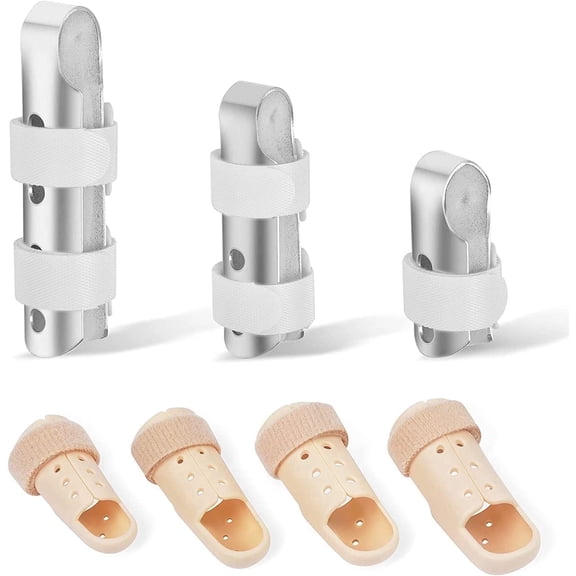
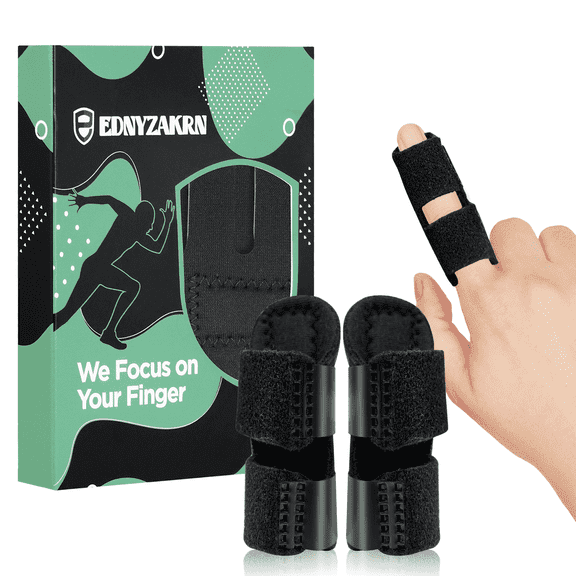
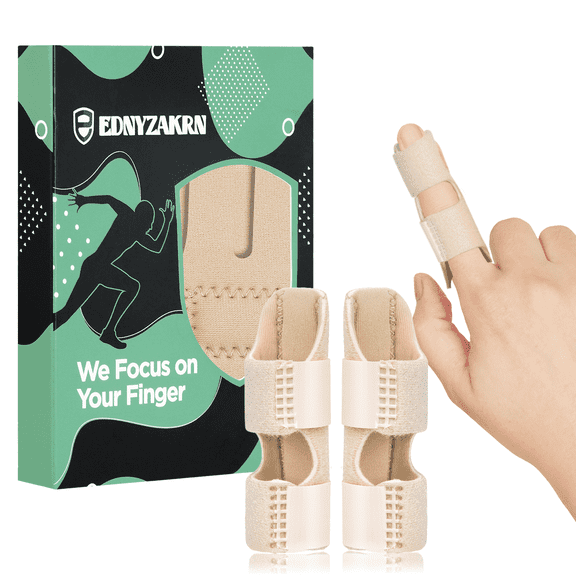
You’ll often see oval-8, stack splint, aluminum foam, and gutter splint designs in this category. You can think of these styles as different ways to control movement at specific finger joints.
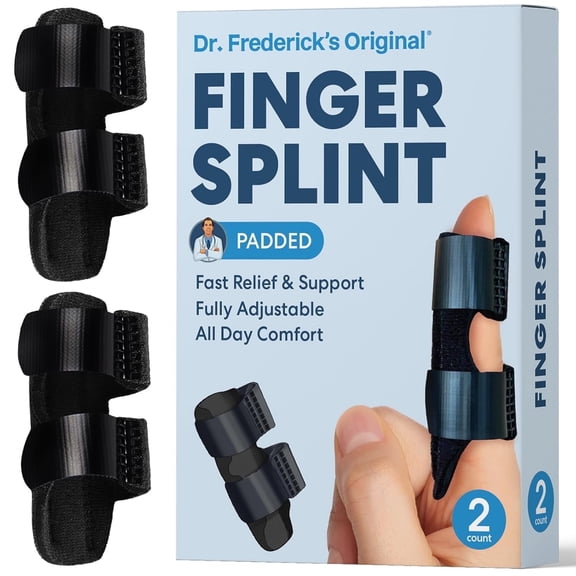
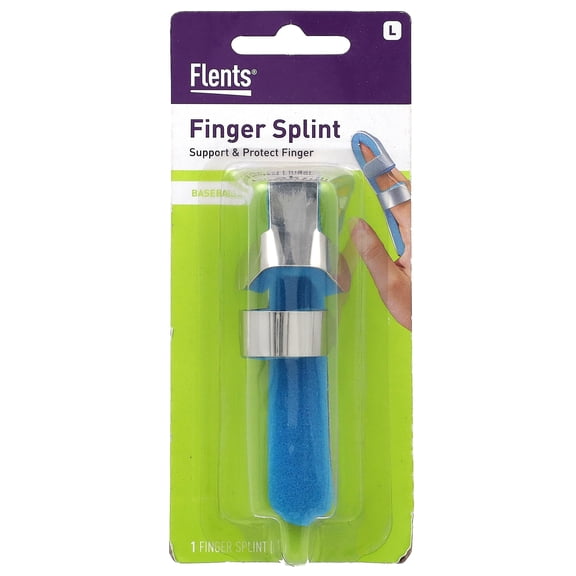
An oval-8 style usually gives you a slim, slip-on fit around a joint. A stack splint often focuses on your fingertip, which makes it a common mallet finger splint style.
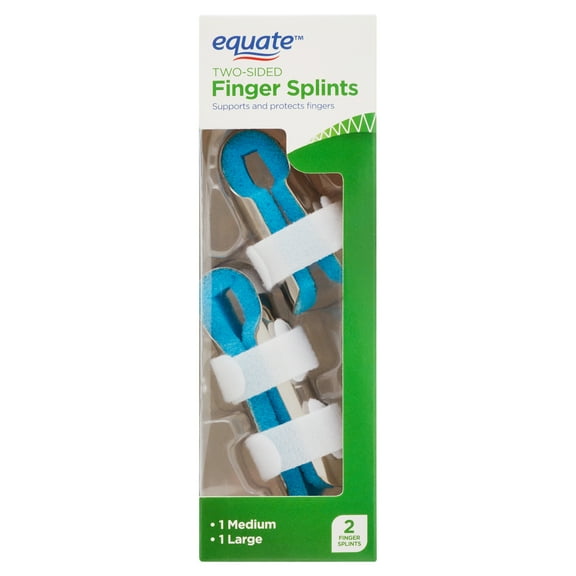
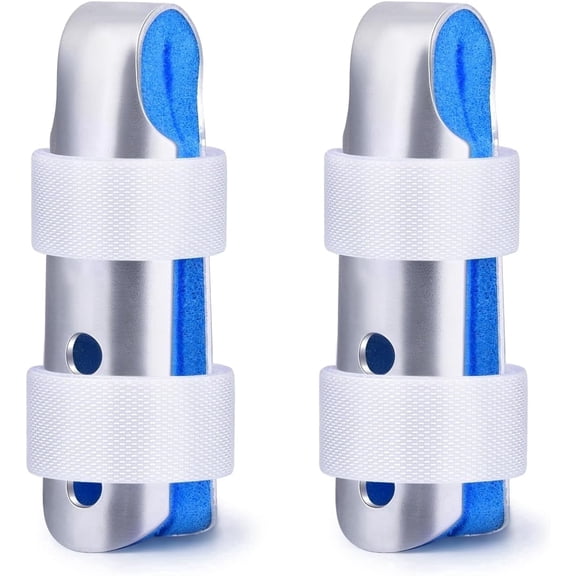
An aluminum foam or padded aluminum finger brace can give you a more molded feel around your finger. A gutter splint can cover more surface area, which may suit your need for steadier alignment.
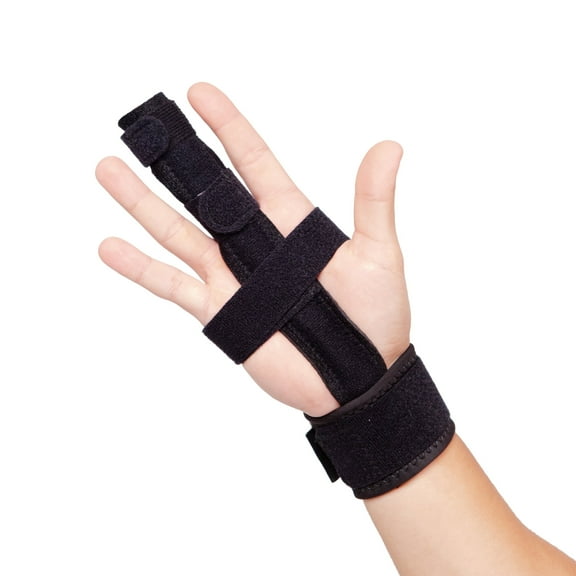
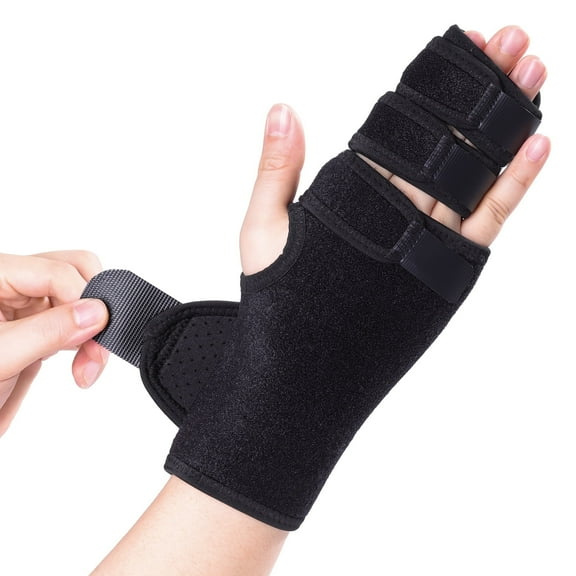
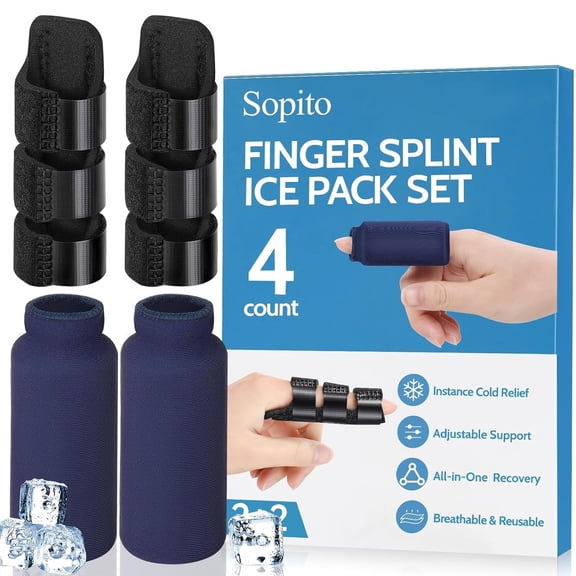
You should also compare rigid versus flexible support before you choose. You may want harder plastic or metal finger splint options for firmer hold, while fabric styles can feel easier for light activity.
What to look for in material and adjustability
You can compare neoprene, padded aluminum, hard plastic, and breathable fabric based on comfort and daily wear. You’ll want a material that feels manageable against your skin during work, rest, or sleep.
Breathable fabric and neoprene styles can feel softer when you want lighter finger support. Hard plastic and metal finger splint designs can feel more structured when you want less movement.
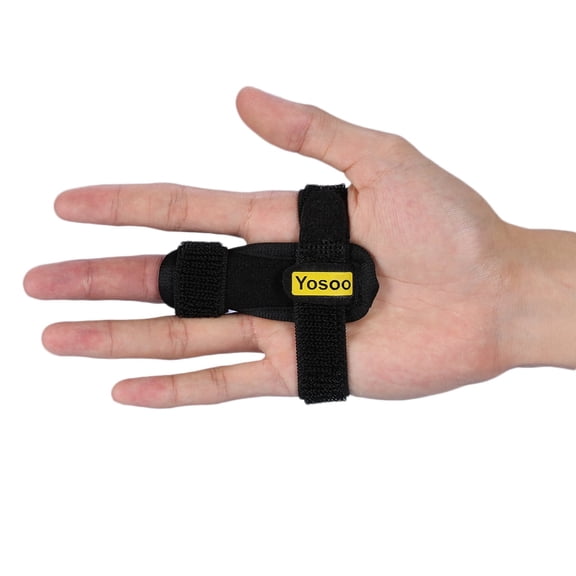
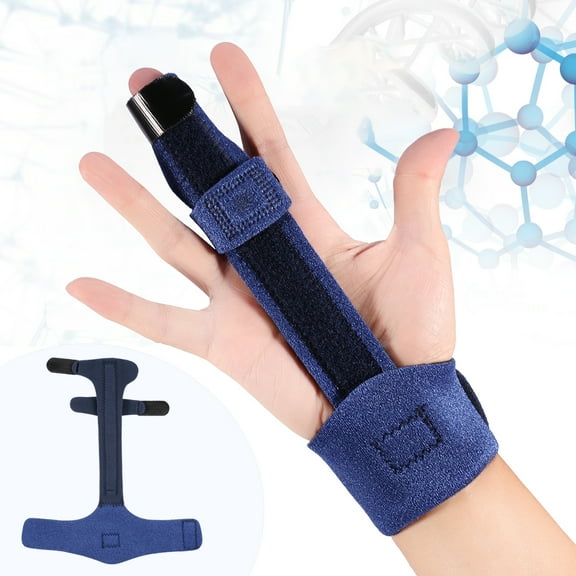
You should check whether you want a hook-and-loop strap, a slip-on shape, or a bendable metal core. You can make small fit changes faster with straps, while slip-on styles may feel simpler for quick use.
If you expect long wear, you may prefer padded edges and smoother interiors. You can also compare bulkier supports with slimmer shapes when you need space inside gloves or during typing.
Measuring size and choosing finger location
You’ll get a more useful fit when you measure before you choose. You can wrap a soft tape around your finger, note the circumference, and compare that number with the size chart.
If you don’t have a tape, you can use a strip of paper and mark where it overlaps. You can then measure that length with a ruler to estimate your finger size.
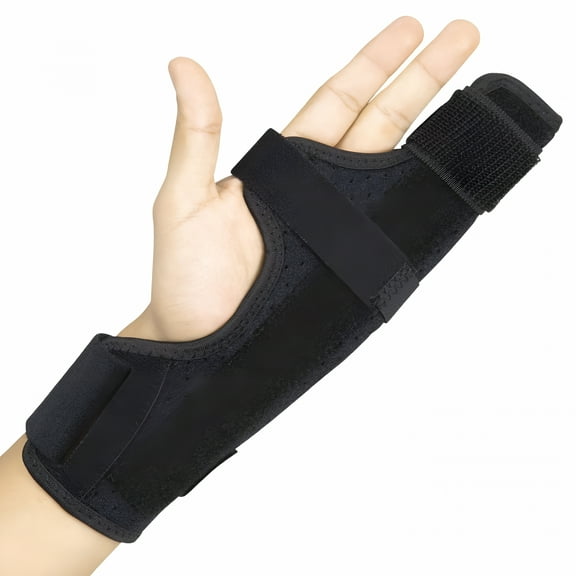
You should also check which finger needs support because shape and length can vary by location. A pinky finger splint may fit differently than a thumb, index finger, or middle finger style.
Some designs focus on one joint, while others cover more of your finger length. You can compare profile height and length carefully when you want a fit that doesn’t crowd nearby fingers.
Using finger splints for daily routines
You may need support during typing, crafting, sleeping, or household tasks, so your routine matters. You can choose slimmer options for daytime wear and more rigid options for quiet, low-movement periods.
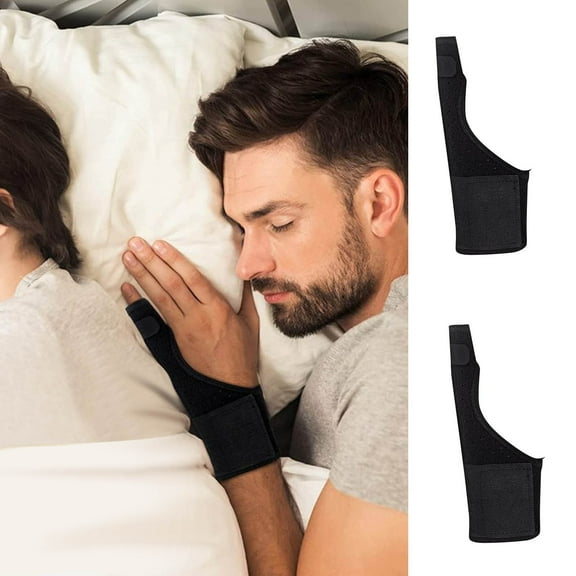
If you type often, you may prefer a low-profile finger brace that leaves nearby fingers freer. If you rest overnight in a splint, you may look for breathable lining and easy strap adjustments.
For repetitive hand use, you may compare finger splints for arthritis with softer contact points and flexible closures. For fingertip-focused support, you may choose a mallet finger splint that stays compact around the end joint.
You can also compare a trigger finger splint with designs that limit motion at a single joint. When you match condition, material, and size carefully, you’ll get steadier support with less guesswork.
You’ll shop this category more confidently when you compare condition target, design, material, finger location, and adjustability together. With the right finger splints, you can get a fit that feels more secure and easier to wear through your routine.