


Find auto parts that fit
Let’s search for parts that fit your vehicle.Mud Flaps & Splash Guards for Cars, Trucks & SUVs





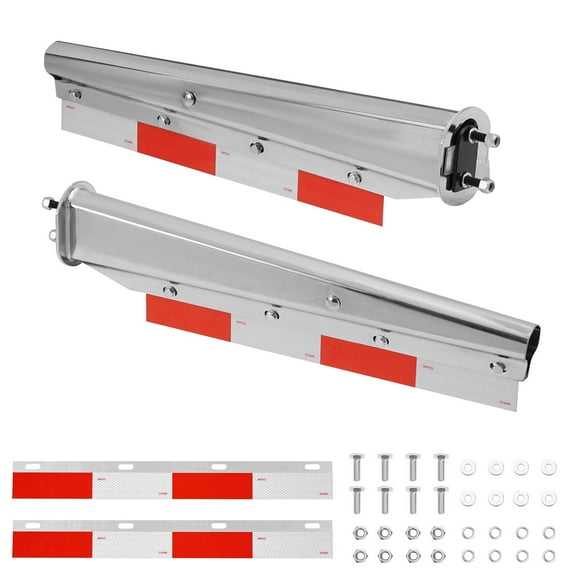

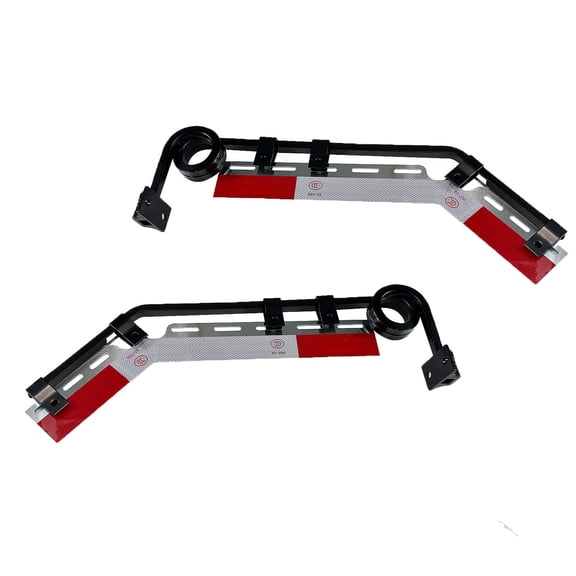


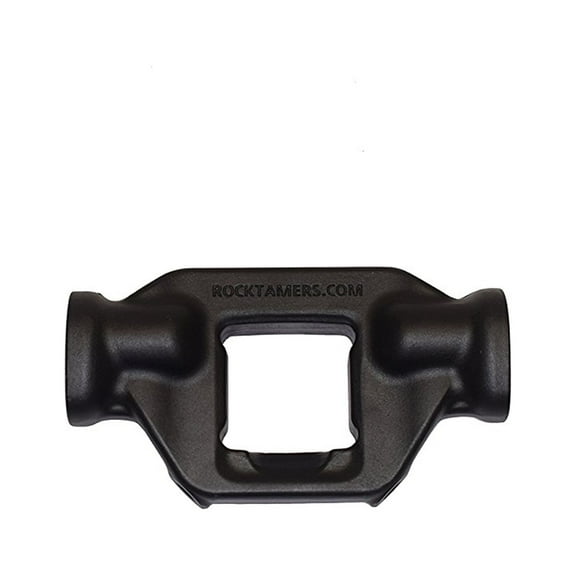


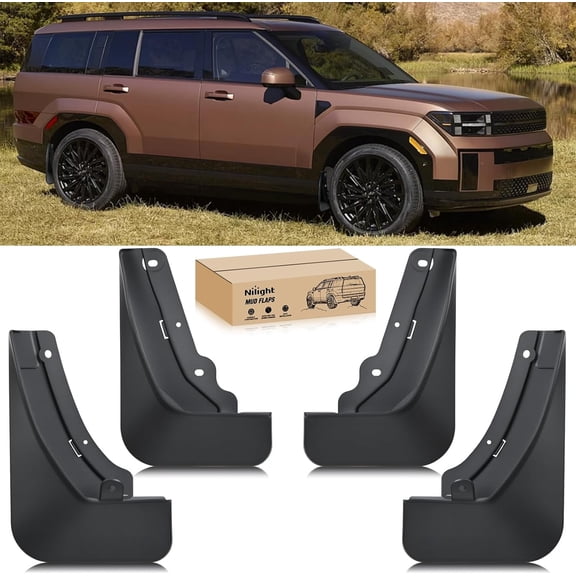









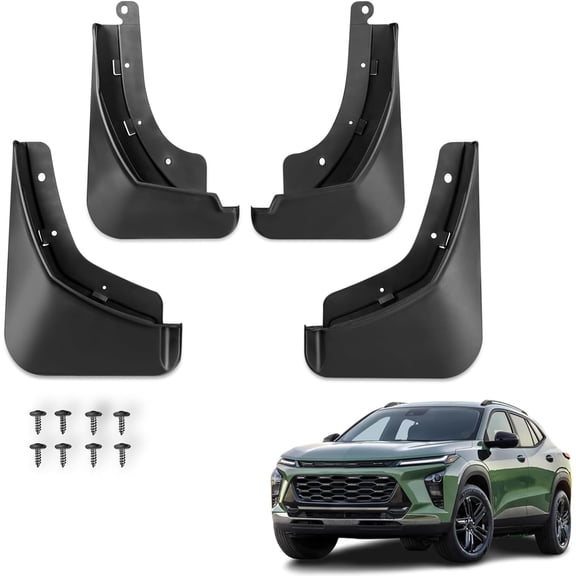


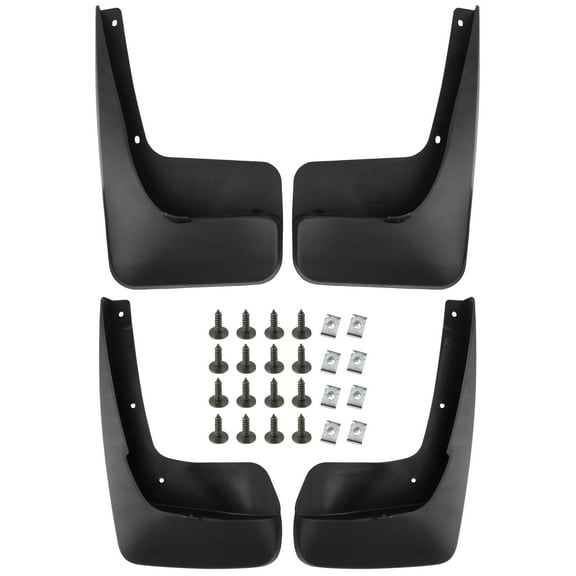

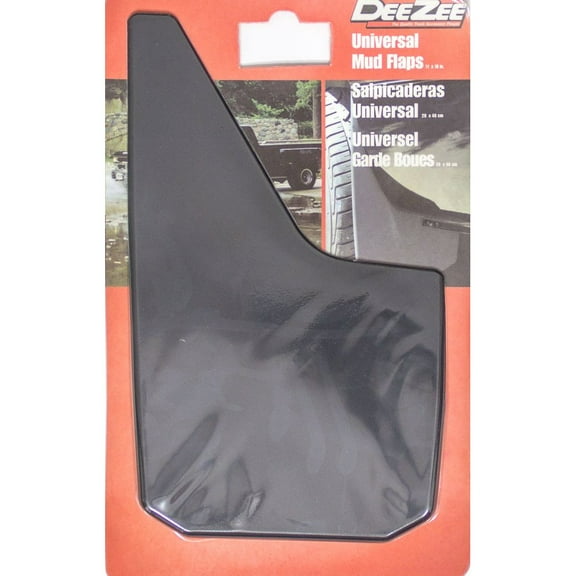

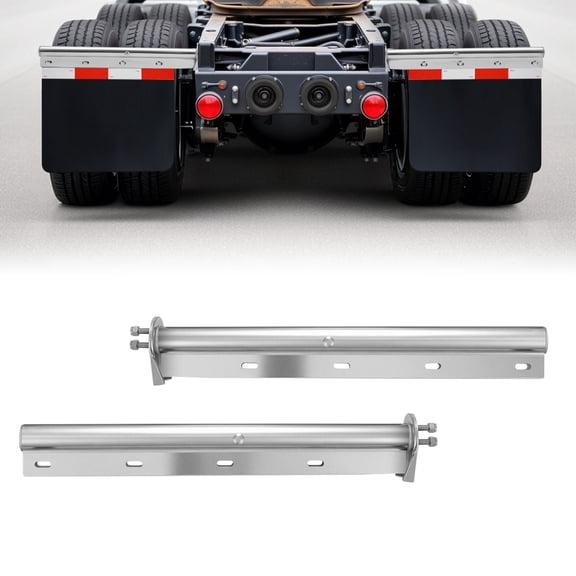
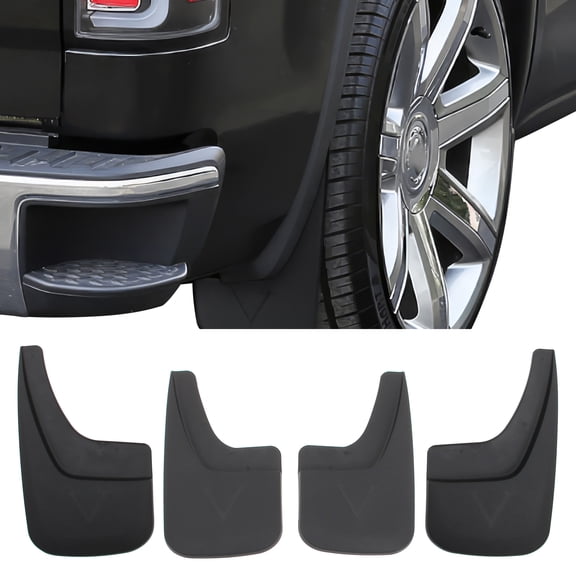
About Mud Flaps & Splash Guards for Cars, Trucks & SUVs - Walmart.com
You can use mud flaps for cars to help keep your vehicle cleaner in wet, dusty, and gravel-covered driving conditions. You can also get a more finished look when you match the right fit, placement, and material to your vehicle.
If you’re comparing options for a sedan, crossover, pickup, or SUV, you’ll want guidance that matches real fitment details. You can narrow your choice faster when you compare custom fit, universal fit, front coverage, rear coverage, and installation style.
How to choose mud flaps for cars
You should start with vehicle compatibility, because make, model, year, and trim affect how securely your mudguards line up. You’ll want to check wheel well shape, factory mounting points, and ground clearance before you choose.
If you drive a compact car, you may prefer slimmer car mudguards that follow the body lines closely. If you drive a truck or SUV, you may want wider coverage that catches more road spray and loose grit.
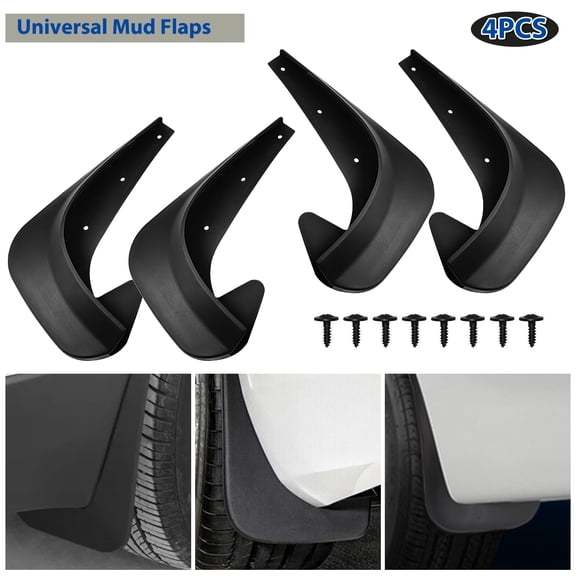
You can compare a custom fit option when you want a tailored look and cleaner edge alignment. You can consider a universal fit option when you need flexible sizing across many vehicles.
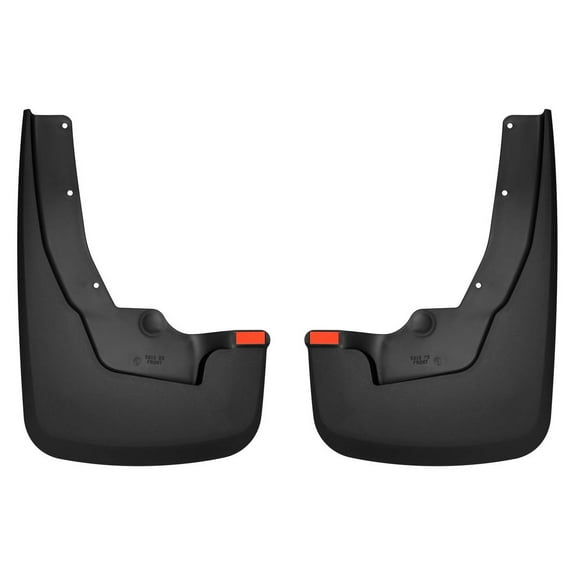
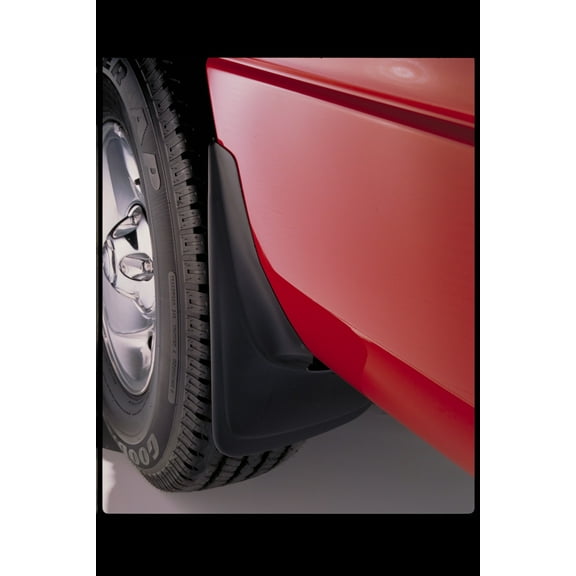
- You can use front guards to reduce spray along doors and rocker panels.
- You can use rear guards when you want added coverage behind the back wheels.
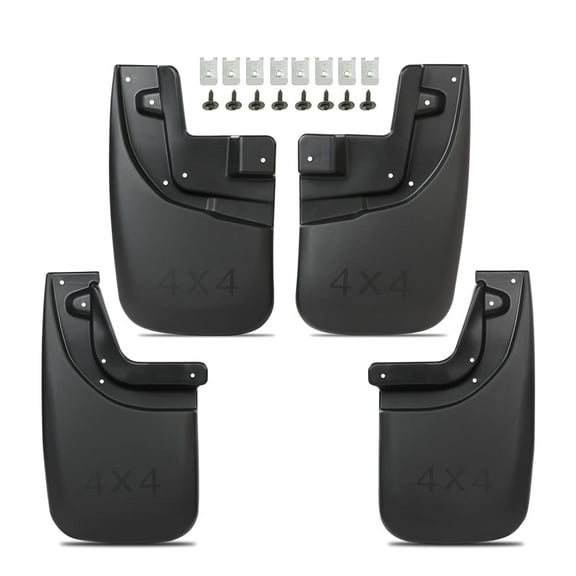
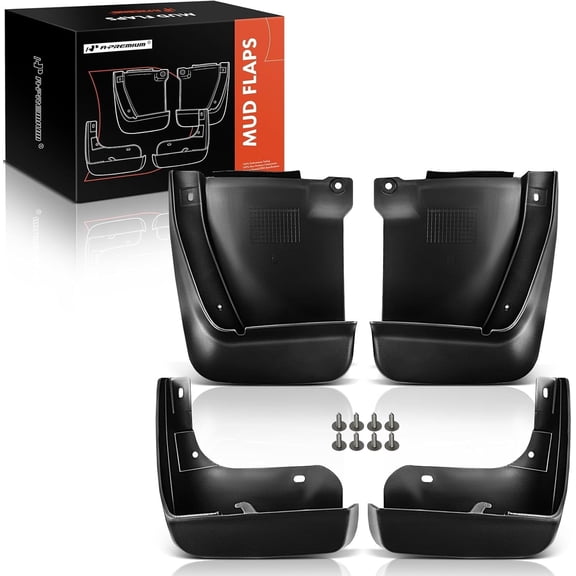
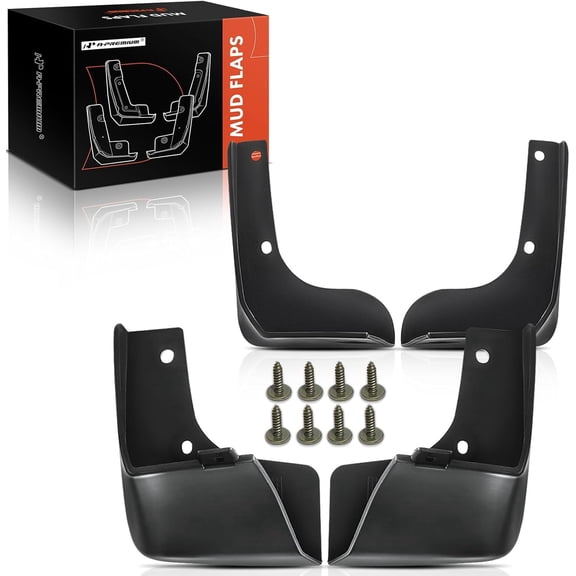
- You can choose a full mud flap set when you want balanced coverage at all four corners.
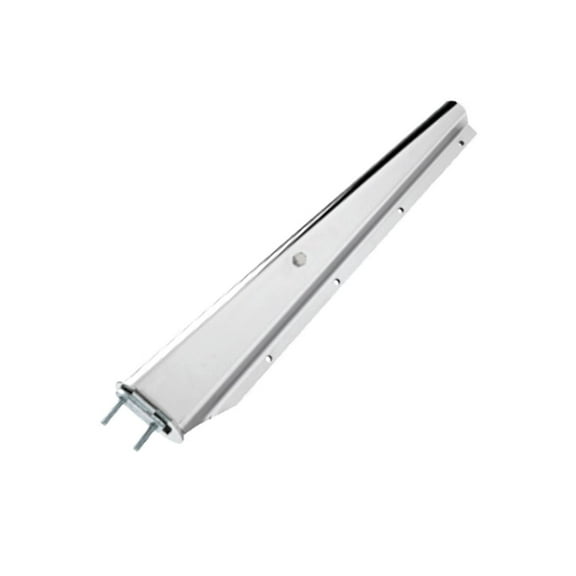
- You can compare no-drill and drill-required mounting before you pick your hardware style.
What to look for in car mudguards and mud pads for car use
You’ll usually choose among rubber, molded plastic, and carbon fiber styles based on road conditions and appearance. You can use each material differently depending on how much flex, structure, or styling you want.
If you want a flexible feel in cold weather or rough roads, you may prefer rubber. If you want a firmer shape that holds a molded profile, you may prefer molded plastic.
If you’re focused on a sportier exterior look, you may compare carbon fiber styles for a more distinct finish. You should still confirm fitment details, because appearance alone won’t ensure proper coverage.
You can also compare edge shape, width, and contour when you want cleaner protection behind each tire. You’ll notice that a wider flap can catch more splash, while a shaped edge can match factory body lines.
If you’re replacing worn parts, you may search for mud flap replacement options that match your original mounting pattern. You can avoid guesswork when you check included brackets, clips, and fastener locations.
Choosing custom fit or universal fit for your vehicle
You should compare custom fit and universal fit based on installation time and finish. You’ll often find that custom fit pieces align more closely with specific wheel wells and trim packages.
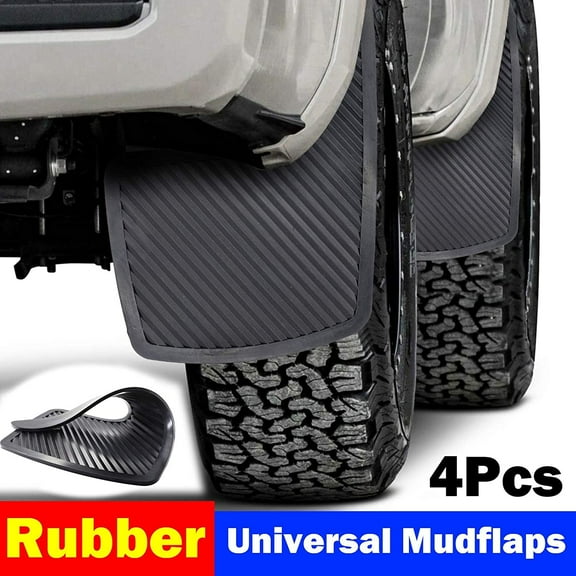
If you want broad compatibility, you can consider universal guards that work across many car, truck, and SUV applications. You should measure flap height and width, because universal sizing still needs enough tire coverage.
You may also compare a nissan splash guard or nissan mud flaps when you’re shopping for a specific model family. You should still verify year and trim, because mounting points can vary across body styles.
When you review installation details, you’ll want to check whether the set uses existing holes, clips, or drilling. You can often finish a no-drill setup faster, while drill-required options may offer a more fixed placement.
Deciding on front, rear, or a full mud flap set
You can choose front guards when you want to reduce spray kicked up toward doors and lower side panels. You can choose rear guards when you want more coverage behind the back tires.
If you drive on gravel roads, construction areas, or rainy highways, you may want a full mud flap set. You can get more consistent coverage when all four wheel positions use the same shape and material.
You should also match placement to your driving routine and vehicle type. If you use a truck for towing or an SUV for weekend travel, you may want larger rear coverage for more road spray control.
If you commute in a car every day, you may prefer lower-profile flaps that blend into the body design. You can keep a cleaner look while still reducing splash around lower doors and quarter panels.
How installation and everyday use affect your choice
You should look for installation details that match your tools, time, and comfort level. You can compare clip-on kits, bracket systems, and hardware packs before you choose.
If you want a simpler weekend install, you may look for sets designed around factory holes. If you’re comfortable modifying fit, you can consider options that require drilling for placement.
You’ll also want to think about weather, road texture, and cleaning habits before you buy. If you drive through slush, mud, or loose dirt often, you may prefer materials that rinse off easily and keep their shape.
With the right fitment, material, and placement, you can choose mud flaps for cars that match your vehicle and driving routine. This helps you maintain cleaner body panels, a neater wheel area, and a more tailored exterior finish.