

Spackling in Patching & Repair
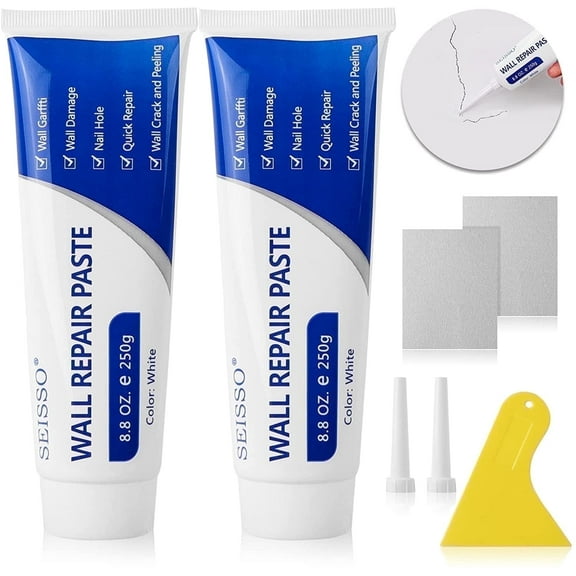

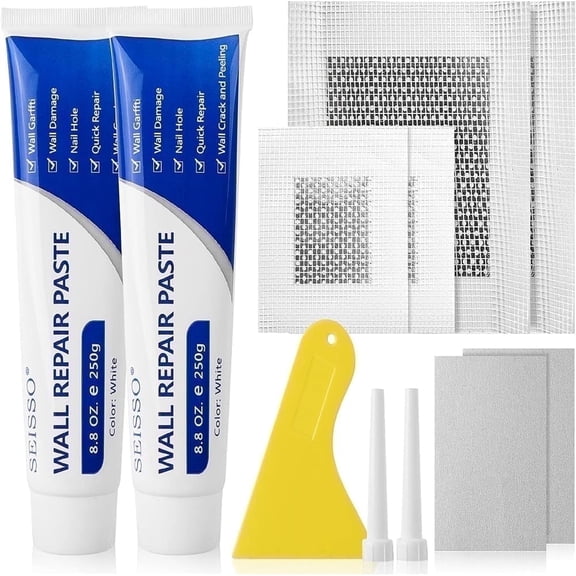
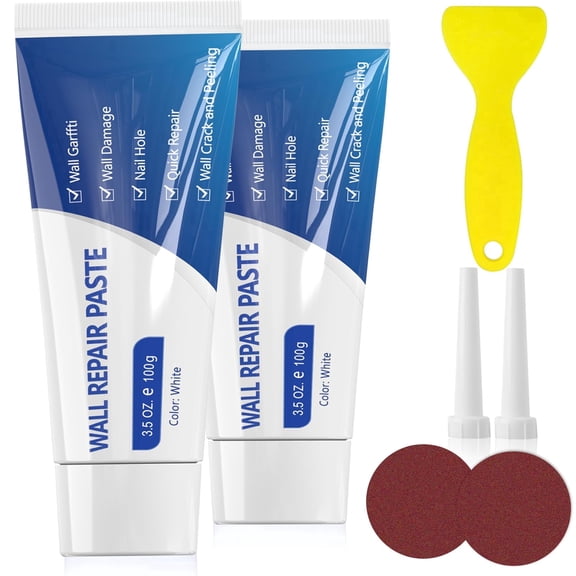
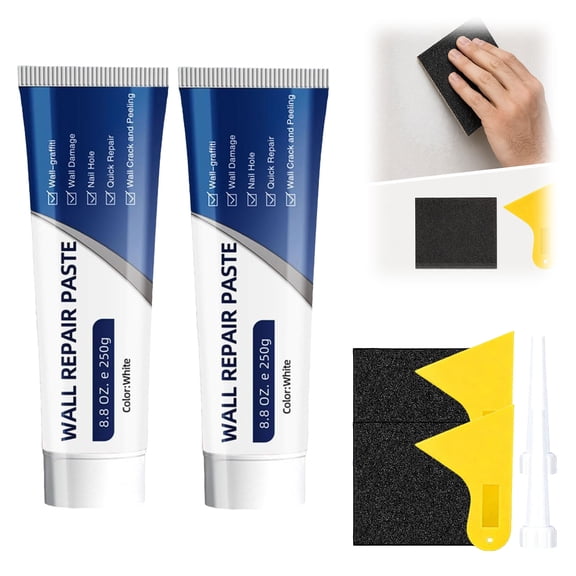






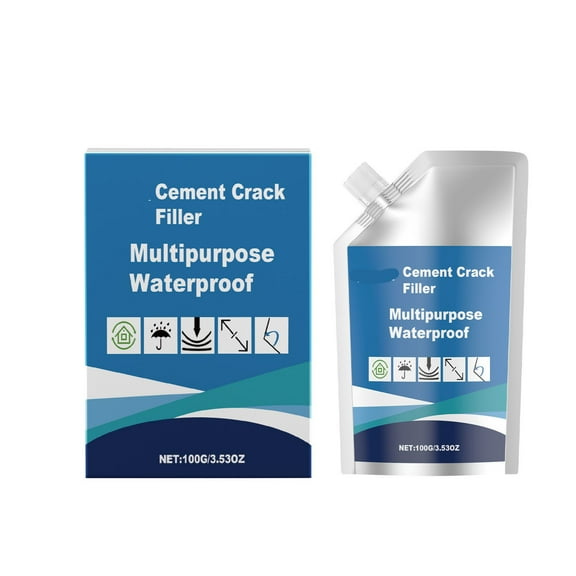

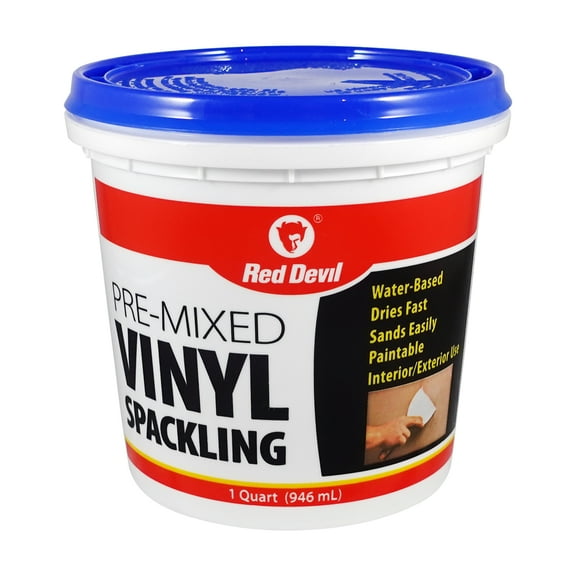
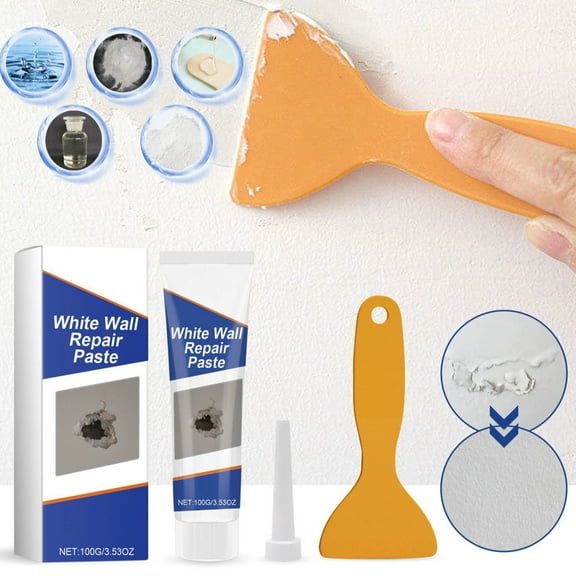

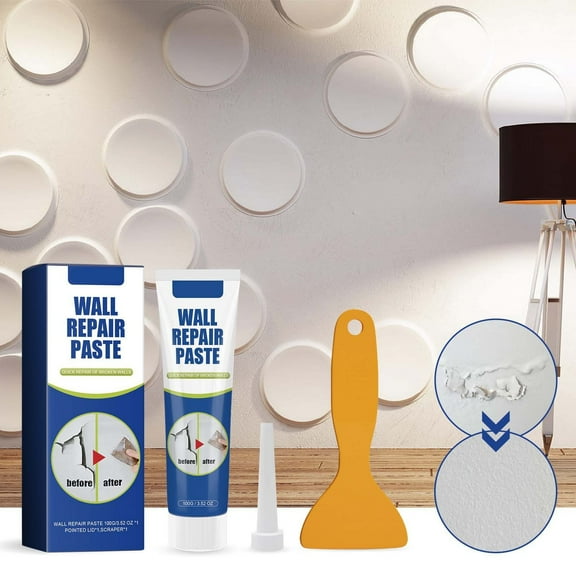










About Spackling in Patching & Repair - Walmart.com
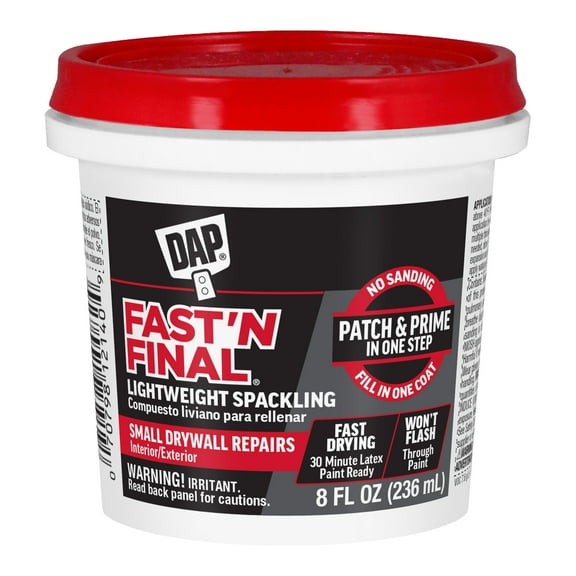
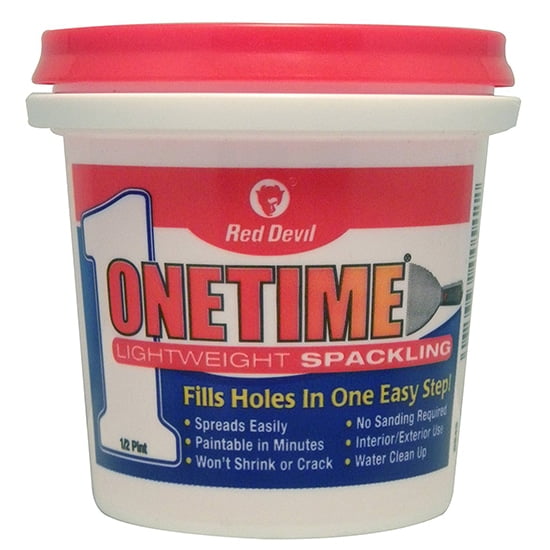
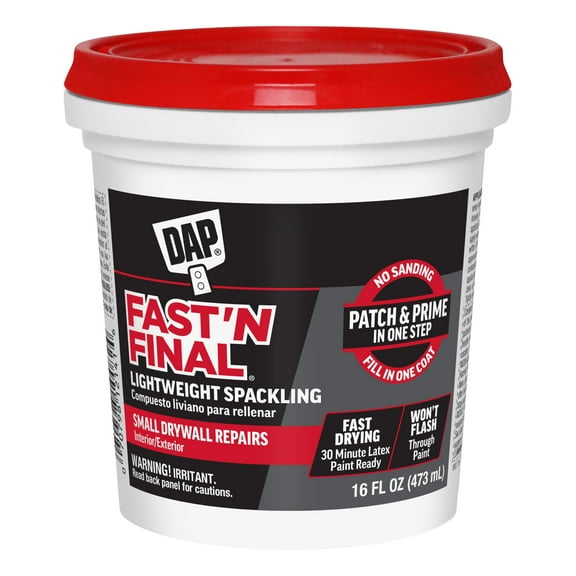
Spackling makes small wall repairs look finished, so your paint and texture look even. At Walmart, you can choose spackling paste, wall spackle, and spackling compound for common dents and nail holes.
Some repairs need a lightweight paste for quick touchups. Others need a tougher compound that sands smooth and stays put.
Choosing the right spackling paste
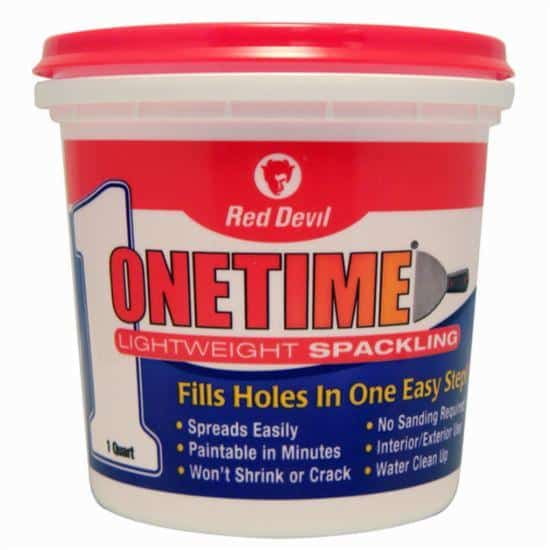
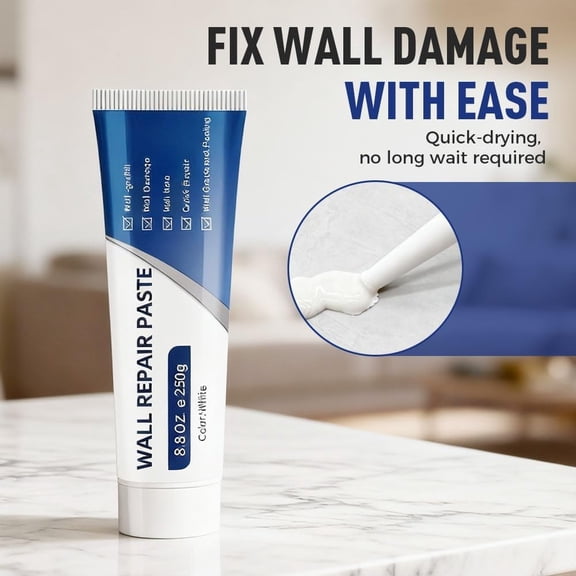
Spackling paste is made for shallow damage, like pinholes, small dings, and popped nail heads. It spreads easily and can help you get a paint-ready surface fast.
If you’re patching a larger spot, check the label for thicker formulas and shrink resistance. Many projects go smoother when you plan for two thin coats.
Pay attention to drying time before sanding or painting. Faster-drying options help on tight timelines, but deeper fills still need more time.
Benefits you’ll notice after wall repairs
Spackling keeps a patched area from flashing through paint and ruining the finish. When the surface is level, your roller passes look consistent under light.
Wall spackle also helps you reset a room after hanging shelves, frames, or hooks. You can close old holes and repaint without leaving craters behind.
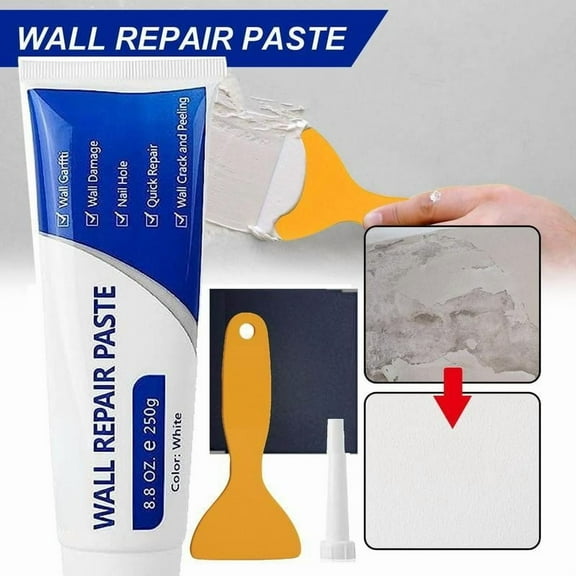
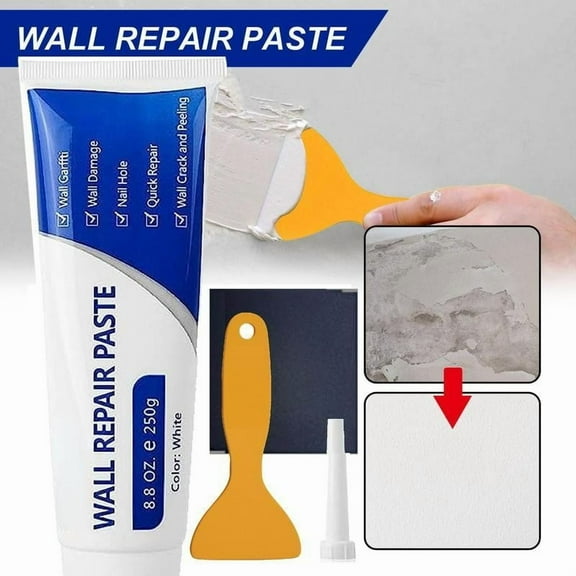
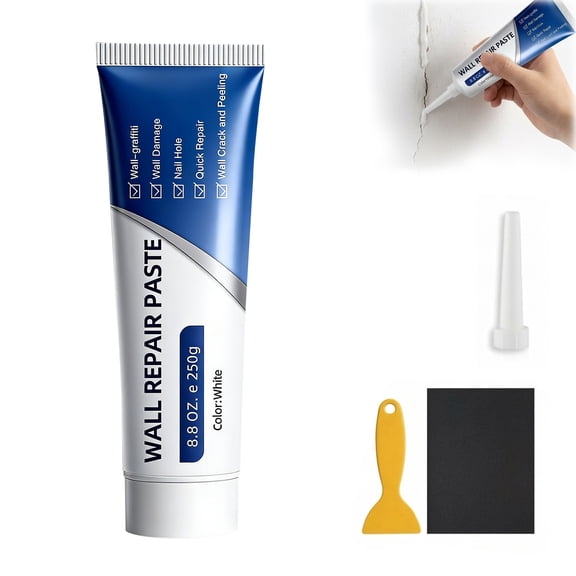
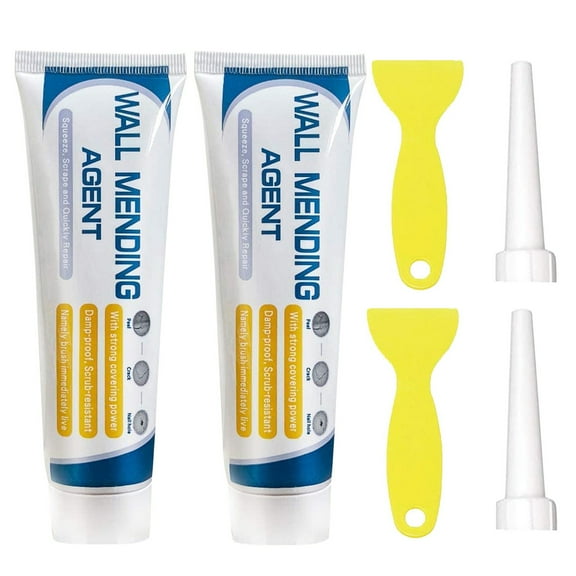
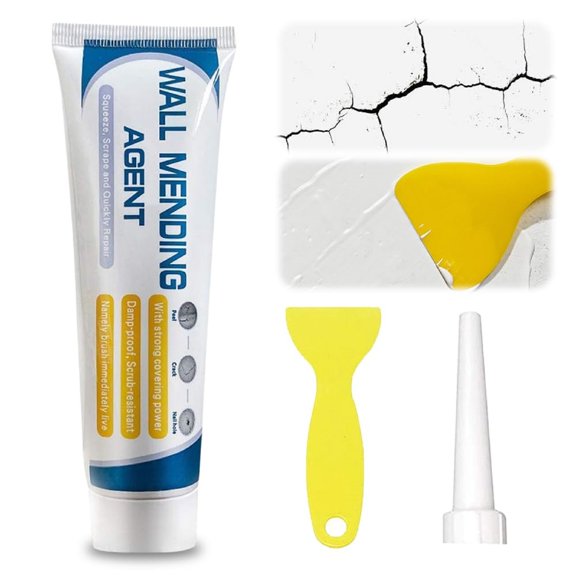
A spackle kit can reduce prep stress because tools are matched to the job. Many kits include a putty knife and sanding pad for quick cleanup.
- Smoother walls that look even after priming and painting.
- Cleaner repairs around trim, corners, and baseboards.
- Less visible patching on bright or glossy paint finishes.
- More control when filling nail holes without overbuilding the area.
For searchers typing spackel, you’ll still find the same wall repair category. Product titles may say spackle, spackling paste, or spackling compound.
Features to compare in wall spackle and compound
Start with the repair depth and the surface you’re fixing. Lightweight spackling is great for minor damage, while compound handles wider patches.
Look for labels that mention interior walls, drywall, plaster, or wood trim. Some formulas bond well on painted surfaces, while others want a scuff-sanded area first.
Check whether the product is ready-mixed or powder. Ready-mixed wall spackle is simple for quick jobs, while powder lets you mix small batches.
Sanding feel matters more than people expect. A formula that sands to fine dust can help you feather edges and avoid ridges.
Dry time guidance is a key decision point. The container usually lists recoat and sand times, plus notes for humidity and thicker layers.
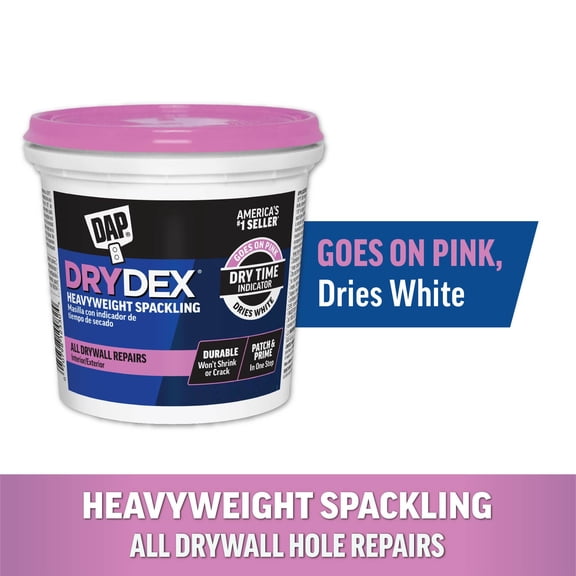
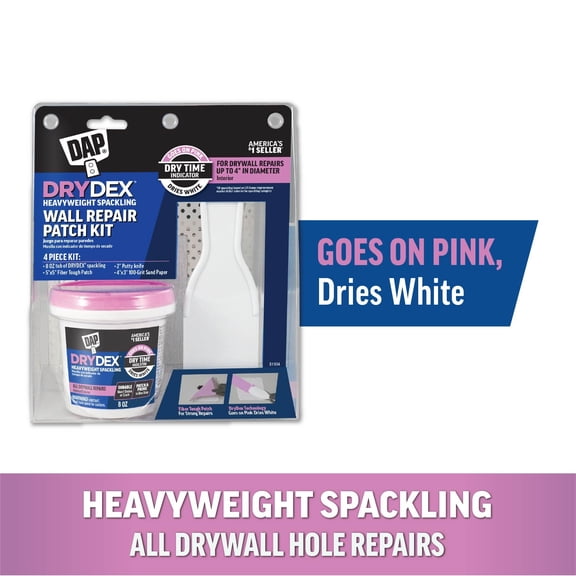
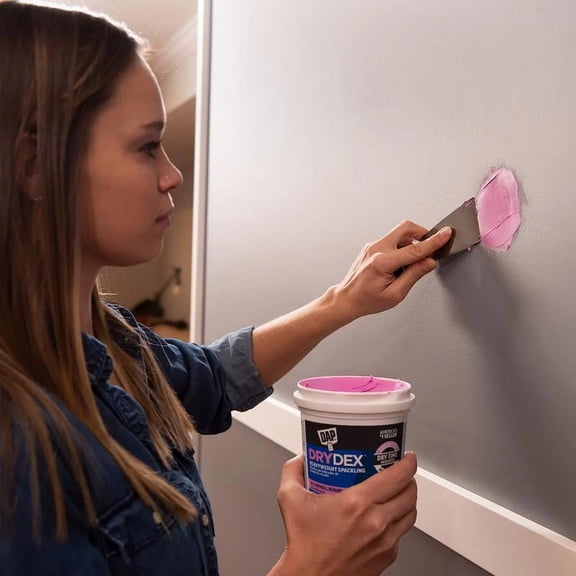
Also compare color and finish cues, like pink-to-white drying indicators. Those can help you avoid sanding too early and tearing the patch.
Use cases and how-to moments for spackling compound
Spackling compound works well when you’re fixing repeated holes from anchors or moving hardware. It can help you rebuild a flat plane before priming.
For nail holes, load a small amount on a putty knife and press it across the hole. Wipe the excess, let it dry, then sand lightly.
For small dents, fill in thin layers to reduce shrink lines. After drying, feather the edges wider than the dent to hide the repair.
If you’re patching a corner chip, use a stiff knife and shape the edge while it’s wet. Sand gently after drying to keep the corner crisp.
Drying time depends on layer thickness, airflow, and room humidity. Plan extra time for deep fills, and avoid painting until it’s fully dry.
Many shoppers pair spackling with sandpaper for smoothing and a putty knife for control. Interior paint and primer help the patch blend with the wall.
When you need repeated fixes around a rental turn or staging project, keep a spackle kit on hand. It’s useful for fast resets between paint touchups.
Finish your repair with a paint-ready surface
Spackling is easier when you match the formula to the damage and follow dry-time guidance. With the right wall spackle and smooth sanding, your patched areas disappear under paint.