












Sony Camera




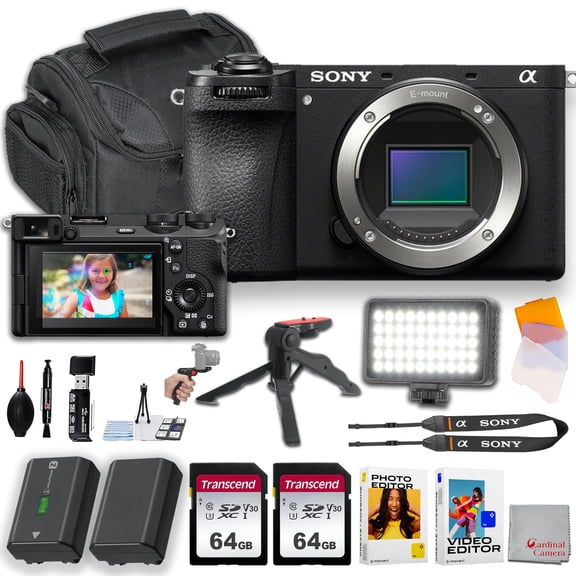
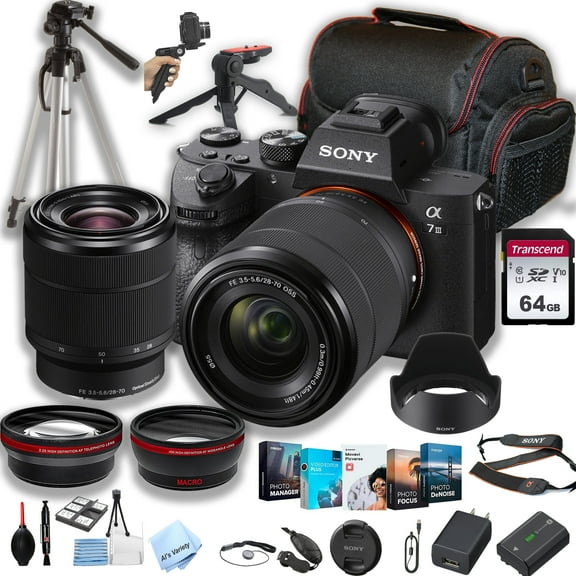


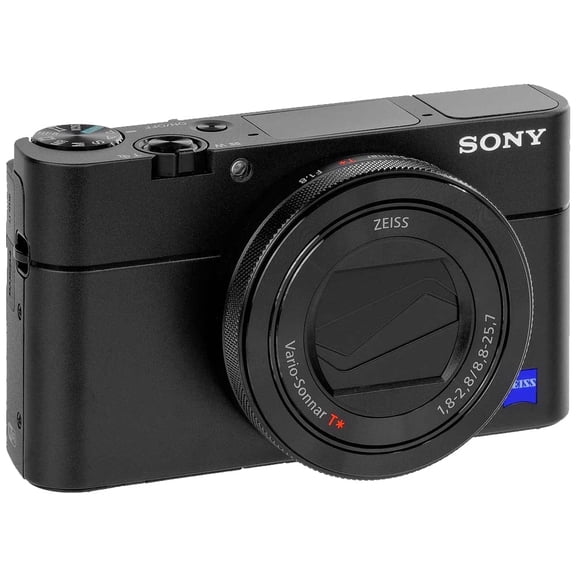


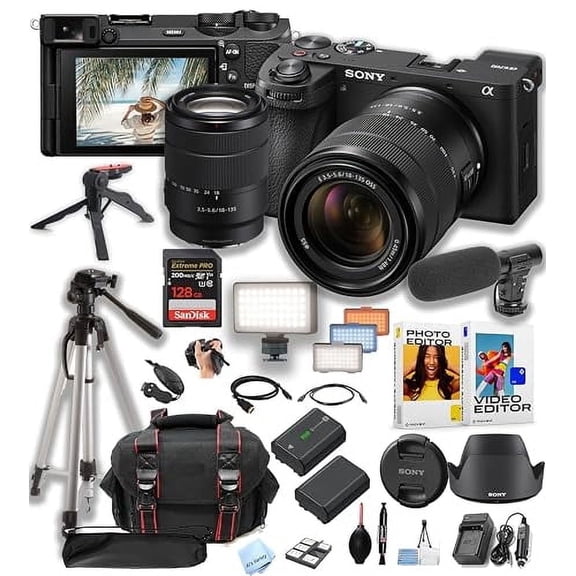
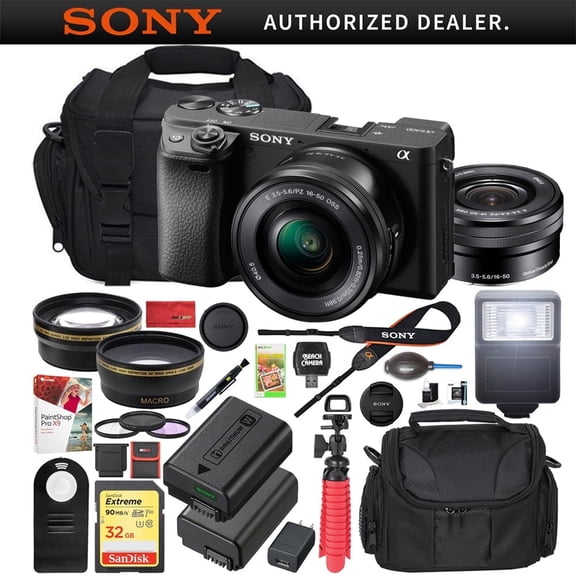


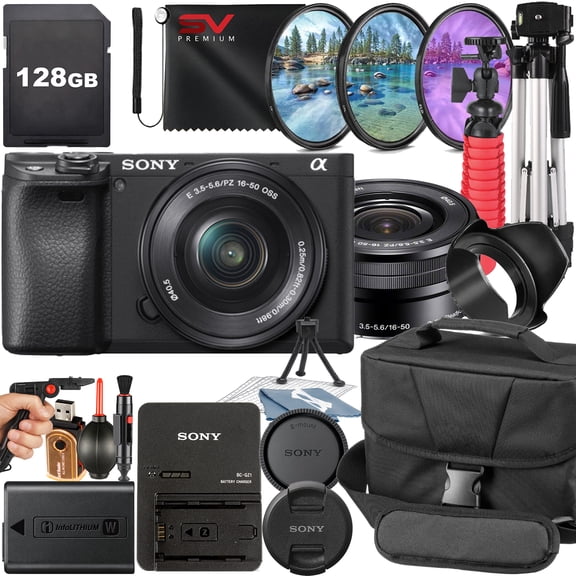
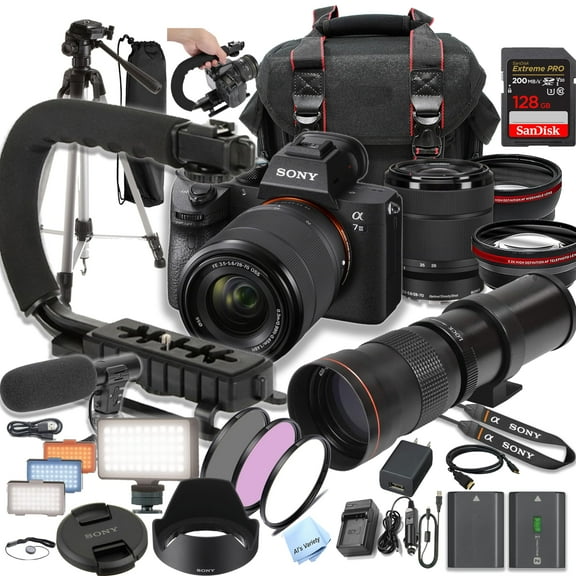
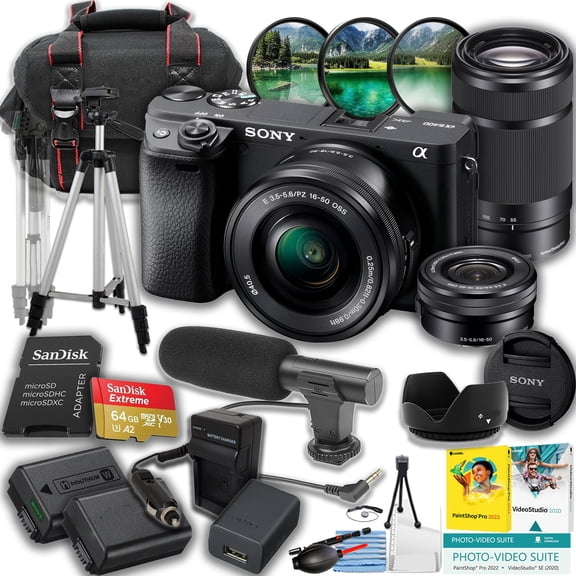



About Sony Camera - Walmart.com
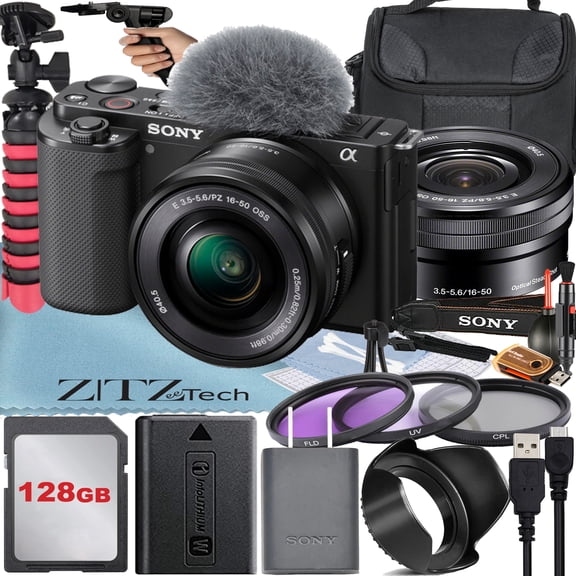
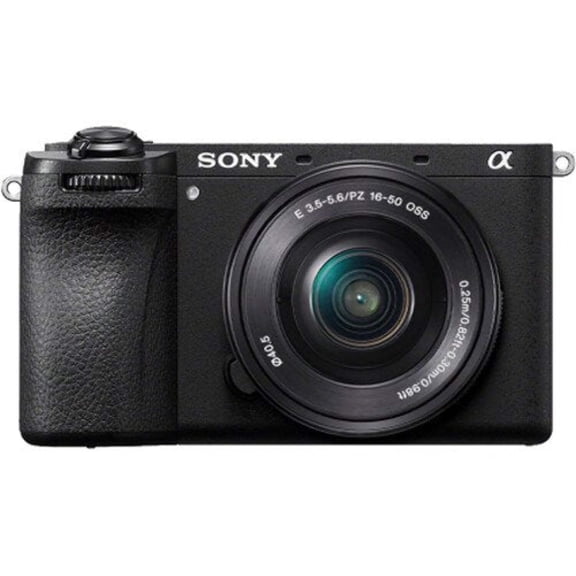
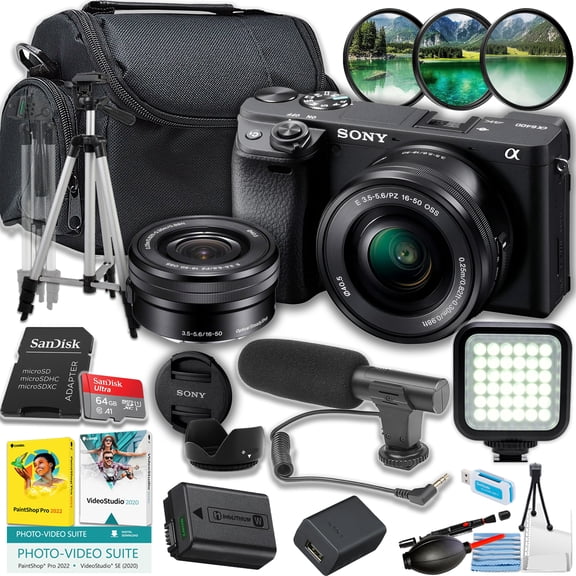
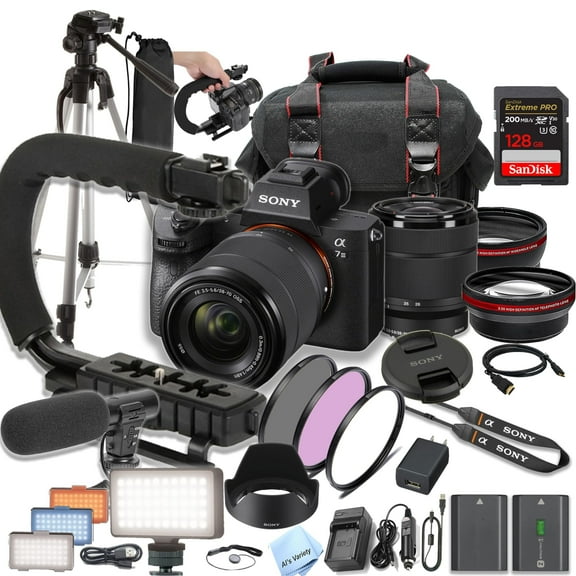
Sony cameras give you a clear path from simple snapshots to creator-ready video tools. You can compare sensor size, lens compatibility, and video options that match your shooting style.
If you want focused guidance, you’ll find this page built around real buying decisions. You can sort Sony mirrorless cameras, compact digital models, and creator setups with less guesswork.
How to choose Sony cameras by type
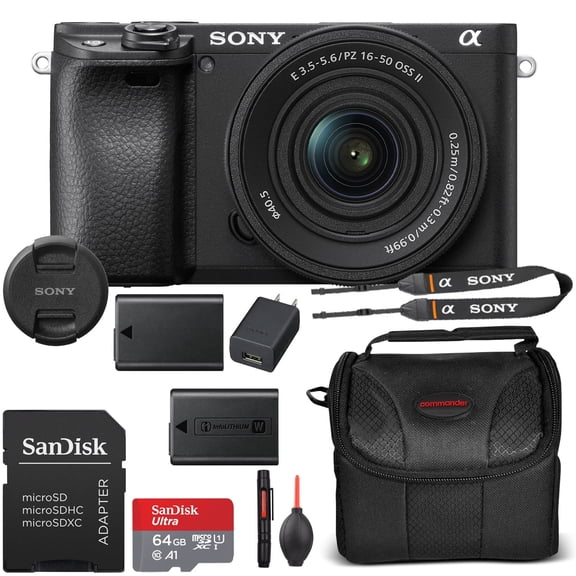
You’ll usually start with camera type because it shapes size, controls, and upgrade options. You can compare mirrorless, point-and-shoot, and DSLR models based on how hands-on you want to be.
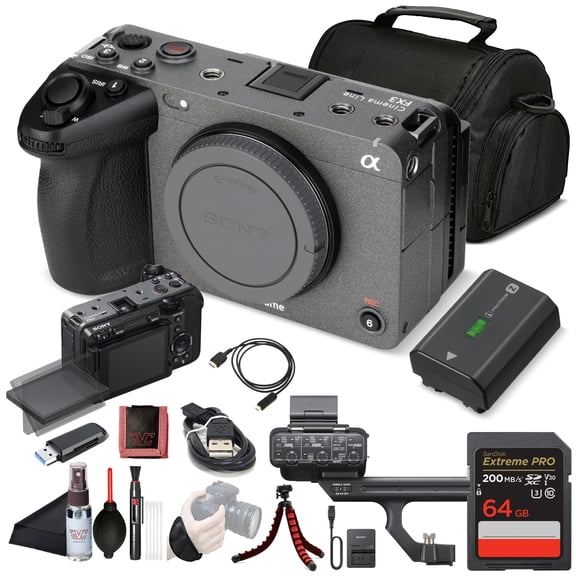
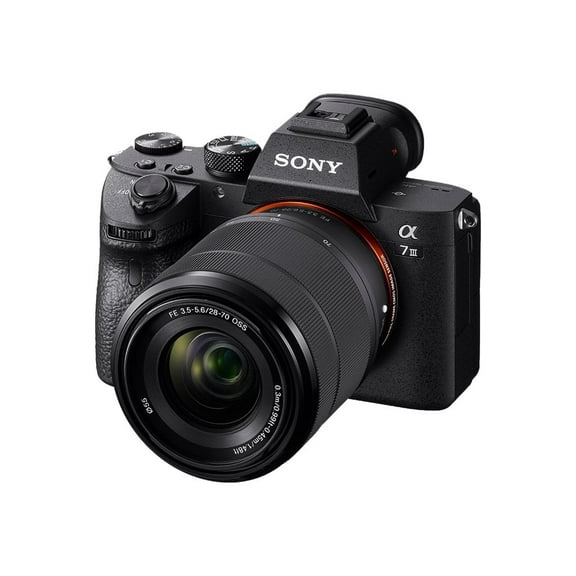
If you want interchangeable lenses, you should look at Sony mirrorless cameras first. You’ll get room to grow with focal lengths for portraits, sports, travel, and everyday scenes.
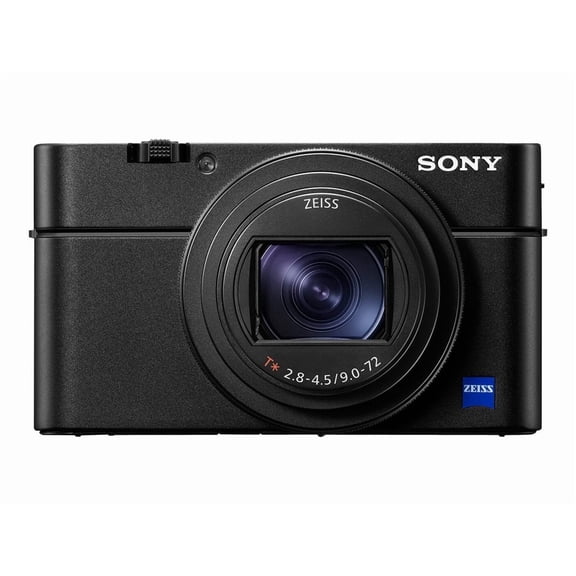
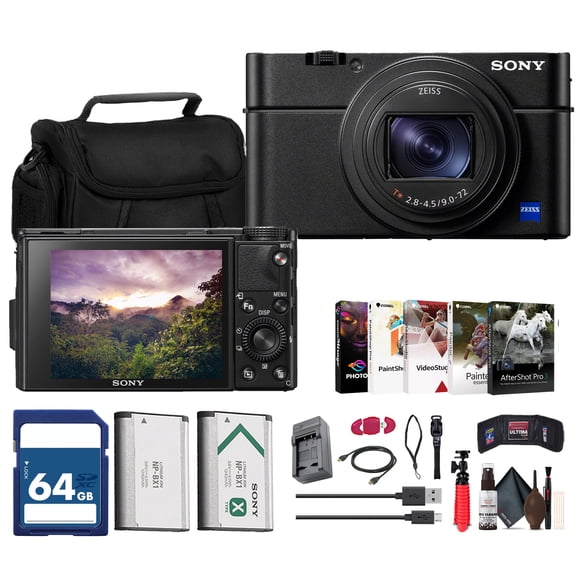
If you prefer a lightweight setup, you may choose Sony point-and-shoot cameras with a fixed lens. You’ll carry less gear while keeping quick access for trips, family events, and daily moments.
- You can pick mirrorless bodies when you want lens flexibility and added manual control.
- You can choose point-and-shoot models when you want a compact camera that’s easy to pack.
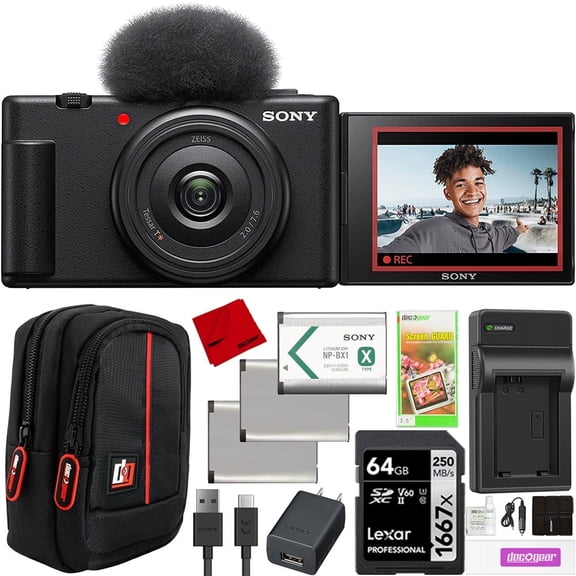
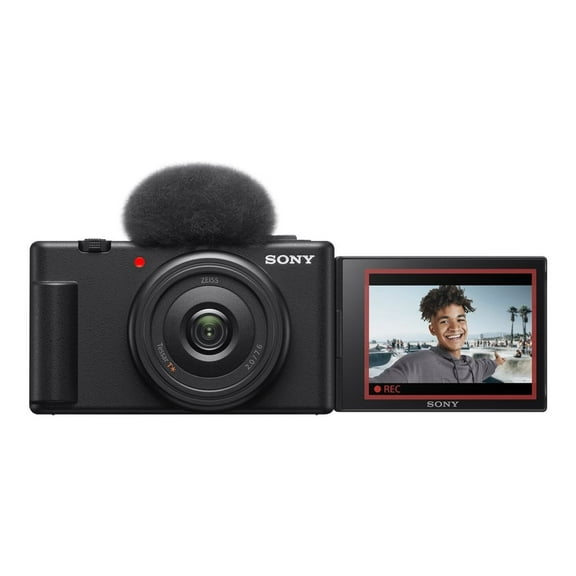
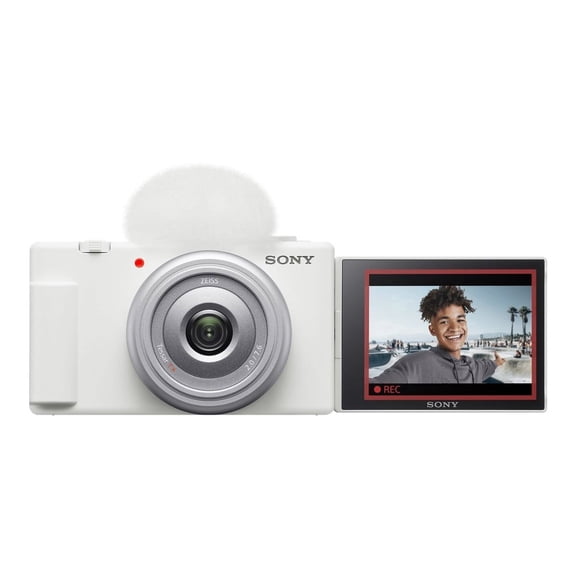
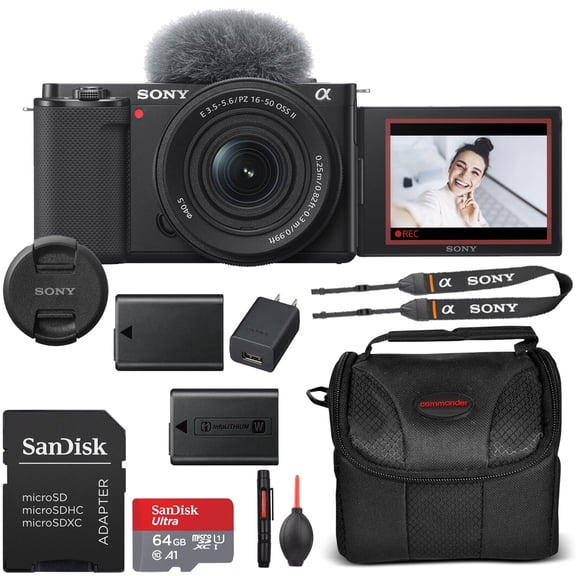
- You can focus on creator models when your videos need flip screens, autofocus tracking, and microphone support.
Choosing sensor size in Sony mirrorless cameras
You should compare sensor size early because it affects body size, lens pairing, and shooting style. You’ll commonly see full-frame, APS-C, and 1-inch options across Sony digital cameras.
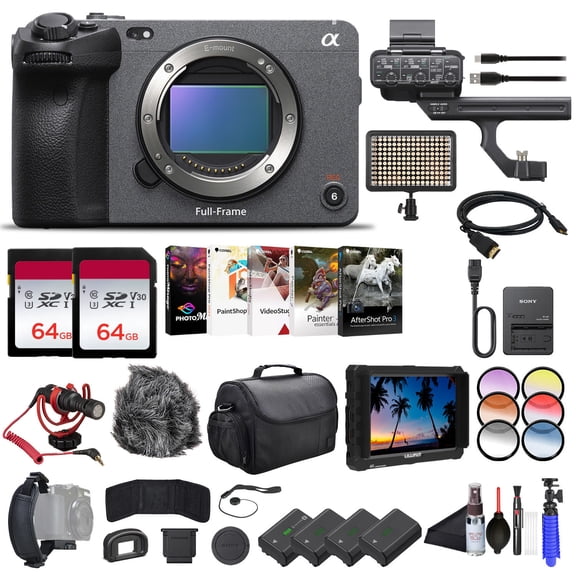
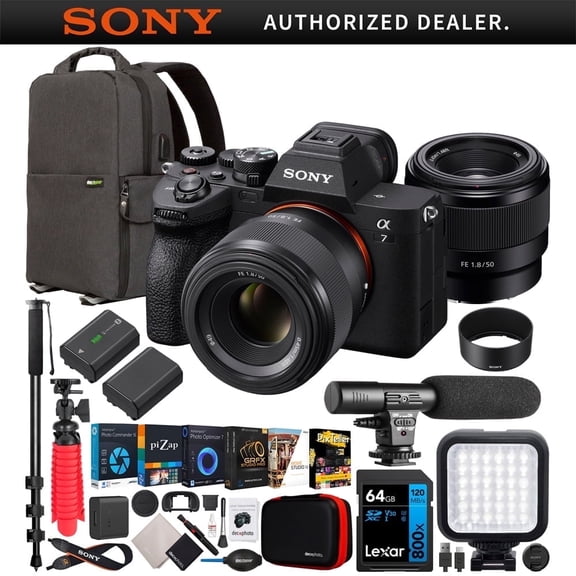
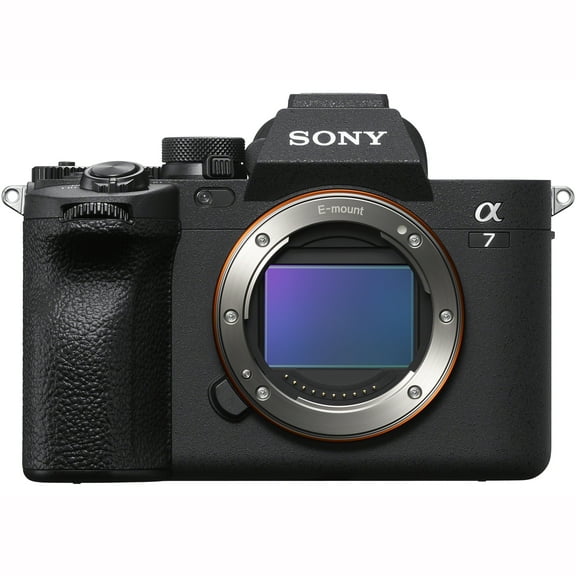
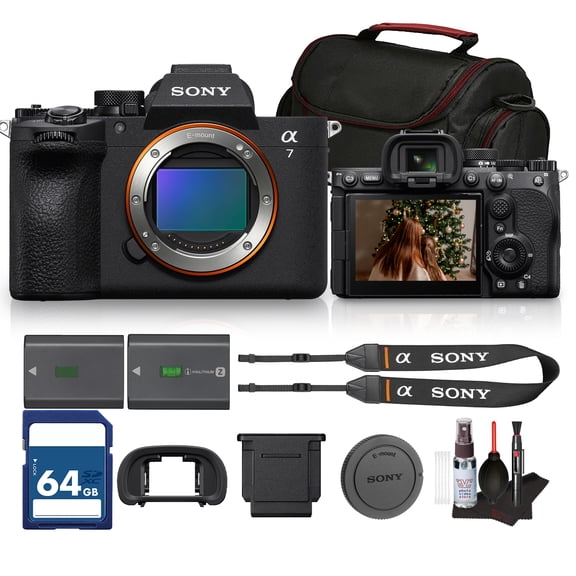
If you want enhanced low-light capture and pronounced background blur, you may lean toward full-frame Sony Alpha cameras. You’ll usually carry a traditional body and lens combination in return.
If you want a balance of portability and image quality, you should consider APS-C models. You’ll often find them convenient to carry for travel days, school events, and long walks.
If you want a highly compact camera, you may compare 1-inch sensor options with fixed lenses. You’ll get a compact design that works well when you want less bulk.
What to look for in lens compatibility
You should check lens compatibility before you choose a body, especially if you plan to upgrade later. You’ll see notable differences between E-mount interchangeable systems and fixed-lens designs.
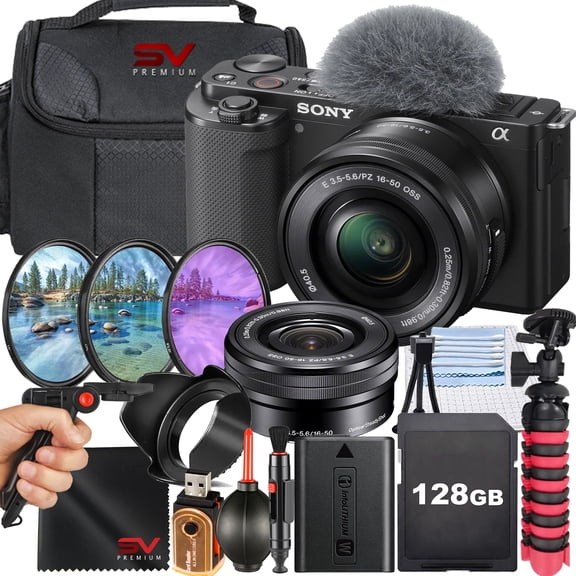
If you choose an E-mount camera, you can switch lenses for portraits, wildlife, wide landscapes, and close details. You’ll have added flexibility as your skills and interests change.
If you choose a fixed-lens model, you do not need to compare extra lenses before you start shooting. You’ll keep your setup simple for travel, quick outings, and casual photography.
You may also notice some shoppers compare E-mount and older A-mount lens systems. You should confirm mount details first so your camera and lens choices stay aligned.
Deciding between photo and video features
You should match your camera to your main use case because photo priorities and video priorities can differ. You’ll want different controls for portraits, sports, travel clips, or a Sony vlogging camera setup.
If you shoot video often, you should look for 4K UHD recording, a flip screen, and dependable autofocus tracking. You’ll frame yourself with ease and keep moving subjects in focus.
If you create short clips indoors or on the go, you may want microphone input support. You’ll have a straightforward time building a clean creator setup around your camera body.
If you focus on still photos, you should compare grip style, burst shooting, and lens options. You’ll notice these details matter for portraits, action shots, and vacation photography.
You can also compare 1080p Full HD and 4K UHD based on how you plan to share footage. You’ll get highly detailed output with 4K, while Full HD can suit standard recording needs.
Matching Sony digital cameras to your skill level
You should think about your experience level before you choose controls, body size, and lens flexibility. You’ll have a different path if you’re replacing a phone camera or building a serious kit.
If you’re newer to photography, you may want Sony digital cameras with guided menus and a fixed lens. You’ll spend less time managing settings and more time capturing everyday moments.
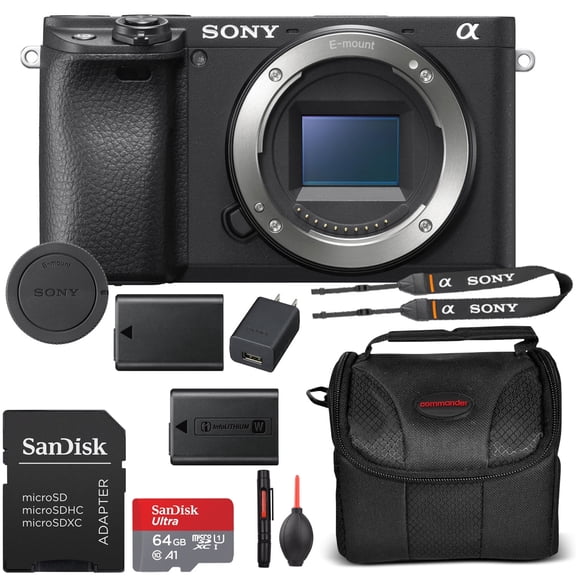
If you’re growing your skills, you should compare APS-C mirrorless bodies with E-mount lenses. You’ll get manual control, room to expand, and a lightweight setup for regular use.
If you already know your shooting style, you may prefer full-frame Sony Alpha cameras for portraits or indoor scenes. You’ll gain added control over lens choice and creative framing.
Using Sony cameras for travel, portraits, action, and vlogging
You should choose travel setups that balance weight, battery needs, and lens reach. You’ll appreciate a compact body or fixed-lens camera when you’re moving through airports and busy streets.
If your goal is portraits, you should prioritize interchangeable lenses and sensor size. You’ll have added freedom to shape background blur and framing with an E-mount setup.
If you shoot sports or active subjects, you should focus on autofocus speed and responsive handling. You’ll track motion with confidence when your camera keeps pace with quick movement.
If you want a Sony vlogging camera, you should compare flip screens, compact bodies, and 4K video options. You’ll make self-recording straightforward whether you’re filming at home or away.
You can narrow the right fit when you compare type, sensor, mount, and video resolution together. You’ll end up with a Sony camera setup that suits how you actually shoot.