



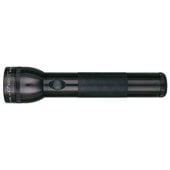
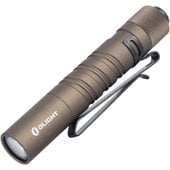
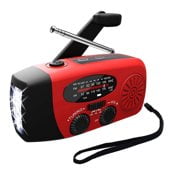
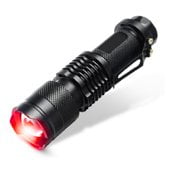
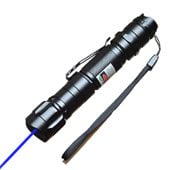
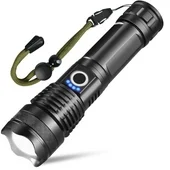
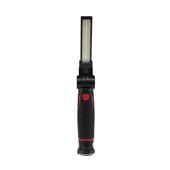
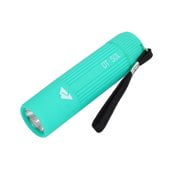
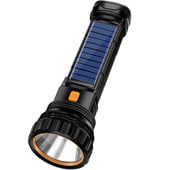
Solar-Powered Flashlights & Solar Panel Flashlights
























About Solar-Powered Flashlights & Solar Panel Flashlights - Walmart.com
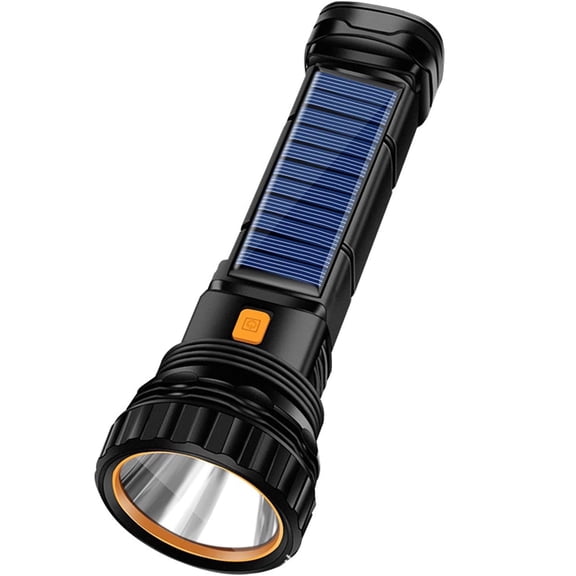
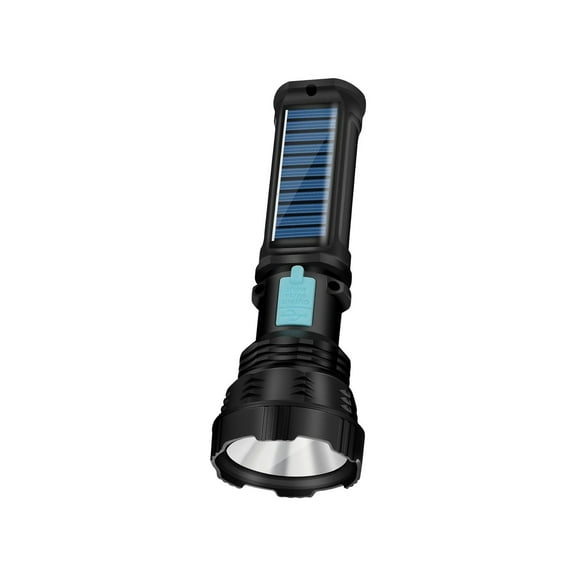
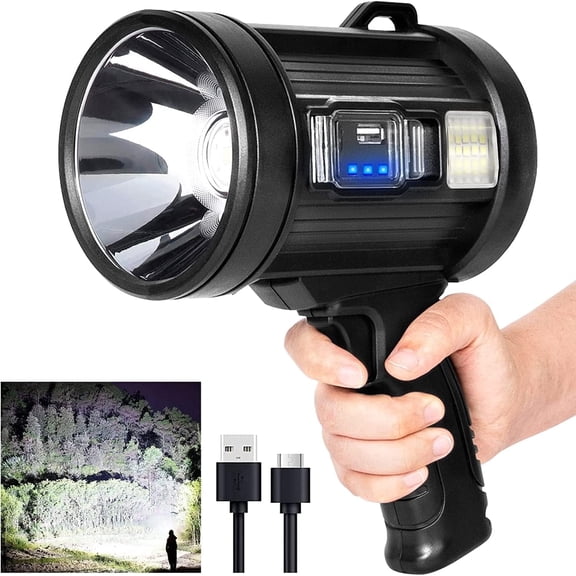
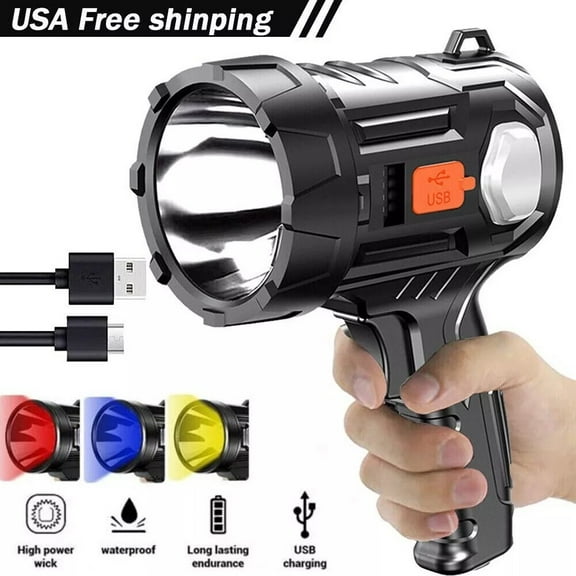
A flashlight with solar panel gives you dependable light for camping, storms, and roadside kits without relying only on wall charging. You can compare charging methods, beam strength, and carry size faster when the guidance reflects emergency preparation and outdoor use.
You may want a solar-powered flashlight that stays ready during outages and weekend trips. You can also look for dual-power designs that combine solar charging with USB or hand crank backup.
Choosing a flashlight with solar panel for daily use
When you compare this category, you should start with how you'll use the light most often. You may need quick checks around the house, longer campsite lighting, or compact backup for a glove box.
A solar panel flashlight can give you flexible charging when outlets aren't convenient. You can narrow options faster by matching charging style, brightness, and body design to your routine.
- You can keep light available during outages with solar charging and backup power options.
- You can carry a mini solar flashlight more easily in packs, drawers, and vehicle kits.
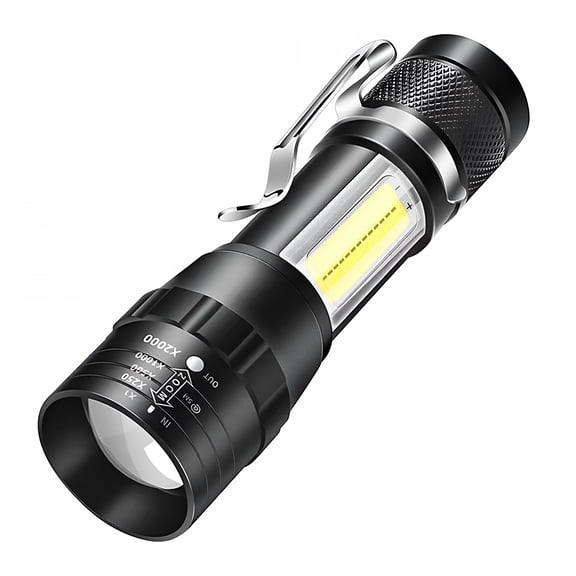
- You can get clearer visibility at night with LED or COB light sources.
- You can choose weather-ready designs when your flashlight may face rain, dirt, or rough handling.
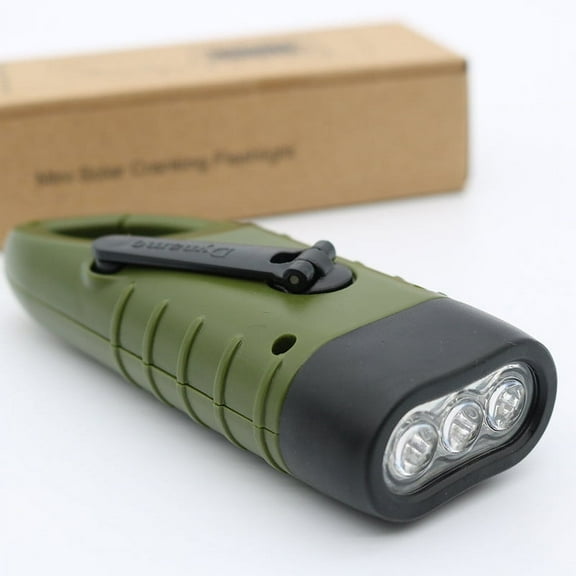
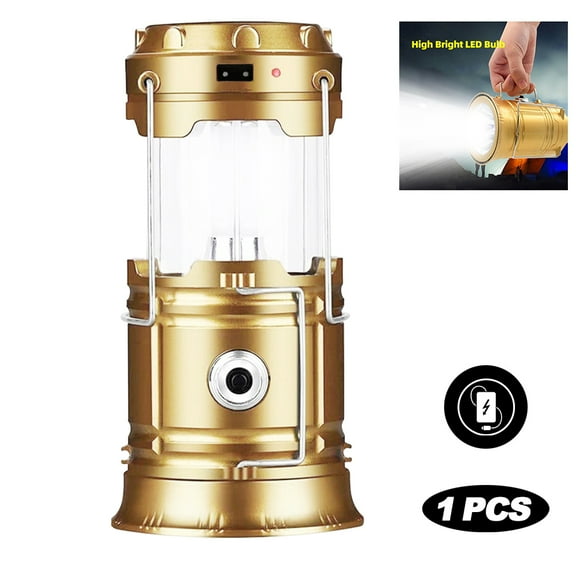
If you camp often, you may prefer a handheld design with an integrated panel and longer runtime. If you build an emergency kit, you may prefer a solar hand light with crank backup.
You can also compare body shape for storage and grip. A pocket-sized light fits tighter spaces, while a heavy duty body often feels steadier with gloves.
How to compare solar flashlight rechargeable features
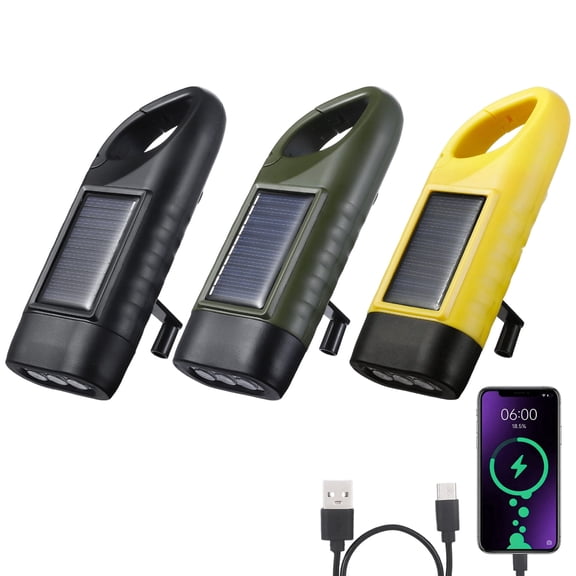
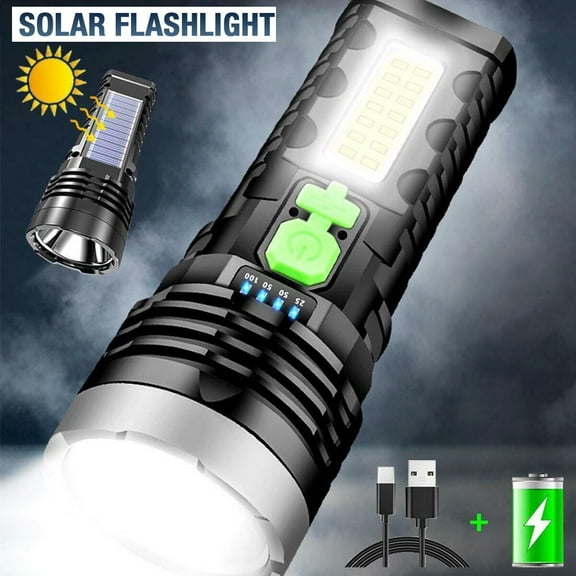
You should look at charging method first because it affects convenience and readiness. A solar flashlight rechargeable model may pair solar charging with USB input, which gives you more ways to refill power.
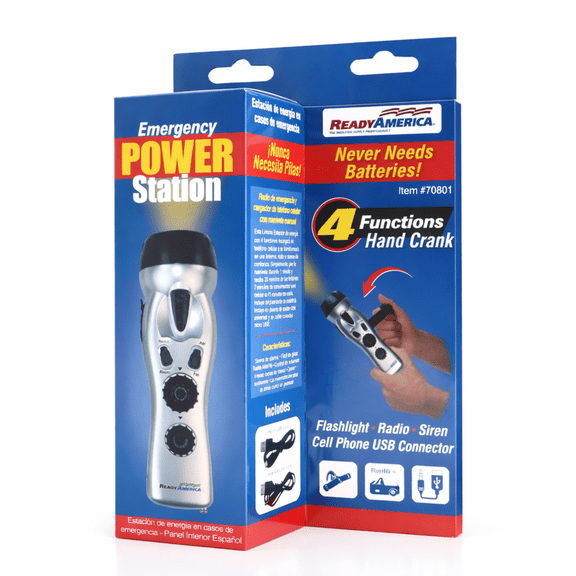
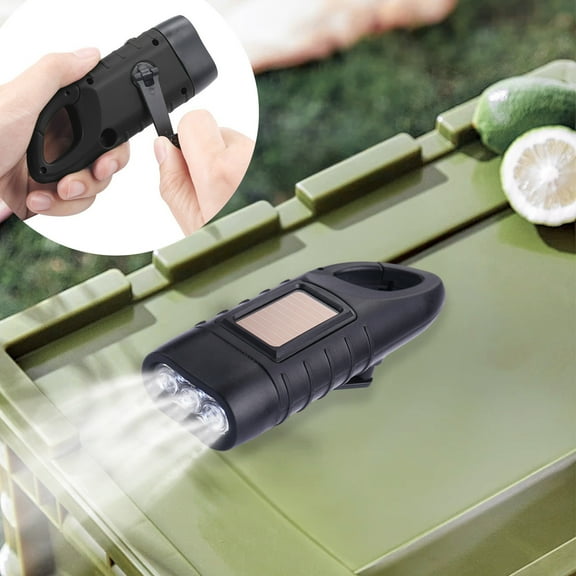
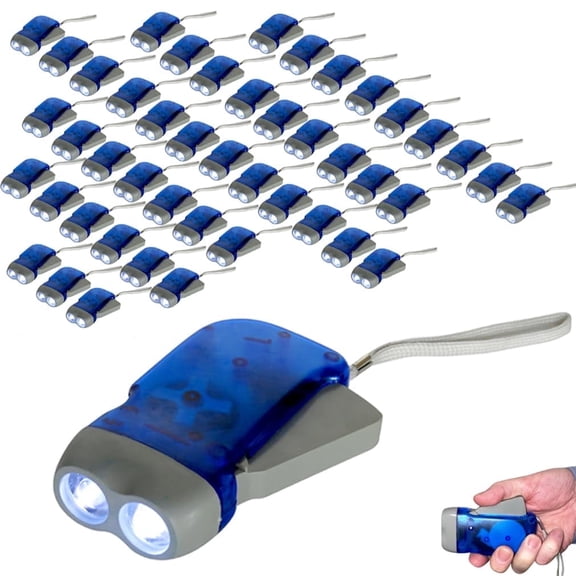
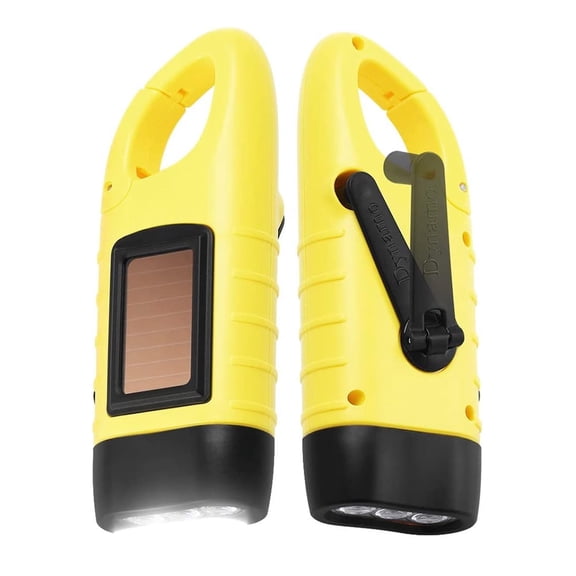
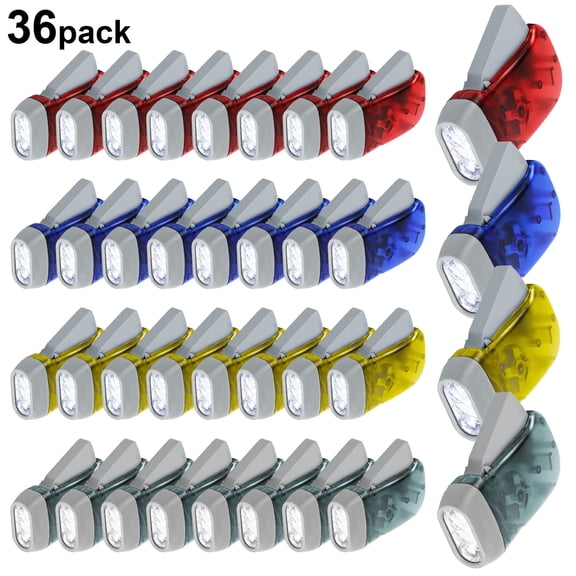
If you expect cloudy conditions, you should check if the model includes hand crank backup. That option lets you create light manually when sunshine and outlets aren't available.
You can use technical details without getting lost in jargon. Solar conversion efficiency tells you how effectively the panel turns sunlight into stored power.
You should also compare battery life and runtime in plain hours. Longer runtime means you can keep the beam on through campsite tasks, blackouts, or late-night walks.
Brightness matters, so you should check lumens and beam distance together. Higher lumens usually mean a stronger beam, while longer distance helps you see farther down a trail.
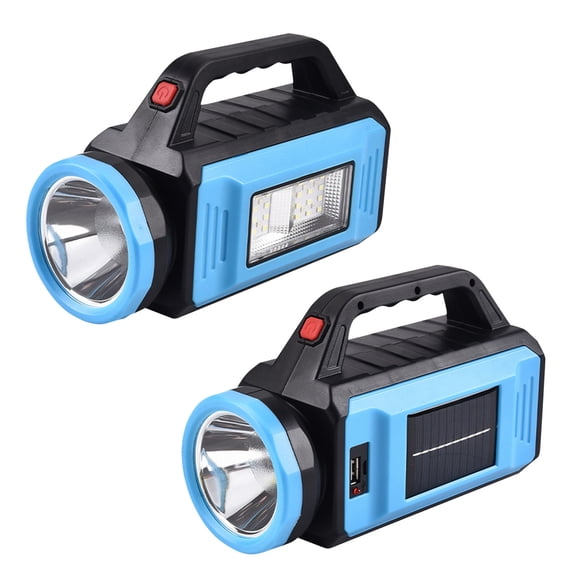
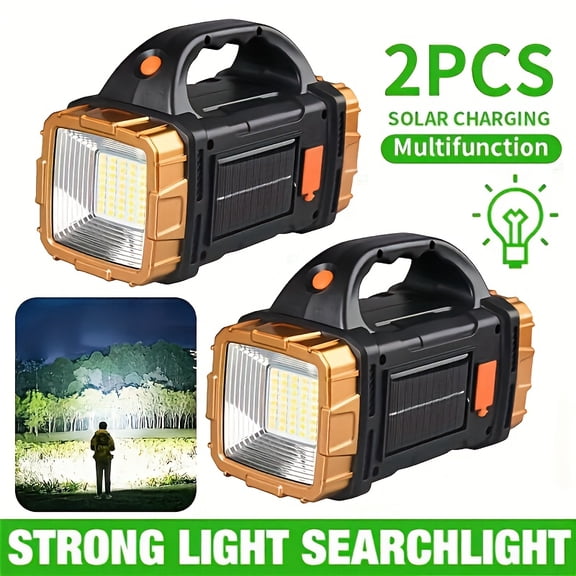
You may also notice LED and COB light sources across this category. LED beams often suit focused distance, while COB patterns usually spread light wider for close tasks.
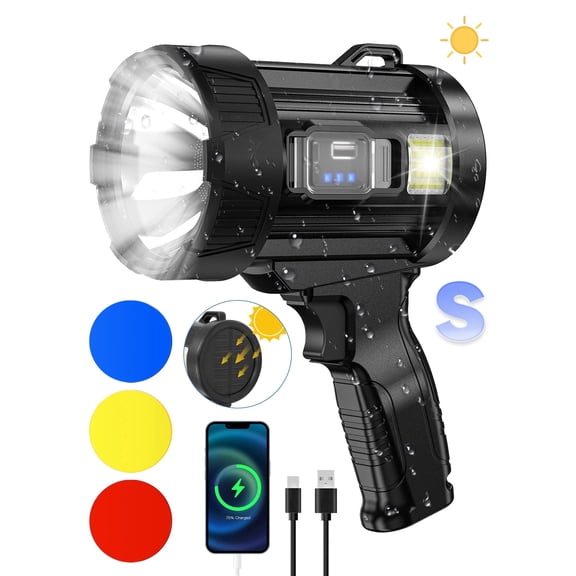
Durability is another key decision point when you use lights outdoors or keep them in a vehicle. You should check for sturdy housings and IPX water-resistance ratings for wet conditions.
An IPX rating gives you a quick way to compare moisture protection. You can use that rating to judge whether a light fits rainy hikes, boat bags, or emergency storage.
Key differences in size, design, and light output
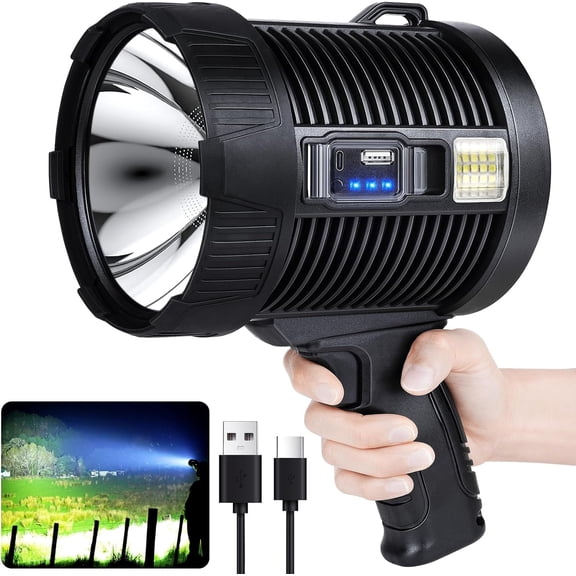
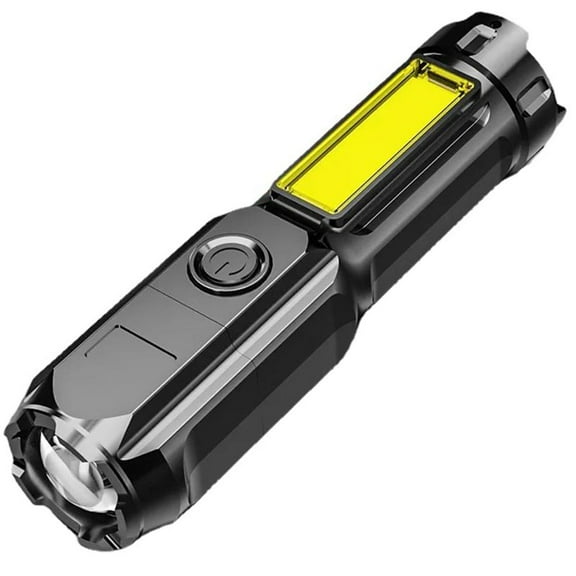
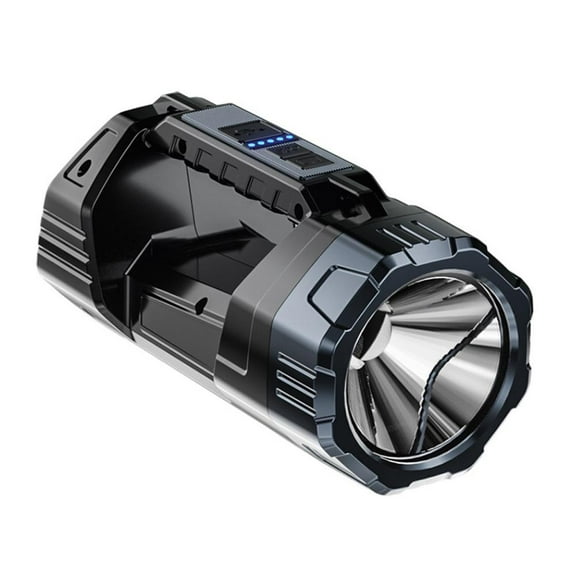
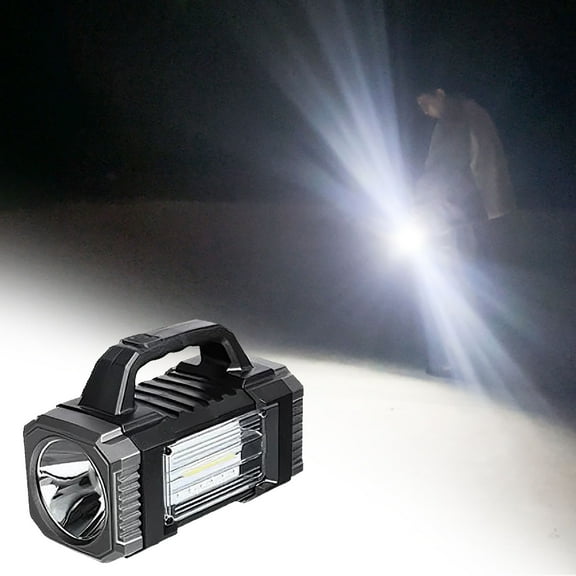
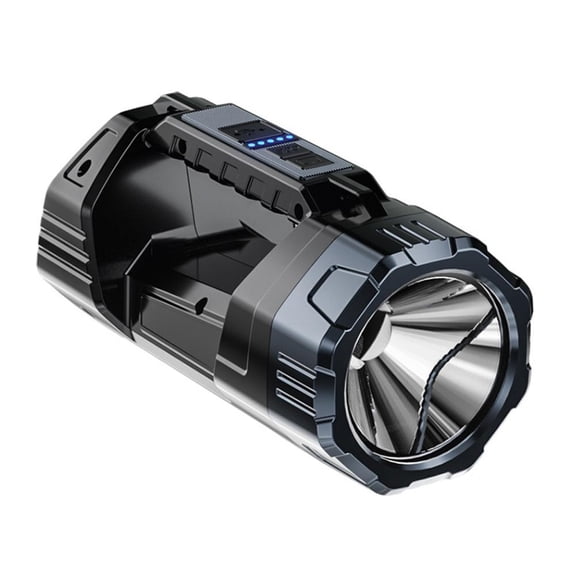
You can compare handheld, mini, and pocket-sized lights based on where you'll store them. A larger handheld body may hold a bigger battery, while a mini option packs more easily.
If your storage space is limited, you should measure pockets, drawers, or organizer pouches first. That quick step helps you avoid a light that feels bulky in everyday carry.
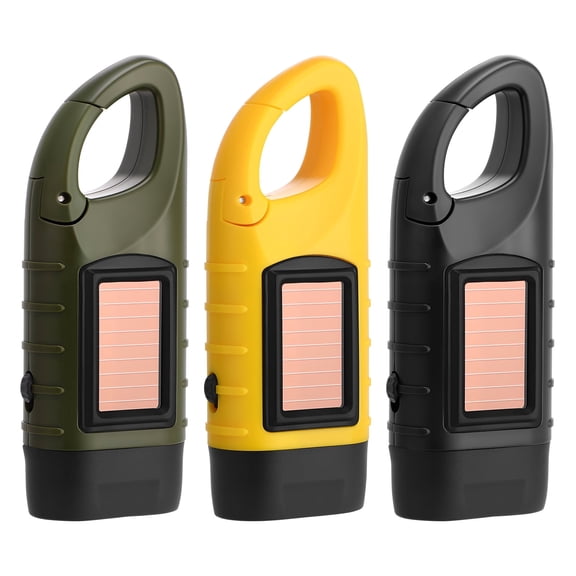
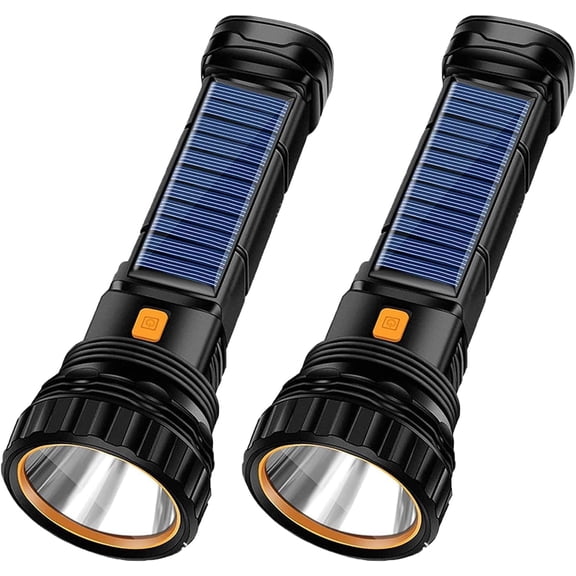
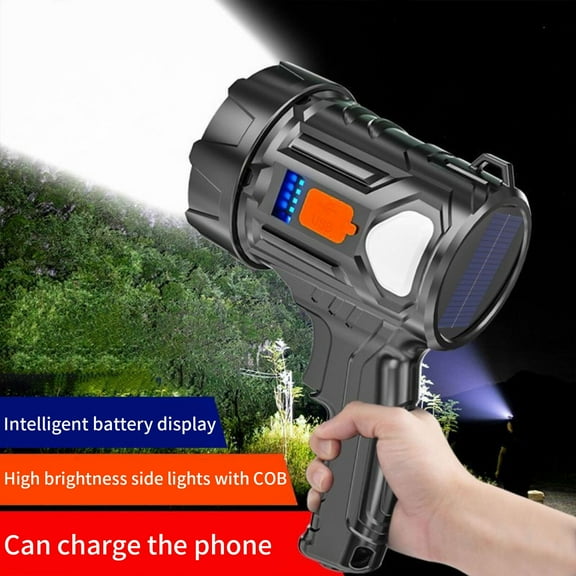
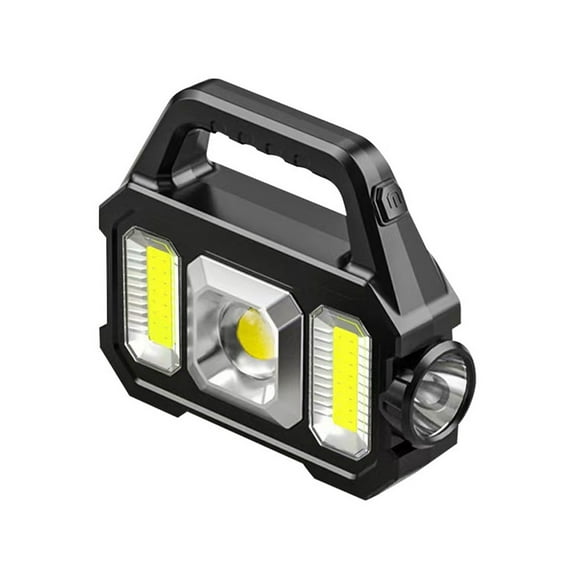
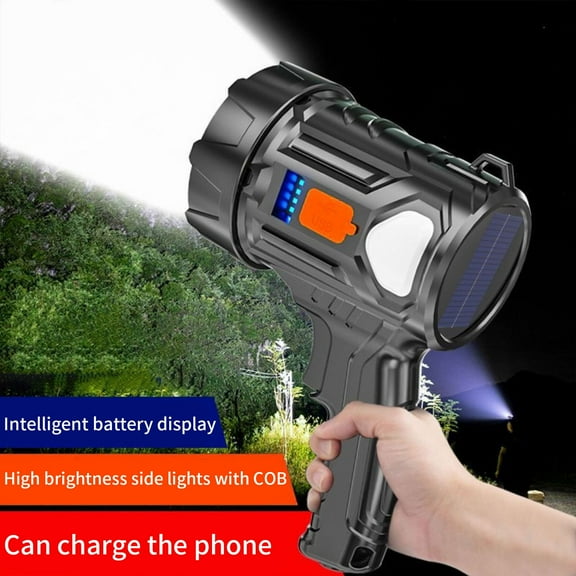
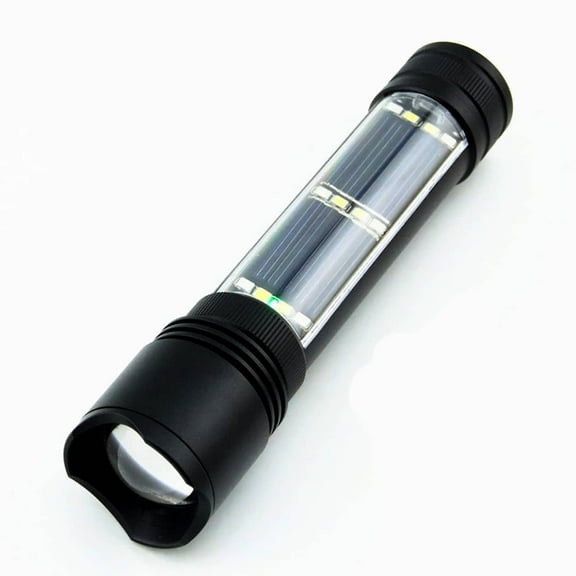
You may also want to compare integrated panel designs with other layouts. An integrated panel can keep charging simple because the panel stays attached and ready outside.
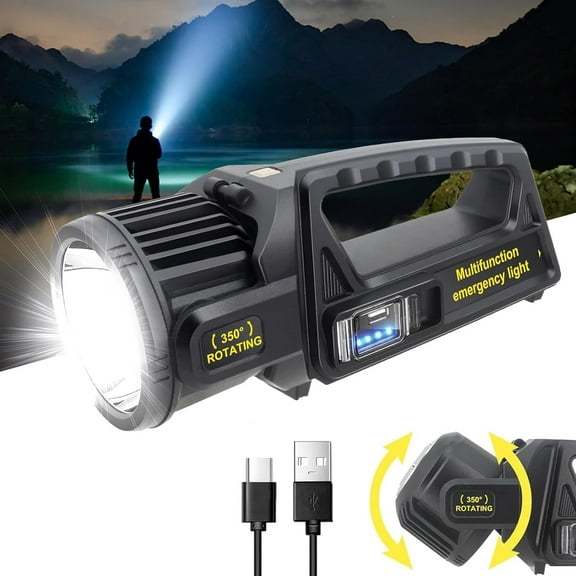
A solar led flashlight often works well when you want directed light for walking or checking equipment. A COB style can make nearby setup easier when you cook, sort gear, or read maps.
You should compare switch placement and grip texture if you'll use the light with cold or wet hands. Those details can make operation easier during campsite setup and power interruptions.
Heavy duty designs may suit toolboxes, truck storage, and rough packing. Lighter bodies may suit day hikes, festival bags, and everyday emergency pouches.
Using a solar-powered flashlight in real situations
You can match charging and size features to specific situations for a smarter purchase. A mini solar flashlight fits go-bags and glove compartments, while larger units may support longer overnight use.
For home emergency preparation, you may want solar charging with USB backup and longer runtime. That combination helps you keep dependable light available during outages and room-to-room checks.
For camping, you should consider beam distance, runtime, and weather resistance together. Those features help you handle trails, tent setup, and gear checks after sunset.
If you spend time on the road, you may prefer a pocket-sized light with hand crank support. That setup gives you a compact option for vehicle storage and quick roadside visibility.
You can also look for a solar hand light when you want an easy grab-and-go format. That style may feel familiar in drawers, utility cabinets, and household emergency bins.
When you want broader task lighting, you should compare COB options and wider beam patterns. When you need distance, you should compare lumens with stated visibility range.
You may even coordinate this category with emergency kits, hand crank radios, and outdoor lanterns. That approach helps you build a more complete setup for blackouts, campsites, and backup storage.
A flashlight with solar panel works effectively when you match charging backup, runtime, and beam style to your actual routine. You can choose with more confidence when you compare solar, USB, crank, lumens, and IPX details in plain language.