

Portable Solar Generators & Power Stations - Walmart








![ALLPOWERS S2000Pro Portable Solar Generator Kit, 600W Monocrystalline Foldable Solar Panel with 2400 W 1500Wh Power Station, with 30A RV Port, Solar Charger for Camping, off-Grid [Shipping Separately]](https://i5.walmartimages.com/seo/ALLPOWERS-S2000Pro-Portable-Solar-Generator-Kit-600W-Monocrystalline-Foldable-Panel-2400-W-1500Wh-Power-Station-30A-RV-Port-Charger-Camping-off-Grid_070844a0-13e7-45a2-94f7-8b73d1880440.e73095a6407e093fd96d7e685342720d.jpeg?odnHeight=576&odnWidth=576&odnBg=FFFFFF)





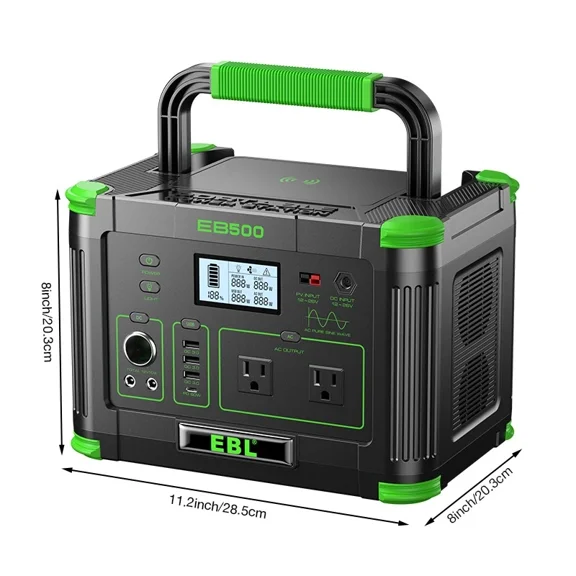

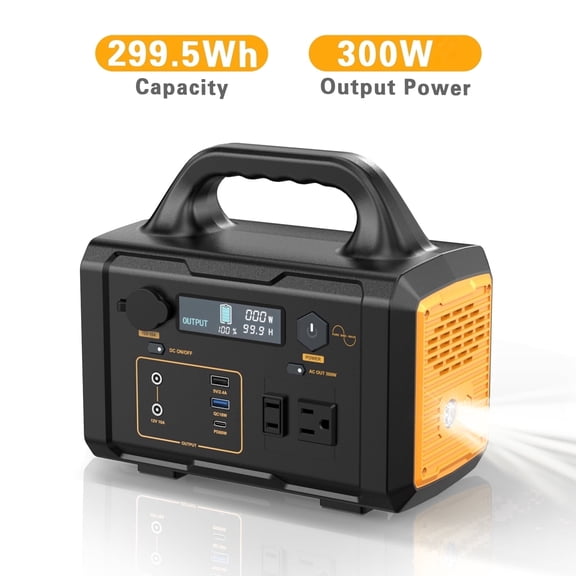


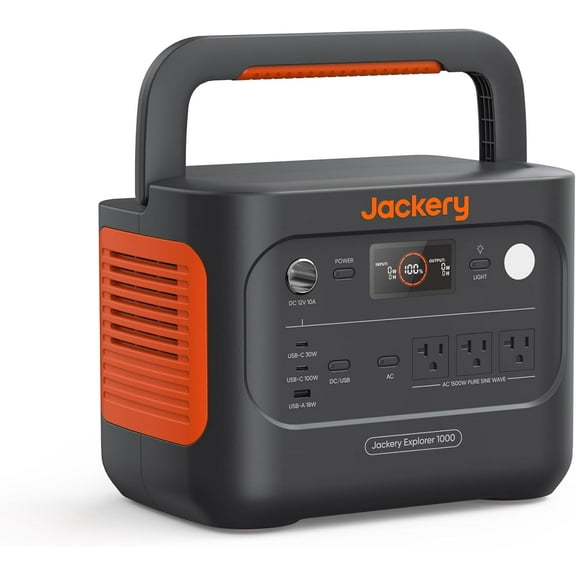
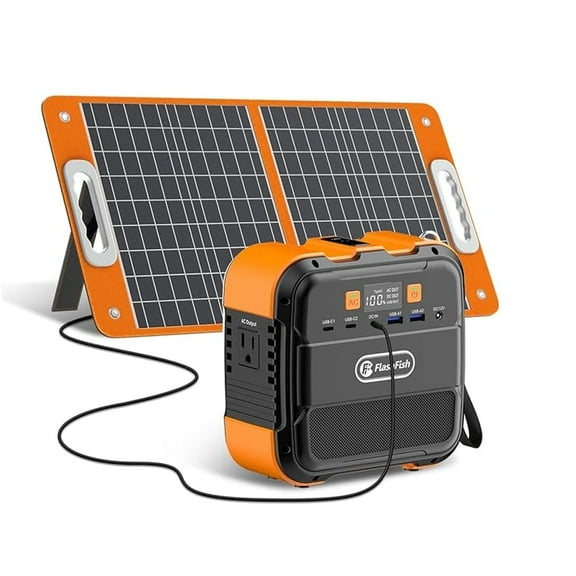


About Portable Solar Generators & Power Stations - Walmart - Walmart.com
Solar generators give you portable backup power without fuel storage, engine maintenance, or loud operation. You can compare capacity, wattage, and charging options to match camping trips, RV stops, and home backup plans.
Choosing solar generators by battery capacity
Battery capacity tells you how long your power station can run your gear between charges. You’ll usually see this listed in watt-hours, which helps you compare runtime with more confidence.
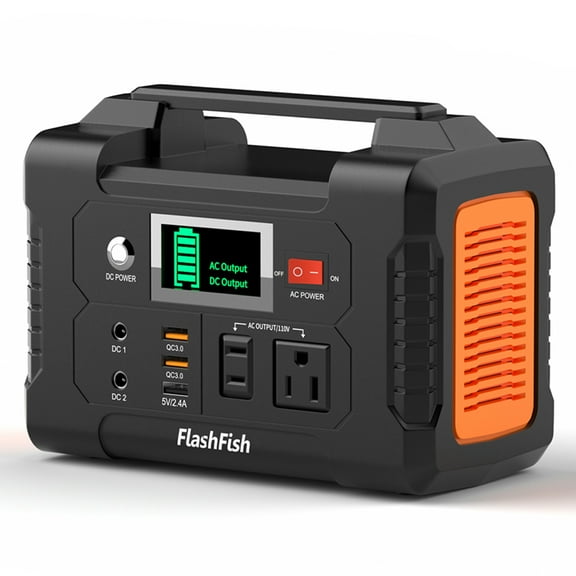
If you choose under 500Wh, you’ll get a lighter option for phones, lights, fans, and small electronics. If you choose 500Wh to 1000Wh, you can cover longer outings and more devices at once.
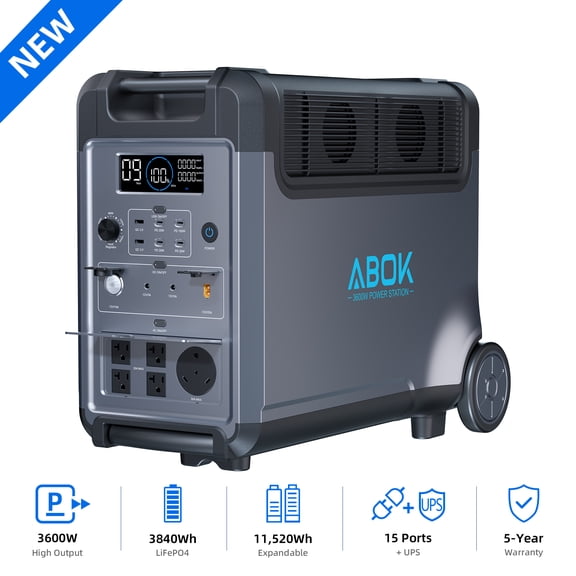
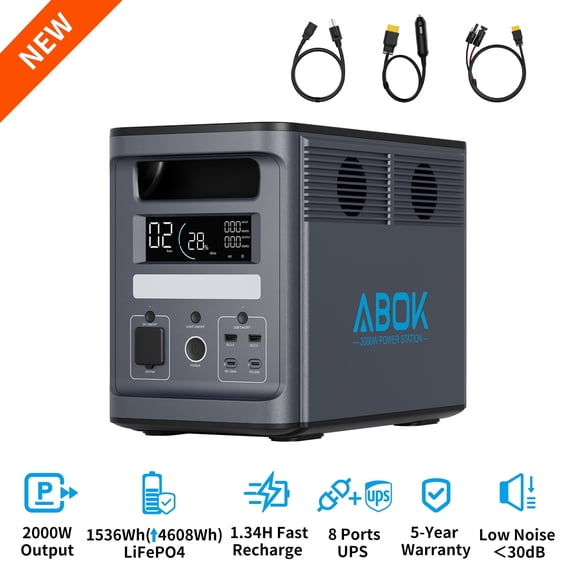
When you move into 1000Wh to 2000Wh, you can support larger essentials for trips or short outages. If you need over 2000Wh, you should compare larger backup power generators for heavier household use.
- You can match smaller capacities to day trips, tailgates, and compact packing lists.
- You can use mid-range sizes for generators for camping, road travel, and weekend cabin stays.
- You can choose larger capacities for emergency power supply planning and longer backup windows.
- You can compare expandable models if your power needs may grow over time.
How to compare output wattage and surge power
Output wattage shows how much power your unit can deliver while devices are running. You should also check surge power, which covers the extra burst some appliances need at startup.
If you see 500W models, you can run smaller electronics and basic camp gear. If you need to power more demanding items, you should compare 1000W, 2000W, and 3000W+ options.
You’ll want continuous watts for steady use and starting watts for motors or compressors. When you compare both numbers, you can avoid choosing a unit that trips under heavier startup loads.
Portable power stations and battery chemistry choices
Portable power stations come in different battery chemistries, and that choice affects weight, cycle life, and everyday use. You’ll often compare LiFePO4 and lithium-ion when you narrow your options.
If you choose LiFePO4, you’ll often get a chemistry many shoppers prefer for frequent charging cycles. If you choose lithium-ion, you may find lighter designs that work well when portability matters most.
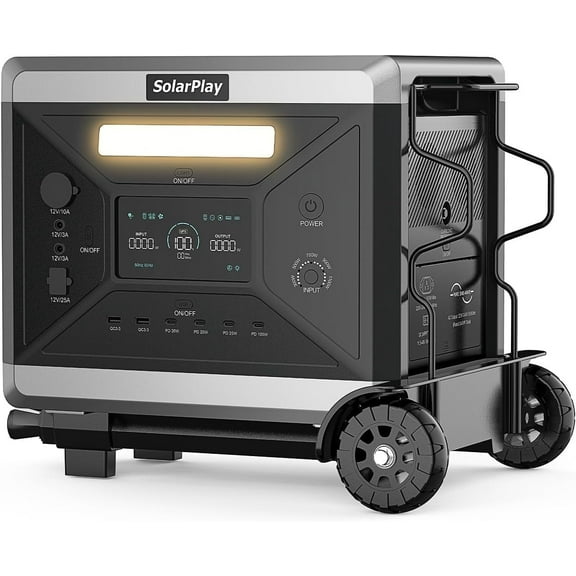
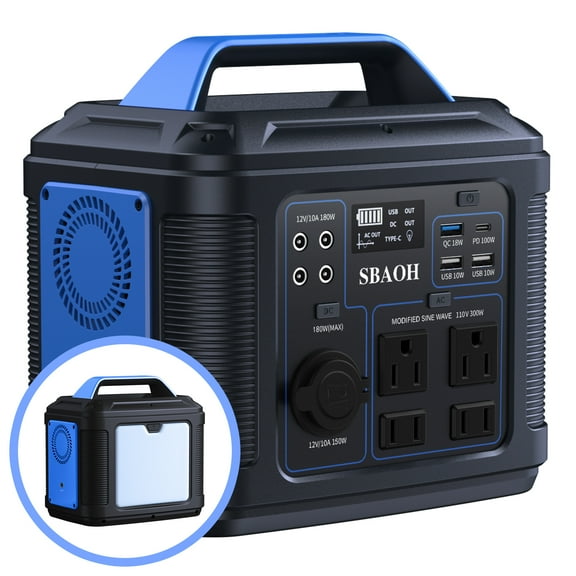
You should also compare the form factor that fits your routine. If you carry power to campsites, you may prefer handheld units, while wheeled or modular expansion designs suit larger setups.
What to look for in charging options and solar input
Charging options matter because you may recharge at home, in your vehicle, or with solar panels. You should compare AC wall charging, car charging, and solar generator kits before you decide.
Solar input wattage is a key spec because it affects recharge speed with compatible panels. If you compare input limits carefully, you can tell whether a unit supports faster portable solar power collection.
You should check panel compatibility, connector type, and supported solar input range before you buy. When you compare these details, you can build solar powered generators that fit your travel or backup routine.
Matching solar generators to camping, RV, and backup use
If you camp often, you’ll usually want lighter units with handles, simple ports, and enough capacity for lights and device charging. You may also want solar panels that pack easily and set up quickly.
For RV solar power, you should compare higher capacity options, more outlet types, and stronger charging flexibility. You’ll want enough output for travel appliances, work gear, and overnight device charging.
If you’re planning for outages, you should focus on larger capacities, higher wattage, and recharge flexibility. You can use solar generators for lights, routers, small kitchen gear, and other household essentials.
Key differences in solar generator kits
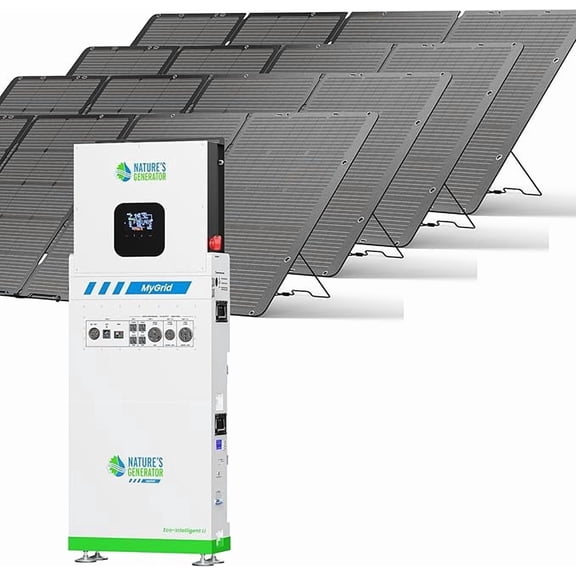
Solar generator kits can simplify your decision because you get a matched power station and compatible charging components. You should still compare included panels, cable lengths, and total input support.
Some kits fit weekend travel, while others support off grid solar systems for cabins, worksites, or extended outdoor use. If you compare included wattage and expansion options, you can plan your setup with fewer surprises.
You’ll get the clearest results when you match watt-hours, running watts, surge capacity, and solar input to your real devices. That approach helps you choose a setup that fits your space, your gear, and your backup plan.
With the right solar generators, you can keep essential devices powered in ways that match how you travel, camp, and prepare. When you compare the right specs, you’ll get portable power that works when and where you need it.