

Bar Sinks in Kitchen Fixtures and Materials


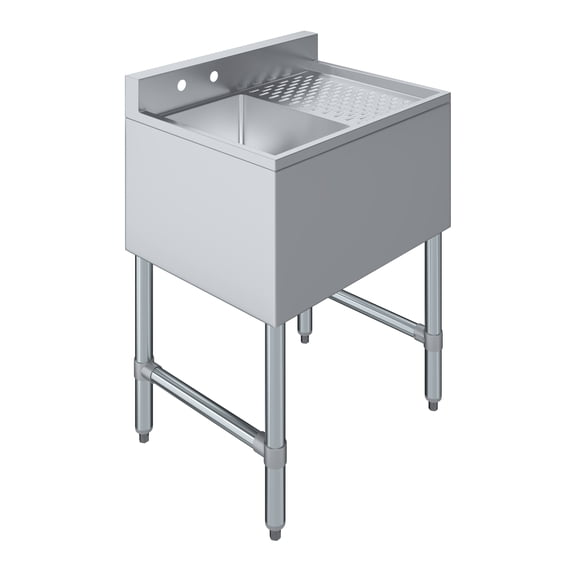

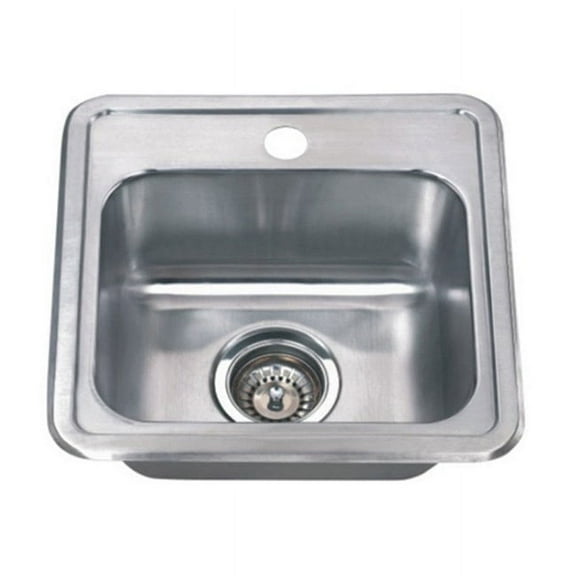
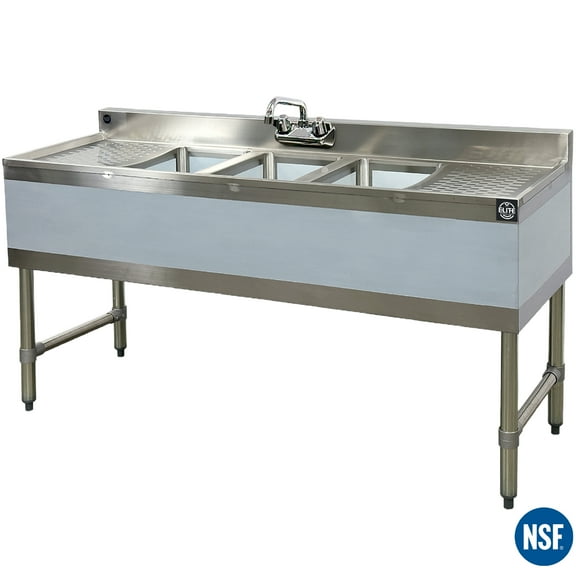
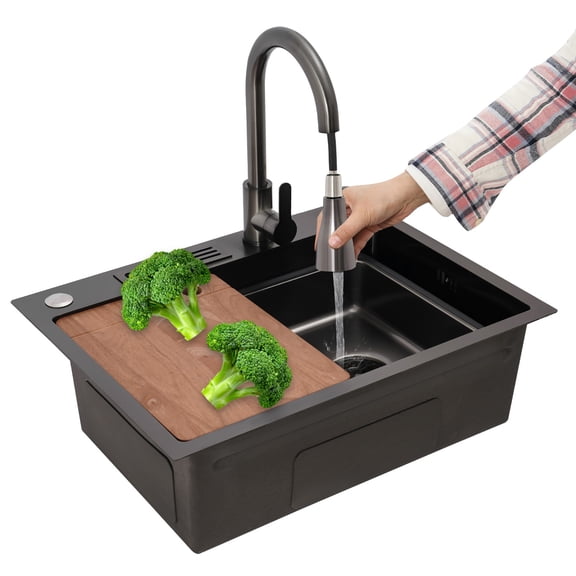


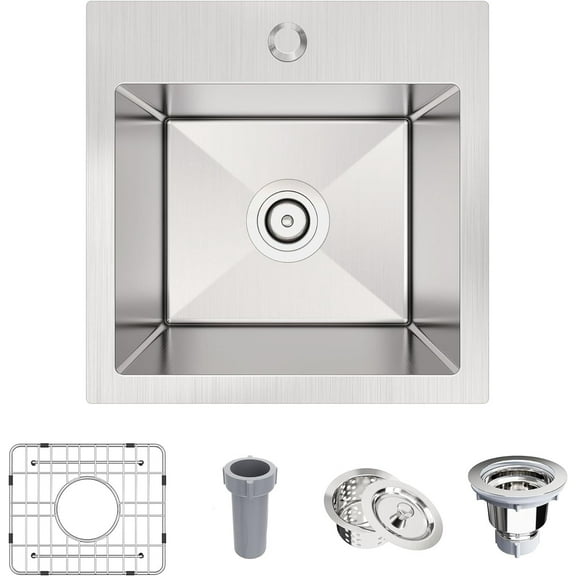

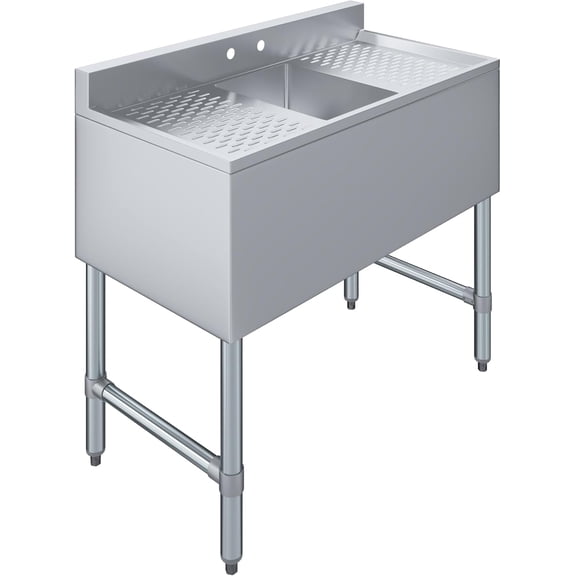
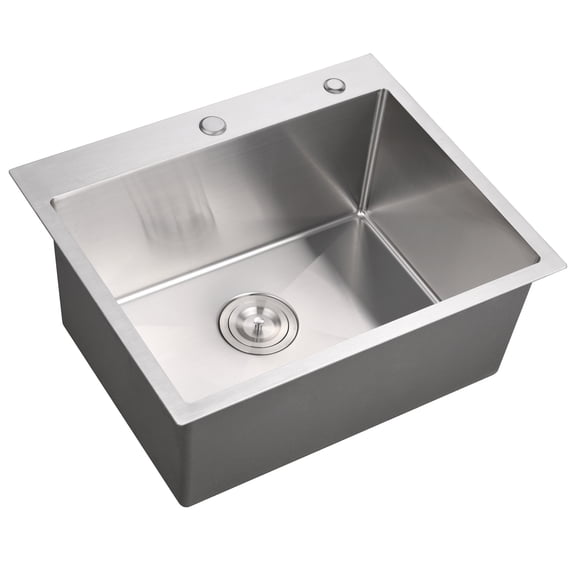
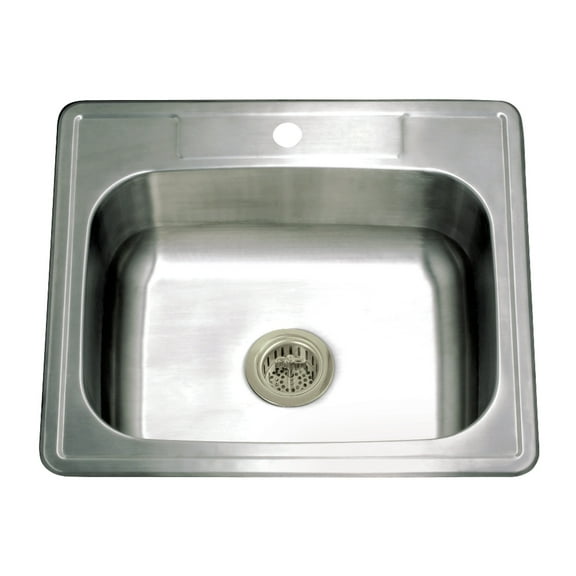
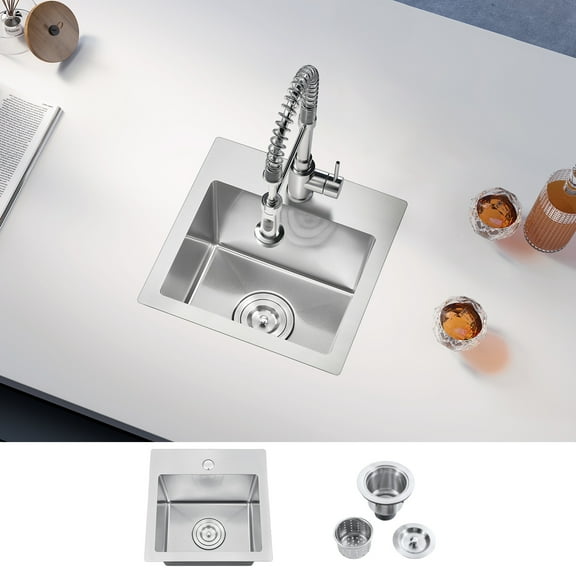

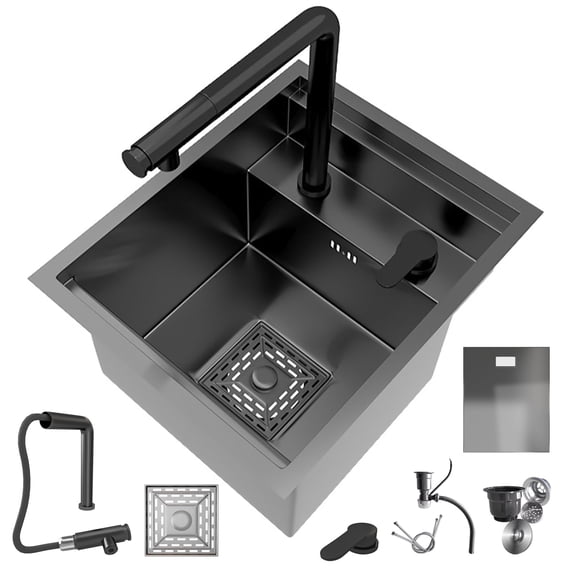
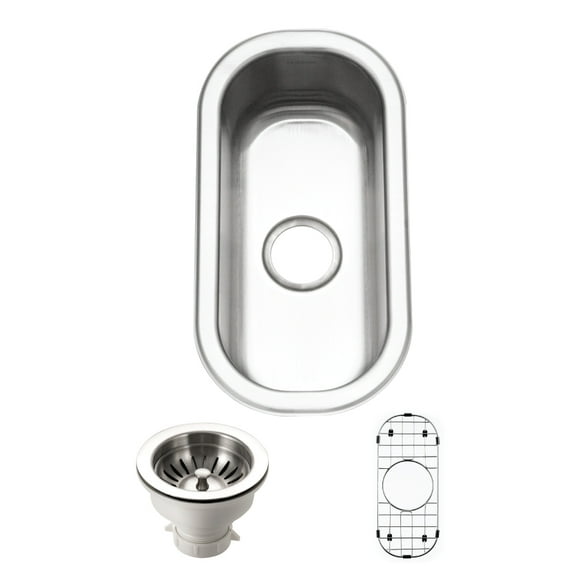

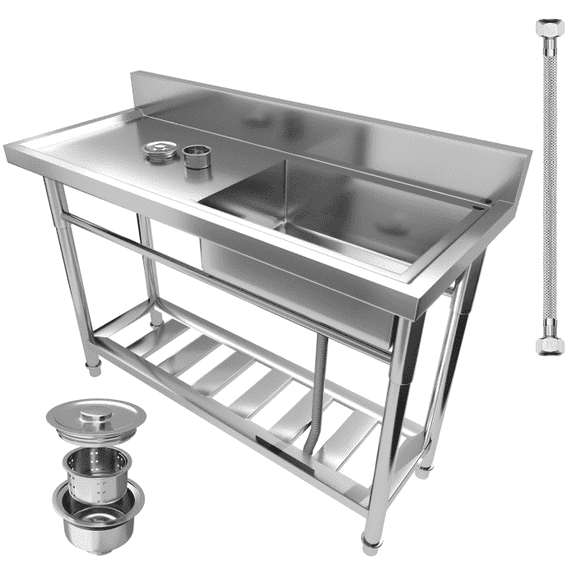














About Bar Sinks in Kitchen Fixtures and Materials - Walmart.com
Bar sinks help you build a compact drink station that fits your layout and your routine. You can compare installation types, corner options, and materials to match your countertop and daily cleanup.
If you're updating a wet bar, prep area, or entertainment nook, you need details that guide your choice. You can narrow bar sinks by cutout fit, bowl shape, and faucet setup before you commit.
Choosing the right bar sinks for your space
You should start with installation type because your counter opening and rim clearance affect what fits. You can often choose drop-in, undermount, or wall mount styles based on your surface and setup.
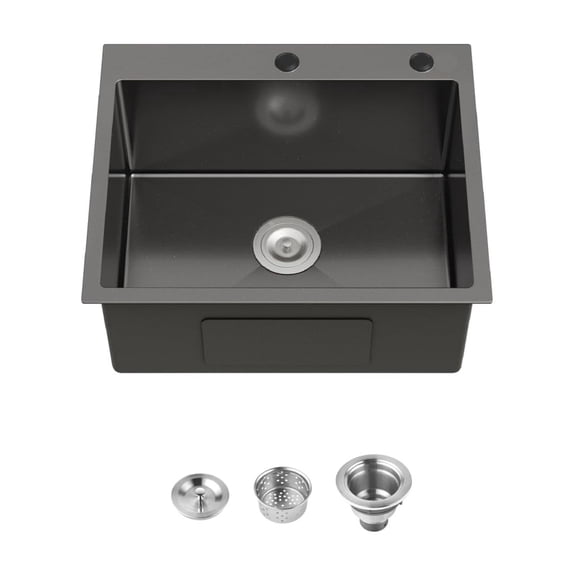
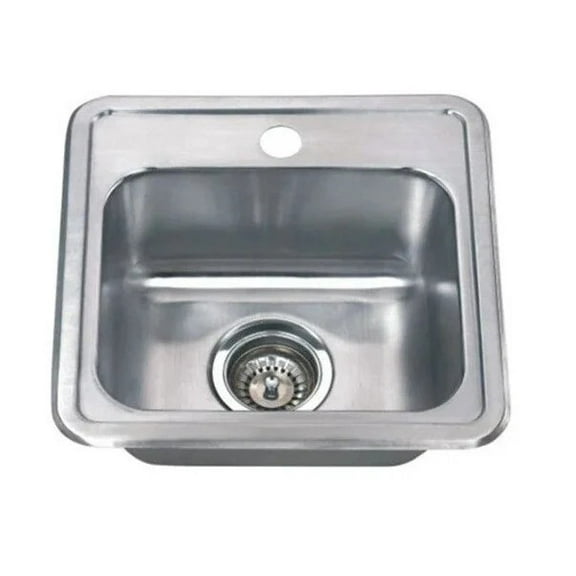
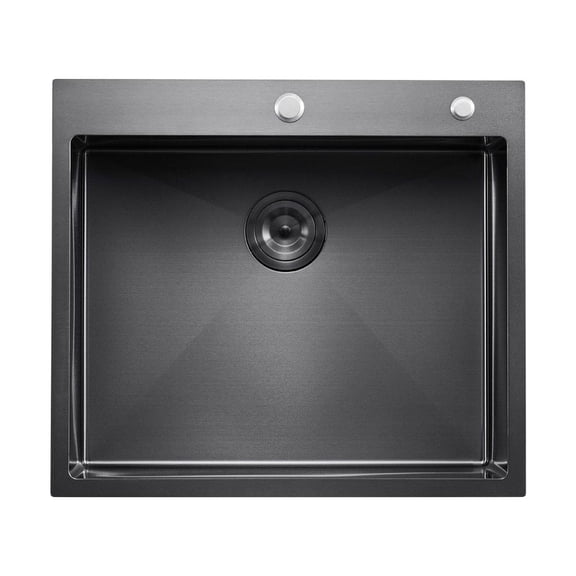
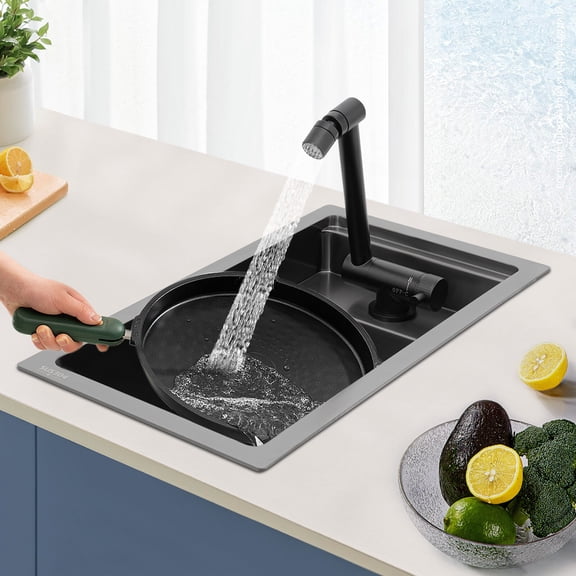
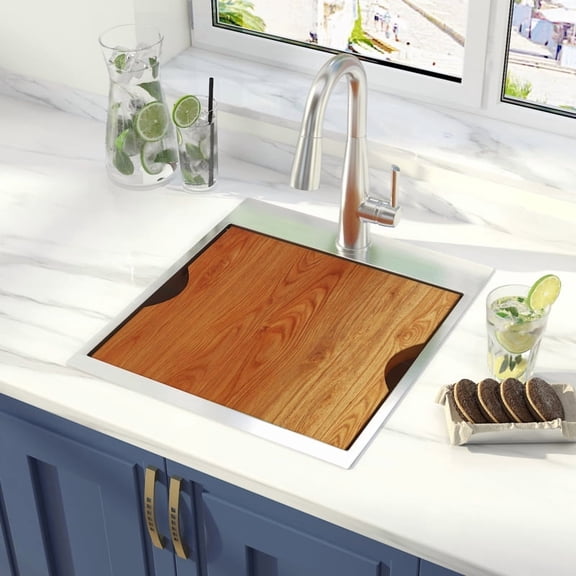
With a drop-in bar sink, you get a visible rim that rests on the counter cutout. You may prefer that style when you want a simpler replacement for an existing opening.
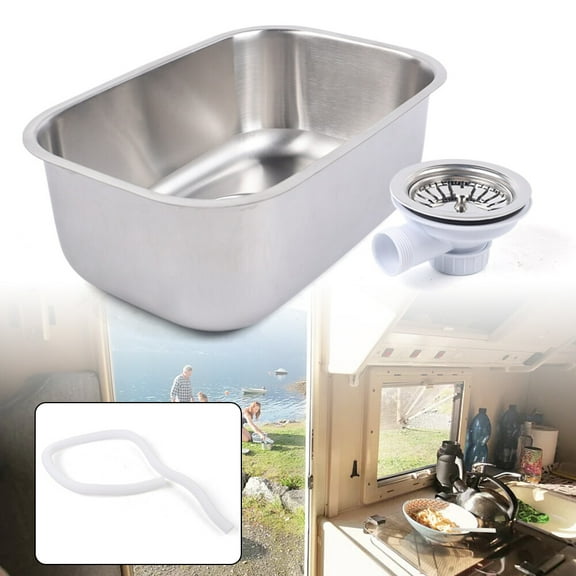
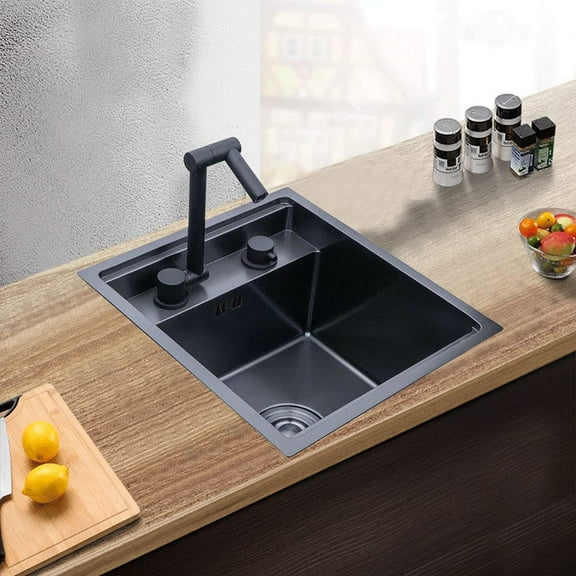
With an undermount bar sink, you get a cleaner edge between the sink and countertop. You should check cutout dimensions carefully because your sink mounts below the surface.
If you're planning a compact serving area, a wall mount option can free counter space around the bowl. You should measure plumbing placement and mounting height before you compare finishes.
- You can use a drop-in style when your existing cutout size matters most.
- You can choose undermount styles when you want easier crumb and splash cleanup.
- You can consider wall mount designs when your layout needs open counter space below.
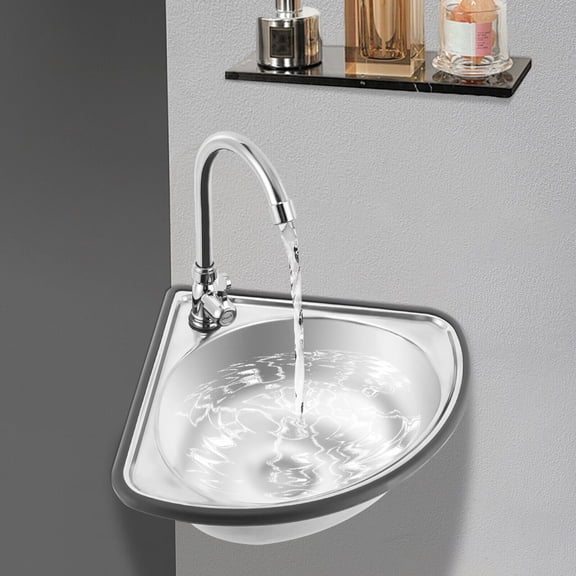
- You can look at corner bar sink options when your wet bar sits in a tight angle.
How to compare shape, bowl count, and layout
You should match the sink shape to your cabinet width and the way you use your bar area. You can choose single bowl or double bowl designs based on rinsing, filling, and glass prep.
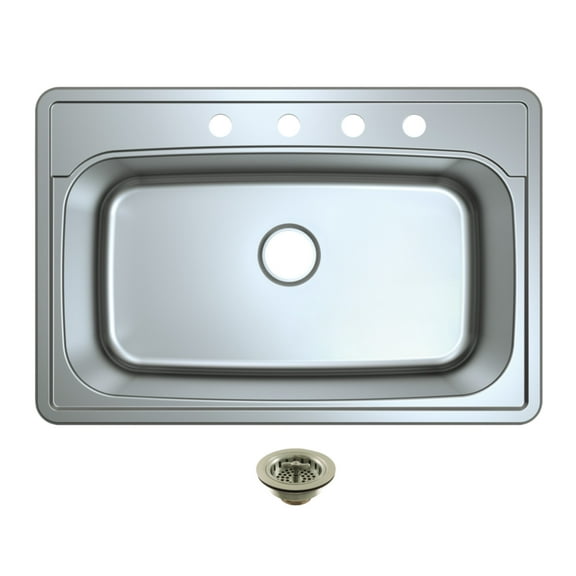
A single bowl layout gives you one open area for pitchers, shakers, and tall glassware. You may like that shape when your bar sink needs to handle larger items.
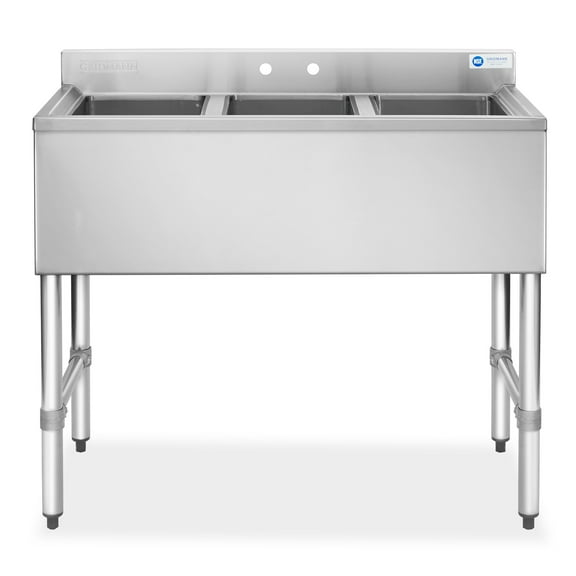
A double bowl layout separates rinsing from prep and helps you keep tasks organized. You can use one side for ice buckets and the other for quick cleanup.
If your counter turns into a corner, a corner bar sink can make that angle useful. You can gain working room while keeping more straight counter space open for serving.
What to look for in material and finish
You should compare material early because finish, upkeep, and daily wear all affect your experience. You can find stainless steel, copper, and granite composite options for different kitchen and bar styles.
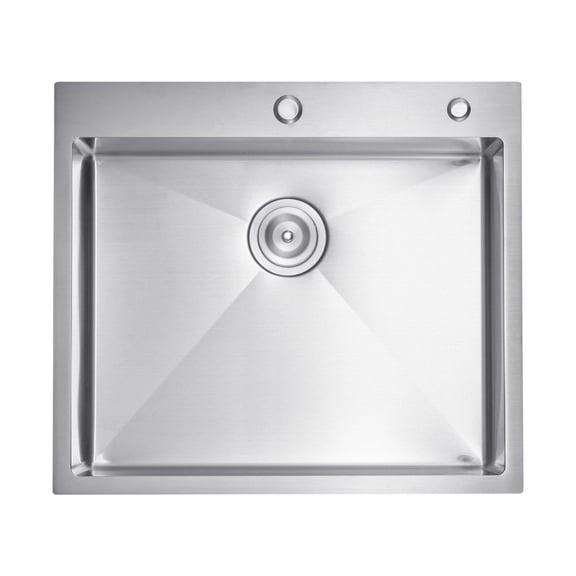
With stainless steel, you get a familiar look that works with many faucet finishes and appliances. You should check the steel gauge because lower numbers usually mean thicker metal.
If you choose a thicker gauge, you may notice a sturdier feel during daily rinsing and ice prep. You can also compare finish details that help hide water spots and light scratches.
With copper, you get a warm look that stands out in rustic or classic spaces. You should review sink care steps if your routine includes frequent wiping and polishing.
With granite composite, you get a solid look with a matte feel and scratch-resistant performance. You can consider this material when your bar sink sees regular glass rinsing and prep tasks.
Checking faucet holes and included accessories
You should confirm faucet hole configuration before you choose a sink and faucet together. You can avoid install surprises by checking pre-drilled holes, spacing, and deck plate compatibility.
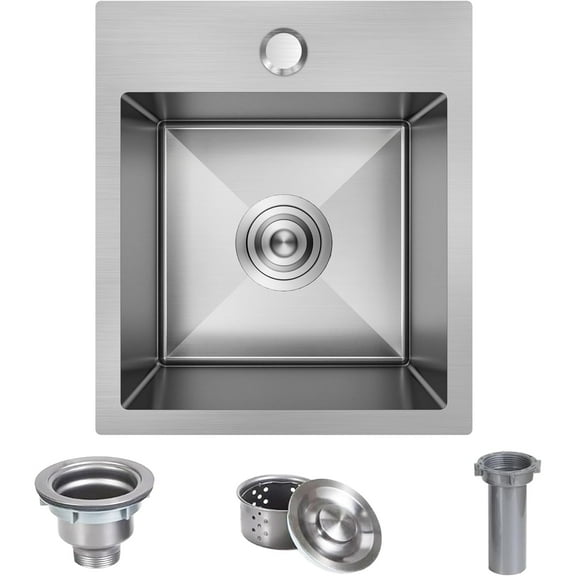
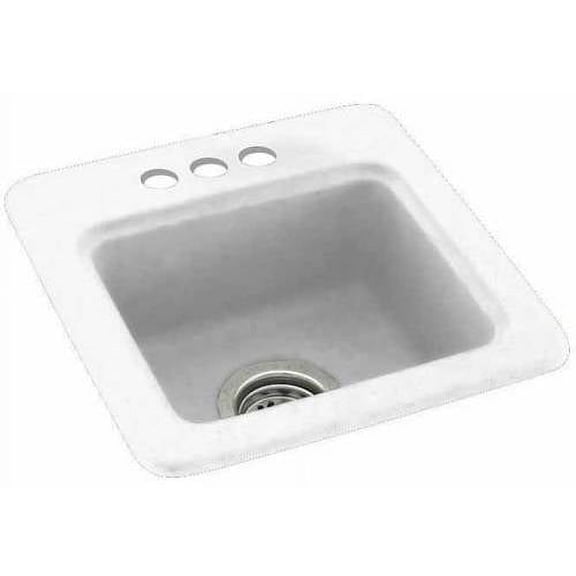
If your sink has one hole, you may pair it with a single-handle faucet or a deck plate. You should verify the faucet base covers unused areas when your setup needs flexibility.
If your sink has multiple holes, you can support separate handles or extra accessories more easily. You may want that layout when your bar area includes a soap dispenser or side sprayer.
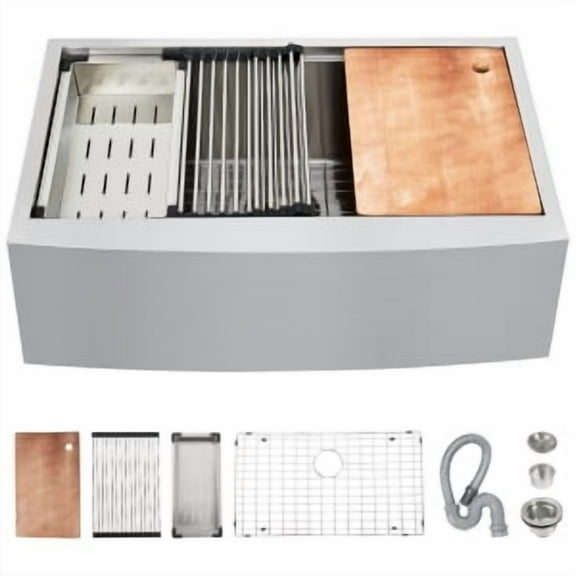
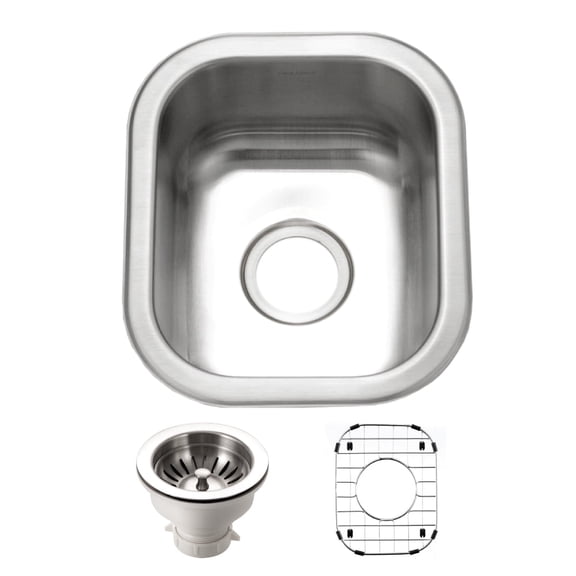
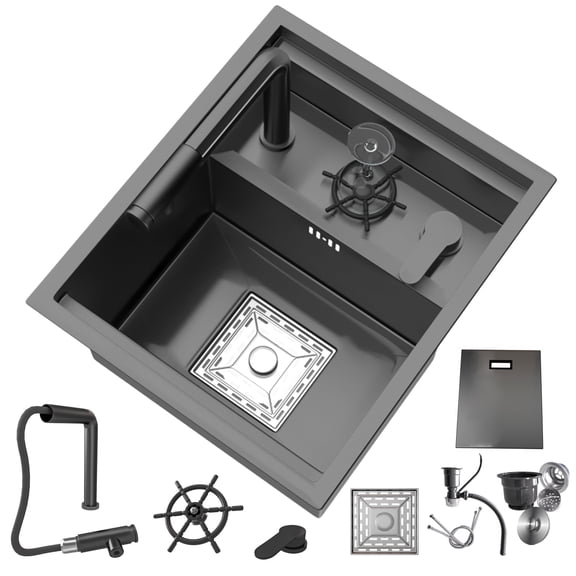
You can also compare sink only options with sets that include a faucet or drain strainer. You should review what's included so your installation list matches your project plan.
How bar sinks fit real home projects
You can use bar sinks in finished basements, butler pantries, game rooms, and small prep zones. You should choose dimensions that leave room for trays, bottles, and undercounter storage.
For a basement wet bar, you may want an undermount bowl with a single-hole faucet layout. You can keep the counter edge clean while making glass rinsing feel more streamlined.
For a compact nook, a corner bar sink can help you use space that might otherwise sit empty. You can keep more landing space for mixers, towels, and serving tools.
For a quick refresh, you may prefer a drop-in model that aligns with an existing countertop cutout. You can simplify planning when the rim covers the cut edge neatly.
If your bar area handles frequent hosting, you might like a double bowl design with a drain strainer. You can separate prep from cleanup while keeping garnishes and tools moving smoothly.
When your style matters as much as fit, you can coordinate material and faucet finish across the room. You should compare sink depth, bowl width, and hole count for a setup that works daily.
With the right bar sink, you can turn a small serving area into a practical cleanup and prep station. You can feel confident when your sink matches your cutout, layout, and faucet plan from the start.