


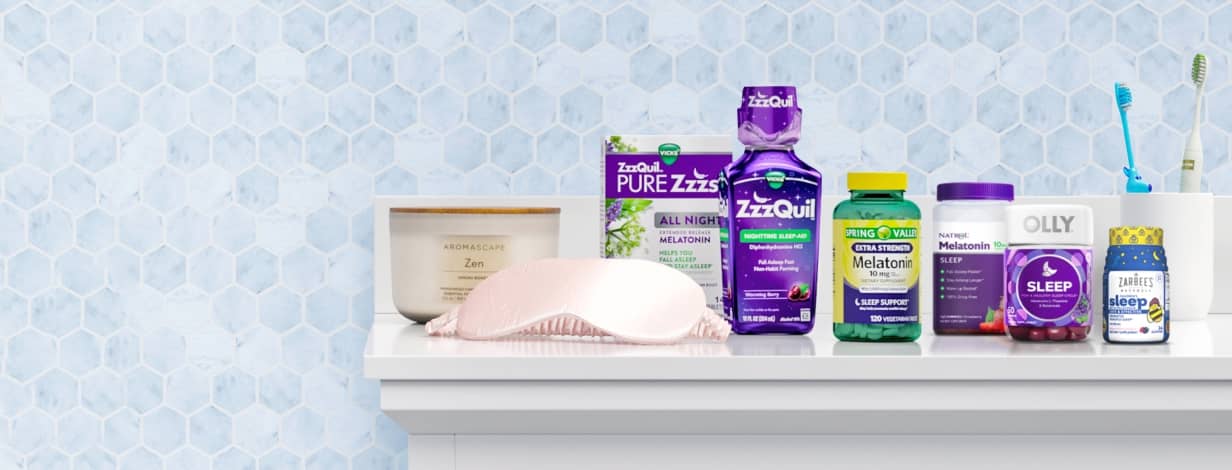


Sleep Better


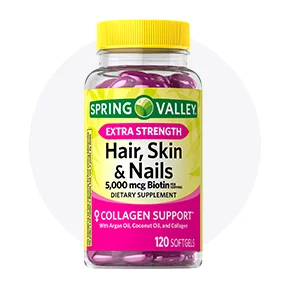

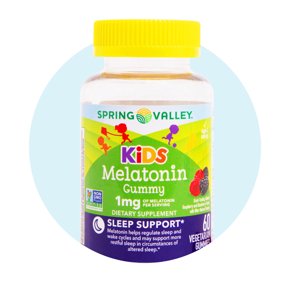

Natural sleep supplements


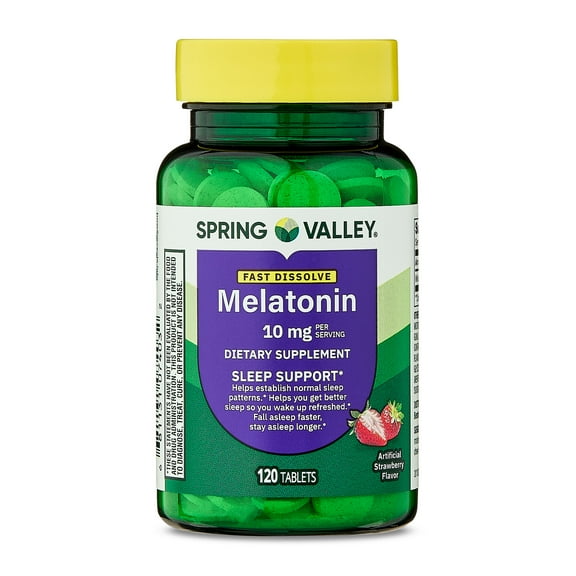
Melatonin best sellers


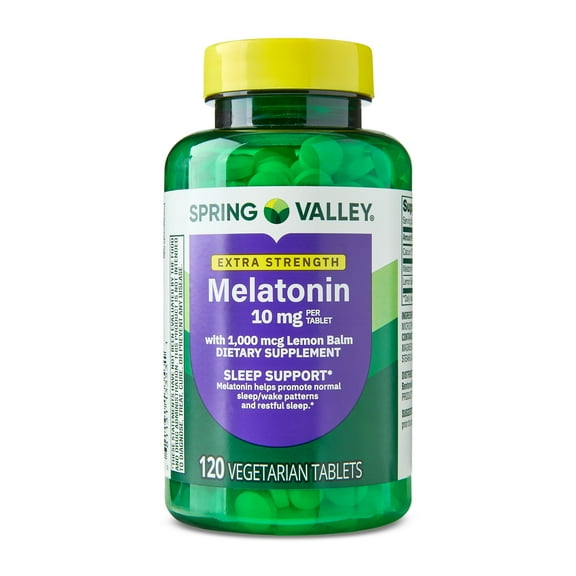
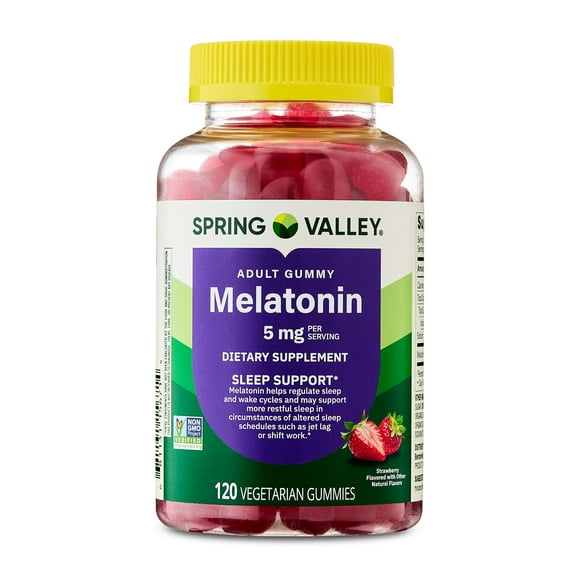


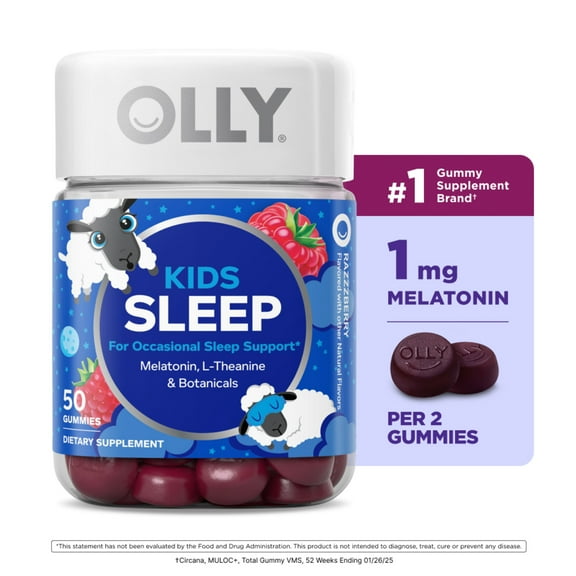
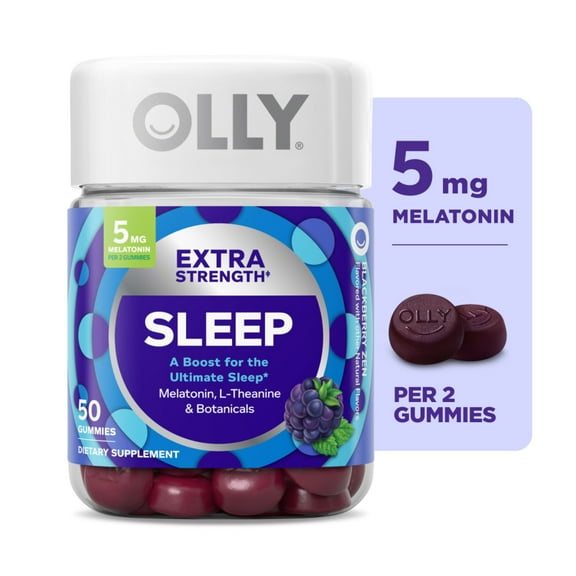
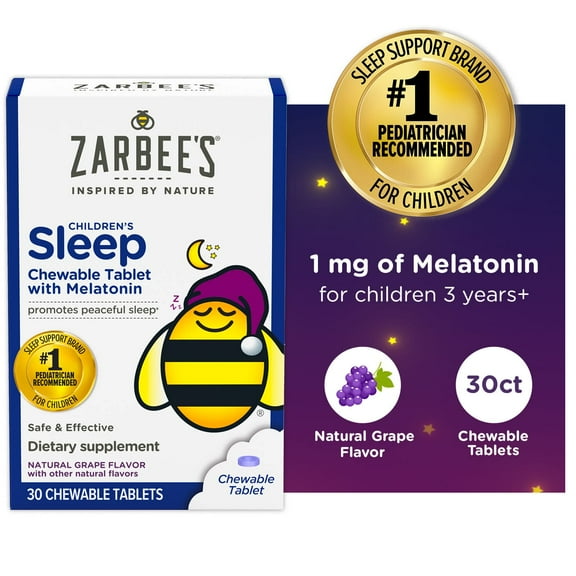

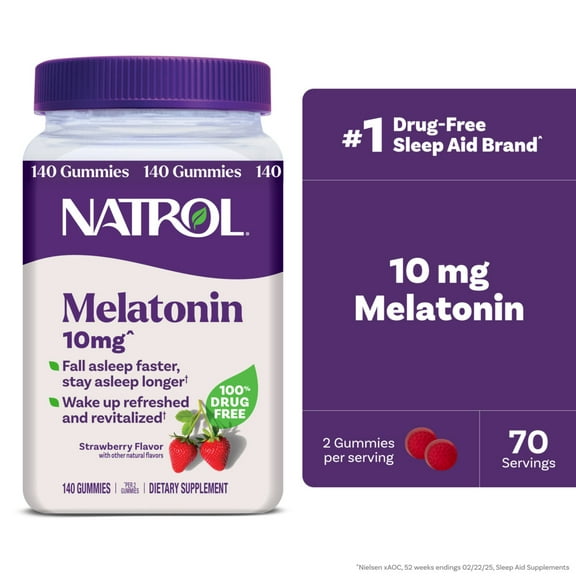
Heavy eyes? Try these.

Shop sleep accessories



Brands we love






Next stop: dreamland



FAQ
About Sleep Better - Walmart.com
Better sleep products help you build a more consistent bedtime routine with supplements, sleep aids, and sleep environment essentials in one place. You can compare forms, ingredients, and intended users, so your choice fits your nightly habits.
If you want a simpler path to winding down, you can focus on products that match how you rest and what you prefer to take. You’ll also find options that support your bedroom setup, from sound machines to mattress toppers.
How to choose better sleep products
When you compare better sleep products, you’ll want to start with product type, because each option supports a different part of your routine. You may prefer supplements for bedtime consistency, or you may choose sleep environment items for a calmer room.
Some shoppers look for products to sleep better through tablets, gummies, liquids, or capsules. Others want products to help sleep by adjusting light, sound, bedding comfort, or room feel.
- You can choose supplements when you want a familiar bedtime format.
- You can compare sleep aids by active ingredient, release style, and form.
- You can use sleep environment products to shape a quieter, darker, or cozier room.
- You can narrow options by intended user, including sleep products for adults and kid-focused formulas.
These choices matter because your routine may change from weeknights to travel nights. You’ll get a smoother decision when you compare format, ingredients, and bedroom setup together.
Comparing sleep support supplements and ingredients
If you’re choosing sleep support supplements, you should compare active ingredients first, because they shape the product type and format you’ll want. You may notice melatonin options, herbal blends, and drug-free choices across the category.
Melatonin products often come in tablets, gummies, liquids, and capsules, so you can match the format to your preference. Herbal options may include ingredients like chamomile or botanical blends, which many shoppers compare for a gentler routine feel.
When you review melatonin dosage, you should check the label and compare serving amounts carefully. You’ll also want to compare extended-release and fast-dissolving formats, because they fit different bedtime preferences.
Fast-dissolving formats can feel easier when you want a simple, no-fuss step before bed. Extended-release options may suit you when you prefer a format designed for a more gradual release pattern.
If you want drug-free options, you can also compare sleep environment products with non-supplement routines. You might pair a sound machine, blackout support, or bedding comfort item with other sleep health products.
Choosing the right form and intended user
Your preferred form can make a big difference in how easily you stick to a bedtime routine. You may like gummies for a chewable option, while tablets can feel familiar and simple to keep on hand.
Liquids can help you measure servings clearly, and capsules can feel easy to swallow for many adults. If you’re comparing better sleep tablets, you should check serving size, count, and release style.
You’ll also want to choose by intended user, because adult and child formulations aren’t the same. When you compare age-specific labels, you can quickly focus on options designed for your household.
Sleep products for adults often include a wider range of forms and ingredient combinations. Kid-focused options usually highlight age guidance and simpler formats, so you can compare labels with more confidence.
If you’re building a family routine, you can keep forms consistent while choosing separate age-appropriate options. That approach helps you compare gummies, liquids, or tablets without mixing up intended users.
Matching sleep environment products to your routine
Not every sleep routine starts with a supplement, and you may prefer to adjust your bedroom first. Sleep better products in the environment category can include sound machines, mattress toppers, and other room-focused essentials.
You can use a sound machine when you want a steadier audio backdrop at bedtime. You may add a mattress topper when you want your bed to feel more cushioned or supportive.
If light affects your routine, you can look for products that help your room feel darker and calmer. If temperature or texture matters more, you can compare bedding layers that change how your sleep space feels.
These sleep optimization products work well when you want a routine built around comfort and consistency. You can also combine them with sleep support supplements when you want a more complete nighttime setup.
For travel, you may prefer compact forms like gummies, capsules, or portable sound support. At home, you might build a fuller routine with bedroom comfort items and self-care steps.
What to look for in sleep health products
When you compare sleep health products, you should check labels, serving information, form, and intended age group before anything else. You’ll make a clearer choice when those basics match your routine.
You can also compare count size, flavor options, and bedside convenience, because small details often shape repeat use. If a format feels easy for your evening habits, you’re more likely to keep your routine consistent.
With better sleep products, you can create a routine around ingredients, format, and room setup instead of guessing. That makes it easier for you to choose options that fit your night and support a calmer bedtime flow.