

Window Shutters & Shutters for Windows | Walmart

































About Window Shutters & Shutters for Windows | Walmart - Walmart.com
Shutters help you shape a finished window look with clear choices for placement, material, style, and fit. You'll compare exterior shutters and interior shutters by measurement needs, mounting method, and the look you want.
How to choose shutters for your home
Your first decision is placement, because indoor and outdoor projects call for different sizing and mounting plans. You'll also want to compare whether your shutters are decorative or functional before you review colors.
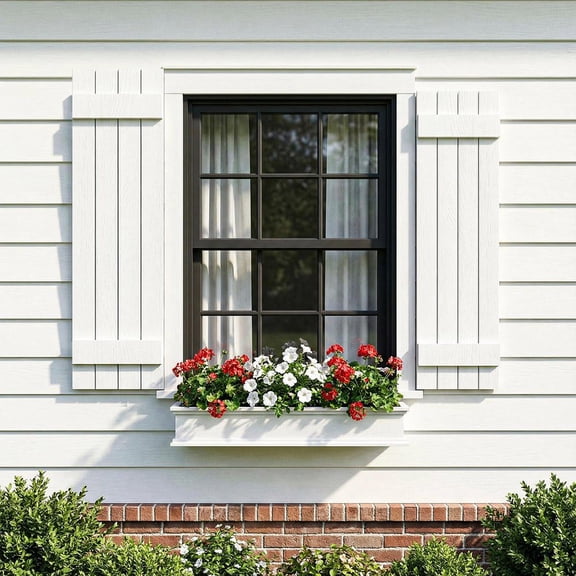
Exterior shutters can add definition beside front windows, garage windows, and upper-story openings. Interior shutters can create a tailored window treatment with plantation-style lines and a built-in appearance.
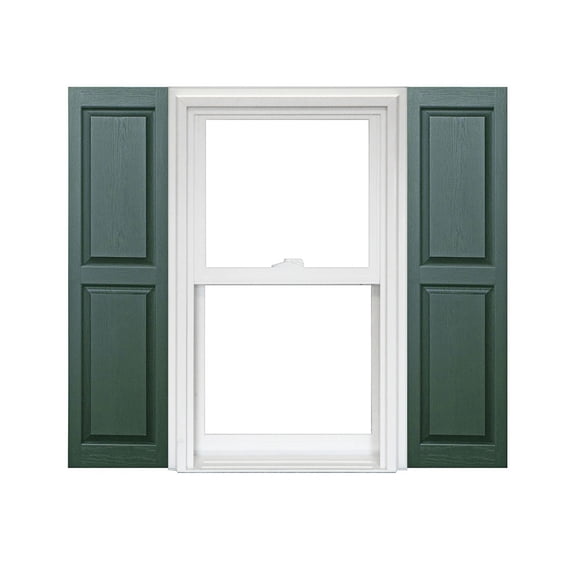
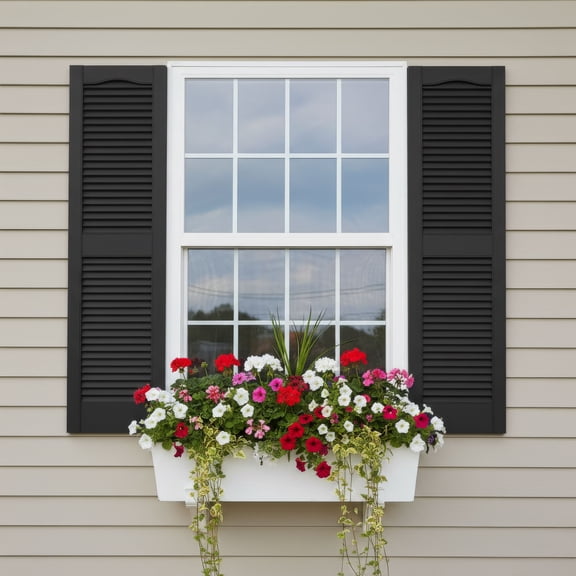
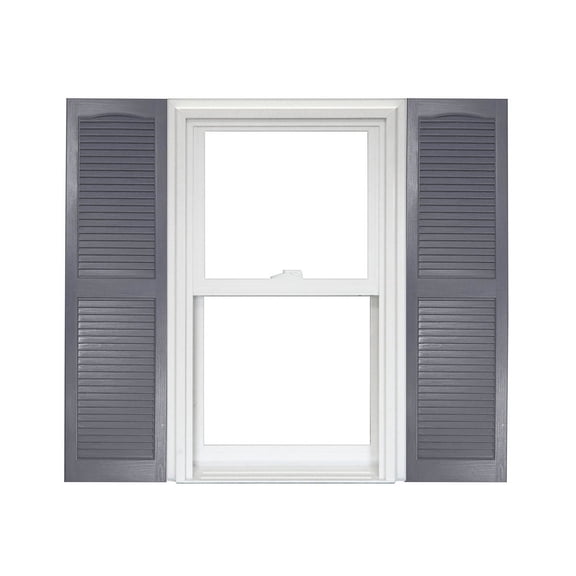
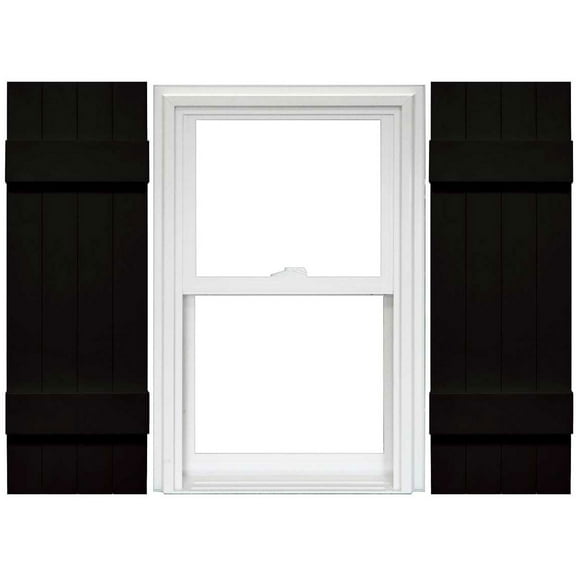
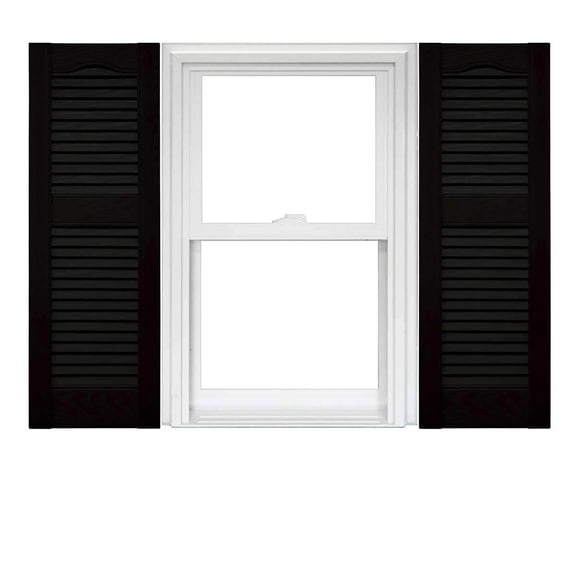
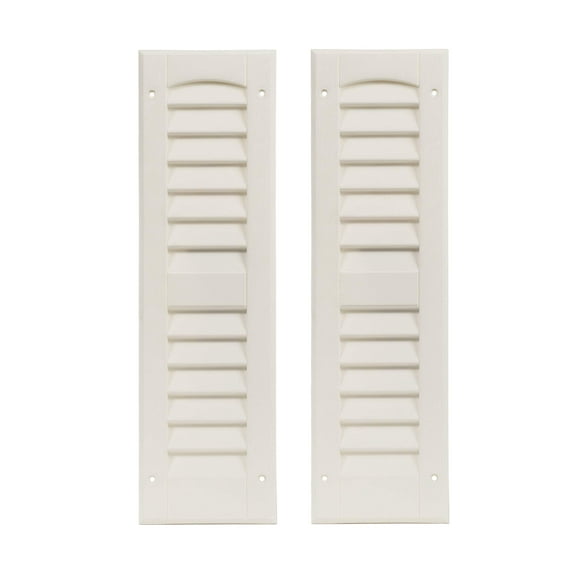
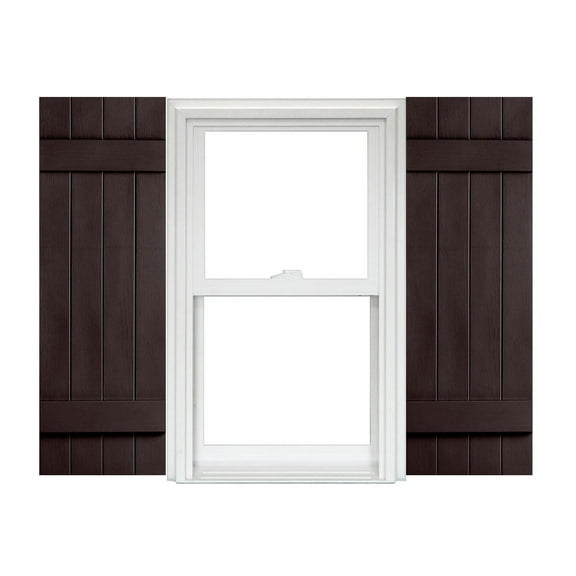
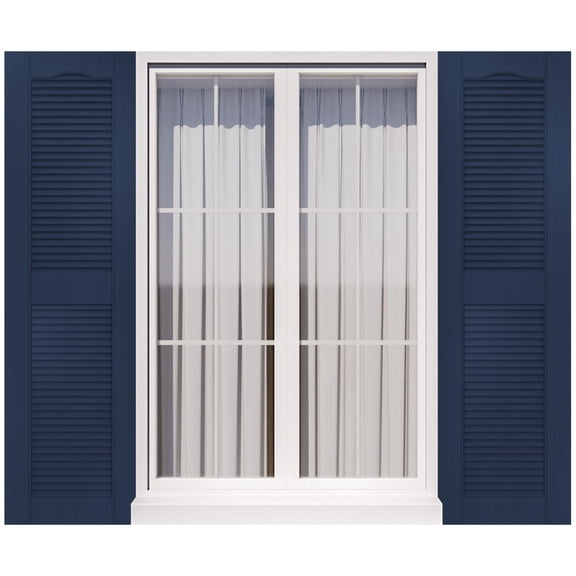
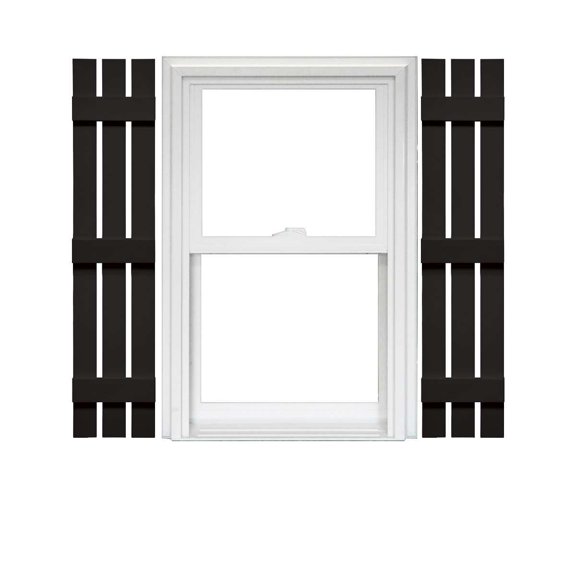
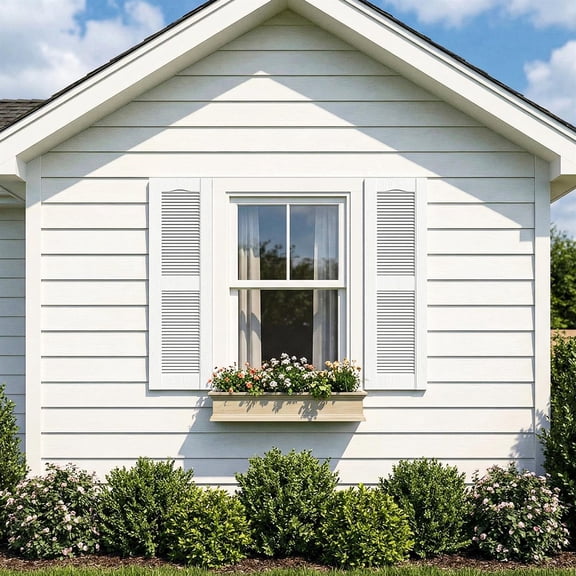
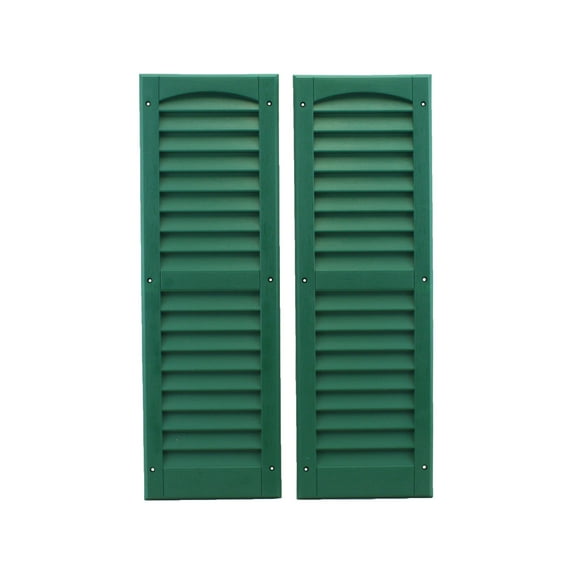
- Your home can take on a more finished facade with louvered, raised panel, or board and batten shutters.
- Your project can stay straightforward when you match decorative mounting or functional hardware to your installation plan.
- Your material choice can reflect weather exposure, upkeep preferences, and the finish you want around each window.
- Your color choice can coordinate with siding, trim, brick, and painted accents across the exterior.
Accurate measurements matter early, because your shutters need to suit each window opening cleanly. You'll want exact height, width, and mounting depth before you compare final styles.
Choosing exterior shutters and interior shutters
Your placement affects how you measure, mount, and style your window shutters. For that reason, you'll want to review outdoor and indoor options as separate project types.
On exterior walls, decorative shutters usually screw directly to siding or masonry for a fixed display. If your plan includes functional panels, you'll need hinges and enough clearance for a working swing.
Inside your home, the frame can sit inside the opening or overlap the outer trim. Plantation-inspired interior shutters often suit rooms where you want wider louvers and crisp architectural lines.
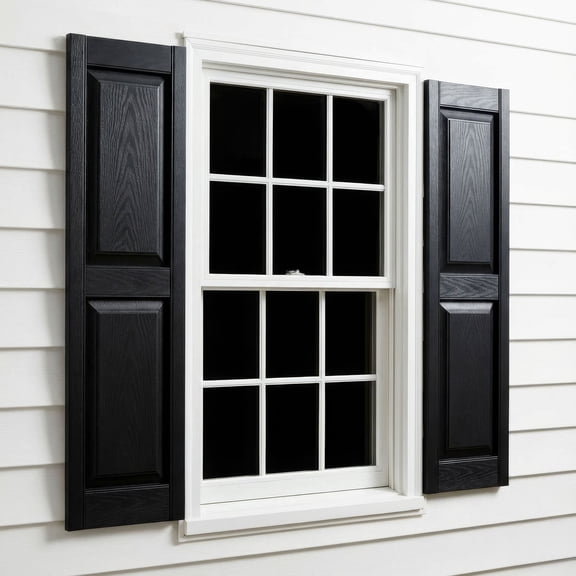
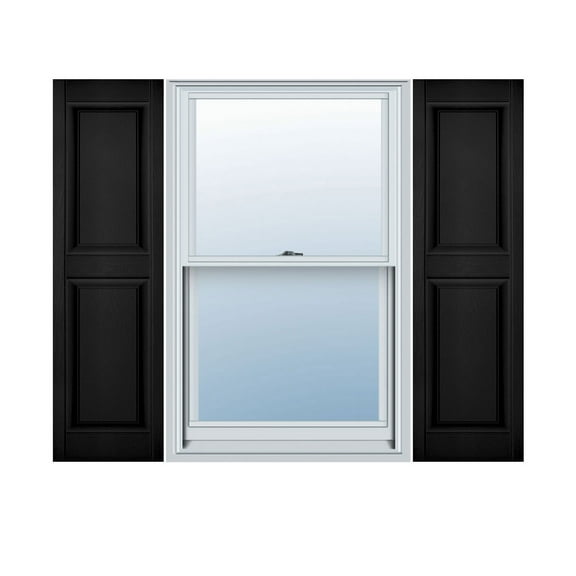
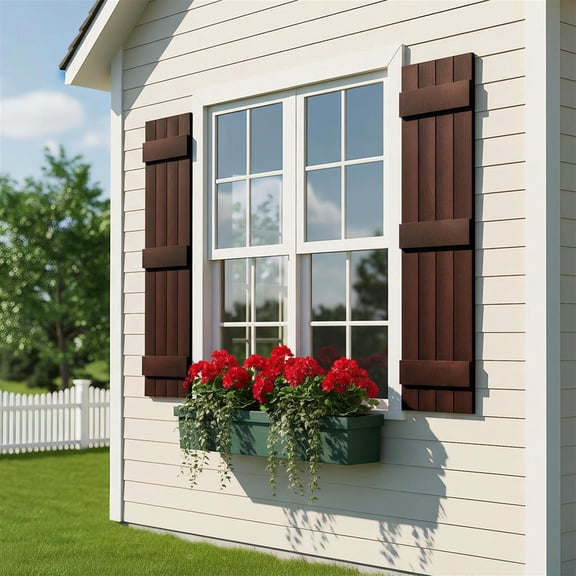
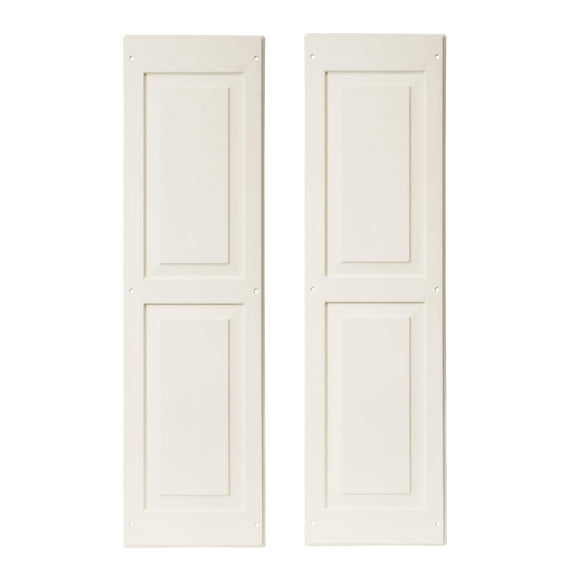
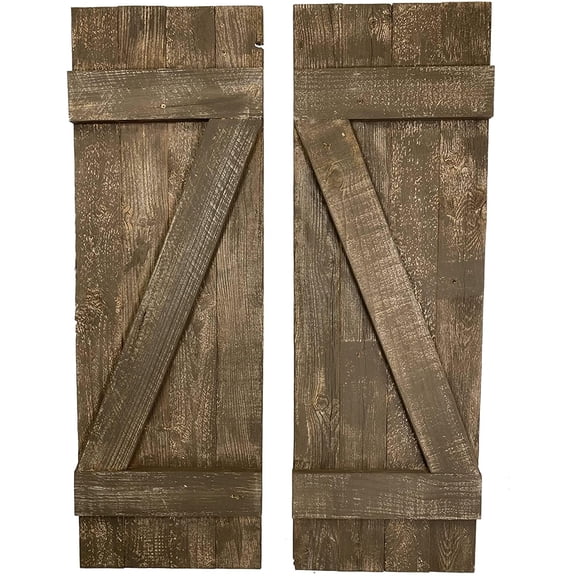
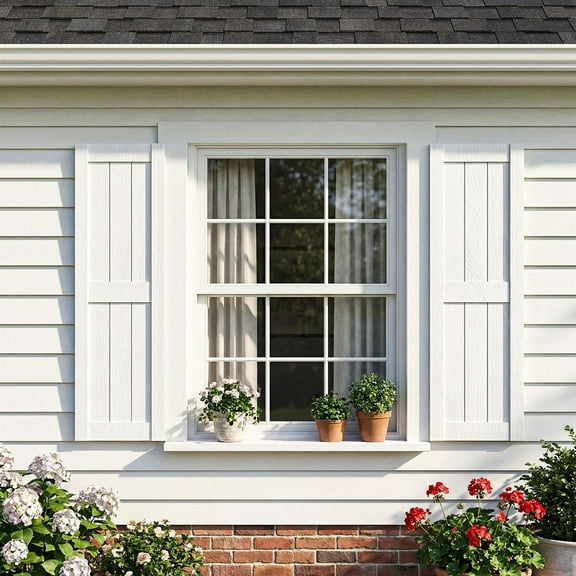
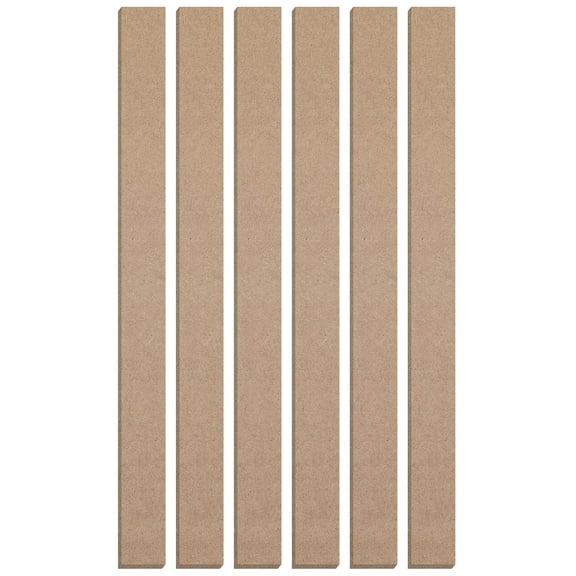
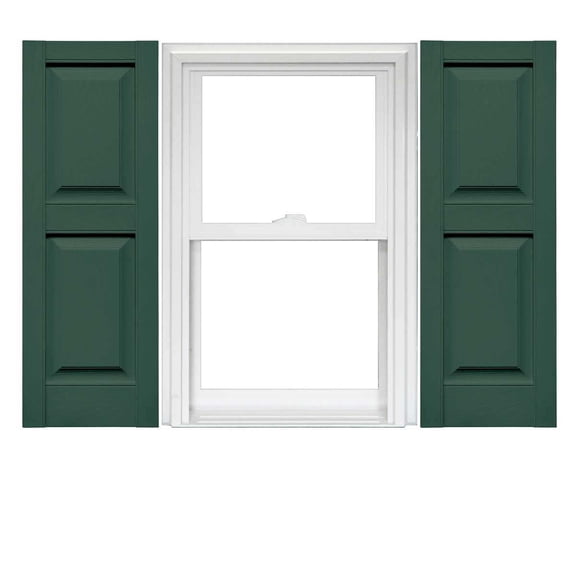
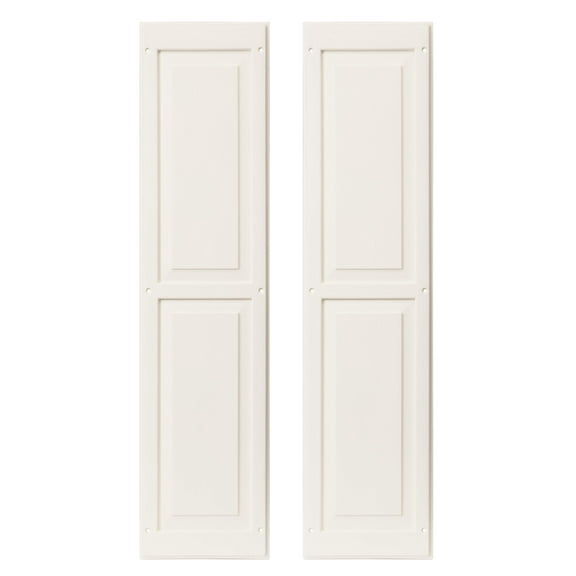
Style also changes the finished look around your windows in a very visible way. Raised panel shutters can suit classic facades, while board and batten shutters can support a rustic vertical design.
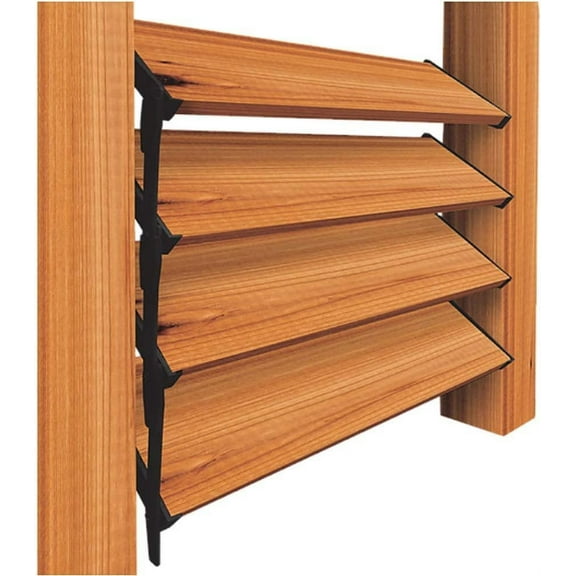
Louvered profiles can bring a familiar shutter look to many home exteriors. With interior shutters, plantation styling can give your windows visible slat detail and a more structured finish.
Comparing vinyl shutters, wood shutters, and composite materials
Your material choice shapes upkeep, finish, and long-term appearance, so it deserves close attention. Once you know your weather exposure, you'll sort options more clearly and plan your project with confidence.
Vinyl shutters can suit outdoor projects where moisture, sun, and changing seasons are part of the setting. You'll often appreciate their weather-ready construction and simple care routine on busy exteriors.
Wood shutters can give your windows a classic look and a surface you can paint or refinish. For outdoor use, you'll want to plan for routine upkeep to maintain that finished appearance.
Composite materials can offer a solid feel for shoppers comparing appearance and durability together. If you want another material path, you'll find composite options useful across many home projects.
Color has a strong effect on the final result, especially on front-facing windows. Black shutters can create contrast, while white, green, and paintable options can support different trim and siding plans.
What to look for in shutter measurements and hardware
Your fitment decisions affect spacing, alignment, and the finished look around every window. Before you choose a design, you'll need exact height and width for each opening, because sizes can vary across one wall.
Mounting depth matters when trim projects outward or brick creates a recessed opening. You'll want to check whether your shutter sits flat, clears surrounding details, and aligns with the window casing.
Decorative shutters usually use direct-mount fasteners designed for siding or masonry surfaces. Functional shutters need more planning, because you'll compare hinges, mounting brackets, and clearance before installation.
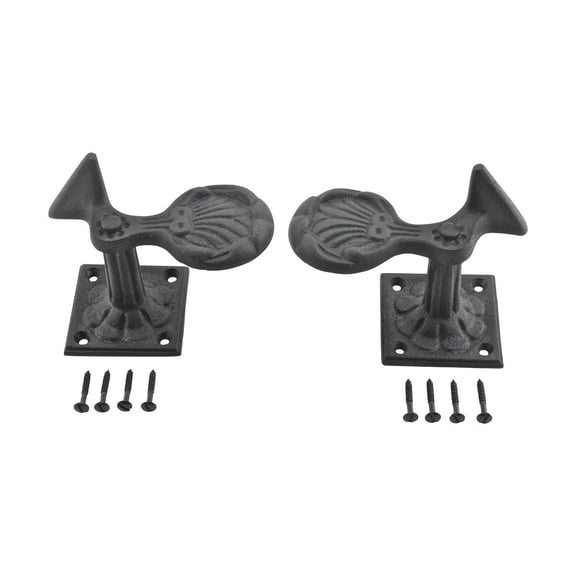
Shutter dogs are the holdbacks that keep functional panels positioned open against the wall. Hinges and brackets guide swing space, so you'll want to confirm spacing before choosing width or panel thickness.
Hardware finish also affects how intentional your project looks once installation is complete. When your hardware matches trim details and style direction, you'll get a more cohesive result around the window.
Using shutters in everyday home projects
Your exterior project might frame single windows, paired openings, or accent windows on upper levels. Vinyl shutters can make sense where simple upkeep fits your routine and the outdoor setting stays exposed.
For farmhouse-inspired exteriors, board and batten shutters can pair naturally with white siding and dark hardware. On traditional facades, raised panel shutters can echo formal trim and entry details.
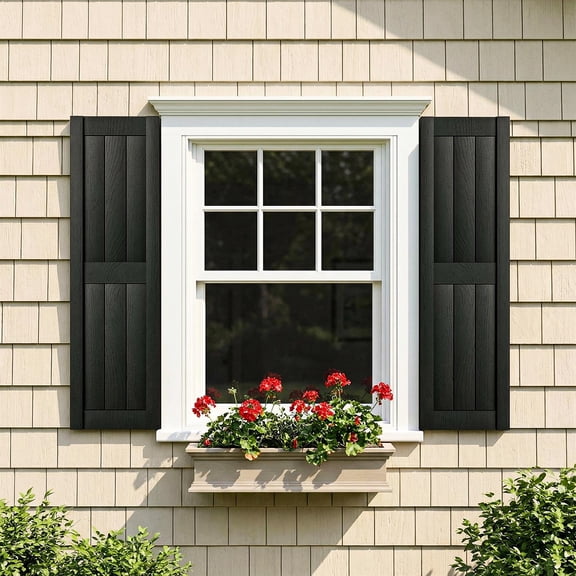
If your goal is contrast, black shutters can stand out beside pale siding or light brick. For a softer look, white and green finishes can blend more gently with trim and landscaping.
Interior shutters can work well in living rooms, dining rooms, and bedrooms with structured decor. When you want clean lines and a built-in look, plantation styles can suit that design direction.
With shutters, your decisions around fit, hardware, material, and style lead to a more polished result. You'll end with window framing that suits your measurements and gives your home a finished appearance.