




Shower Chairs in Home Health Care





















About Shower Chairs in Home Health Care - Walmart.com
A shower chair for elderly shoppers gives you steadier bathing support and clearer fit choices for tubs, stalls, and compact bathrooms. You can compare weight capacity, seat style, and frame materials fast, so your setup feels practical for daily routines.
How to choose a shower chair for elderly needs
When you compare bath chairs, you should start with where you'll place the seat and how much room you have. You can avoid awkward fit issues by checking base width, seat depth, and overall height first.
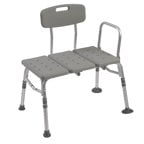
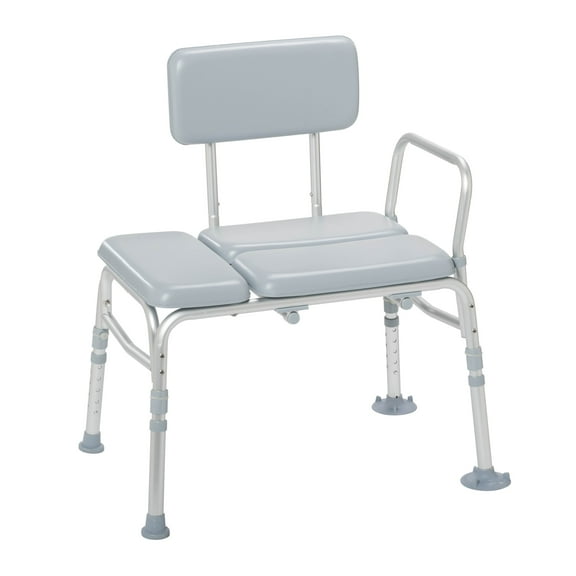
If you need a chair for bathtub use, you should measure the tub opening and the inside floor area. You can also compare transfer bench styles when you want one side outside the tub.
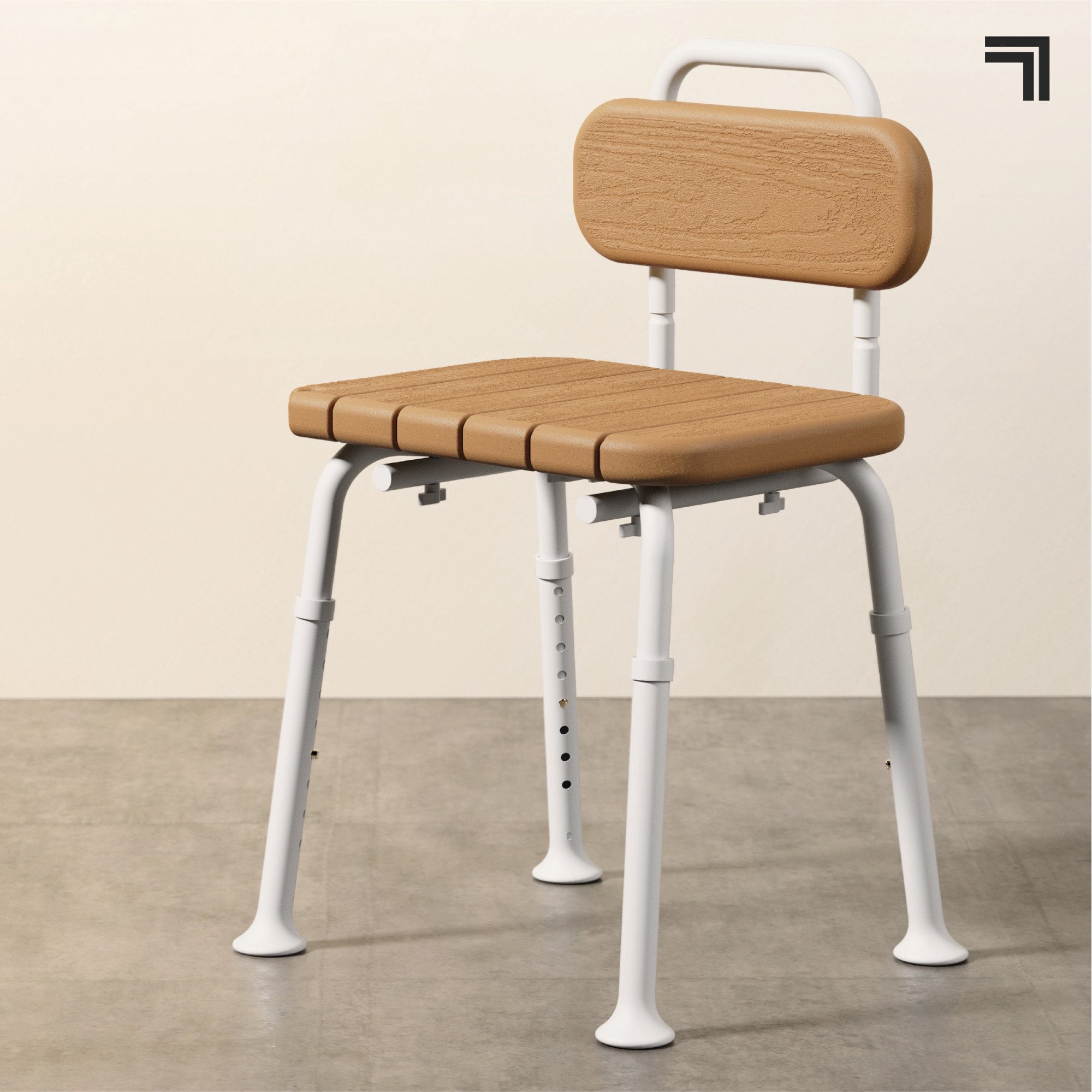
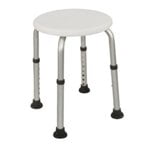
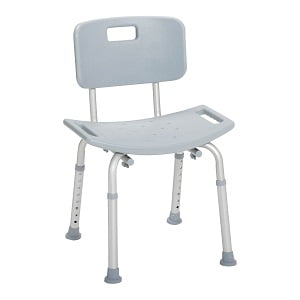
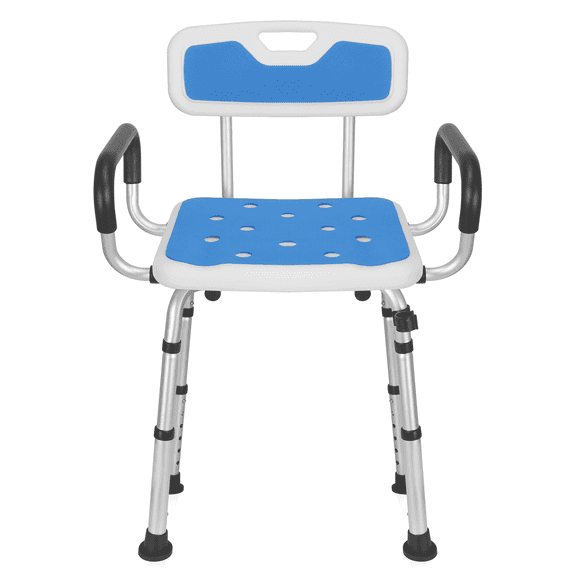
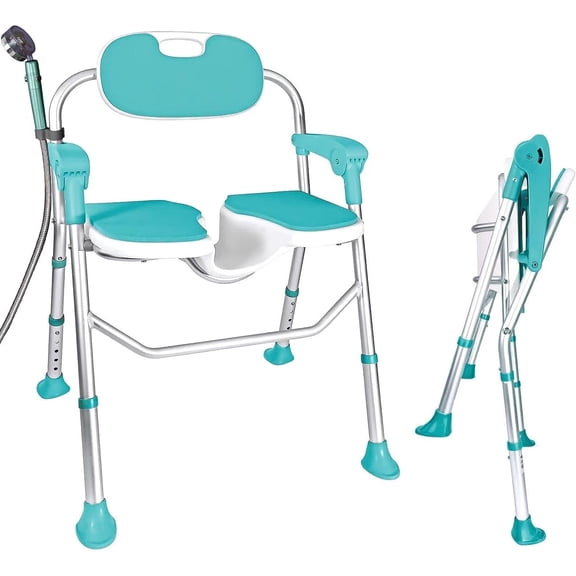
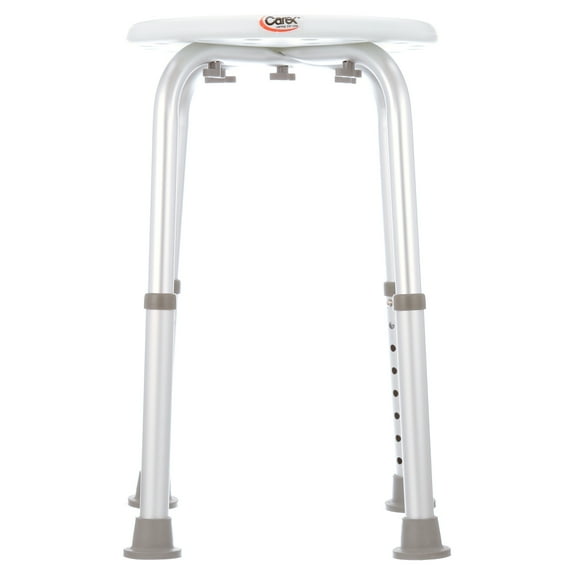
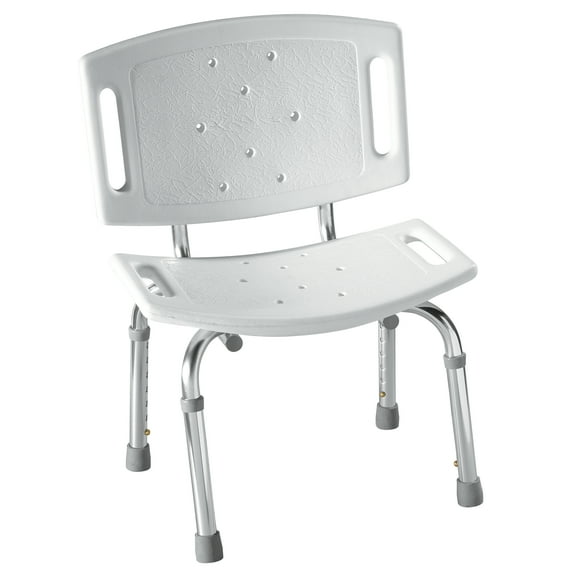
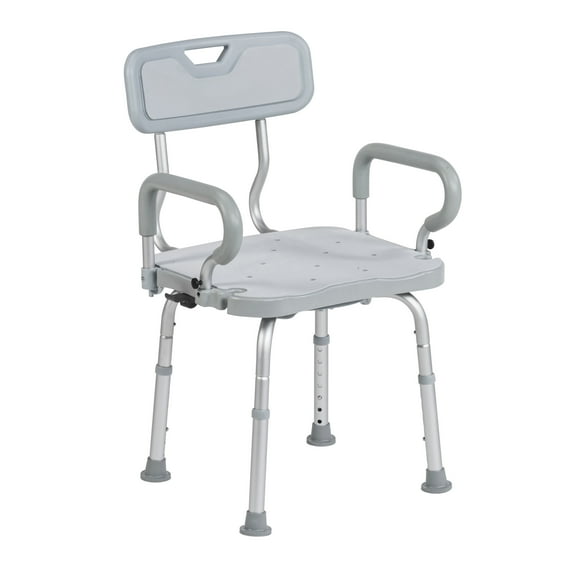
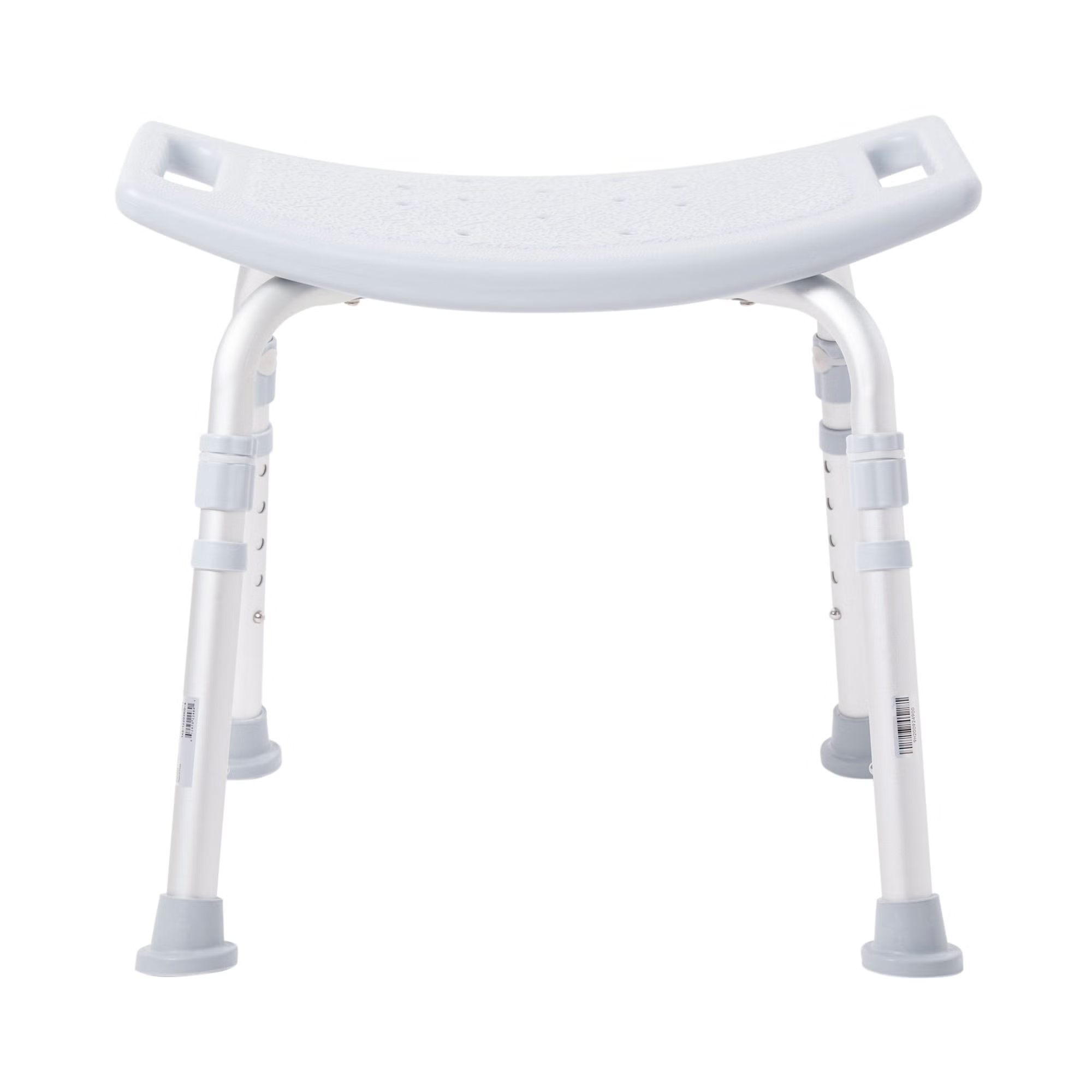
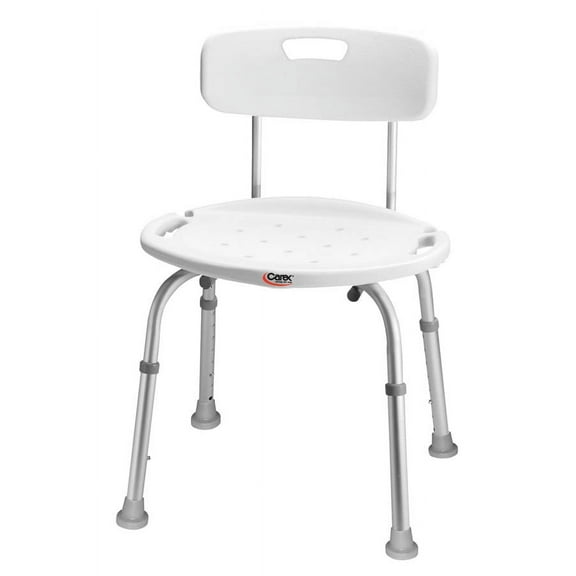
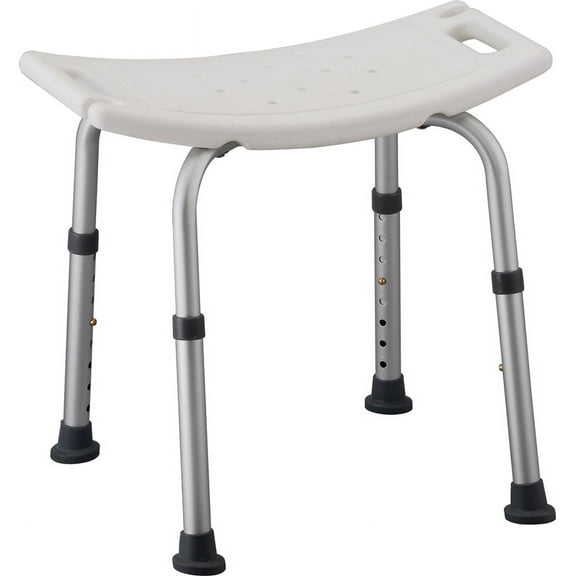
For smaller shower stalls, you may prefer a backless stool or a compact bathing chair. If you want added support, you can look for a model with a backrest and arm areas.
Choosing weight capacity and frame support
You should check weight capacity before anything else because it shapes stability and comfort during regular use. You can find standard options, 300 lbs models, and 400 lbs bariatric designs for different support needs.
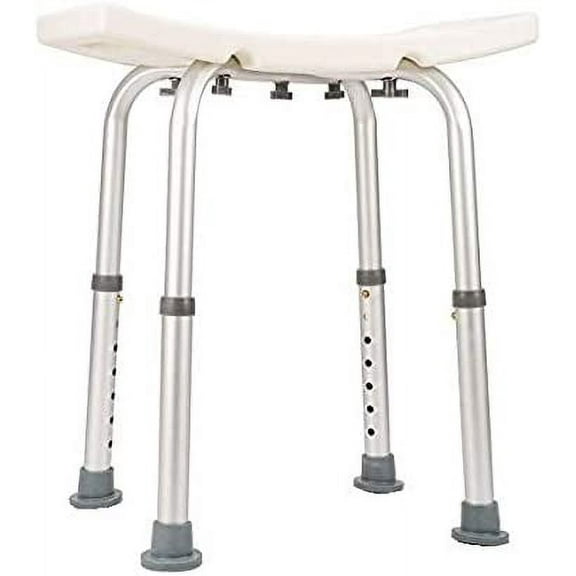
When you compare frames, you should look at aluminum construction and how the legs are spaced. You can often use that information to judge whether the seat feels sturdy without taking up extra room.
If you want a handicap shower chair nearby in search results, you’re usually looking for quick availability and clear specs. You can narrow choices faster when the listed weight limit matches your expected use.
Comparing seat materials and comfort details
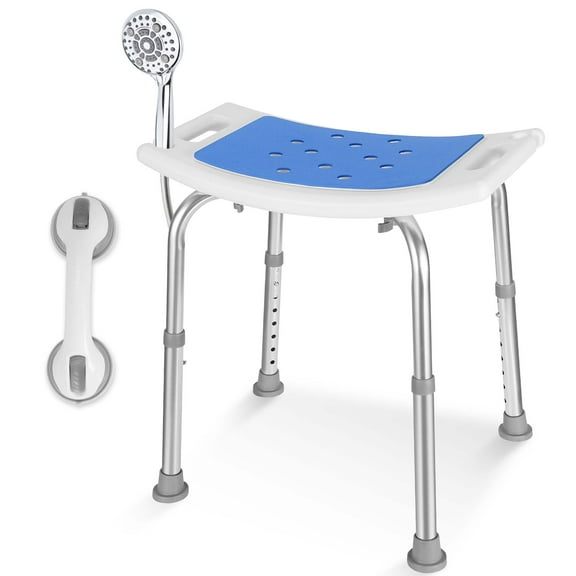
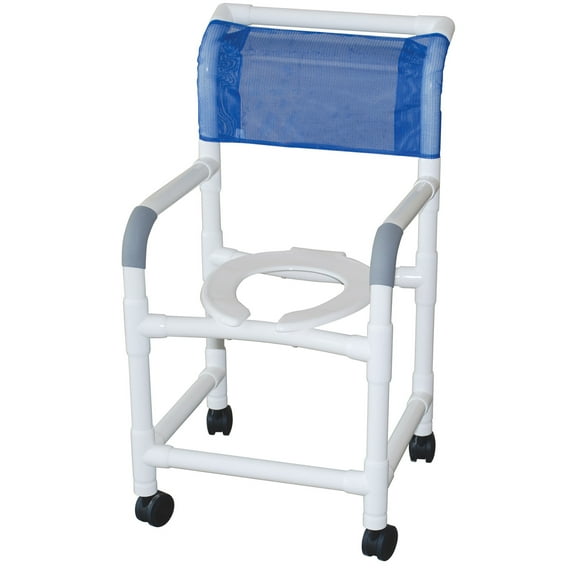
You should think about seat material next because it affects how the chair feels and how easily you can maintain it. You can choose a plastic shower seat for a simple, wipe-clean surface in busy bathrooms.
If you want extra cushioning, you may prefer padded seat areas or padded armrests during longer bathing routines. You can also compare textured surfaces when you want a steadier sitting area.
Many shoppers like aluminum frame designs because they pair lighter handling with practical support. You can move those styles more easily when you clean around the shower or tub.
- You can choose plastic seats for easy wipe-down care.
- You can compare padded options when comfort matters during longer routines.
- You can look for aluminum frames when lighter handling matters.
- You can check hygiene cutout designs for easier personal care access.
Deciding between backrest, backless, and transfer styles
You should match the seat style to your bathroom layout and the kind of support you want. You can compare with backrest, backless, transfer bench, and stooled designs without guessing what each type means.
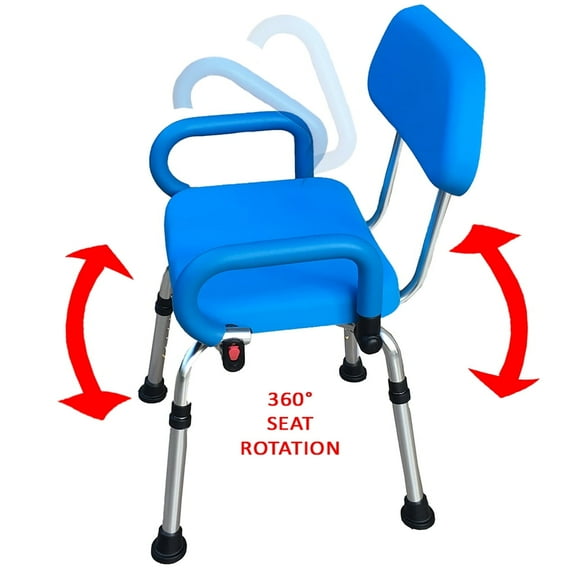
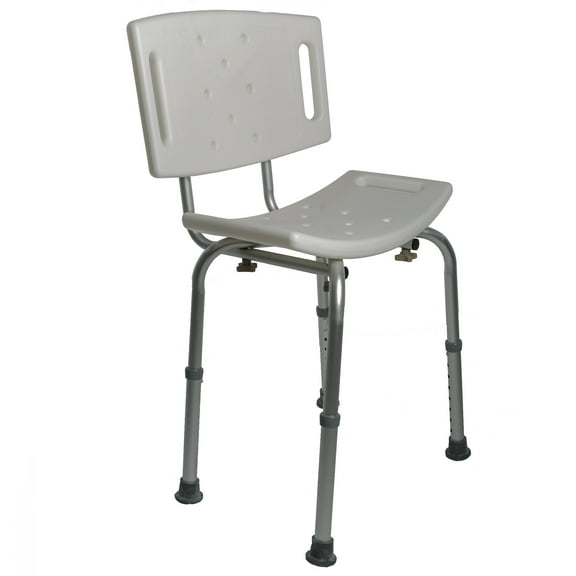
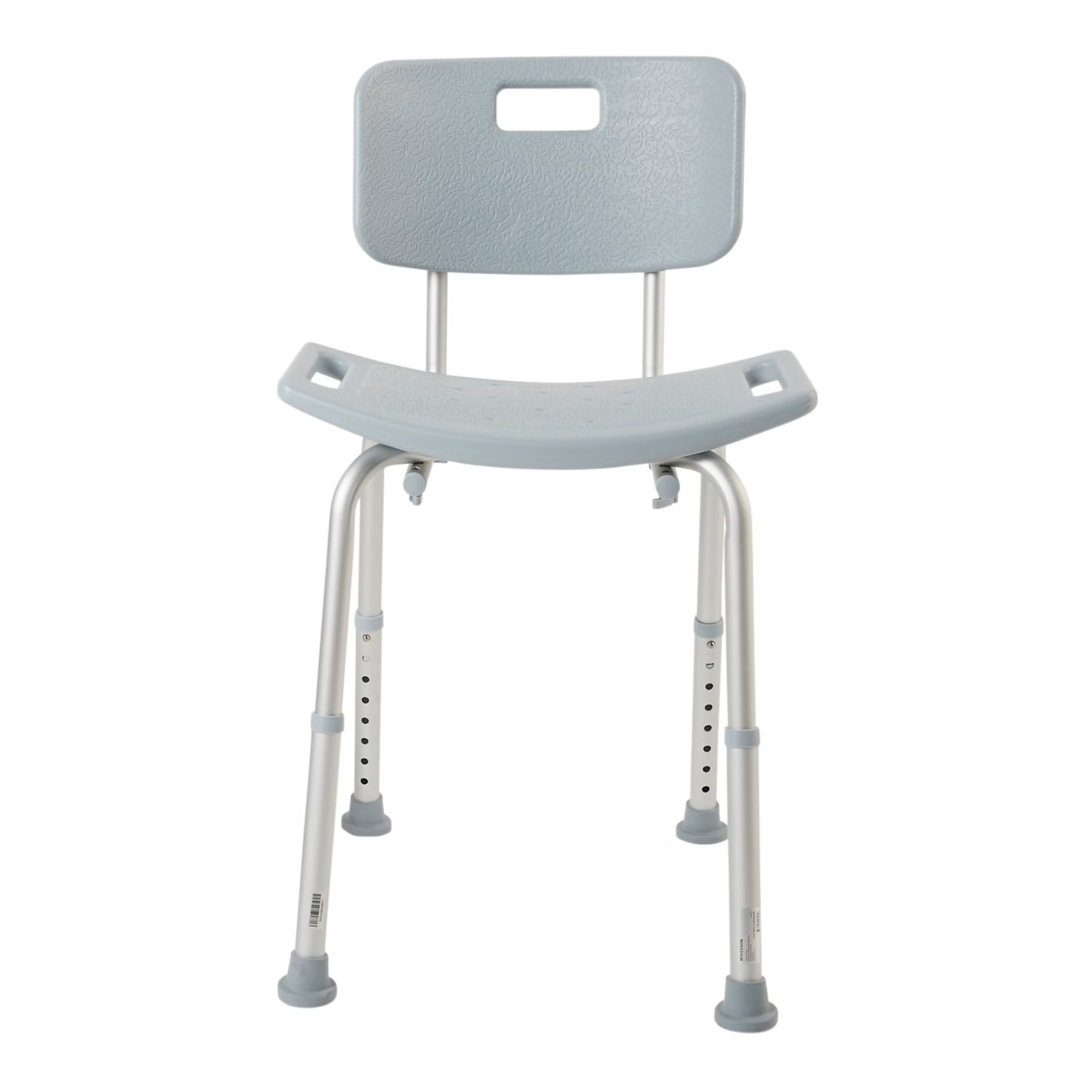
If you want more upper-body support, you may choose a shower chair for seniors with a backrest. If you need to save floor space, you may prefer a backless option that tucks away more easily.
When you need to move across a tub wall, you should consider a transfer bench instead of a compact stool. You can use that longer shape to create a smoother seated entry across the edge.
What safety features to look for in bath chairs
You should review safety details carefully because small features can change how secure the chair feels on wet surfaces. You can start with slip-resistant rubber feet, which help the legs stay planted during use.
If you want easier hand placement, you may look for padded armrests that give you a more comfortable grip area. You can also compare seat cutouts when personal care access matters in daily routines.
Height adjustability matters too because you want your feet resting naturally on the shower floor. You can often fine-tune leg settings to create a seating position that feels more balanced.
Checking fitment, assembly, and everyday use
You should measure your shower or tub before ordering because fitment affects comfort more than appearance. You can compare leg span, seat width, and overall footprint against your available floor space.
Tool-free assembly can simplify setup when you want fewer steps between delivery and use. If the chair requires hardware, you should check whether the instructions look straightforward for your routine.
For shared bathrooms, you may want a lighter seat that you can reposition after each shower. For dedicated setups, you may prefer a larger chair that stays in place and offers more sitting room.
Use cases for shower seats, bath chairs, and chair for bathtub options
If you’re outfitting a narrow walk-in shower, you may choose a compact seat for shower use with a backless design. You can keep more standing room available while still adding a seated option.
For a standard tub, you may want a chair for bathtub placement with a narrower base and adjustable legs. You can create a more tailored fit when the tub floor slopes or sits slightly unevenly.
If you need easier side entry, you should compare transfer benches with arm support and wider seating areas. You can use that layout when a regular bathing chair feels too confined for the space.
When you compare options for insurance or Medicare research, you should review product details and plan requirements carefully. You can use clear dimensions, materials, and weight limits to support your paperwork questions.
You should feel more confident when your shower seat matches your bathroom measurements, support needs, and preferred comfort level. You can make a smarter choice with clear specs, practical safety details, and a fit that suits daily bathing.