




Shooting Supplies, Gun Safes & Shooting Gear - Walmart




























About Shooting Supplies, Gun Safes & Shooting Gear - Walmart - Walmart.com
You need shooting gear that supports safe range days, organized storage, and dependable setup across target practice, hunting prep, and training sessions. You can compare targets, eye and ear protection, gun cleaning kits, and cases by purpose, material, and fit before you choose.
How to choose shooting gear for your setup
When you compare shooting accessories, you should start with the equipment type you use most often. You can narrow your choices when you match gear to range practice, transport, cleaning, or storage.
For target sessions, you may want paper targets for easy marking or steel targets for repeated use. For transport, you may prefer cases and safes that fit your firearm dimensions and support organized storage.
Before long range days, you should also review shooting safety gear for comfort and coverage. You can pair eyewear, hearing protection, and maintenance tools to keep your routine simple and consistent.
Choosing shooting accessories by equipment type
You may find that each equipment type supports a different part of your shooting routine. You can build a practical setup when you choose accessories around preparation, active use, and cleanup.
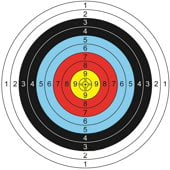
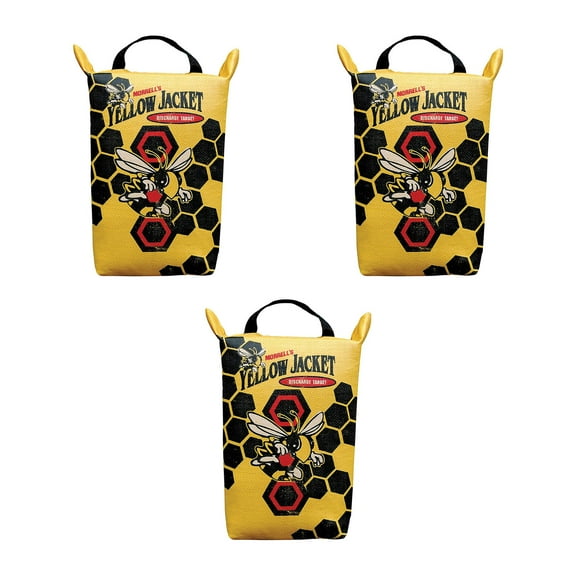
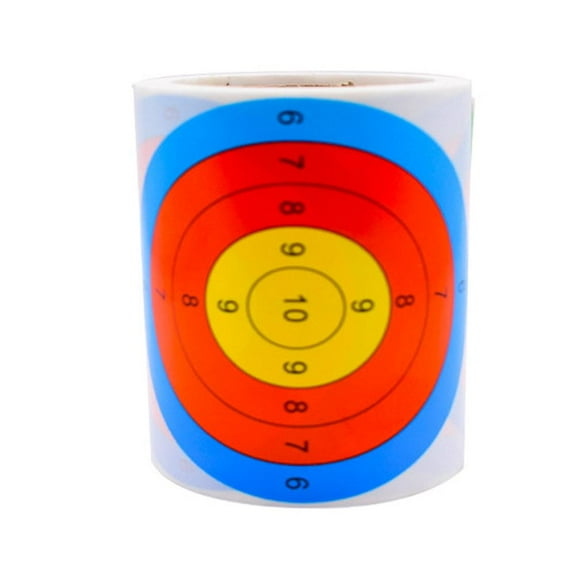
- You can use targets to check grouping, sight alignment, and practice drills.
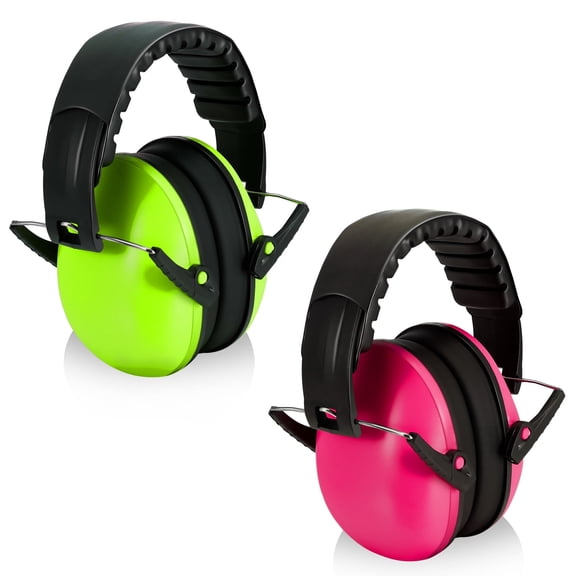
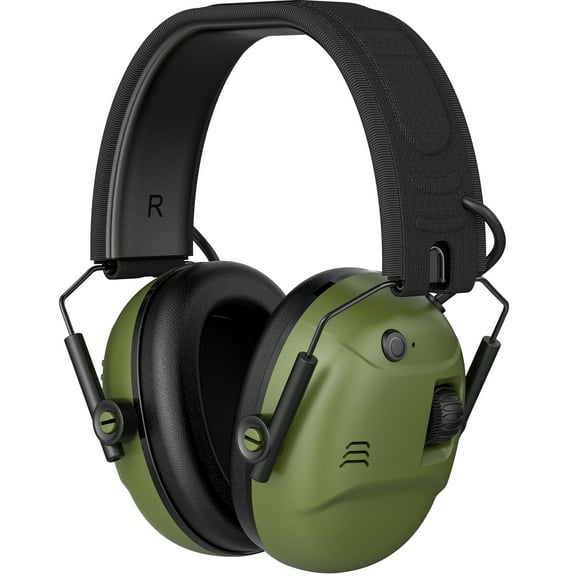
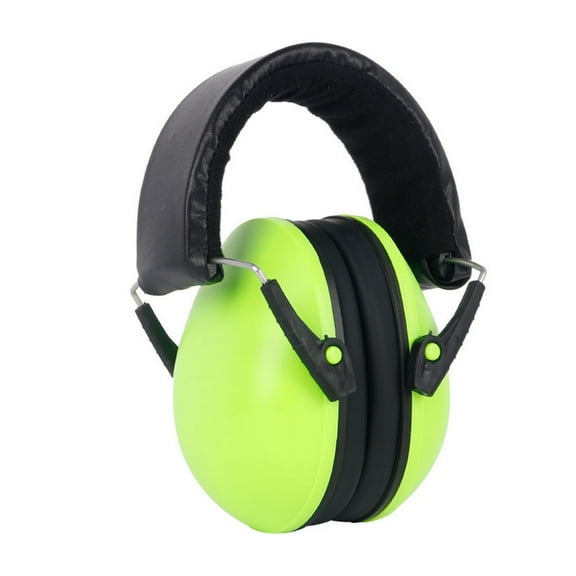
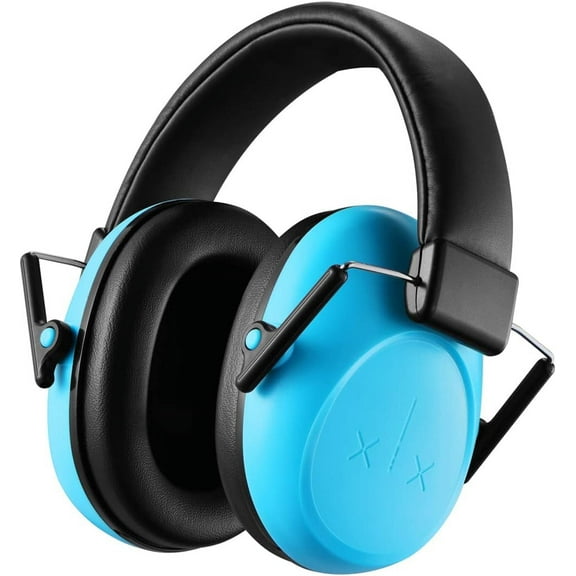
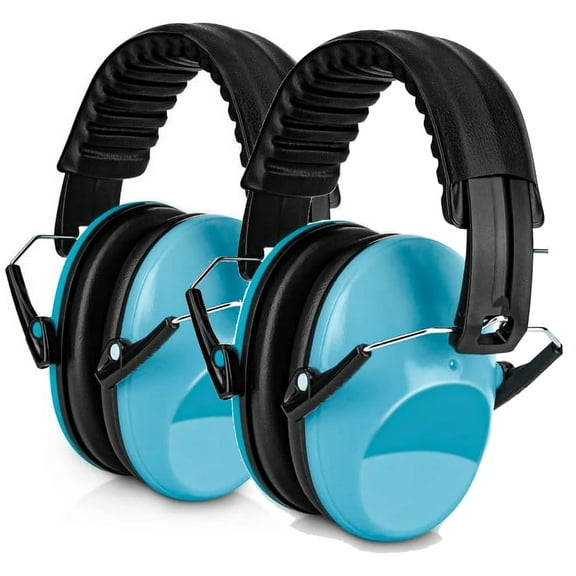
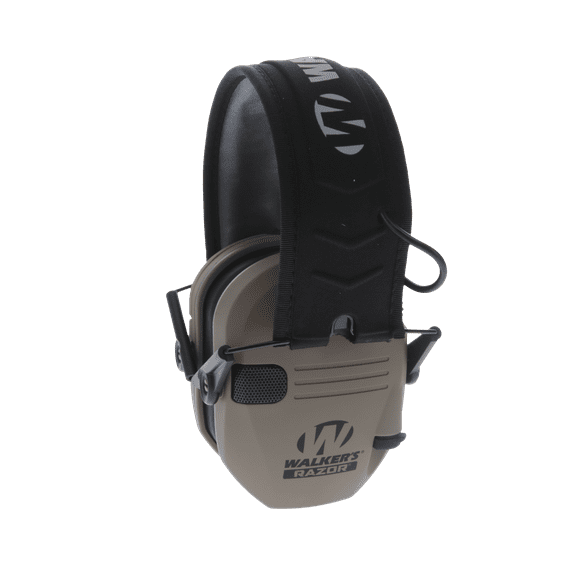
- You can choose eye and ear protection for range compliance and all-day comfort.
- You can keep gun cleaning kits on hand for caliber-specific rods, brushes, and patches.
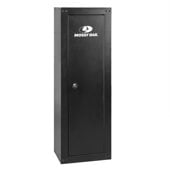
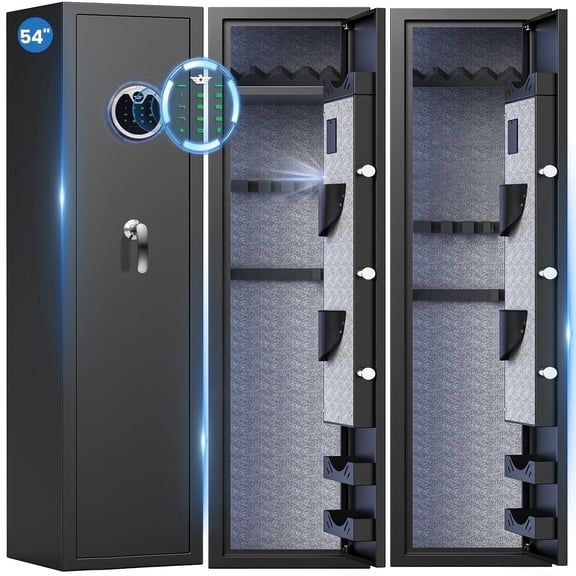
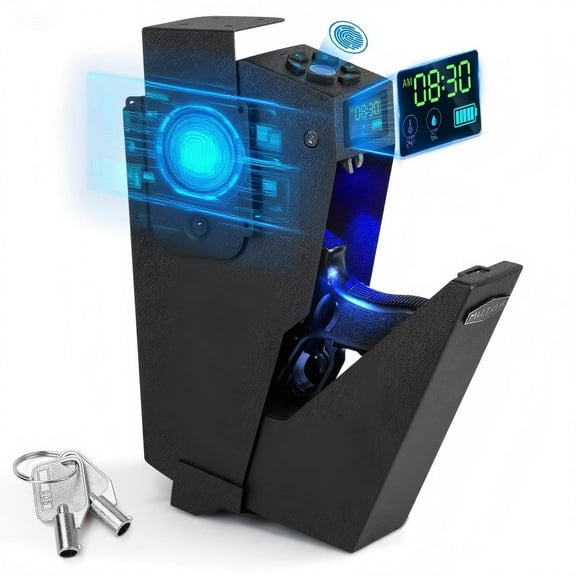
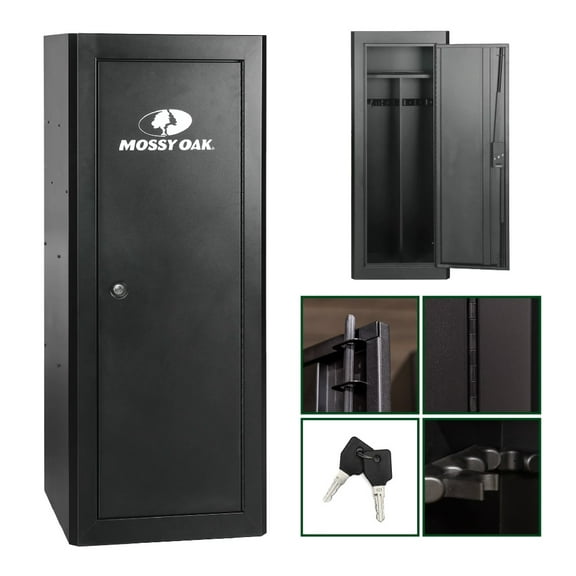
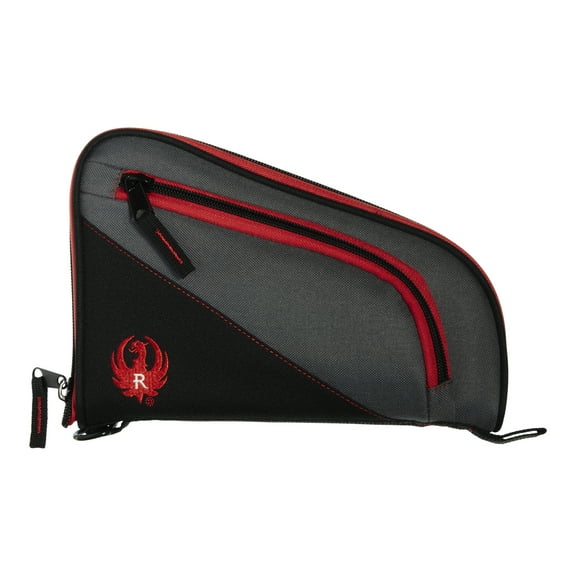
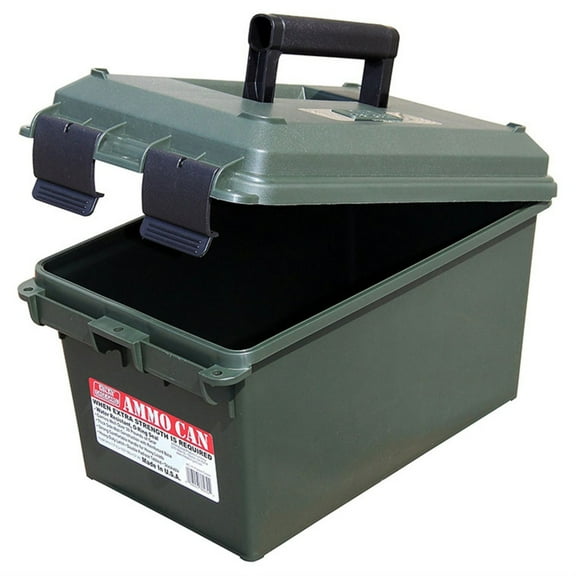
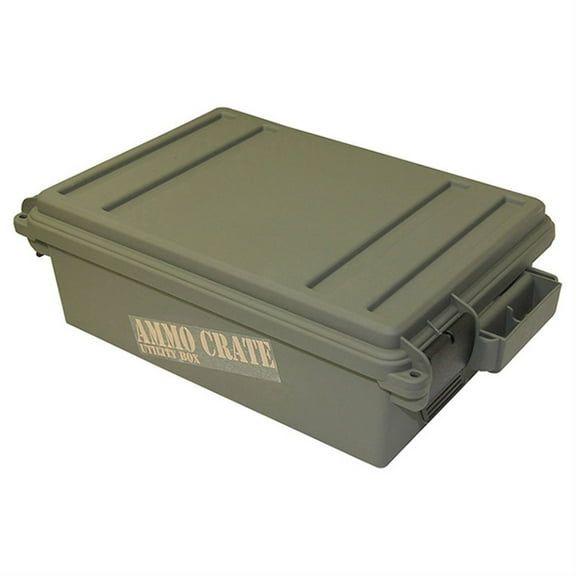
- You can compare cases and safes by interior space, carry style, and lockable features.
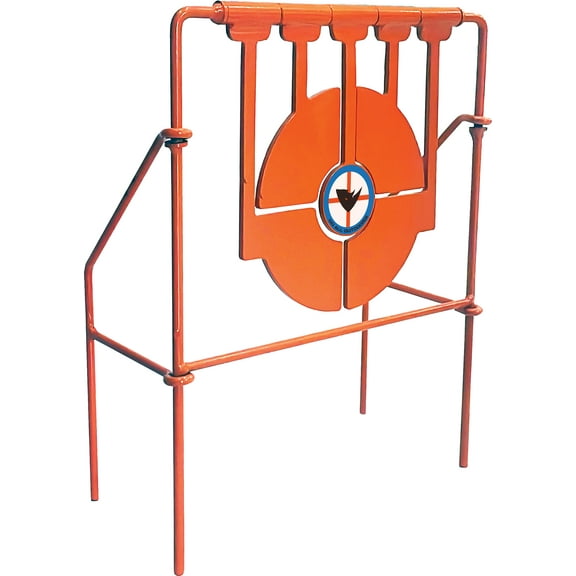
If you practice often, you may want targets that match your firearm type and shooting distance. You can use paper for quick setup, while steel can suit repeated sessions and audible feedback.
When you carry gear between home and the range, you should check case dimensions and storage layout. You can keep magazines, tools, and protection together when your bag includes dedicated compartments.
What to look for in shooting sports equipment
You should compare technical details when they affect comfort, fit, and compatibility. You can make clean decisions when you connect each spec to your actual routine.
For eye protection, you should look for ANSI Z87.1 certified options when range rules require rated eyewear. You can choose impact-resistant construction that fits active target shooting and training environments.
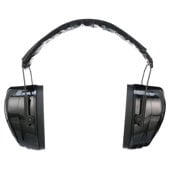
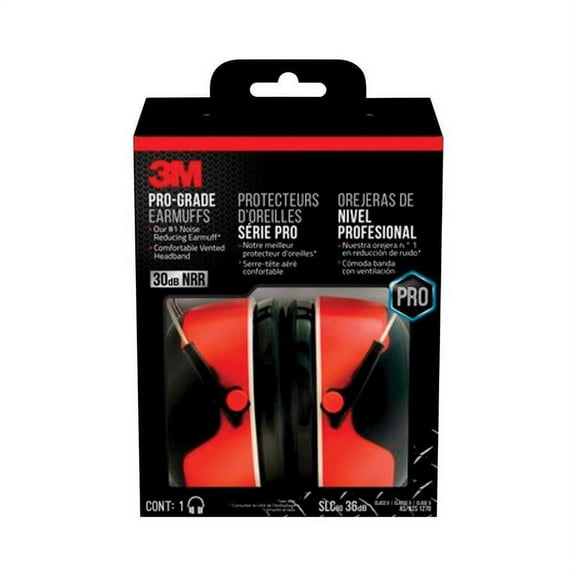
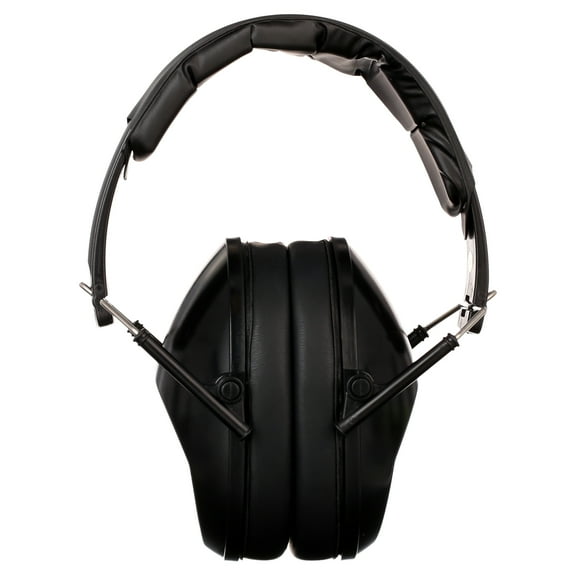
For hearing protection, you should compare NRR ratings because they show noise reduction levels. You may want NRR 25 dB or higher when you spend longer periods around repeated range fire.
With cleaning kits, you should check caliber-specific rods and brushes before you buy. You can avoid mismatch issues when your tools fit your firearm and reach the areas you need.
For transport and storage, you should measure case length, width, and interior layout. You can protect your setup effectively when your case fits optics, accessories, and cleaning supplies without crowding.
Comparing materials in target shooting gear
You should compare material choices because they shape durability, portability, and how you use each item. You can often tell whether gear suits frequent range trips by checking build details first.
Steel targets can work well when you want repeated use and clear shot feedback. Paper targets can suit sight-in days, scoring, and quick changes between drills or distances.
Heavy-duty nylon cases can help you carry multiple items with flexible pockets and handles. Polymer storage options can suit structured organization when you want defined compartments and easy wipe-down care.
If you train outdoors, you should also consider closures, handles, and reinforced seams. You can move equipment easily when your bag balances carrying comfort with useful storage space.
Matching shooting range equipment to your activity
You should choose shooting range equipment based on where and how you plan to shoot. You can avoid unnecessary extras when you match gear to the activity first.
For target shooting, you may want paper targets, rated eyewear, hearing protection, and a compact cleaning kit. You can keep your setup focused on accuracy practice and easy lane organization.
For hunting and shooting gear needs, you may prefer portable cases, weather-ready materials, and compact maintenance tools. You can move between transport, storage, and field preparation with less bulk.
During tactical training, you might prioritize durable targets, impact-resistant eyewear, and bags with organized compartments. You can reach magazines, tools, and protection quickly when everything has a consistent place.
For clay shooting, you may focus on comfort during longer sessions and fast access to essentials. You can benefit from lightweight hearing protection, clear eyewear, and carrying options that stay manageable.
Using shooting safety gear and storage features wisely
You should treat safety ratings and storage features as buying filters, not small extras. You can simplify your search when you decide your must-have standards before comparing styles.
If your range has eyewear and hearing requirements, you should confirm ratings before checkout. You can screen options quickly when you look for ANSI labels, NRR details, and coverage that fits comfortably.
When storage matters, you should compare handles, closures, internal dividers, and lockable features. You can keep your gear arranged for transport and home organization without mixing essentials together.
With the right shooting gear, you can build a setup that fits your routine, supports range rules, and keeps equipment organized. You can choose with confidence when you compare safety ratings, compatibility, materials, and storage together.