



Motorized & Electric Knife Sharpeners





















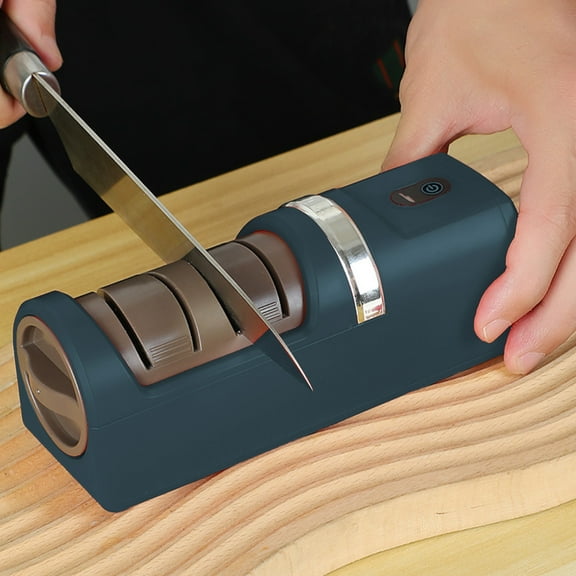
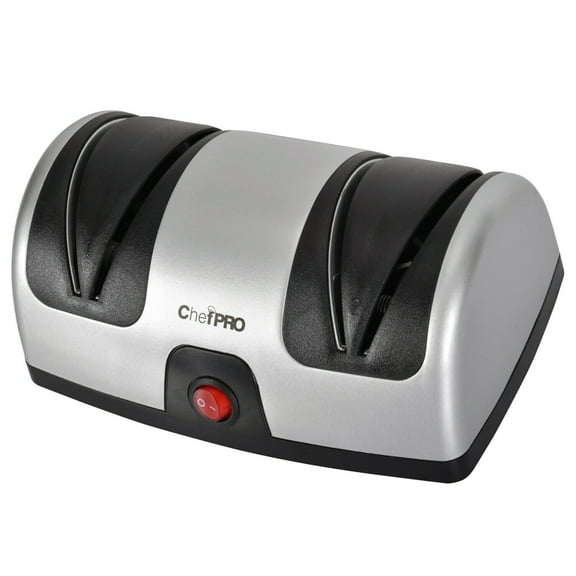
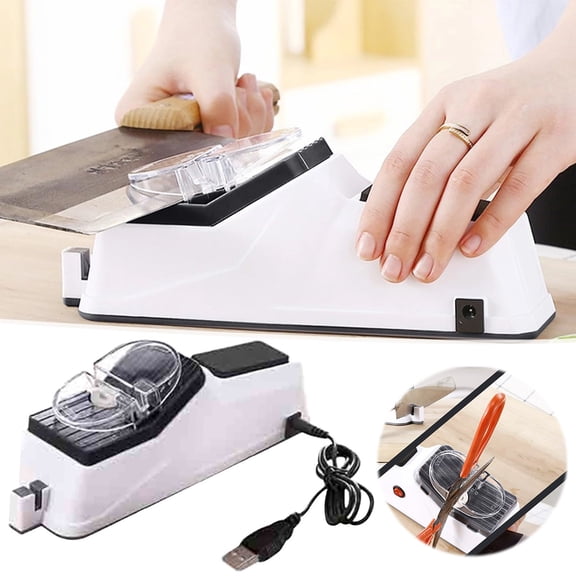
About Motorized & Electric Knife Sharpeners - Walmart.com
Knife sharpeners help you keep kitchen prep smooth, precise, and consistent. You can compare electric, manual, whetstone, and sharpening steel options to match your knives and your sharpening style.
When you choose this category, you can focus on blade angle, abrasive material, and compatibility before you buy. You can also narrow your pick by portability, whether you want a pocket tool, handheld option, or benchtop model.
How to choose knife sharpeners by type
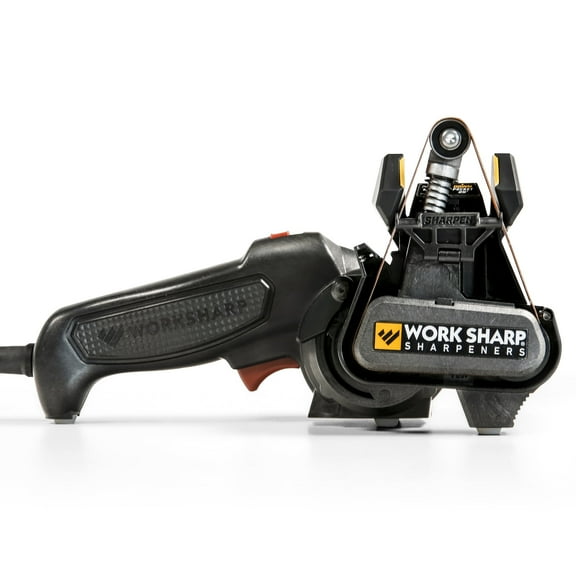
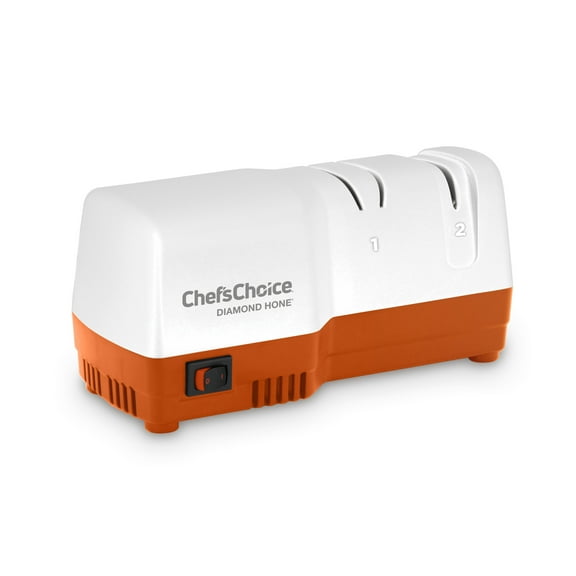
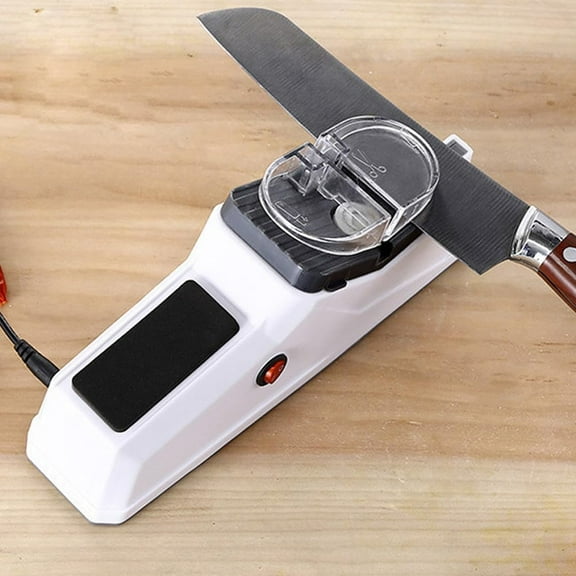
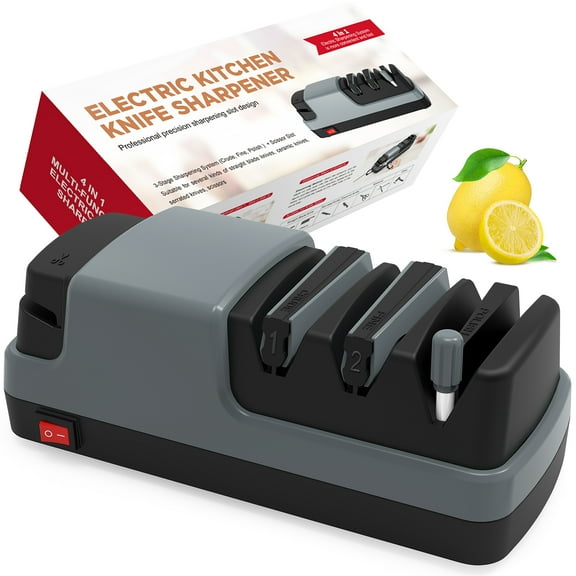
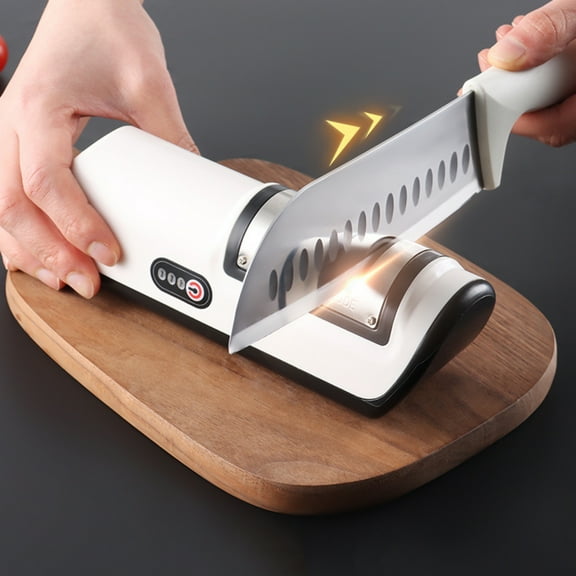
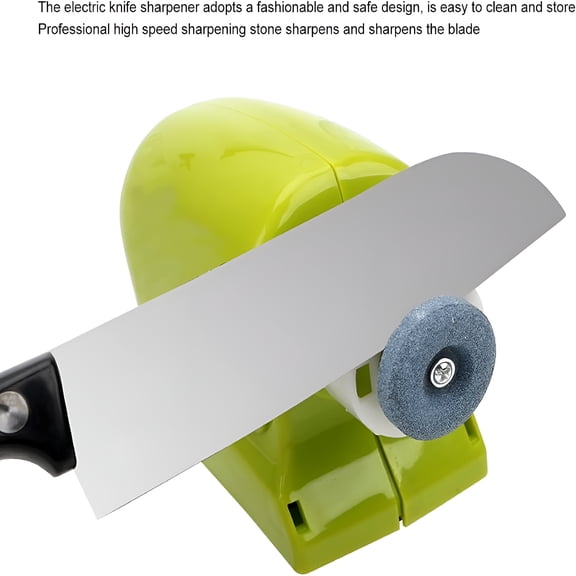
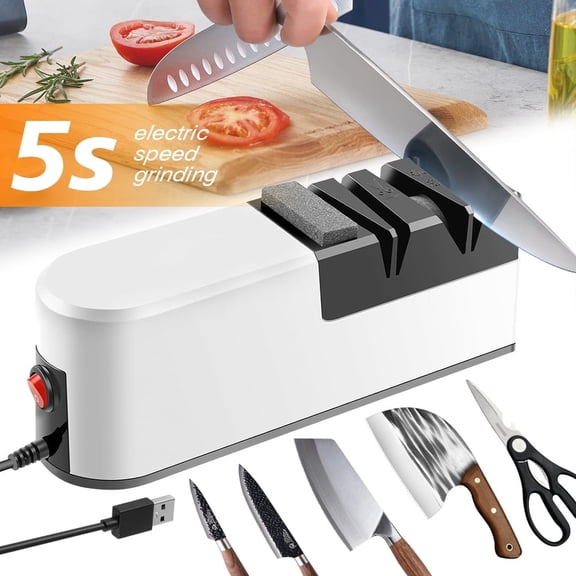
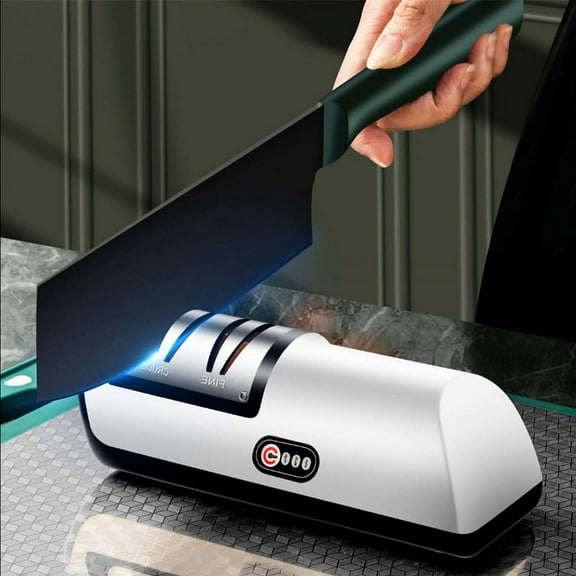
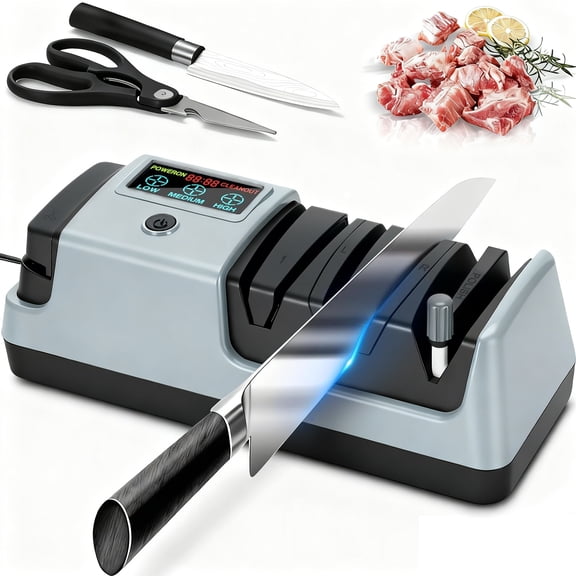
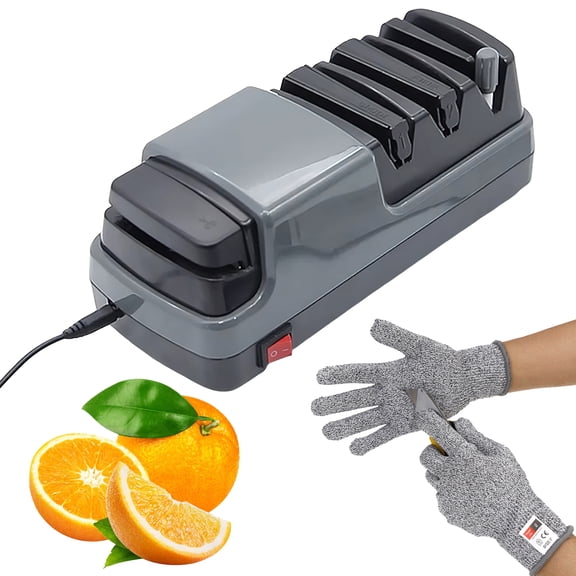
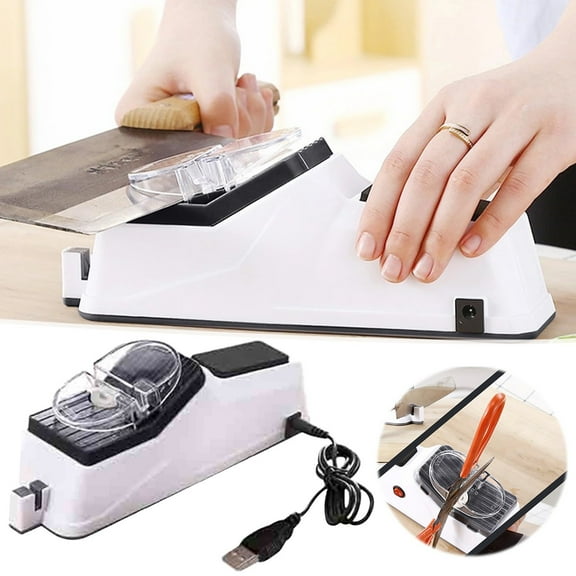
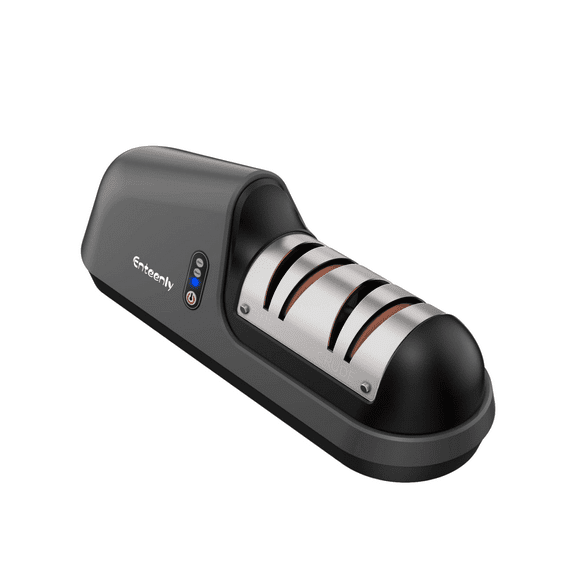
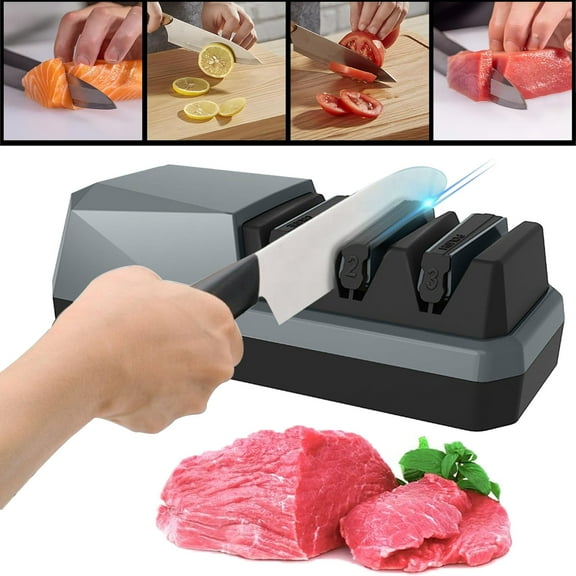
You should start with the type that fits your routine and your comfort level. If you sharpen often, an electric knife sharpener can give you fast results with guided stages.
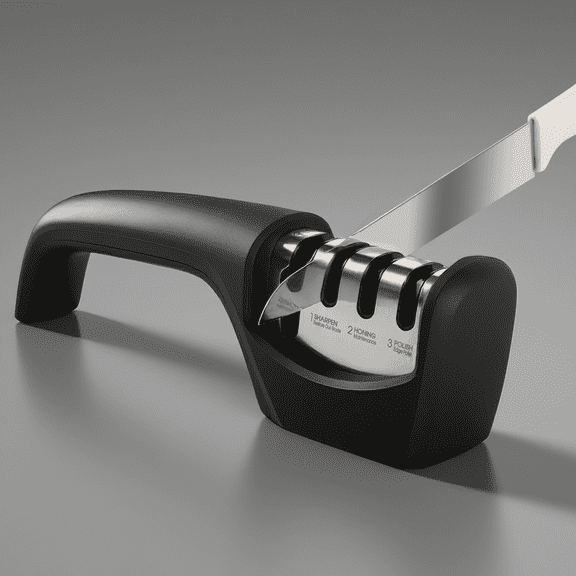
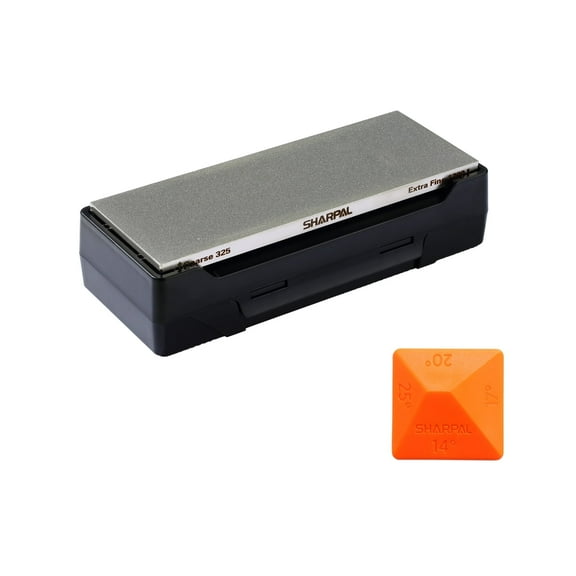
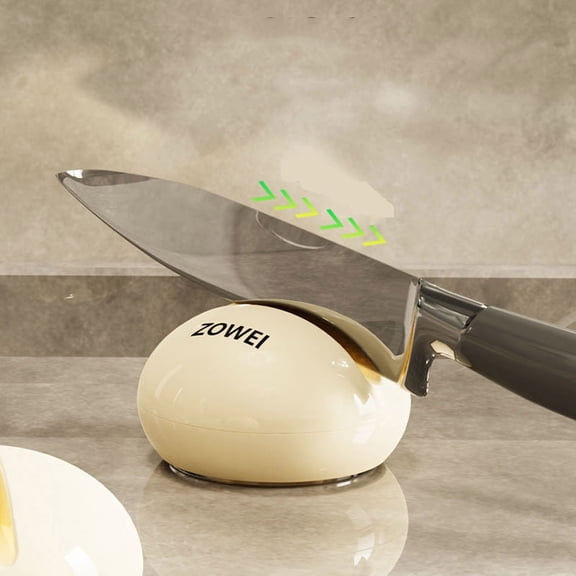
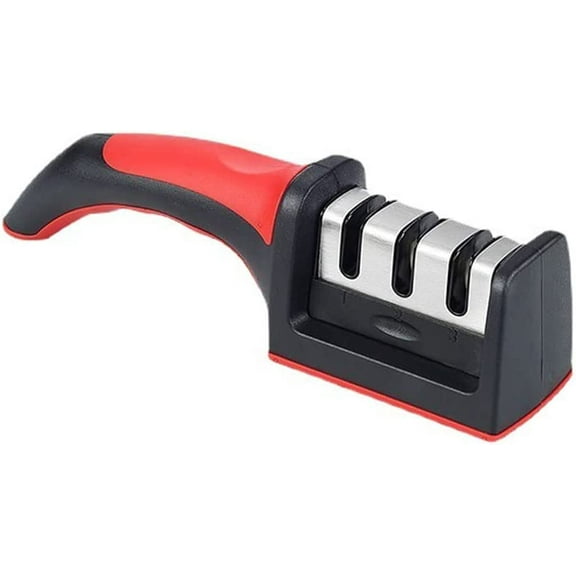
If you want more hands-on control, a manual knife sharpener lets you guide pressure and pace. If you prefer traditional edge work, a knife sharpening stone gives you broader control across the blade.
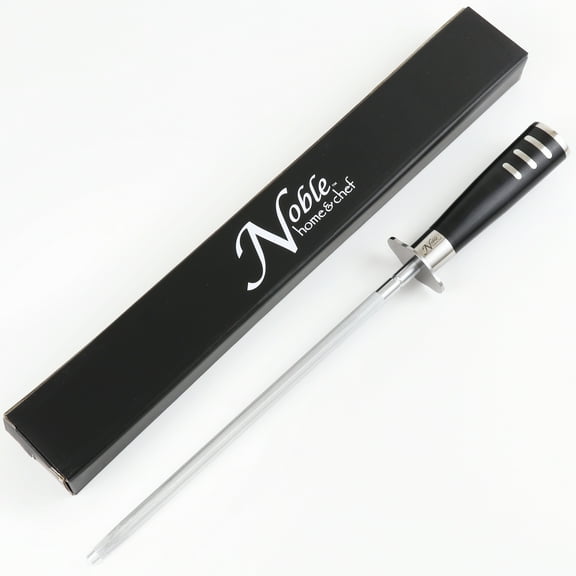
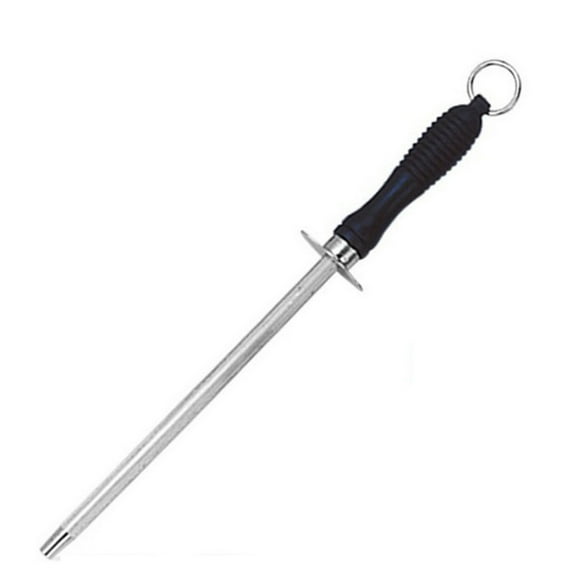
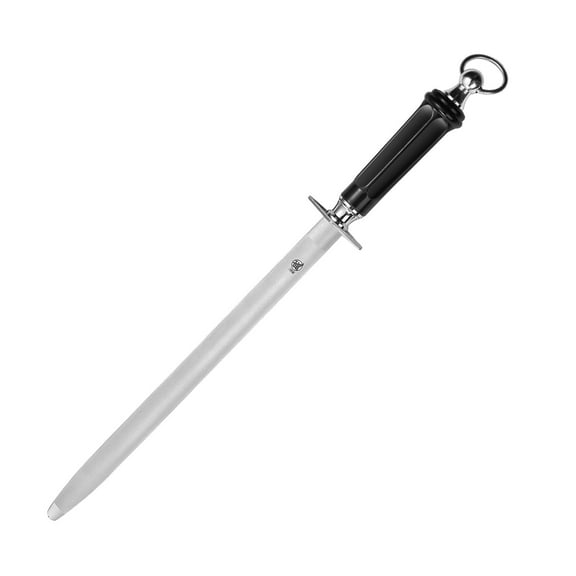
You may also compare a honing steel when your edge needs regular upkeep between full sharpening sessions. You’ll usually use sharpening steels to help maintain alignment on straight-edge kitchen knives.
- You can choose electric models when you want faster sharpening for busy meal prep.
- You can choose manual designs when you want simple control and compact storage.
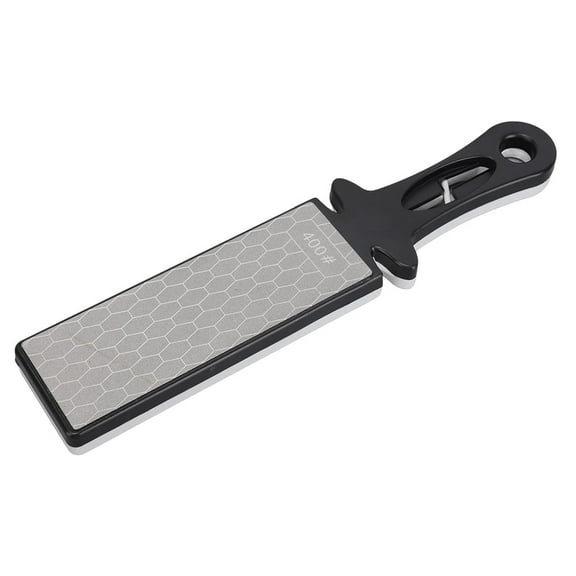
- You can choose whetstone options when you want grit selection for edge shaping and finishing.
- You can choose sharpening steel tools when you want routine edge maintenance between sharpenings.
What to look for in an electric knife sharpener or manual knife sharpener
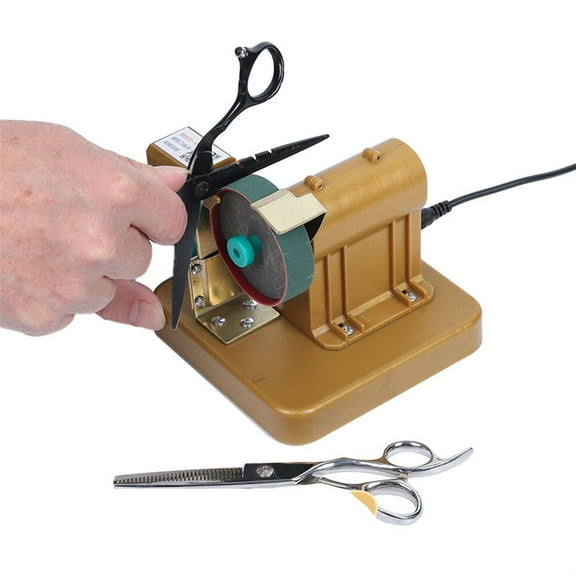
You should check whether the sharpener supports your blade style before anything else. Your kitchen knives, serrated knives, scissors, and pocket knives may need different slots or sharpening surfaces.
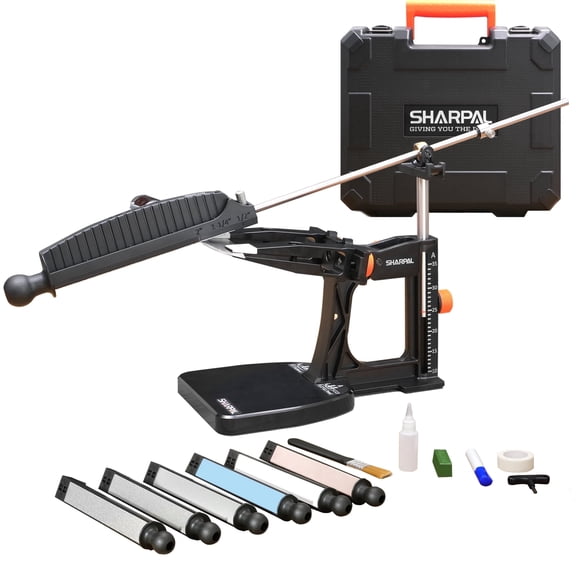
Angle guidance matters because your knife edge should match the sharpener’s design. You’ll often see fixed 15-degree and fixed 20-degree options, and each suits different knife profiles.
If you use many Asian-style kitchen knives, you may look for a fixed 15-degree guide. If you use many Western-style chef knives, you may prefer a fixed 20-degree guide.
You can also compare adjustable angle knife sharpener designs when your collection includes mixed blade styles. That flexibility helps you switch between kitchen knives and pocket knives with less guesswork.
Safety details deserve close attention while you compare models. You should look for non-slip bases, steady grips, and hand guards that help you keep placement controlled.
Choosing abrasive material and grit
You should compare abrasive material because it changes how quickly your edge is refined. Diamond surfaces cut fast, ceramic surfaces help finish smoothly, and carbide options handle quick touch-ups.
If you want a traditional feel, Arkansas stone options can appeal to you. You may prefer that format when you like slower, more deliberate edge work on a benchtop surface.
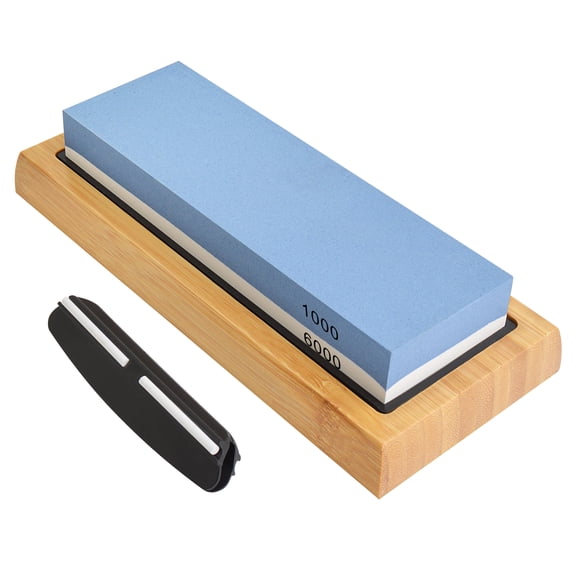
Grit level is another key decision when you compare a whetstone knife sharpener. You can use coarse grit for reshaping, medium grit for sharpening, and fine grit for polishing.
You may see grit numbers like 400, 1000, and 6000 on sharpening stones. A 400 grit can help with edge repair, while 1000 and 6000 grits support refining and finishing.
If you mainly maintain a working edge, you may lean toward ceramic or finer stages. If you need to restore a dull blade, you may want coarser abrasive stages first.
Matching portability and compatibility to your routine
You should think about where you’ll sharpen before you choose a format. A benchtop model suits your kitchen counter, while a handheld design can fit smaller storage spaces.
If you want sharpening support away from the kitchen, a pocket knife sharpener can travel easily. You may keep one in a drawer, tackle box, or camp kit for quick touch-ups.
Compatibility can shape your decision just as much as size. You should check whether your sharpener is intended for straight edges, serrated knives, scissors, or pocket knives.
Serrated blades often need a different approach than smooth edges. You may want a serrated knife sharpener design or a model with guidance for individual serrations.
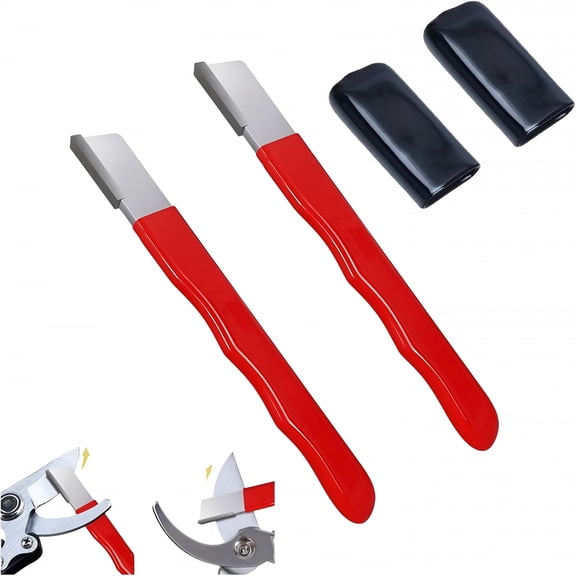
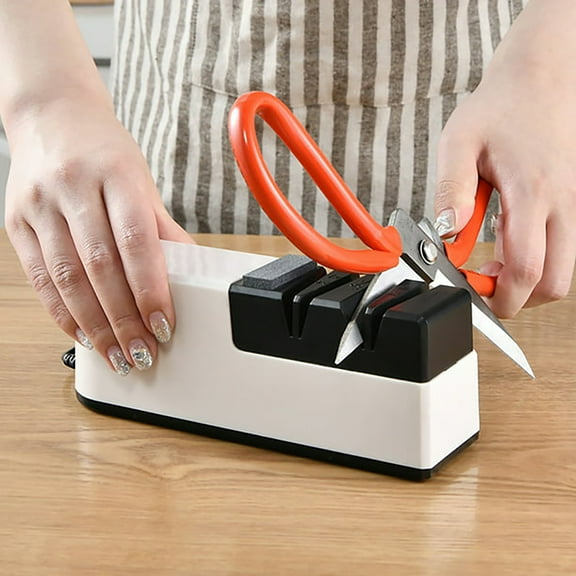
If you use kitchen shears often, you should look for scissor compatibility in the slot layout. That detail can help you maintain more of your culinary tools with one device.
How knife sharpeners fit real kitchens and gifting moments
You can use knife sharpeners to support everyday chopping, slicing, and carving with more consistent edges. That consistency can help your prep feel smoother when you move from herbs to tougher ingredients.
If you cook several nights a week, an electric option may fit your pace. If you enjoy hands-on care, a manual or stone setup may suit your routine more naturally.
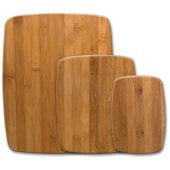
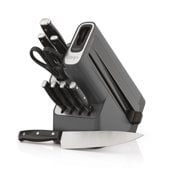
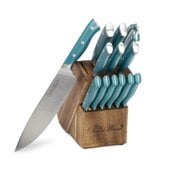
You may also choose this category when you’re building a practical kitchen gift list. Knife sharpeners pair well with kitchen knives, cutting boards, and other culinary tools for new homes.
For compact apartments, you may prefer a handheld or manual format with easy storage. For larger cookware setups, you may prefer a benchtop sharpener with multiple stages and a stable base.
If you carry folding blades, you may compare portable sharpeners built for pocket knives. If you maintain several household blades, you may want wider compatibility and adjustable angle guidance.
With the right combination of type, angle, grit, and portability, you can narrow your choice with confidence. You’ll end up with a sharpener that fits your knives, your space, and your prep habits.
Popular in Motorized & Electric Knife Sharpeners - Walmart.com
- Kitchen Knife Sharpeners
- Chef Craft Knives & Sharpeners
- Chef Knife Sharpeners
- Reduced Price in Knives & Sharpeners
- Wusthoff Knife Sharpener
- Sharpen Serrated Bread Knife
- Sharpening Ceramic Knives
- Chefs Choice Knife Sharpeners
- Grit Sharpening Kitchen Knives
- Berghoff Knives & Sharpeners
- Chefs Choice Diamond Hone
- Hampton Forge Knives & Sharpeners