

Grape Seeds in Seed Gardening


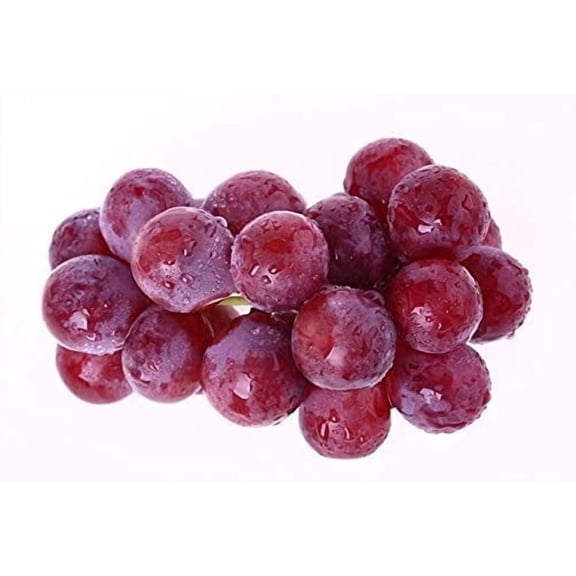



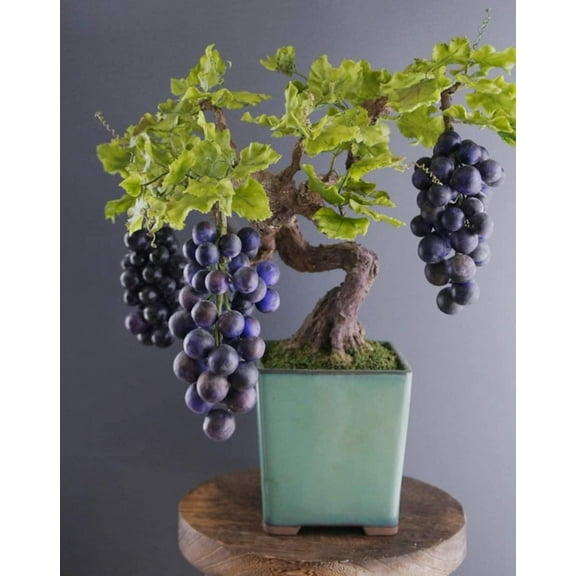








About Grape Seeds in Seed Gardening - Walmart.com
If you're searching for grape seeds near me, you likely want grape seeds for planting that fit your garden plan. You likely also want clear guidance on varieties, germination steps, and support planning before you plant.
When you choose grape seeds, you aren't only picking a fruit color. You're also choosing growth habits, planting timelines, and trellis needs that shape your garden setup.
How to choose grape seeds for planting
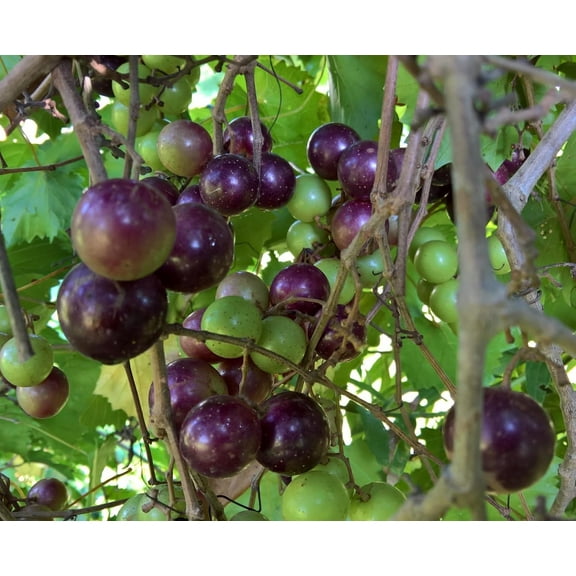
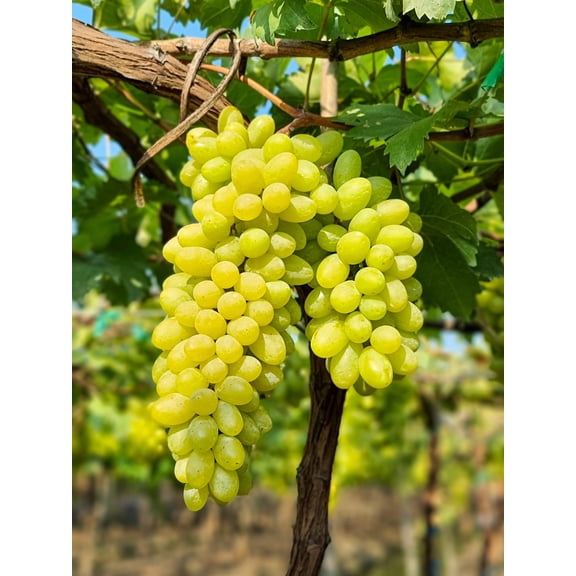
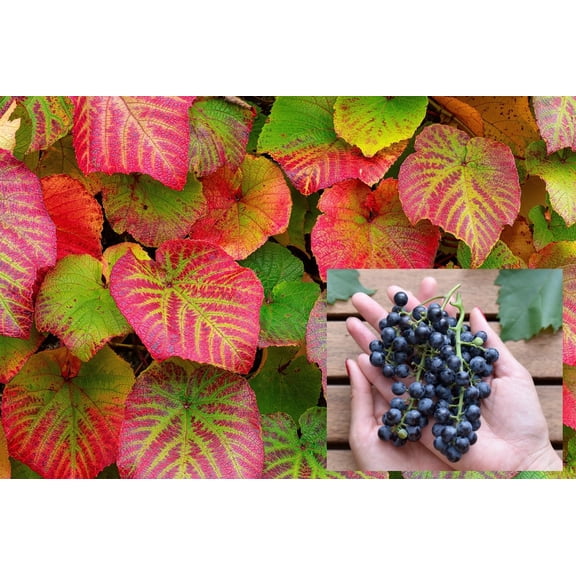
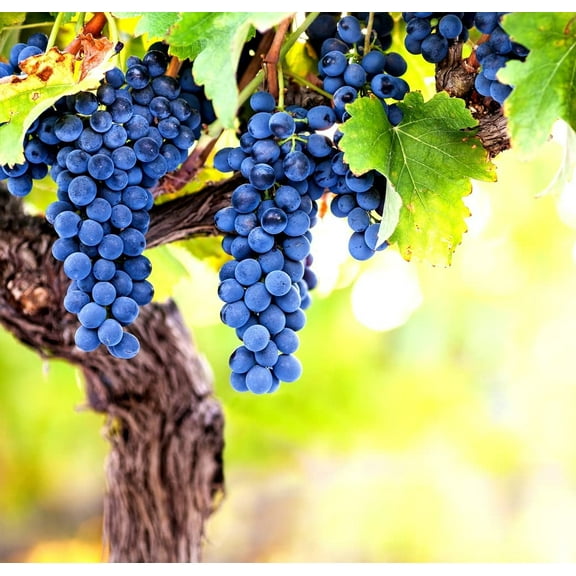
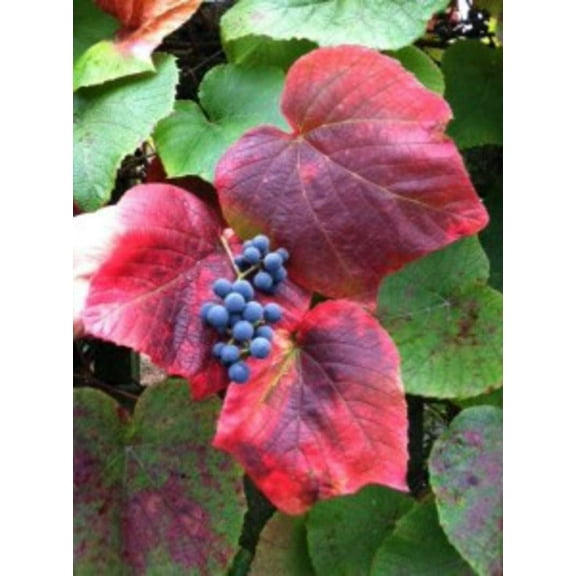
You should start with seed type and variety because each option supports a different planting plan. You can compare Concord, Thompson, Crimson, red, green, and purple selections before you prepare your beds.
If you're considering seedless varieties for comparison, you should note one important detail. Seedless grapes do not produce viable seeds, so you can choose seeded options for planting grape seeds.
Concord-style options can suit you when you want classic grapevine seeds for home rows or backyard trellises. Thompson-style options may suit you if you're planning lighter-colored vines and want a familiar garden reference.
- You can compare green grape seeds when you want a lighter fruit color in your planting plan.
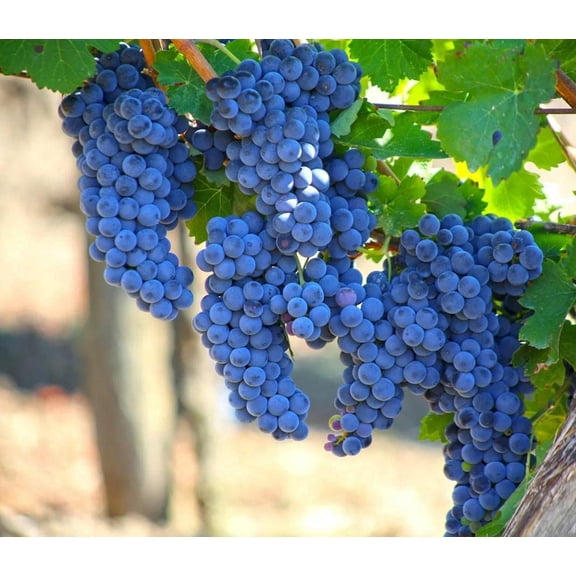
- You can review purple grape seeds when you want deeper color for mixed garden rows.
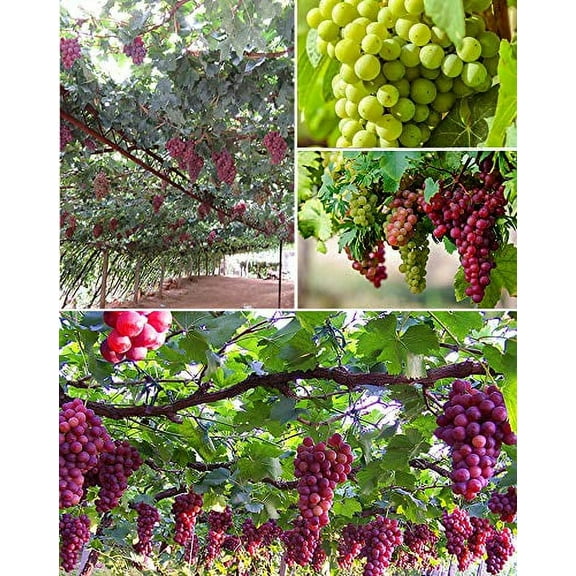
- You can check red or Crimson types if your layout calls for variety across several vines.
- You should confirm seeded status first, because your planting starts with plantable seeds.
What to look for when planting grape seeds
You should expect planting grape seeds to take preparation, because grape seeds often need a cool-start period before sowing. You can improve your setup by planning containers, soil texture, and watering habits in advance.
When you're preparing soil, you should look for loose, well-draining texture that lets your roots spread easily. You can use seed-starting mixes or light garden soil when you want steady early growth.
You should plant at a modest depth and keep moisture consistent without soaking your container. You should also use a bright location after sowing, because young grapevine seeds need steady light.
If you're starting indoors, you can monitor temperature and moisture with more control. If you're starting outdoors, you should check your season timing and soil warmth before direct sowing.
Choosing between green grape seeds and purple grape seeds
You may choose green grape seeds when you want a lighter vineyard look in your yard. You may choose purple grape seeds when you want richer color contrast along fences, posts, or arbors.
Your choice can also shape how you plan mixed rows and visual spacing. If you're designing an edible garden, you can group colors by row for a cleaner layout.
You should also compare named varieties like Concord, Thompson, and Crimson with your local growing conditions in mind. You can make a clearer choice when you match color preference with your available space and support style.
Features that matter for grapevine seeds
You should treat seed variety as a key feature because it affects vine character and garden planning. You can use variety names to narrow your selection before you choose soil, containers, or trellis materials.
Seed viability matters because you want planting stock intended for growing, not kitchen comparison. You should also check package quantity when you're planning single containers, starter trays, or larger garden rows.
Another useful feature is whether you're starting for containers or in-ground beds. You can plan spacing earlier when you know whether your young vines will move to raised beds, fences, or arbors.
Trellis planning also belongs in your decision process because grapevines climb as they mature. You should consider support options with your layout, especially if you're mapping a patio edge or backyard row.
How you'll use grape seeds in your garden plan
You can use grape seeds for planting when you're building a home fruit garden from the ground up. You may also use them when you're testing different varieties before you commit space to several vines.
If you're planning a fence line, you can pair your seeds with trellises or arbors for vertical growth. If you're filling raised beds, you should measure future vine spread before you set each planting spot.
You might start a few grapevine seeds indoors when your season starts cool and your outdoor soil isn't ready. You can then move seedlings later when your garden space is ready for stronger growth.
For mixed edible gardens, you can combine grape rows with nearby soil and soil amendment planning. You'll also benefit from having gardening tools ready for sowing, labeling, and early transplant steps.
If you're comparing varieties for family gardens, you can separate Concord, green, purple, or red types by tray. You may find that labeled starts make later transplanting and row planning much easier.
Common planning questions for grape seeds near me
If you're looking for grape seeds near me, you likely want convenient access and clear planting information together. You can use this page to compare seed types while planning containers, soil, and support pieces.
You may wonder whether all grape seeds grow the same way, and they don't. You should compare variety, seeded status, and growing setup before you start your garden project.
You may also ask what else belongs in your setup besides seeds. You should consider fruit plants, gardening tools, soil and soil amendments, plus trellises and arbors for climbing support.
When you choose grape seeds with your variety, soil, and trellis plan in mind, you support a smoother planting process. This helps create a clearer path from seed selection to an organized home grapevine project.