


Grow Media, Seeds & Supplies in Hydroponics

















About Grow Media, Seeds & Supplies in Hydroponics - Walmart.com
You can build a cleaner start with hydroponic grow media that matches your system, your seeds, and your growing routine. You’ll find choices like coco coir, rockwool, clay pebbles, and starter plugs that support steady moisture and root airflow.
Choosing hydroponic grow media for your setup
When you compare media types, you should focus on how each one balances moisture holding and root breathing. You’ll notice that balance affects seed starting, cloning, and transplanting in different ways.
If you want a loose, natural option, you may consider coco coir grow media or peat-based mixes. You’ll often get soft texture, solid moisture retention, and easy filling for trays and small pots.
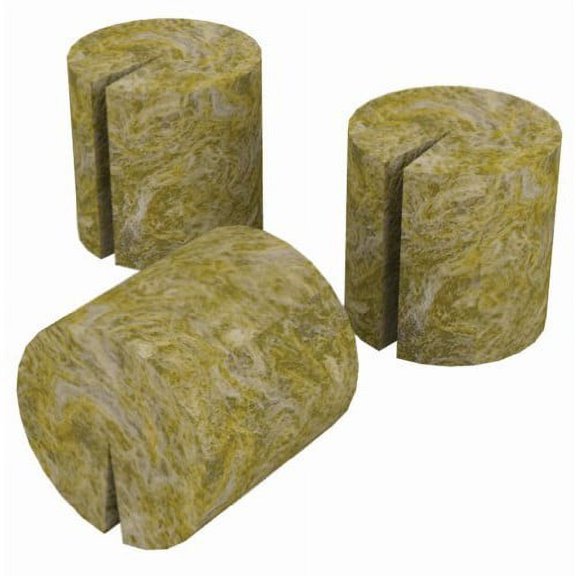
For firm structure, you can look at rockwool starter plugs, blocks, or slabs for uniform placement. You’ll often appreciate how evenly they fit starter trays and support consistent spacing.
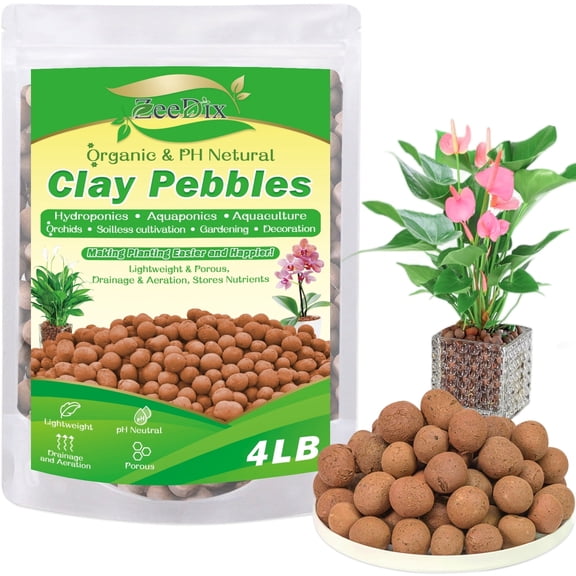
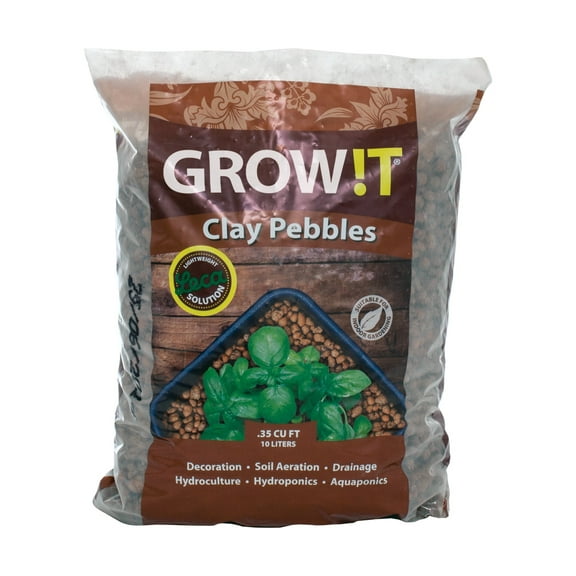
Clay pebbles and perlite can help you increase airflow around roots in active hydroponic systems. You’ll often use them when you want faster drainage and less compact media.
- You can choose coco coir when you want moisture retention with a loose fill format.
- You can choose rockwool plugs when you want consistent sizing for trays and net pots.
- You can choose clay pebbles when your system needs strong drainage and airflow.
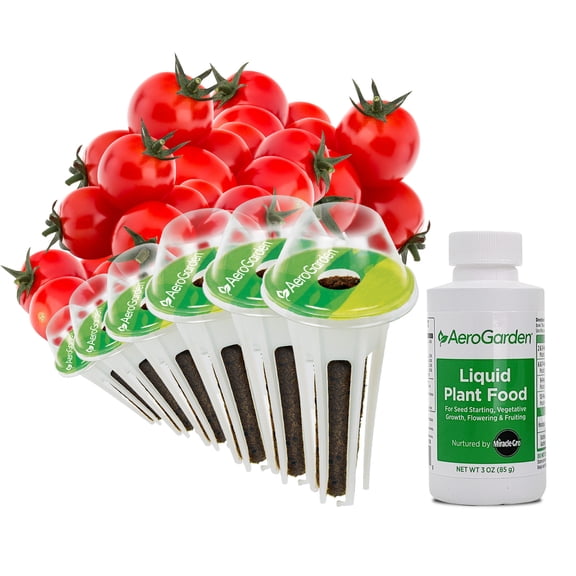
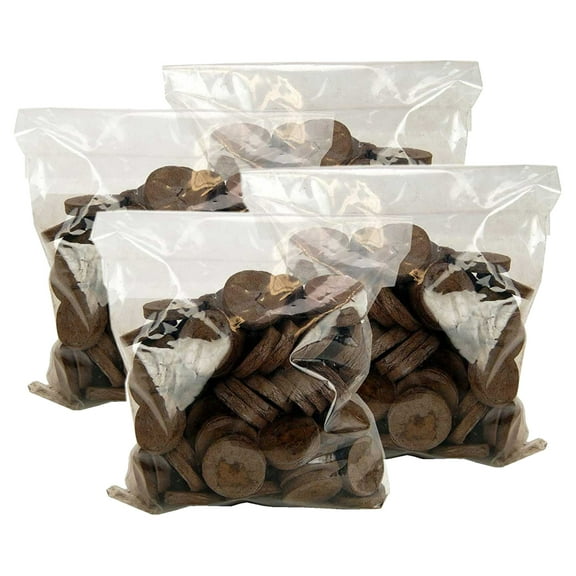
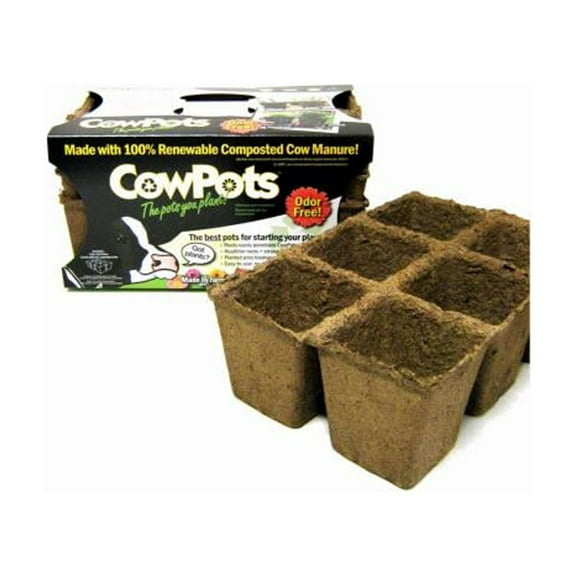
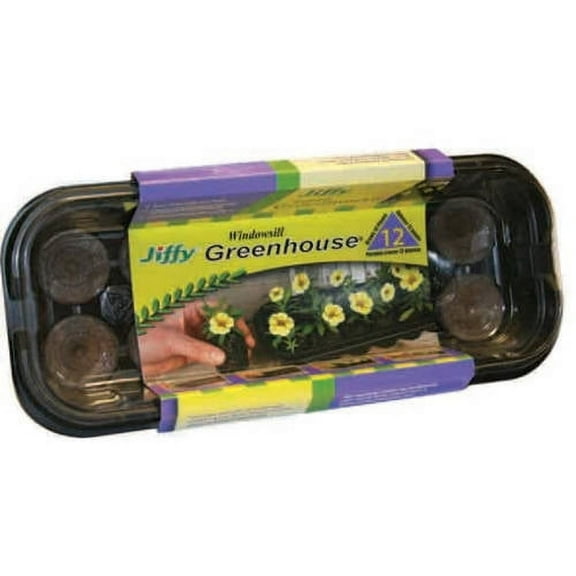
- You can choose peat moss plugs or grow sponges when you want simple seed starting steps.
How to compare media type and form factor
You should compare both the material and the shape before you pick your supplies. You’ll see plugs, blocks, loose bags, and grow sponges, and each format changes how you start and move plants.
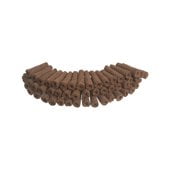
Plugs work well when you want a hydroponic seed starter that drops into trays with less prep. You can move many plugs into larger systems after roots develop through the sides.
Blocks give you more room for early root growth and easier transplant timing. You may prefer them when you want one medium from germination through a larger growth stage.
Loose bags can fit custom containers, seed starting mix applications, and hand-filled net pots. You’ll likely choose them when your setup uses different cup sizes or mixed media layers.
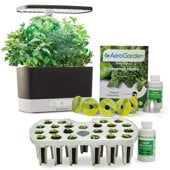
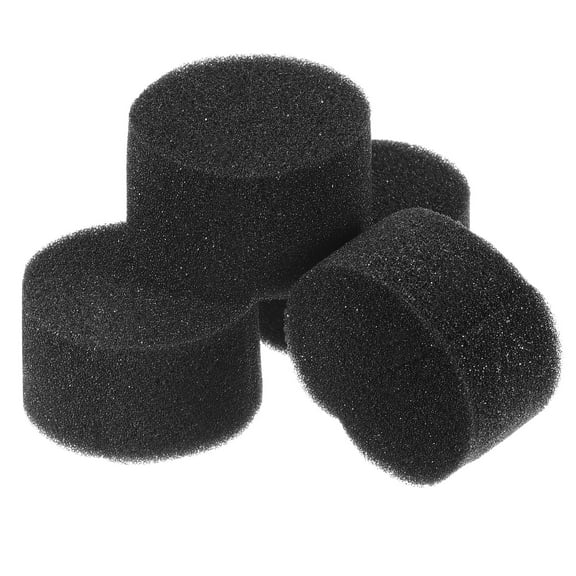
Grow sponges can simplify starting herbs and leafy greens in countertop or compact units. You can also check whether sponge size matches your pod holder or tray openings.
What to look for in pH stability and prep steps
You should check whether your media needs pre-rinsing, pH buffering, or soaking before use. You’ll save setup time when you understand those steps before planting.
Coco coir may need buffering, and you should review whether the product is pre-buffered. You’ll want steady pH performance because it can make nutrient mixing more predictable.
Rockwool often benefits from soaking before use, and you should check package directions for setup. You may also look for notes about pH stability when you’re comparing starter plugs.
If you compare EC levels, you’re checking how much residual mineral content may be present at the start. You’ll usually want clear product details when you’re preparing seeds or cuttings.
Pre-washed media can shorten prep, while unwashed formats may suit growers who prefer full control. You can choose based on how hands-on you want your starting routine to be.
Matching hydroponic seed starter supplies to your use case
You should match your media to the job instead of using one format for every stage. You’ll usually get smoother results when your seed starter, clone support, and transplant media fit the task.
For seed starting, you may want soft plugs, grow sponges, or fine coco blends that hold even moisture. You’ll help young roots settle in when the media stays moist without feeling packed.
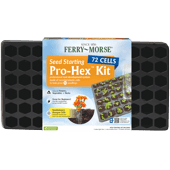
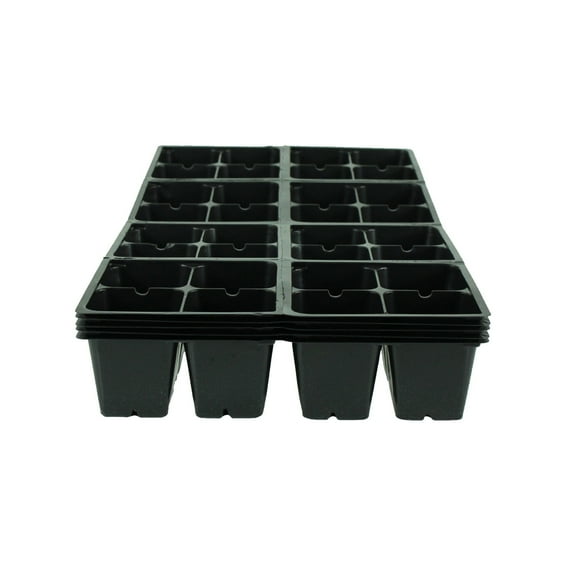
For cloning, you can compare plugs and sponges that hold stems upright in starter trays. You should also measure tray cells so your inserts fit without gaps or squeezing.
For transplanting, you may prefer blocks or loose media that transitions into larger containers with less disruption. You’ll often appreciate that flexibility when roots outgrow small starter cells.
In DWC systems, you can look for media that works with net pots and supports airflow around roots. Clay pebbles are common here, and you may mix in other media for early starts.
Choosing organic status and indoor seed starting supplies
You can also compare organic, conventional, and OMRI listed options based on your growing preferences. You should read labels closely because those terms can guide how you plan your indoor garden.
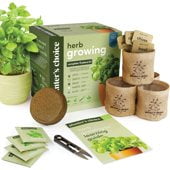
If you want indoor seed starting supplies for a seasonal setup, you may pair plugs or seed starting mix with trays. You can then add grow lights and hydroponic nutrients as your seedlings develop.
Natural media like coco coir or peat may appeal to you when material origin matters in your setup. Synthetic options like rockwool may appeal to you when you want uniform shape and easy tray fit.
When you compare hydroponic grow media carefully, you can choose supplies that fit your trays, support your roots, and reduce setup guesswork. You’ll feel more confident starting seeds, cloning cuttings, and moving plants into your hydroponic system.