

Scoring Sticks & Scouring Sticks - Walmart




















About Scoring Sticks & Scouring Sticks - Walmart - Walmart.com
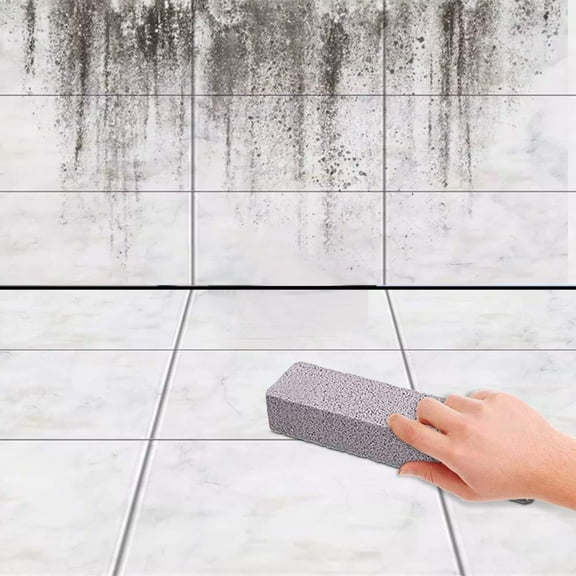
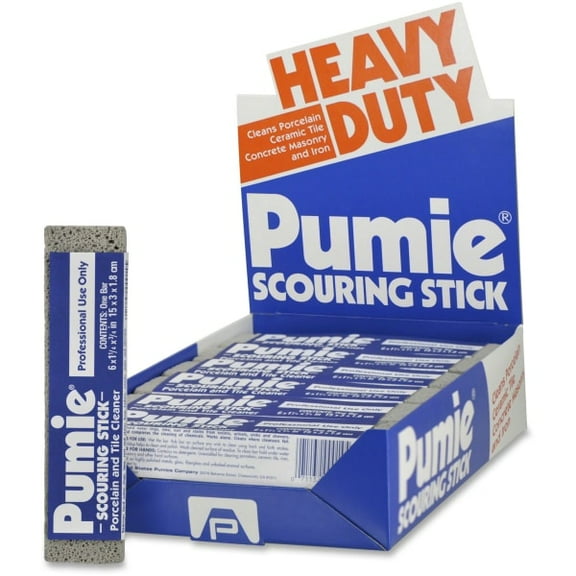
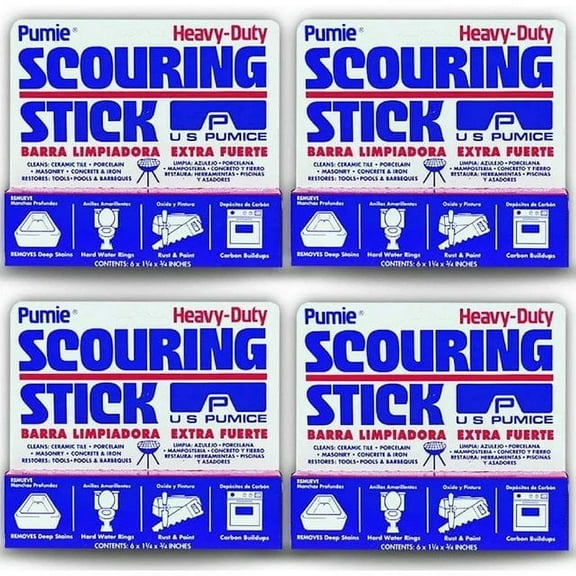
Scoring sticks help you remove toilet bowl rings, rust marks, and hard-water residue with focused scrubbing. This category covers pumice-based cleaning sticks you can use on porcelain, ceramic, grills, and bathroom fixtures.
Shoppers use several names for this tool. You may see scoring stick, scouring stick, or pumice stick, yet the cleaning task stays the same.
How to compare scoring sticks and scouring sticks
Terminology matters when you compare listings and product details. You’ll often find a scoring stick is the same kind of handheld pumice cleaning tool as a scouring stick.
That overlap explains why shoppers also search for pumice stick and cleaning pumice stick. These terms describe abrasive sticks made for ring lines, mineral deposits, and rust marks.
Look for product names that explain material type and intended cleaning use. That detail helps you match the stick to toilets, sinks, grills, or other fixtures.
Choosing material type and cleaning strength
Material type affects texture, firmness, and wear during scrubbing. Common options include pumice stone, pumice blend, and stone-based scouring stick designs.
Shoppers often choose pumice stone options for concentrated scrubbing on toilet bowl rings and hard-water stains. Pumice blend styles can offer a different feel and shape retention.
Duty level is another buying decision. Standard duty fits routine upkeep, while heavy duty options target thicker mineral buildup and visible rust staining.
- Use standard duty for lighter ring marks and regular bathroom touchups.
- Choose heavy duty when buildup looks thicker and needs more abrasion.
- Consider everyday cleaning packs for repeat household cleaning tasks.
- Check whether a stone-based scouring stick matches your main surface.
These tools wear down as they scrub. That makes density, shape, and firmness more important than they would be with a liquid cleaner.
What to look for in a pumice stick for cleaning
A pumice stick for cleaning should match your main job first. Compare toilet bowl ring removal, rust stain removal, hard-water stain cleaning, and mineral deposit removal.
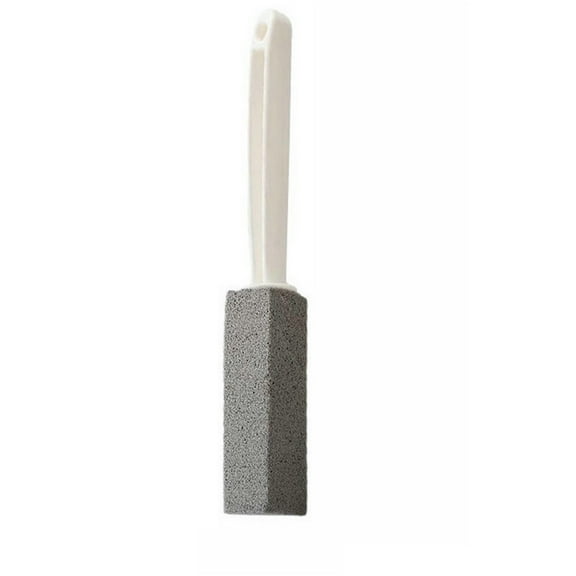
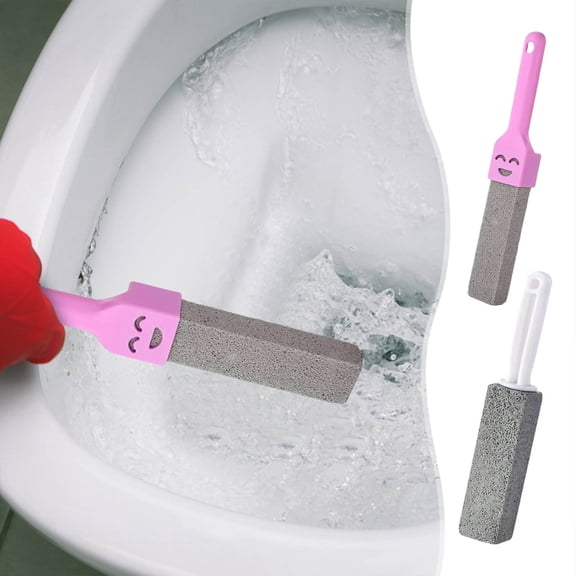
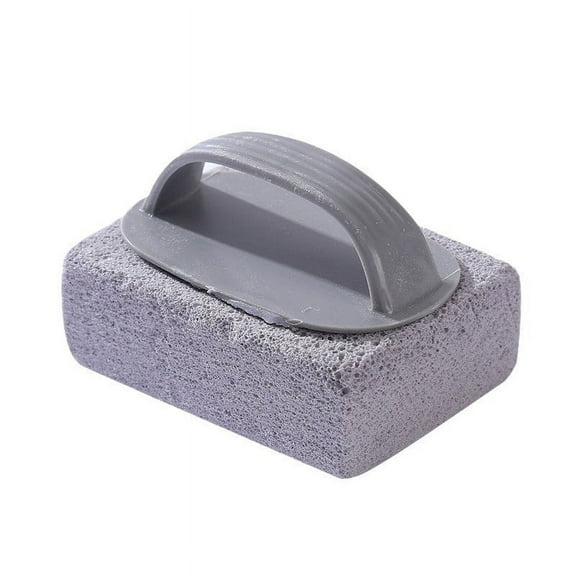
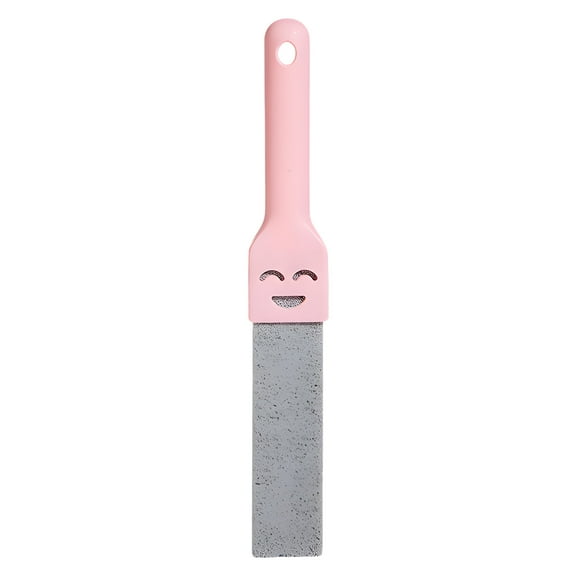
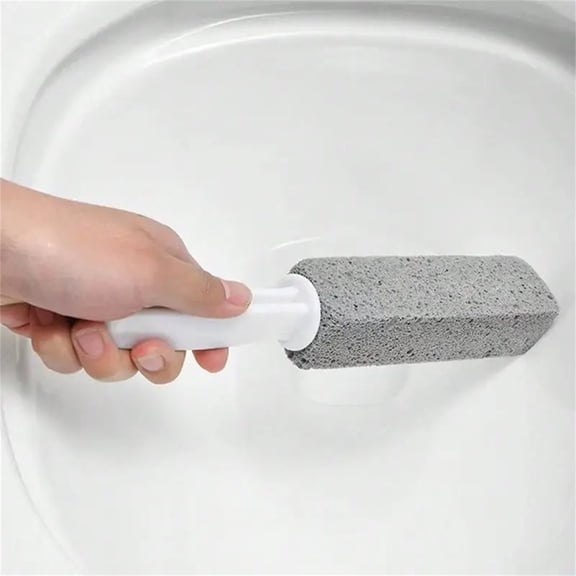
For toilet cleaning, shape affects control around the waterline and bowl curve. Narrow handheld forms can help you reach edges, corners, and tight ring lines.
For rust and hard-water stains, check the stick size and expected wear rate. A denser cleaning pumice stick can suit repeated scrubbing on visible mineral crust.
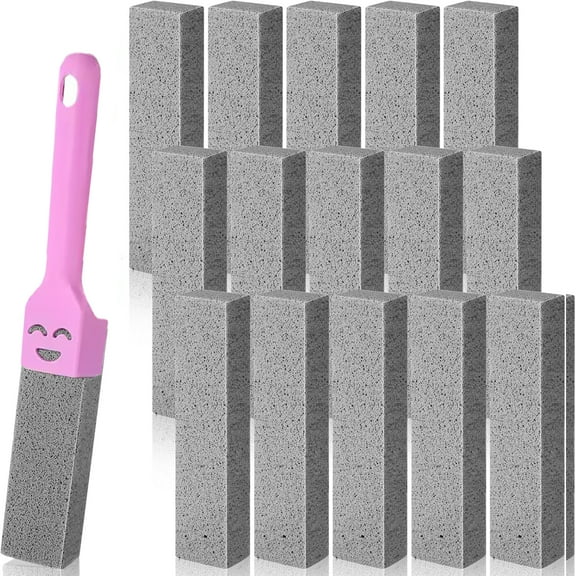
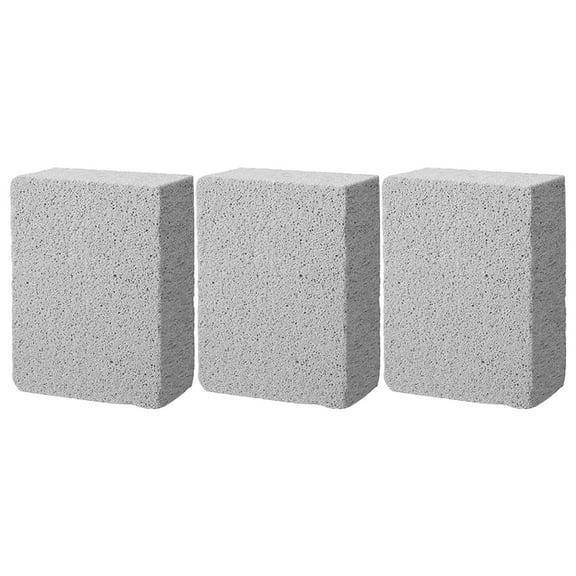
Product form changes the decision too. Single stick options fit occasional jobs, while multi-pack formats support repeat cleaning across several rooms.
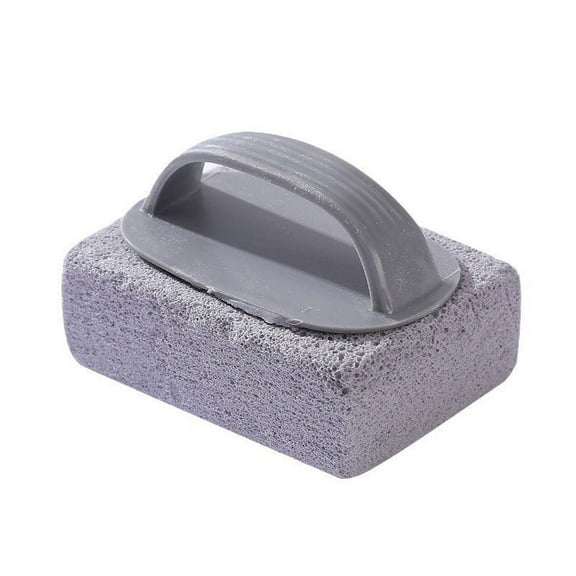
Handheld stick designs can feel easier to grip during focused scrubbing. Multi-pack choices also help when you keep separate sticks for bathrooms and grill surfaces.
Choosing scouring sticks by surface compatibility
Surface compatibility should guide each purchase decision in this category. Compare listings for porcelain, ceramic, grill surfaces, and bathroom fixtures before you choose.
Porcelain is a common target because toilet bowl rings often collect there. Ceramic sinks and similar fixtures may also be part of your regular cleaning routine.
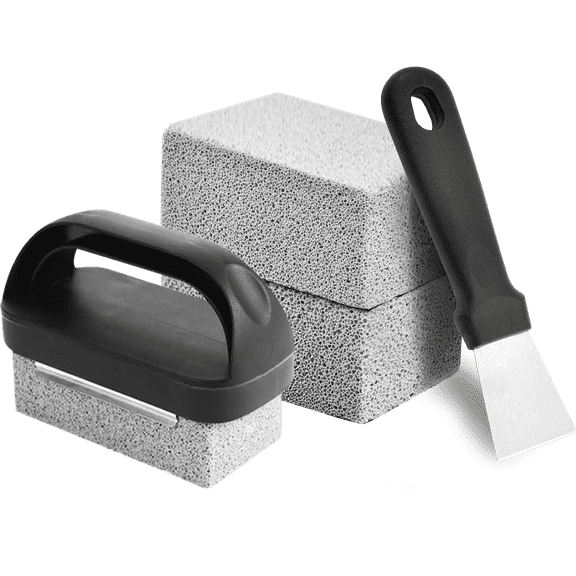
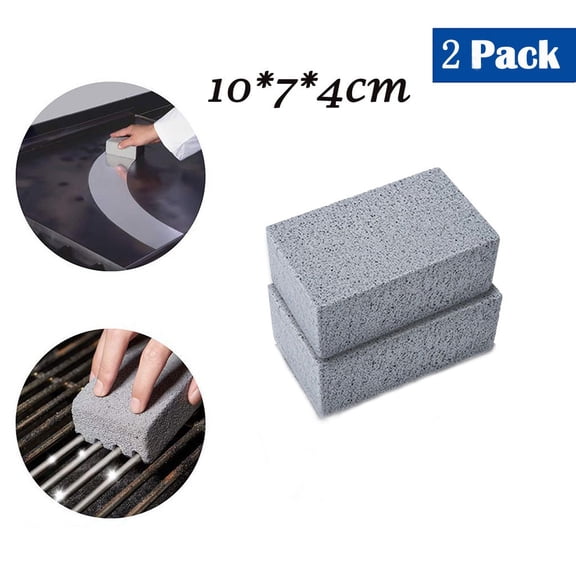
Some shoppers use a scouring stick pumice stone for grill cleanup. That job differs from bathroom cleaning because the surface shape and residue can look very different.
Check whether the product description lists the surfaces you plan to clean. This category works differently from scrub pads, brushes, or liquid descalers.
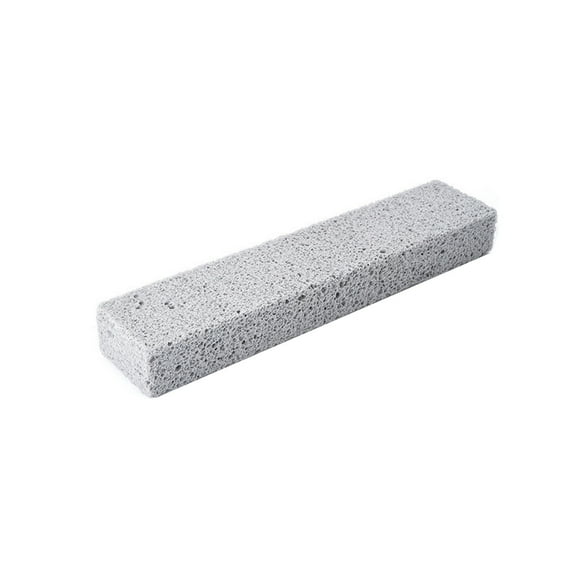
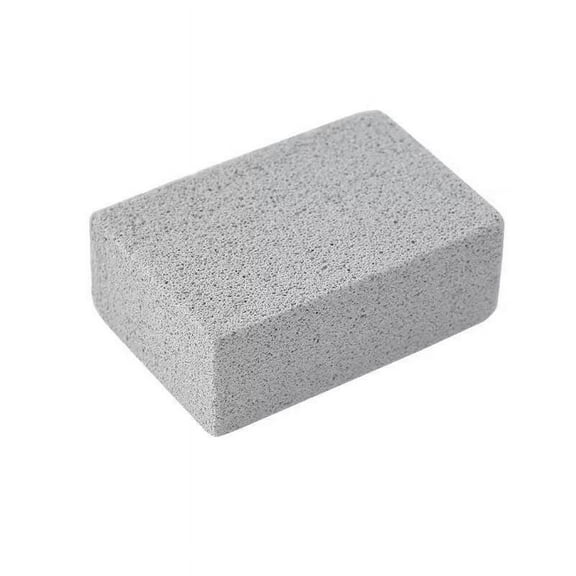
Pumice sticks are rigid, handheld abrasion tools. You pick them for direct contact on mineral scale, rust marks, and toilet ring buildup.
Matching use cases to product form and duty level
Different cleaning jobs call for different combinations of form, material, and strength. Consider where buildup appears most often in your home before comparing options.
If toilet bowl ring removal is your main task, compare handheld sticks with a shape that follows the bowl. Heavy duty options can fit darker, set-in rings.
If hard-water stain cleaning is the focus, look for a stick that offers steady abrasion across flat areas. Multi-pack formats can suit homes with several bathrooms.
For rust stain removal on bathroom fixtures or ceramic areas, consider a smaller stick for detailed contact. Standard duty options can fit lighter recurring marks.
For grill surfaces, check product descriptions for that intended use before choosing. A pumice stick and a scouring tool may share material roots, yet listed applications still matter.
Some shoppers search with variant terms such as score stick or scouting stick. Clear category language helps you compare the same tool type with less confusion.
How to choose the right scoring sticks
Start with the surface you clean most often. Then compare material type, duty level, and whether a single stick or multi-pack fits your routine.
Next, check the cleaning task itself. Toilet bowl rings, rust staining, and mineral deposits each call for the right shape and abrasion level.
Finally, use the shared language across the category to narrow choices. Scoring sticks, scouring sticks, and pumice cleaning sticks point to a focused tool for stubborn buildup.
When the stick matches the surface and residue type, cleanup feels more controlled and targeted. That match helps you remove visible buildup with less guesswork.